Before Whitney, there was Dolly

10 songs that were more successful as a cover


Published on May 17, 2026


Image: Austin Neill

We usually remember songs in the version we first listened to, which means sometimes we gravitate towards a cover instead of the original version. But what happens when the cover is so successful that we forget the original? Here are 10 covers that made such an impact that many people believe they are originals.

1

I Will Always Love You

Image: Wes McFee

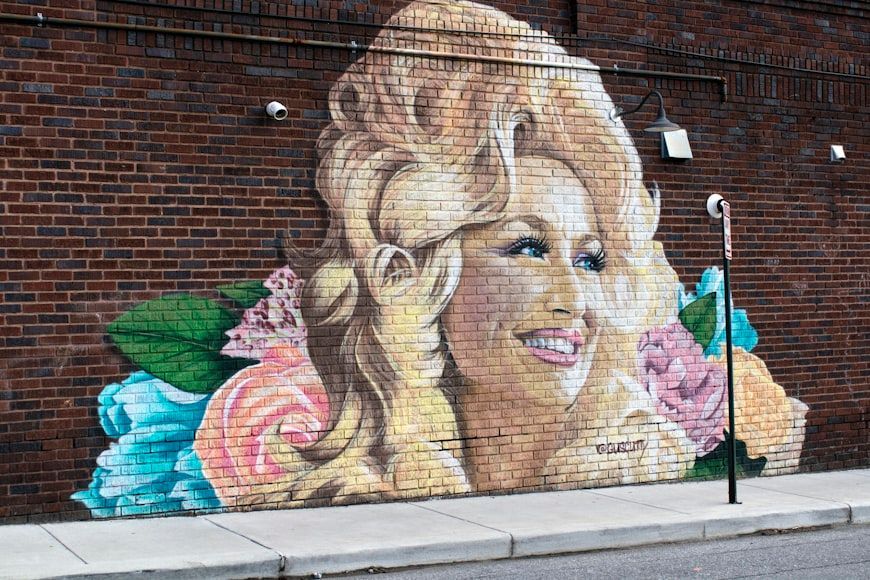
One of the most memorable parts of 1992’s The Bodyguard is undoubtedly Whitney Houston’s rendition of "I Will Always Love You". But while Houston’s version broke records at that time, this song was already a hit on its own. Written by Dolly Parton in 1973 as a farewell to his then mentor and business partner Porter Wagoner, it was also a commercial success.

2

Knocking on Heaven's Door

Image: Nikoloz Gachechiladze

This is the case of an original hit that also became a hit through its cover. Bob Dylan wrote "Knocking on Heaven’s Door" as part of the soundtrack for Pat Garrett and Billy the Kid in 1973, and the song instantly climbed up in the rankings. Although it has been covered by several important musicians (Eric Clapton, for example), it can’t be denied that it is most widely known as a cover by Guns N’ Roses.

3

I Love Rock’n’Roll

Image: Mike Beaumont

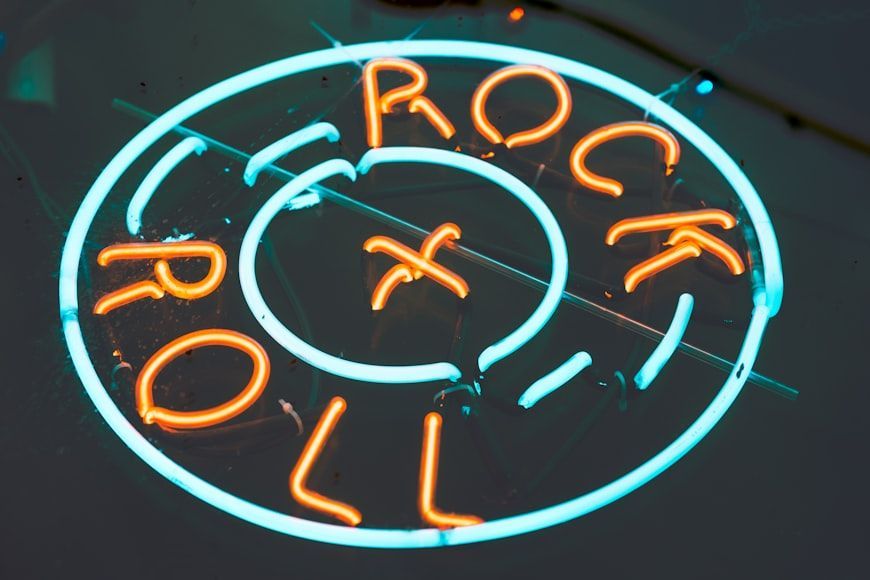
"I Love Rock’n’Roll" is widely known as one of Joan Jett’s biggest hits, but her version is a cover. It was originally released by the British band The Arrows in 1975 as a response to The Rolling Stones’ "It's Only Rock 'n Roll (But I Like It)". Jett had unsuccessfully tried to cover the song while in the Runaways, and she was able to do it with her next band, the Blackhearts, in 1981.

4

Red Red Wine

Image: CK Chen

UB40’s reggae cover of "Red Red Wine" had moderate success upon its 1983 release, but quickly rose in the charts when it was re-released a few years later. According to one of its members, they heard the song as a cover and didn’t know that the original was by Neil Diamond. Reportedly, UB40’s cover version is one of Diamond’s favorites, and he often performs their reggae arrangement in his own concerts.

5

Girls Just Want to Have Fun

Image: Daniel Schludi

Did you know that one of the main girl anthems of the '80s was originally written and performed by a man? "Girls Just Want to Have Fun" was penned and performed by rock singer Robert Hazard in 1979, and was written from a male perspective. When one of Hazard’s friends brought the song to Cindy Lauper to re-record as a pop-electronic version in 1983, she changed some of the lyrics to fit it to her own perspective.

6

Ring of Fire

Image: Markus Spiske

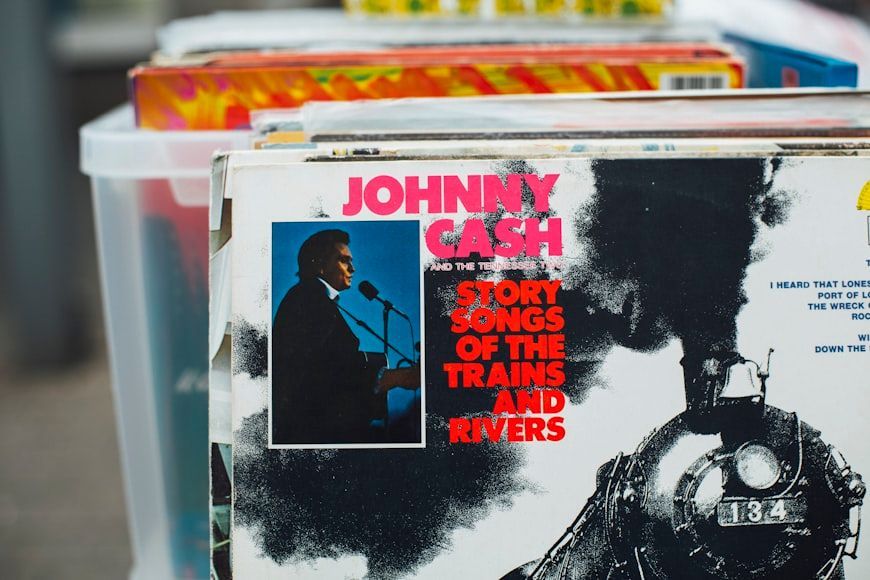
Johnny Cash’s version of "Ring of Fire" (1963) is part of the Grammy Hall of Fame, but he is not the original singer or songwriter. This song was actually written by Cash’s future wife, June Carter, alongside Merle Kilgore, and was initially performed by June’s sister, Anita Carter, as "(Love’s) Ring of Fire" in 1962. Cash’s first wife, Vivian Distin, has always said that he was the original writer, but the jury’s still out on that one.

7

Life Is a Highway

Image: Bruno Bergher

Rascal Flatts' version of "Life Is a Highway" (2006) for the movie Cars is the band’s most-streamed song of all time. The original version is by the Canadian singer Tom Cochrane, and was initially conceived in 1991 as "Love Is a Highway", though the title was later changed. While technically Cochrane’s version did better in the charts, the Rascal Flatts version is nowadays more widely known.

8

Valerie

Image: eddievanderwalt, Public domain, via Wikimedia Commons

When the lead singer for The Zutons wrote "Valerie" for one of his friends in 2006, the track was quite successful, claiming a high position in the UK charts. However, it was Amy Winehouse’s 2007 version with Mark Ronson that cemented the song's popularity, and it is believed by many to be a Winehouse original.

9

Nothing Compares 2 U

Image: Doyoun Seo

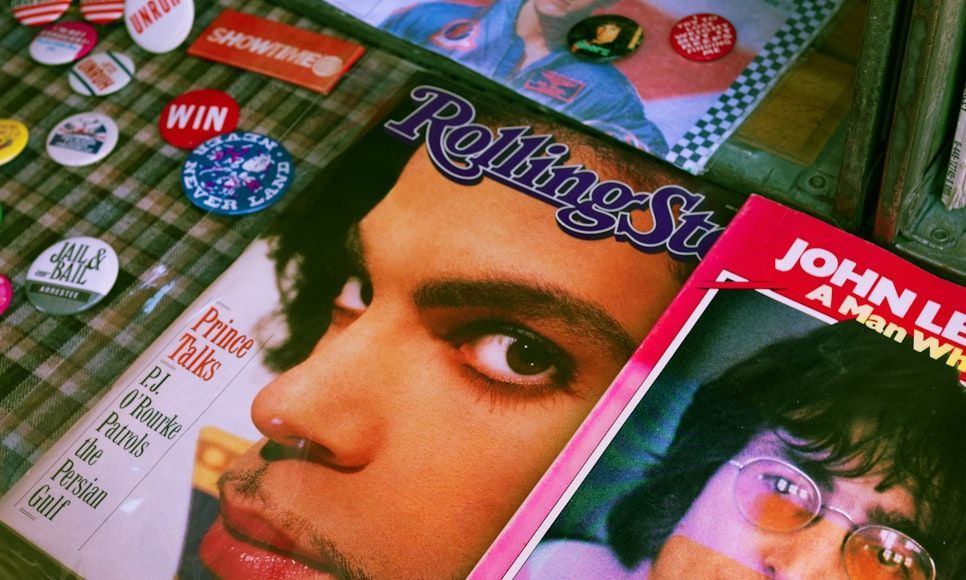
Where were you when you found out that Sinéad O’Connor’s most famous hit is actually a cover? This song was written by no other than Prince (yes, the one from "Purple Rain") in 1984, and originally performed by his band, the Family. However, the original version was not successful, and the song became a worldwide hit in 1990 in O’Connor’s voice.

10

Tennessee Whiskey

Image: Nejc Soklič

When Chris Stapleton decided to randomly sing "Tennessee Whiskey" during a soundcheck, he never imagined how popular his version would be, especially after performing it at the CMAs. The track was written in the 1980s by Dean Dillon and Linda Hargrove, and initially recorded by David Allan Coe, but it didn’t make a big impact. A later version by George Jones 81983) had more success in the Country music charts, but it was Stapleton’s cover (2015) that made the song widely known outside of the genre.



Black and white, and every idiom in between

Recognize the Red Flags! How many of these colorful idioms do you use?


Published on May 17, 2026


Image: Robert Katzki

Idioms let us express ideas in creative and colorful ways. Luckily for us, English is full of popular expressions—many of which use the colors of the rainbow to describe moods, feelings, and all sorts of everyday situations. Join us as we explore the meanings and origins of 10 color idioms that brighten up our daily conversations!

1

Red flag

Image: C. G.

If you show up at the beach and see a big red flag, you know it signals danger. This association between the color red and warning signs has carried over into everyday language. Nowadays, when someone speaks of a "red flag," they're referring to those aspects or attitudes of a person that need to be examined with caution, as they may be indicators of trouble ahead. For example, if a friend tells you her partner never replies to her messages, you might think: "Red flag!" The idiom is believed to have originated in 17th- and 18th-century military and naval traditions, where red flags were used to signal battle or to warn of danger.

2

In the black

Image: Towfiqu barbhuiya

This phrase comes from the accounting world, back when everything was done by hand and computers hadn’t completely taken over our world. Red ink was used to record losses or deficits, while black ink indicated profits. That’s why we say someone—more often, a company—is in the black when their finances are in good shape and they have a positive balance.

3

Golden handshake

Image: Constantin Wenning

We all know a good handshake usually signals a deal, but if the handshake is golden, it means the deal has been juicy, at least for one of the parties. When we say that an employee received a golden handshake, it means they were given a large sum of money or generous benefits, typically as part of early retirement or a negotiated departure. The idiom is believed to have originated in the UK in the mid-20th century, during the rise of the corporate world.

4

Greener grass

Image: Christopher Machicoane-Hurtaud

Sometimes, we forget to recognize and appreciate what we’ve achieved, choosing instead to focus on what others seem to have. That’s exactly the idea behind the classic phrase "The grass is always greener on the other side." This kind of envy is nothing new—the idiom actually dates back to the first century BC! The Roman poet Ovid first expressed it as Fertilior seges est alieno semper in arvo, which translates to "The harvest is always more fruitful in another man's field."

5

White flag

Image: Pedro Farto

You’ve probably found yourself in a pointless argument at some point. When you realize that winning the debate isn’t worth it, you might choose to surrender for the sake of peace. At that moment, it’s said that you’re raising a white flag. Of course, this idiom comes from the actual practice of raising a white flag during war to signal a truce or surrender. The tradition is so old that it's believed even ancient Roman and Chinese armies used white flags—or white garments—to signal they were laying down their arms.

6

To paint the town red

Image: Stephen Pedersen

Almost all of us have had one of those mornings with a terrible headache and no clear memory of what happened the night before. Chances are, we were out painting the town red. When someone goes out partying with friends, we say they're painting the town red—but why that color?

The origin of this idiom is believed to date back to 19th-century England. According to several sources, in 1837, the Marquess of Waterford and his friends went on a drunken spree through a town, committing wild pranks—including painting several buildings with red paint.

7

Red-handed

Image: engin akyurt

Although we often use this popular idiom in casual conversation today, its roots go back nearly six centuries! That’s right—historians trace the origin of the phrase to 15th-century Scotland, where someone was said to be caught red-handed if they were discovered at the scene of a crime—literally with blood on their hands. But since metaphor is the name of the game when it comes to idioms, we no longer need actual blood—or even a real crime. These days, catching someone red-handed might just mean finding your brother-in-law sneaking a piece of cake from the fridge.

8

True colors

Image: Merve Sehirli Nasir

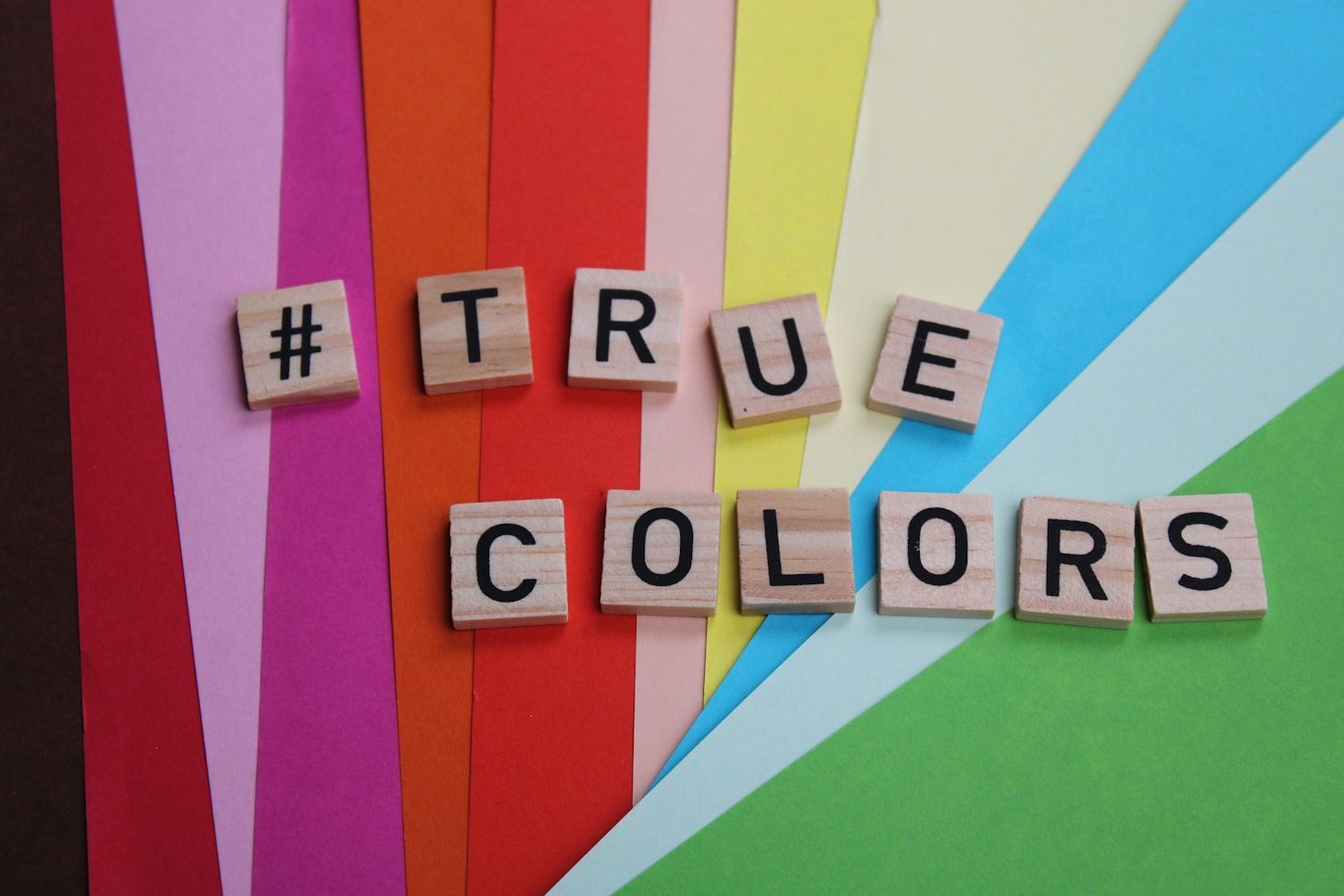
If you're on a first date, it's better to wait before showing your true colors. But what exactly are our "true colors"? This idiom is about revealing what's beneath the surface—our true character, intentions, or feelings.

The phrase dates back to 17th-century naval warfare, when ships were expected to fly their true flags to show their identity. Some deceptive vessels, however, would fly false flags—or "colors"—to trick others.

9

Black or white

Image: Grimur Grimsson

Well, let's say this idiom is fairly self-explanatory and uses color symbolism to describe extremes. When a situation is black or white, it means there’s little room for nuance—you’re expected to choose one side or the other, with no middle ground. It’s the classic "all or nothing" mindset.

10

True blue

Image: Evgeniya Shustikova

We all have that one loyal friend who’s always there for us—the kind of person who keeps their word and stands by you no matter what. That’s what it means to be true blue. The idiom is believed to trace back to medieval England and Scotland, where high-quality blue dye was prized. If the color didn’t fade over time, it was considered reliable—true blue.

Looking for an extra scoop of literary fun?

Learn more with our Word of the day

gladiatorial

/ˌɡlædiəˈtɔriəl/