Names that contain multitudes

10 real people who became widely used adjectives


Published on June 2, 2026


Image: Patrick Tomasso

Is it possible for a person to leave such a deep impression in their time that their name becomes synonymous with their most predominant characteristics? Of course! We can find many examples of this across history, but also in words that we use or hear often, and we might not realize that they are the names of famous queens, generals, writers, or philosophers. Here are 10 adjectives you have heard at least once that come from the name of a historical character.

1

Napoleonic

Image: Nicolas HIPPERT

Meaning: aggressive and domineering as a way to compensate for a fault in a different aspect.

Be it that we think of Napoleon Bonaparte as a military genius or as a very lucky madman, we can’t deny that he was ambitious and assertive. However, some of his detractors say that this attitude was a way for him to compensate for his (very documented) lack of height. No matter his military triumphs, the name ‘Napoleon’ remained stuck to a physical trait.

2

Homeric

Image: Simone Pellegrini

Meaning: grand, heroic, epic.

Homer’s The Iliad and The Odyssey are two of the most influential literary works of all time. Narrating the War of Troy, Odysseus’ journey back home, and the workings of the gods in human fate, the impact of these works in Western culture has made them, and their creator, the epitome of all that’s epic and heroic.

3

Kafkaesque

Image: Paulo Ziemer

Meaning: a complex, bizarre, and illogical situation.

Franz Kafka is known for his stunning prose, but even more for the oppressive and alienating world his characters live in, be it that they wake up turned into a giant insect or that they have to navigate the nightmares of a bureaucratic system. So, add ‘kafkaesque’ to your repertoire for the next time you are left endlessly waiting on a call with customer service.

4

Machiavellian

Image: Marius Teodorescu

Meaning: cunning, sneaky, manipulative.

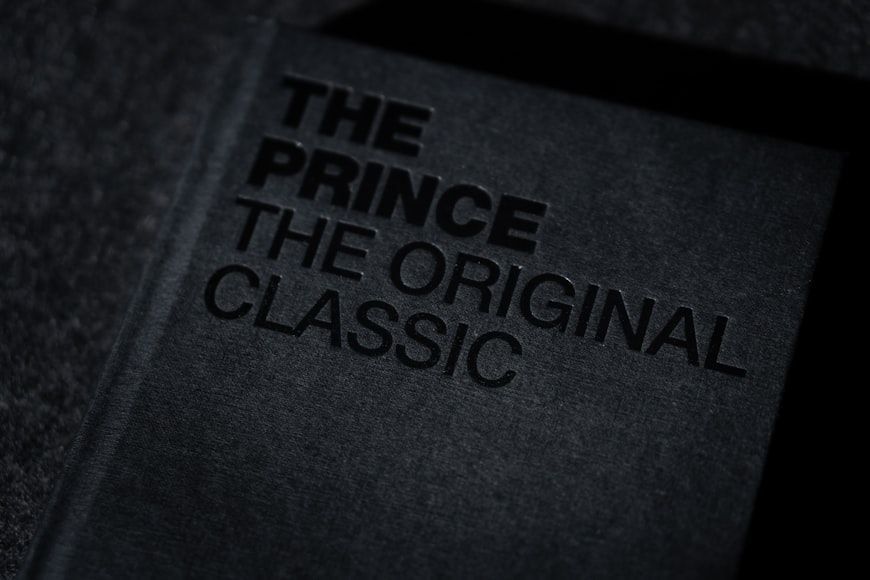
We often describe evil people and things as ‘Machiavellian’, but was Niccolo Machiavelli that twisted? Not necessarily, but some might say his ideas were. As the author of the political philosophy treatise The Prince, he was of the idea that the common good might justify using not-so-good means, which resulted in his name being associated with those who put their own interests above ethics and morals.

5

Draconian

Image: Constantinos Kollias

Meaning: excessively harsh or severe.

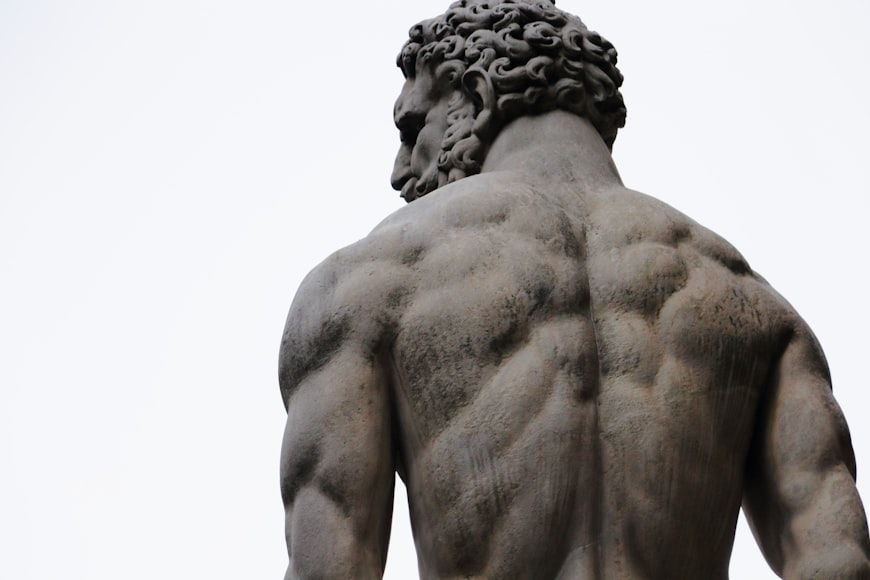
Chances are that, even if you heard the term ‘draconian’, you don’t know it refers to a real person. Draco was an Athenian lawmaker from the 7th century BC, infamous for creating a legal code so strict that even minor crimes warranted the death penalty. The severity of this code was such that his name became synonymous with excessive laws and regulations.

6

Byronic

Image: Europeana

Meaning: defying traditional heroic ideals, anti-heroic.

As far as 19th-century poets go, none was as rebellious, cynical, and self-destructive as George Gordon, better known as Lord Byron, and his male characters followed suit. Leaving a lasting impact in English society, the name Byron came to signify melancholy, rebellion, arrogance, cynicism, and a complete disregard for social rules.

7

Victorian

Image: K. Mitch Hodge

Meaning: prudish, strait-laced, old-fashioned, rigid.

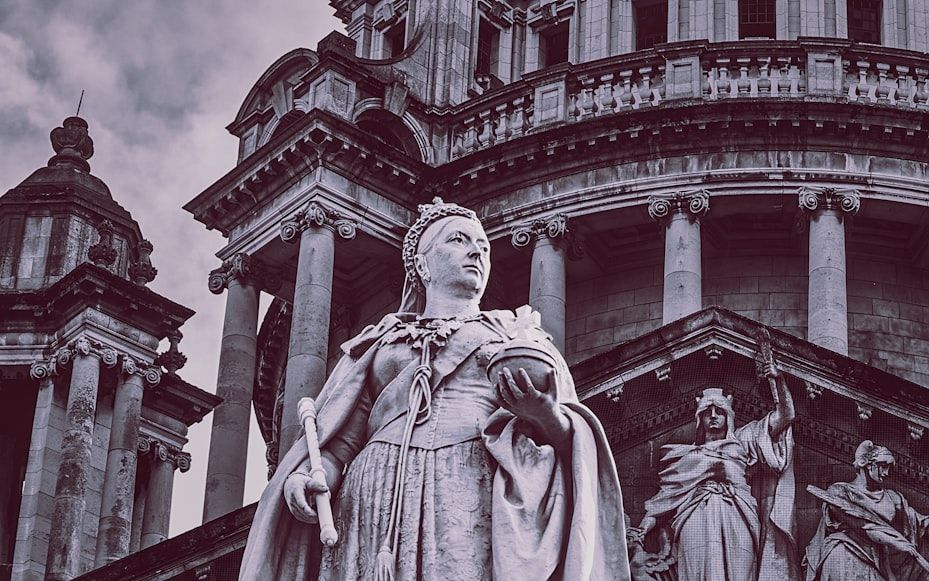
As the second-longest reigning monarch of the UK, Queen Victoria and her 63-year-long reign left a deep impression on British society and on the world. Although the Victorian era was characterised by industrialization and social reform, it was also a time when society behaved according to a strict moral code that is seen today as hypocritical, prudish, and extremely rigid.

8

Pavlovian

Image: Sameep Adhikari

Meaning: an automatic or conditioned response to a specific stimulus.

When Russian physiologist Ivan Pavlov trained a dog to associate the sound of a bell with food, which in turn caused the dog to salivate when the bell rang, he couldn’t have imagined that his name would become an adjective used across the world. Next time you associate a random sound or action with a memory, remember that that Pavlovian response can be described thanks to a dog.

9

Dickensian

Image: Daniela Muntyan

Meaning: bleak, tragic, grim, eccentric.

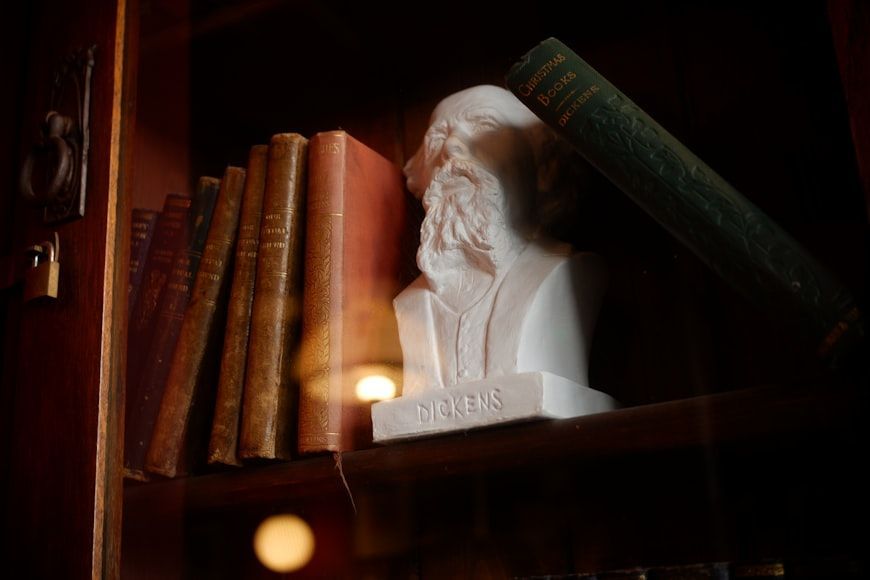
Prolific 19th-century author Charles Dickens published his novels in installments meant to be read by the middle and working classes, so naturally, he chose topics he thought would appeal to those people, which resulted in stories of social injustice, poverty, industrialization, and its consequences, with a cast of eccentric characters to match. Dickens is now a revered author and the hand behind several beloved stories, but his name has turned into a way to describe situations reminiscent of those he depicted in his work.

10

Platonic

Image: Raphael, Public domain, via Wikimedia Commons

Meaning: a spiritual, intellectual, or emotional relationship, free from desire.

We use the term ‘platonic’ often, and although we know who Plato was, we sometimes fail to realize that what he described in his works and what we call ‘platonic’ are not the same thing. In his writings, Plato suggested that true love was spiritual and could transcend the physical aspect of life. With the passing of time, people came to associate the ‘platonic’ idea of love with a love freed from physical desire.


ORGANIZED HOME, ORGANIZED MIND

The Ultimate Guide To Home Organization: Tips For A Clutter-Free Home


Published on June 2, 2026


Image: Douglas Sheppard

We all know keeping a house organized takes time, energy, and even money at times. But none of those are enough when you don’t know how to get the organization ball rolling.

Organization, whether it is for a house or personal, can be a powerful tool to gain control over every aspect of your life. But that is not the only benefit of having an organized home, by learning some techniques, you can maximize your spaces and make them functional to your lifestyle.

Read on and see which of these tips you can put into practice today!

1

Declutter regularly

Image: HiveBoxx

The first step to becoming an organization expert is to declutter. Decluttering means removing everything you don’t need or use, or everything that is broken or is no longer functional to you or your family.

To declutter successfully you have to be honest with yourself about those things you keep out of attachment, for example. Assess your home, and everything you own, and get rid of everything that no longer serves you any purpose to create new free space.

Consider selling or donating the things you don’t use but keep in a good state!

2

Create zones

Image: Bench Accounting

After assessing your space and removing everything you don’t use or need, start creating zones in your home. This will allow you to allocate specific areas for different activities or moments of your everyday life. For example, if you work from home, consider having a separate working space, and set up a desk with everything you need.

Establishing clear zones will make it easier to keep track of your belongings and create a more functional living space. Not to mention having specific zones for each activity will strengthen your routine and habits.

3

Assign spaces for your belongings

Image: Jarek Ceborski

After you have created different zones, assign specific homes for each item. For example, you may place a container for the keys by the main door; or a rack for the shoes you use frequently. Having a designated area and a specific home for each of your belongings will help you keep your home organized at all times.

Moreover, you will avoid losing objects and, every time you need something, you will know exactly where to go look for it. The only thing you have to work on after doing this is taking a moment every day to put things back where they belong after you have used them.

4

Invest in storage solutions

Image: Annie Spratt

Once you have taken the previous steps, you are ready to invest in storage solutions and this will feel like a pivotal step towards organization. Storage solutions will make your house both functional and visually appealing. The right containers and organizers not only help you declutter (because the space is limited), but they will also help you ensure everything has a designated spot and maintain order.

Look for available options within your area, but consider using baskets, bins, plastic containers, or any other storage item that works for you. If you still haven’t got the budget for this, use plastic containers you already have, you can always go back on this step to prioritize aesthetics.

5

Use labels

Image: Tamara Malaniy

If you choose to use colored containers, labels come in quite handy. Even with clear containers, labels will help you quickly locate items. Moreover, if there are small children in the house, labels can help them find the right container for their stuff easily which will, ultimately, strengthen their own organizational habits and independence.

Labels give uniformity and coherence to a space and you can either make them yourself or use an electronic label maker.

6

Rotate seasonal items

Image: Myriam Zilles

This is a smart strategy to maintain your space clutter-free and well-organized throughout the year. Seasonal items such as clothes, decorations, sports equipment, and more specific items like suitcases can be kept in special areas like the garage or on the highest shelves of a closet.

As you can imagine, the first step to do this is to assess your belongings and categorize them by season.

As you pack away off-season items, take the opportunity to assess their condition and decide whether anything needs to be repaired or replaced before the next season.

Consider using hard-material containers to keep your belongings well protected and avoid any possible damages unforeseen events may cause.

7

Take advantage of vertical space and dead spaces

Image: vadim kaipov

When you don’t have much space for furniture or your furniture is full of stuff (if they are, you should go back to the first tip!) vertical and dead spaces are a great solution to maximize space and create alternative areas.

You can install shelves or hanging organizers to keep your belongings off the floor and on common surfaces like the dining table. On a similar note, you can take advantage of areas such as under the bed, and behind the doors to keep appropriate stuff.

This not only creates additional storage space but also adds visual focus points to your home decor.

8

Prioritize accessibility

Image: Pierre Bamin

When defining specific areas and homes for your belongings prioritize two things: quick location and easy accessibility. Vertical space can only be used so much, that is, there is no point in having a shelf for mugs if you have to get a ladder to reach one every morning for breakfast. The same goes for kids’ wardrobes, they will never be able to hang their own clothes if they can’t reach the hangers or the rail.

Prioritize placing items in the space you most frequently use them and within reach so you don’t have to move things around, hence, creating a mess around one single item. Keep essentials accessible and less frequently objects higher up or in less accessible places.

9

Streamline paperwork

Image: Anete Lusina

Regardless of how digital our lives can be, a house is always full of important items, especially paperwork. Developing and working on a system for managing it will foster organization in the house, but also your personal life and finances.

Consider investing in a filing cabinet or organizer and set aside a time and day each week to sort out paperwork. Create folders for different types of documents and label them accordingly to make it easier to find what you need when you need it. And never forget the first step, declutter when necessary, and get rid of old bills or documents that are irrelevant to your present life.

10

Work on your organizational habits

Image: Paico Oficial

Rome wasn’t built in a day, organizational habits weren’t either, so, be patient and find ways to foster your habits. Create routines for tidying up and maintaining organization. For example, divide the chores within the week. That way, you will ensure everything gets done at least once a week. Laundry on Saturdays, bathroom cleaning on Sundays and Thursdays, and so on.

Now, within a day, create small routines that guarantee everything is in its place before you go to sleep. There is nothing like waking up to a clean and organized home every day, this will boost your inspiration and productivity.

Looking for an extra scoop of literary fun?

Learn more with our Word of the day

wondrous

/ˈwəndrəs/