Names that contain multitudes

10 real people who became widely used adjectives


Published on June 2, 2026


Image: Patrick Tomasso

Is it possible for a person to leave such a deep impression in their time that their name becomes synonymous with their most predominant characteristics? Of course! We can find many examples of this across history, but also in words that we use or hear often, and we might not realize that they are the names of famous queens, generals, writers, or philosophers. Here are 10 adjectives you have heard at least once that come from the name of a historical character.

1

Napoleonic

Image: Nicolas HIPPERT

Meaning: aggressive and domineering as a way to compensate for a fault in a different aspect.

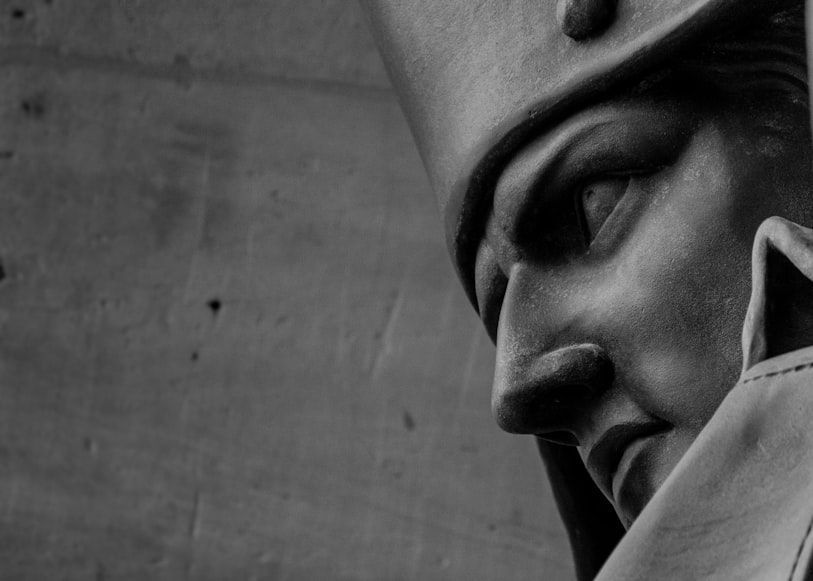
Be it that we think of Napoleon Bonaparte as a military genius or as a very lucky madman, we can’t deny that he was ambitious and assertive. However, some of his detractors say that this attitude was a way for him to compensate for his (very documented) lack of height. No matter his military triumphs, the name ‘Napoleon’ remained stuck to a physical trait.

2

Homeric

Image: Simone Pellegrini

Meaning: grand, heroic, epic.

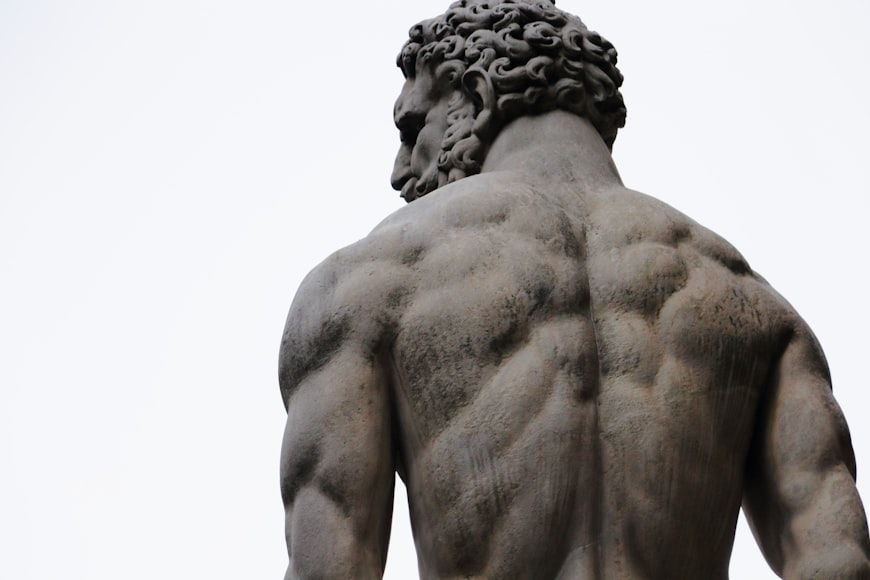
Homer’s The Iliad and The Odyssey are two of the most influential literary works of all time. Narrating the War of Troy, Odysseus’ journey back home, and the workings of the gods in human fate, the impact of these works in Western culture has made them, and their creator, the epitome of all that’s epic and heroic.

3

Kafkaesque

Image: Paulo Ziemer

Meaning: a complex, bizarre, and illogical situation.

Franz Kafka is known for his stunning prose, but even more for the oppressive and alienating world his characters live in, be it that they wake up turned into a giant insect or that they have to navigate the nightmares of a bureaucratic system. So, add ‘kafkaesque’ to your repertoire for the next time you are left endlessly waiting on a call with customer service.

4

Machiavellian

Image: Marius Teodorescu

Meaning: cunning, sneaky, manipulative.

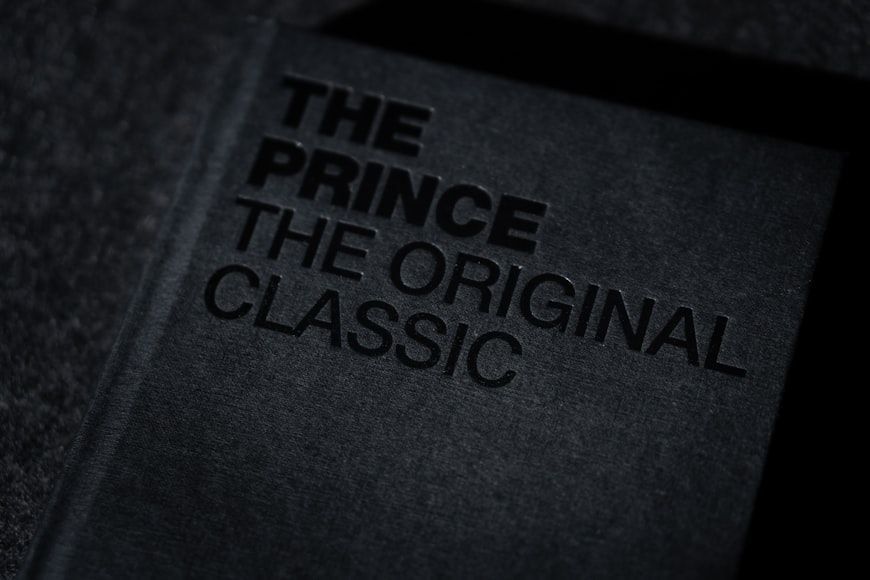
We often describe evil people and things as ‘Machiavellian’, but was Niccolo Machiavelli that twisted? Not necessarily, but some might say his ideas were. As the author of the political philosophy treatise The Prince, he was of the idea that the common good might justify using not-so-good means, which resulted in his name being associated with those who put their own interests above ethics and morals.

5

Draconian

Image: Constantinos Kollias

Meaning: excessively harsh or severe.

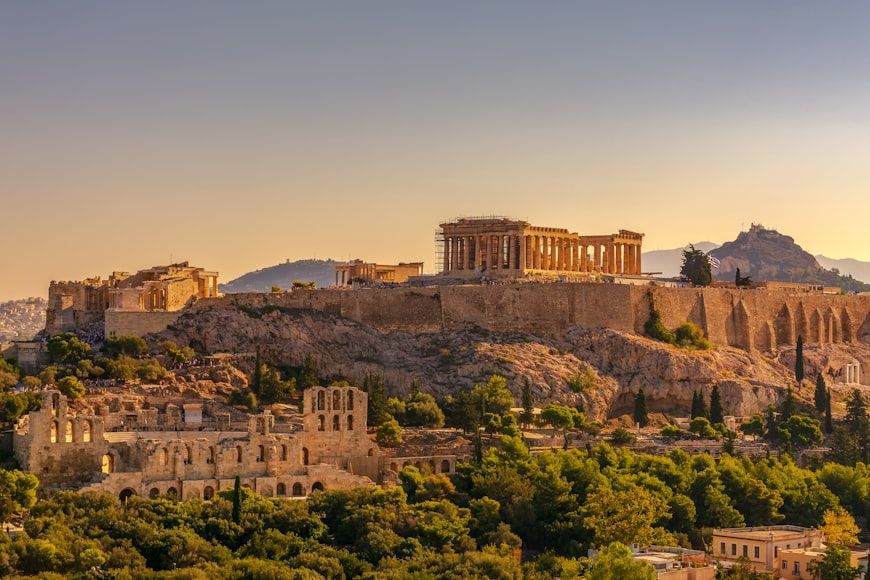
Chances are that, even if you heard the term ‘draconian’, you don’t know it refers to a real person. Draco was an Athenian lawmaker from the 7th century BC, infamous for creating a legal code so strict that even minor crimes warranted the death penalty. The severity of this code was such that his name became synonymous with excessive laws and regulations.

6

Byronic

Image: Europeana

Meaning: defying traditional heroic ideals, anti-heroic.

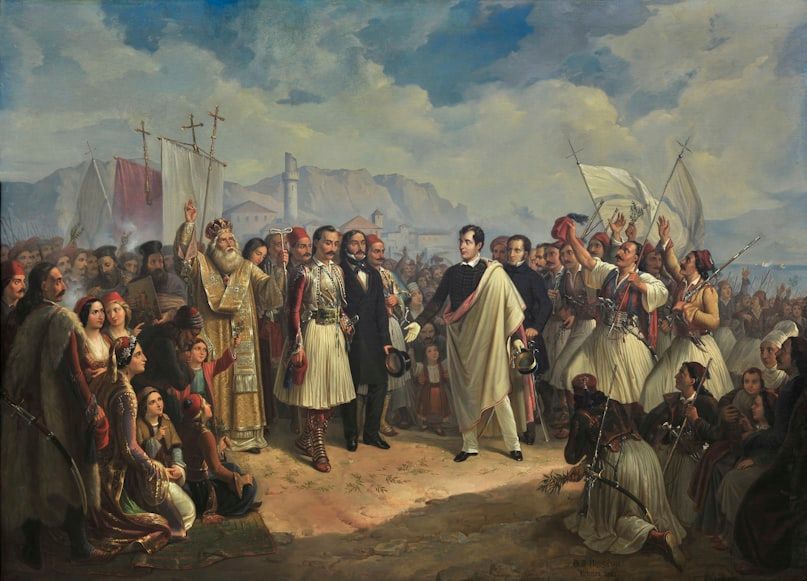
As far as 19th-century poets go, none was as rebellious, cynical, and self-destructive as George Gordon, better known as Lord Byron, and his male characters followed suit. Leaving a lasting impact in English society, the name Byron came to signify melancholy, rebellion, arrogance, cynicism, and a complete disregard for social rules.

7

Victorian

Image: K. Mitch Hodge

Meaning: prudish, strait-laced, old-fashioned, rigid.

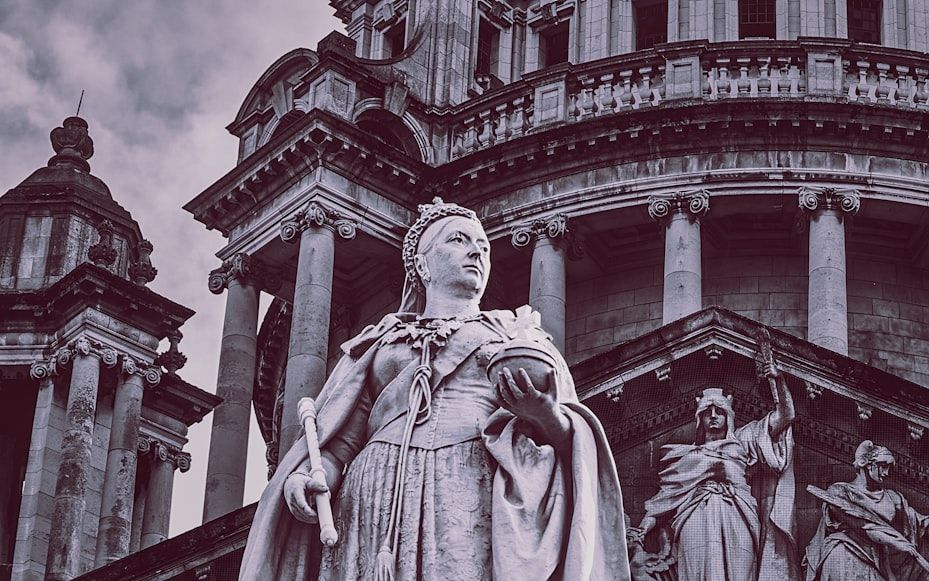
As the second-longest reigning monarch of the UK, Queen Victoria and her 63-year-long reign left a deep impression on British society and on the world. Although the Victorian era was characterised by industrialization and social reform, it was also a time when society behaved according to a strict moral code that is seen today as hypocritical, prudish, and extremely rigid.

8

Pavlovian

Image: Sameep Adhikari

Meaning: an automatic or conditioned response to a specific stimulus.

When Russian physiologist Ivan Pavlov trained a dog to associate the sound of a bell with food, which in turn caused the dog to salivate when the bell rang, he couldn’t have imagined that his name would become an adjective used across the world. Next time you associate a random sound or action with a memory, remember that that Pavlovian response can be described thanks to a dog.

9

Dickensian

Image: Daniela Muntyan

Meaning: bleak, tragic, grim, eccentric.

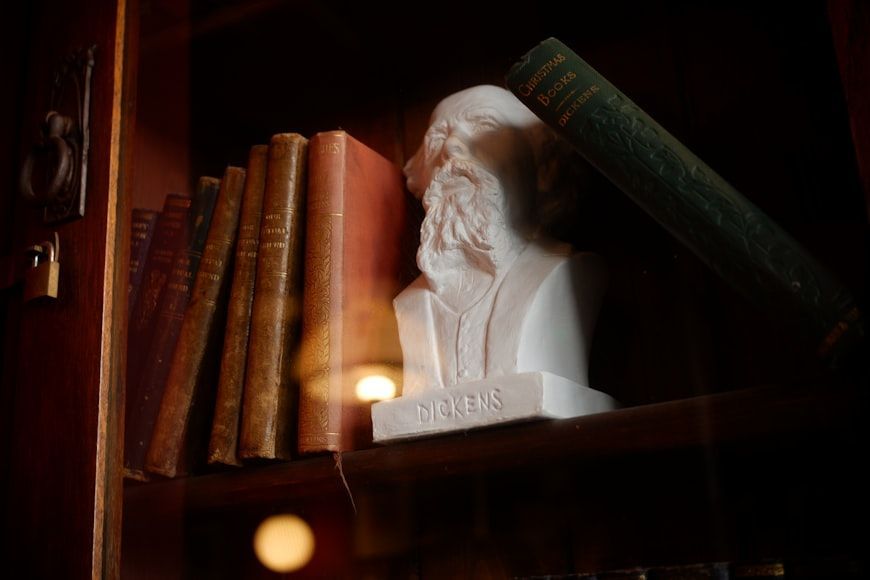
Prolific 19th-century author Charles Dickens published his novels in installments meant to be read by the middle and working classes, so naturally, he chose topics he thought would appeal to those people, which resulted in stories of social injustice, poverty, industrialization, and its consequences, with a cast of eccentric characters to match. Dickens is now a revered author and the hand behind several beloved stories, but his name has turned into a way to describe situations reminiscent of those he depicted in his work.

10

Platonic

Image: Raphael, Public domain, via Wikimedia Commons

Meaning: a spiritual, intellectual, or emotional relationship, free from desire.

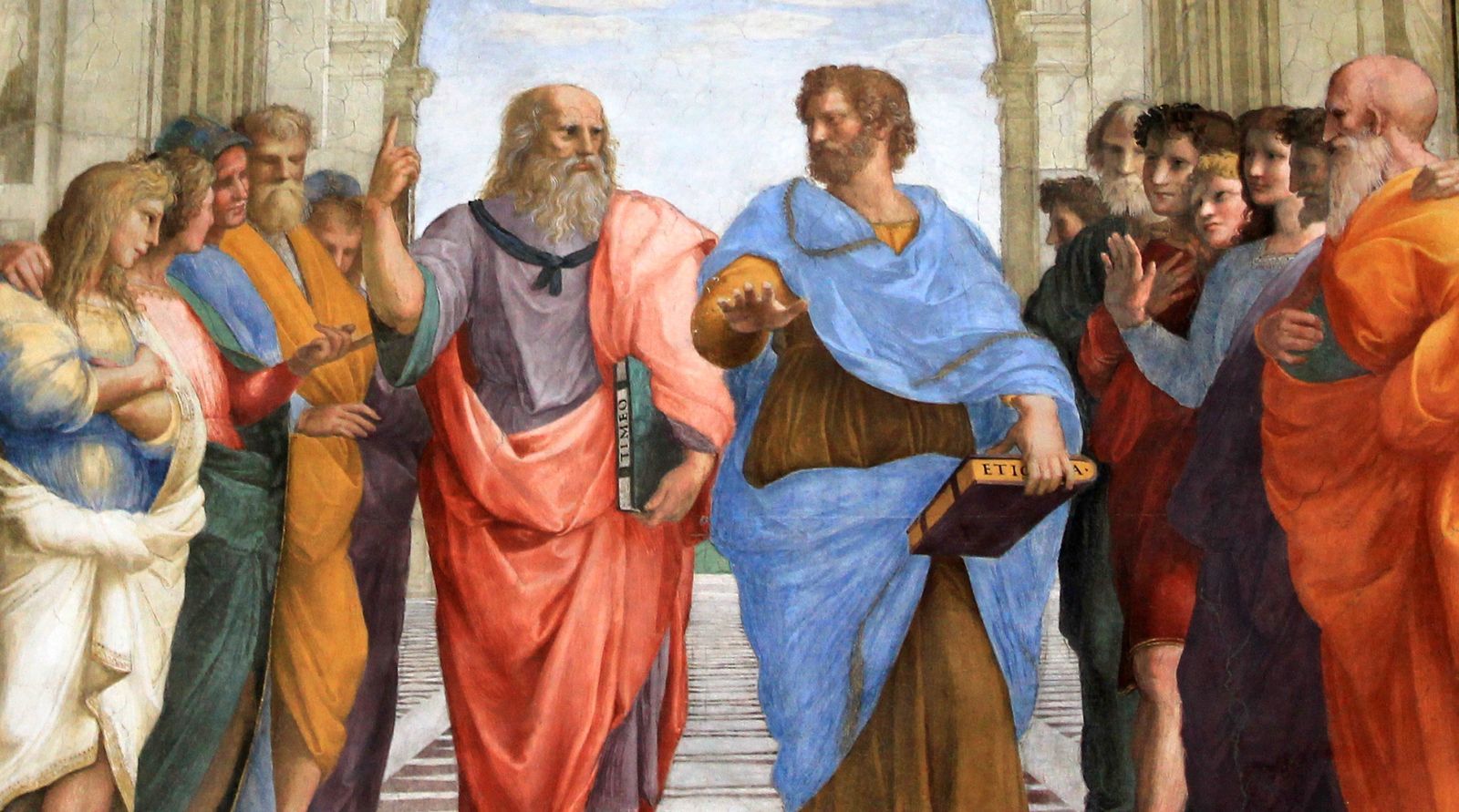
We use the term ‘platonic’ often, and although we know who Plato was, we sometimes fail to realize that what he described in his works and what we call ‘platonic’ are not the same thing. In his writings, Plato suggested that true love was spiritual and could transcend the physical aspect of life. With the passing of time, people came to associate the ‘platonic’ idea of love with a love freed from physical desire.


FORGOTTEN VISIONARIES

10 Unsung Scientists and Inventors Who Shaped History


Published on June 2, 2026


Image: National Cancer Institute

History has a notoriously capricious memory. Casting a spotlight on a select few, it condemns others to oblivion, no matter how significant their contributions. However, it’s never too late to change this!

Let’s uncover some of the stories behind 10 forgotten figures of history that, in one way or another, helped shape our modern world.

1

Hedy Lamarr

Image: Compare Fibre

As if a glamorous Hollywood career was not enough, Hedy Lamarr was also a brilliant inventor who - among other things - developed a groundbreaking frequency-hopping system during World War II to secure both communications and radio-guided torpedoes. And besides helping Allied forces gain a technological advantage during the war, her innovative ideas also laid the foundation for modern Bluetooth and Wi-Fi technologies.

2

Émile Gagnan

Image: Adrien Delforge

Émile Gagnan was a French engineer who partnered with famous diver Jacques Cousteau to create the Aqua-Lung, the first self-contained underwater breathing apparatus (or SCUBA). The device, which utilized compressed air to allow divers to explore underwater for extended periods, not only completely revolutionized underwater exploration but its relative ease of use also led to a boom in recreational diving.

3

Mary Leakey

Image: Johannes Plenio

Mary Leakey was a pioneering figure in the field of paleoanthropology who made significant contributions to our understanding of human evolution. Alongside her husband Louis Leakey, she unearthed numerous hominid fossils in East Africa, including the famous discovery of the "Nutcracker Man," a skull of Paranthropus boisei, an extinct species of hominid that lived around 2.5 million years ago. Mary's meticulous excavation techniques and a keen eye for detail led to many more groundbreaking discoveries, such as the Laetoli footprints, providing crucial insights into early human locomotion.

4

Alice Ball

Image: Towfiqu barbhuiya

Alice Ball was a true pioneer in all regards. The first woman and first African American to graduate with a Master’s degree from the University of Hawaiʻi, she developed the first effective treatment for leprosy, known as the "Ball Method." Her technique allowed to make chaulmoogra oil - an antimicrobial extract obtained from the seeds of Hydnocarpus wightianus - water-soluble and thus injectable. She died before publishing her work, which was then stolen by fellow chemist Arthur L. Dean. However, thanks to the insistence of her colleagues, she eventually received the rightful recognition for her groundbreaking contributions.

5

Emilie du Châtelet

Image: Bozhin Karaivanov

The outstanding work of the Marquise du Châtelet, also known as Emilie du Châtelet, significantly contributed to our understanding of energy conservation and the principles of calculus. Her 18th-century French translation of Isaac Newton's Principia Mathematica helped disseminate Newton’s work in Europe, and she introduced a series of contributions to Newtonian mechanics, including the postulate of an additional conservation law for total energy and a scientific definition for the concept of energy.

6

Al-Jazari

Image: Possessed Photography

Considered by some to be the true "father of robotics" and modern-day engineering, Al-Jazari was a 12th-century polymath who revolutionized mechanical engineering with his ingenious designs, including the first recorded programmable humanoid robot. Among his many designs for automata were a waitress that could serve various drinks, an automaton that helped with hand washing, and a musical robot band.

7

Edmond Becquerel

Image: American Public Power Association

Edmond Becquerel's experiments in the 19th century paved the way for solar energy research. His discovery of the photovoltaic effect laid the groundwork for modern solar cell technology, and his research in the topics of optics and light also contributed to the development of photography. Curiously, he was the father of Nobel laureate Henri Becquerel, one of the discoverers of radioactivity.

8

Jethro Tull

Image: Dan Meyers

Not to be confused with the rock band of the same name, Jethro Tull was an English agriculturalist born in the 17th century who revolutionized farming practices with his innovative inventions. His most famous creation, the seed drill, transformed agriculture by allowing seeds to be planted in neat rows at consistent depths, vastly improving crop yields and efficiency. Tull's dedication to scientific farming methods laid the groundwork for modern agricultural techniques.

9

Ada Lovelace

Image: Florian Olivo

Often regarded as the world's first computer programmer, English mathematician Ada Lovelace made groundbreaking contributions to the early development of computing in the 19th century. Collaborating with Charles Babbage on his Analytical Engine, Lovelace is also notable for being the first to foresee potential in computing beyond mere calculation, as she reasoned that such an engine could easily work with entities other than just quantities, and could be applied to music, science, or have many other general uses.

10

Mary Anderson

Image: Max Tokarev

Next time you are driving in the rain, think of Mary Anderson. An American inventor and entrepreneur, Anderson left an enduring legacy on the automotive industry with her groundbreaking invention - the windshield wiper. In 1902, while visiting New York City, Anderson observed streetcar drivers struggling to maintain visibility in inclement weather. Thinking on this problem, she envisioned a solution: a moving wiper blade that could be operated from the inside. Despite initial skepticism, Anderson's invention soon became standard equipment for automobiles, improving road safety everywhere in the world.

Looking for an extra scoop of literary fun?

Learn more with our Word of the day

hateful

/ˈheɪtfəl/