10 rare languages still spoken across the U.S. that are worth saving


Published on February 28, 2026


Across the United States, many Indigenous languages are spoken by fewer people each year. These examples show how language loss often happens quietly, over generations. Learning about them helps explain important parts of American history that are rarely discussed but still shape communities today. Keep reading to discover 10 languages you probably didn’t know existed.

1

Chinook

Image: Ben Vaughn

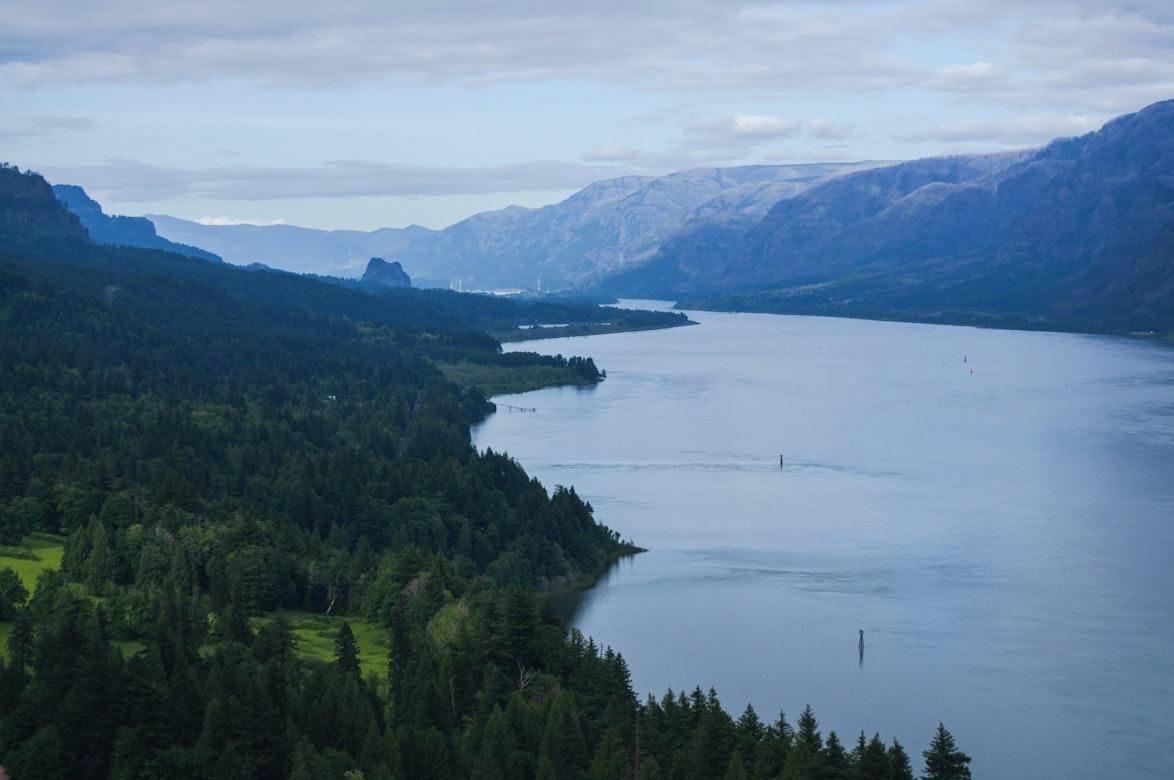
Today, only a small number of people can still speak Chinook fluently. This language is associated with Indigenous communities of the Pacific Northwest, particularly along the Columbia River in present-day Oregon and Washington.

In the 19th century, Chinook played an important role in regional communication, especially through Chinook Jargon, a simplified trade language used by Native peoples, settlers, and traders. During the early 20th century, the use of English increased in schools, government, and business, which reduced the everyday use of Chinook. Linguists now classify the language as critically endangered, although dictionaries, recordings, and community teaching programs are available to support learning and preservation.

2

Comanche

Image: Bailey Alexander

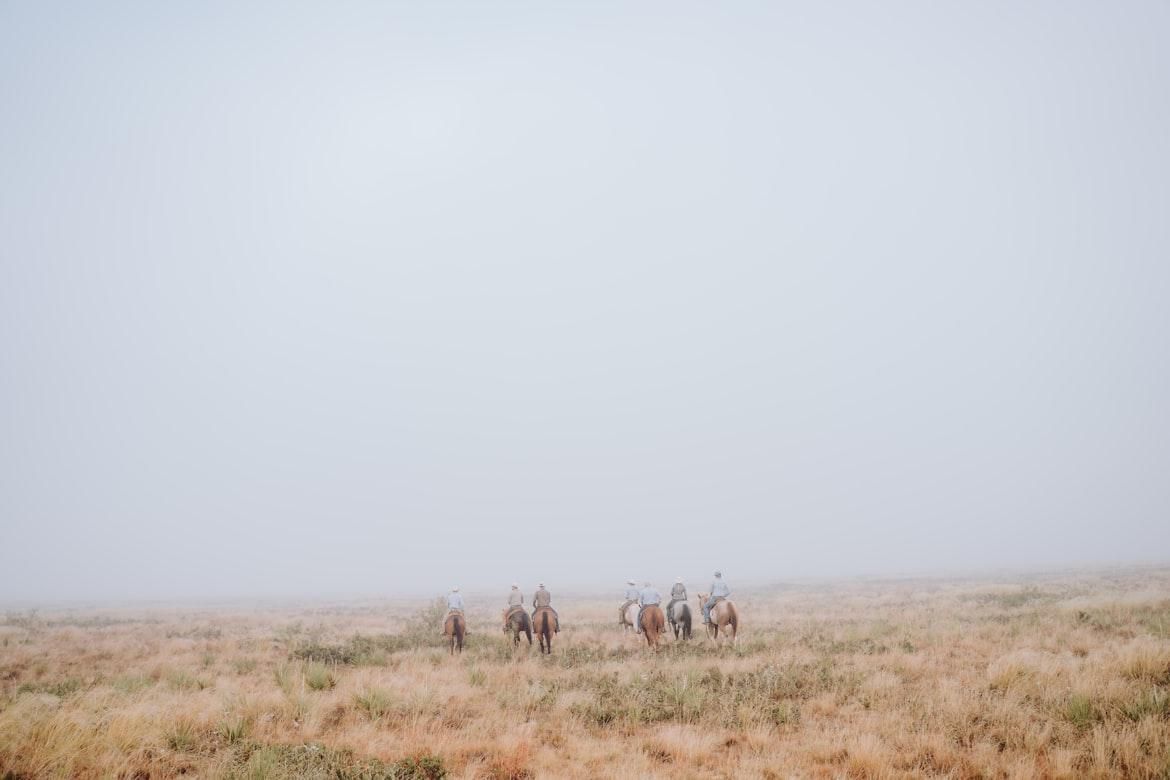
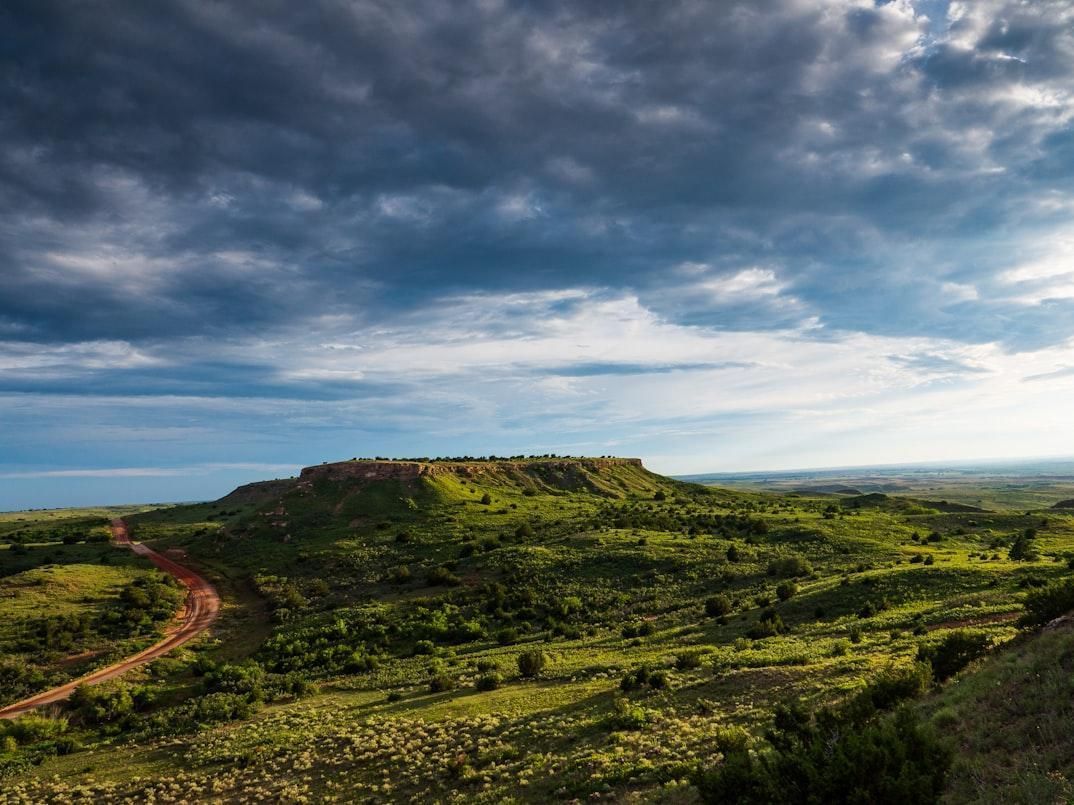
For much of the 1800s, Comanche was spoken across large areas of present-day Texas, Oklahoma, and surrounding states. It is the traditional language of the Comanche Nation, whose communities were widely distributed across the Southern Plains. They call themselves Nu-muu or Numunuu, meaning "The People" or "Our People."

Historical records show that Comanche was used in daily life, trade, and community communication. During the 20th century, English became more common in schools and public settings, and fewer children learned it at home. By the late 1900s, most fluent speakers were older adults. Today, Comanche is classified as severely endangered, and preservation efforts include language classes, recorded lessons, and educational materials designed for younger tribal members.

3

Menominee

Image: Will Roberts

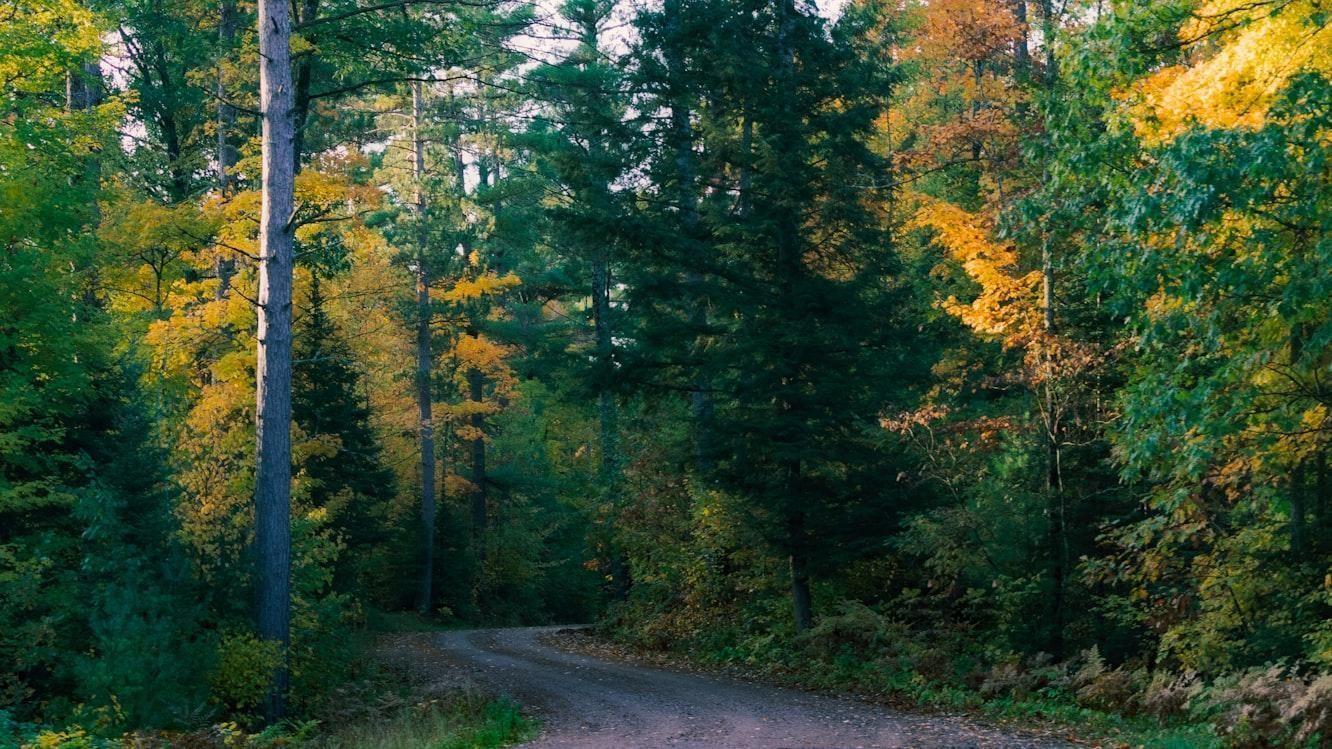
This is the traditional language of the Menominee people, a Native American tribe whose homeland is in present-day Wisconsin. The name Menominee comes from an Algonquian word meaning "wild rice people," given by neighboring tribes because wild rice was a vital food source for them.

Historical sources show that Menominee was used regularly in homes and community life into the early 1900s. As English became dominant, fewer families passed the language on to children. By the late 20th century, only a small number of fluent speakers remained. Today, Menominee is classified as critically endangered, but language immersion schools, adult classes, and community-led programs are actively working to increase everyday use among younger generations.

4

Osage

Image: Noah Baughman

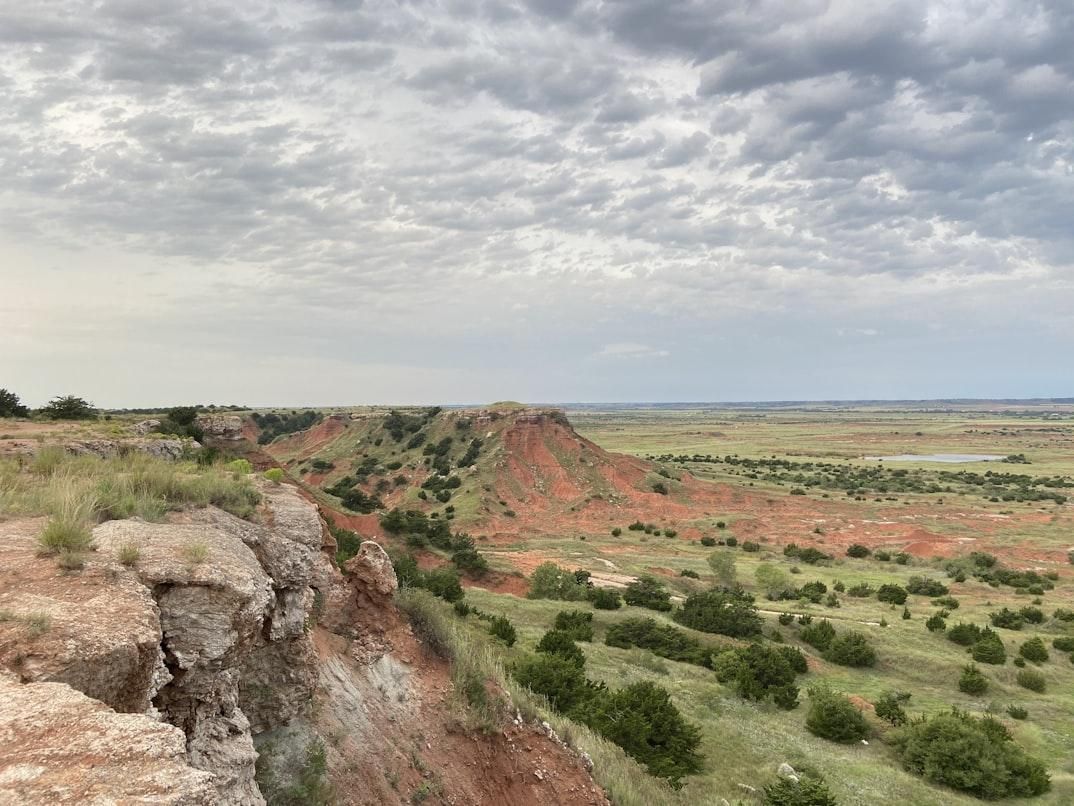
The Osage language belongs to the Osage Nation, whose people historically lived in parts of present-day Missouri and Arkansas before relocating to Oklahoma. Written and oral records indicate that Osage was commonly spoken in daily life through the early 20th century. Today, the language is often considered very vulnerable, meaning it is still spoken but at risk. Preservation efforts include a standardized writing system introduced in the 2000s, language classes, and educational programs organized by the Osage Nation to support new speakers.

5

Pawnee

Image: Ben Weber

Spoken among Pawnee communities in what is now Nebraska and later in Oklahoma, historical accounts show that this language was still in regular use in the early 1900s. The name "Pawnee" likely comes from a word like Pariki or Pani, meaning "horn," referencing the tribe's distinctive hairstyle where a scalp-lock was stiffened to stand up like a horn

By the middle of the 20th century, English had largely replaced Pawnee in homes, schools, and public settings. Today, it’s classified as critically endangered, with only a small number of fluent speakers. Audio recordings, written dictionaries, and grammar descriptions are now key resources for language classes and community-led education efforts.

6

Tolowa

Image: Simon Hurry

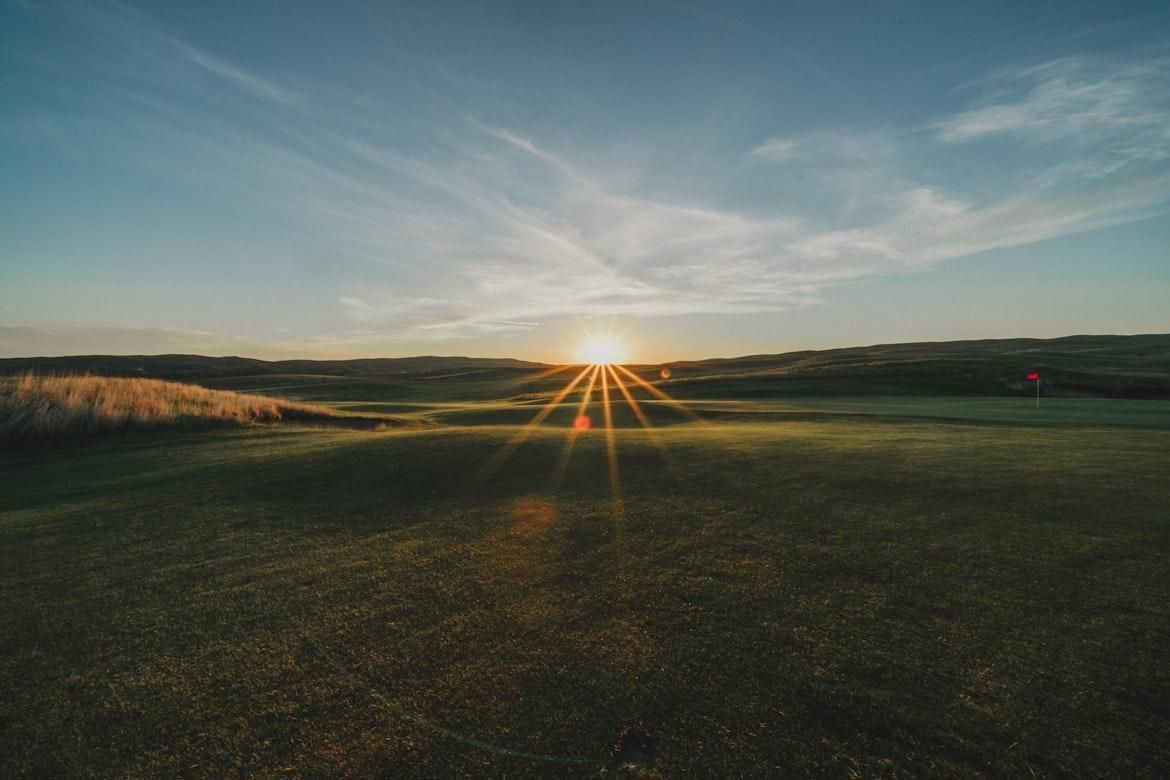
The traditional territory of the Tolowa people is northwestern California, close to the border with Oregon. The name "Tolowa" comes from a Yurok/Wiyot term, Taa-laa-welh, meaning "people of Lake Earl," referring to their ancestral lands. However, the Tolowa people's own name for themselves is Dee-ni', meaning "person" or "citizen."

Their language was used in everyday life well into the 19th century, but by the late 20th century, census data and linguistic surveys indicate that only a small number of fluent speakers remain. Today, Tolowa is classified as critically endangered, though tribal organizations have partnered with universities and language specialists to record vocabulary, oral histories, and pronunciation, creating resources that can be used in the future.

7

Washo

Image: Meritt Thomas

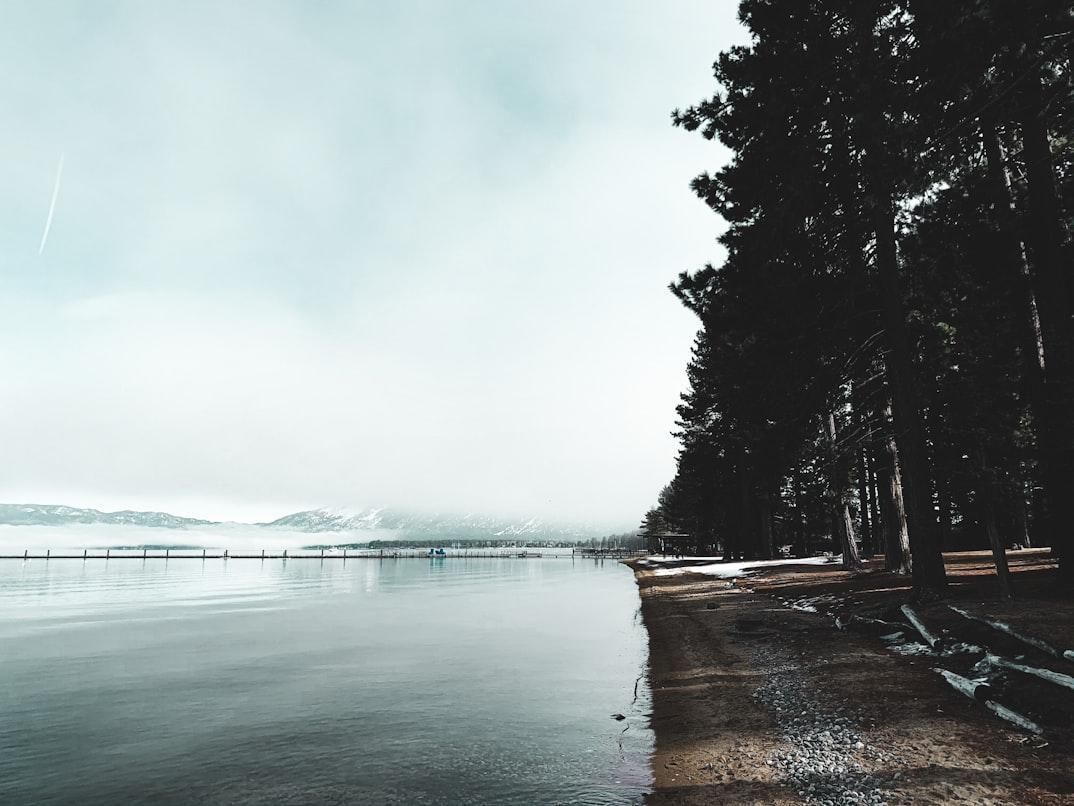
The Washo are the Indigenous people of the Lake Tahoe region and the surrounding Great Basin/Sierra Nevada, known for their famous basketry. Their language was commonly spoken up to the early 20th century. As formal education in English became more widespread, fewer children learned Washo at home, and daily use declined over time.

Today, Washo is classified as severely endangered. Preservation efforts include language classes, written dictionaries, and audio recordings that are used by community members to support learning and maintain use of the language.

8

Wintu

Image: Erin Larson

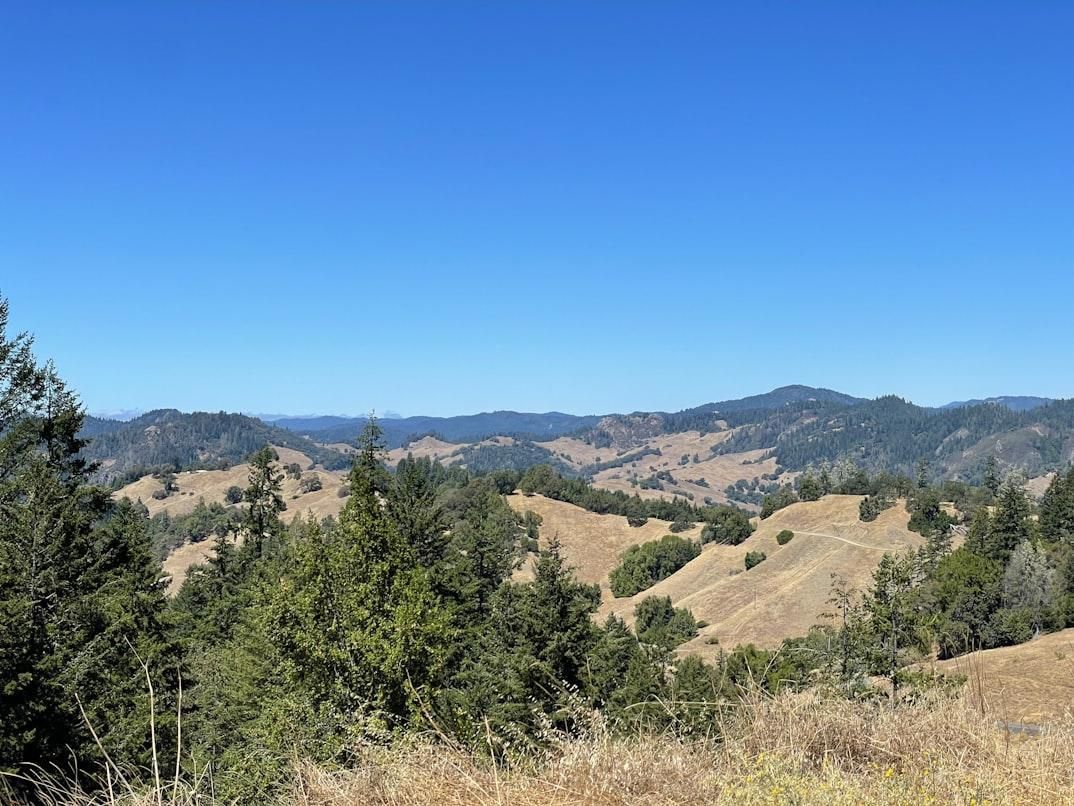
Wintu refers to a group of related languages traditionally spoken in northern California, mainly in areas around the Sacramento River and nearby regions. Historical accounts show that these languages were actively used by native communities throughout the 1800s. During the 20th century, however, the number of fluent speakers declined steadily, and by the late 1900s, only a few remained.

Today, Wintu languages are classified as critically endangered. Most of what is known about them comes from written documentation and audio recordings created by linguists and Wintu tribal members, which are now used for teaching.

9

Yuchi

Image: Raychel Sanner

Yuchi is unusual because it is not closely related to most other Native languages in the southeastern United States, making it linguistically distinct. It was traditionally spoken in areas that are now Georgia, Tennessee, and Alabama, and later in Oklahoma after forced relocations in the 19th century.

During the 20th century, the number of speakers declined. Today, Yuchi is classified as critically endangered, with only a small number of fluent speakers remaining. Current teaching programs aim to introduce basic vocabulary and everyday conversation to younger community members so the language can continue to be learned and used.

10

Yokuts

Image: Spencer DeMera

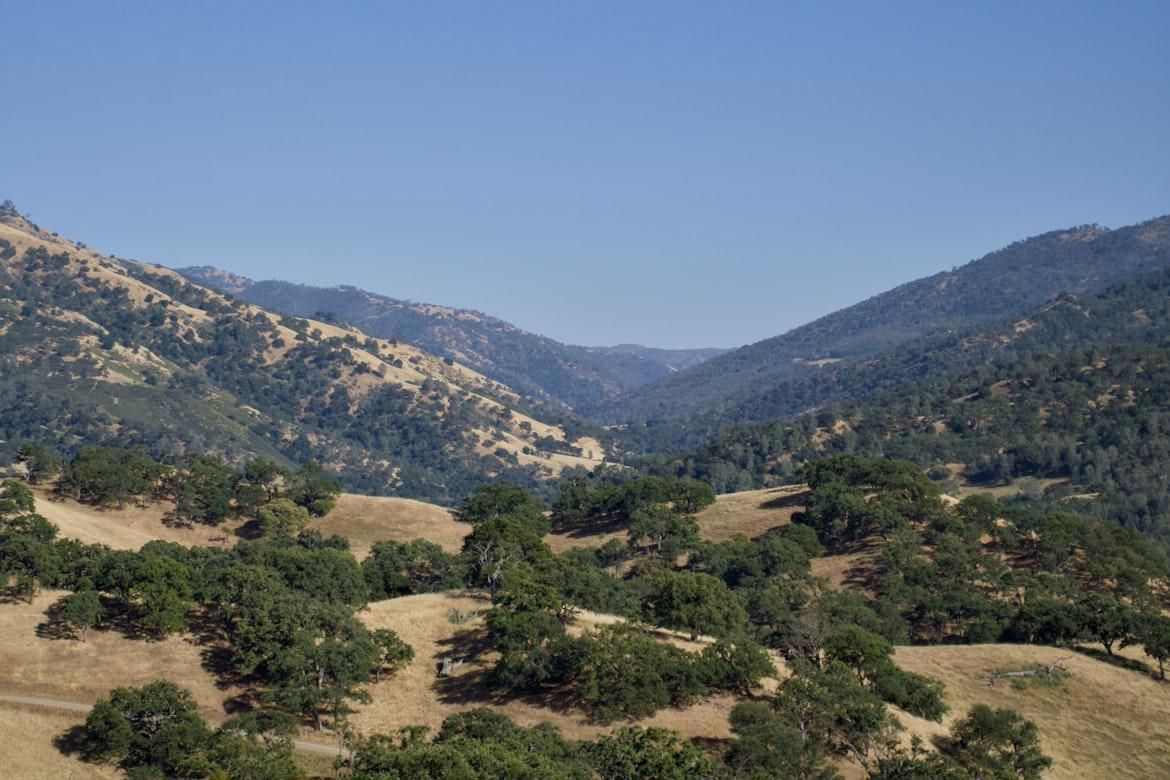
Yokuts is a family of related Indigenous languages traditionally spoken by different communities across California’s Central Valley. Each community had its own variety, which explains why Yokuts is described as a language family rather than a single language.

During the 20th century, several of these varieties stopped being spoken entirely as younger generations shifted to English. Other Yokuts varieties still exist but are spoken by only a small number of people, often older adults. For this reason, linguists classify most Yokuts languages as critically endangered. Written notes, audio recordings, and word lists collected by researchers and community members in the early and mid-1900s are now essential resources for teaching and preservation.


A case of spelling ability and sheer luck

Is "muzjiks" a word? 10 Scrabble opening plays to win big


Published on February 28, 2026


Image: okanakgul

We all know that the letters that score the most points in Scrabble are J and X (8 points), and Q and Z (10 points). But the most popular word game in the world is also about being able to combine all the lettered tiles that luck has handed you, even when they don't seem to have anything in common. One of the first things Scrabble players should learn is new and different words to help them win the game. In this article, we have compiled 10 words that—if the conditions are right—will make you score the most points in an opening play. Come join us!

1

Muzjiks

Image: Debby Hudson

The highest-scoring possible play in Scrabble is a seven-letter opening move formed with the letters IJKMSUZ. Looks unpromising, right? To everyone's surprise, however, there's one word that's perfect for that hand: muzjiks. It's a pluralized, alternative spelling of the word muzhik, meaning a Russian peasant from the times before the Russian Revolution of 1917. Muzhik came into English thanks in large part to Tolstoy and Dostoyevsky. Today, muzhik is used in Russian as the equivalent of "guy" or "dude."

Placing the Z on the Double Letter Score in this opening move would bring in 128 points. The odds of drawing these tiles are about 1 in 55 million, and, to be honest, the play has never been recorded in sanctioned play. However, in 2008, a man from South Carolina managed to open a game at the National Scrabble Championships with muzjiks, using a blank tile for the U, setting a record with a 126-point opening move.

2

Bezique

Image: StockSnap

The second-highest opening move ever recorded in an American Scrabble tournament, for a wonderful 124 points, is bezique. According to the Merriam-Webster Dictionary, bezique is "a card game similar to pinochle that is played with a pack of 64 cards."

Bezique originated in France in the 19th century and was later imported into Britain, where Winston Churchill was one of the game’s most prominent enthusiasts. Unfortunately, by the early 20th century, bezique declined in popularity, but at least it left us an excellent word for another great game: Scrabble.

3

Cazique

Image: PublicDomainPictures

You are probably familiar with the word cacique, which refers to a native Indian chief in areas dominated primarily by Spanish cultures. Although it would be a good starting move, if instead of a second C you were lucky enough to get a Z, you could score a solid 124 points, and your chances of winning the game would be even greater.

Some dictionaries accept cazique as a variant of cacique. However, cazique has its own meaning: it refers to black-and-red or black-and-yellow orioles of the American tropics. Best of all, it is an accepted word in the Official Scrabble Players Dictionary (OSPD)!

4

Mezquit

Image: okanakgul

Another great opening play for up to 124 points is mezquit. Here's another spelling variation of a word you probably already know, mesquite. According to Merriam-Webster, mesquite refers to "any of several spiny leguminous trees or shrubs, chiefly of the southwestern U.S., that often form extensive thickets and have sweet pods eaten by livestock."

To be fair, the word mesquite is an Anglicism of the Spanish word mezquite, which in turn was borrowed from the Nahuatl term mizquitl. So, it makes perfect sense that mezquit is an accepted word in Scrabble—and one of the good ones too!

5

Zombify

Image: Brett Jordan

We are out of 124-point opening plays, so the next best thing is 122 points. And for that, we have a handful of good options. The first one is zombify, and as you can imagine, it has to do with zombies.

Believe it or not, this is an accepted word in Scrabble. Although zombies have been invading popular culture in recent years, the word zombify, meaning "to turn a person into a zombie," has been in our vocabulary for a long time. According to the Oxford English Dictionary, the word first appeared in The New York Times in the 1950s. So, the next time you are blessed with these promising tiles, don't miss the opportunity to kick-start the board with zombify.

6

Quetzal

Image: Pixabay

If you happen to draw the Z and Q tiles on your first play, you know you're up to big things. However, having those tricky consonants staring back at you can be a little intimidating. That's why it's nice to have some rare or unusual words up your sleeve to surprise even the most experienced players.

Quetzal is a strikingly colored bird commonly found in the humid forests of Central and South America. Interestingly, the quetzal has also been the currency of Guatemala since 1925. It was named after the bird, which is the national bird of the country. Now you know a new word and have a way to justify its use in your next Scrabble game!

7

Squiffy

Image: Pixabay

Okay, to present this word in an opening play of Scrabble, you should be lucky enough to draw the only two F's available up front. But even though it’s a one-in-a-million chance, knowing that this word exists can come in handy. Plus, it will give you up to 122 points — a good head start.

Squiffy means "intoxicated or drunk" and originated as a slang word in England at the end of the 19th century. The term probably derives from skew-whiff, which means "crooked or askew," or from swipey, meaning "tipsy."

8

Sovkhoz

Image: Potztausend

If you want to impress your friends with another rare Russian word accepted by the OSPD — and earn a well-deserved 122 inaugural points — then sovkhoz may be the way to go. According to the Encyclopedia Britannica, a sovkhoz is a "state-operated agricultural estate in the U.S.S.R. organized according to industrial principles for specialized large-scale production."

Sovkhoz is short for sovetskoe khozyaĭstvo, meaning "soviet farm." These large state farms began to be created in 1918, and the term first appeared in 1921 in the Russian Economist. By 1990, there were 23,500 sovkhozy, and although they were eventually disbanded with the fall of the Soviet Union, the term is still there for us to play in Scrabble.

9

Zymurgy

Image: Freysteinn G. Jonsson

If we say zymurgy, do you know what we are talking about? Perhaps you know this practice better as zymology, but zymurgy is also accepted and will give you more points in an opening play of Scrabble.

Zymurgy is a branch of applied chemistry that studies fermentation processes, especially those related to winemaking and brewing. The term was coined in the 19th century and derives from the Greek zymo, which means "leaven," combined with the suffix urgy, meaning "work." Fun fact: zymurgy is the last word in many English language dictionaries!

10

Squeeze, Quickly, and Jukebox

Image: Skitterphoto

Scrabble is not just about odd and difficult words. There are a bunch of regularly used words in the English language that will earn you up to 122 points at the start of a game — that is, if you are lucky enough to get the correct letters, of course!

Squeeze ("to hold tightly") and quickly ("in a short time") are two good words that any Scrabble player should always keep in mind. Jukebox (a machine that plays recorded music for money), on the other hand, is an excellent and recognizable word that any opponent will accept as correct without needing to check the Official Scrabble Players Dictionary.

Looking for an extra scoop of literary fun?

Learn more with our Word of the day

uneasiness

/ˌənˈizinəs/