Decoding language
10 punctuation secrets your teachers never told you
Published on March 30, 2026
 Image: Samuel Ramos
Punctuation shapes how we read, write, and think—yet it often goes unnoticed until its absence makes a sentence hard to understand. Most punctuation marks weren’t always part of the language; many have surprising backstories, and some are even relatively recent additions to English grammar. Here are the stories behind 10 marks that give structure—and meaning—to our sentences.
Period
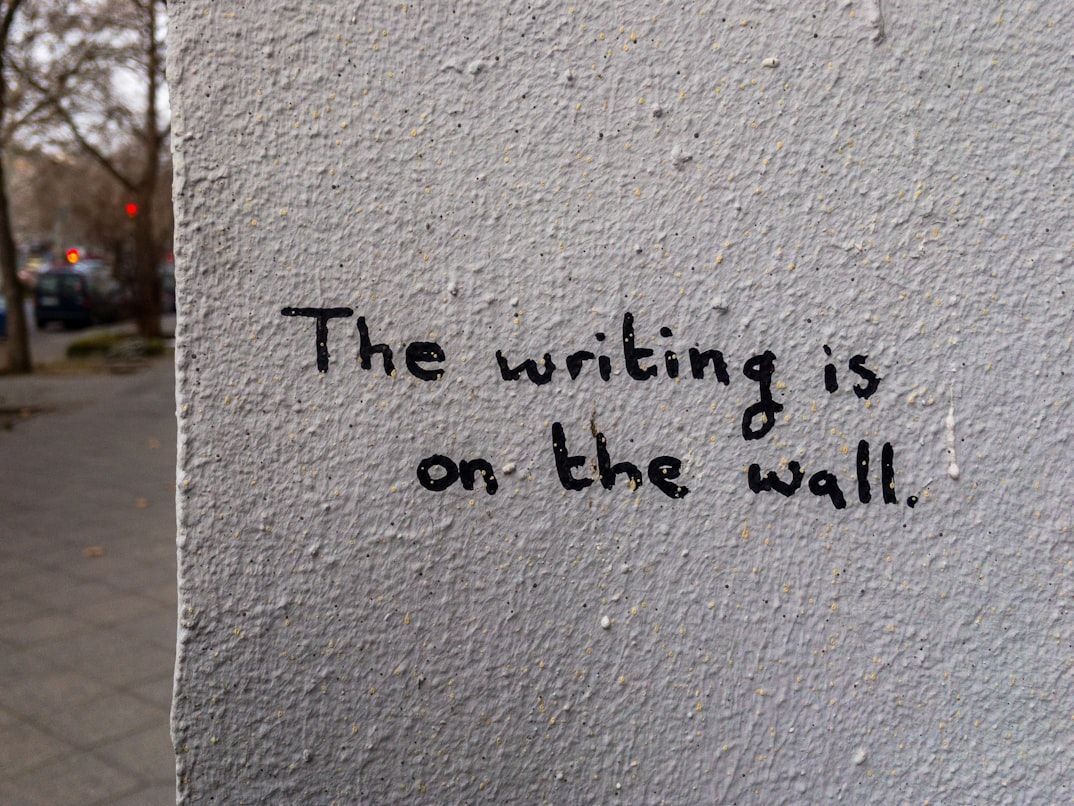 Image: Randy Tarampi
The period began as a simple dot used by Aristophanes of Byzantium to mark the end of a sentence. Its purpose was to improve clarity in long manuscripts, at a time when spaces between words did not exist.
Over the centuries, it evolved into the familiar punctuation mark we know today, becoming a universal symbol of grammatical correctness.
Comma
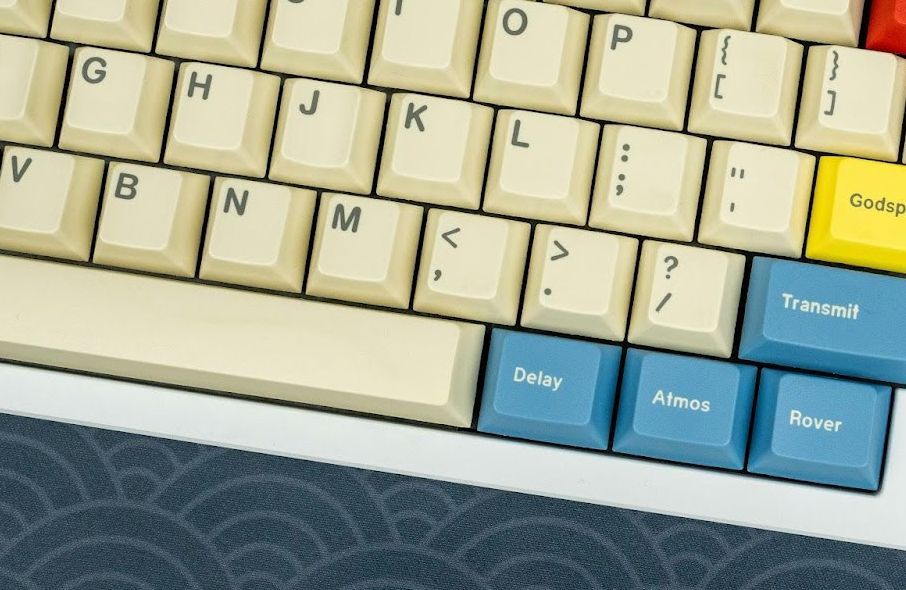 Image: Jacob Pretorius
The comma was added in the 3rd century BCE to indicate a brief pause while reading aloud. Its name comes from the Greek komma, meaning "a piece cut off."
It was later popularized in the Renaissance to structure complex sentences, helping writers convey rhythm and meaning more clearly.
Semicolon
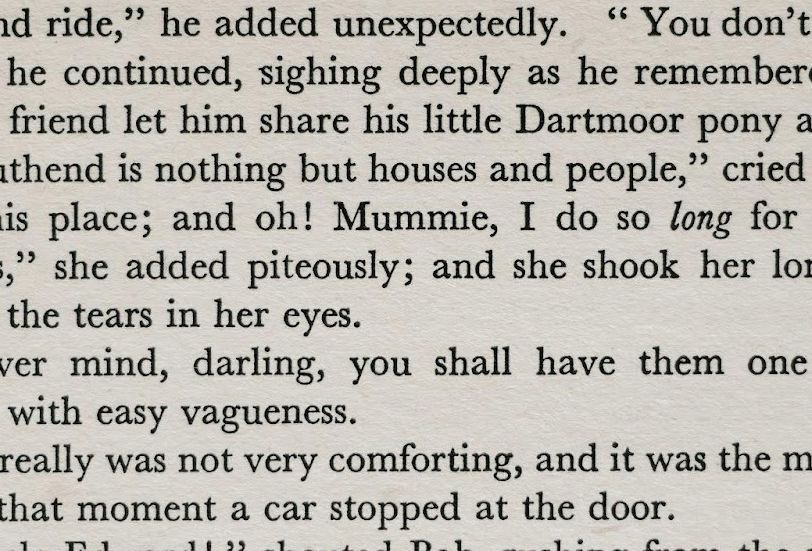 Image: Annie Spratt
Italian printer Aldus Manutius introduced the semicolon in 1494 to separate closely related independent clauses.
It became a favorite among scholars, as it allowed nuanced connections between ideas without fully breaking a sentence.
Colon
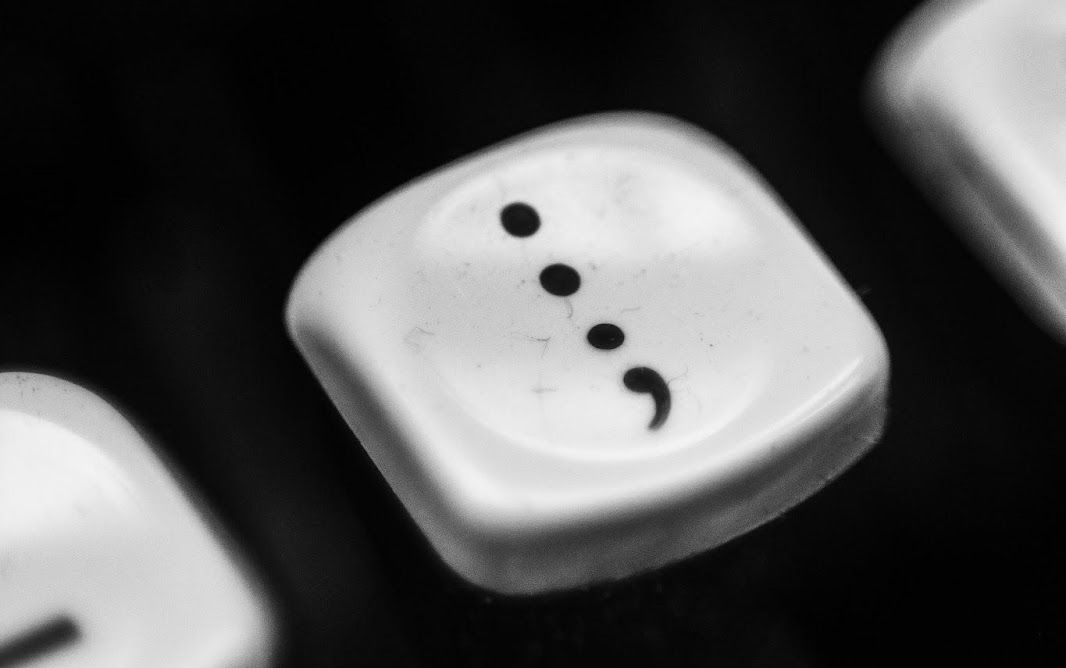 Image: Connor Pope
The colon was also popularized by Manutius, used to introduce lists or explanations.
It historically guided readers in written speeches or complex texts, marking a shift in thought or attention to important details.
Question Mark
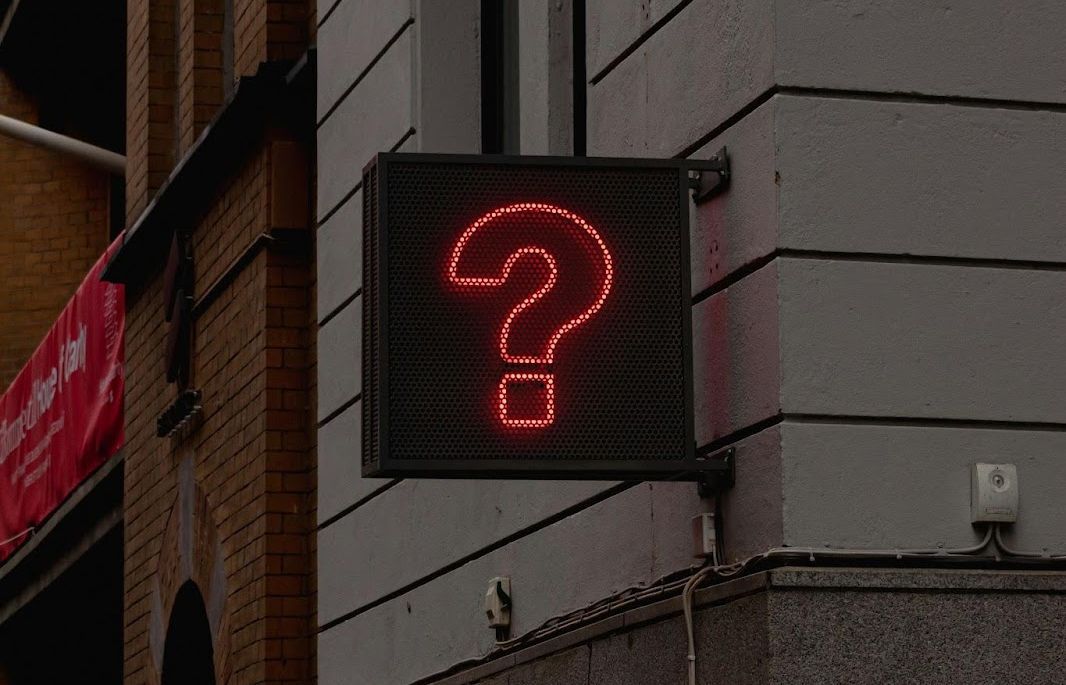 Image: Uladzislau Petrushkevich
The question mark likely comes from the Latin word quaestio, which was often abbreviated as ‘qo’ at the end of sentences.
Scribes eventually stylized the abbreviation into the curved mark we use today, which has become a universal signal for a question or inquiry.
Apostrophe
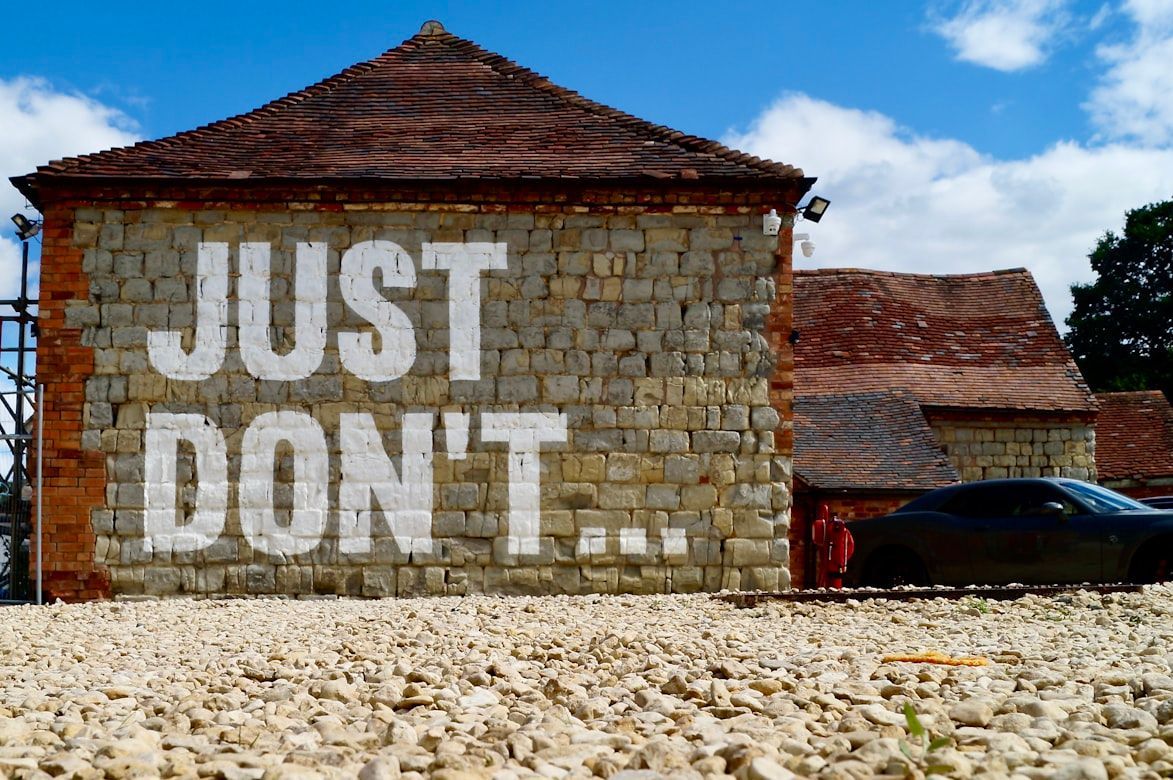 Image: James Orr
Introduced in the 16th century, the apostrophe marks omitted letters and abbreviations, as in don’t from do not.
It also indicates possession in English; however, its use in that sense didn’t become standardized until the 18th century.
Hyphen
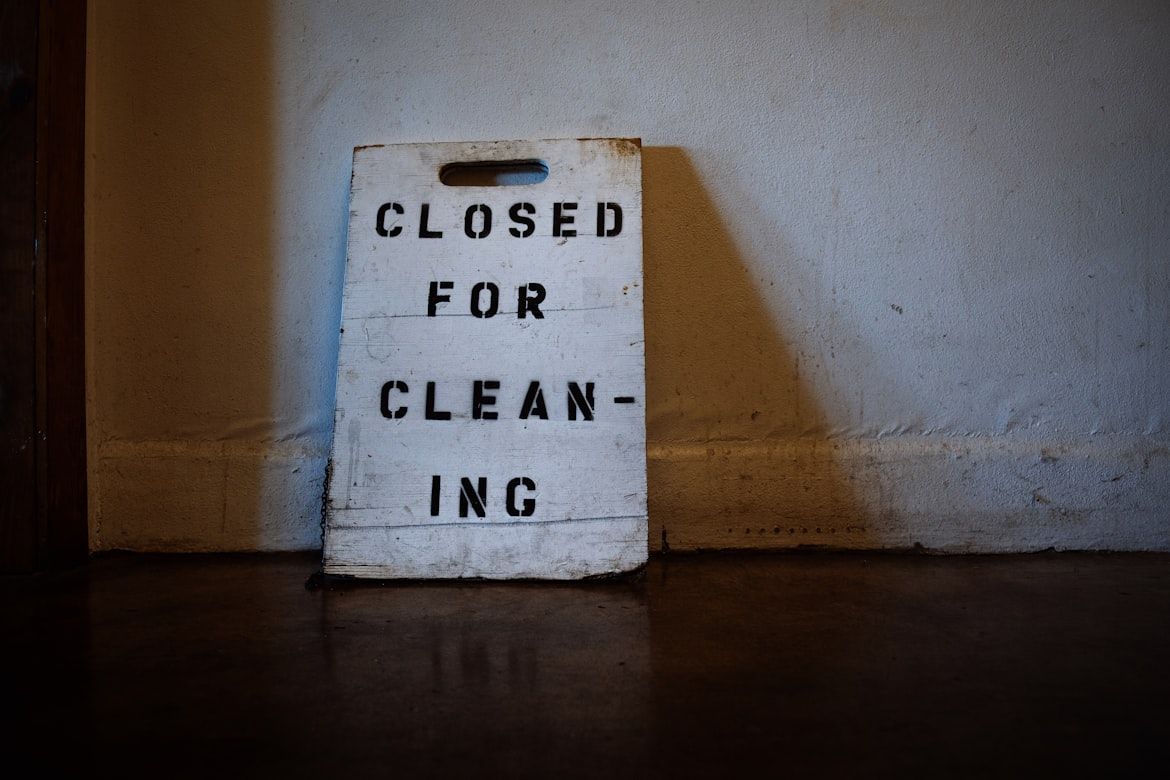 Image: Tim Mossholder
The hyphen emerged in the Middle Ages to join words or split lines. Printers sometimes used it to avoid awkward spacing.
Today, it joins compounds like well-being or divides words at line breaks, helping preserve clarity in written language.
Parentheses
 Image: Brett Jordan
Parentheses were introduced in the 15th century to provide supplemental information without breaking the main text.
They guide readers through secondary thoughts, examples, or clarifications more efficiently.
Ampersand
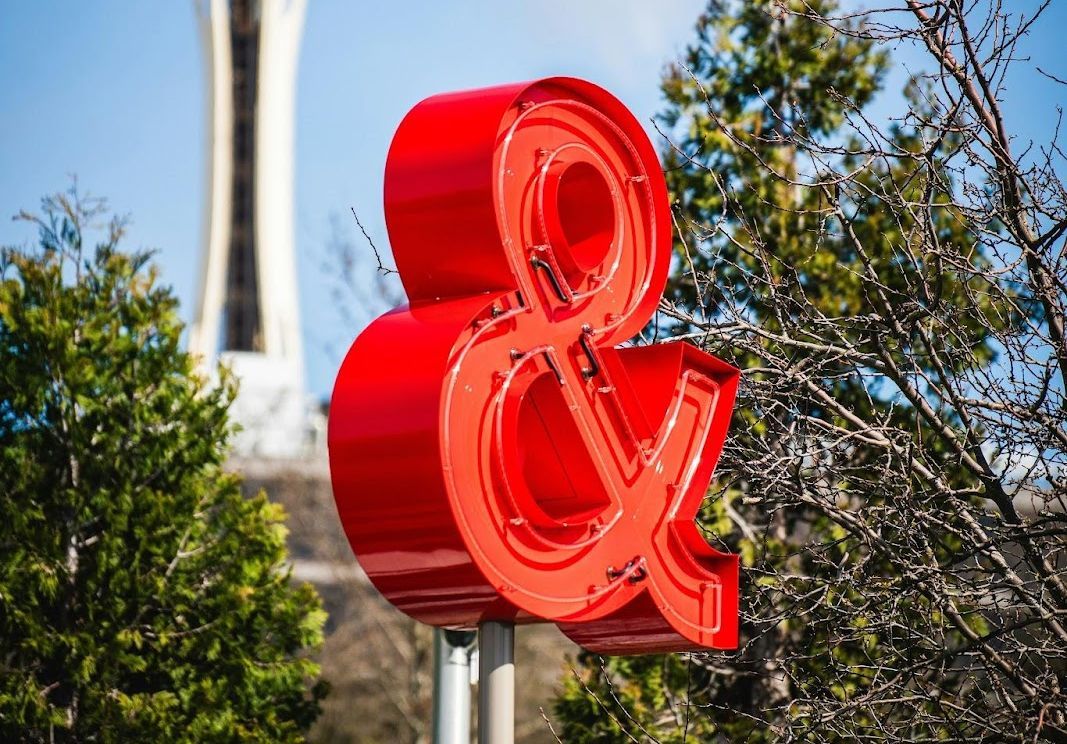 Image: John Murphey
Did you know that the ampersand is a ligature of the letters "e" and "t"? Together, they form et, the Latin word for "and."
Used since Roman times, it became a typographical shorthand as well as a symbol of elegance in logos and design.
Interrobang
 Image: Laura España
Created in 1962 by Martin K. Speckter, the interrobang combines a question mark and an exclamation mark into a single symbol.
It expresses surprise and inquiry simultaneously, though it never became a standard punctuation mark. However, using both signs together is common in comic books and informal writing to convey the same effect.