Strange scales

10 of the weirdest units of measurement humans actually used


Published on February 25, 2026
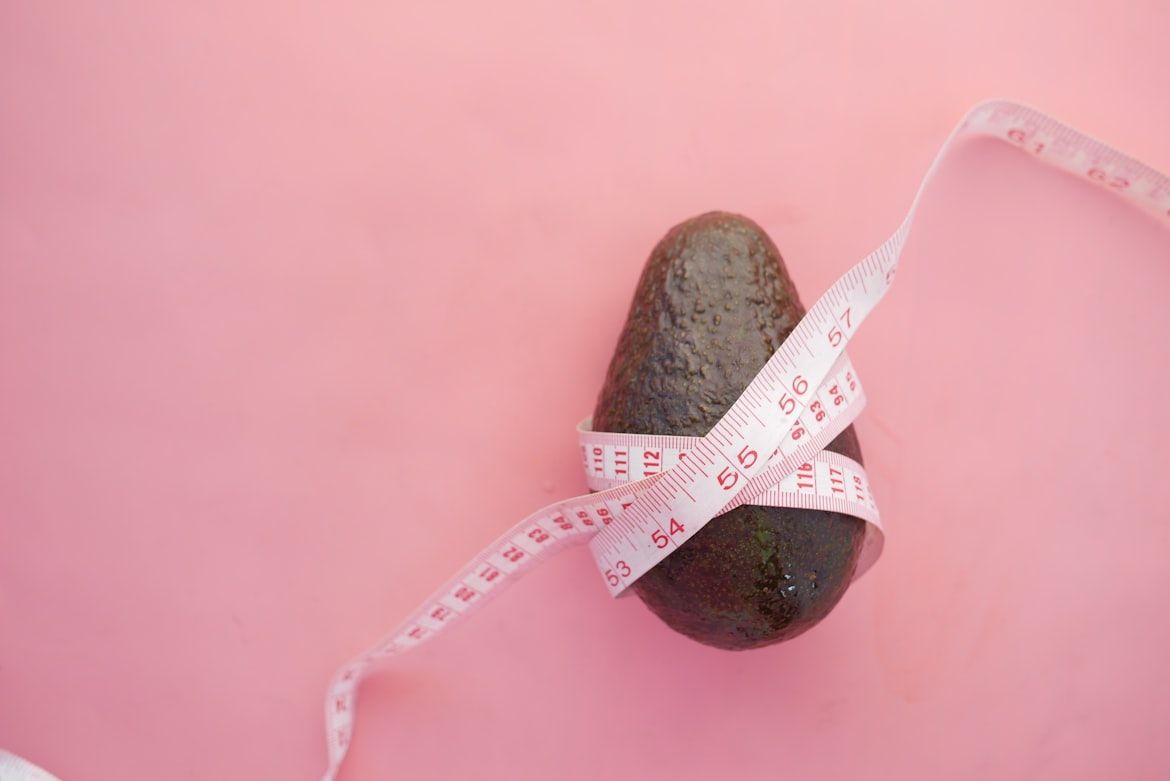

Image: Towfiqu barbhuiya

Measuring the world is a human necessity, and throughout history, we’ve used some truly strange units. From the height of a monkey to the speed of beard growth, here are 10 of the weirdest—and funniest—measures ever recorded. Not the most practical, but undeniably fun!

1

Beard-second

Image: Tim Mossholder

A beard-second is the distance a beard grows in one second, roughly 5 nanometers. The unit originated in physics as a playful way to express extremely small lengths.

Although humorous, it can actually be used to illustrate minuscule distances, and some textbooks and teachers use it to make abstract concepts more relatable.

2

Sheephead

Image: Sam Carter

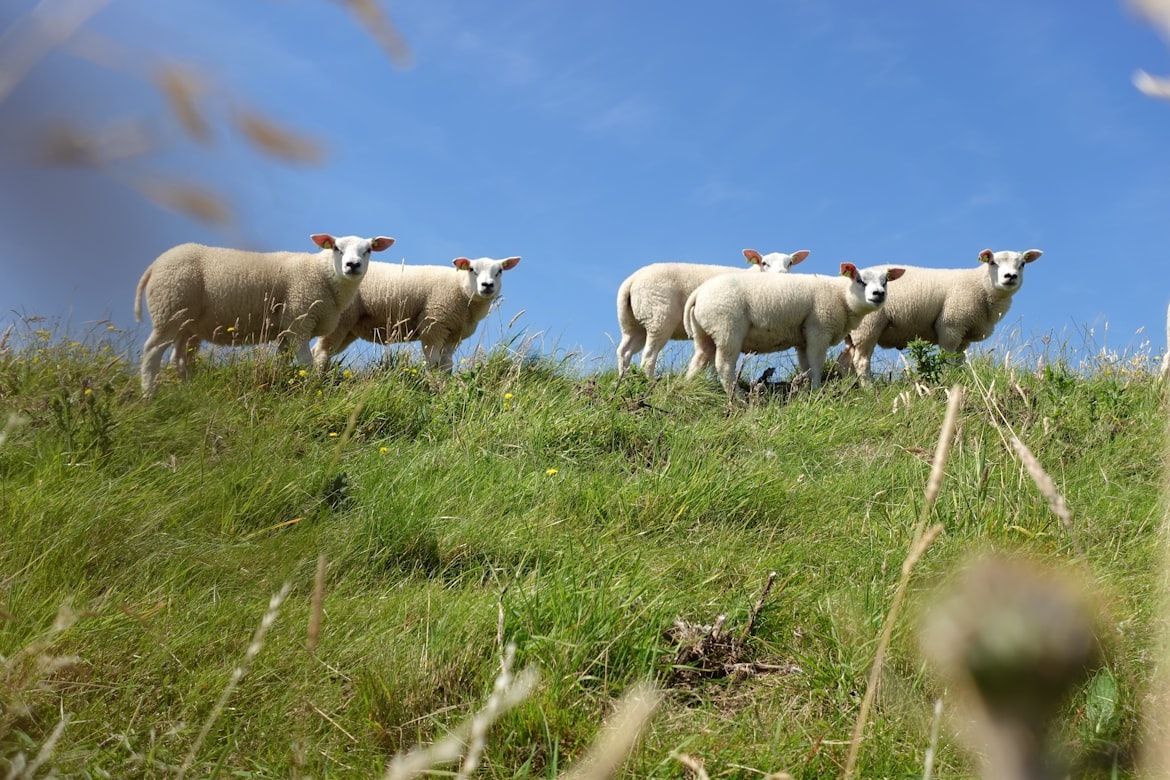
In medieval Scandinavia, a sheephead was a unit of weight for butter and cheese, representing roughly 30–40 pounds.

Units like this emerged from agricultural economies, where livestock products were common commodities. Though forgotten today, historical accounting records show widespread use of animal-based measures for commerce.

3

Furlong per fortnight

Image: Toomas Tartes

Another humorous velocity unit is the furlong per fortnight: a furlong equals 220 yards, and a fortnight represents 14 days. This means one furlong per fortnight is about 0.000116 meters per second.

Mostly used as a joke among scientists, it highlights the sometimes absurd combinations of units that can arise.

4

Monkey

Image: Syed Ahmad

In 17th-century England, a "monkey" was a unit of weight for Indian textiles, equal to roughly 7.5 pounds. The name likely came from playful trade jargon rather than any connection to the weight of an actual monkey.

It facilitated commerce between Britain and its colonies, and historical trade documents preserve its use in textile contracts.

5

Reaumur

Image: Artur Solarz

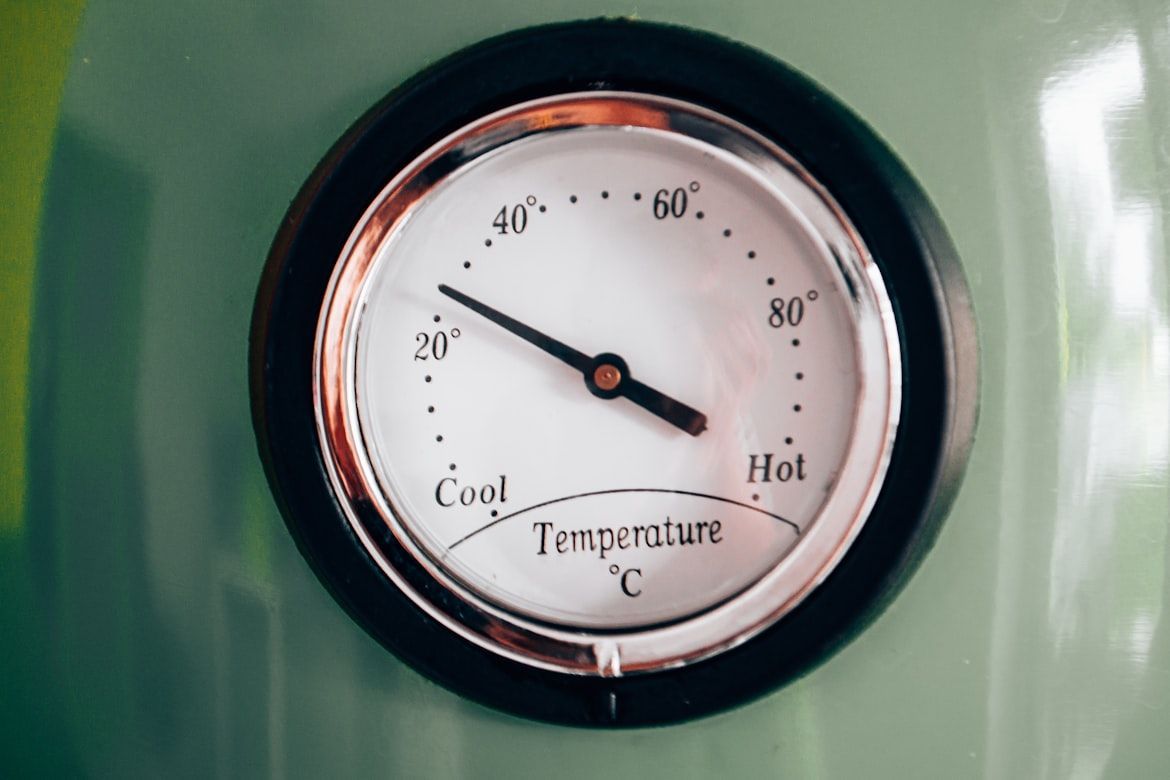
An old temperature scale, where 0°R marked the freezing point of water and 80°R its boiling point. Named after René-Antoine Ferchault de Réaumur, it was widely used in France and parts of Europe until the early 20th century.

Though now mostly obsolete, Réaumur thermometers survive in antique collections and are still occasionally referenced in traditional cheesemaking guides.

6

Sheep’s Eye

Image: Stephan Frolov

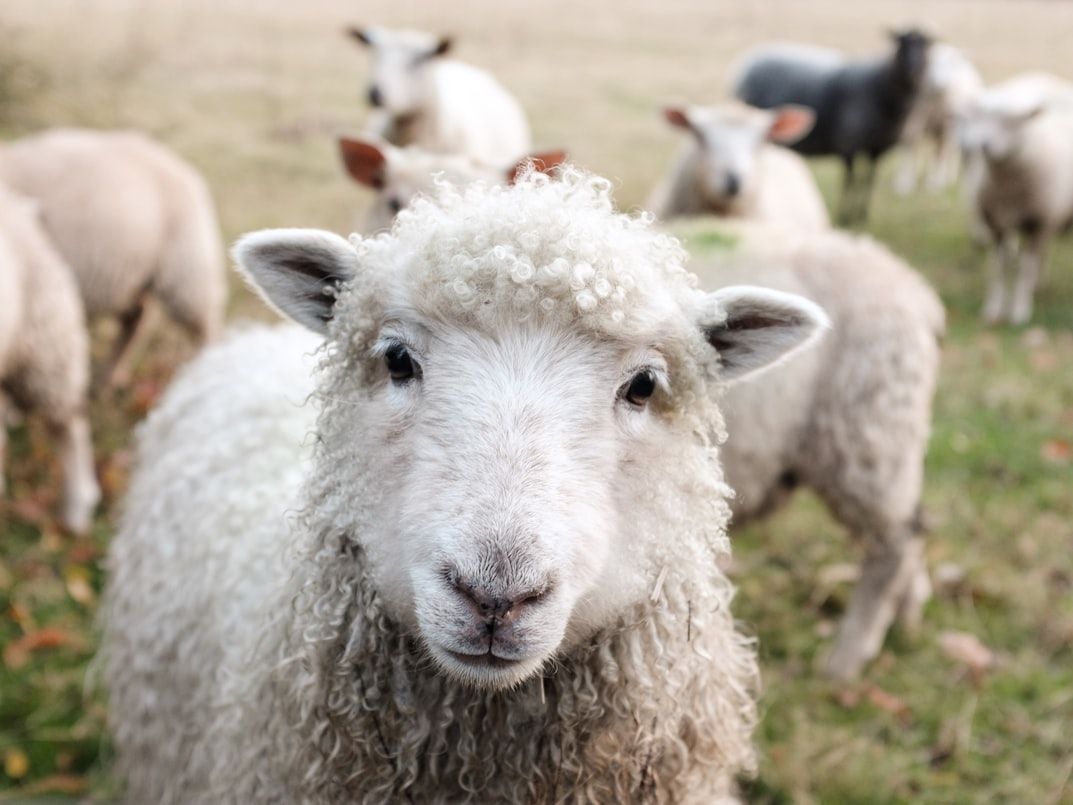
A Scottish unit of land measurement, the "sheep’s eye" was said to be based on how far a sheep could see—roughly 30 meters.

This intuitive measure allowed local farmers to discuss land informally before precise surveying tools existed.

7

Gross

Image: Erol Ahmed

A gross equals 144 items, or 12 dozen. Traders historically used it for bulk counting and wholesale commerce. The term comes from the Old French grosse douzaine, meaning "large dozen."

Still common in packaging and manufacturing, gross is often a practical unit when large quantities are involved.

8

Stone

Image: Scott Webb

A British unit of weight, the stone is standardized at 14 pounds. It was traditionally used for weighing people and animals and is still in use in parts of the UK today.

While most of the world now uses metric units (and the modern imperial system in the US), the stone persists in Britain and Ireland as a traditional measure.

9

Smoot

Image: Bernd Dittrich

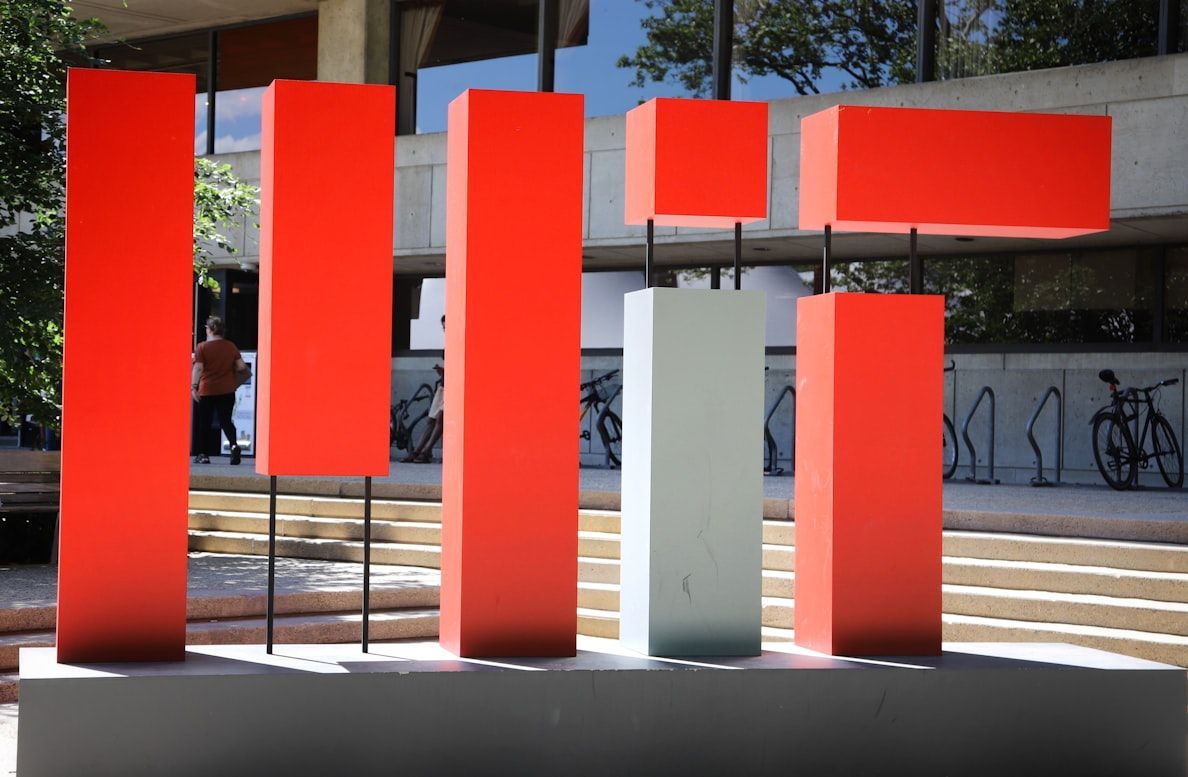
A "smoot" equals 5 feet, 7 inches—the height of Oliver Smoot, a MIT student. In 1958, MIT students used Smoot’s height to measure the Harvard Bridge in Boston.

The bridge was humorously marked in Smoots with chalk during the experiment, and the unit stuck—today, the bridge still has "Smoot" markings.

10

Hogshead

Image: fred crandon

A barrel unit that varied by region, the hogshead typically measured 63 gallons for wine or 54 gallons for beer. Used as early as the 15th century, it helped standardize liquid trade.

The term’s origin is obscure, possibly a mispronunciation of "oxhead." Hogsheads were important for commerce in both colonial America and Europe.


Avian vocabulary

Chirp, chirp! Discover 10 idioms directly inspired by birds!


Published on February 25, 2026


Image: Sid Balachandran

Humankind has a lot to thank birds for, from the chicken and eggs we gladly consume every day to their wonderful flights, which influenced the creation of the airplane. Not only that, but birds are truly unique creatures: Think of their bright colors and the complicated melodies found in their chirps, and you’ll see what we mean. In that sense, it seems only logical that these wonderful creatures have influenced the way we speak. With that in mind, here are 10 of the most popular phrases and idioms that reference our feathery friends. Enjoy!

1

Birds of the same feather

Image: Patrice Bouchard

The phrase "birds of the same feather" is commonly used to describe how similar or like-minded people tend to connect and form groups. Interestingly, it seems that this idiom is actually an abbreviation of a longer and older English proverb, which states, "Birds of a feather flock together." This phrase was prominently used in literary classics such as Leo Tolstoy’s War and Peace and James Joyce’s Ulysses.

2

Fly the coop

Image: Tom Ungerer

Chickens tend not to be the most secretive of birds; they are famously flightless and are not exactly known for their dexterity or stealth. Regardless, they are known to escape from time to time, which is where the idiom "to fly the coop" comes from. It is used whenever someone escapes or goes away. Notably, it is also used by broken-hearted parents whenever their children leave home.

3

Mother hen

Image: Bri Tucker

Speaking of chickens, the phrase "mother hen" is used to describe someone with a particularly strong and protective maternal instinct. As you probably guessed, this phrase comes from the way hens hatch and nurse their chicks, keeping them close for several weeks until they are able to wander off on their own. While this idiom is sometimes seen in a negative light, at the end of the day, a "mother hen" is someone with a lot of love to give. So, we’d like to take a second to salute all the mother hens out there.

4

Pecking order

Image: Lidia Stawinska

Most of us deal with one or two "pecking orders" in our lives: Think back to that boss you simply can’t talk back to, or the respect you were expected to have for your headmaster at school. This social hierarchy comes from birds that tend to live in hierarchical structures, where their social standing is determined by who they can peck without fear of retaliation (and who may peck them back).

5

Night owl

Image: Odd Sun

Many of us are night owls, and there’s nothing wrong with that. Maybe you find solace in the darkness of night, and it is during this time that you do your best work or can concentrate and study harder. As the name suggests, this idiom comes from owls, perhaps the quintessential nocturnal bird. Most owls hunt at night and sleep during the day, although some species can be crepuscular or even diurnal.

6

As free as a bird

Image: Gauravdeep Singh Bansal

Who hasn’t looked up at the clear skies and seen a flock of birds pass by without a worry in their minds? If you’re like us, you were probably a tad envious of those birds’ freedom. Coincidentally, that feeling perfectly describes the idiom "as free as a bird." The image is rather self-explanatory: Birds tend to fly wherever they want, with nothing to stop them as they traverse the skies above.

7

Feather in your cap

Image: David Trinks

Who would have known that sporting a feather in your hat was once considered a fashion statement? The phrase "a feather in your cap" is used to describe an achievement and the feeling of accomplishment that comes with it. Putting the titular feather in your cap means celebrating this success. While the origin of the phrase is unclear, some believe it is an old tradition associated with hunting, where a hunter would place a freshly plucked feather in their cap as a trophy after a successful hunt.

8

Spread your wings

Image: Mathew Schwartz

Whenever a friend or relative encourages you to "spread your wings," they are suggesting that you experiment with new things and confidently gain more experience in life. When you think about it, it’s rather funny that we find encouragement to try new things in something that birds do every day: After all, they spread their wings whenever they need to fly, right? In any case, the image invoked by this idiom is still a powerful one and remains one of the best ways to inspire someone to do great things.

9

Early bird catches the worm

Image: Jean Giroux

On one hand, the meaning of this idiom is quite literal: When you tell someone that "the early bird catches the worm," you might be suggesting that they need to get up earlier. However, this idiom can also convey the importance of being first, acting quickly to make the most of opportunities. Interestingly, this idiom seems to be at odds with another popular proverb, which states, "Good things come to those who wait." At the end of the day, both ideologies are valid, so choose whichever works best for you!

10

A little birdie told me

Image: Chris Smith

We’ll end with an idiom that made many small children loathe small birds. Whenever you did something you weren’t supposed to, did your parents confront you by saying that "a little birdie" told them you misbehaved? Nowadays, this phrase is used to refer to a piece of information heard through someone else, such as a friend or coworker who wishes to remain anonymous.

Looking for an extra scoop of literary fun?

Learn more with our Word of the day

attached

/əˈtætʃt/