Strange scales

10 of the weirdest units of measurement humans actually used


Published on February 25, 2026

Image: Towfiqu barbhuiya

Measuring the world is a human necessity, and throughout history, we’ve used some truly strange units. From the height of a monkey to the speed of beard growth, here are 10 of the weirdest—and funniest—measures ever recorded. Not the most practical, but undeniably fun!

1

Beard-second

Image: Tim Mossholder

A beard-second is the distance a beard grows in one second, roughly 5 nanometers. The unit originated in physics as a playful way to express extremely small lengths.

Although humorous, it can actually be used to illustrate minuscule distances, and some textbooks and teachers use it to make abstract concepts more relatable.

2

Sheephead

Image: Sam Carter

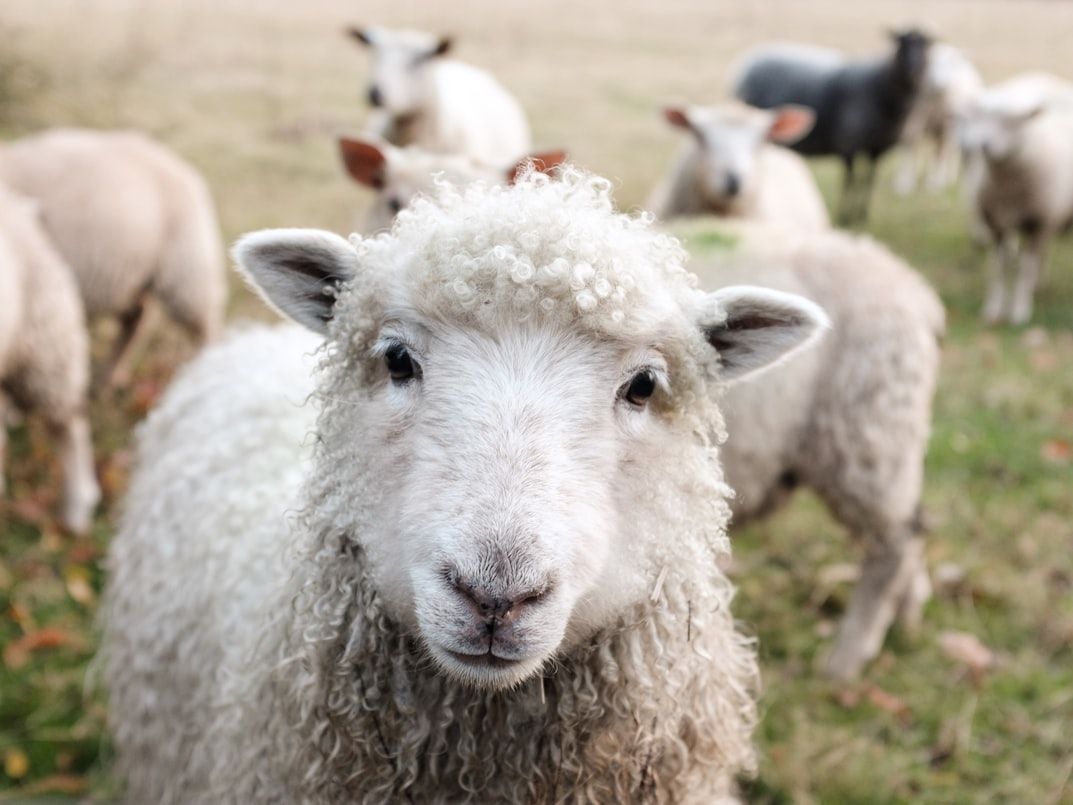
In medieval Scandinavia, a sheephead was a unit of weight for butter and cheese, representing roughly 30–40 pounds.

Units like this emerged from agricultural economies, where livestock products were common commodities. Though forgotten today, historical accounting records show widespread use of animal-based measures for commerce.

3

Furlong per fortnight

Image: Toomas Tartes

Another humorous velocity unit is the furlong per fortnight: a furlong equals 220 yards, and a fortnight represents 14 days. This means one furlong per fortnight is about 0.000116 meters per second.

Mostly used as a joke among scientists, it highlights the sometimes absurd combinations of units that can arise.

4

Monkey

Image: Syed Ahmad

In 17th-century England, a "monkey" was a unit of weight for Indian textiles, equal to roughly 7.5 pounds. The name likely came from playful trade jargon rather than any connection to the weight of an actual monkey.

It facilitated commerce between Britain and its colonies, and historical trade documents preserve its use in textile contracts.

5

Reaumur

Image: Artur Solarz

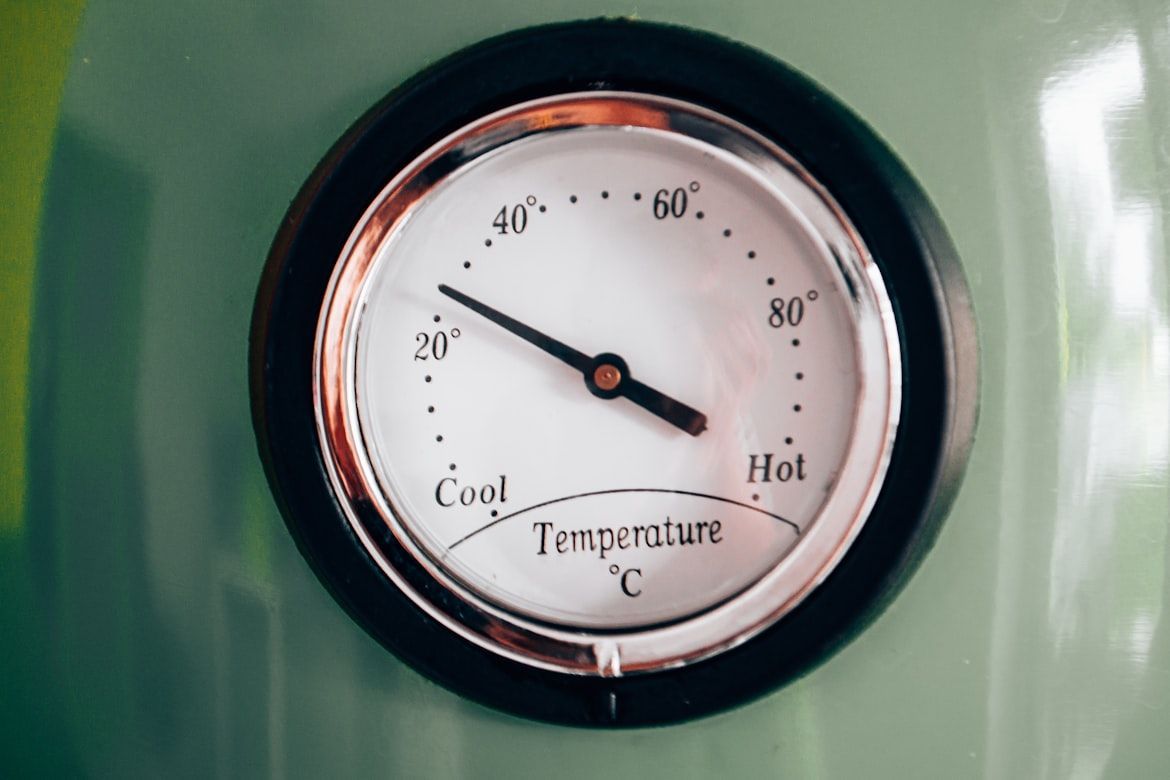
An old temperature scale, where 0°R marked the freezing point of water and 80°R its boiling point. Named after René-Antoine Ferchault de Réaumur, it was widely used in France and parts of Europe until the early 20th century.

Though now mostly obsolete, Réaumur thermometers survive in antique collections and are still occasionally referenced in traditional cheesemaking guides.

6

Sheep’s Eye

Image: Stephan Frolov

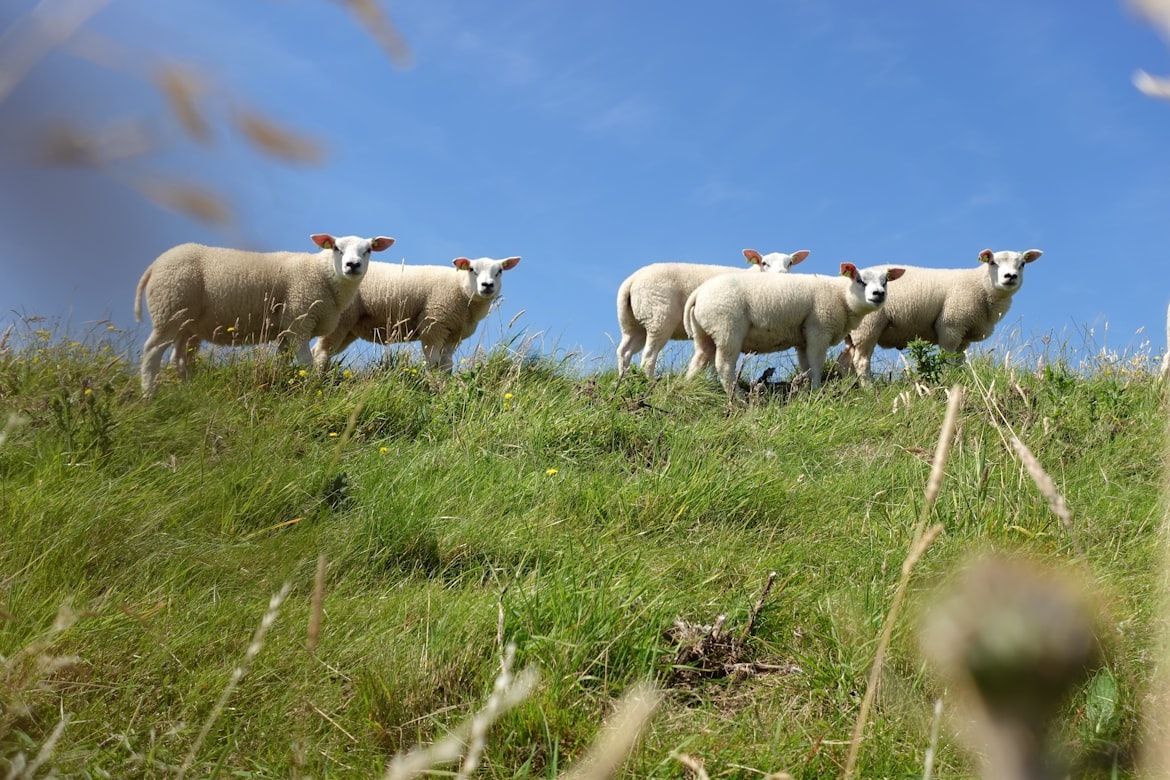
A Scottish unit of land measurement, the "sheep’s eye" was said to be based on how far a sheep could see—roughly 30 meters.

This intuitive measure allowed local farmers to discuss land informally before precise surveying tools existed.

7

Gross

Image: Erol Ahmed

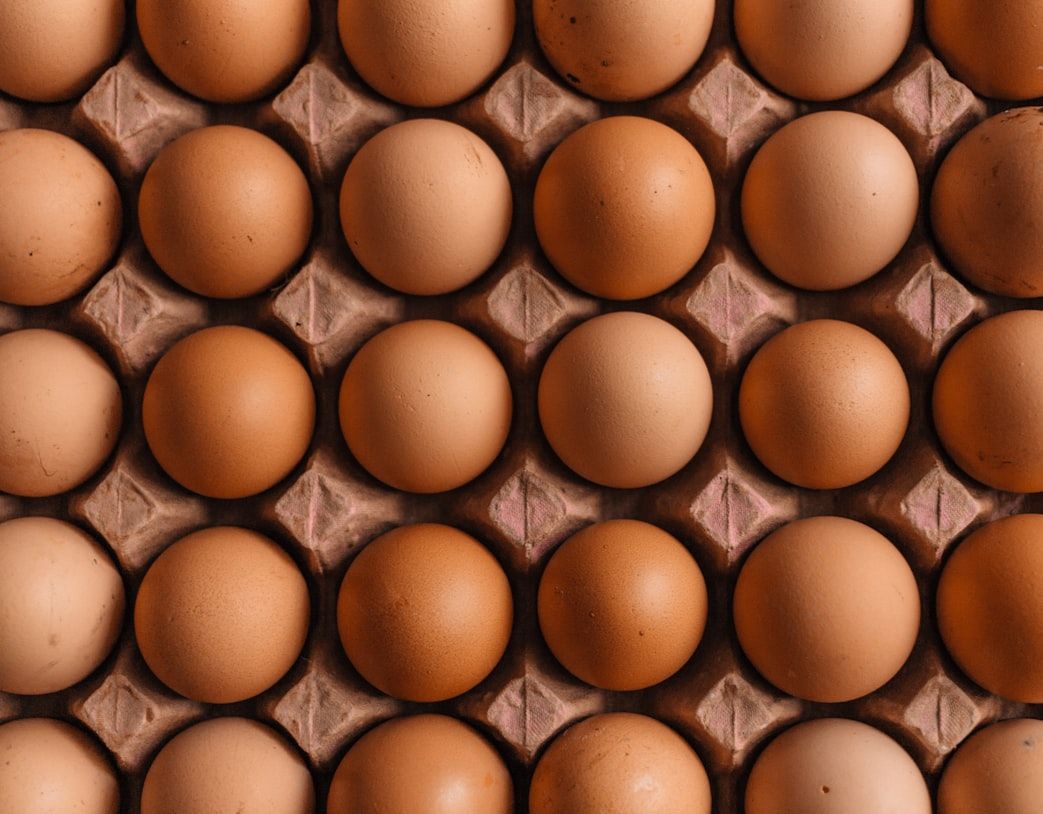
A gross equals 144 items, or 12 dozen. Traders historically used it for bulk counting and wholesale commerce. The term comes from the Old French grosse douzaine, meaning "large dozen."

Still common in packaging and manufacturing, gross is often a practical unit when large quantities are involved.

8

Stone

Image: Scott Webb

A British unit of weight, the stone is standardized at 14 pounds. It was traditionally used for weighing people and animals and is still in use in parts of the UK today.

While most of the world now uses metric units (and the modern imperial system in the US), the stone persists in Britain and Ireland as a traditional measure.

9

Smoot

Image: Bernd Dittrich

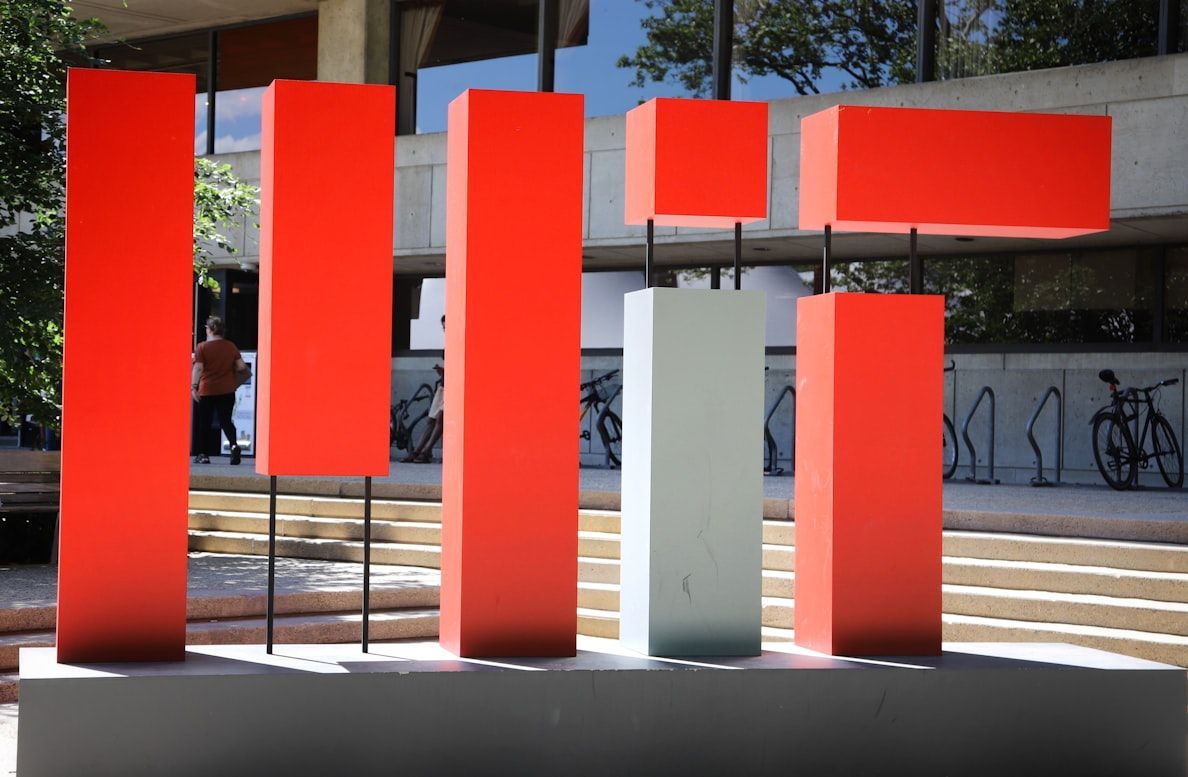
A "smoot" equals 5 feet, 7 inches—the height of Oliver Smoot, a MIT student. In 1958, MIT students used Smoot’s height to measure the Harvard Bridge in Boston.

The bridge was humorously marked in Smoots with chalk during the experiment, and the unit stuck—today, the bridge still has "Smoot" markings.

10

Hogshead

Image: fred crandon

A barrel unit that varied by region, the hogshead typically measured 63 gallons for wine or 54 gallons for beer. Used as early as the 15th century, it helped standardize liquid trade.

The term’s origin is obscure, possibly a mispronunciation of "oxhead." Hogsheads were important for commerce in both colonial America and Europe.


Hey, hoy, let’s go!

What did they mean? Discover the meaning of these 12 classic tunes


Published on February 25, 2026


Image: Luana De Marco

Song lyrics can be as simple or as complex and metaphorical as the composer wants, and examples of both can be found in almost any musical genre. Sometimes, being obscure can cripple a song’s chances to become a hit, but there are plenty of classic tracks that, if listened to carefully, have some odd or cryptic meanings, to say the least. The following 12 famous songs managed to captivate audiences despite their unusual meanings. Which ones do you like the most?

1

Hotel California, The Eagles

Image: Rafael Camacho Greilberger

The first item on our list is a classic 1970s hit that may sound like it is about a road trip, but it has a much deeper meaning. According to the band’s singer and songwriter, the song was written about the materialism and greed the band had experienced in the record industry, as well as the wider American culture.

2

Blackbird, The Beatles

Image: derek braithwaite

The Beatles experimented a lot, both with the sound and the lyrics of their music. And what might seem like a lovely simple song is, instead, a sharp criticism of the civil rights situation in mid-20th-century America.

Image: Debby Hudson

3

I Will Always Love You, Dolly Parton

Back in 1973, Dolly Parton’s relationship with Porter Wagoner, her mentor and on-screen duet partner, was losing steam on all fronts. Dolly wrote this song as a farewell to Porter, who wasn’t ready to let her go.

Image: Markus Spiske

4

I Walk the Line, Johnny Cash

The lyrics to one of Johnny Cash’s most iconic songs, I Walk the Line, are a declaration of fidelity to Vivian, his first wife. The idea of walking straight served the Man in Black as a motto for his behavior.

Image: Fedor

5

Something, The Beatles

The second Beatles track on our list was penned by George Harrison, and it was inspired by his then-wife, Pattie Boyd, who was married to the Beatle from 1966 to 1977.

Image: Todd Diemer

6

In the Air Tonight, Phil Collins

This Phil Collins hit was inspired by his divorce from Andrea Bertorelli in 1980, according to Phil himself, who spilled the beans during an interview with Jimmy Fallon on his talk show.

7

Every Breath You Take, The Police

Image: Mika Baumeister

What seems like a beautiful love song is, instead, the message of a stalker to his wife. Clear hints spring to the fore with lines like "Every smile you fake", but overall, the message seemed to be masked for some as they were blinded by the soft rock music.

8

5150, Van Halen

Image: Emily Rudolph

A song title that was subject to varied interpretations, 5150 refers to the building of Eddie Van Halen’s recording studio, but many attribute this number to the newfound balance and compromise within the band after the new singer, Sammy Hagar, came aboard to replace David Lee Roth.

9

Intension, Tool

Image: Kelly Sikkema

The use of reverse recordings hidden within the song has been present for quite a few decades now but, most of the time, this was done to conceal what might have been an inappropriate lyric (at least, according to some). But the members of Tool decided to hide a positive message within the song that said: ‘Work hard, stay in school, listen to your mother, your father was right’.

10

Total Eclipse Of The Heart, Bonnie Tyler

Image: Jongsun Lee

This famous 1980s ballad is, weirdly enough, about vampires. Originally written by composer Jim Steinman for the Broadway musical Nosferatu, the track was formerly titled ‘Vampires In Love’. The lyrics centre around life in eternal darkness and other standard vampire tropes.

11

Mr. Tambourine Man, Bob Dylan

Image: Antoine J.

The subject of this classic Dylan track was Bruce Langhorne, who played guitar with Bob on a few records and was remembered as owning a giant tambourine, hence the name.

12

American Pie, Don McLean

Image: Patrick Fore

The name "American Pie" refers to a quintessentially American creation that is filled with lyrical imagery for the song. One of the major inspirations behind it is thought to be the tragic plane crash that led to the demise of Buddy Holly, Ritchie Valens, and JP Richardson.

Looking for an extra scoop of literary fun?

Learn more with our Word of the day

heckle

/ˈhɛkəl/