Naming oddities

10 oddly named US towns and cities and their surprising stories


Published on August 11, 2026
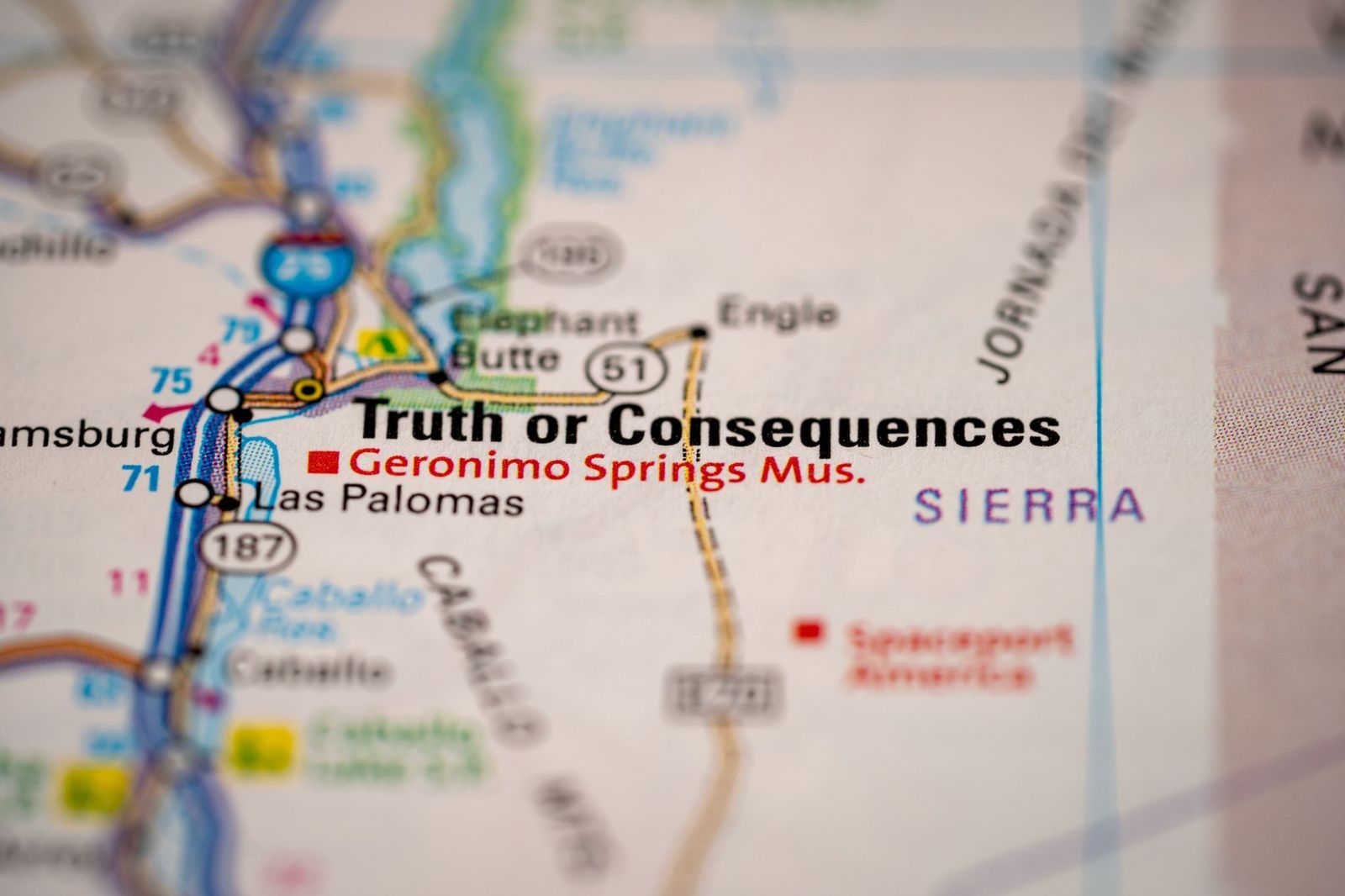

Image: Erman Gunes

America is home to over 19,000 incorporated cities and towns. While many have familiar names, others sound so unusual that they often force credibility. However, behind these atypical names, there are stories rooted in America's past, from the Gold Rush and the westward expansion to local legends that have endured for generations. Let's walk through some of the most peculiar city names out there and discover their surprising origins.

1

Tombstone, Arizona

Image: 1960s Travis

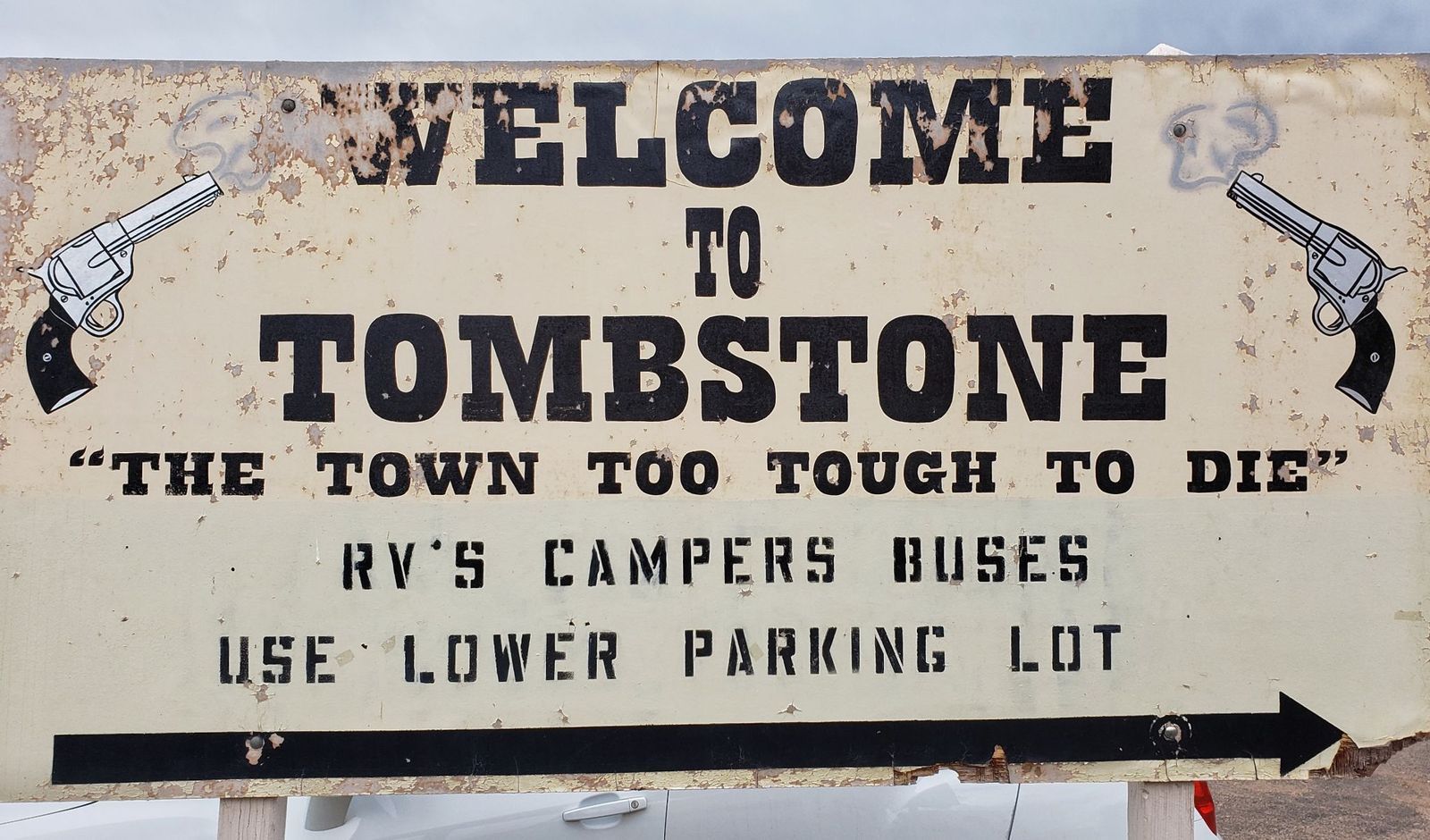
Founded in 1879 by prospector Ed Schieffelin, Tombstone owes its notoriously bleak name to a sarcastic remark. While searching for silver in southeastern Arizona, Schieffelin was warned by soldiers that the only thing he would find in Apache territory was his own tombstone.

Instead, Schieffelin struck one of the richest silver deposits in the American West. He named his mining claim Tombstone, and the booming town that sprang up around it quickly became one of the frontier's most prosperous communities, best remembered today by Old West figures like Wyatt Earp and Doc Holliday.

2

Truth or Consequences, New Mexico

Image: SevenMaps

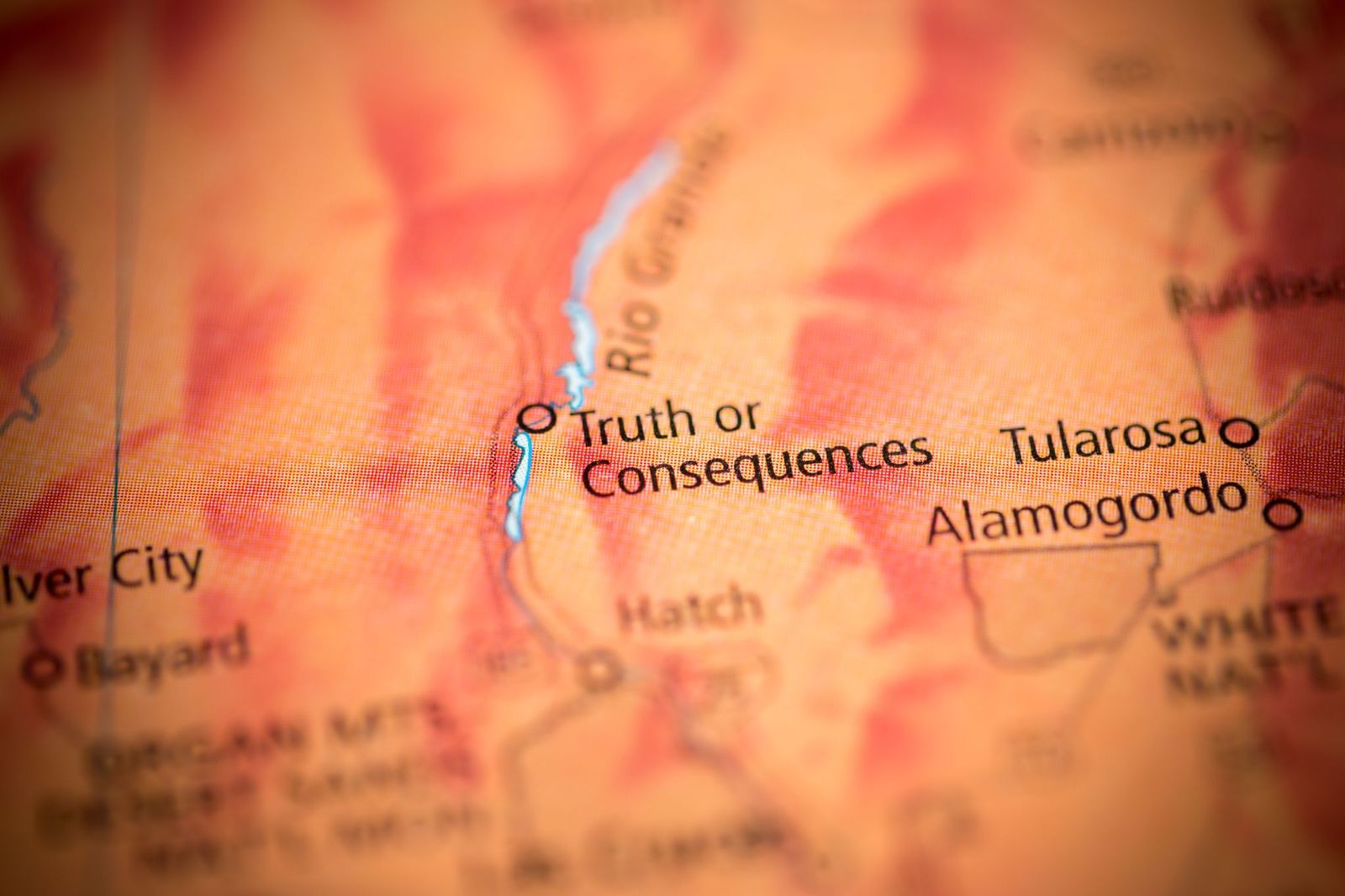
Originally known as Hot Springs, this community was founded in the late nineteenth century around a series of natural mineral springs that attracted visitors. By the middle of the twentieth century, it had become a well-known spa destination in the Southwest.

Everything changed in 1950, when radio personality Ralph Edwards announced that he would broadcast the anniversary episode of his wildly popular show Truth or Consequences from any town willing to adopt the show's name. In one of the most successful publicity campaigns in American history, the residents of Hot Springs voted in favor of the change, and the town still bears its unusual name more than 70 years later.

3

Zzyzx, California

Image: Kevin Key

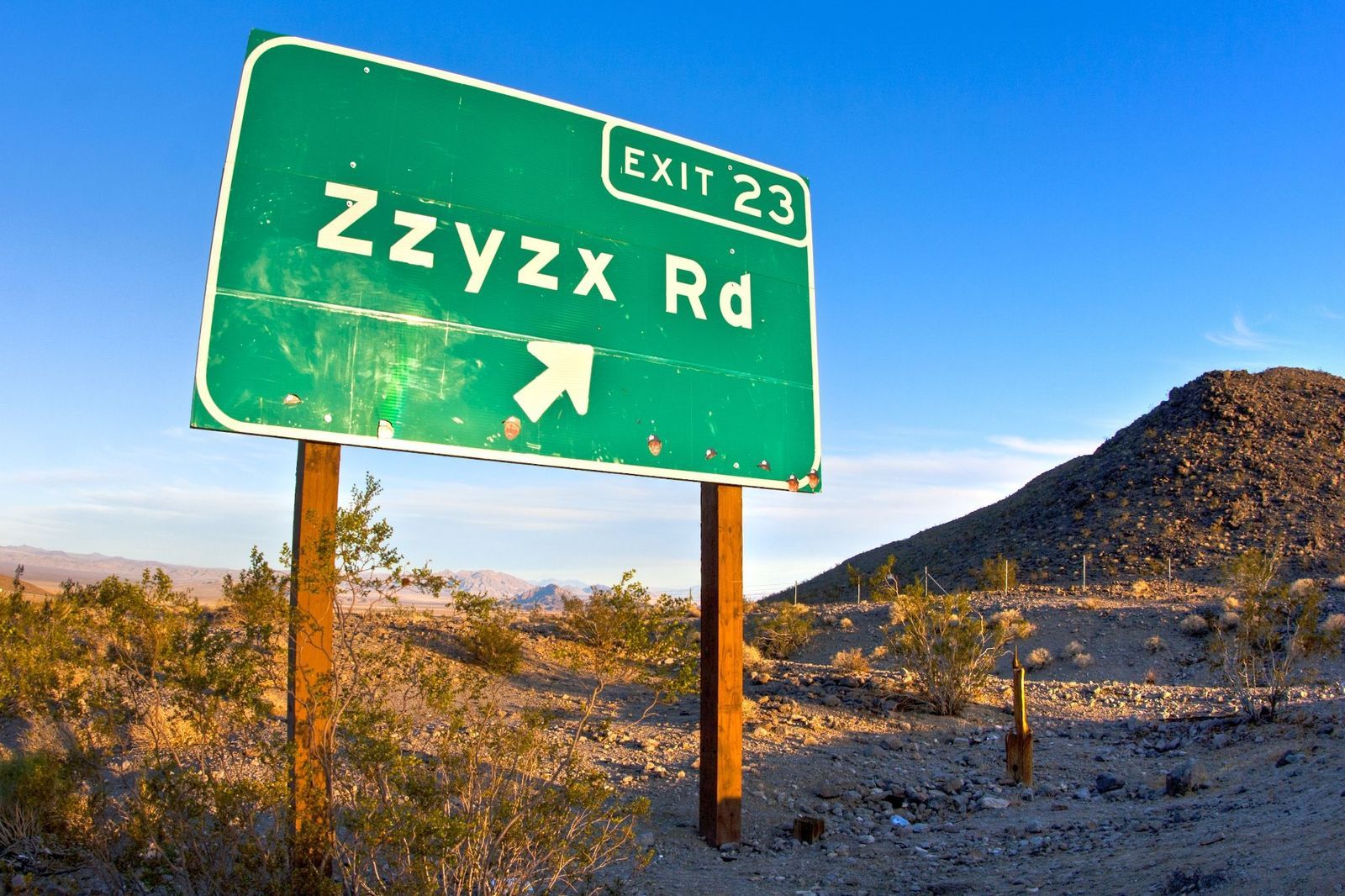
In 1944, minister and radio evangelist Curtis Howe Springer established a health resort in the Mojave Desert and deliberately named it Zzyzx. Springer claimed that he chose that specific name with the intention of making it the last word of the English dictionary.

Although the resort eventually closed and the federal government reclaimed the land, the name survived: today, Zzyzx is home to a desert studies center operated by California State University, and remains one of the most unusual names in America.

4

Accident, Maryland

Image: SevenMaps

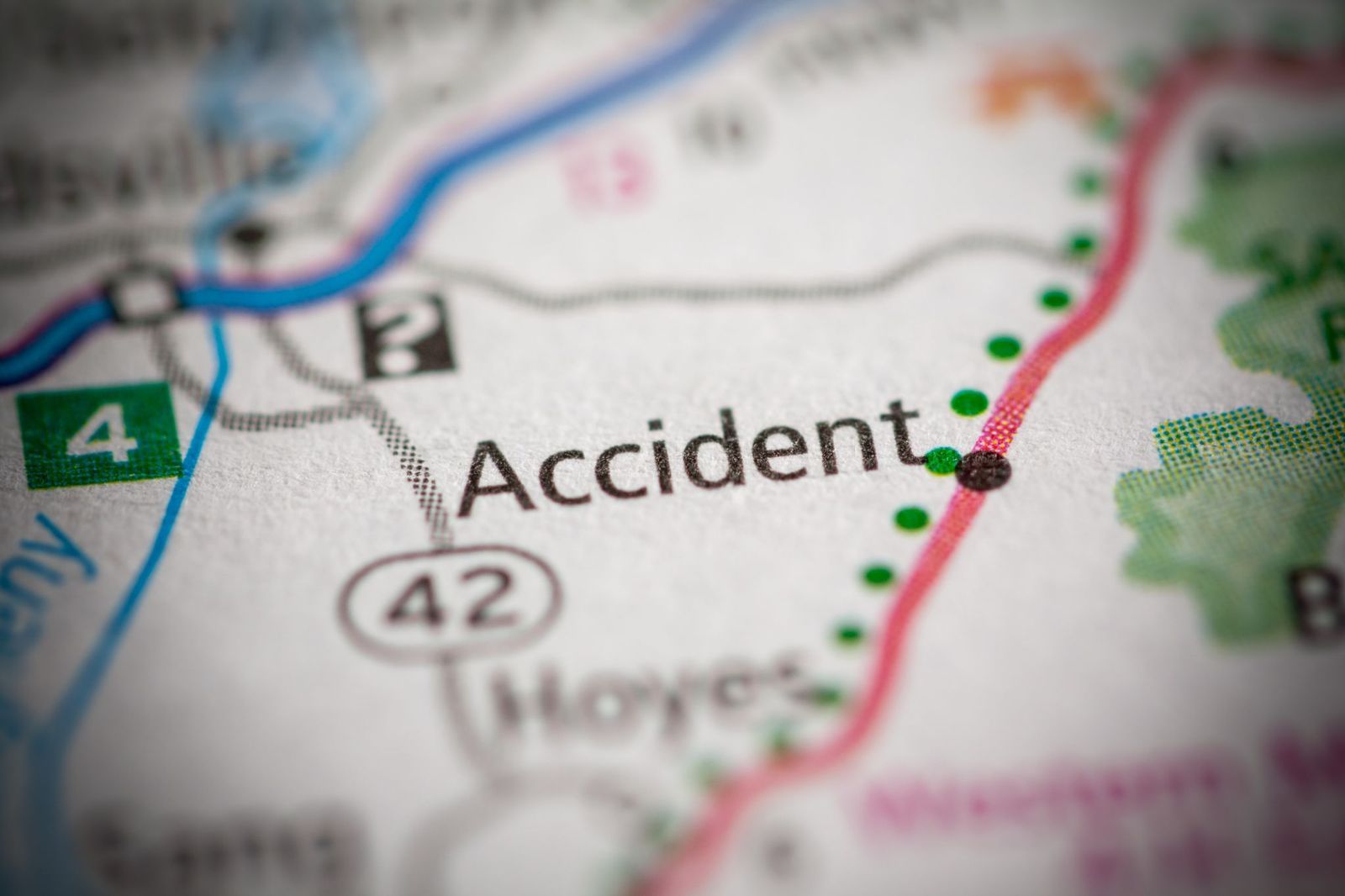
Founded during the colonial era, Accident traces its origins to a remarkable surveying mistake during the 1750s. Two surveyors, working independently, selected exactly the same 315-acre parcel while mapping western Maryland.

The overlapping claim became known as "The Accident", and when settlers established a community there, the name stuck. More than two centuries later, the town continues to embrace the name and its fortuitous history.

5

Chicken, Alaska

Image: Robert Sockey

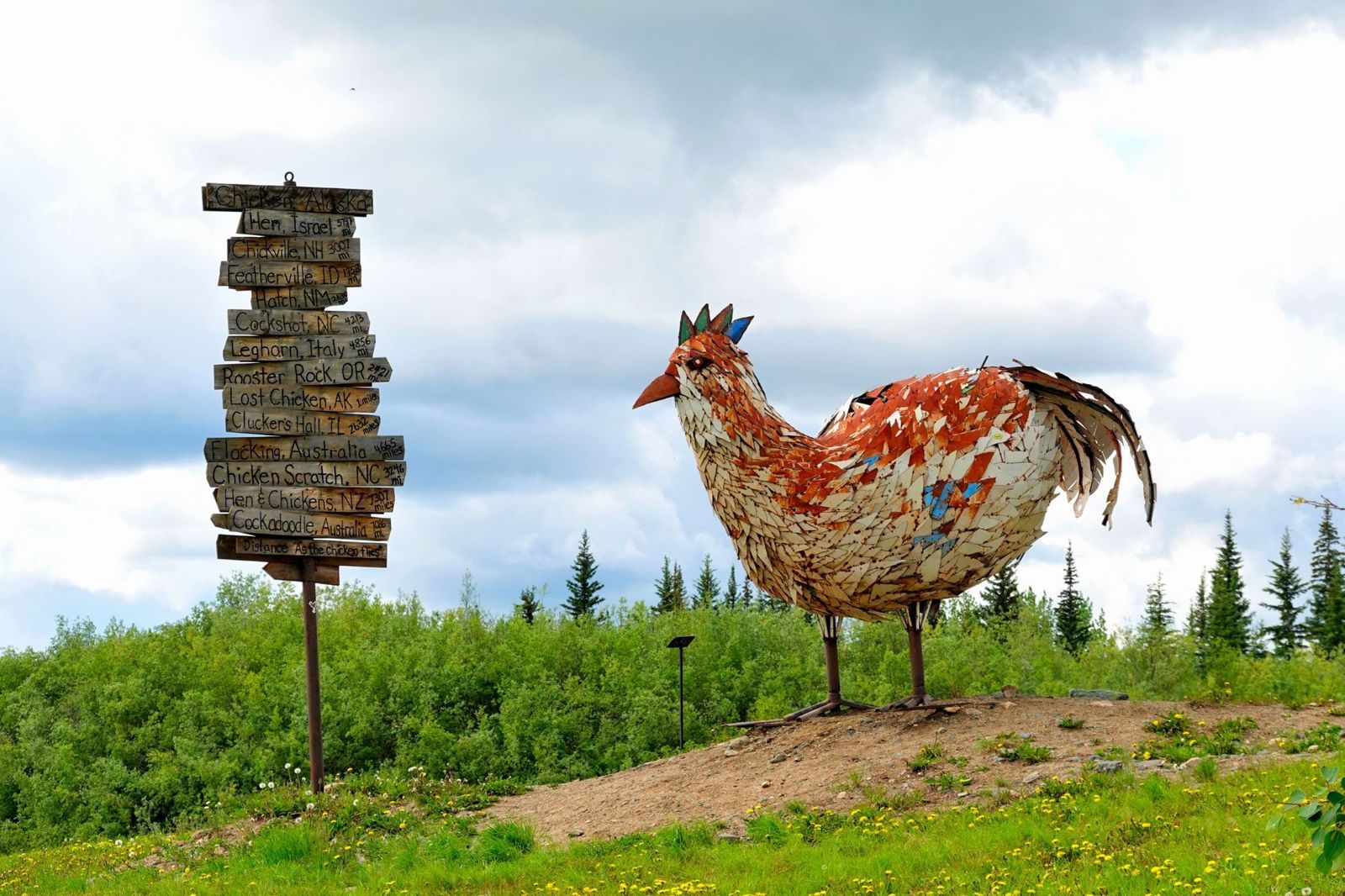
The community of Chicken was established during Alaska's gold rush around 1902. Prospectors frequently hunted the local ptarmigan for food and originally wanted to name the settlement after the bird.

The problem was that few of the miners could agree on how to spell ptarmigan. Rather than risk embarrassment, and because the two species share some similarities, they chose the much simpler name Chicken.

6

Peculiar, Missouri

Image: SevenMaps

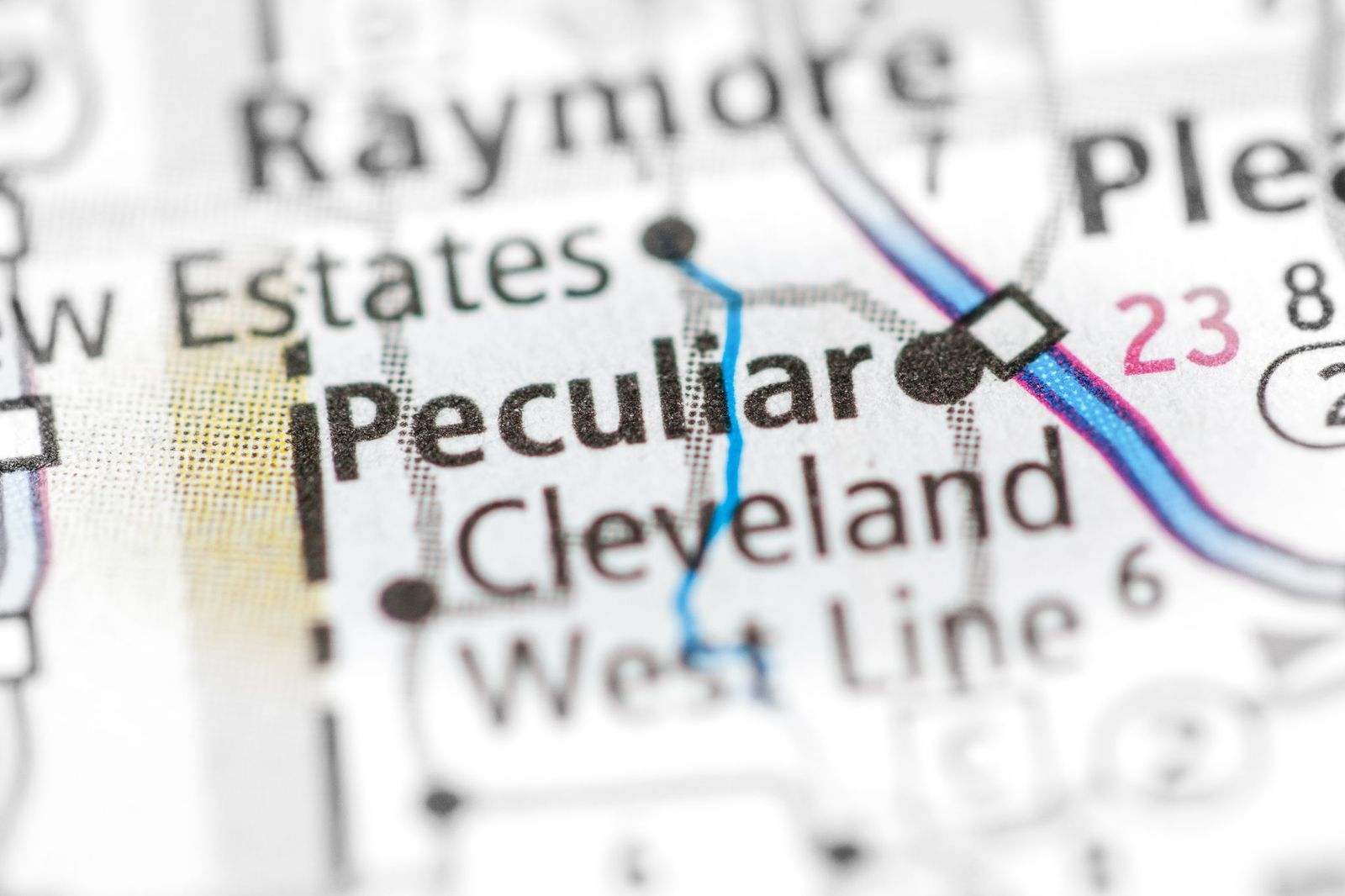
Founded in 1868, as the railroad expanded across western Missouri, the community encountered an unexpected problem when applying for a post office: Every proposed town name had already been claimed elsewhere in the state.

The story goes that the local postmaster, in frustration, wrote to Washington stating that he didn't care what the town was called as long as it was something "peculiar." More than 150 years later, Peculiar still bears the name with pride.

7

Why, Arizona

Image: Thomas Trompeter

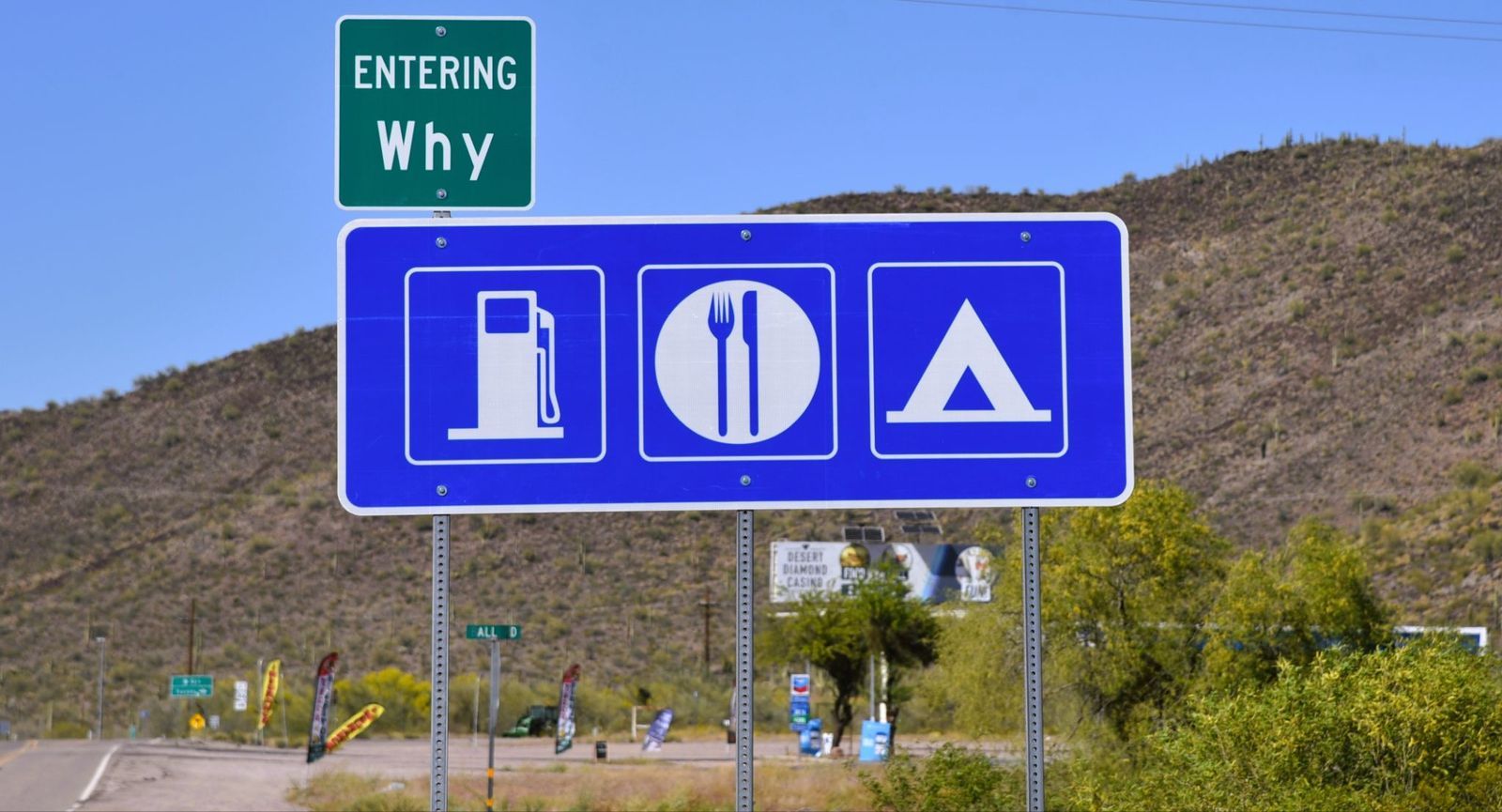
"Why" is a community located in the Sonoran Desert, whose unusual name is the product of an unexpected legal technicality. The settlement developed during the early twentieth century at the point where the State Routes 85 and 86 intersected in the shape of the letter "Y."

The community originally wanted to call itself "Y" in honor of that intersection, but because Arizona law required community names to contain at least three letters, they spelled it out. As a result, even after the intersection has since been redesigned, the town of Why still keeps one of the most curious and memorable names in America.

8

Boring, Oregon

Image: Johann Knox

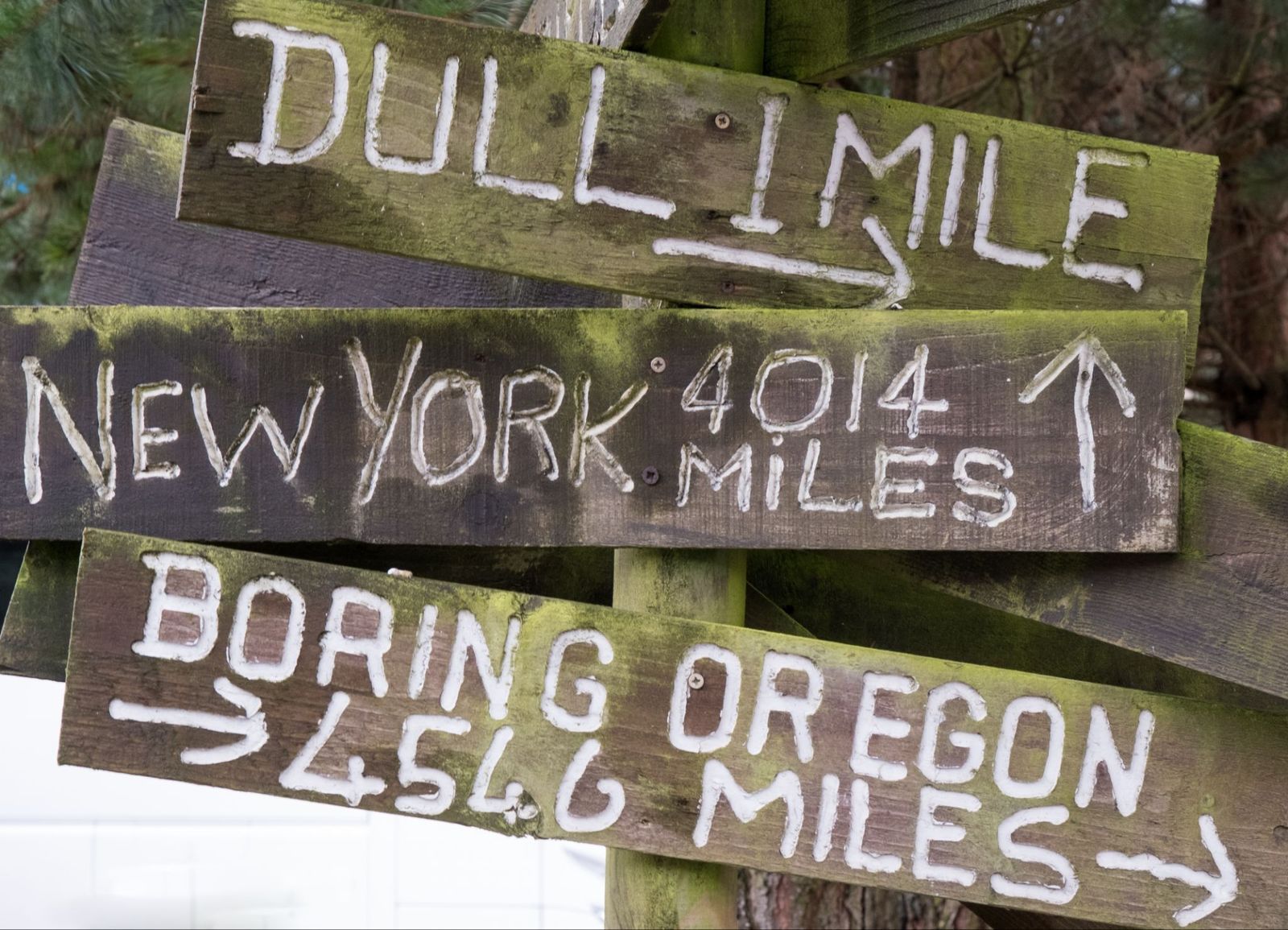
While the name "Boring" may sound unflattering, its story is a pretty common one. The town is named after William Harrison Boring, a Union Army veteran who moved into the area in the 1870s and became one of its earliest settlers.

Over time, the accidental double meaning of Boring turned it into a tourist curiosity. The community, rather than shy away from the jokes, embraced them, even forming a lighthearted partnership with the village of Dull, Scotland, to celebrate their similarly harsh names.

9

Hell, Michigan

Image: Notorious4life (talk) (Uploads), CC0, via Wikimedia Commons

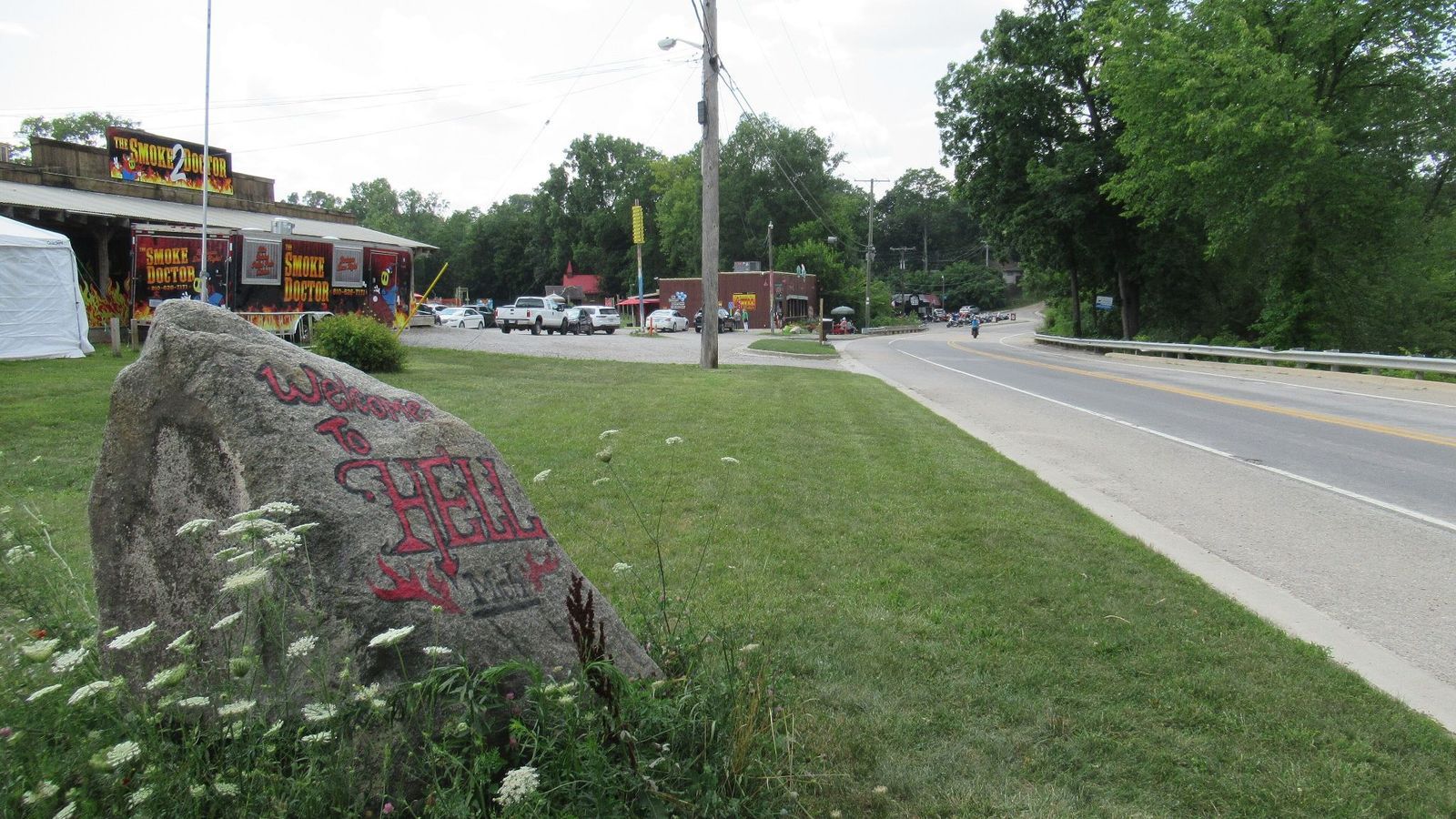
Hell began as a small milling community in southern Michigan during the 1830s, when pioneer George Reeves established it along nearby waterways. The exact origin of its name is shrouded in legend and local folklore.

One of the most popular stories claims that, when Reeves was asked what the settlement should be called, he jokingly replied: "Call it Hell for all I care." On the other hand, some historians believe that the name evolved from early German settlers using the word hell, meaning "bright".

While the true origin of the name may never be known, the town of Hell fully embraced its reputation, welcoming thousands of visitors each year with thematic attractions and souvenirs.

10

Jackpot, Nevada

Image: pswister

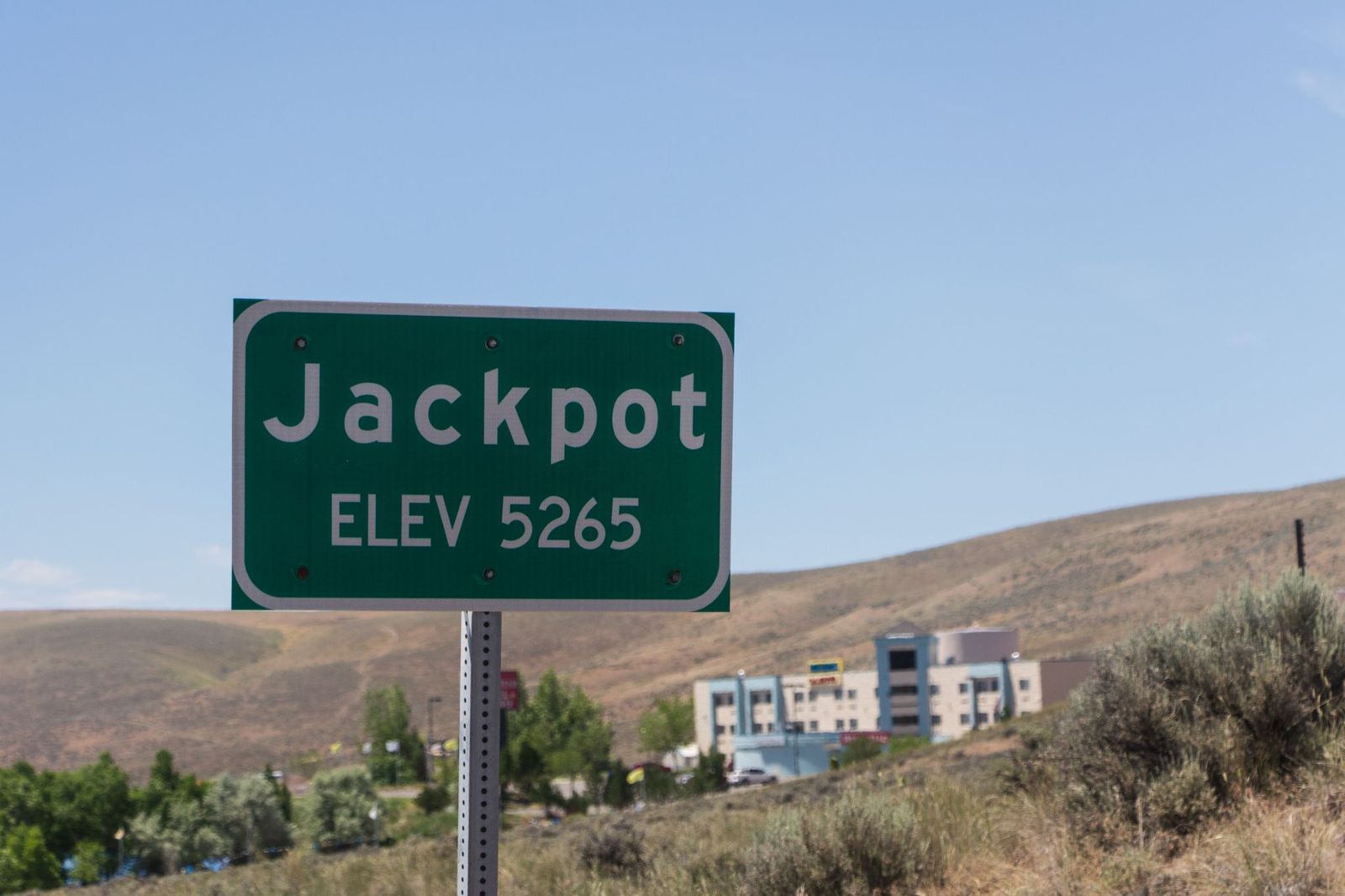
Unlike many Western towns that grew naturally around mines or railroads, Jackpot was created almost overnight in 1954 as a direct result of Idaho banning casino gambling. Entrepreneurs realized they could attract Idaho residents simply by building casinos just across the Nevada border.

The new community was aptly named Jackpot, and it quickly became a thriving destination. Few towns have a name that so perfectly matches the reason they came into existence.


Planning your next adventure

Ultimate survival guide: The 10 essentials of hiking


Published on August 11, 2026


Image: Toomas Tartes

Walking in the outdoors is excellent for our physical and mental health. And in the United States we have wonderful landscapes to make the most of this unique sport. However, while hiking is a very popular activity, it is not always practiced properly. Whether you plan to visit a National Park, venture into the woods, or explore bear country, it's best to prepare accordingly. Here are 10 pro tips to keep in mind when going hiking.

1

Set a goal and start slowly

Image: Sandra Seitamaa

If you've never hiked or camped before, don't worry, it's never too late! The best thing you can do is start slowly. First, find a path near your house and do small hikes every day. Once you realize how much you love getting your body moving, choose a place you've always wanted to visit. If nothing comes to mind, go through an atlas or a book on hiking to pick the perfect place for a new adventure.

Next, you can start proper training and even join a local hiking club to learn the ropes and meet new people. Finding a buddy to share the experience with can make all the difference, —trust us, conversation helps make training more enjoyable. Now that you're all set, it's time to get ready!

2

Pack smart

Image: maxmann

Packing is probably the most important thing when you go hiking. It’s where all starts and doing it properly can make the whole trip a success or a failure. First, lay out everything you think you'll need and strategize from there. Big items go first, but remember, try to keep weight as low as possible. For example, look at the amount of clothing you plan to bring, then cut it in half. It's not a wilderness experience otherwise!

If space becomes a problem, you can get some compression sacks for slimming down puffy items, like sleeping bags or outerwear. You can also deflate dry-food packs with a pin and cover the hole with tape. Finally, put survival items in the front of the pack for fast emergency access.

3

Wear proper shoes

Image: Pixabay

On the trail, adequate shoes make all the difference. Many people get blisters or other ailments just for choosing the wrong shoes. The best way to avoid these issues is to prepare. For starters, find shoes that are comfortable and right for your feet type. Don't order your next pair online, it’s better to visit a retail store and try on multiple pairs.

Socks are as important as shoes. Choose synthetic or wool socks that absorb moisture better for long days in the outdoors. The insoles that come in boots may not be a very good fit for your foot. The more cost-effective solution is to replace them with better ones. Also, always pack up some moleskin, duct tape, or other first-aid implements, just in case. Finally, remember to tie your boots correctly to prevent rubbing and you are good to go!

4

Set up the perfect campsite

Image: Baihaki Hine

Setting up a campsite is not hard if you take some key steps. First, find a site 200 feet from a lake or a stream and choose durable surfaces whenever possible. Spend extra time searching out a sheltered location to avoid the wind. Also, look up to make sure no dead trees or branches threaten to fall on your site.

Once you’ve found the perfect spot, wait until the winds die down —often at sunset— to pitch your tent. If you can, orient the door to the east for early sun and place your tent so the smallest side faces the wind. Secure and anchor your tent properly with nylon cords and stakes and you’ll be ready to spend the night in the open.

5

Learn how to build a fire

Image: Iren Polishchuk

Where campfires are allowed, it's important to know how to build —and put out— flames properly. First of all, find fuel: an armload of twigs and sticks will get the fire going. Search for dry wood under driftwood piles. If necessary, shave off the wet bark.

The next step is to make a pit. Choose a safe place and dig a small pit surrounded by wind-breaking rocks. Place a firestarter —for example, cotton balls, egg cartons, or wine corks— on a bed of sticks leaving gaps for air to fuel the flames. Place a fist-size stack of wood shavings, twigs, and paper over your fire starter and light it up. Carefully supply larger sticks and blow on them gently to fan the flames.

Before leaving the campsite, remember to put out the fire. Use water and mix the ashes and embers with soil. Make sure it’s completely out: if it’s too hot to touch, it’s too hot to leave.

6

Stay hydrated

Image: ArtHouse Studio

Like wine to the gods, water is the nectar of hikers. But, how to stay hydrated during long exercise hours in the outdoors? Start the day with plenty of liquid. While you sleep, you lose as much as 1.5 pounds of fluid through sweat and respiration. In the morning, replenish with 16 to 24 ounces of water.

While trekking, don’t wait till you are dead thirsty to drink water. Instead, sip 4 to 6 ounces of liquid every 20 minutes, it'll help you feel stronger. Also, since sweat is made up of sodium and potassium, it’s important to keep an eye on electrolytes. Try to alternate water with a sports drink or munch on salty snacks. If you start feeling dizzy, have a headache, or find it difficult to concentrate, you are probably dehydrated. Set up camp: A long rest, a good meal, and lots of water will get you back on track.

7

Acclimate wisely

Image: Diogo Tavares

If you are traveling from low to high elevation plan an extra day or two to allow your body to adjust. Avoid arriving directly to trailheads above 10,000 feet and instead plan a day hike at a lower elevation. The first couple of days try to moderate your effort. Since air is very dry at high altitudes, always stay hydrated and abstain from drinking alcohol.

Also, don't ascend more than 2,000 feet per day, and at night set camp below the highest elevation you've reached. If you develop symptoms of altitude sickness, like persistent headache, loss of appetite, fatigue, or loss of coordination, stay put. Go down if the symptoms don't improve within 24 hours.

8

Beware of the heat

Image: NEOM

If your hiking trip is during the summer months, you’ll have to be extra careful with the high temperatures. Always have a backup plan for your water supply and bring hard candy to suck and keep your mouth moistured.

Try to protect your body from the sun's rays. Don't wear shorts or short sleeves. Cotton clothes retain moisture better than synthetics and will keep you cooler. Wear a full-brimmed hat and extra-dark sunglasses at all times. Use sunscreen on any exposed flesh, like your face and the backs of your hands, and reapply frequently.

Don't hike during the middle of the day, when temperatures reach their peak. In open country, go from shade to shade. Move for half an hour and rest for another half. You can even hike at night and make the most of a starry sky!

9

Stay safe in bear country

Image: Andy Holmes

Let’s face it, most of North America is bear country. It’s important to take precautions when hiking near their habitats to prevent unfortunate encounters. First of all, don’t hike alone. Bears are less likely to attack groups than individuals. Also, always make noise. Given the opportunity, most bears will avoid human contact.

Storing food properly and paying attention to the terrain can give you an advantage. But even if you stay vigilant the whole time, you may come across a grizzly or a black bear. Pack bear spray or a bear bell and keep them handy. If you find yourself face to face with a bear, give it a chance to hear you and flee before their protective instincts kick in. However, if you feel you are about to be attacked, find a high tree to climb or lie face down and play dead.

10

Learn how to cross a river

Image: j.mt_photography

Forget bears, the most common and dangerous risk when hiking is a river crossing. Here's how to do it safely. Since narrow spots are deeper and faster, always cross a river at its widest point. Check your map for forks, they contain less water and are potentially easier to cross.

If you have to cross a glacial river, do it early in the day. This way, you’ll avoid the higher runoff volume that comes with afternoon melting. In fast-moving waters, cross at a slight angle, heading downstream but facing upstream. If you fall, don't panic. Remove your pack if it prevents you from getting up. If the current takes you, flip on your back and calm down. When you reach calm water, swim back to shore.

Looking for an extra scoop of literary fun?

Learn more with our Word of the day

elation

/əˈleɪʃən/