Military lingo

10 military terms that made it to the civilian vocabulary


Published on June 25, 2026
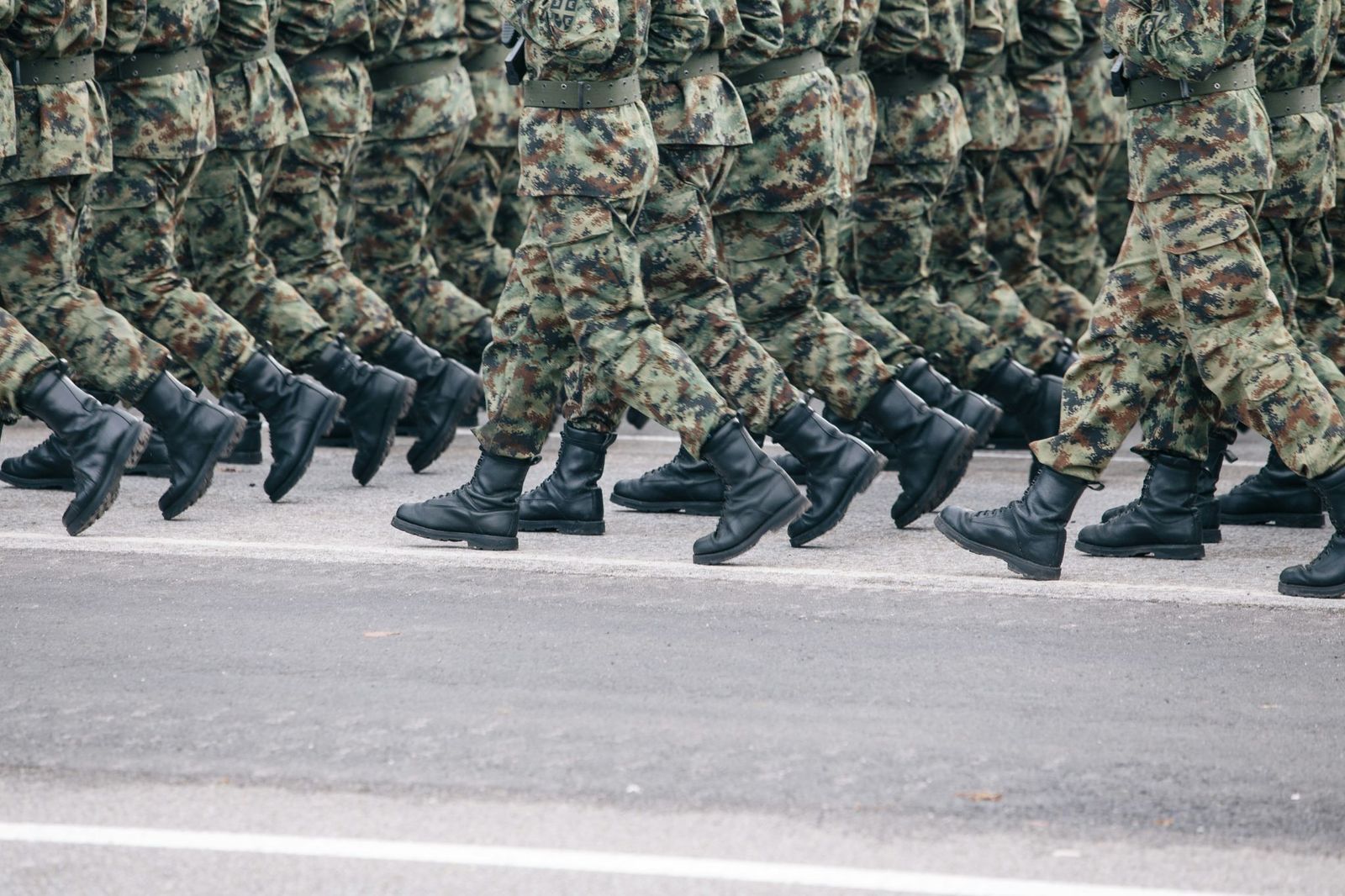

Image: Filip Andrejevic

Our everyday vocabulary is littered with terms, phrases, idioms, and concepts drawn from different contexts—such as medicine, science, sports, politics, etc.—often altered or reinterpreted. The military world is no exception, and every day we use phrases that originated in war contexts or that were popularized by soldiers. Let’s have a look at some examples!

1

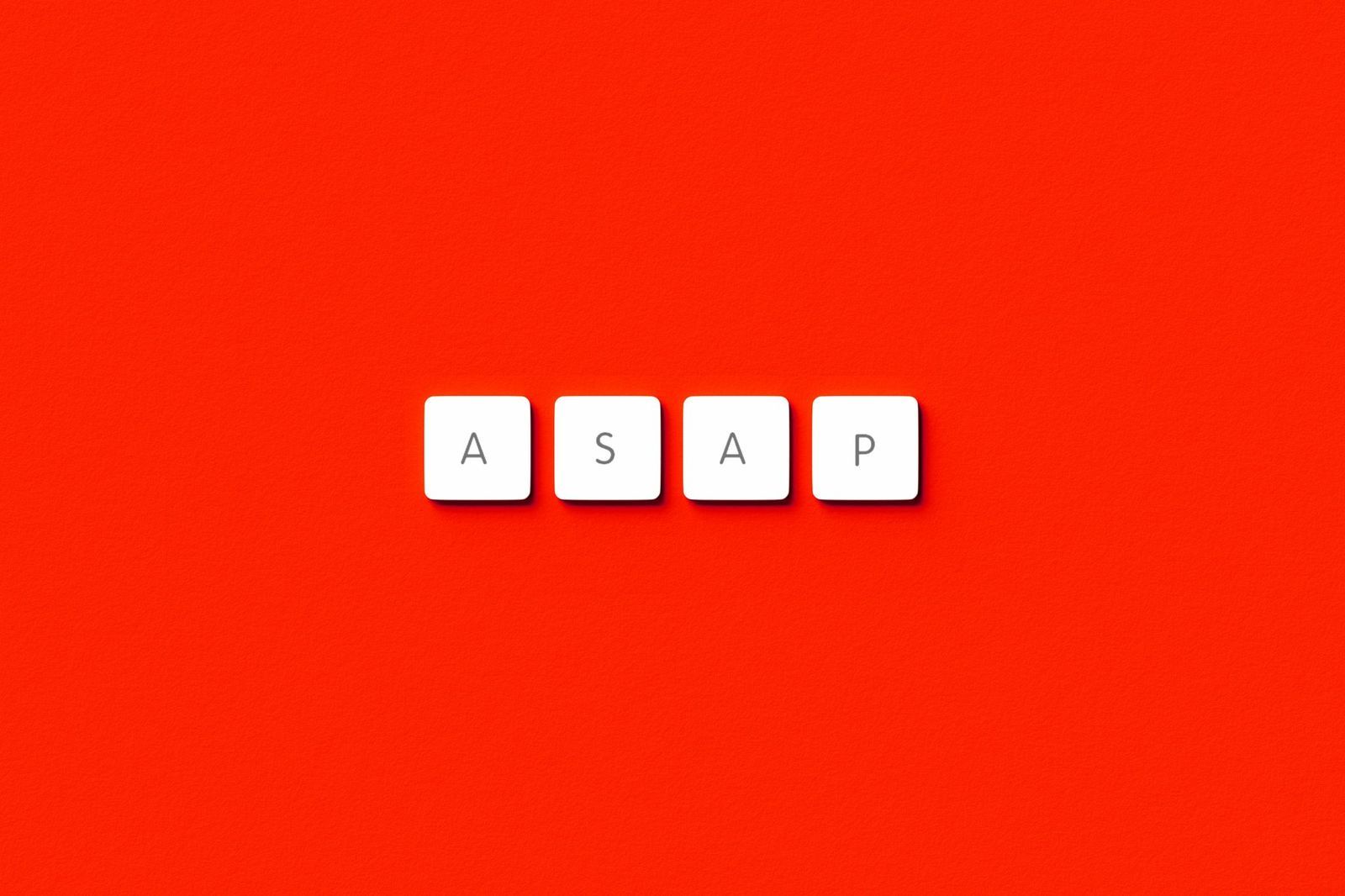
ASAP

Image: ostudio

One of the most widespread phrases popularized by military use, this acronym originated not in the armed forces but in the dental hygiene field as part of a list of recommended abbreviations for secretaries. However, it was adopted by the military around the 1950s and widely used during the Korean War. While it was conceived to mean "as soon as practically possible", its use in the military context shifted its meaning to "immediately".

2

No man’s land

Image: Alex Streif

Have you ever described an ambiguous or unclear situation as "no man’s land"? Well, that phrase was initially used for actual land, and it is still used that way. Popularized during WWI as a descriptor of the barren land between opposing trenches, it had been in use for centuries for unoccupied or unclaimed wastelands, often in dispute among bordering jurisdictions. While we now often use it figuratively, it is used in its literal sense in conflict zones and territorial disputes.

3

Deadline

Image: Towfiqu barbhuiya

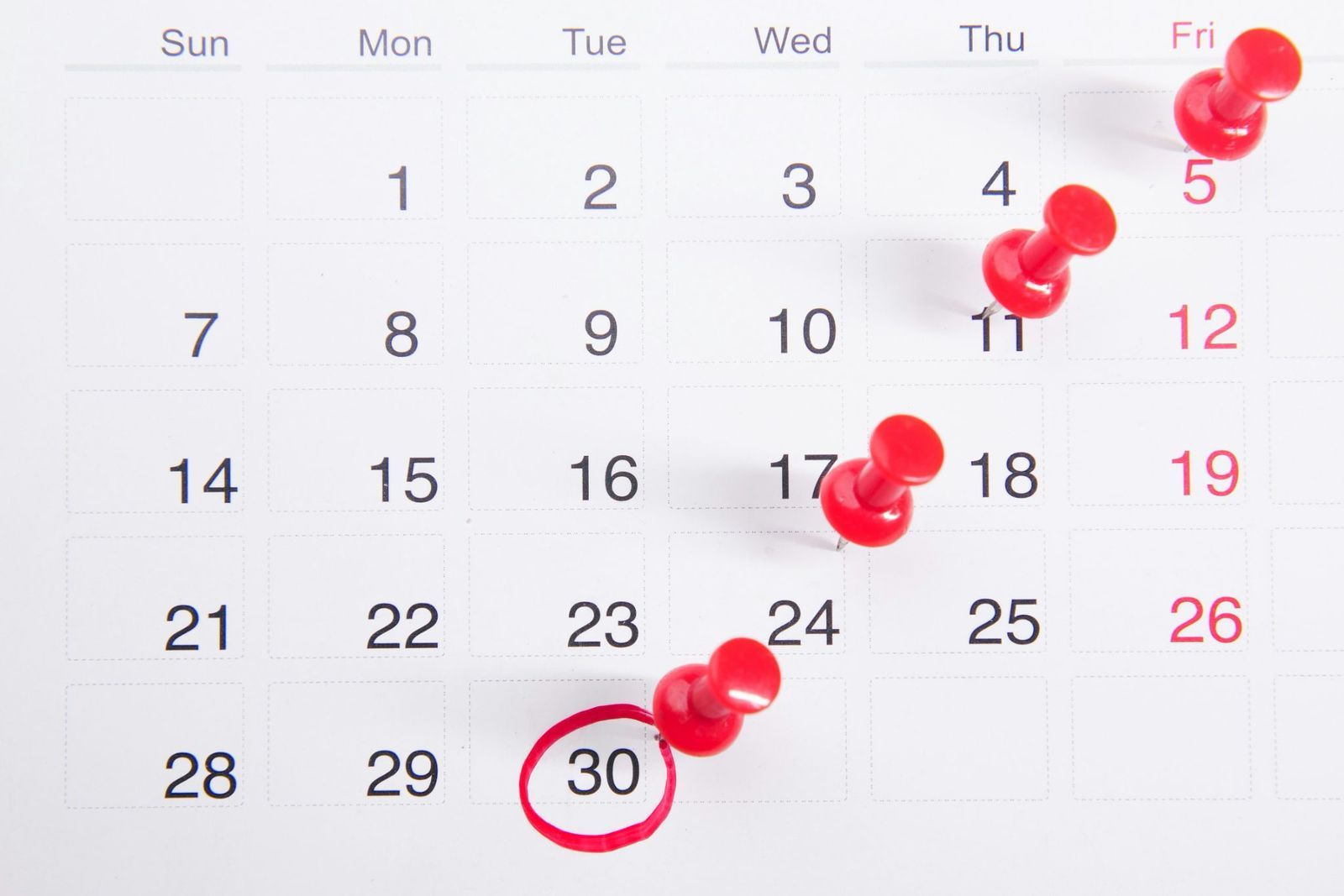
Our modern life is hectic and filled with deadlines, but these, although important, don’t usually pose a threat to our lives. The original deadlines, though, were a different story. The phrase emerged during the American Civil War, and it referred to the boundary lines drawn around prisoner camps. Any prisoner who crossed the line was instantly shot, effectively making it a ‘deadline’. Luckily for us, its meaning has shifted to reflect a time limit.

4

Cup of joe

Image: Emre

If you ever wondered about the connection between coffee and someone named Joe, several theories claim to have the answer. The most popular one —although refuted by many historians— links it to Josephus "Joe" Daniels, famous for banning alcohol in the Navy, which allegedly popularized coffee as a substitute. A more likely theory points to the term ‘jamoke’ (a contraction of java + mocha), widely used in the military around the 1930s.

5

Feeling blue

Image: Joanna Derks

The color blue has traditionally been associated with melancholy, but military men might have had a hand in popularizing this idiom. Though blue flags currently carry a different meaning in nautical terminology, they were once used as a sign of mourning. If a ship’s captain or other high-ranking officer died at sea, their ship would fly a blue flag and paint a blue band around the hull, a custom that intertwined the color blue with sadness.

6

AWOL

Image: Vaz Mann

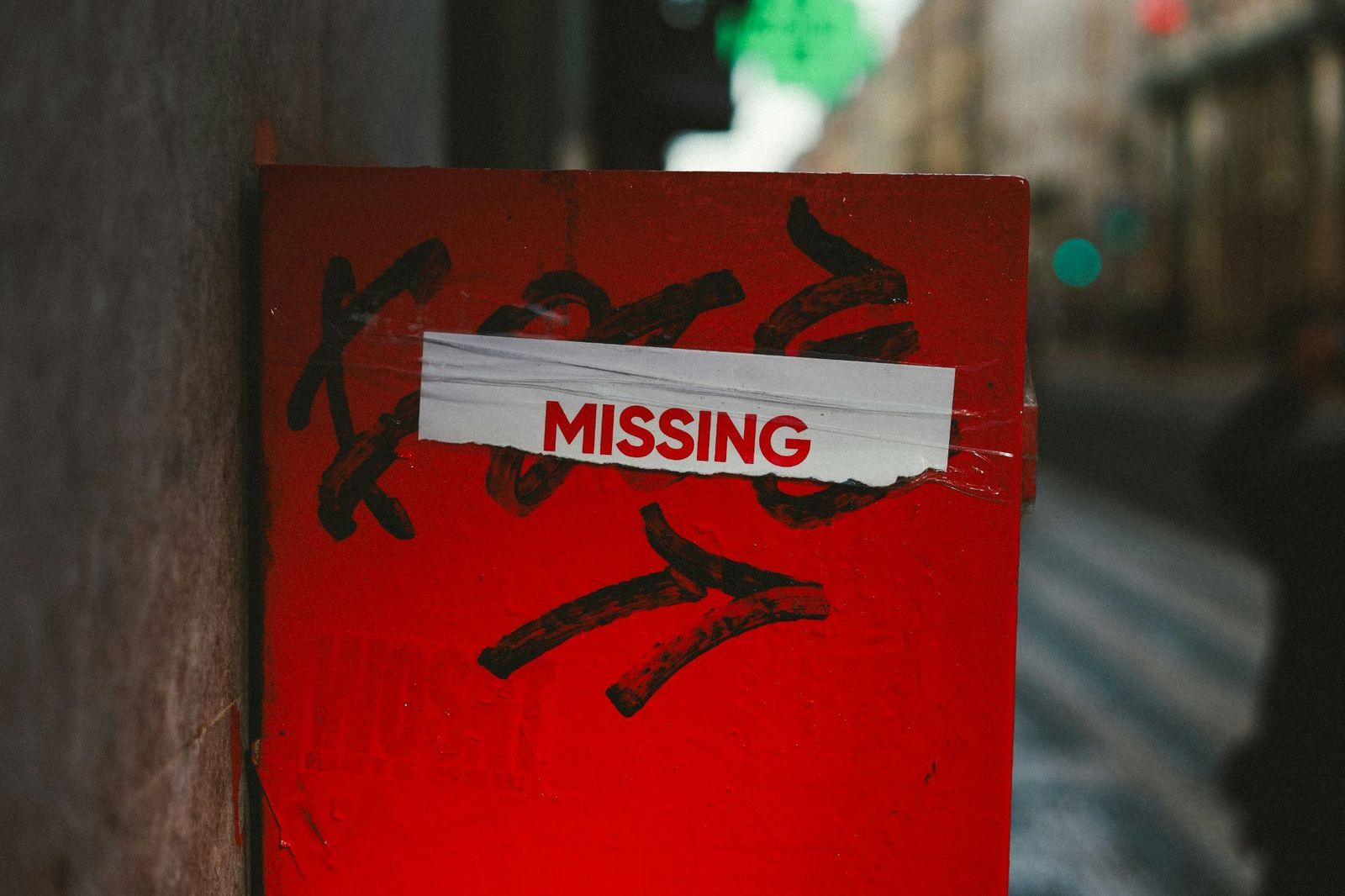
If we think about it, most of the time we say someone’s AWOL, a leave is not required. We are simply stating that we don’t know where they are or why they left. But the case is quite different for its military use. First recorded in the 18th century, it was used as a full phrase, although it eventually became an initialism around WWI and then an acronym around WWII. Still in use in the military, it carries a more dire meaning than in the civilian context.

7

Murphy’s law

Image: Sarah Kilian

"Anything that can go wrong will go wrong." All of us have invoked Murphy’s law at some point in our lives, but who’s Murphy? The answer takes us to a U.S. Air Force base and a series of rocket tests during the late 1940s. After several mishaps, aerospace engineer Edward A. Murphy famously exclaimed: "If there are two or more ways to do something and one of those results in a catastrophe, then someone will do it that way." Murphy’s frustration was later summarized at a conference as "Anything that can go wrong will go wrong", and the rest is history.

8

Roger

Image: engin akyurt

Most people wouldn’t be surprised to learn that this phrase is of military origin, but not many would be able to explain how it came to mean ‘understood’. During WWII, the American and British forces used the Able-Baker alphabet for radio communications, where Roger (and not Romeo) represented the R. ‘Roger’ meant your message had been received and understood. While most militaries later shifted to the NATO alphabet, the use of roger as ‘understood’ stuck and was popularized by its use in the Apollo lunar missions.

9

Got your six

Image: Ocean Ng

While not as commonly used as other phrases of military origin, most people know that if someone tells them "I got your six," it means they have their back. The phrase stems from WWI aviators using the 12-hour clock face to describe directions: 12 o’clock was the front, 6 o’clock the back, and 3 and 9 o’clock the sides. As a blind spot, the back was a pilot’s most vulnerable area, so a wingman who ‘got their six’ was always appreciated.

10

Run amok

Image: Jordan Whitt

People telling a story about rambunctious children running amok would hardly imagine that this phrase has quite the violent origin. In Malay and Javanese cultures, amuk was used to describe warriors who launched frantic and violent attacks, often associated with a spiritual possession. The term was introduced into English by 16th-century European explorers, but it was Captain James Cook who popularized the phrase "run amok."


Phrases borrowed from melodies

Sing it loud with these 10 musical expressions!


Published on June 25, 2026


Image: Will Francis

Nobody can go through life without a little music. It is so imprinted in our brain, that we even mention music even when it’s not the topic of conversation. Where do you think the expression "strikes a chord" comes from? Music of course! Just like that, there are dozens of expressions based on the musical industry or that are directly taken from iconic songs, that is, songs that we all know and love! So, in this article, we’ve gathered 10 of these everyday expressions and gone through their origins and meanings! Are you ready? Let’s hit it!

1

Pull out all the stops

Image: Kristijan Arsov

Picture a pipe organ, they are pretty common in churches and places alike. Do you know how they work? In short, a pipe organ works thanks to pressurized air flowing through the pipes. Which pipes make a sound is the choice of the player, of course. Well, when an organist pulls out all the stops, all the pipes sing together, at their maximum volume. Can you see where we are going with this?

In everyday language, if someone pulls all the stops, that means they are giving their all, making their best effort. A metaphor for the organ pipe filling a room with this unique sound, this phrase screams "Go big, or go home!"

2

Preaching to the choir

Image: Iyinoluwa Onaeko

Have you ever been in a heated discussion with someone for hours only to find out you were practically saying the same things with different words? We’re sorry to tell you, but you’ve just spent hours preaching to the choir.

This expression naturally comes not only from the music field but from the musical moment every church has: There’s a presentation of a choir and all the people in the church preach to it.

In our everyday language, doing this means trying to convince someone of something they had already agreed on from the beginning! Kind of a pointless argument, and a waste of time!

3

Like a broken record

Image: Kevin Andre

Now, there’s a similar scenario in which you spent hours saying the same thing over and over again, do you know what we mean? Well, in that case, you know what it means to sound like a broken record.

This expression comes from vinyl records that get stuck on a scratch and endlessly replay the same sound. Once is enough, twice is plainly annoying.

In a humorous context, it can be fun. But it can quickly go downwards because who wants to keep repeating the same thing when nobody seems to listen?

4

Blow your own trumpet

Image: Priscilla Du Preez 🇨🇦

In the old days, whenever something important happened to the true VIPs, like a king or other members of royalty, there was a herald who blew a trumpet before announcing big news. In modern times, this doesn’t happen anymore, but you could blow your own trumpet. Can you imagine what that means?

"Blowing your own trumpet" means bragging about your achievements. In short, you’re your own herald. While it’s okay to celebrate your wins, there’s an art to doing it gracefully. Nobody likes a constant bragger, but a little self-promotion is healthy and necessary. You know, balance is the key to a good tune!

5

Music to my ears

Image: William Recinos

Remember when we said nobody could go through life without a little music? We’re talking about those songs that transport each of us to a happy, quiet, relaxing place in our minds, can you think of that song? Well, now think of how you feel when you receive good news. Isn’t that just like music to your ears?

In short, this phrase refers to the joy one feels when receiving good ones as a parallelism with the feeling we get with certain songs, which is of course unique and subjective.

6

Change your tune

Image: Crew

Have you ever caught yourself doing a total 180 on something? That’s what it means to "change your tune." Picture a musician in the middle of a performance suddenly switching up the melody. That’s a bold move, right? We’re not saying it’s good or bad, it’s just bold!

This phrase is all about shifting your attitude, like going from grumpy to chill or from critical to downright supportive. Let’s be real: life’s too short to stick to the wrong vibe. Flexibility can be a superpower, so don’t hesitate to remix your outlook when the situation calls for it. New day, new tune!

7

It strikes a chord

Image: 42 North

You’re watching the saddest movie in the world and it doesn’t do anything for you. Now, you may be watching the silliest commercial on TV, and your heart scrunches and you start feeling nostalgic and melancholic. You know that moment when something just hits differently? That’s what we mean when we say "It strikes a chord."

Just like music can stir up all our feelings, certain words, stories, or ideas can really resonate with us. Maybe it’s a heartfelt memory or a truth that speaks right to your soul, they are unique to each of us. So when you feel those emotional vibes, let them play on.

8

Don’t harp on about it

Image: Manuel Nägeli

Harps make some seriously angelic music, but "harping on" about something? Not so heavenly to be honest. Now, what does it mean? It’s used when someone keeps repeating the same point or nagging about an issue to the point of exhaustion.

We’ve all been there, either doing it or dealing with it, and let’s face it, it’s not exactly fun for anyone. Nobody wants to be the human equivalent of a broken record, right? And you guessed it right; they are synonyms of the phrase above. If there are two phrases about this, it is because nobody wants to hear the same thing a thousand times!

9

All that jazz

Image: Alex Zamora

The origins of this phrase are not completely certain, but the musical "Chicago" definitely made its popularity skyrocket. Why? The song "All That Jazz" opens the musical and it’s as catchy as versatile.

Now, as for the phrase, it means "all the extras" or something like "everything that goes with it." It is kind of saying "etcetera" in a funny, musical way!

10

Playing second fiddle

Image: Calum MacAulay

No one loves being second fiddle, but sometimes, that’s exactly where the magic happens. This saying comes from orchestras, where the first violin leads while the second provides support. Sure, being in the spotlight is great, but harmony depends on teamwork and we all need a little support from time to time.

Think of all the behind-the-scenes roles that make big moments shine, without them, the whole thing falls apart. Life is pretty much the same, it’s not always about being front and center. When you’re playing second fiddle, you’re still a crucial part of the melody.

Looking for an extra scoop of literary fun?

Learn more with our Word of the day

enchant

/ɪnˈtʃænt/