Related, but not the same
10 medical terms you use often, but not always correctly
Published on November 12, 2026

Is experiencing emotional discomfort the same as experiencing trauma? What does it really mean to be anxious? Specialized terms from all areas often find their way into everyday language.
Medicine and psychology are no exception, but the real meaning of these terms doesn’t always translate fully into informal language. Here are 10 medical terms that we use often, and what they really mean.
OCD

A marked preference for neatness or a very structured personality is not enough to claim "being OCD." Medically, Obsessive-Compulsive Disorder, or OCD, is a chronic mental health condition, in many cases highly debilitating.
OCD can affect several aspects of a person’s life, ranging from suffering from distressing intrusive thoughts to feeling completely out of control, to having compulsive behaviors or routines.
Narcissist

We are sometimes quick to label selfish, attention-seeking, or self-centered behavior as "narcissism," but as a diagnosis, "narcissism" describes a pathology that goes beyond that.
Individuals with Narcissistic Personality Disorder (NPD) lack empathy, feel truly superior to those around them, and demand constant admiration and preferential treatment, even when it comes at the detriment of others.
Trauma

In its medical sense, there is more than one definition of trauma. It can refer to severe physical injuries such as deep cuts and wounds or broken bones, but also to the deep psychological response to an extreme situation.
While the everyday use of "trauma" is related to the psychological use of the term, it often applies to situations that, although stressful or emotionally taxing, lack the severity and the lifelong impact of a medically diagnosed traumatic episode.
Anxiety

Here we have to make a distinction between feeling anxious and suffering from anxiety, because these two are quite different. Anxiety is a normal emotional response to stress, and it typically fades after the stressful event passes.
When this emotional response is constant and causes uncontrollable worry and fear, it goes beyond just "feeling anxious" and can evolve into an Anxiety Disorder that interferes with daily life and often requires medical diagnosis and treatment.
Burnout

Many can relate to feeling exhausted and overwhelmed by responsibilities, work, or any other aspect of life, a feeling that is often described as "burnout". Medically, "burnout" is not a diagnosis, but a syndrome (a collection of signs and symptoms).
Typically resulting from workplace stress, "burnout syndrome" manifests as deep physical exhaustion, mental detachment from reality, and reduced efficiency at work or other personal tasks.
Acute

The difference between the medical and everyday use of this term comes from a misconception of what "acute" really means. Medically, acute is the opposite of chronic, describing conditions that are sudden and short-lived, quickly progressing and resolving. While many dangerous and life-threatening situations might be acute, acute merely describes a timeline.
The common use of "acute", however, has only incorporated the meaning of something being sudden, interpreted as "critical", so we hear "acute" as a descriptor for severe, extreme, or high-intensity situations.
Placebo
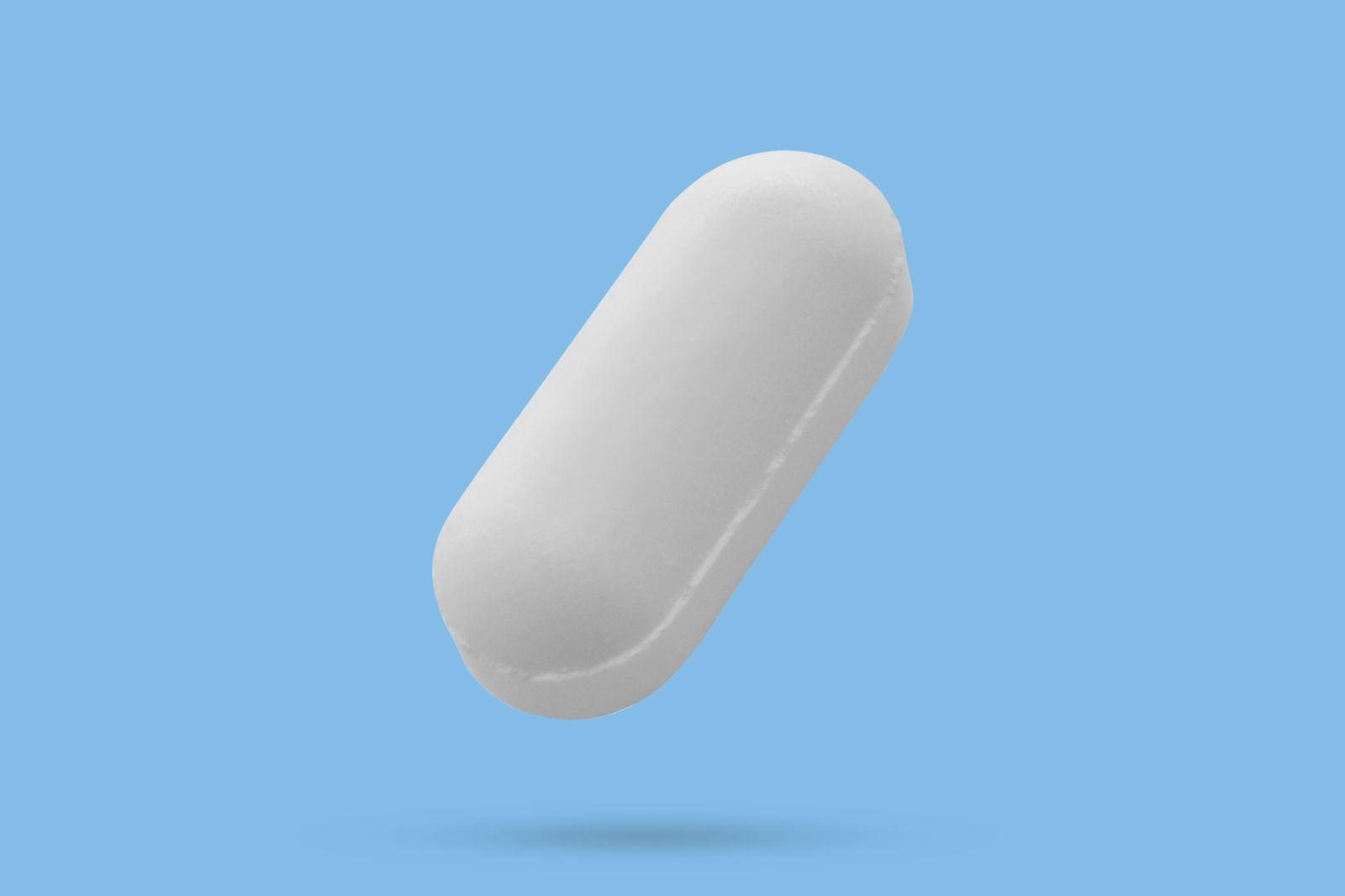
Medically, a placebo is something that resembles a medical treatment or substance but lacks its chemical effects, often used as a control in a clinical trial or as a way to help patients who don’t actually need treatment but need psychological reassurance.
This second use is the one that has transpired into everyday language, where "placebo" refers to anything that provides a sense of security or psychological comfort, but not a practical solution.
Anemic

In its medical sense, "anemia" describes a low red blood cell count or a lack of hemoglobin, which lowers the amount of oxygen in the blood and can potentially have severe effects on the body.
People suffering from anemia often lack vitality and physical strength, which explains why it became synonymous with low energy, drowsiness, lack of enthusiasm, and even underperforming businesses and economies.
Toxic

Toxic is a concept used in medicine and many other fields and describes substances that cause physical, chemical, or biological damage to living tissue, cells, or organs.
While this meaning is also present in the everyday use of the term, "toxic" is also used as a metaphor for emotionally harmful people, environments, and behaviors.
Introvert and extrovert

We often see the terms "introvert/extrovert" as synonymous with "antisocial and shy/social and friendly", but this was not their original meaning. Introduced as concepts by psychiatrist Carl Jung, they refer to personality traits and how people regulate their brain chemistry and nervous system.
Neurologically, introverts tend to be quickly overstimulated, so they gravitate towards quieter environments with lower stimuli, while extroverts have more active nervous systems, which require more stimuli to feel satisfied and content.


