10 lost treasures around the world humanity still hopes to find


Published on August 6, 2026
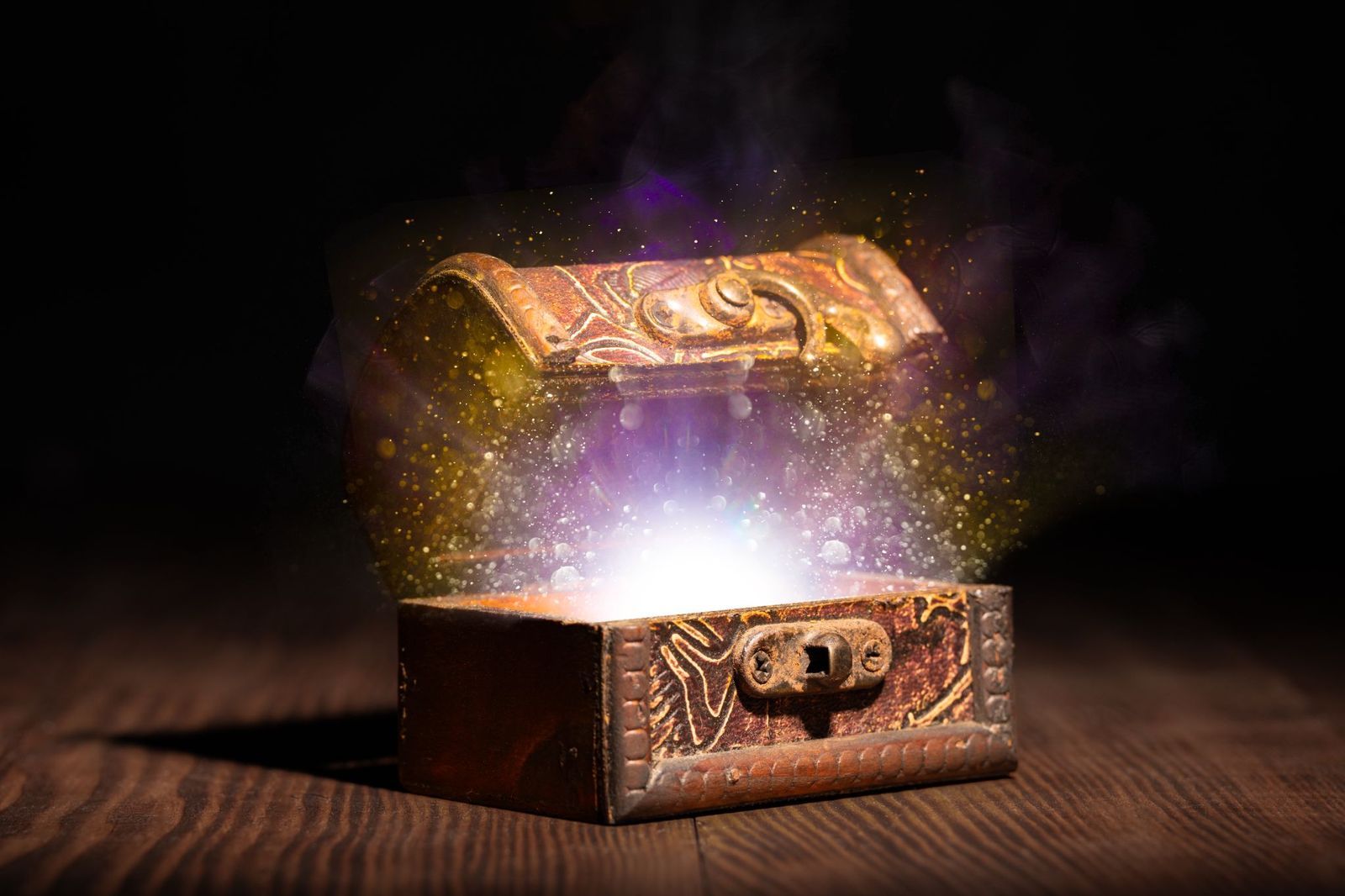

Image: banu sevim

If you were asked about your most priceless possession, what’s the first thing that pops into mind? And what would you do to protect it? Since time immemorial, pirates and princes, captains and mysterious men have acquired wealth and done the impossible to defend it. So much so that from treasure chests to gold-filled trains, some riches were hidden so well that they have vanished to this day. Let’s find out about 10 of the most unbelievable lost treasures around the world and try to imagine what we’d do if we found them.

1

The Amber Room

Image: A_Mikhail

The Amber Room, often called "The Eighth Wonder of the World", was an 18th-century opulent chamber made of six amber panels, gold leaf, and mirrors. It was commissioned in 1701 for Prussia’s King Frederick, and later gifted to Russia’s Tsar Peter the Great in 1716.

It was then installed in the Catherine Palace in Tsarskoye Selo, Russia, until it was dismantled by German troops in just 36 hours in 1941 and moved to Königsberg Castle in East Prussia. Since 1945, amid Allied bombings, the Amber Room has disappeared without a trace, believed to have either been burned, buried, or sunk in the Baltic Sea.

2

The Nazi Gold Train

Image: Piotr Mitelski

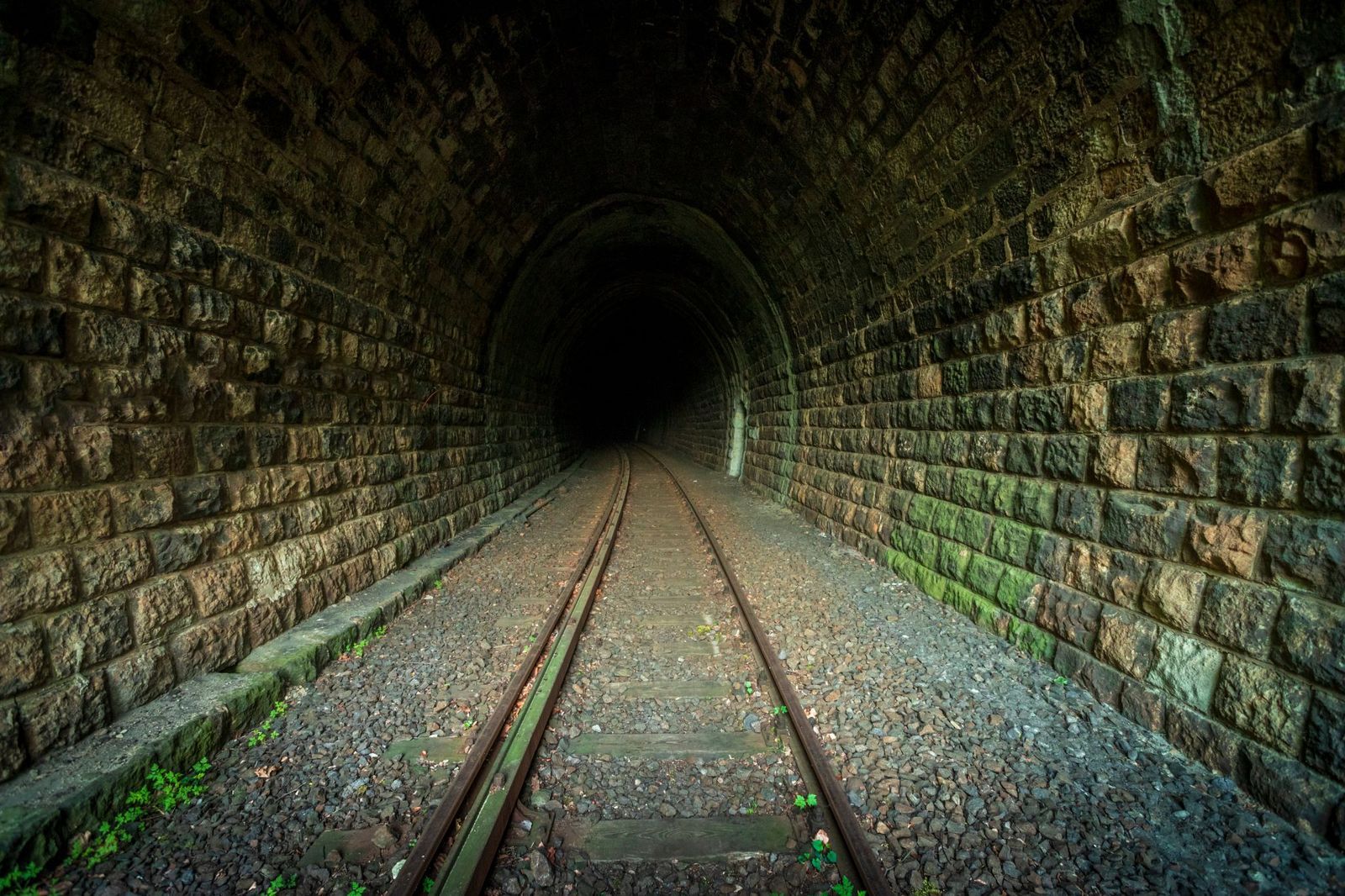
It’s an armored 150-meter-long convoy rumored to be filled with 300 tons of gold, jewels, and stolen art. Allegedly, it vanished in May 1945 inside a secret network of unfinished tunnels in the Owl Mountains, near Walbrzych, Poland, as German forces fled the advancing Soviet Army.

Explorers and treasure hunters have launched many high-profile searches using groundbreaking technology to locate the train, but nothing has ever been found.

3

The Flor de la Mar Treasure

Image: Casa nayafana

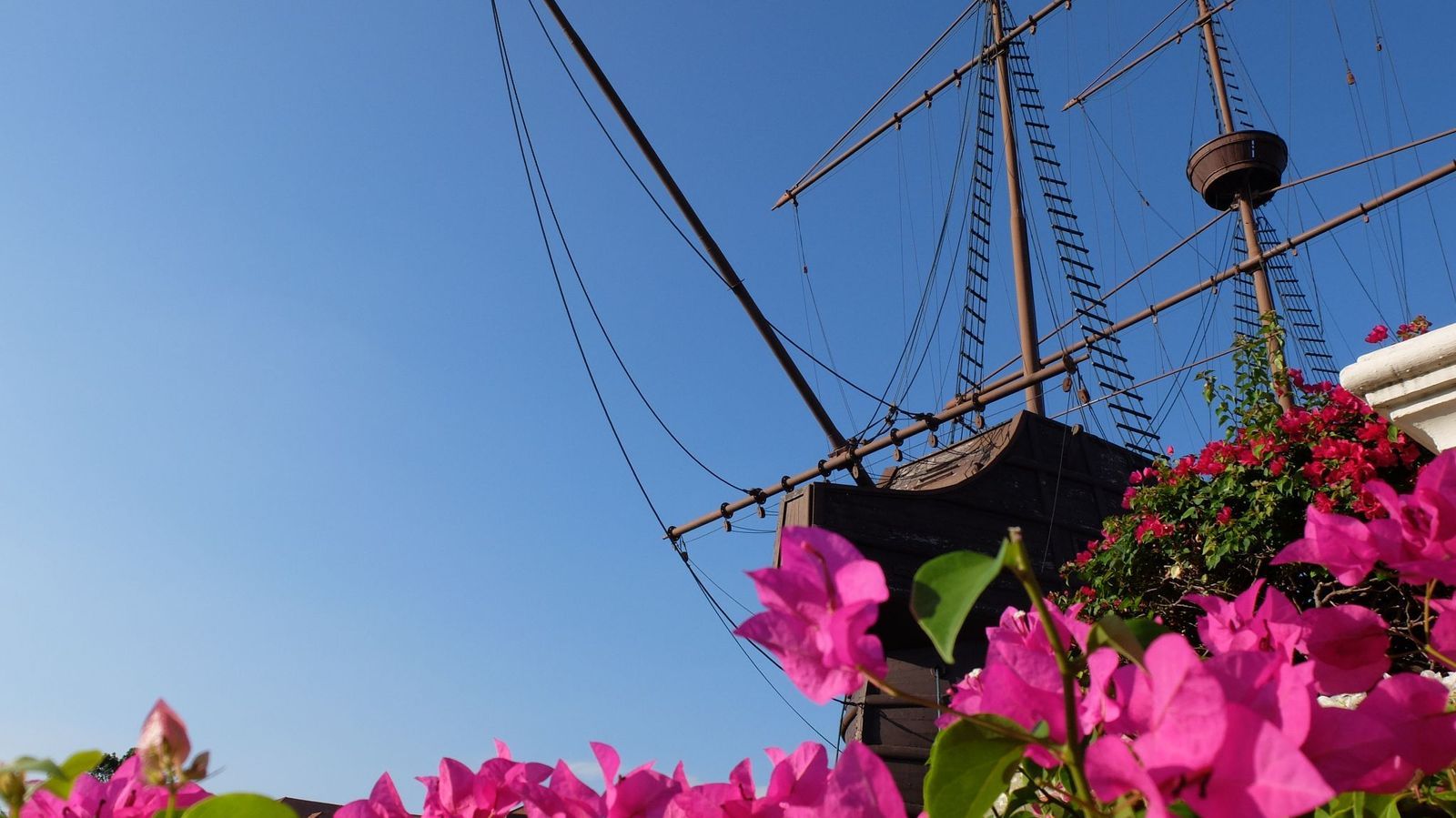
The Flor de la Mar ("Flower of the Sea") is a legendary Portuguese ship that sank in November of 1511, on its return from conquering a wealthy hub, now known as Malaysia. With it, an immense fortune estimated at $2.6 billion sank to the bottom of the ocean and was never recovered, making it one of the richest shipwrecks in history.

Over the centuries, countless marine salvage companies have attempted to recover the treasure, although political disputes over salvage rights between Indonesia, Malaysia, and Portugal have continuously interrupted such expeditions.

4

The Treasure of Lima

Image: videobuzzing

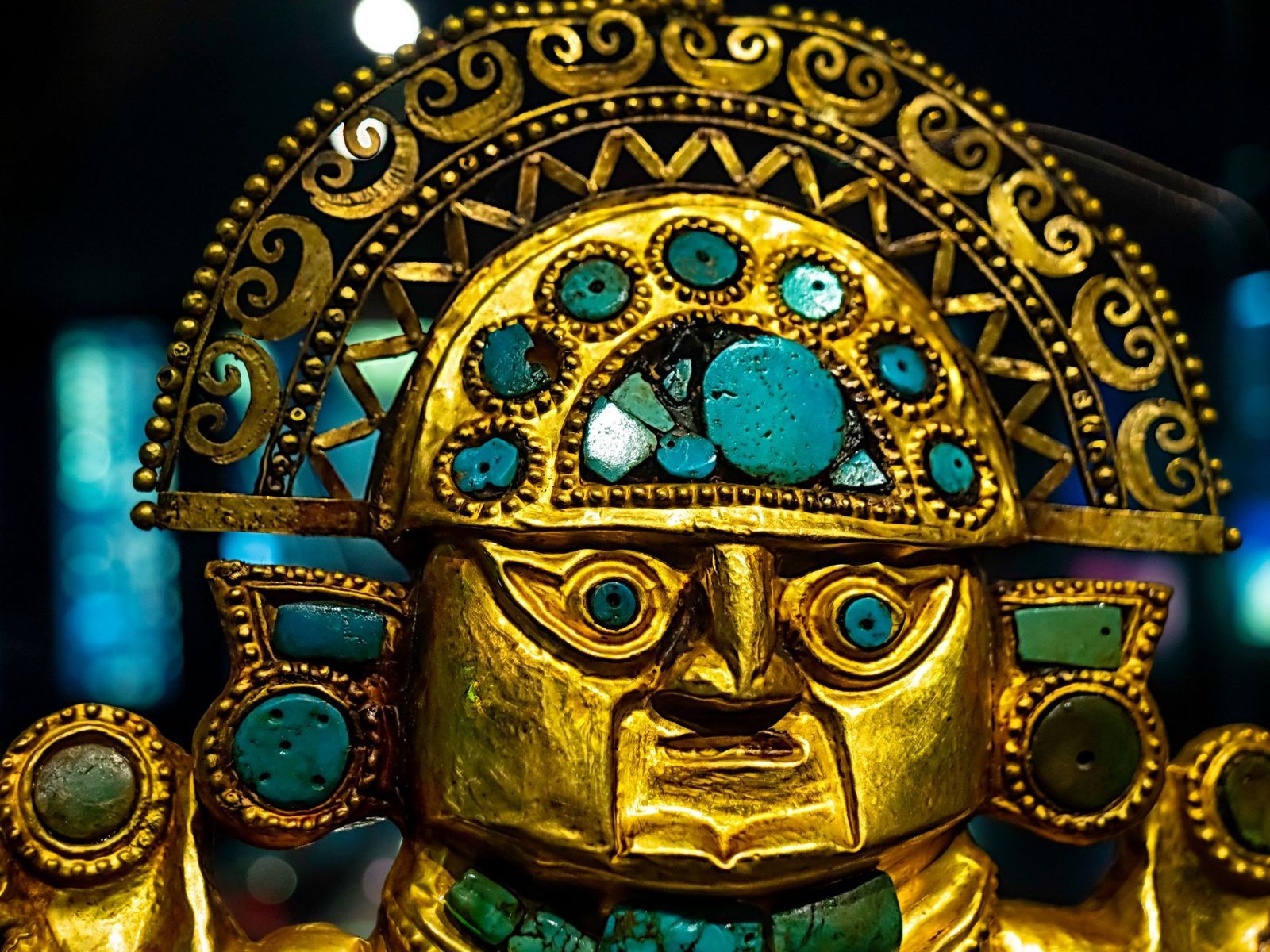
The Treasure of Lima is a massive fortune of gold, silver, and jewels (including a life-size solid gold statue of the Virgin Mary), valued at up to $208 million and missing since 1820.

It was stolen by British Captain William Thompson, who had originally been tasked with protecting the Spanish treasures and allegedly buried them on Cocos Island off Costa Rica, never to be seen again. When captured, he agreed to lead the Spanish forces to the gold, but instead escaped with his first mate into the thick jungle and vanished forever.

5

Blackbeard’s Missing Treasure

Image: Ritu Manoj Jethani

The infamous pirate Edward Teach, also known as Blackbeard, left behind a treasure no one has ever found. He terrorized the Atlantic Coast and the Caribbean, capturing numerous ships and stealing gold, silver, and valuable goods from them.

Modern estimates suggest that his riches would be worth $150 million. Before his death in November 1718, he claimed his wealth was hidden where "nobody knows but me and the Devil."

6

Oak Island Money Pit

Image: Adwo

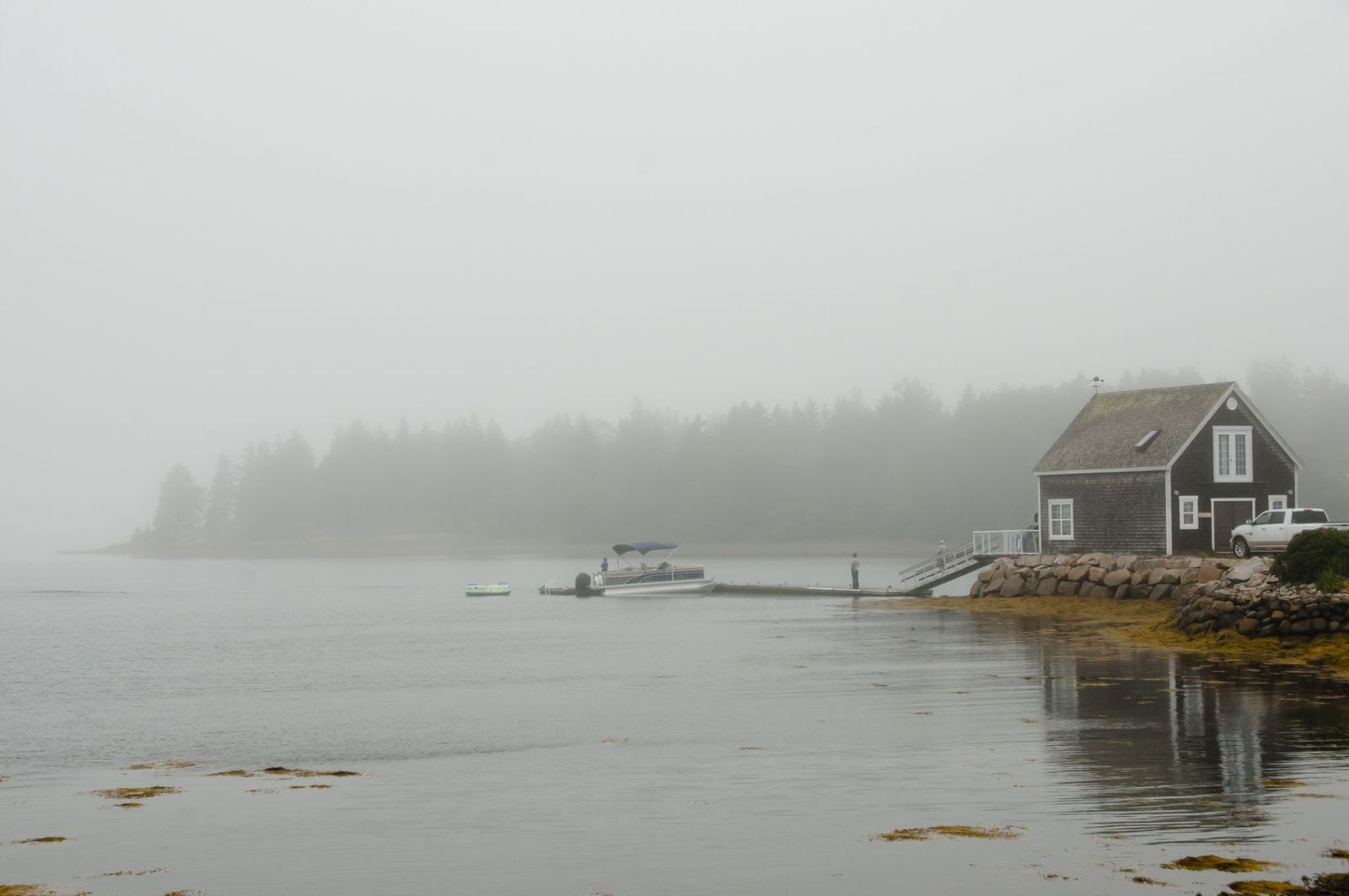
The Oak Island Money Pit is a centuries-old mystery of buried treasure filled with traps and tunnels, located in Nova Scotia, Canada. It began in 1796 when teenager Daniel McGinnis found a circular depression under a tree and started digging with friends.

As they dug, they began to find oak logs 10 feet down, pointing to a man-made shaft, but water from a storm later flooded the pit. Rumors suggest there is a vault with pirate gold from Captain Kidd, Spanish artifacts, or Marie Antoinette's jewels, as searchers have found tropical coconut fibers and fragments of gold chain there; skeptics suggest it might’ve just been a natural sinkhole all along.

7

The Missing Fabergé Eggs

Image: Natalia Kirsanova

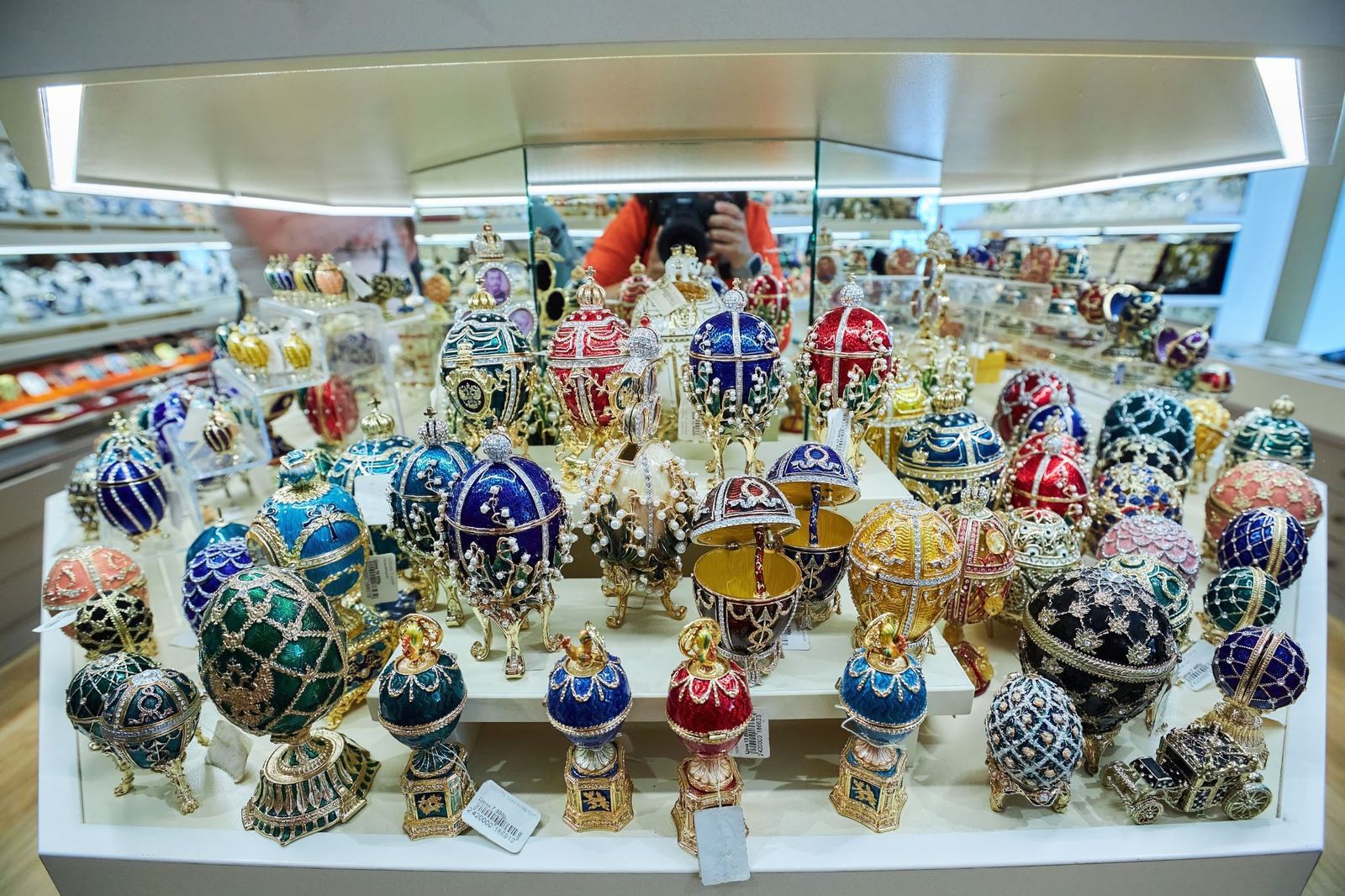
Of the 50 Imperial Fabergé Easter eggs created for the Russian royal family, up to eight remain unaccounted for. Notable missing pieces include the "Nécessaire Egg" (1889), the "Cherub with Chariot" (1888), and the "Hen with Sapphire Pendant" (1886).

While many were lost or stolen during the 1917 Russian Revolution, miraculous findings, such as the "Third Imperial Egg" recovered at a U.S. flea market after a century-long disappearance, keep collectors' hopes alive.

8

The Honjō Masamune Sword

Image: vladivlad

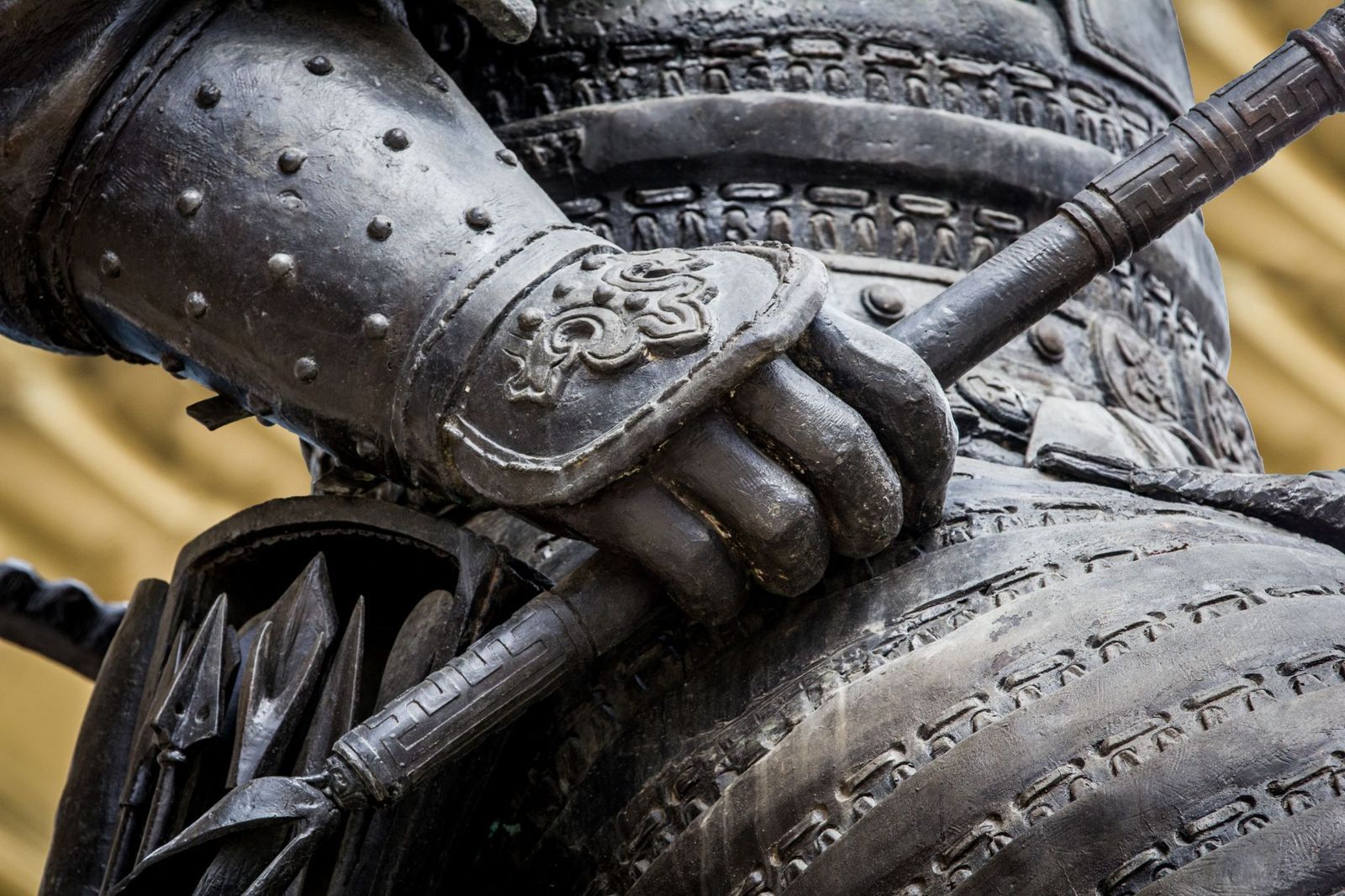
The Honjō Masamune Sword is a priceless Japanese samurai weapon that was lost after World War II. It is considered one of the finest blades ever forged by the master swordsmith Gorō Nyūdō Masamune, and remains a priceless cultural symbol of power.

Designated an official Japanese National Treasure in 1939, many experts remain hopeful it might appear in a private collection or attic.

9

The Beale Ciphers Treasure

Image: syachin

The Beale Ciphers Treasure is a renowned unrecovered fortune of gold, silver, and jewels, with an estimated value of over $65 million.

In 1820, a mysterious man named Thomas J. Beale checked into a hotel in Lynchburg, Virginia, and left a locked iron box with an innkeeper, alongside three encoded messages. If cracked, they supposedly reveal the hidden fortune. For now, only one has been decoded. Some experts allege the entire mystery is a hoax, while others continue to try to decipher the codes to this day.

10

The Lost Dutchman’s Gold Mine

Image: Raeann Davies

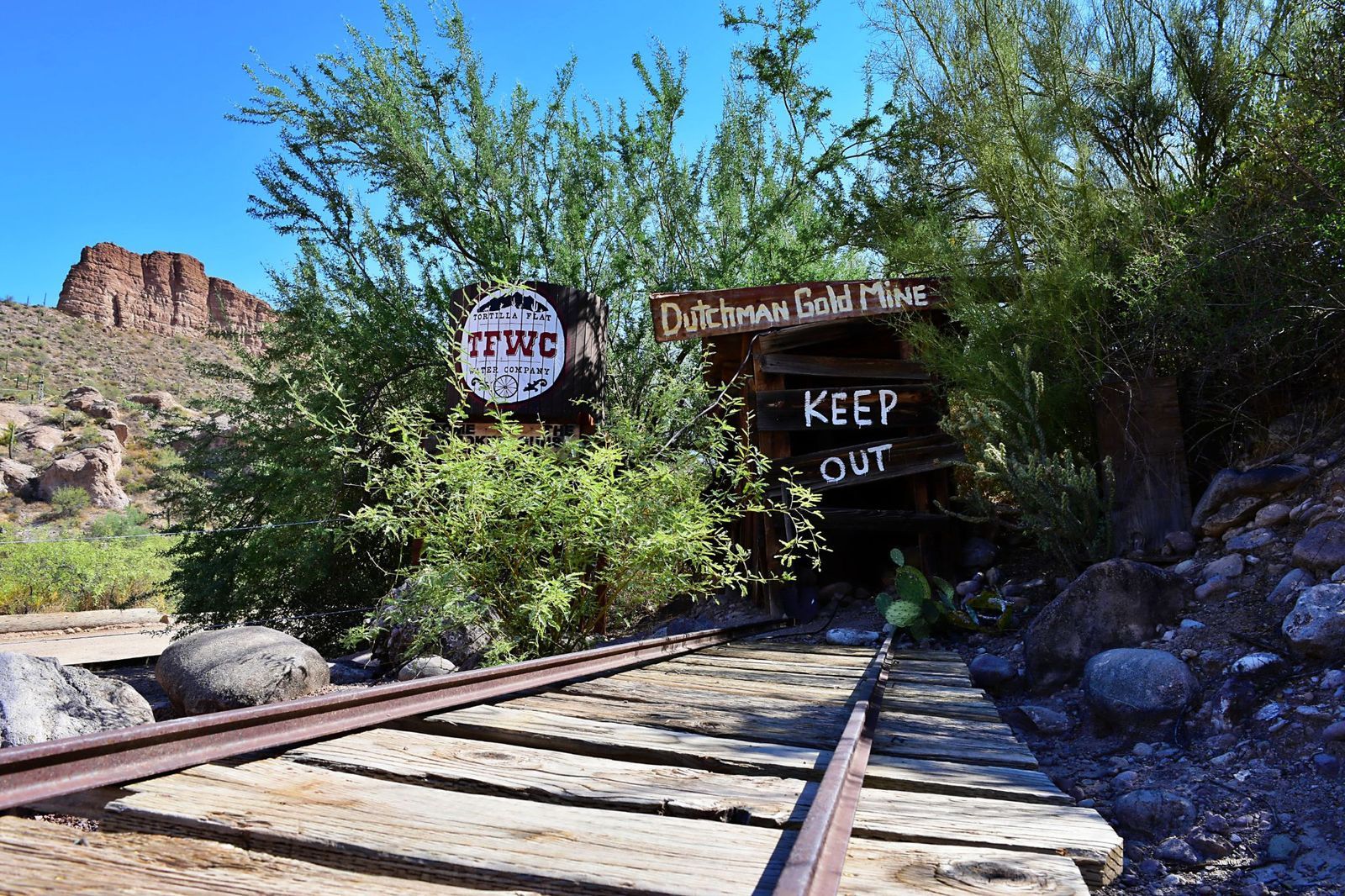
The Lost Dutchman’s Gold Mine is a famous, undiscovered gold deposit, said to be hidden somewhere near Apache Junction, in Arizona’s Superstition Mountains.

Legend claims it was found by Jacob Waltz, a German immigrant (misidentified as Dutch due to the old use of the term "Deutsch"), who settled in Arizona in the 19th century and supposedly kept its location secret before dying in 1891, except for the verbal hints he allegedly gave to his neighbor Julia Thomas, sparking modern treasure hunting to this day.


Bad picks from the forest

Deadly fungi: 10 poisonous mushrooms you don't want to mess with


Published on August 6, 2026


Image: LoggaWiggler

Going mushroom hunting in the woods during the fall or spring can be a fun and rewarding activity. However, it is important to first learn how to differentiate between edible and poisonous fungi. Depending on the species, mushrooms can pose different dangers. Some may cause minor indigestion, while others can be fatal. In this article, we’ll unmask 10 dangerous mushrooms you should stay away from. Do you know which species is responsible for the most mushroom-related fatalities each year?

1

Fly Agaric (Amanita muscaria)

Image: Andriy Nestruiev

When we think of mushrooms, the first image that often comes to mind is a cute little red cap covered in white dots. Amanita muscaria is the classic mushroom found in children's books and is likely the most photographed mushroom in the world. But did you know it can be dangerous?

This mushroom’s colloquial name, fly agaric, probably derives from its traditional use as a fly killer. It has also been used throughout history in religious rites for its hallucinogenic properties. However, the presence of several toxins can produce other effects as well, including nausea, vomiting, and diarrhea. Although it is not the most poisonous of all mushrooms, it’s best not to be seduced by its charming appearance—stay away from it.

2

Fool’s Webcap (Cortinarius orellanus)

Image: mirey2222

Cortinarius orellanus is a medium-sized mushroom with a cylindrical yellowish stem, an orange-brown cap, saffron-colored gills, and yellowish flesh. Commonly known as the fool’s webcap, it is native to Europe and is typically found in mountain forests. It prefers moist, organic-rich soils and is most prevalent during the summer and fall months.

The fool’s webcap is one of the most poisonous mushrooms known to exist. It contains orellanin, a nephrotoxic compound that can cause severe kidney damage in humans. Symptoms of poisoning—including lower back pain, nausea, vomiting, and diarrhea—can take several days to appear, making diagnosis and treatment especially difficult.

3

Satan's bolete (Boletus satanas)

Image: adege

This species is considered one of the few toxic members of the Boletus genus. In the areas where it grows—warmer regions of Europe—it is feared for its poisonous effects, which appear shortly after ingestion. Although caution is warranted, it is not a deadly mushroom; however, it can cause dehydration, diarrhea, nausea, and severe abdominal pain.

Despite bearing some resemblance to edible mushrooms, its size often gives it away. Satan’s bolete can reach up to 20 inches in width, and it is not uncommon to find specimens weighing around 4.5 pounds. Its cap is beige, it has a bulbous red stem, its flesh is light yellow and turns blue when cut, and it emits a notably unpleasant odor.

4

Liberty Cap (Psilocybe semilanceata)

Image: Hans

Psilocybe semilanceata, commonly known as the liberty cap, is a mushroom known for its psychotropic effects. It grows mainly in humid and temperate areas of the Northern Hemisphere, particularly in Europe. It has a distinctive nipple-shaped cap, and its color ranges from whitish when young to brown as it matures. The mushroom has a bitter taste.

Although the liberty cap is considered to have low toxicity, its ingestion can produce a range of effects, including altered perception of space and time. It may also cause temporary paranoia, with effects typically lasting between 3 and 6 hours. For this reason, its consumption is not recommended outside of a controlled environment.

5

Destroying Angel (Amanita verna)

Image: Erik Karits

Eating even a single piece of Amanita virosa can cause irreversible liver damage, and you should be especially careful because it can be easily mistaken for edible white-capped species.

In the eastern United States, the destroying angel appears from early summer to early autumn. It has a white cap that is initially ovoid and later flattens with age. The stalk is slender and covered with fine hairs, and it features a membranous ring. Despite its pleasant smell and reportedly good taste, this mushroom is extremely poisonous—ingesting it can result in death.

6

False Morel (Gyromitra esculenta)

Image: ChristianSW, CC0, via Wikimedia Commons

The false morel can be found in spring in coniferous forests. Its cap is brain-like, with intricate wrinkles and folds, and its color ranges from light brown to reddish brown depending on humidity.

Despite its scientific name—Gyromitra esculenta ("esculenta" meaning "edible")—the false morel is highly toxic unless properly prepared. In some individuals, it can be dangerous even after cooking; its toxins are volatile, and poisoning can occur by inhaling the fumes released during boiling. Nevertheless, the false morel remains a popular mushroom in some European countries, such as Finland, where it is used in certain traditional dishes. Would you dare to try it?

7

Deadly Dapperling (Lepiota brunneoincarnata)

Image: PublicDomainPictures

Lepiota brunneoincarnata may be tiny in size, but it is unquestionably deadly. It’s important to be able to recognize this mushroom and exercise caution when encountering it in the wild. The good news is that its appearance differs significantly from most edible species, making it less likely to be confused with them.

Commonly known as the deadly dapperling, this mushroom is found throughout Europe and parts of Asia. It typically appears during the summer and autumn months in meadows, parks, gardens, shrublands, and along roadsides. It contains a toxin called amatoxin, which is absorbed through the digestive tract and can cause symptoms such as abdominal pain, gastroenteritis, diarrhea, and vomiting. If not treated promptly, it can lead to death within a week.

8

Autumn Skullcap (Galerina marginata)

Image: Vladimir Srajber

Galerina marginata, known colloquially as autumn skullcap, is found in coniferous forests across North America, Europe, Asia, Japan, and Australia. Although it can appear at various times of the year, it is most commonly found in autumn. It has a soft brownish color, and its cap surface is often slimy with a greasy appearance.

Like the deadly dapperling, the autumn skullcap contains amatoxins, which interfere with essential cellular functions. The first symptoms of poisoning appear 6 to 24 hours after ingestion. It can cause renal failure and eventually death if not treated within the first four days.

9

Livid Pinkgill (Entoloma sinuatum)

Image: Hans

Entoloma sinuatum is responsible for numerous cases of poisoning, as it can be mistaken for several edible species. At first glance, the body of the livid pinkgill looks like a classic field mushroom—its cap often displays a creamy light gray color. It typically grows in clay and limestone-rich soils, especially in beech and oak forests across Europe and parts of North America.

Although it does not have an unpleasant taste, you shouldn’t eat it. It can cause severe gastrointestinal disorders, including persistent diarrhea and vomiting, which may last for several days, and in some cases, up to two weeks.

10

Death Cap (Amanita phalloides)

Image: adege

The death cap (Amanita phalloides) accounts for the vast majority of mushroom poisoning deaths worldwide—hence its name. Consuming less than 2 ounces of this mushroom is enough to be fatal; an even smaller dose can kill a child and cause severe poisoning in adults.

Native to the United Kingdom and parts of Ireland, the death cap has rapidly spread over the past century to Australia and North America. It can grow up to 6 inches tall and has a domed cap sometimes tinged yellow or green, along with a white stem, which makes it difficult to distinguish from some edible mushrooms. Even its spores are poisonous. Therefore, if you have handled a death cap, avoid touching your mouth and always wash your hands thoroughly before eating.

Looking for an extra scoop of literary fun?

Learn more with our Word of the day

unyielding

/ˌənˈjildɪŋ/