Mind your manners

10 laws around the world that are just odd


Published on December 8, 2025


Image: Tingey Injury Law Firm

What people consider reasonable in terms of the law often changes from nation to nation, and sometimes even from region to region within the same country. However, there are some rules so odd that one cannot help but wonder if they were instituted as a joke and then forgotten. Some make more sense once you learn about the context, but others seem exaggerated. Be mindful of your actions, because you might end up fined—or even imprisoned—somewhere in the world.

1

Singapore: No chewing gum

Image: Charles Wright

Looking for a way to prevent chewing gum litter, Singapore decided to tackle the root cause and directly banned the import and sale of gum, with an exception made for therapeutic reasons. Blowing bubbles in public might get you fined, and smugglers may face imprisonment.

2

Greece: No high heels in historical sites

Image: Andrew Tanglao

This rule may sound odd, but it makes sense once you get the full picture. Greece is home to numerous ancient sites, such as the Acropolis and the Parthenon. To help preserve these monuments, high heels with narrow or sharp points are banned, as they could "damage the structures." Violating this rule can result in a fine of up to €900.

3

Canada: No excessive use of coins

Image: Dan Dennis

Let’s be honest—this one is a bit odd (unless you’ve worked in retail). According to Canadian law, there is a limit to the number of coins you can use in a single transaction. The allowable amount depends on the coin denomination and the total to be paid, but fear not: In true Canadian fashion, the law includes a detailed list of instructions.

4

Barbados: No wearing camouflage

Image: James Wainscoat

Camouflage patterns were originally developed as a military tool but have since become a popular fashion trend. Well, not in Barbados. Any civilian wearing clothes or accessories with a camouflage pattern can be fined, imprisoned, or both. Several neighboring Caribbean countries have similar laws, prompting cruise companies to specifically warn their passengers.

5

Russia: No driving a dirty car

Image: David Beale

This one sounds weirder than it actually is. It’s not technically illegal to drive a dirty car in Russia—but it is illegal to drive with an unreadable license plate. So, if your car is so filthy that the dirt obscures your plate, you could be fined.

6

Thailand: No stepping on money

Image: YoNeKeN

This law stems from a combination of factors. Baht, the Thai currency, depicts the King, making them subject to strict laws requiring respect for the monarchy. Additionally, feet are considered the lowest and dirtiest part of the body in Thai culture, which adds another layer of disrespect. Even carrying money in your back pocket—effectively sitting on the King—can get you into trouble.

7

Sri Lanka: No selfies with Buddha

Image: Cristina Zaragoza

This law isn’t really about selfies—it’s about turning your back on Buddha statues, which is considered extremely disrespectful. Authorities take this very seriously, and tourists have occasionally gotten into trouble for posing with their backs to the statues. Such actions have even led to fines or imprisonment.

8

France: No snails without a train ticket

Image: Alexas_Fotos

Domesticated animals weighing under 11 pounds are allowed on French trains—but they must have a ticket. Why snails, specifically? The rule applies to all small pets, but it famously led to a dispute between the rail company and a passenger who was caught carrying live snails. Since the snails didn’t have tickets, the owner was fined—though the penalty was later waived.

9

Poland: No Winnie-the-Pooh near playgrounds

Image: Nik

This peculiar rule doesn’t apply to all of Poland, but to one specific town where officials rejected Winnie-the-Pooh as a playground mascot—because he doesn’t wear pants. The decision sparked plenty of laughter abroad, though locals defended it as a matter of propriety. As far as we know, Donald Duck and Bugs Bunny haven’t been considered for the job either.

10

China: No unsanctioned reincarnations

Image: Will Pagel

Tibet, a region in China, is one of the main centers of Buddhism and home to many spiritual leaders regarded as living Buddhas—believed to be reincarnations of previous teachers. According to Chinese law, for these reincarnations to be officially recognized, they must submit an application and receive government approval. The regulation was introduced to limit foreign influence—particularly from the Dalai Lama—over the selection process.



Where science meets fun

Can you guess these common diseases from their scientific names?


Published on December 8, 2025


Image: Andrea Piacquadio

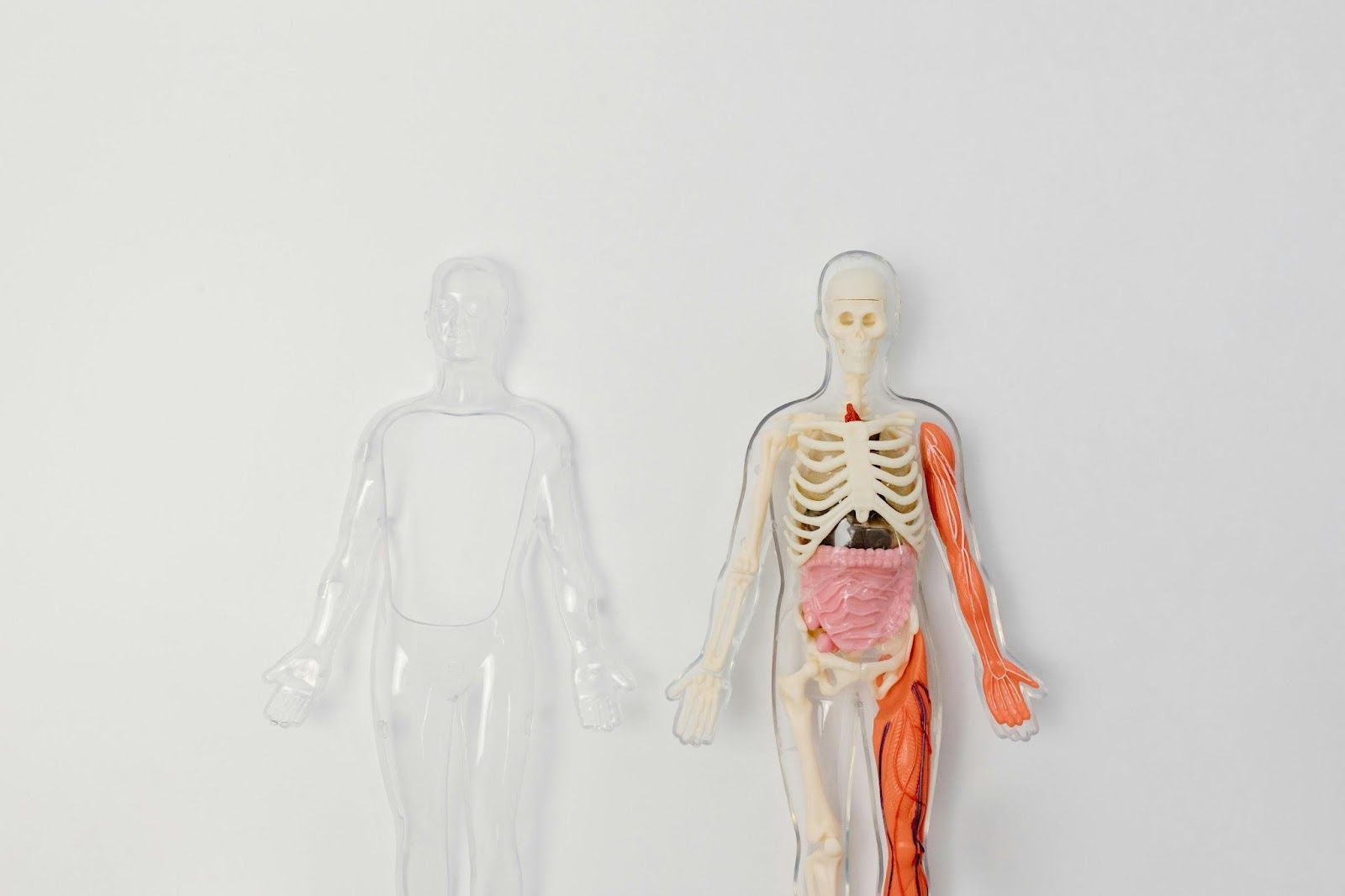
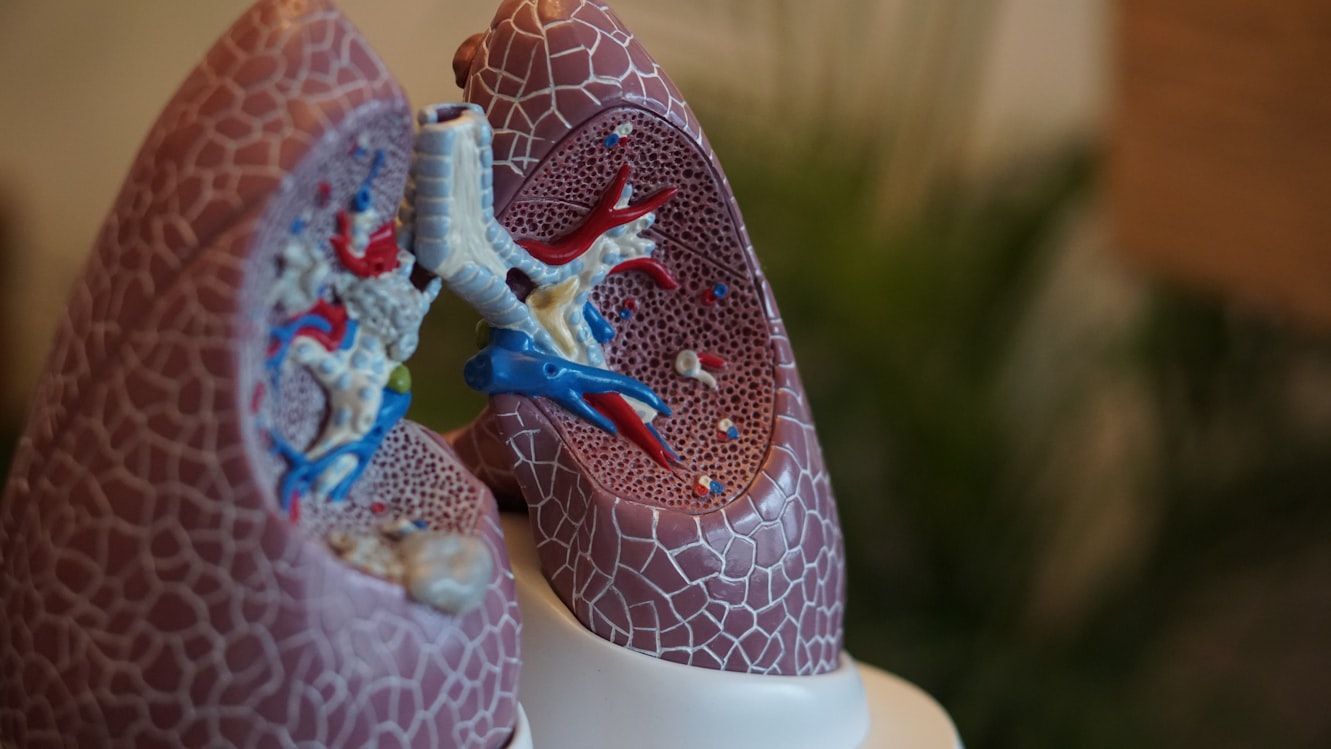
Do you know your conjunctivitis from your pharyngitis? How about your hyperhidrosis from your hyperlipidaemia? If not, this game is for you! Join us for an article-quiz that will help you learn the official scientific names of common health conditions. While you're at it, treat yourself with a full-body scan on causes, symptoms, and treatments!

1

Scientific term #1: Hyperhidrosis

Image: Pixabay

This medical condition has to do with a bodily secretion we all produce. However, some people do it excessively, often as an abnormal response to stressful situations, overstrain, or environmental heat.

Still a bit lost? Let's see if the etymology of the word helps a little. Hyperhidrosis comes from the Greek. It combines the prefix hyper, meaning "excessive" or "above normal", with hidrosis, a word that derives from "water".

2

Scientific term #2: Conjunctivitis

Image: David Matos

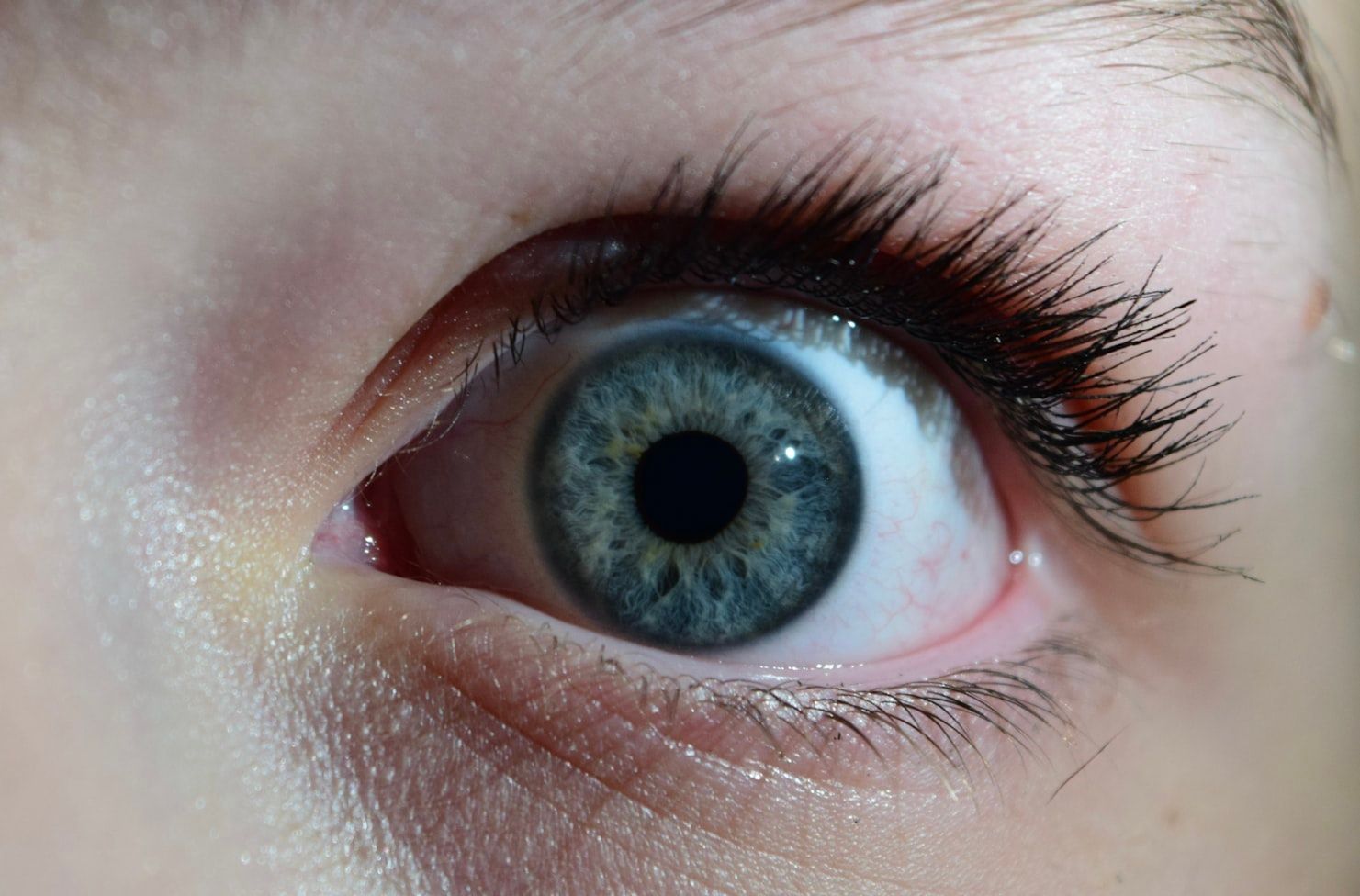
Conjunctivitis is a condition that affects a part of the face and can be caused by either a bacterial or viral infection or by seasonal allergies.

It is usually very annoying and contagious, and to treat it, you should consult a specialist. Conjunctivitis comes from the Latin word conjunctiva, referring to a certain mucous membrane, and -itis, meaning "inflammation." How close are you?

3

Scientific term #3: Pharyngitis

Image: Tara Winstead

This disease affects an internal region of your upper body. It is usually triggered by an infection, although it can also be caused by irritants such as smoke, pollution, and dry air.

Pharyngitis is usually very painful and uncomfortable, especially when accompanied by fever and other symptoms. Any idea what the colloquial name for this condition is?

4

Scientific term #4: Tussis

Image: Robina Weermeijer

The Latin word tussis is mainly used in medical or scientific contexts to refer to a very common condition that we have all experienced at one time or another. Generally, it is a symptom that warns of a major illness, probably related to the respiratory tract.

Need another hint? The term tussis derives from the Proto-Indo-European root tud-ti-s, meaning "to push, hit."

5

Scientific term #5: Pyrexia

Image: Tara Winstead

Pyrexia is a very common symptom you have experienced more than once throughout your life. It is a body response to infections or other causes, such as side effects of specific treatments or vaccinations.

It usually causes weakness, nausea, headaches, and muscle pain. Do you know what we're talking about? Scroll down to find out the answer!

6

Scientific term #6: Hyperlipidaemia

Image: jesse orrico

Hyperlipidaemia is a medical condition characterized by the presence of elevated levels of lipids in the blood. Excess of these fats can increase the risk of heart disease, stroke, and other vascular conditions.

The term hyperlipidaemia derives from the Greek and literally means "excessive fat in the blood." This disease can affect people of all ages, but is most commonly found in people over 40. It is generally caused by lifestyle factors, such as overweight, lack of exercise, unhealthy diet, genetics, and certain diseases. We bet you already figured it out!

7

Common Condition #1: Excessive sweating

Image: Ron Lach

Did you guess it? This one was easy! Hyperhidrosis is the scientific term for excessive sweating, a condition that, as its common name indicates, produces heavy perspiration as a result of an increase in the secretion of the sweat glands.

Hyperhidrosis affects about 1% of the population —almost half of the cases are hereditary— and can lead to bad odor and bacterial skin infections. The initial treatment of excessive sweating is topical. In other, more extreme cases, other oral drugs might be used, and patients can even receive Botox injections to treat certain affected areas.

8

Common Condition #2: Pink eye

Image: Matt Kirk

Yes, we are all more familiar with this condition’s colloquial term: pink eye. Conjunctivitis is an irritation or inflammation of the membrane covering the white part of the eyeball, causing the eye to turn reddish or pink —hence the common name!

Most conjunctivitis are mild, only on rare occasions they cause more significant damage. Symptoms include itching, watery eyes, secretions, and crusting around the eyes. It is usually treated with antiallergic medication or antibacterial eye drops.

9

Common Condition #3: Sore throat

Image: cottonbro studio

Pharyngitis, or as it is more commonly known, sore throat, is an inflammation of the pharynx, the region between the nose and the larynx. It is an infection caused by viruses or bacteria, and in many cases, begins with a painful enlargement of the neck lymph nodes that makes swallowing difficult.

Regardless of the cause, the patient must stay hydrated. In addition, a sore throat is usually treated with non-steroidal anti-inflammatory drugs. In some severe cases, it may be necessary to use steroids, especially to treat pain and inflammation.

10

Common Condition #4: Cough

Image: Towfiqu barbhuiya

How did you do with this one? Have you heard the word tussis before? Tussis is Latin for "cough." Coughing is the body's way of responding when something irritates the throat or airways. An occasional cough is normal and healthy. However, a cough that persists for several weeks may indicate an underlying illness that needs medical attention.

Tussis can be acute or chronic: Acute coughs usually begin suddenly and are often due to a cold, flu, or sinus infection. In most cases, coughs are treated with over-the-counter medicine. Doctors also recommend drinking plenty of fluids, using a humidifier, and, in cases of dry coughs, taking throat lozenges.

11

Common Condition #5: Fever

Image: Polina Tankilevitch

Pyrexia is the scientific term for the common fever. Fever is basically a temporary increase in body temperature. It is not a disease per se, but a defense mechanism of the body against certain external agents, such as bacterial or viral infections.

Fever can cause joint pain, drowsiness, chills, and even delirium. Treatment includes acetaminophen and non-steroidal anti-inflammatory drugs, such as ibuprofen. In some cases, especially in young children or elderly people, a high fever can be dangerous, so it is very important to consult a physician as soon as possible.

12

Common Condition #6: High cholesterol

Image: Nataliya Vaitkevich

Were you right? Hyperlipidaemia is, in simpler words, high cholesterol. Cholesterol is a lipid, a fat-like substance found in every cell. Our body needs some cholesterol to make hormones, vitamins, and substances that help us digest food. However, too much cholesterol in the blood can lead to coronary diseases.

The presence of high cholesterol levels can have different causes, but they are mainly linked to lifestyle. A recent study found that 1 in 10 of US adults have high total cholesterol. In addition to specific medications, healthy eating and regular physical activity have shown to significantly lower high cholesterol levels.

Looking for an extra scoop of literary fun?

Learn more with our Word of the day

contented

/kənˈtɛn(t)əd/