Mind your manners
10 laws around the world that are just odd
Published on December 8, 2025
 Image: Tingey Injury Law Firm
What people consider reasonable in terms of the law often changes from nation to nation, and sometimes even from region to region within the same country. However, there are some rules so odd that one cannot help but wonder if they were instituted as a joke and then forgotten. Some make more sense once you learn about the context, but others seem exaggerated. Be mindful of your actions, because you might end up fined—or even imprisoned—somewhere in the world.
Singapore: No chewing gum
 Image: Charles Wright
Looking for a way to prevent chewing gum litter, Singapore decided to tackle the root cause and directly banned the import and sale of gum, with an exception made for therapeutic reasons. Blowing bubbles in public might get you fined, and smugglers may face imprisonment.
Greece: No high heels in historical sites
 Image: Andrew Tanglao
This rule may sound odd, but it makes sense once you get the full picture. Greece is home to numerous ancient sites, such as the Acropolis and the Parthenon. To help preserve these monuments, high heels with narrow or sharp points are banned, as they could "damage the structures." Violating this rule can result in a fine of up to €900.
Canada: No excessive use of coins
 Image: Dan Dennis
Let’s be honest—this one is a bit odd (unless you’ve worked in retail). According to Canadian law, there is a limit to the number of coins you can use in a single transaction. The allowable amount depends on the coin denomination and the total to be paid, but fear not: In true Canadian fashion, the law includes a detailed list of instructions.
Barbados: No wearing camouflage
 Image: James Wainscoat
Camouflage patterns were originally developed as a military tool but have since become a popular fashion trend. Well, not in Barbados. Any civilian wearing clothes or accessories with a camouflage pattern can be fined, imprisoned, or both. Several neighboring Caribbean countries have similar laws, prompting cruise companies to specifically warn their passengers.
Russia: No driving a dirty car
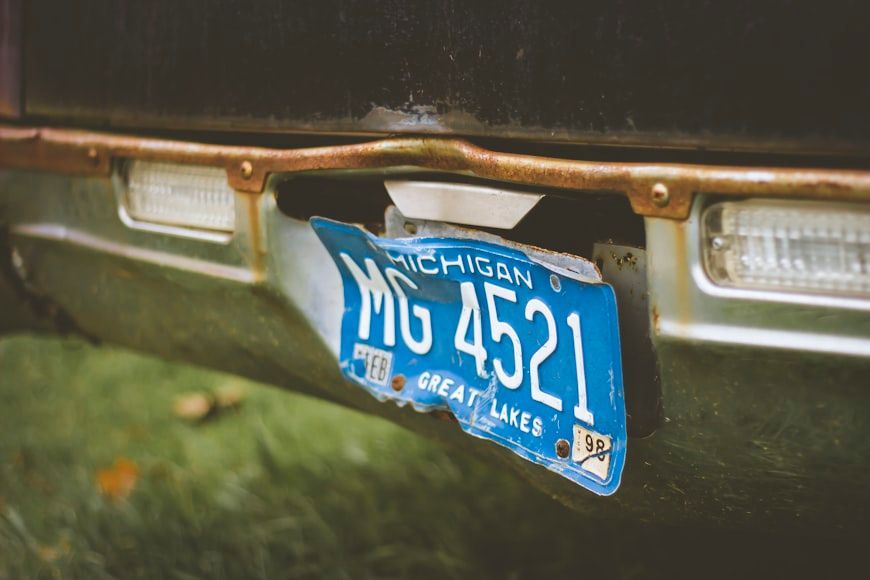 Image: David Beale
This one sounds weirder than it actually is. It’s not technically illegal to drive a dirty car in Russia—but it is illegal to drive with an unreadable license plate. So, if your car is so filthy that the dirt obscures your plate, you could be fined.
Thailand: No stepping on money
 Image: YoNeKeN
This law stems from a combination of factors. Baht, the Thai currency, depicts the King, making them subject to strict laws requiring respect for the monarchy. Additionally, feet are considered the lowest and dirtiest part of the body in Thai culture, which adds another layer of disrespect. Even carrying money in your back pocket—effectively sitting on the King—can get you into trouble.
Sri Lanka: No selfies with Buddha
 Image: Cristina Zaragoza
This law isn’t really about selfies—it’s about turning your back on Buddha statues, which is considered extremely disrespectful. Authorities take this very seriously, and tourists have occasionally gotten into trouble for posing with their backs to the statues. Such actions have even led to fines or imprisonment.
France: No snails without a train ticket
 Image: Alexas_Fotos
Domesticated animals weighing under 11 pounds are allowed on French trains—but they must have a ticket. Why snails, specifically? The rule applies to all small pets, but it famously led to a dispute between the rail company and a passenger who was caught carrying live snails. Since the snails didn’t have tickets, the owner was fined—though the penalty was later waived.
Poland: No Winnie-the-Pooh near playgrounds
 Image: Nik
This peculiar rule doesn’t apply to all of Poland, but to one specific town where officials rejected Winnie-the-Pooh as a playground mascot—because he doesn’t wear pants. The decision sparked plenty of laughter abroad, though locals defended it as a matter of propriety. As far as we know, Donald Duck and Bugs Bunny haven’t been considered for the job either.
China: No unsanctioned reincarnations
 Image: Will Pagel
Tibet, a region in China, is one of the main centers of Buddhism and home to many spiritual leaders regarded as living Buddhas—believed to be reincarnations of previous teachers. According to Chinese law, for these reincarnations to be officially recognized, they must submit an application and receive government approval. The regulation was introduced to limit foreign influence—particularly from the Dalai Lama—over the selection process.