Hidden revolutions

10 inventions we can’t live without (but never think about)


Published on January 18, 2026


Image: Max Bender

Some inventions rewired the world — yet most of us hardly think about them. They’re not flashy like smartphones or rockets, but they quietly shape daily life, industries, and even global economies. From ball bearings to barcodes, here are 10 unsung technologies and materials that made the modern world possible.

1

Ball bearings

Image: Random Thinking

These simple metal spheres changed machinery forever. By reducing friction, ball bearings made everything from bicycles to jet engines smoother and longer-lasting.

First patented in 1794, they soon became essential to industrial machinery and automotive manufacturing. Without them, both modern transport and precision engineering would grind to a halt.

2

Portland cement

Image: Wes Hicks

Modern cities wouldn’t be the same without this now-ubiquitous material. Invented in 1824, Portland cement enables the production of strong, versatile concrete.

From bridges to apartment blocks, its high compressive strength revolutionized construction. Today, it’s the second-most-consumed substance on Earth after water—absolutely essential to urban life.

3

Corrugated cardboard

Image: Paper Textures

Patented in 1871, corrugated cardboard is an incredibly light, strong, and inexpensive material. Its ease of manufacture and durability greatly enabled the mass shipping of fragile goods, protecting them during long transport.

With the recent rise of e-commerce, it has become one of the most produced materials in the world, though most of us only notice it when opening packages.

4

Synthetic rubber

Image: Goh Rhy Yan

Natural rubber shortages during WWII led to the adoption of synthetic alternatives. First developed in the 1930s and mass-produced during the war, synthetic rubber quickly became essential for tires, seals, hoses, and many other products.

Today, over 70% of the rubber used worldwide is synthetic—yet most of us hardly notice its presence.

5

Anodized aluminum

Image: Randy Fath

Anodizing, an electrochemical process that forms a protective oxide layer on the surface of metal parts, makes aluminum both corrosion-resistant and dye-absorbent.

As a result, it’s used extensively in aircraft, electronics, kitchenware, and architecture. In fact, many everyday devices — from smartphones to household appliances — use anodized aluminum without most people realizing it.

6

Transistors

Image: Umberto

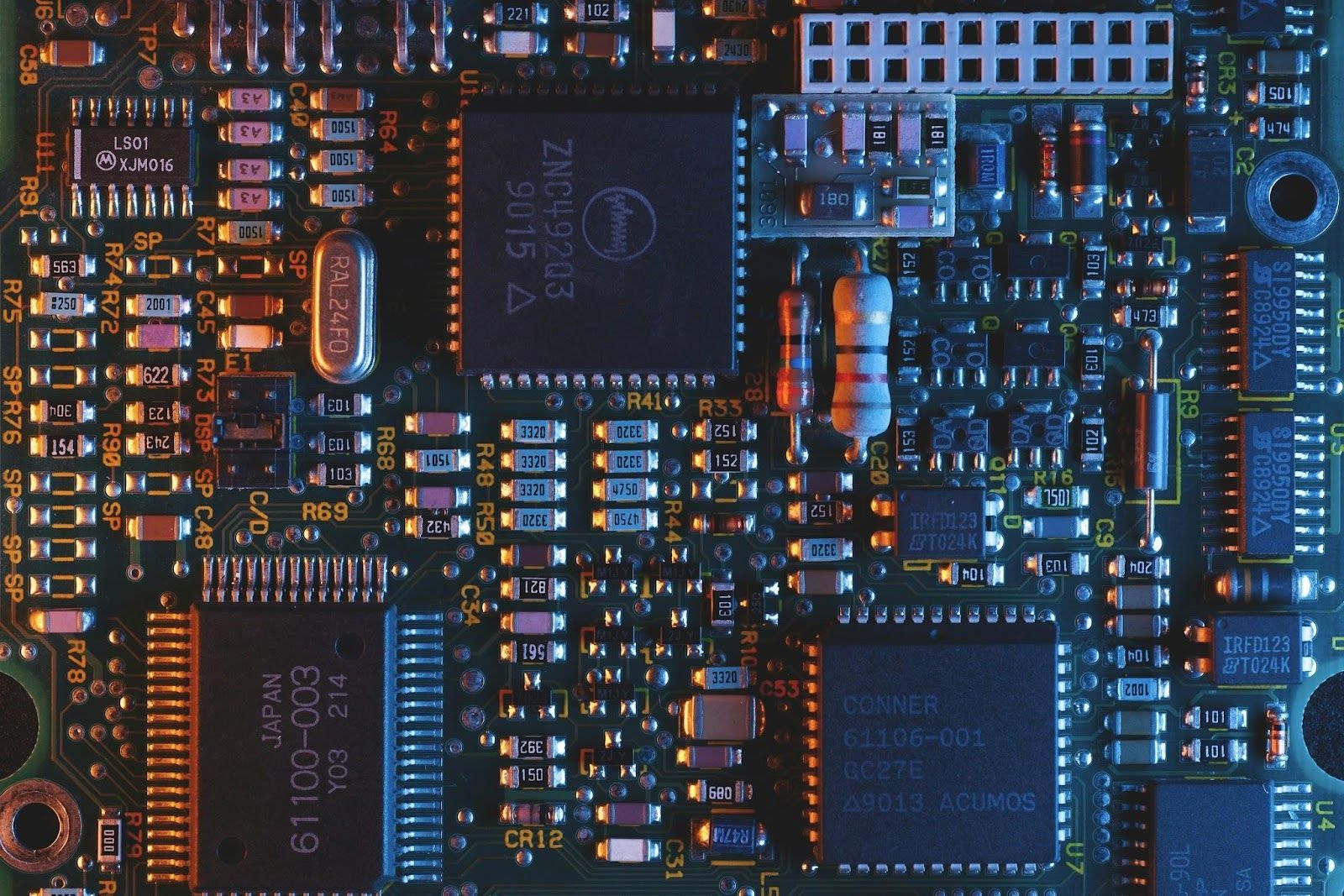
Invented in 1947, transistors replaced bulky vacuum tubes. They’re faster, smaller, and far more reliable, and are used in everything from radios to smartphones.

Miniaturization now allows billions to fit on a single microchip, powering virtually every digital device.

7

Optical fiber

Image: Denny Müller

These thin glass threads might seem strange to most of us, but it’s thanks to them that you’re reading this article. Developed in the 1970s, optical fibers transmit data as light pulses over vast distances.

Faster and more reliable than copper cables, they form the backbone of global communications — without them, there would be no high-speed internet.

8

Kevlar

Image: Demidov Armor

Invented in 1965, Kevlar is five times stronger than steel by weight.

While its best-known use is in body armor and military protection, its exceptional strength and heat resistance also make it vital in aerospace engineering and even in reinforcing fiber-optic cables.

9

Quartz crystals

Image: Hiroshi Tsubono

What in the world is a quartz crystal, you may ask?

Well, it’s hard to explain, but in a few words, quartz oscillates at a precise frequency when electrified, which makes it useful for keeping time in watches, GPS, and many communication systems.

10

Barcodes

Image: sq lim

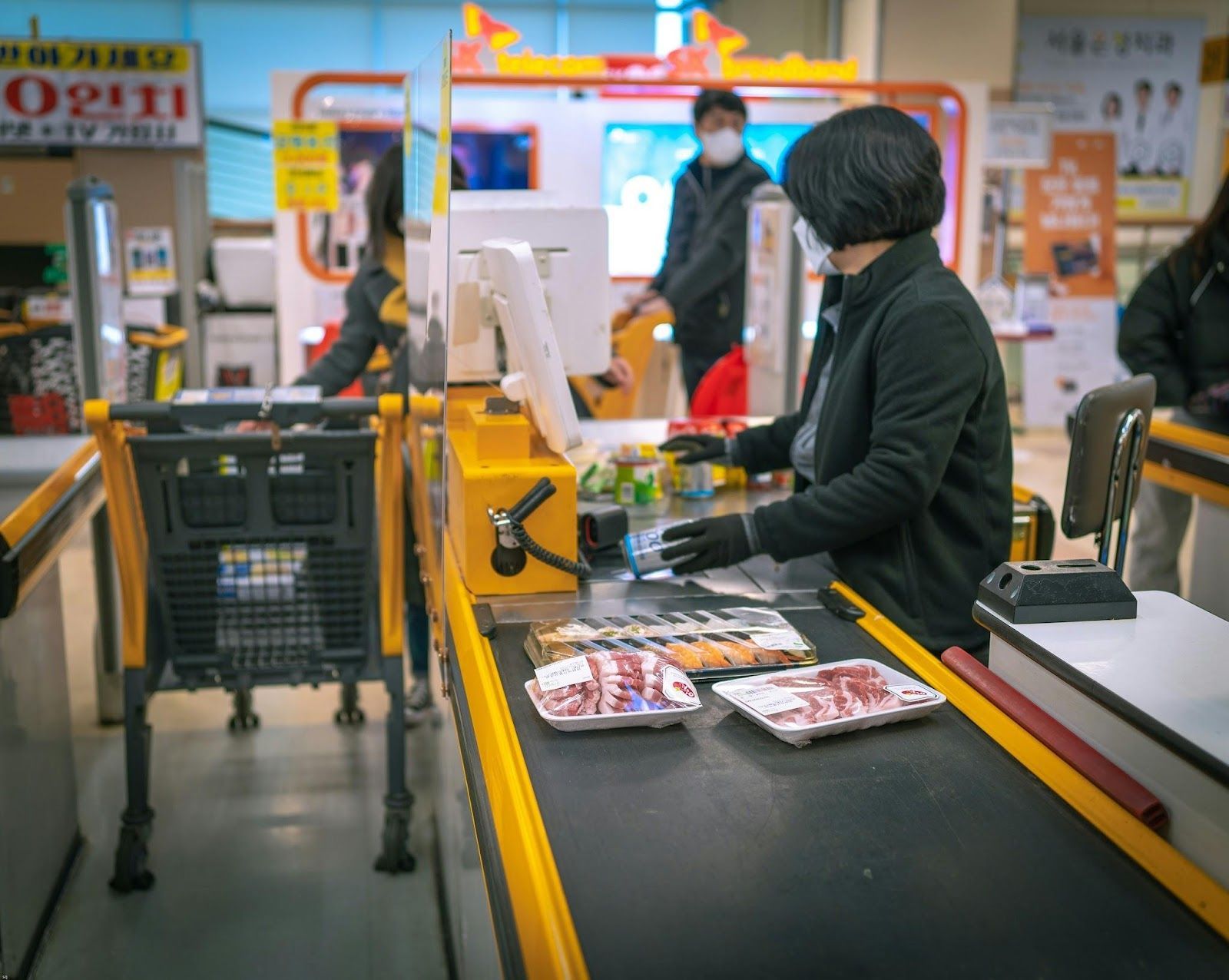
Barcodes are everywhere — literally! But this wasn’t always the case. First patented in 1952, they didn’t see widespread adoption until the 1970s.

Today, they enable instant product identification, inventory tracking, and pricing, creating a far smoother shopping experience. Used in retail, logistics, healthcare, and libraries, barcodes are a silent but essential part of modern supply chains.


Discover these celestial treasures

Journey to the wonders of outer space with these 10 astronomy idioms!


Published on January 18, 2026


Image: Vincentiu Solomon

The night sky has fascinated humankind since the dawn of time. Think about all the constellations, stories, and myths that revolve around the stars above. Our species has always looked to the sky in wonder, gazing in awe at the thousands upon thousands of stars, planets, and comets that can be regularly seen. In that sense, it seems only logical that something so profoundly significant would influence the way we communicate with one another. With that in mind, we have selected 10 of our favorite astronomy-related idioms, hoping to convey some of the wonder the sky has to offer. Enjoy!

1

Thank your lucky stars

Image: Denis Degioanni

As we mentioned, the stars above have been a source of wonder for humankind throughout history, so it stands to reason that we would associate something as magical as our luck with them. The phrase "thank your lucky stars" is fairly self-explanatory: it is used to express gratitude to something greater than ourselves for our good fortune, especially when we narrowly avoid a bad situation.

2

Once in a blue moon

Image: haylee booth

Have you ever seen a blue moon? Probably not, considering how rarely our beloved satellite takes on a bluish tint. It is precisely this rare occurrence that gives the idiom its meaning: "Once in a blue moon" describes something that happens only on rare occasions. For instance, you might see your in-laws or a distant relative once in a blue moon. This idiom originated in 19th-century England, where the idea of seeing a blue moon was considered borderline absurd.

3

Written in the stars

Image: Jacob Spence

In ancient times, constellations told stories. These distant dots in the sky wove tales of legendary heroes, fearsome monsters, and thrilling adventures. Many of those stories have endured to this day. Some of us routinely check our horoscopes to see what the stars reveal about our future. In that sense, the idiom "written in the stars" describes an event that seems destined to happen. It conveys the idea that whatever is written in the stars—whether good or bad—is inevitable.

4

Shoot for the stars

Image: Klemen Vrankar

When it comes to setting goals, what could be higher than the sky itself? The phrase "shoot for the stars" is deeply inspirational—it means to set ambitious goals in order to reach our highest potential. Interestingly, this idiom is similar to another sky-related phrase that is also known for its motivational message: "The sky is the limit."

5

Over the moon

Image: Sanni Sahil

Have you ever felt so incredibly happy that it seemed like your feet were lifting off the ground? The idiom "over the moon" captures a similar sensation—though it takes things a bit farther. It describes an intense feeling of joy or excitement. While the exact origins of this phrase are unknown, many believe it stems from exaggerating the small, joyful jumps one might make when feeling ecstatic.

6

To space out

Image: Serafin Reyna

Space seems like the perfect place to drift off and think about nothing, doesn’t it? Granted, we’ve never been to outer space, but its vastness feels ideal for those who want to clear their minds. Anyway, where were we? Sorry, we spaced out—after all, this idiom describes someone who loses focus and stops noticing what’s happening around them. It gained particular popularity in the 1960s, during the height of the space race.

7

To be living on another planet

Image: Alex Shuper

Similar to "space out," someone who is "living on another planet" is completely oblivious to the events around them or out of touch with reality. For instance, a person unaware of recent news or misinformed about current events might be described this way. Now, whether being the recipient of this phrase instantly turns you into an extraterrestrial is something we can neither confirm nor deny at this moment.

8

Out of this world

Image: Shot by Cerqueira

Like a blazing meteorite crashing to Earth, something that is "out of this world" is simply extraordinary. For instance, an "out of this world" meal is one of superb quality. This idiom first appeared in the 20th century and stems from our long-standing fascination with outer space—after all, anything beyond our planet must be remarkable since it defies our understanding.

9

Bring someone down to Earth

Image: NASA

Let’s say you’re working on an assignment, but your friend is spacing out and not doing their share of the work—it’s now your job to get them to focus. Continuing with this metaphor, your friend might be drifting aimlessly through outer space, while you’re tasked with bringing them back to reality. In that sense, the phrase "bring someone down to Earth" means to make someone face reality, even if it involves revealing some hard truths along the way.

10

Everything under the sun

Image: Vivek Doshi

You’ve probably noticed that most of the idioms in this article refer to things visible in the night sky, so why not conclude by honoring the most important celestial body in our solar system? The phrase "everything under the sun" is used to refer to, well, everything—or at least everything found on our planet. Interestingly, this does leave out countless stars and galaxies, but the phrase’s meaning remains too powerful to ignore.

Looking for an extra scoop of literary fun?

Learn more with our Word of the day

alter

/ˈɔltər/