Hidden revolutions
10 inventions we can’t live without (but never think about)
Published on January 18, 2026
 Image: Max Bender
Some inventions rewired the world — yet most of us hardly think about them. They’re not flashy like smartphones or rockets, but they quietly shape daily life, industries, and even global economies. From ball bearings to barcodes, here are 10 unsung technologies and materials that made the modern world possible.
Ball bearings
 Image: Random Thinking
These simple metal spheres changed machinery forever. By reducing friction, ball bearings made everything from bicycles to jet engines smoother and longer-lasting.
First patented in 1794, they soon became essential to industrial machinery and automotive manufacturing. Without them, both modern transport and precision engineering would grind to a halt.
Portland cement
 Image: Wes Hicks
Modern cities wouldn’t be the same without this now-ubiquitous material. Invented in 1824, Portland cement enables the production of strong, versatile concrete.
From bridges to apartment blocks, its high compressive strength revolutionized construction. Today, it’s the second-most-consumed substance on Earth after water—absolutely essential to urban life.
Corrugated cardboard
 Image: Paper Textures
Patented in 1871, corrugated cardboard is an incredibly light, strong, and inexpensive material. Its ease of manufacture and durability greatly enabled the mass shipping of fragile goods, protecting them during long transport.
With the recent rise of e-commerce, it has become one of the most produced materials in the world, though most of us only notice it when opening packages.
Synthetic rubber
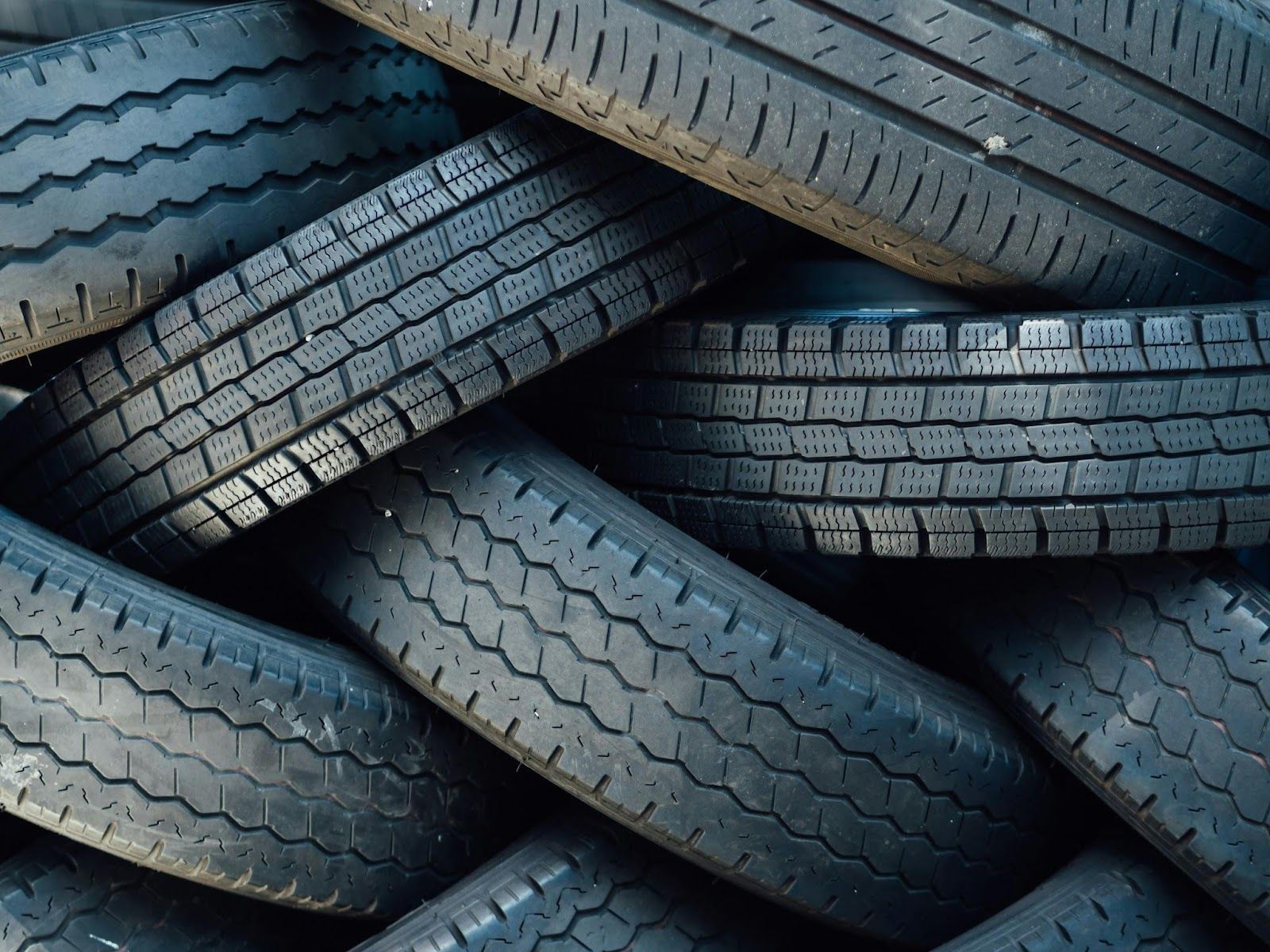 Image: Goh Rhy Yan
Natural rubber shortages during WWII led to the adoption of synthetic alternatives. First developed in the 1930s and mass-produced during the war, synthetic rubber quickly became essential for tires, seals, hoses, and many other products.
Today, over 70% of the rubber used worldwide is synthetic—yet most of us hardly notice its presence.
Anodized aluminum
 Image: Randy Fath
Anodizing, an electrochemical process that forms a protective oxide layer on the surface of metal parts, makes aluminum both corrosion-resistant and dye-absorbent.
As a result, it’s used extensively in aircraft, electronics, kitchenware, and architecture. In fact, many everyday devices — from smartphones to household appliances — use anodized aluminum without most people realizing it.
Transistors
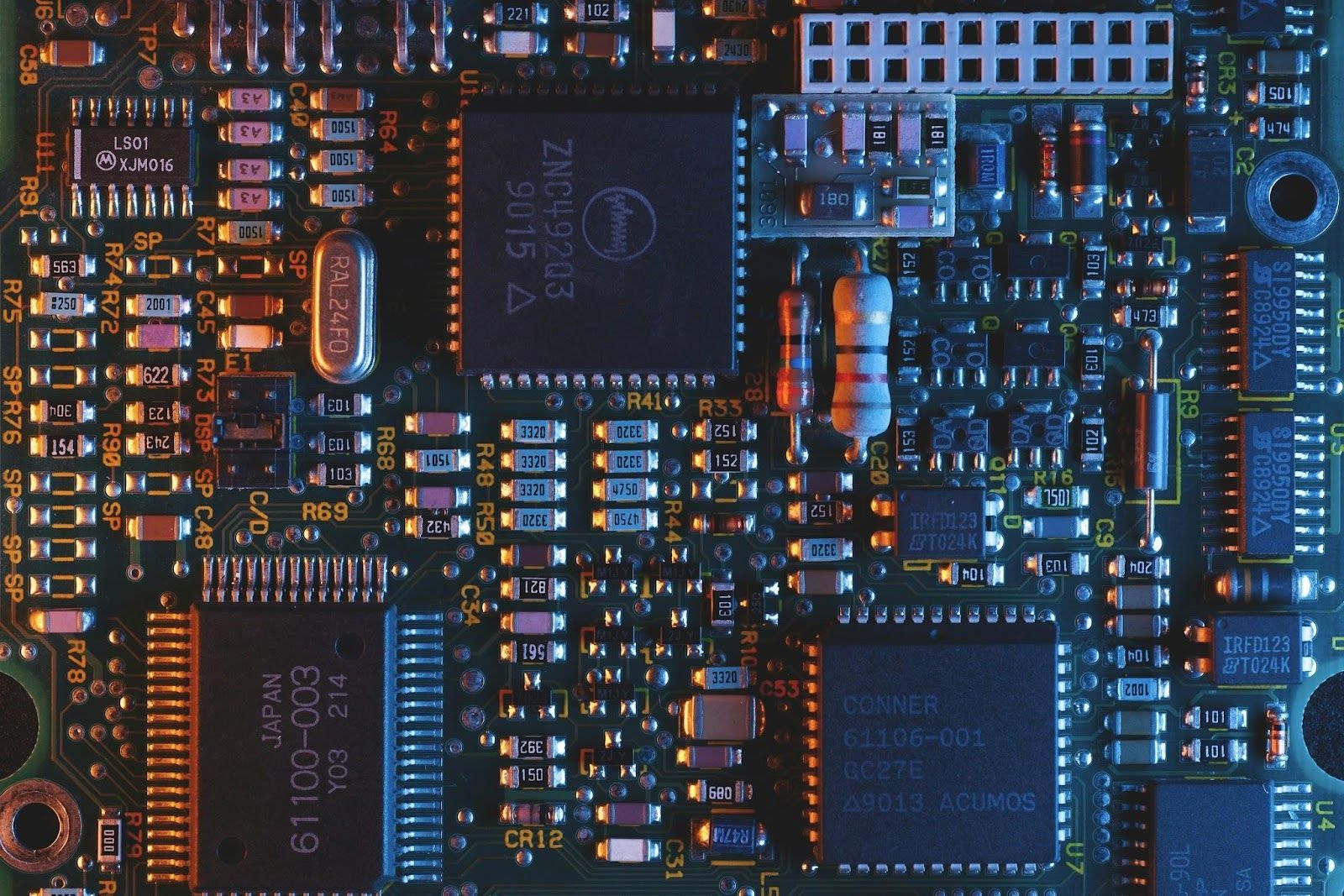 Image: Umberto
Invented in 1947, transistors replaced bulky vacuum tubes. They’re faster, smaller, and far more reliable, and are used in everything from radios to smartphones.
Miniaturization now allows billions to fit on a single microchip, powering virtually every digital device.
Optical fiber
 Image: Denny Müller
These thin glass threads might seem strange to most of us, but it’s thanks to them that you’re reading this article. Developed in the 1970s, optical fibers transmit data as light pulses over vast distances.
Faster and more reliable than copper cables, they form the backbone of global communications — without them, there would be no high-speed internet.
Kevlar
 Image: Demidov Armor
Invented in 1965, Kevlar is five times stronger than steel by weight.
While its best-known use is in body armor and military protection, its exceptional strength and heat resistance also make it vital in aerospace engineering and even in reinforcing fiber-optic cables.
Quartz crystals
 Image: Hiroshi Tsubono
What in the world is a quartz crystal, you may ask?
Well, it’s hard to explain, but in a few words, quartz oscillates at a precise frequency when electrified, which makes it useful for keeping time in watches, GPS, and many communication systems.
Barcodes
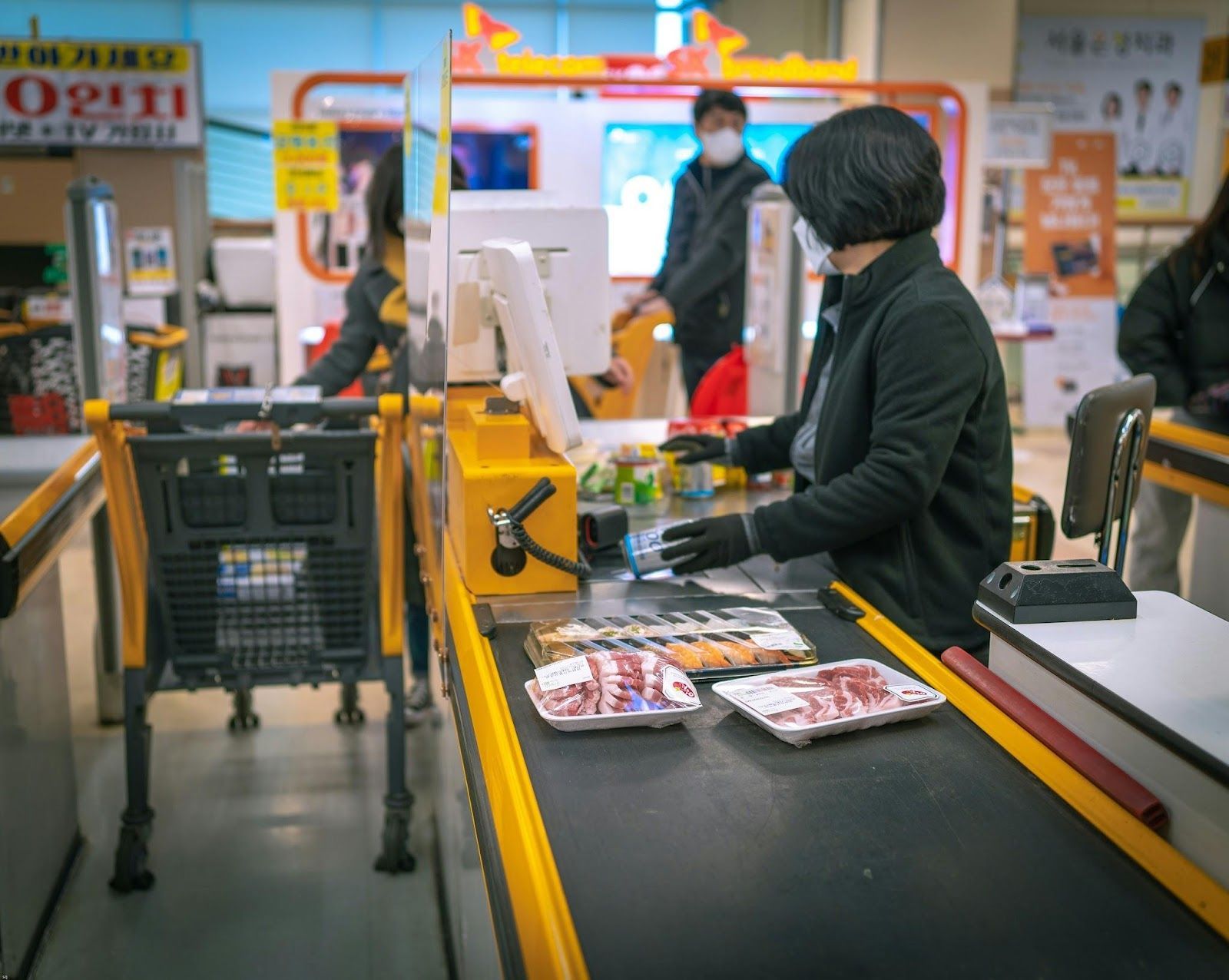 Image: sq lim
Barcodes are everywhere — literally! But this wasn’t always the case. First patented in 1952, they didn’t see widespread adoption until the 1970s.
Today, they enable instant product identification, inventory tracking, and pricing, creating a far smoother shopping experience. Used in retail, logistics, healthcare, and libraries, barcodes are a silent but essential part of modern supply chains.