Paints from the past
10 historical pigments with shocking and bizarre origins
Published on October 2, 2026
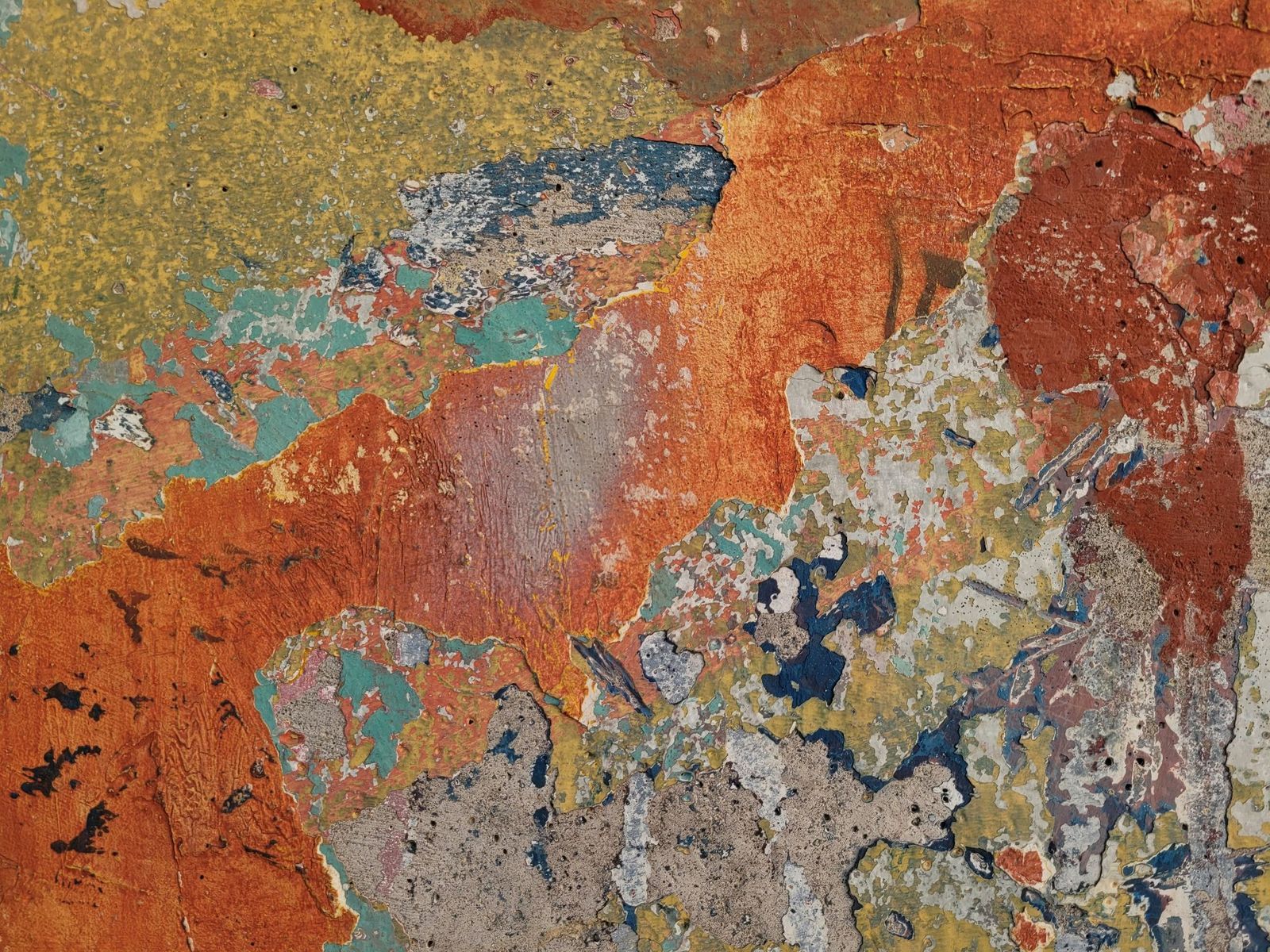
We often assume that the past was a dull, washed-out world. But history has always been bursting with vibrant color, even if humanity had to take extreme measures to capture it. From crushing millions of tiny bugs to robbing ancient tombs and playing with dangerous substances, artists and chemists spent centuries inventing brilliant hues. Here are 10 pigments with surprising, strange, and sometimes terrifying origins.
Carmine
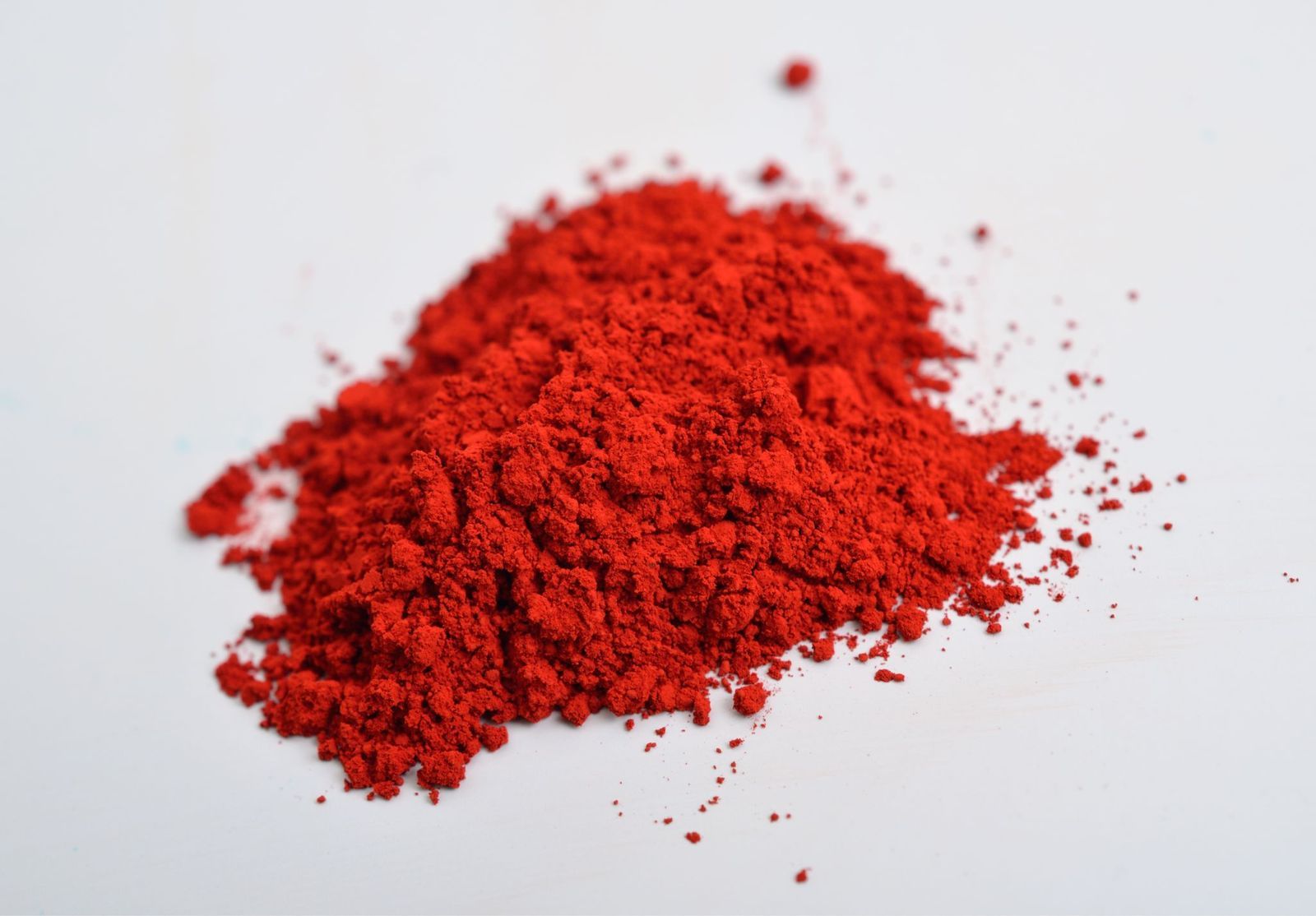
The word carmine refers to a family of deep reds. Its origins trace back to tiny scale insects, Dactylopius coccus (cochineal scale), that feed on cactus berries. When European explorers reached Mexico in the 16th century, they discovered native populations producing reds far more vibrant than anything in Europe.
Harvesters collected the female insects, killed them, and dried them in the sun to extract carminic acid. It took roughly 70,000 insects to make a single pound of pigment. Today, synthetics have replaced it in textiles, but carmine is still used under names like "natural red 4" to color candles and cosmetics.
Egyptian Blue
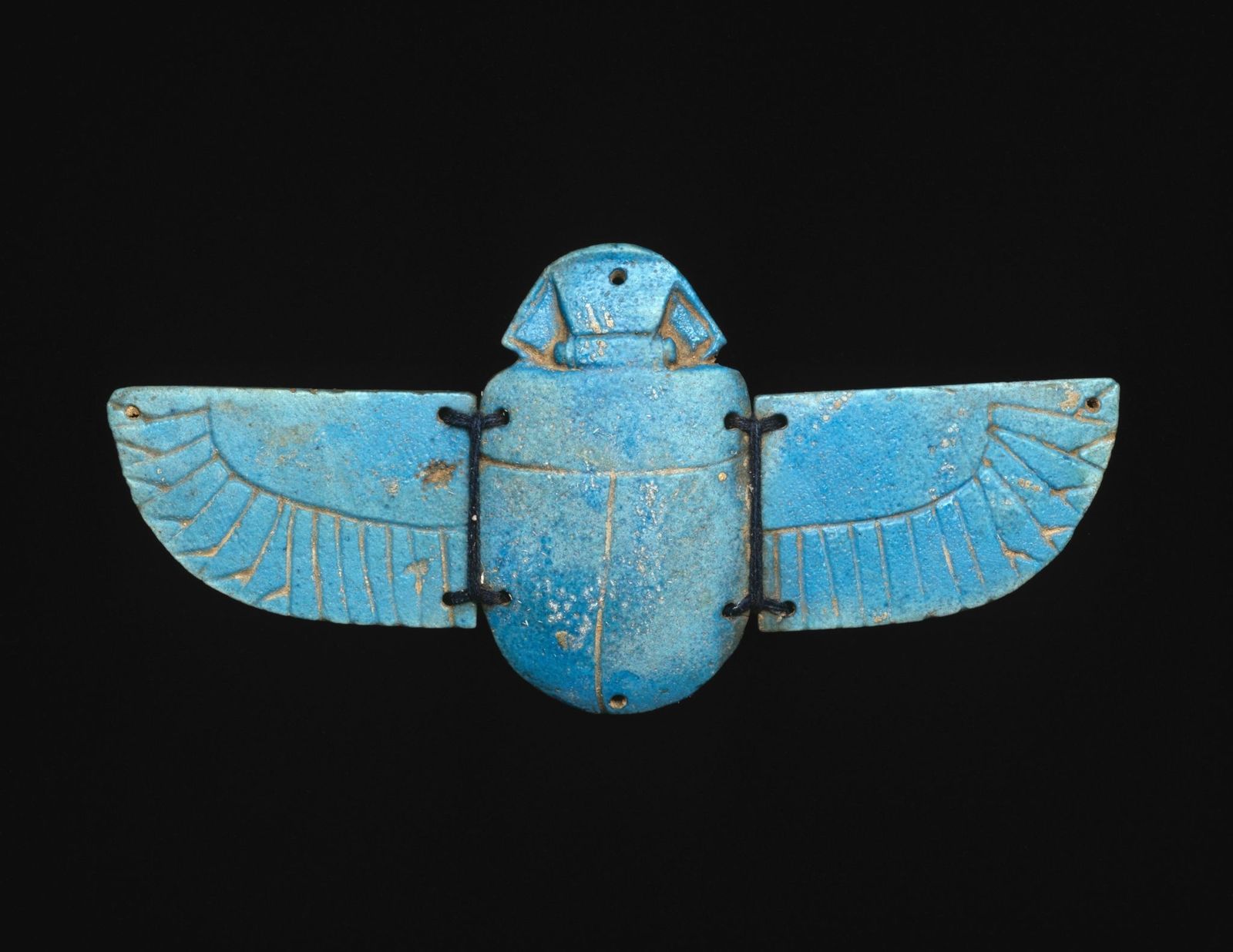
Dating back to the 3rd millennium BCE, Egyptian blue is the first known synthetic pigment in human history. Ancient craftsmen created this vibrant azure by heating quartz, copper, alkali, and lime to extreme temperatures.
This recipe was lost for over a thousand years before it was reverse-engineered in the 19th century. Interestingly, under modern infrared light, Egyptian blue glows with intense fluorescence, helping researchers scan archeological sites.
Imperial Yellow
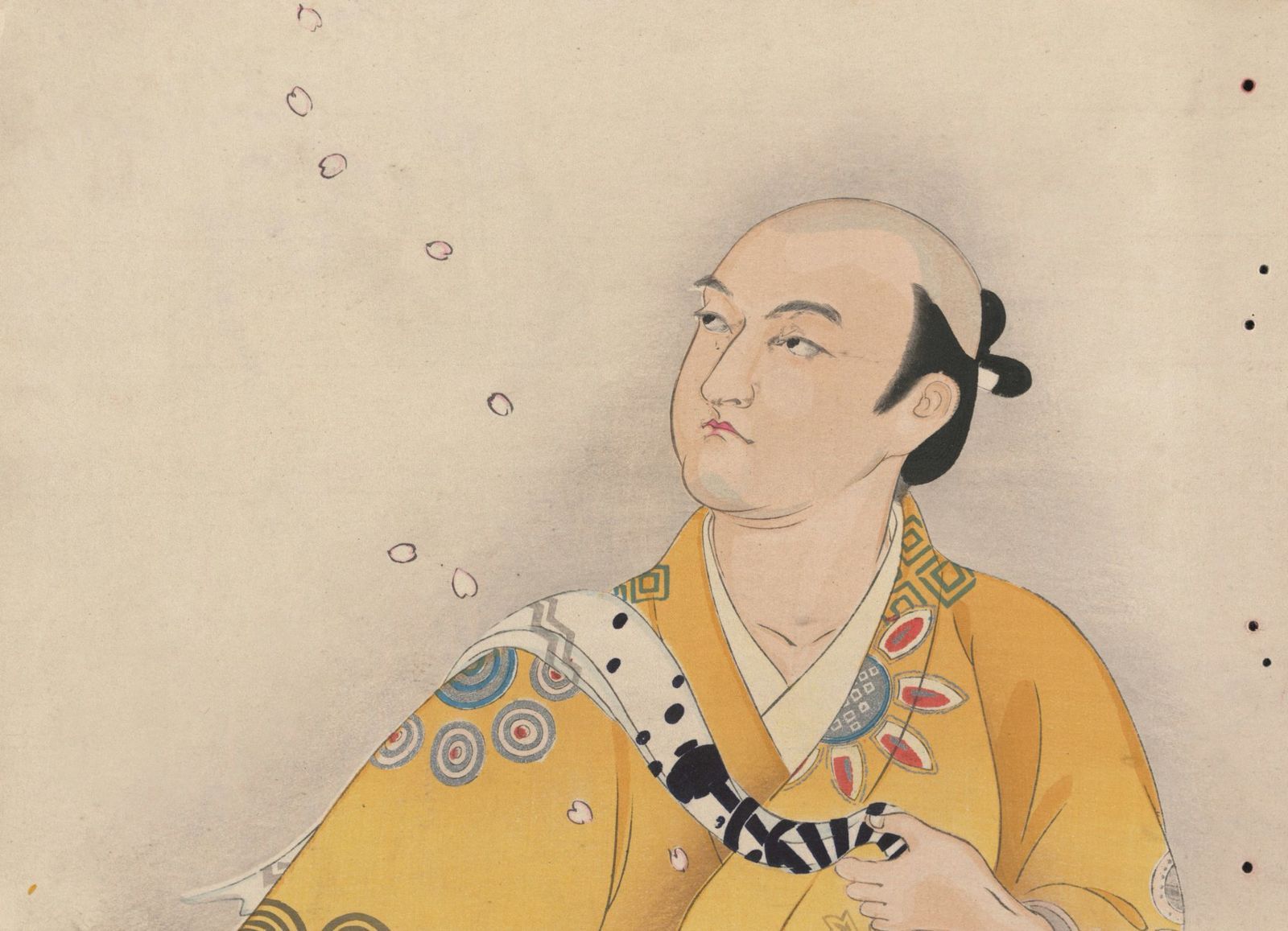
In ancient China, color was regulated by law to determine social status. Starting with the Zhou dynasty, yellow became linked with the throne.
By the Tang dynasty, laws strictly forbade anyone outside the imperial family from wearing garments dyed in reddish-yellow shades. Also, creating this prestigious color wasn’t easy. It was an arduous process that required harvesting massive amounts of Chinese foxglove tubers, grinding them into a paste, and finally staining fabrics.
Mauveine
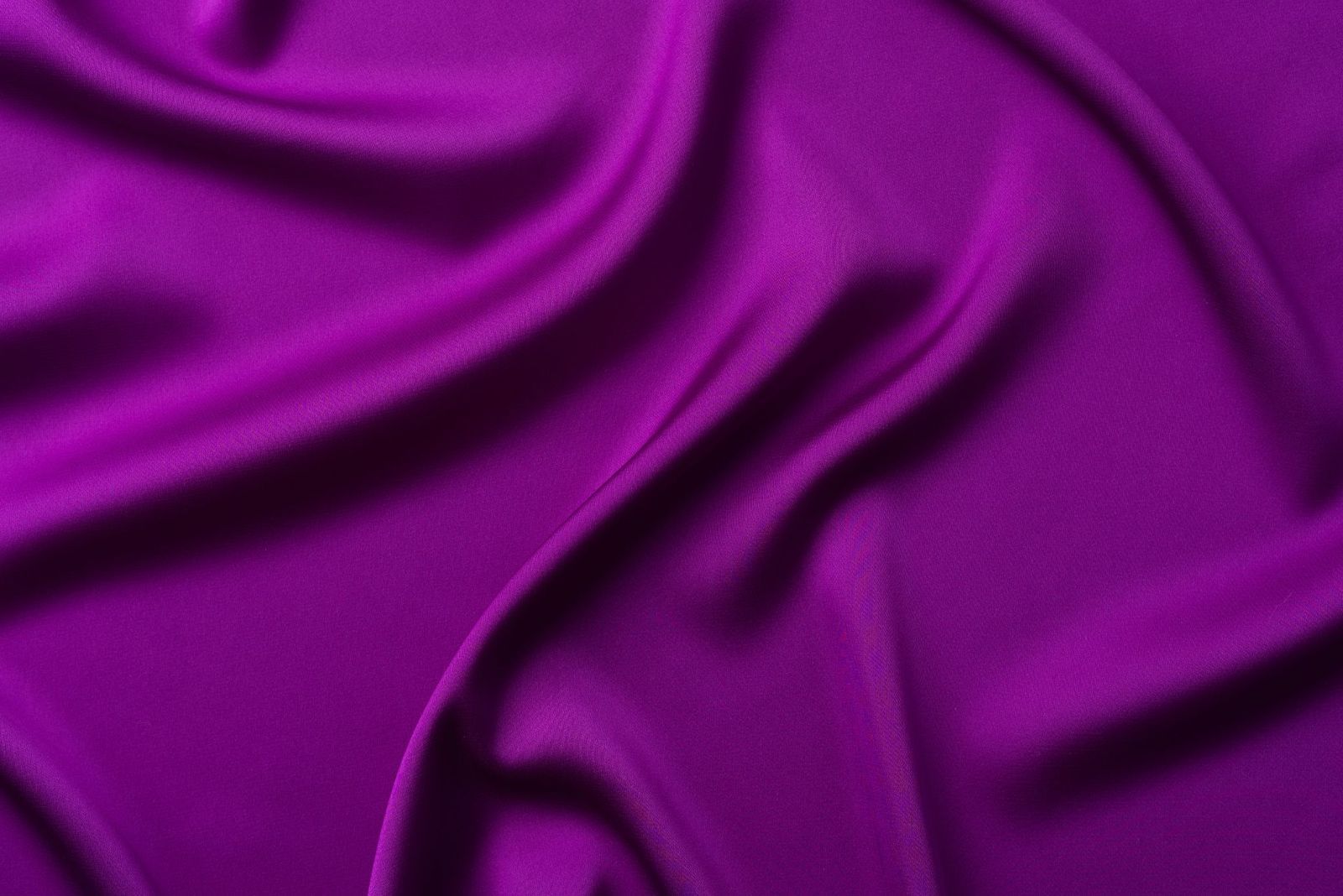
Many great breakthroughs are born from accidents, and mauveine is no exception. In 1856, an 18-year-old English chemist named William Henry Perkin was trying to synthesize a cure for malaria using aniline.
His experiment failed, leaving behind a sticky black residue with bright purple remnants. Perkin recognized the beauty of his accident and launched the world’s first mass-produced synthetic dye, sparking a global industry that changed fashion and art forever.
Mummy Brown

Over the years, people have made plenty of weird choices in the name of beauty, but mummy brown is probably the creepiest. Popular among 18th- and 19th-century European painters for its rich, translucent shading, this yellowish-brown pigment was literally made by looting Egyptian tombs and grinding down mummified human remains and animals.
When artists discovered what their paint was actually made of, they were horrified. The practice finally ended in 1964 when the supply of preserved bodies ran dry.
Orpiment
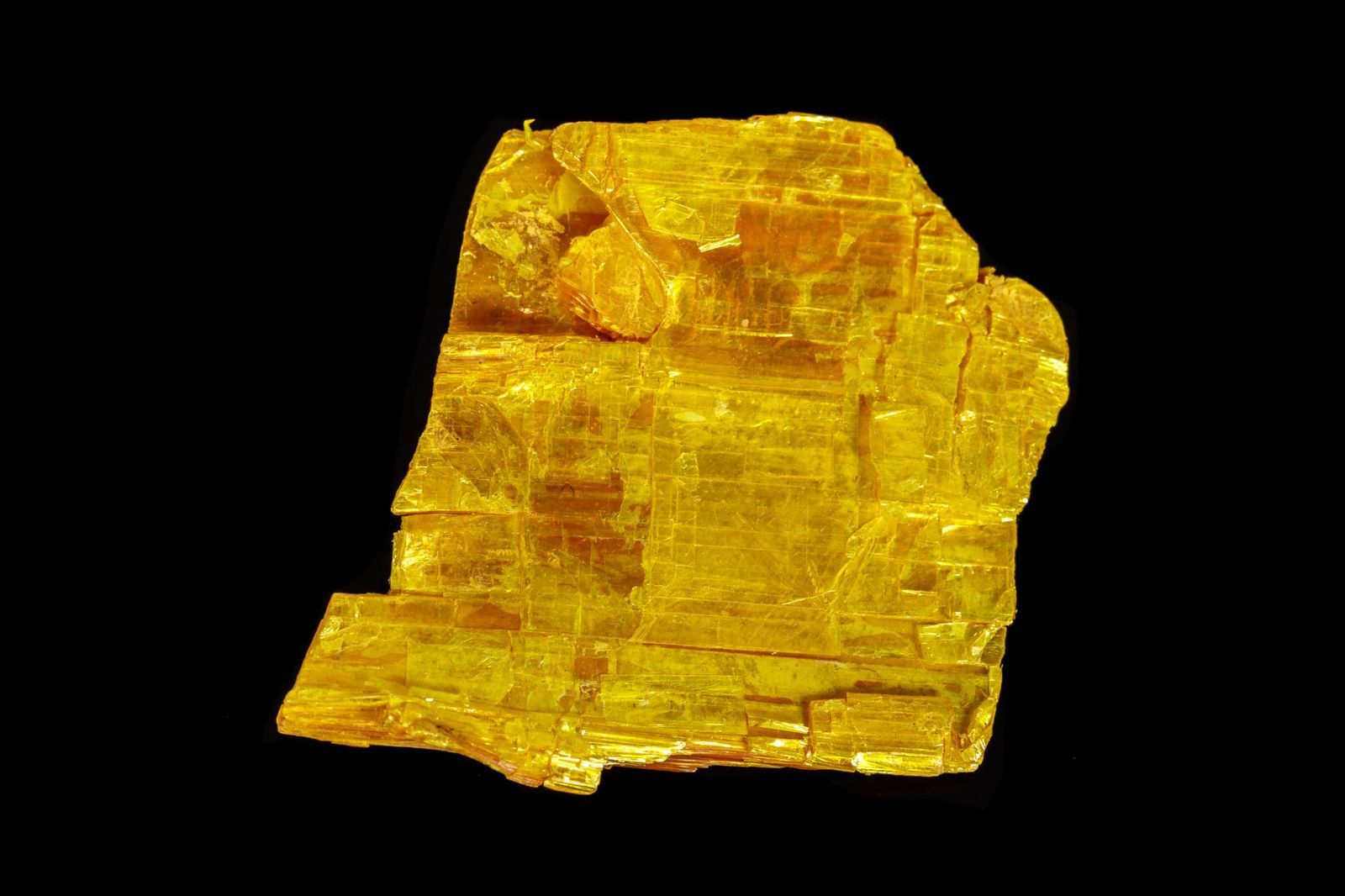
Alchemists and artists have always been fascinated by hues that resemble gold, but orpiment came with lethal consequences. This naturally occurring mineral features a fiery orange-yellow brilliance, yet it contains toxic arsenic sulfide.
Alchemists working in hot, unventilated labs would hang over furnaces heating orpiment to manufacture this golden pigment, poisoning themselves in the process. Despite the danger, master painters relied on its vibrant punch until safer cadmium and chromium alternatives arrived.
Pompeiian Red
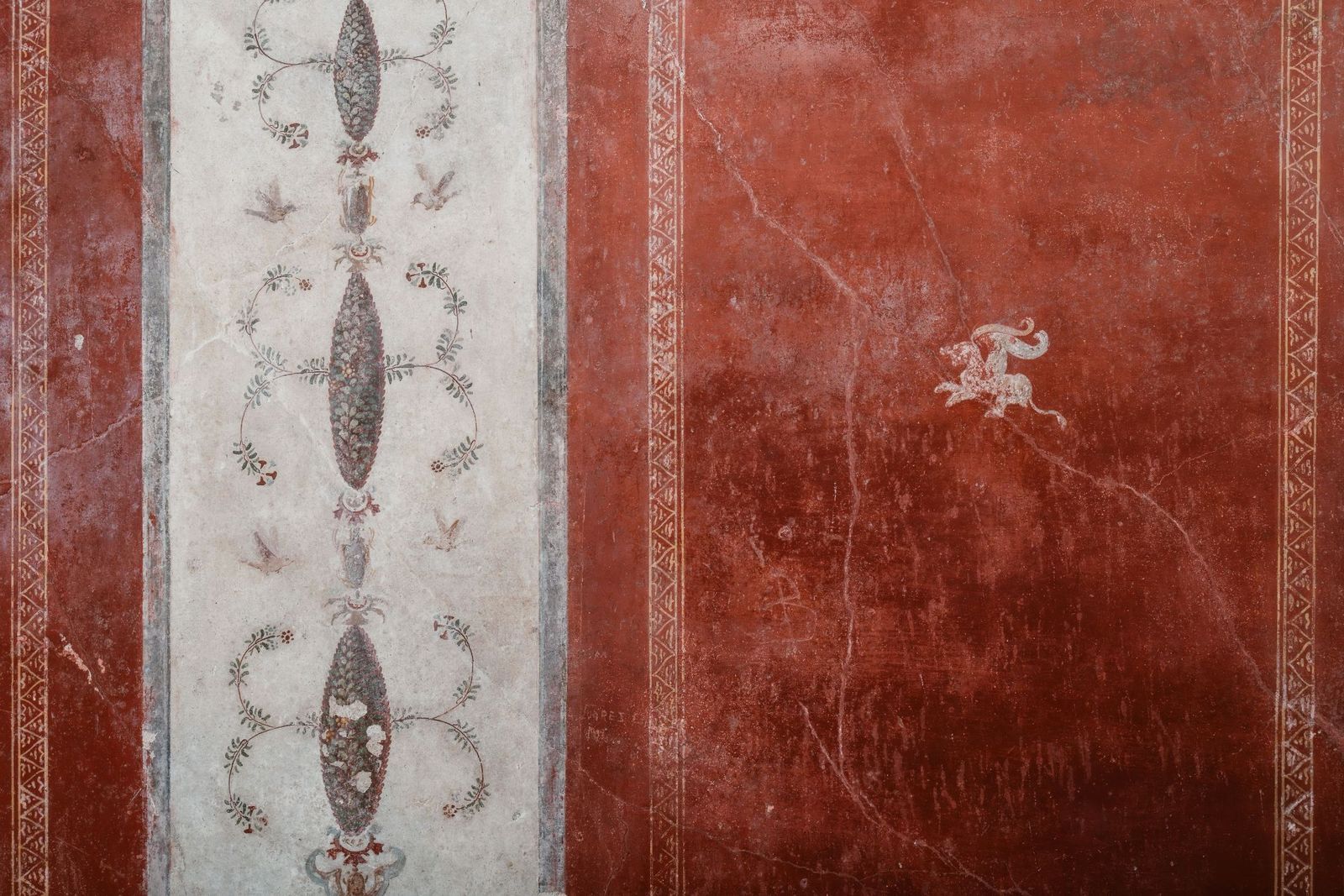
When archaeologists uncovered the ancient Roman city of Pompeii, they found stunning villas adorned with deep red frescoes. For generations, experts believed the color came from local iron-rich clay.
However, modern scientific analysis suggests that those red walls may have originally been yellow ochre. When Mount Vesuvius erupted in 79 CE, the intense volcanic heat cooked the mineral, transforming the yellow walls into the unique red we see today.
Prussian Blue
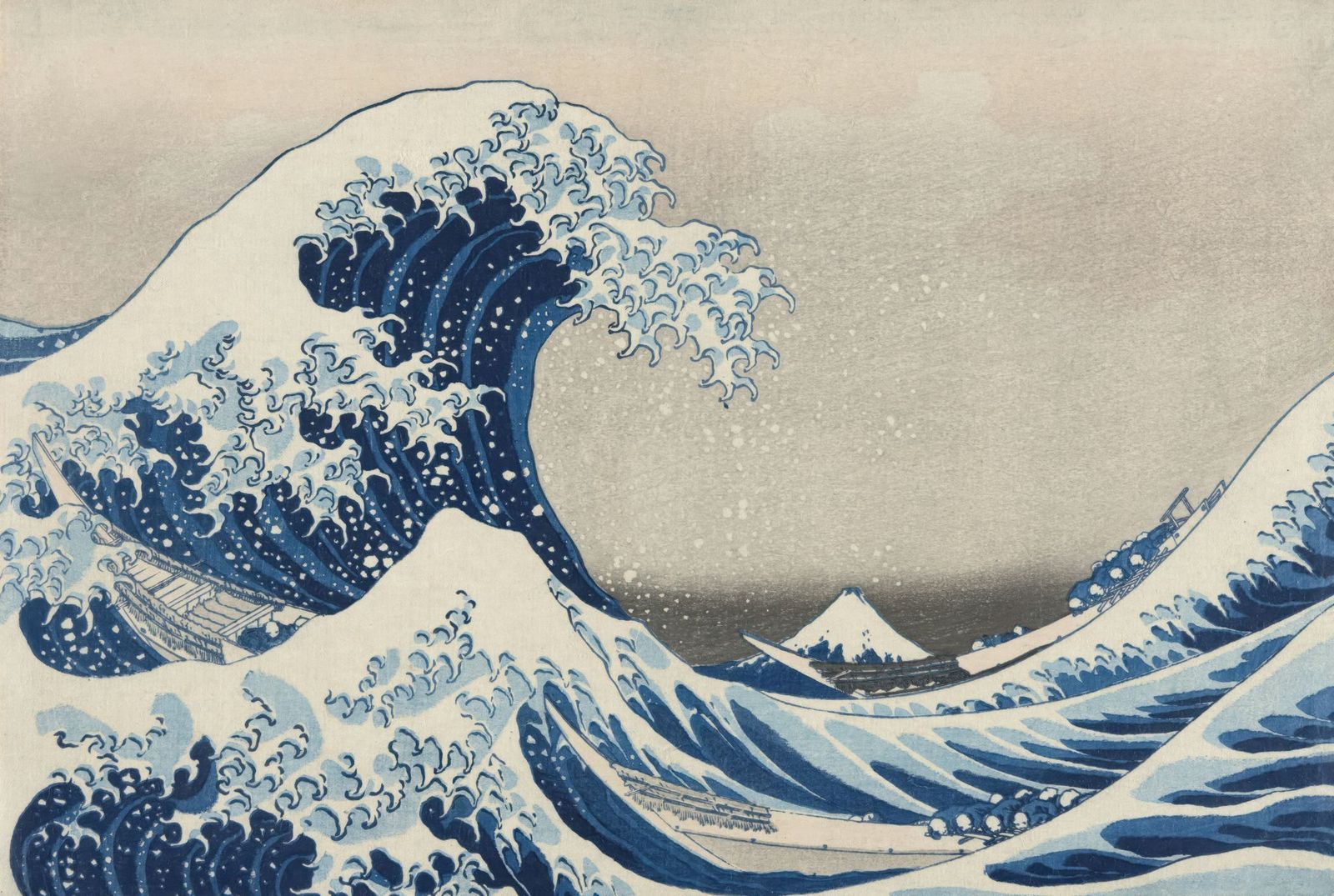
Prussian blue was born in 1706 through a lab mishap. Johann Jacob Diesbach, a German paint maker, was trying to create red carmine, but a contaminated batch of ingredients caused an unexpected chemical reaction, producing a deep blue instead.
This accidental pigment later replaced expensive ultramarine for painters, and it also became the basis for the chemical process behind architectural blueprints.
Fun fact: Purified forms of Prussian blue are still used today as a medical antidote for heavy metal poisoning.
Scheele’s Green
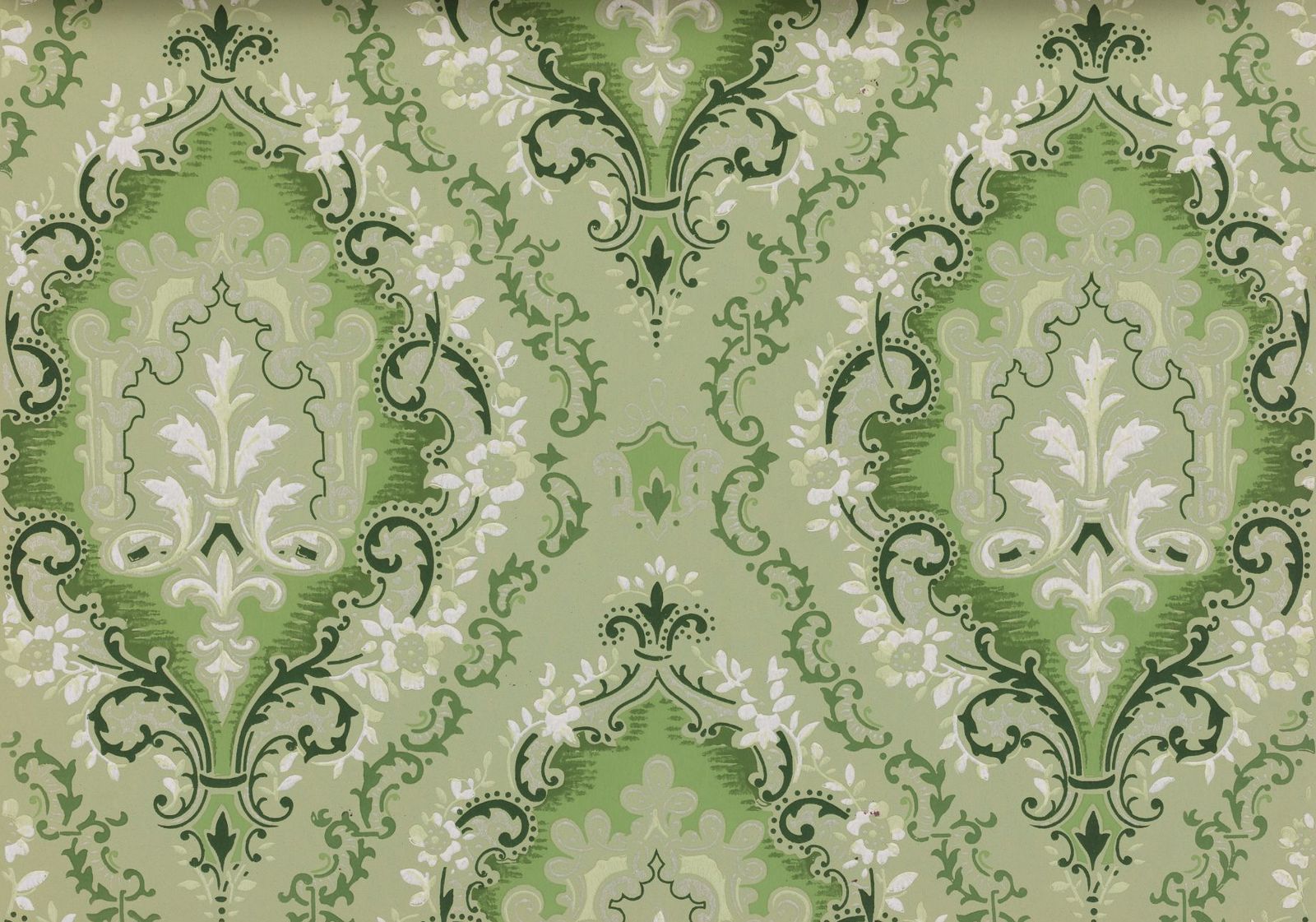
Invented in 1775 by Swedish-German chemist Carl Wilhelm Scheele, this brilliant green is obtained by mixing copper, oxygen, and arsenic. Scheele’s green became a Victorian obsession, used in everything from children’s toys and dresses to patterned wallpaper.
Tragically, factory workers suffered horrific chronic arsenic poisoning making it. Even worse, when wallpaper made with Scheele’s green got damp, mould could release poisonous arsenic gas into the air (a phenomenon believed to have contributed to Napoleon Bonaparte’s mysterious illness and death in exile).
Tyrian Purple
In the ancient world, purple was the ultimate symbol of wealth and power, often costing its weight in silver. Tyrian purple was especially prized because it resisted fading, but producing it required hard labor and cost marine life.
Derived from the mucus secretions of Murex sea snails, it took roughly 10,000 crushed snails to produce just a single gram of dye. The process left a foul stench along the Mediterranean coasts, so it was a color exclusively worn by emperors until modern technology finally figured out how to synthesize the exact same molecule using engineered bacteria.


