When sports got weird and unpredictable

10 funny and odd moments in sports history


Published on May 14, 2026
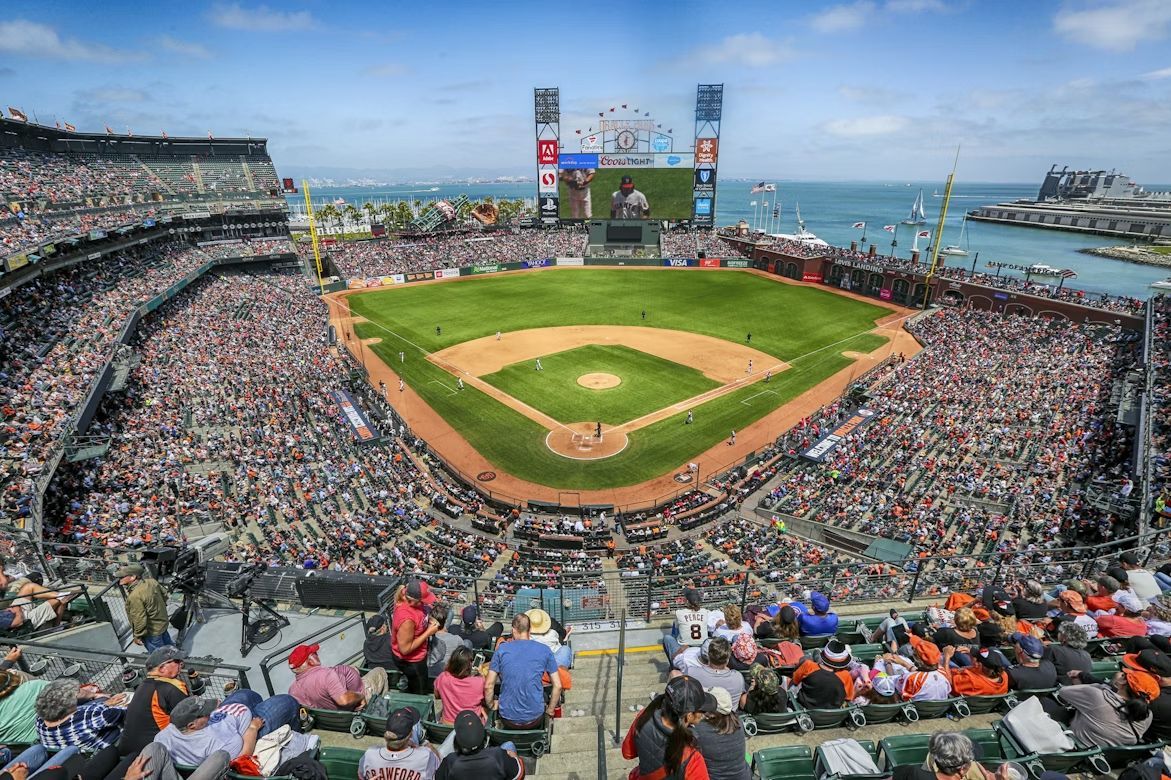

Image: Mick Haupt

Sports are supposed to be about athletic excellence, nail-biting competition, and moments of glory. But sometimes, the most memorable moments are the ones that leave us laughing, scratching our heads, or wondering whether we really saw what we think we saw. From wardrobe malfunctions to unexpected animal invasions, these 10 moments prove that sports can be just as entertaining when things go hilariously wrong.

1

The Fog Bowl (1988)

Image: Adham Ragab

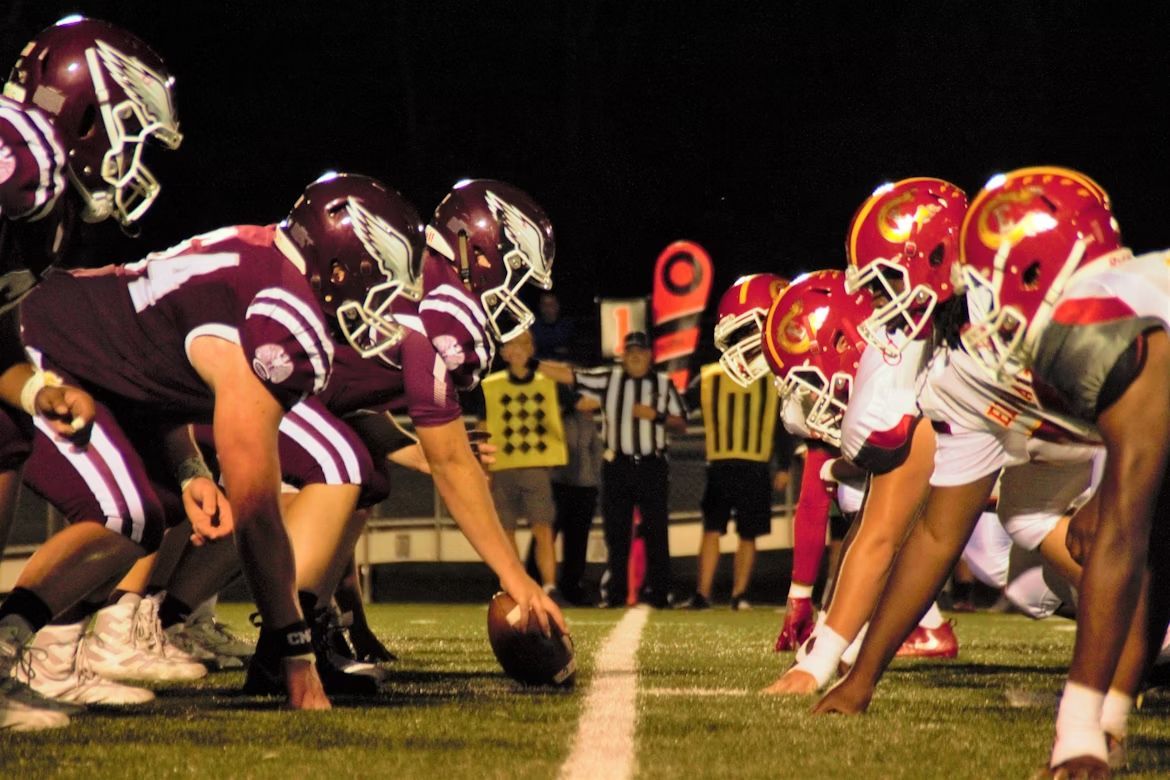
Picture this: you're watching a playoff game between the Chicago Bears and Philadelphia Eagles, and suddenly you can't see anything. Not because your TV is broken, but because the field has disappeared into a thick blanket of fog. The 1988 NFC Divisional Playoff became known as the "Fog Bowl" when dense fog rolled into Soldier Field, making it nearly impossible for players, coaches, or fans to see what was happening.

The broadcasters were reduced to guessing what was going on, and viewers at home had a better view than the 65,000 fans who paid to be there. The Bears won 20-12, though no one could really see how.

2

Randy Johnson Explodes a Bird (2001)

Image: Ragib Huda

Randy Johnson was known as "The Big Unit" for his intimidating 6'10" frame and blazing fastball. But on March 24, 2001, he became known for something entirely different: killing a bird mid-flight with a pitch. During a spring training game against the San Francisco Giants, Johnson wound up and released a fastball just as a dove flew across the plate. The result was an explosion of feathers that left everyone stunned.

3

The Butt Fumble (2012)

Image: Muyuan Ma

The Butt Fumble was performed by New York Jets quarterback Mark Sanchez on Thanksgiving Day in 2012. Facing the New England Patriots, Sanchez took the snap, tried to run forward, and crashed directly into his own offensive lineman's backside, fumbling the ball in the process. The Patriots scooped it up and ran it back for a touchdown.

4

Disco Demolition Night (1979)

Image: Eric Krull

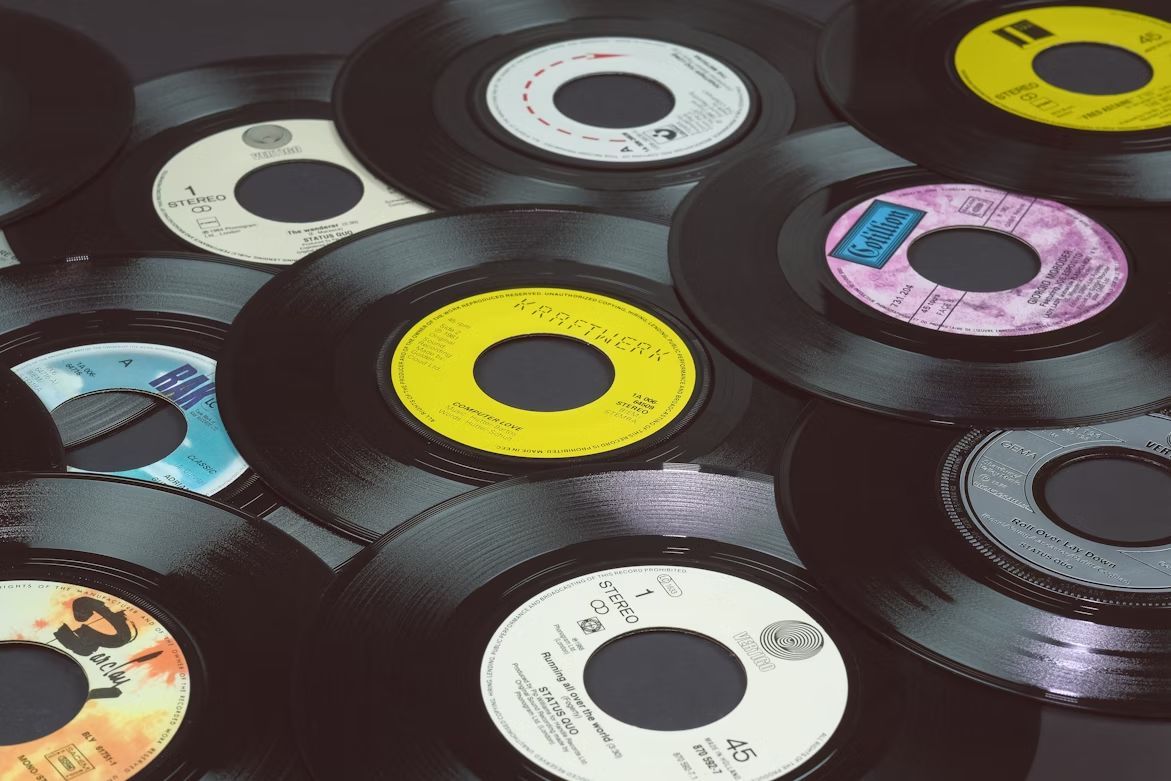
On July 12, 1979, the Chicago White Sox hosted "Disco Demolition Night" between games of a doubleheader. The promotion invited fans to bring disco records to be blown up on the field in exchange for discounted admission. Radio DJ Steve Dahl hyped up the event, and way more people showed up than expected.

After the first game, Dahl detonated a crate of disco records in center field, creating a massive explosion. Thousands of fans then stormed the field, tearing up chunks of grass, stealing bases, and causing widespread damage.

5

Wrong Way Riegels (1929 Rose Bowl)

Image: Mark Stuckey

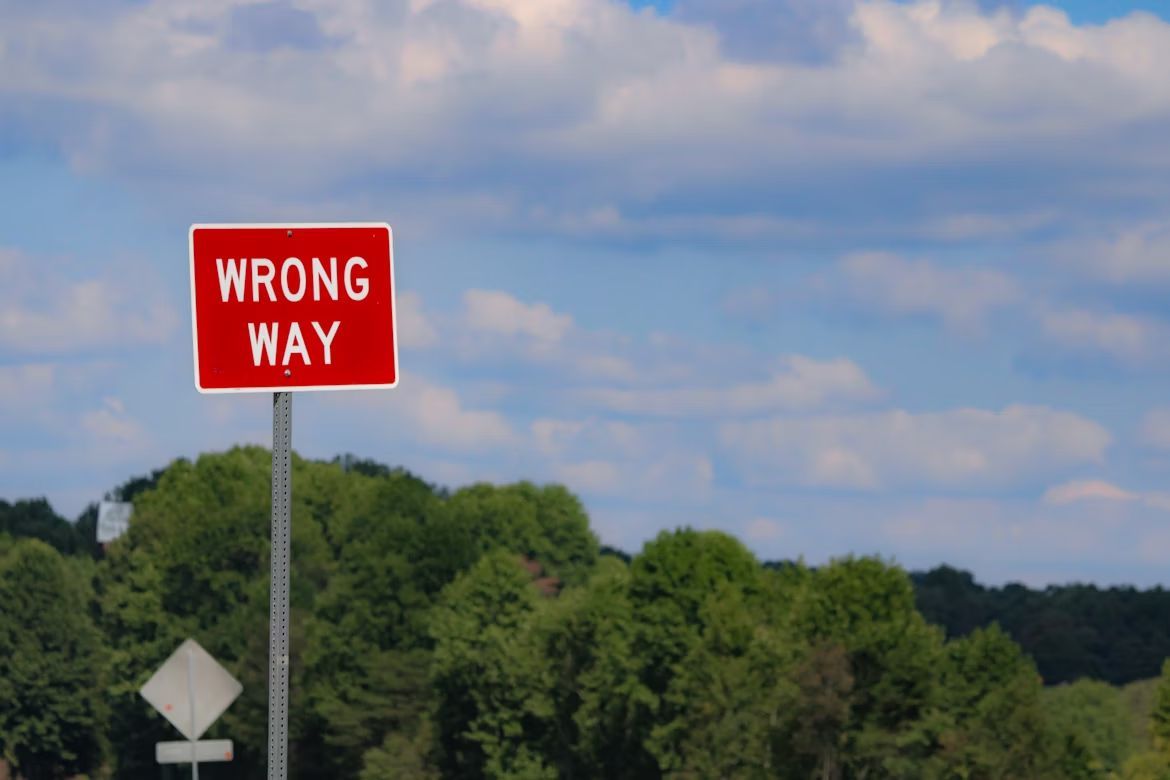
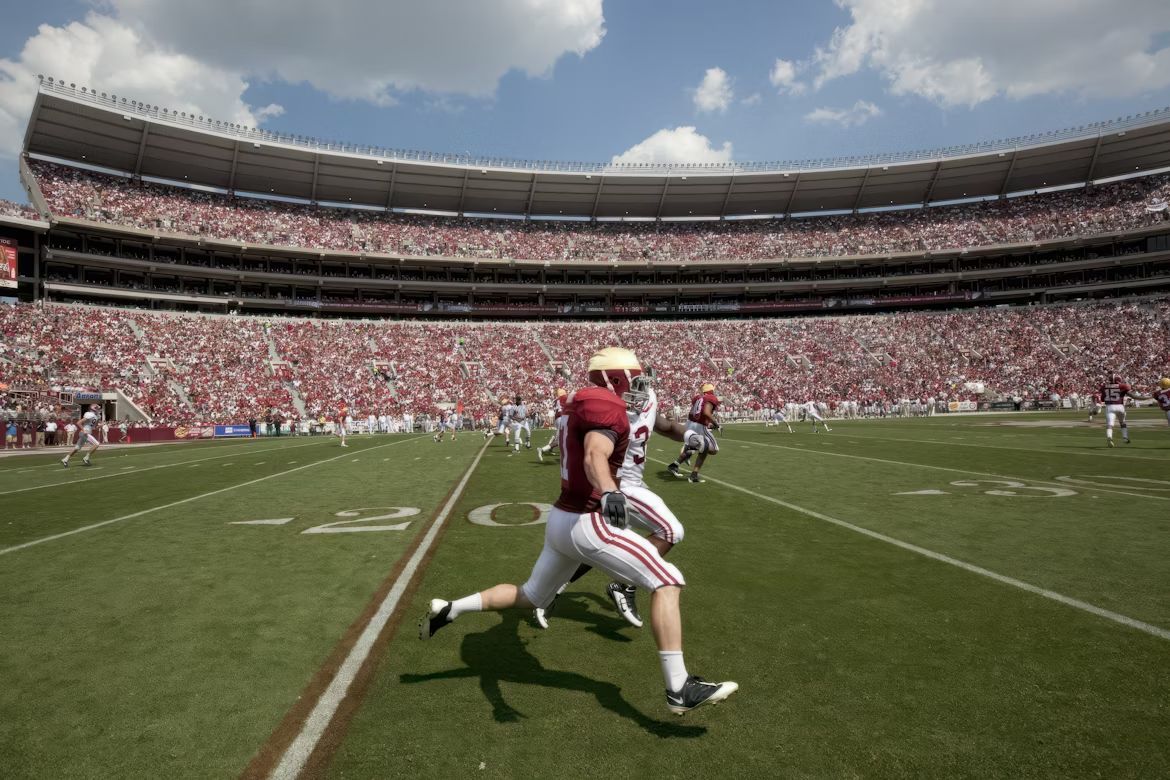
Roy Riegels earned an unfortunate nickname that followed him for the rest of his life: "Wrong Way Riegels." During the 1929 Rose Bowl, played between California and Georgia Tech, Riegels scooped up a fumble and took off running—unfortunately, he ran 69 yards in the wrong direction toward his own end zone. His teammate, Benny Lom, chased him down the field, screaming for him to stop, finally tackling him at the one-yard line.

6

The Hand of God (1986)

Image: Carmen Laezza

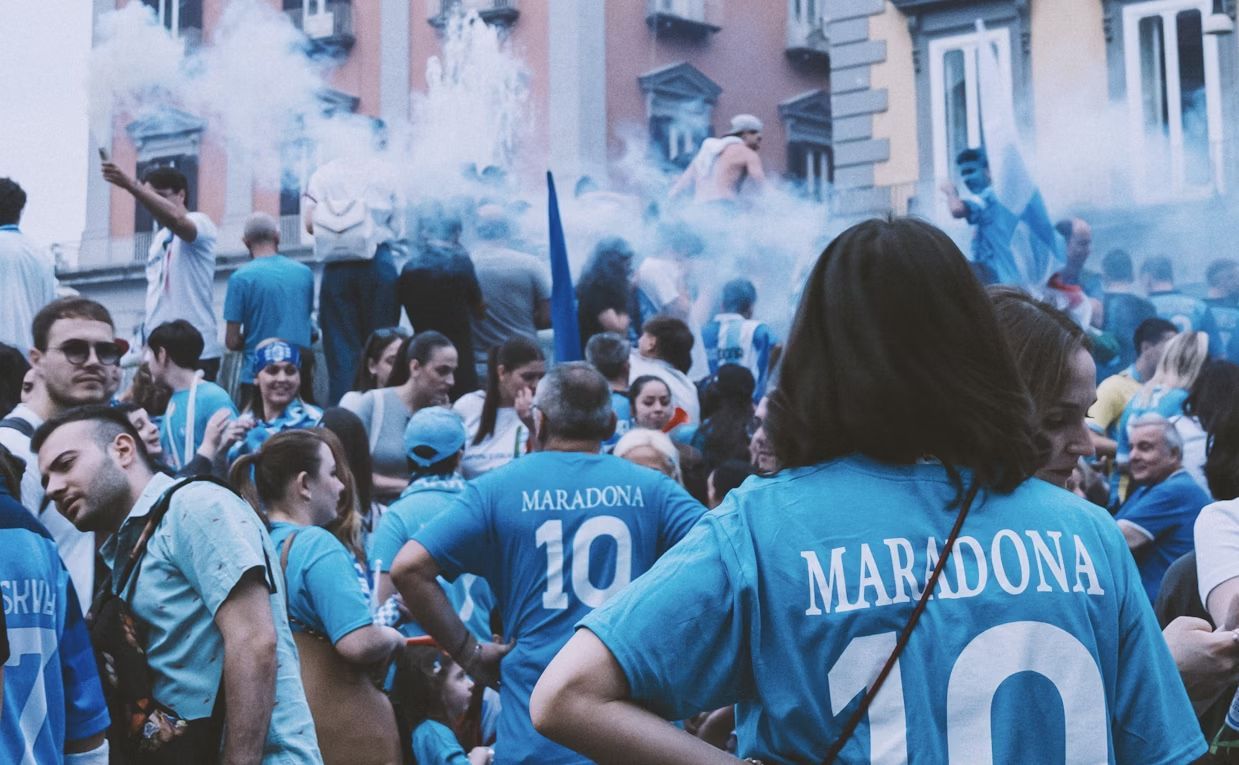
Diego Maradona was one of soccer's greatest players, but one of his most famous goals was also his most controversial. During the 1986 World Cup quarterfinal match between Argentina and England, Maradona jumped for a ball in the box and punched it into the net with his hand. The referee didn't see it and allowed the goal to stand, despite furious protests from the English team.

After the game, Maradona claimed the goal was scored "a little with the head of Maradona and a little with the hand of God," which is how it earned its nickname. Argentina went on to win the match 2-1 and eventually won the World Cup.

7

Malice at the Palace (2004)

Image: JC Gellidon

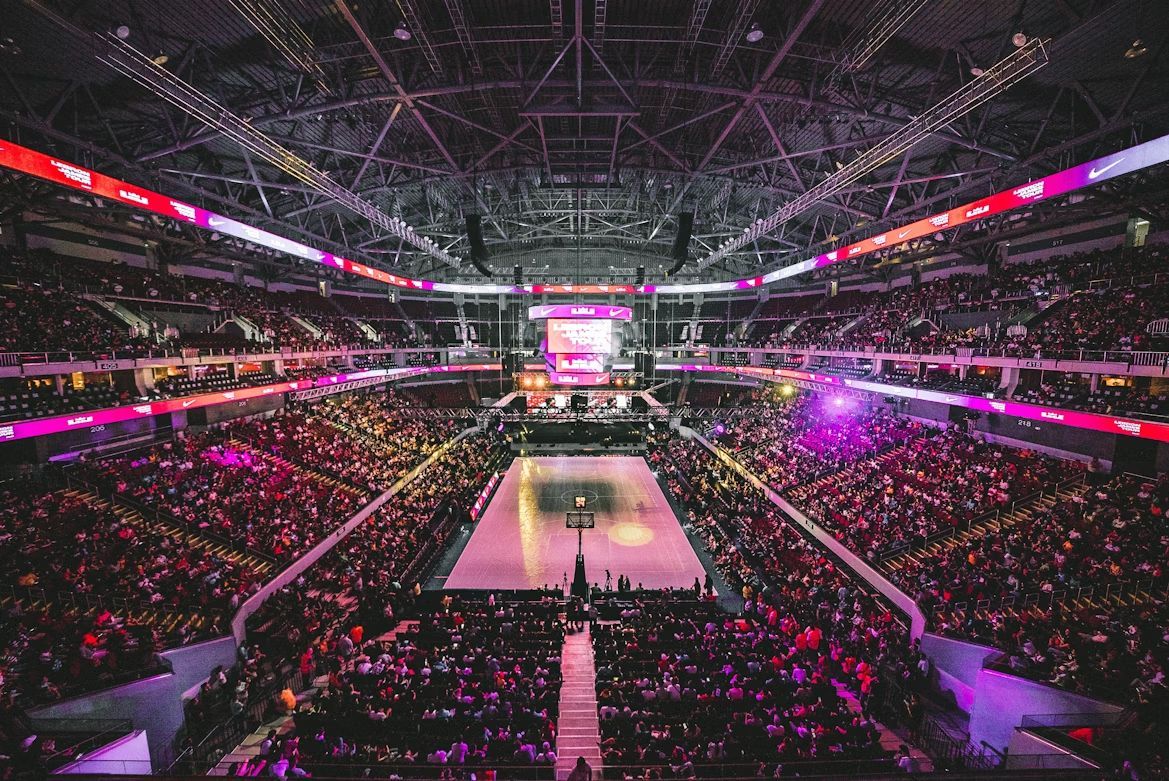
The brawl between the Indiana Pacers and Detroit Pistons on November 19, 2004, was not just a fight; it was a full-scale riot that spilled into the stands. It began with a hard foul and escalated when Ron Artest (later known as Metta World Peace) lay down on the scorer’s table. A fan threw a cup of beer at him, prompting Artest to charge into the stands and throw punches at spectators.

Other players followed, and chaos erupted with fans and players fighting throughout the arena. The fallout was severe: Artest was suspended for the rest of the season (86 games), and eight other players received suspensions totaling 146 games.

8

The Immaculate Reception (1972)

Image: Riley McCullough

In a 1972 playoff game between the Pittsburgh Steelers and Oakland Raiders, Steelers quarterback Terry Bradshaw threw a desperation pass with 22 seconds left. The ball ricocheted off either Raiders safety Jack Tatum or Steelers receiver Frenchy Fuqua—no one's quite sure which—and bounced backward. Steelers running back Franco Harris scooped the ball just before it hit the ground and ran it in for a touchdown, giving Pittsburgh a stunning 13-7 victory.

9

Streaker Tackles Rugby Ref (2002)

Image: Nicholas Green

Streakers are nothing new in sports, but one particularly ambitious individual took things to a new level during a 2002 rugby match in Australia. A naked man sprinted onto the field during a match between the Sharks and the Roosters, evading security guards with surprising athleticism. But instead of just running around, he decided to tackle referee Bill Harrigan, bringing him to the ground in what may be the only naked tackle in professional sports history.

10

Jim Marshall's Wrong Way Run (1964)

Image: Carol Highsmith's America

Before Jim Marshall, there was Wrong Way Riegels—but Marshall's infamous mistake is the one etched into NFL blooper history. During a 1964 game between the Minnesota Vikings and the San Francisco 49ers, the defensive end scooped up a fumble and ran 66 yards—straight into the wrong end zone. Marshall threw the ball out of bounds in celebration, giving the 49ers a safety. His teammate Carl Eller tried to chase him down to tell him he was going the wrong way, but couldn't catch him.


Popular, but untrue

It didn’t happen: 10 history myths that are regarded as true


Published on May 14, 2026


Image: Hartono Creative Studio

A big part of history is dependent on who’s telling it, but some facts are indisputable. However, some stories have become so widespread —be it because of popular legend or by honest mistake— that most would assure them to be true. Some have even been transmitted for generations, but they happened in a different way or not at all. Let’s revise 10 historic "facts" that are just myths.

1

Vikings wore horned helmets

Image: Steinar Engeland

The idea that Viking helmets had horns is consistent with their fame as frightening warriors, but it is simply not true. This misconception is a result of 19th-century artists, such as Richard Wagner, and their interest in the Middle Ages, which, in many cases, involved inventing facts when reliable information was lacking. We now know that Vikings wore cap-like helmets with nose guards, and without any protruding elements.

2

Marie Antoinette said, ‘Let them eat cake.’

Image: Takuya Nagaoka

The French Revolution and its rejection of the monarchy led to Marie Antoinette having a tarnished reputation, with many accusing her of not caring about her subjects and living an extravagant life while the French people suffered. The phrase ‘let them eat cake’, attributed to her, is a big part of this, but no matter how she actually behaved, we know as a fact that she never said it. This phrase was attributed to an unnamed princess by philosopher Jean Jacques Rousseau, but at that time, Marie Antoinette was 9 years old and still lived in Austria.

3

George Washington had wooden teeth

Image: Enis Yavuz

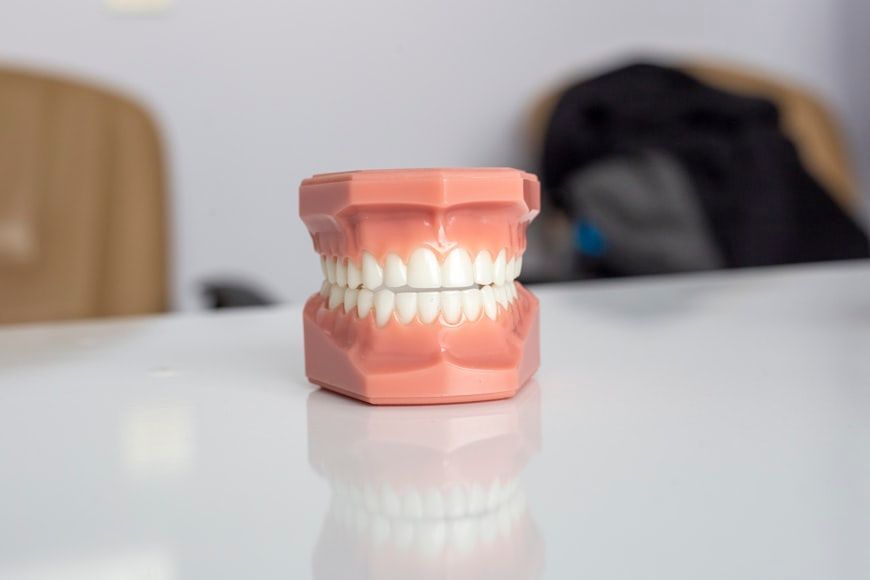
While the father of the nation did wear dentures, the widespread belief that these were made out of wood is not true. Historians have confirmed that his dentures were made from a mix of different materials, including ivory, human teeth, animal teeth, and metallic pieces. The idea that these were wooden is most likely a result of the brownish appearance of stained ivory.

4

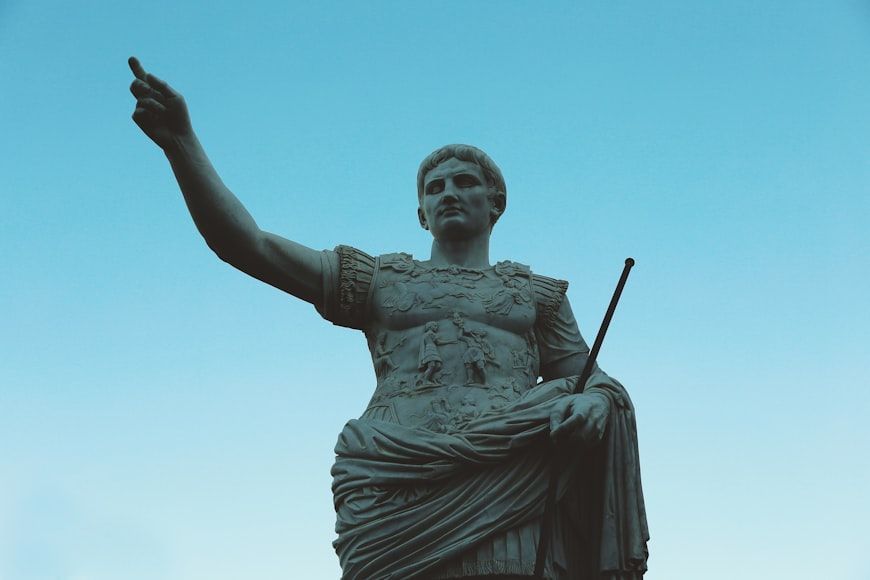
Emperor Nero burned Rome intentionally

Image: Ricardo Gomez Angel

Roman emperor Nero has a well-deserved reputation as a tyrant. He habitually murdered opponents, persecuted thousands of Christians, and was known to enjoy animal cruelty. However, there is no solid proof that he intentionally started the fire of Rome, although we know that he did nothing to stop it, and played music as he watched the city burn. The fire was most likely an accident, and Nero took advantage of it to rebuild Rome in grandeur.

5

Medievals believed the Earth to be flat

Image: Andrew Stutesman

Scholars have known the Earth is a sphere since classical antiquity, and medievals inherited that knowledge from the ancient Greeks. Why did they not travel to the West then? Is not that they thought they would reach the end of the world, but that they were unsure of the dangers of such a travel. The idea of medieval people as flat-earthers is a result of 19th-century writers' concept of the Middle Ages as a ‘dark time’ of ignorance.

6

American independence was declared on July 4th

Image: The New York Public Library

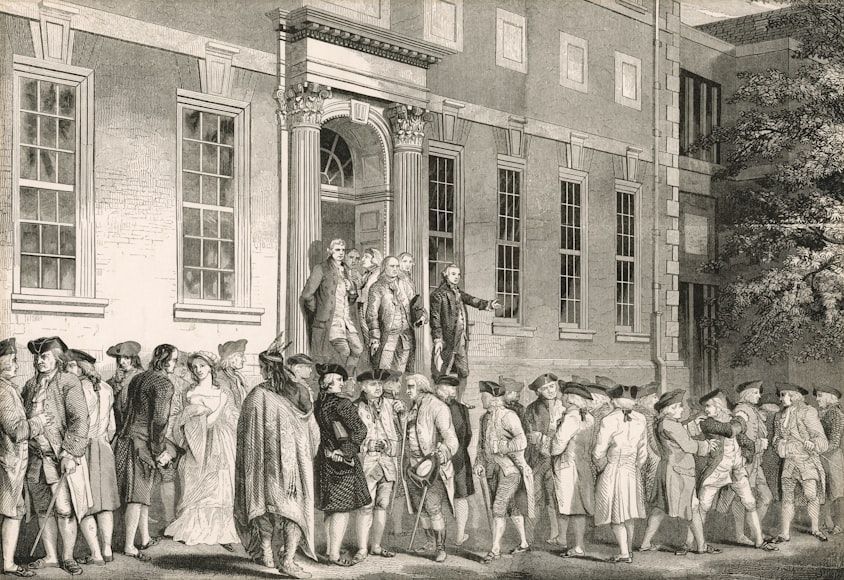
To the surprise of many, the Continental Congress declared independence from Great Britain on July 2nd. But why is Independence Day not celebrated on that date? Founding Father John Adams asked the same question. While the voting was done on the 2nd, the document was finalized and distributed on the 4th, and most delegates adopted that date. John Adams wrote extensively about the importance of July 2nd, and he reportedly declined invitations to 4th of July celebrations in protest.

7

People were burned at the stake during the Salem witch trials

Image: Wesley Tingey

The Salem witch trials were undoubtedly outrageous, and modern historians believe that the result was mass hysteria. However, the idea that convicted individuals were burned at the stake is just a popular myth. 19 people were executed by hanging, and one other died during interrogation due to torture. In the years after, it was proven that evidence of witchery was fabricated, and the trials were declared unlawful.

8

Julius Caesar said, ‘Et tu, Brute?’

Image: tommao wang

While historians and chroniclers have several theories about Julius Caesar’s dying words, we know for a fact that he never said ‘_Et tu, Brute?’ (You too, Brutus?) to his adoptive son. This phrase was coined by Elizabethan playwright Richard Edes and later popularized by William Shakespeare. What did Caesar say instead? We don’t know, but the prevailing theories are that he remained silent or that he spoke in Greek and said ‘_καὶ σύ, τέκνον?" (‘You too, child?’).

9

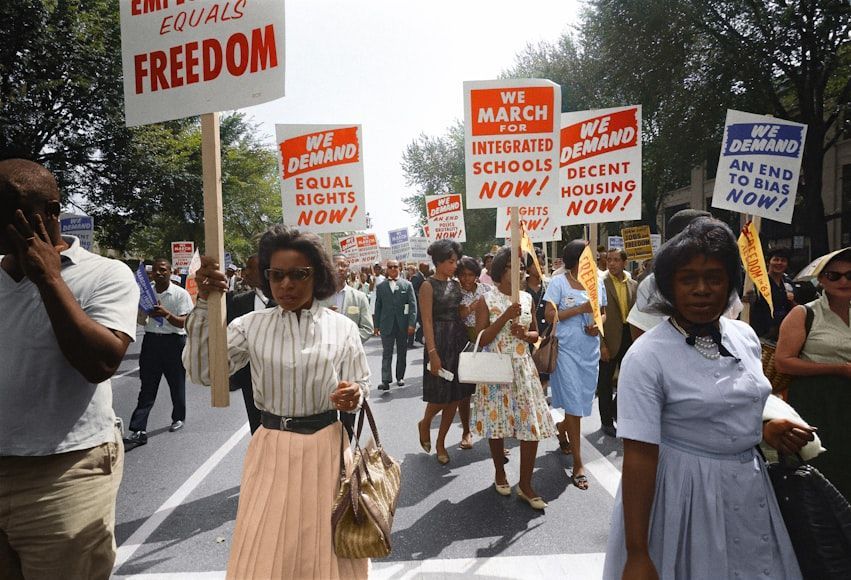
Rosa Parks was sitting in the ‘white’ section of the bus

Image: Unseen Histories

When Rosa Parks refused to give up her seat, she knew she was making a political statement. However, contrary to what many believe, she was sitting on a part of the bus that African Americans were allowed to use. Why was she asked to give up the seat, then? She was sitting in a section that was for everyone, but where white people had priority. When the white section became full, she was asked to give up her spot. She refused, and the rest is history.

10

Galileo Galilei was executed by the Catholic Church

Image: Matthew Ansley

The story of Galileo Galilei’s trial is one of the most widespread historical myths, and most people are certain that he was tortured because of his beliefs and then executed. Galileo was indeed tried by the Church, but it was not the simplistic case of science vs. faith most believe it to be. In reality, it was a scientific debate and, while Galileo was ultimately right in defending Heliocentrism, he failed to prove it. After the trial, he received house arrest in a villa, where he died of natural causes.

Looking for an extra scoop of literary fun?

Learn more with our Word of the day

remuneration

/rəˌmjunəˈreɪʃən/