Spot the Clues

10 famous spies & detectives who made us love solving mysteries


Published on September 15, 2026

Image: alexkoral

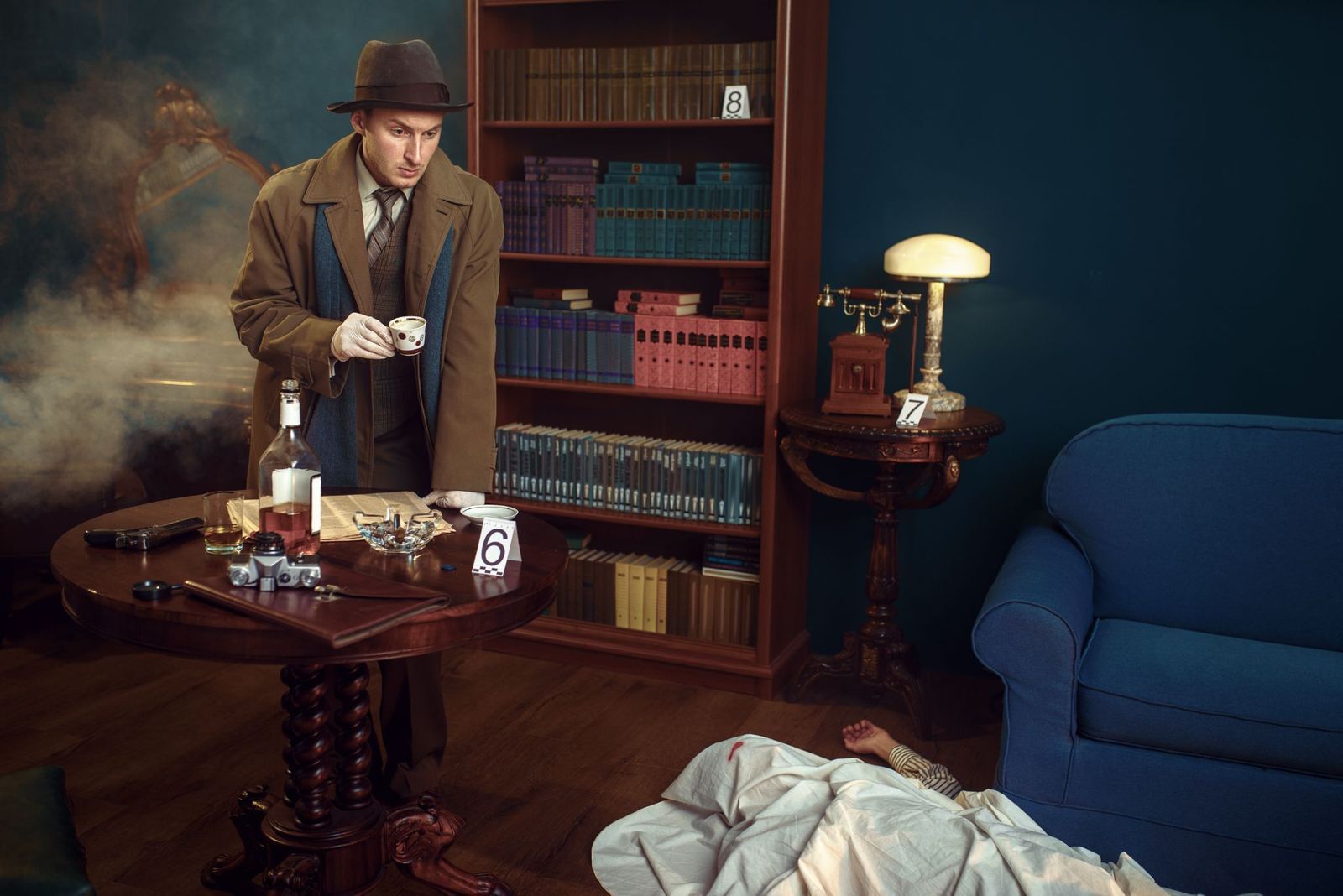
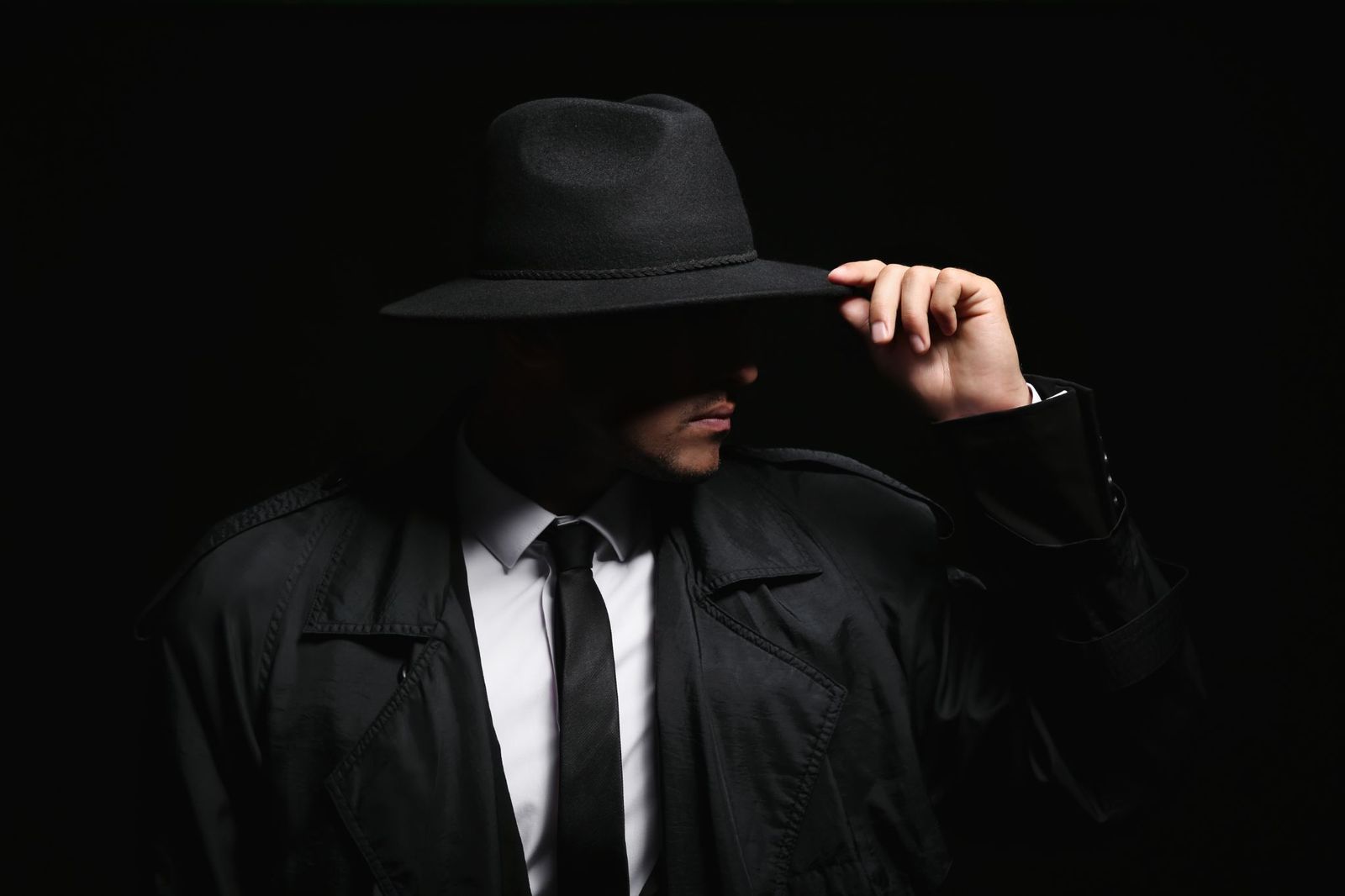
Some wore funny hats, some carried magnifying glasses, and all of them knew how to keep a secret. If you’ve ever dreamt of being an undercover agent, or you’re fascinated with piecing together clues and solving mysteries, then this article is for you. From James Bond to Miss Marple, here are 10 unforgettable fictional spies and detectives who have kept us guessing for decades. Let’s uncover the characters, quirks, and clever tricks that made them impossible to forget.

1

James Bond

Image: Sergii Figurnyi

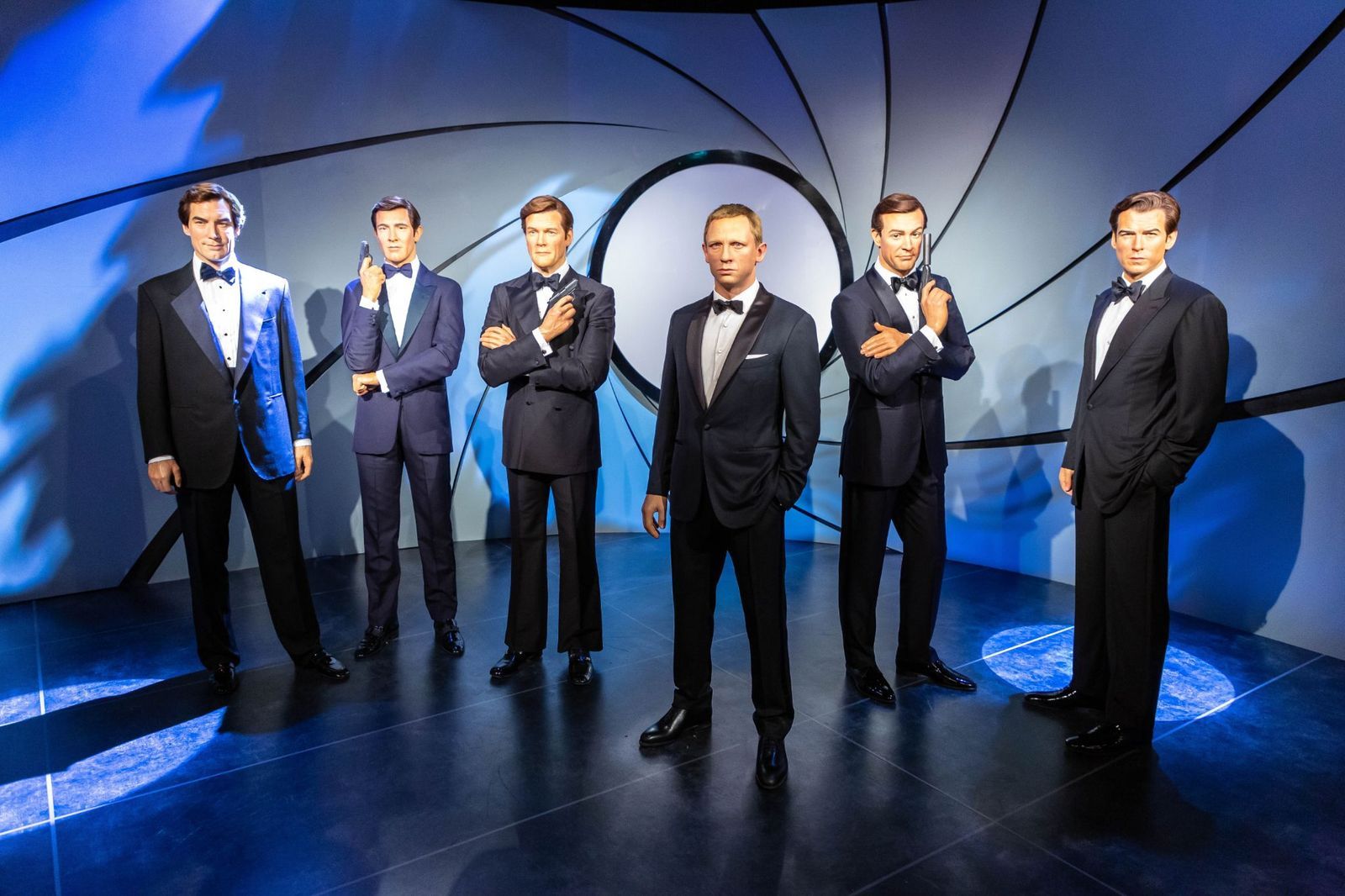
"My name is Bond, James Bond" is one of the most recognizable introductions in pop culture. With the codename 007, he is the quintessential British fictional secret agent who redefined the spy thriller genre and fueled a global fascination with espionage.

Created by Ian Fleming in 1953, Bond is known for combining high-stakes intelligence operations, the latest technology that seemed almost futuristic, and exotic locations filled with glamour and danger. He has been portrayed by numerous actors over the years, with his larger-than-life persona standing out above all else.

2

Miss Marple

Image: SviatlanaLaza

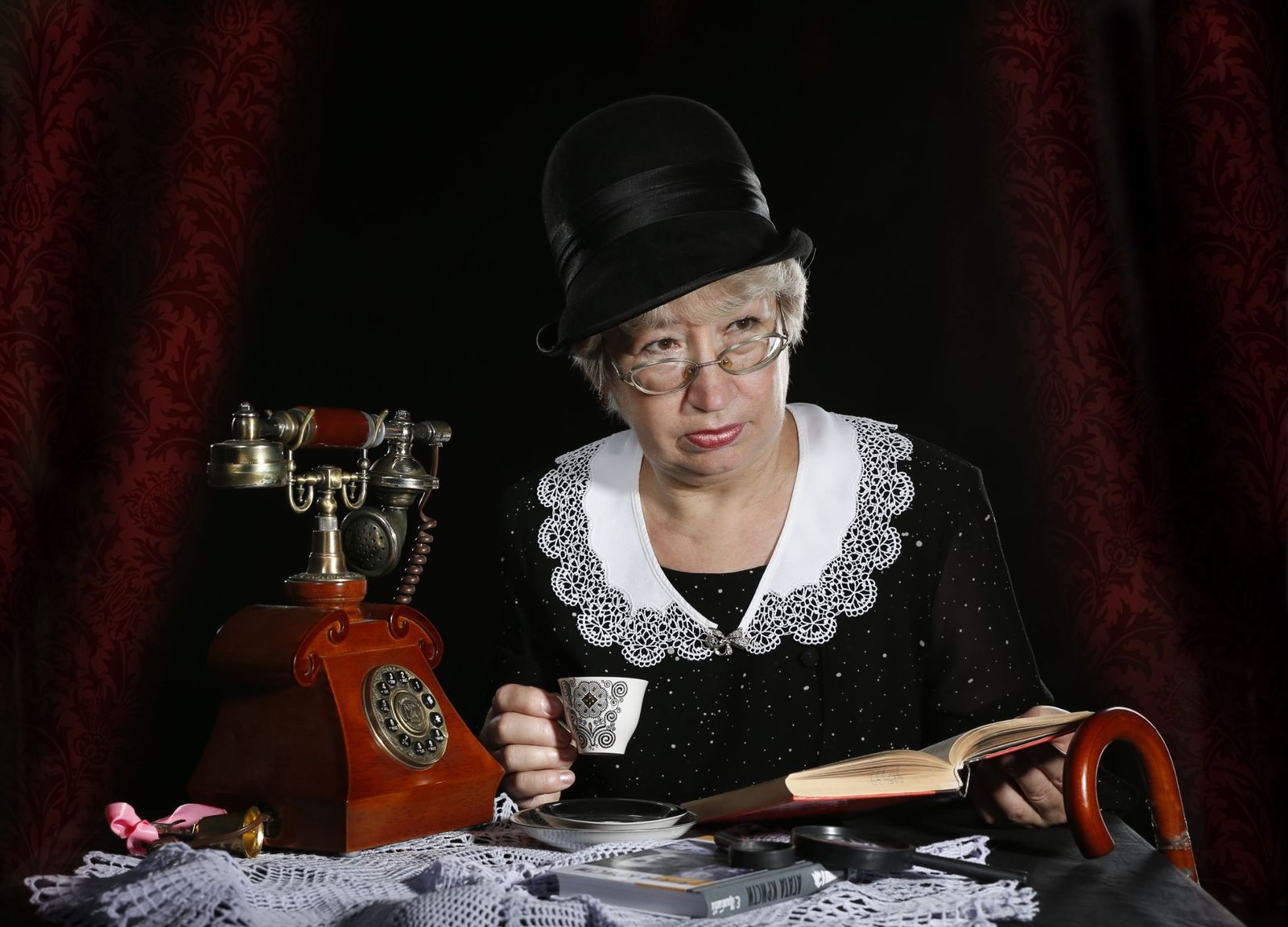
Miss Marple is one of the most beloved amateur sleuths in literary history, created by the legendary "Queen of Crime," Agatha Christie. Living in the quiet, fictional English village of St. Mary Mead, Jane Marple first appeared in the 1930's novel The Murder at the Vicarage.

One of the most beloved things about Miss Marple is that despite her looking like a sweet, elderly woman who might be more interested in knitting than murder, she has an incredibly sharp intellect and a remarkable understanding of human nature. This allowed her to solve mysteries that baffle professional policemen by drawing brilliant parallels between serious crimes and seemingly insignificant bits of village gossip. Never underestimate the quiet lady in the corner.

3

Charlie’s Angels

Image: Asia Evtyshok

You probably have a favorite. Sabrina, Jill, and Kelly, the Charlie’s Angels, revolutionized the detective genre in the 1970s by proving that crime-fighting could be glamorous, action-packed, and, above all, female-led. Originally portrayed by Farrah Fawcett, Kate Jackson, and Jaclyn Smith, the Angels became instant pop culture icons.

Working for the wealthy, mysterious, and never-seen billionaire Charles "Charlie" Townsend, this trio of private investigators used their sharp wits, martial arts, and high-tech gadgets to crack cases that baffled traditional law enforcement and the public for decades.

4

Jason Bourne

Image: Erman Gunes

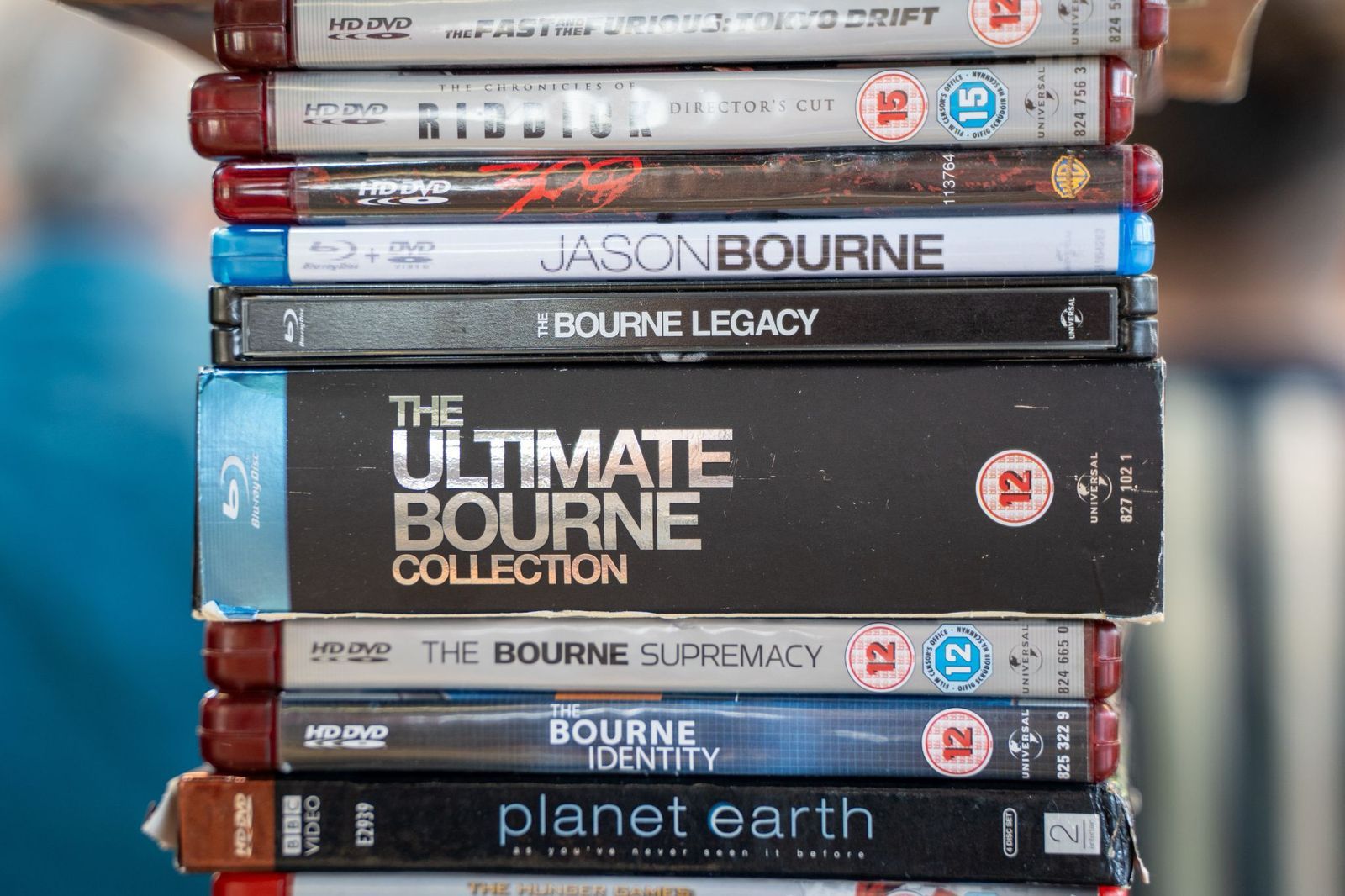
David Webb, better known by his alias, Jason Bourne, is a fictional CIA-trained operative and the central protagonist of the Bourne franchise, created by novelist Robert Ludlum in 1980.

He famously suffers from severe memory loss, triggering a desperate quest to discover his true identity while running from the very agency that trained him. He has unmatched hand-to-hand combat skills, is an expert at improvising everyday objects into weapons, and is highly adept at blending into crowds; abilities he doesn’t know he possesses until he needs them.

5

Sherlock Holmes

Image: New Africa

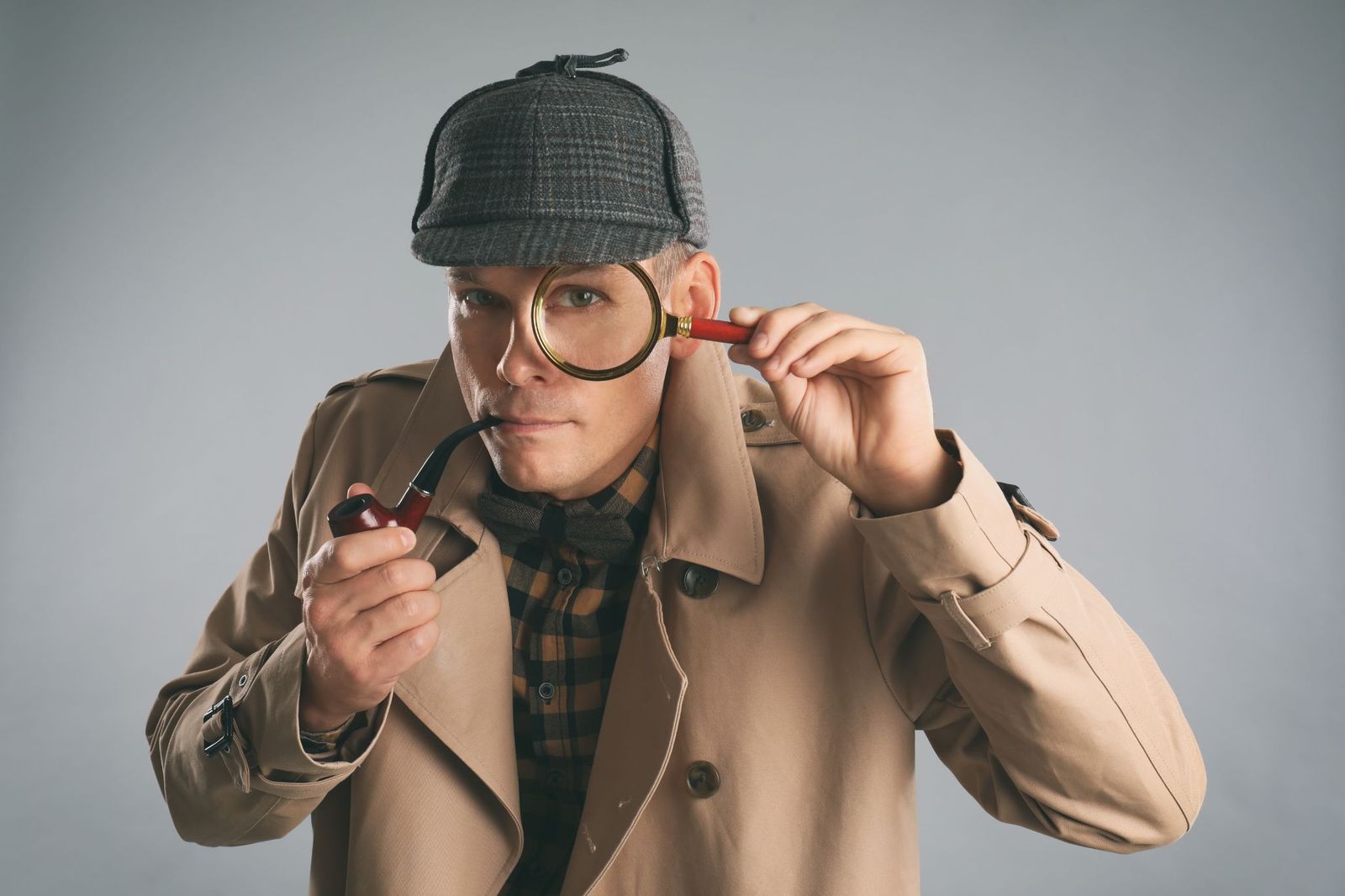
If you love solving mysteries, then there is no doubt you know this character, possibly even better than some of your friends. Holmes is the fictional London detective created by Sir Arthur Conan Doyle who uses logic and observation to solve seemingly impossible cases.

He first appeared in print in 1887 in A Study in Scarlet. Operating out of his famous residence at 221B Baker Street in London, Holmes is the archetypal genius sleuth whose methods helped shape the detective fiction genre forever. Also known for being moody, cold, and aloof, his friend Dr. Watson provided a more humane perspective, both within the stories and for the readers’ comfort.

6

Jessica Fletcher

Image: Albo

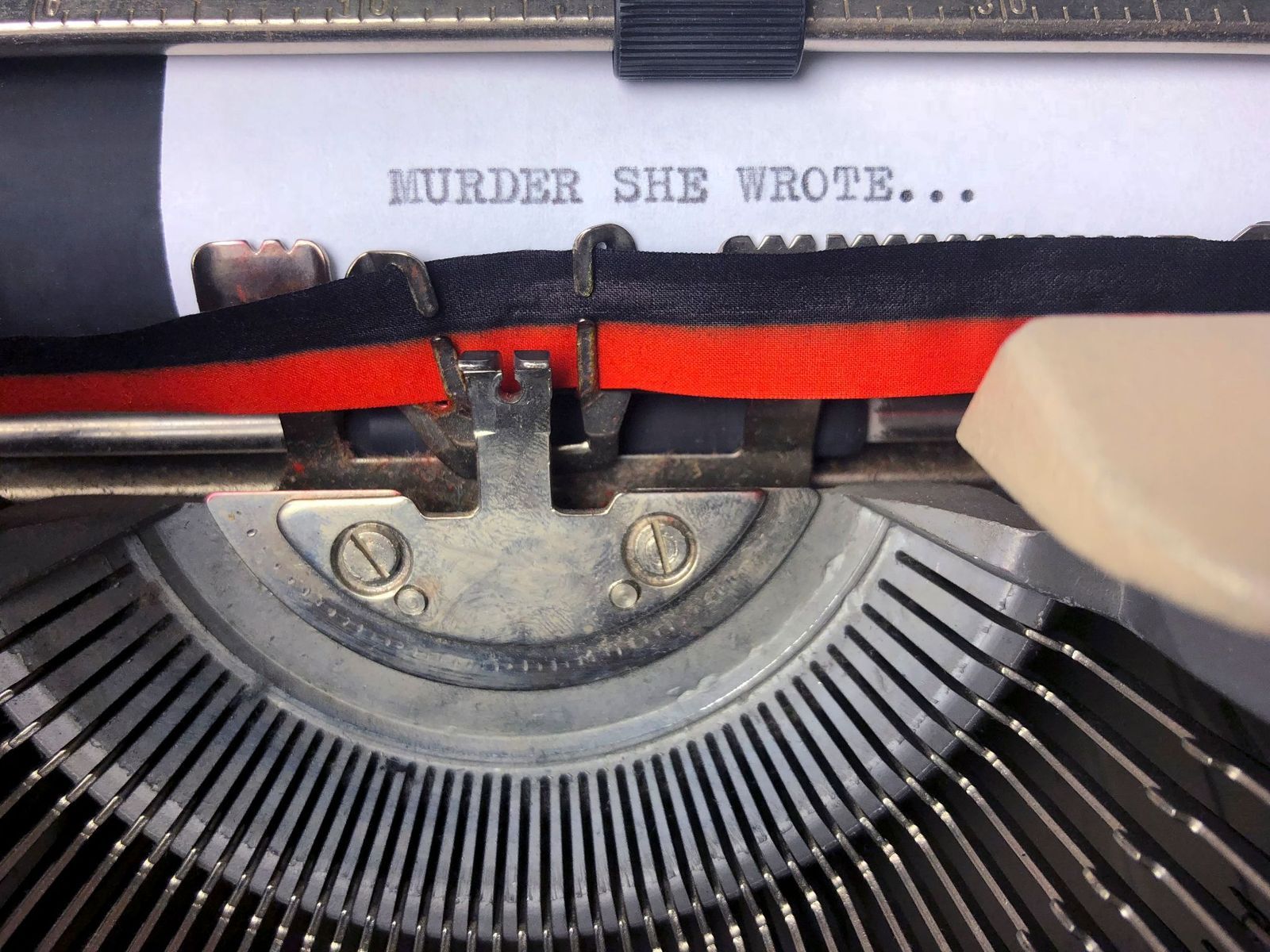
Jessica Fletcher is the famous fictional mystery writer and amateur sleuth from the television series Murder, She Wrote. She is a bestselling mystery novelist who lives in the fictional coastal town of Cabot Cove, Maine.

She has some sort of curse, since murder follows her everywhere she goes, whether she visits friends or travels the world. Luckily, she uses sharp observation and logic to solve crimes before the local police do.

7

Austin Powers

Image: Snap Spot

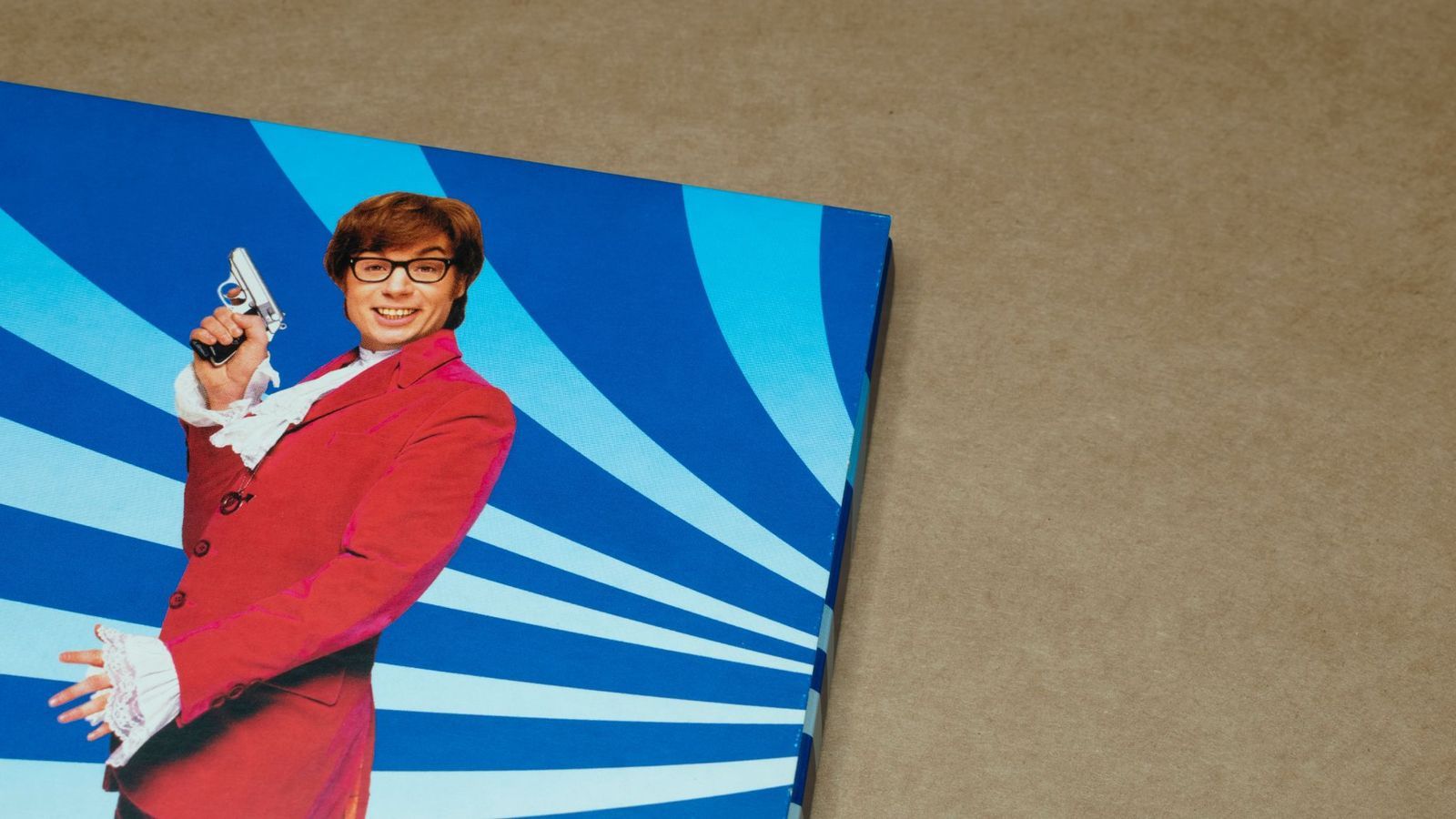
"It’s groovy, baby!" If what you’re looking for is solving crimes while having fun, Austin Powers, famous for saying this catchphrase, is the one. Powers is a comedic British secret agent and a hilarious parody of James Bond, created and played by actor Mike Myers.

Just like Bond, he works as a secret agent for the British government. The incredible twist is that he is frozen in the 1960s and wakes up in the 1990s. When he does, Powers keeps his 1960s clothes, slang, and wild personality, completely surprising everybody with his eccentricities. He may have been a terrible fit for the modern world, but that was precisely the joke.

8

Columbo

Image: Nomad_Soul

Detective Columbo is a famous fictional television detective, played by Peter Falk, known for his old raincoat and brilliant mind. He worked as a Lieutenant in the Los Angeles Police Department.

The show ran from 1968 to 1978, with later television movies airing through 2003, becoming a fan favorite, especially for Columbo’s seemingly clumsy, forgetful, and endlessly polite manners that made suspects underestimate him. In the end, he would always turn back at the door to say, "Just one more thing..." before asking the question that could unravel the entire case.

9

Maxwell Smart (Agent 86)

Image: New Africa

Maxwell Smart, also known as Agent 86, is a fictional, bumbling secret agent from the classic 1960s comedy television series Get Smart, played by Don Adams, who won three Primetime Emmy Awards for his portrayal of Smart.

With unforgettable code names, Smart worked for CONTROL, a secret U.S. government counter-intelligence organization, while constantly fighting KAOS, an international syndicate of evil. Above all, he stood out from the rest because he turned the serious, high-stakes world of 1960s secret agents into a hilarious television comedy.

10

Hercule Poirot

Image: CapturePB

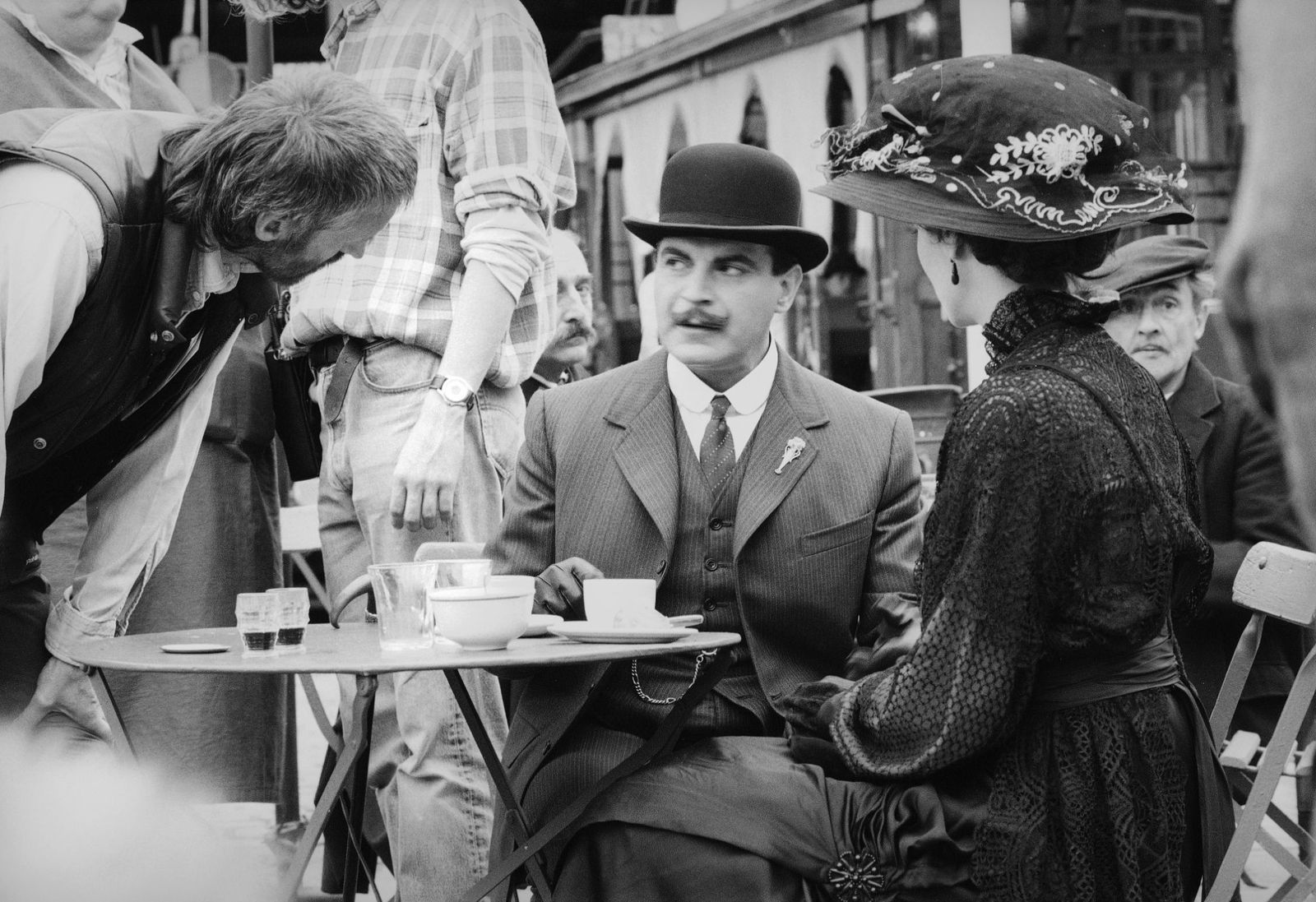
Hercule Poirot, created by writer Agatha Christie in 1920, quickly became a brilliant Belgian detective who relies entirely on his brainpower (his "little grey cells"), solving complex murders using extreme logic and psychology.

He also stood out for being very observant, sitting quietly to process facts rather than chasing clues outdoors. He was meticulous, orderly, and devoted to his routines. His distinctive look also makes him especially memorable, including his egg-shaped head, elegant clothes, and stiff, waxed mustache.


BAD IDEAS

Crash and burn: The 10 biggest product fails of all time


Published on September 15, 2026


Image: Steve Johnson

Not every innovation is destined to succeed. Some ideas might sound promising on paper but fail to meet real-world consumer needs. And these flops aren’t always easy to prevent— even the most successful companies make mistakes that end up costing millions. From the infamous Ford Edsel to Colgate-branded frozen meals, there’s no shortage of failed products that should have never left the drawing board. Join us on a journey through 10 of the biggest commercial failures of all time!

1

New Coke

Image: James Yarema

In 1985, Coca-Cola made the bold decision to change its classic formula in an attempt to compete with the rising popularity of Pepsi. The new version, known as "New Coke," was sweeter and aimed at capturing Pepsi's younger customer base. Coca-Cola’s executives believed this shift would boost sales but completely underestimated the emotional attachment millions of loyal Coke drinkers had to the original formula.

Consumer outrage was immediate, and the company was flooded with angry letters, petitions, and protests, all accompanied by disappointing sales. Just three months later, Coca-Cola was forced to reintroduce the original formula under the name Coca-Cola Classic. The episode is now remembered as a cautionary tale about the risks of tampering with beloved brands.

2

Ford Edsel

Image: Peter Secan

Though you may have never heard of it, the Edsel was Ford's failed attempt to introduce a new automotive brand in the late 1950s. Marketed as the car of the future and named after Henry Ford’s son, Edsel Ford, the first model featured innovative elements like a push-button transmission and an overall modern design.

Unfortunately, it became a major commercial flop. While Ford executives expected it to dominate its price segment, consumers found the car unattractive and plagued by mechanical issues. The marketing hype had raised expectations so high that the car ultimately failed to live up to them, leading to one of the biggest automotive failures in history.

3

Harley-Davidson Perfume

Image: Bruno Kelzer

Anyone with common sense would know that perfumes and Harley-Davidsons are not exactly a match made in heaven. The rugged, tough image of the motorcycle brand doesn’t align well with the idea of a pleasant fragrance—unless grease and gasoline are your go-to cologne.

Well, despite this being obvious, Harley-Davidson briefly ventured into the fragrance business in the 1990s. The ill-advised idea didn’t last long, as the brand’s consumers were confused by it, and the high-end fragrance market showed little interest. The result? The mismatched perfume was quietly pulled from shelves shortly after its release.

4

Segway

Image: Les Corpographes

While not a complete failure—similar devices made by other companies are still being made after all—the product never lived up to its inflated expectations. When the Segway was introduced in 2001, it was billed as a groundbreaking personal transport device that would revolutionize how people got around in cities.

And while the self-balancing technology was impressive, the high cost that came with it put it out of reach for most consumers. Additionally, city infrastructure wasn’t really designed to accommodate the device, making it impractical for daily use. The original Segway was discontinued in 2020, after almost two decades of poor sales.

5

Gerber Singles

Image: Rachel Loughman

Who in their right mind sees a can of baby food and thinks, "We can market this to adults, you know"? Apparently, Gerber's marketing executives did. In 1974, Gerber, a brand known for its baby food, made a puzzling attempt to target adults with "Gerber Singles," a line of pureed meals.

The concept was simple: convenient, single-serve meals for adults seeking quick nutrition. However, most people weren’t interested in eating what felt like astronaut food on a daily basis. As expected, the product flopped almost immediately, with consumers finding the idea unappealing and even infantilizing. It quickly became an industry joke and was swiftly pulled from the market.

6

Frito-Lay Wow! Chips

Image: Bermix Studio

When companies rush to introduce innovative products for quick profits, they sometimes overlook the testing phase. In 1998, Frito-Lay launched Wow! Chips, a revolutionary product marketed as fat-free snacks made with olestra, a fat substitute that couldn’t be absorbed by the body.

While the idea of guilt-free snacking seemed appealing, the new component caused very unpleasant—and rather laxative—effects on people. The product quickly earned a bad reputation, and consumers avoided it. A few years later, most olestra-based chips were removed from the market.

7

Perfume Bic

Image: Christian Allard

What’s with well-established companies trying to venture into the fragrance industry? In the 1980s, Bic, a brand famous for its disposable pens, reliable lighters, and inexpensive razors, attempted to introduce a line of cheap, disposable perfumes. The idea was that consumers would buy fragrance as easily as they would a pen or lighter.

However, the concept of throwaway perfume didn’t resonate with the public, who typically associate perfumes with luxury and longevity. Additionally, the market for cheap perfumes was already oversaturated. Why would consumers choose a Bic perfume over other options? Sales were dismal, and the product quickly disappeared from shelves.

8

Colgate Kitchen Entrees

Image: Diana Polekhina

Sometimes companies give too much credit to the bizarre conclusions of hare-brained marketing brainstorm sessions, but rarely as much as when Colgate decided to enter the frozen food market in the 1980s. Colgate Kitchen Entrees offered a range of ready-to-eat meals, from lasagna to roasted chicken.

However, consumers were clearly put off by the idea of buying food from a brand so closely associated with dental hygiene. Unsurprisingly, sales were terrible, as the Colgate name universally evokes thoughts of toothpaste rather than appetizing meals. Remembered as one of the worst marketing decisions in history, the experiment was quickly terminated.

9

McPizza

Image: Ivan Torres

You could excuse McDonald’s for trying to expand into the pizza industry. After all, their business is fast food, and pizza is one of the most popular fast-ish food items in the world. They tried their luck with the concept in the late 1980s by introducing the McPizza, hoping to capture a share of the pizza market.

However, the pizzas took too long to prepare, clashing with McDonald’s fast-food model. Additionally, customers didn’t really associate McDonald’s with pizza, preferring their classic menu items instead. As a result, the experiment was short-lived, and most locations phased out McPizza by the mid-1990s.

10

Google Glass

Image: Dylan Carr

Google Glass debuted in 2013 as a cutting-edge wearable device offering augmented reality. The futuristic glasses allowed users to take photos, access the internet, and receive notifications. Despite the hype surrounding its potential, privacy concerns emerged over the built-in camera, with fears that it could lead to covert surveillance in public spaces.

But what ultimately doomed the concept was its high cost combined with limited functionality for everyday users. More of a prototype than a finished product, Google Glass struggled to find a mainstream market. It was quietly discontinued in 2015, though it is still credited with advancing the trend of wearable technology.

Looking for an extra scoop of literary fun?

Learn more with our Word of the day

alacritous

/əˈlækrədəs/