10 famous slogans with stories you probably never heard
Published on October 26, 2026
Some slogans are so catchy that you could probably finish them in your sleep. "Have a break, have a…" But what's the story behind these iconic phrases? Did you know Red Bull's famous slogan cost the company millions of dollars? And how did Mastercard, a company built around spending money, create one of its most famous campaigns around the idea that some things are priceless? The answers aren't always what you'd expect. Here are 10 famous slogans and their surprising origin stories.
Red Bull: "Red Bull gives you wings"
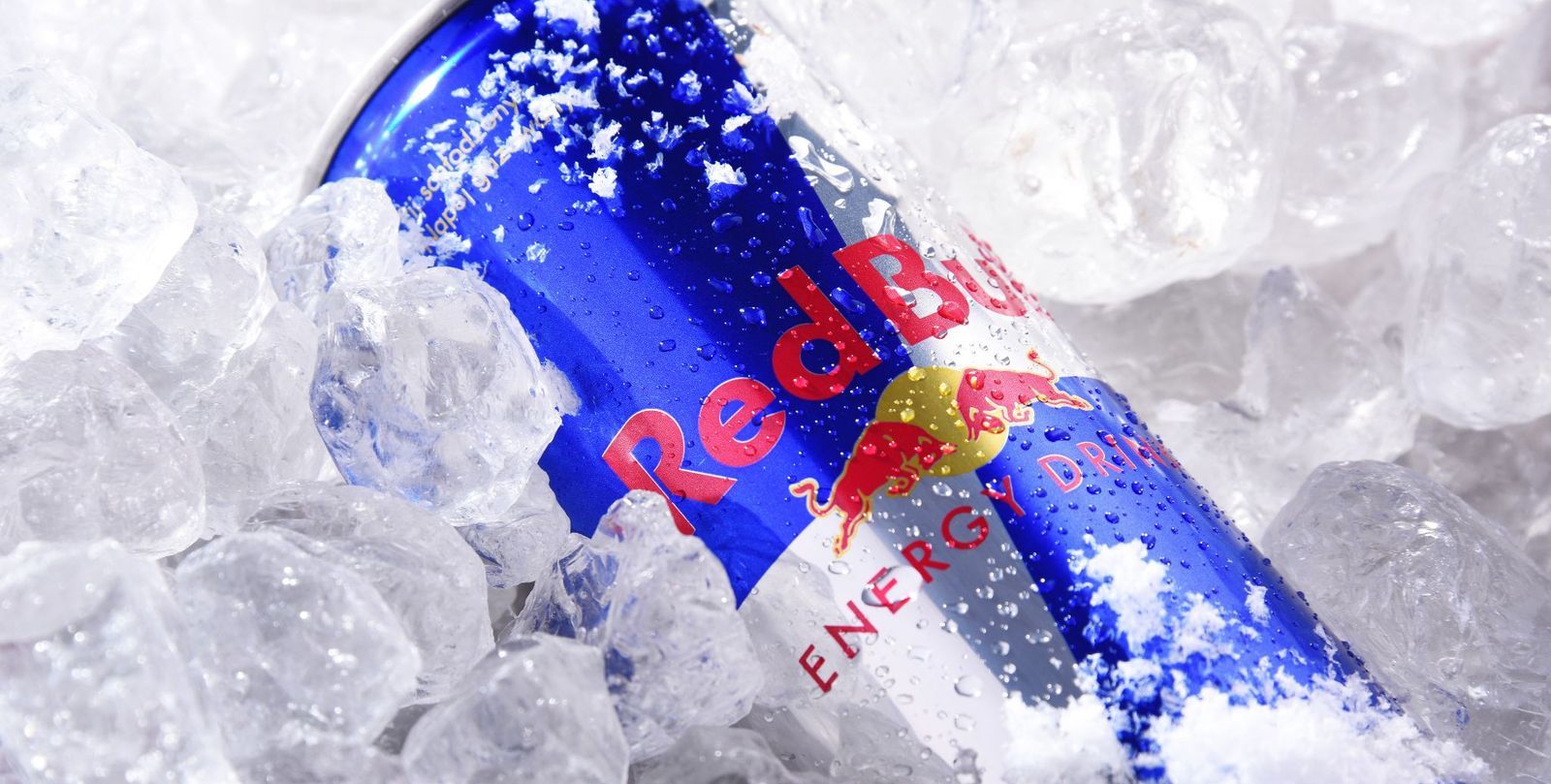
Did you know Red Bull’s famous slogan cost the company 13 million dollars? The slogan originated in Austria with entrepreneur Dietrich Mateschitz, promising customers the boost they needed to go further, with the clever use of the word "wings" suggesting extra energy and performance.
But in 2014, a man sued Red Bull for "false advertising" because the drink didn’t give him wings and falsely implied it offered superior physical and mental performance. The company eventually settled for $13 million, allowing eligible Red Bull customers to claim either $10 in cash or $15 worth of free products—though Red Bull didn't admit any wrongdoing.
Mastercard: "There are some things money can't buy. For everything else, there's Mastercard"
In 1997, Mastercard ran a commercial about a father and son at a baseball game, where the cost of tickets and snacks contrasted with the value of spending time together. But how does a credit card company sell its product by telling people some things can’t be bought?
The idea was simple: what do people actually value? That way, even though they were selling a product directly tied to money, they made it about family and important moments. The campaign became one of Mastercard's longest-running and most famous ads.
KitKat: "Have a break, have a KitKat"
KitKat has one of the most recognizable yet simple slogans around. But how did they come up with it? It was created in the late 1950s by Donald Gilles of the London advertising agency J. Walter Thompson.
The message was clear: Just take a break from work and enjoy a chocolate bar. The first TV commercial showed people taking breaks at work, reinforcing the idea that KitKat was perfect for a short rest and linking it to a familiar habit. The slogan caught on so well it’s still being used today.
Levi’s: "Quality never goes out of style"
Levi’s was using this slogan by 1978, but why did it stick? The message connected with people who care not just about fashion but also about durability, and suggested that its high-quality clothes never lose their appeal. That way, Levi’s built its reputation as a brand that sells things that last. Over time, the advertising line actually became a promise to customers about the quality and durability of its products.
Kodak: "Share moments. Share life"
The iconic camera company Kodak had used the idea of a "Kodak moment" for decades, but in 2001, it introduced a famous twist to the formula to promote its digital cameras. But why did the slogan work so well? Before smartphones, Kodak was one of the biggest names in home photography, and taking pictures with one of its cameras was a typical way to capture the moments you wanted to remember.
The slogan tapped into that feeling very well, and instead of just buying cameras, it made people feel they were buying memories.
PlayStation: "Live in your world. Play in ours"

This slogan made PlayStation sound like a ticket to another world. What was the secret behind it? Both the PlayStation 1 and 2 brought major advancements in graphics, making video games more and more immersive.
So, in the late 1990s and early 2000s, Sony leaned into the idea that video games could transfer players to an alternative world where nothing mattered except the game. The phrase conveyed the emotional appeal of gaming without naming a single game or console feature.
The Washington Post: "Democracy dies in darkness"
The Washington Post officially adopted this slogan in February 2017, but why did the newspaper choose those words after nearly 140 years in business? Owner Jeff Bezos reportedly wanted a phrase that captured the newspaper's mission of holding powerful institutions accountable.
The expression "democracy dies in darkness" was popularized by journalist Bob Woodward, who explained he got the idea from a judge's opinions about government secrecy. The staff considered more than 500 slogan ideas before settling on it.
Airbnb: "Belong anywhere"
Airbnb went on to become one of the world's most recognizable home-rental platforms. The company wanted to express a simple idea: no matter where you traveled, you could feel at home. So it summed it up in just two words.
In 2014, Airbnb rebranded to put that idea front and center. Even its logo changed to a symbol that showed a heart, a location pin, and the letter "A."
Netflix: "See what’s next"
We've all said, "Just one more episode," and Netflix knew exactly how to make the most of that. Netflix introduced the slogan around 2014, as streaming was becoming a much bigger part of how people watched TV.
But in 2020, Netflix moved away from "See what’s next" to "One story away." The idea was not to focus on endless consumption, but on the emotional impact a single story can have on you.
Ferrari: "We are the competition"
Ferrari built its reputation on powerful sports cars and a long history of racing. So a slogan like "We are the competition" reflected the company's competitive roots, but with a clever twist that made it clear to other brands that Ferrari was the team to beat. This slogan was introduced in the mid-1980s, and even though Ferrari may not use it officially today, it remains one of its most memorable lines.