Hollywood lingo

10 famous movie quotes that outshone the film they came from


Published on October 3, 2025
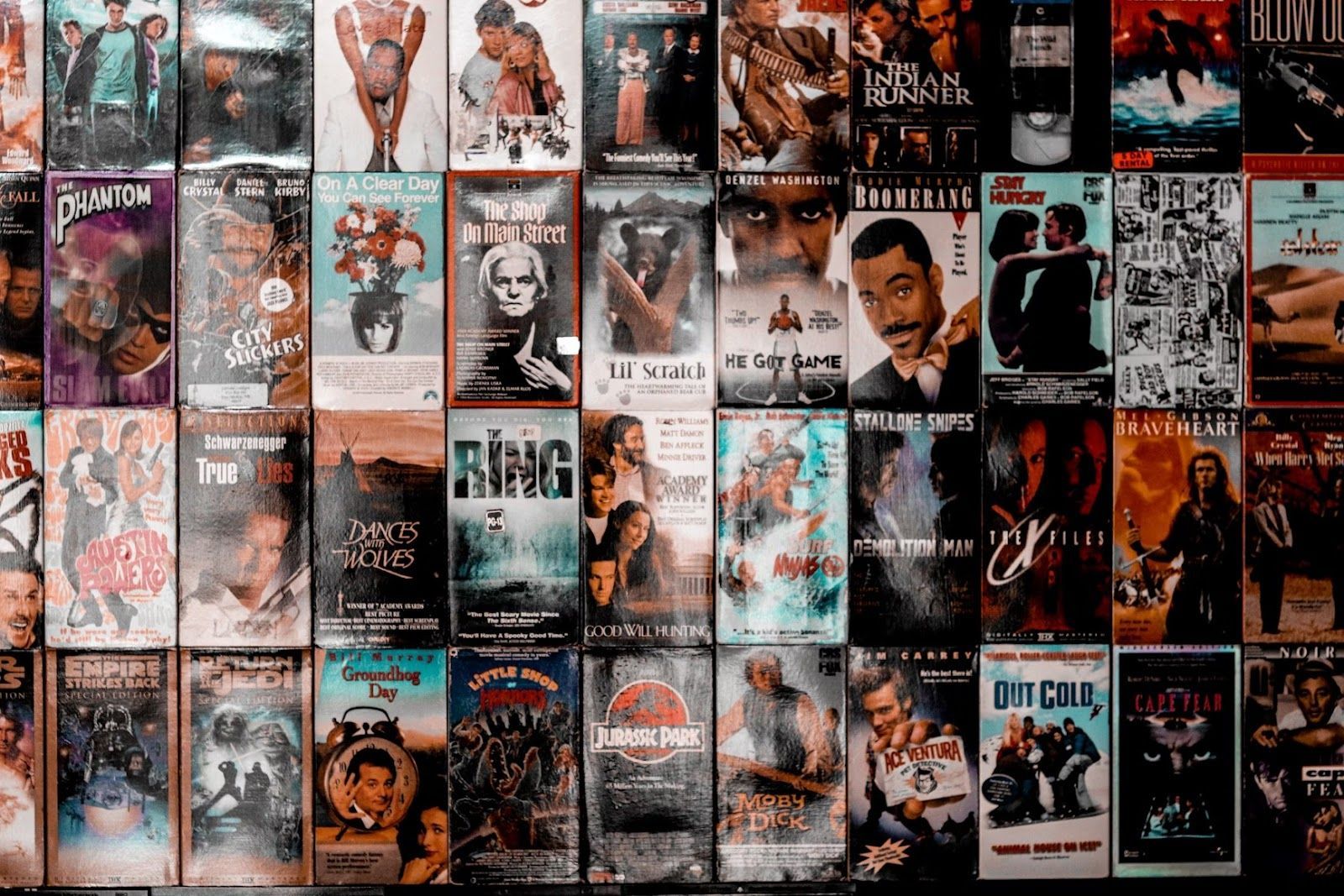

Image: Tyson Moultrie

Some movie lines stick with us forever, even if we’ve long forgotten where they came from. You’ve probably quoted these gems yourself without remembering their origin. That’s the power of a great one-liner: it slips into everyday conversation and becomes bigger than the movie itself. Let’s revisit 10 classic quotes that have taken on a life of their own.

1

"Go ahead, make my day"

Image: Yohann LIBOT

Clint Eastwood’s tough-guy delivery turned this line into solid gold. While some could argue that Sudden Impact isn’t exactly a household title anymore, this gritty threat is immortal. The scene? A diner holdup. The vibe? Pure bluffing. It defined the 1980s antihero and gave every dad in America a new way to sound cool while mowing the lawn.

2

"You can't handle the truth!"

Image: Afif Ramdhasuma

Even if you’ve never watched A Few Good Men, odds are you’ve heard someone yell this in mock seriousness. Jack Nicholson barks it during a courtroom meltdown, and suddenly… Boom! It’s part of the cultural dictionary. It’s been parodied so much that the line’s almost more famous than the actor who said it. Almost.

3

"I'll have what she's having"

Image: Cory Bjork

This zinger from When Harry Met Sally comes from a side character with perfect timing. After Meg Ryan’s unforgettable diner scene, the deadpan delivery of this line cracked up audiences and stuck. It’s cheeky, punchy, and still used whenever someone’s enviously eyeing another plate of food.

4

"Say hello to my little friend"

Image: Chris Boland

Al Pacino, a giant pile of narcotics, and a grenade launcher: Welcome to Scarface. The movie’s over-the-top finale delivered one of the most quotable moments in film history. You don’t need to know the plot to appreciate the drama of this line. It’s been spoofed, sampled, and shouted across generations.

5

"The first rule of Fight Club is: You do not talk about Fight Club"
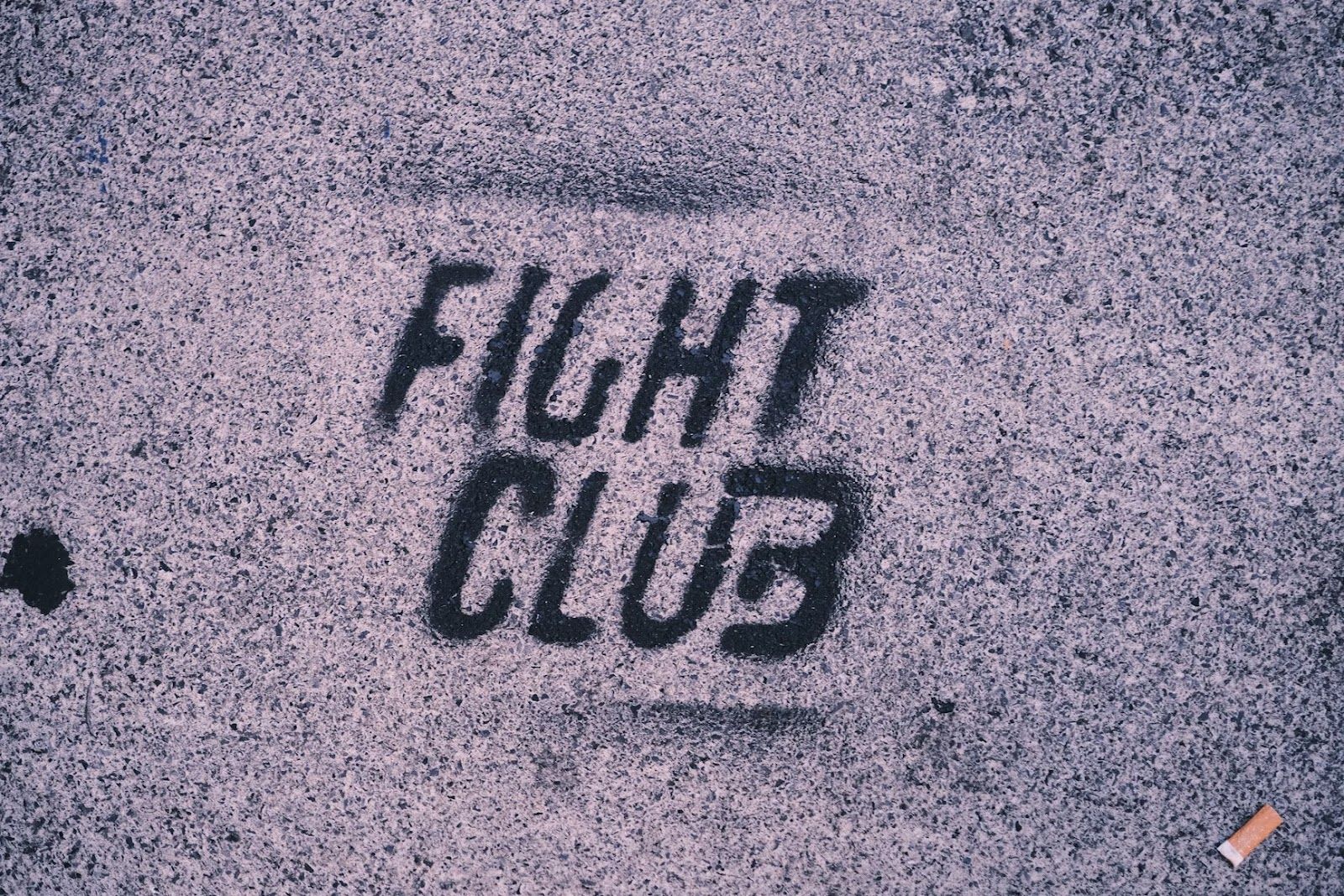
Image: Patrick Konior

Let’s break the rule, shall we? This line from Fight Club became an instant catchphrase for secrecy with a wink. Brad Pitt’s delivery was ice-cold cool, and now the quote is used for everything from book clubs to fantasy football. Irony intended, of course.

6

"Houston, we have a problem"

Image: Patrick Konior

Thanks to Apollo 13 (and Tom Hanks), this calmly stated crisis line became shorthand for "Uh-oh." Never mind that the real astronauts said it slightly differently; Hollywood made it catchy. Today, people say it when their coffee machine breaks. The stakes might not be space-level, but it still fits.

7

"Mr. DeMille, I'm ready for my close-up"
Image: Revolver Creative Company

This line from Sunset Boulevard is pure drama. Silent film star Norma Desmond whispers it as she spirals into fantasy, thinking news cameras are her big return to stardom. It’s haunting, over-the-top, and unforgettable. Even if you’ve never seen the movie, the line feels instantly iconic.

8

"I'm walkin' here!"

Image: Jon Flobrant

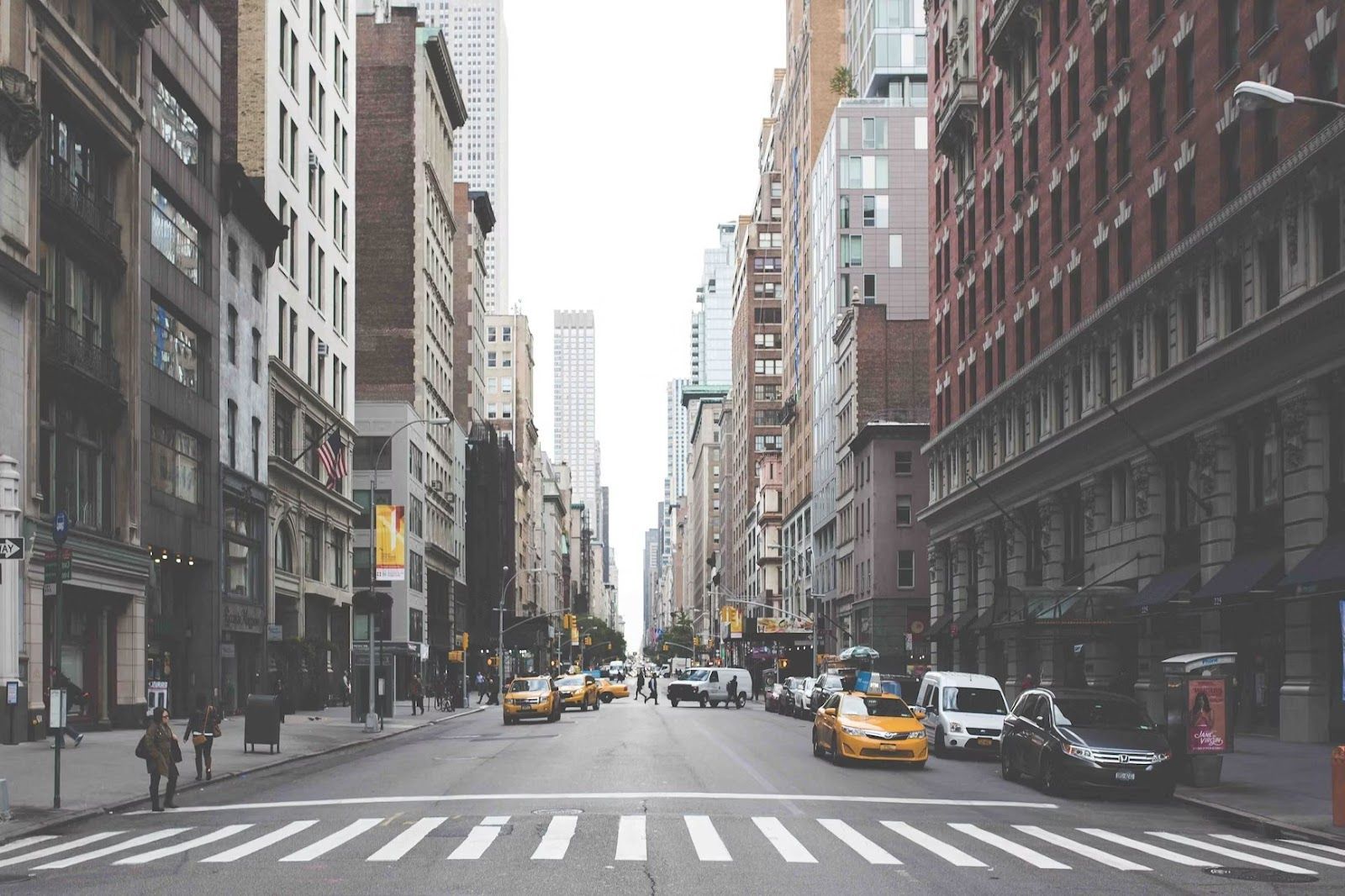
Dustin Hoffman hollered this classic line in Midnight Cowboy, reportedly after a real New York cab nearly hit him. It wasn’t in the script, but it became the film’s most quoted moment. Gritty, snappy, and pure NYC attitude. Today, it’s a badge of honor for anyone dodging traffic in Manhattan.

9

"Are you not entertained?"

Image: Clay Banks

Russell Crowe roared this challenge in Gladiator after winning a brutal fight. It was aimed at a bloodthirsty Roman crowd, but somehow it ended up in sports commentary and YouTube reaction videos. It’s the kind of quote that works whether you just won a cornhole tournament or a pie-eating contest.

10

"Show me the money!"

Image: Giorgio Trovato

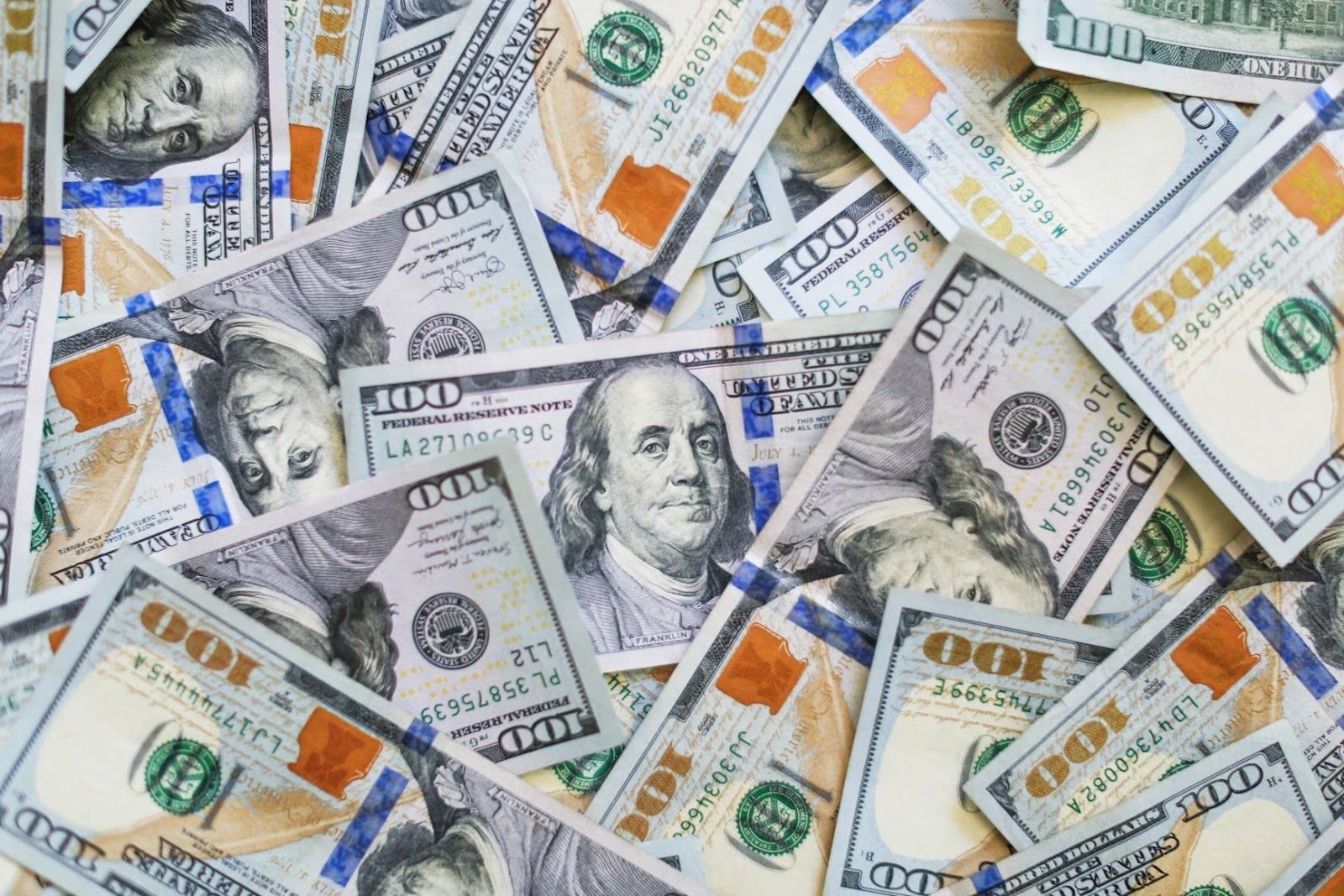
Cuba Gooding Jr. made this Jerry Maguire line explode with energy, yelling it over the phone while Tom Cruise begged for a client to stick around. It’s loud, bold, and hits hard. Since then, it’s become the universal way to say "Let’s talk cash." It doesn’t matter if it’s football or garage sales.


Fictional spokespeople

What do a clown, a tiger, and a jug have in common? Famous brand mascots


Published on October 3, 2025


Image: 三岁 陈

Who knew a tiger could help sell cereal? Or that adding a smiley face to a juice pitcher would mark the inception of a cultural icon? Some brand mascots started as marketing experiments and evolved into household names, often becoming even more famous than the products they represent. Let’s dive into the origins of these anthropomorphized symbols and explore whether they were rooted in reality or purely imagined.

1

Wendy

Image: Brian J. Tromp

Wendy, the famous red-haired, pigtailed girl, was not entirely fictional: She was named after the founder’s daughter. Dave Thomas opened his new restaurant serving square burgers in 1969 and wanted a family-friendly image that conveyed warmth. To achieve that, he decided to use the name and likeness of his daughter Melinda Lou "Wendy" Thomas.

The original Wendy’s restaurant in Michigan featured pictures of the real girl, but this was not replicated anywhere else. Dave revealed years later that he regretted building the brand around his daughter, which, he felt, exposed her more than intended. Instead, Dave himself appeared in the brand’s commercials until his passing in 2002. After 2010, the real Wendy proudly took over that role.

2

Kool-Aid Man

Image: PublicDomainPictures

Originally, Kool-Aid ads in the 1950s featured a pitcher of Kool-Aid with a simple smiley face. Executives liked the concept, and as the brand evolved, they opted for a more dynamic, engaging character to connect with children—thus, Kool-Aid Man was born.

By the 1970s, Kool-Aid Man had taken on a fully anthropomorphic form: a big, round pitcher with limbs and a face. Known for his dramatic entrances and unforgettable catchphrase, "Oh yeah!," he would burst through walls to save the day and bring refreshment, becoming a hero to thirsty kids. He has since become a true pop culture figure, frequently cited online and in comedy TV shows like Family Guy.

3

Betty Crocker

Image: Taryn Elliott

Even though General Mills's Betty Crocker has never been a real person, she has ranked among America's most trusted figures for decades. In 1945, Fortune magazine named her the second most popular woman in America, right after Eleanor Roosevelt.

She was created by the Washburn-Crosby Company to personalize responses to customer inquiries about baking. This, in turn, helped make the brand appear more human and friendly. "Crocker" was a nod to William Crocker, a retired executive of the company. Over the years, a series of "portraits" were published to depict how she looked, which only fueled the belief of thousands who thought the famous cook was real.

4

Ronald McDonald

Image: Brett Jordan

Characteristic bright yellow-and-red colors and a wide grin: that is the trademark of the clown mascot of McDonald’s fast-food chain. He is probably one of the most recognizable mascots in the world. Ronald has remained McDonald's most iconic mascot since the 1960s, though the brand introduced other characters over the years, such as Grimace, the Hamburglar, and Birdie the Early Bird, all of whom populate the imaginary McDonaldland.

This clown was inspired by the success of a Washington, D.C.-based clown named "Bozo." Willard Scott, the actor behind Bozo, played the first Ronald McDonald, wearing an early version of the iconic costume, complete with a cup for a nose and a tray on his head.

5

Colonel Sanders

Image: Erik Mclean

Colonel Sanders has always been KFC's main mascot, though he’s been portrayed by different actors over the years, including Reba McEntire, George Hamilton, and the ironically named Norm Macdonald. Colonel Harland Sanders was a real person, born in 1890, who began selling his famous fried chicken from a roadside restaurant in Kentucky during the 1930s. Known for his white suit, black string tie, and goatee, Sanders established a look that would define KFC for generations.

After selling his company, he remained the face of KFC, making public appearances as "the Colonel." His image became iconic, and his smiling face is forever lit up in KFC restaurants around the world.

6

Michelin Man

Image: Laura Paredis

The Michelin Man is officially called Bibendum, or "Bib" for short. The name comes from the Latin phrase "Nunc est bibendum," meaning "Now is the time to drink." This was because the first ad featuring him showed an illustration of Bibendum holding a glass filled with nails, broken glass, and other sharp objects, with the slogan, "Michelin tires drink up obstacles."

Bibendum was born in 1894 when the founders of Michelin, noticed a stack of tires that resembled a human figure. Four years later, artist Marius Rossillon brought him to life in the first iconic poster. Back then, Bib was supposed to stand for the toughness and resilience of Michelin tires, but over the years, his look softened, and he took on a friendlier appearance, ditching the accessories he had been adorned with at first, like spectacles and a cigar.

7

Mr. Clean

Image: Anna Shvets

In the late 1950s, Procter & Gamble had an idea: Why not create a genie-like, powerful character to embody the toughness and reliability of cleaning products? Thus, the bald and muscular Mr. Clean was born.

Some say he was loosely modeled after a real-life U.S. Navy sailor, the walking image of strength, trustworthiness, and an impeccable cleaning standard. Whether true or not, Mr. Clean became a household name. Known as "Don Limpio" in Spanish-speaking countries and "Monsieur Propre" in France, his look has remained the same internationally.

8

Captain Morgan

Image: holdosi

The "Captain Morgan pose," with one leg propped up on a barrel, has become iconic and is often replicated by fans. Captain Morgan even launched a "Pose Off" challenge, inviting people to share their best Captain Morgan stance on social media.

Captain Morgan, from the eponymous rum brand, was inspired by Sir Henry Morgan, a real 17th-century Welsh privateer who became famous in the Caribbean for his exploits and later served as Lieutenant Governor of Jamaica. The mascot’s swashbuckling design—complete with a tricorne hat, pirate attire, and the famous pose—invites drinkers to "Live Like the Captain."

9

Juan Valdez

Image: pariwat pannium

Juan Valdez is a coffee brand, but before that, he was a standalone symbol. The coffee farmer was the mascot for the National Federation of Coffee Growers of Colombia. Introduced in the late 1950s, he was meant to personify the hard-working Colombian coffee farmers and distinguish Colombian coffee from other brands in the international market.

The point was to emphasize that all coffee under the Juan Valdez name was 100% Colombian and hand-picked. The character of Juan Valdez, with his traditional coffee farmer attire, mustache, and hat, was designed to reflect the authenticity and heritage of Colombian coffee. He is sometimes accompanied by his mule, Conchita, who helps him transport coffee beans.

10

Tony the Tiger

Image: Dorjan Frrokaj

Let’s wrap up with the one and only behind the famous slogan: "They’re grrreat!" Tony the Tiger is the mascot for Kellogg’s Frosted Flakes cereal, one of the most beloved mascots in advertising. In the 1950s, Kellogg’s also experimented with a few other potential mascots for Frosted Flakes, including Katy the Kangaroo, Elmo the Elephant, and Newt the Gnu, but Tony was the clear fan favorite.

Tony was created in the 1950s by Leo Burnett advertising agency. He was designed to symbolize strength, athleticism, and positivity, encouraging parents to purchase what was marketed as the healthiest cereal for their children. His personality came to life when voice actor Thurl Ravenscroft (also known for singing You’re a Mean One, Mr. Grinch) gave Tony his iconic, deep voice and signature catchphrase.

Looking for an extra scoop of literary fun?

Learn more with our Word of the day

enchant

/ɪnˈtʃænt/