10 everyday words and phrases popularized by U.S. presidents
Published on October 23, 2026
American presidents have used the White House to sway public opinion, pass legislation, and define historic eras. Along the way, their public speeches, press conferences, and private correspondence have introduced, popularized, or forever transformed English vocabulary. Here are 10 everyday words, idioms, and expressions you didn’t know were coined by the most prominent leaders of our nation.
Bloviate — Warren G. Harding
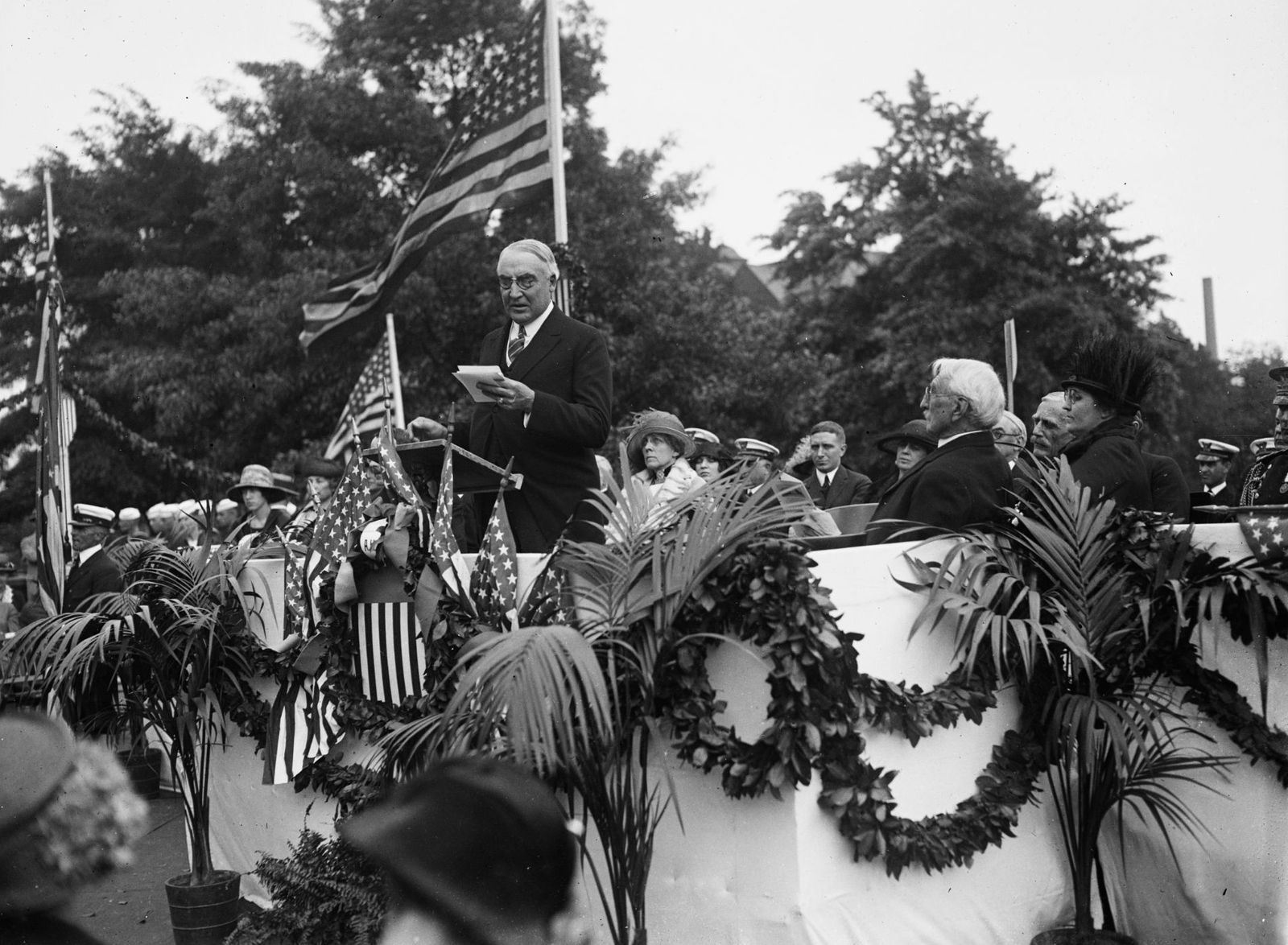
Warren G. Harding was known for his overly ornate speeches, a prose style that journalist H.L. Mencken once described as "so bad that a sort of grandeur creeps into it."
Harding frequently relied on a discourse that can be described as "bloviate", a 19th-century Ohio slang term meaning to speak at length in a pompous manner. Although Harding didn’t invent the word, his frequent use of grandiose vocabulary popularized "bloviate" across national politics as shorthand for empty political speeches.
Lunatic fringe — Theodore Roosevelt
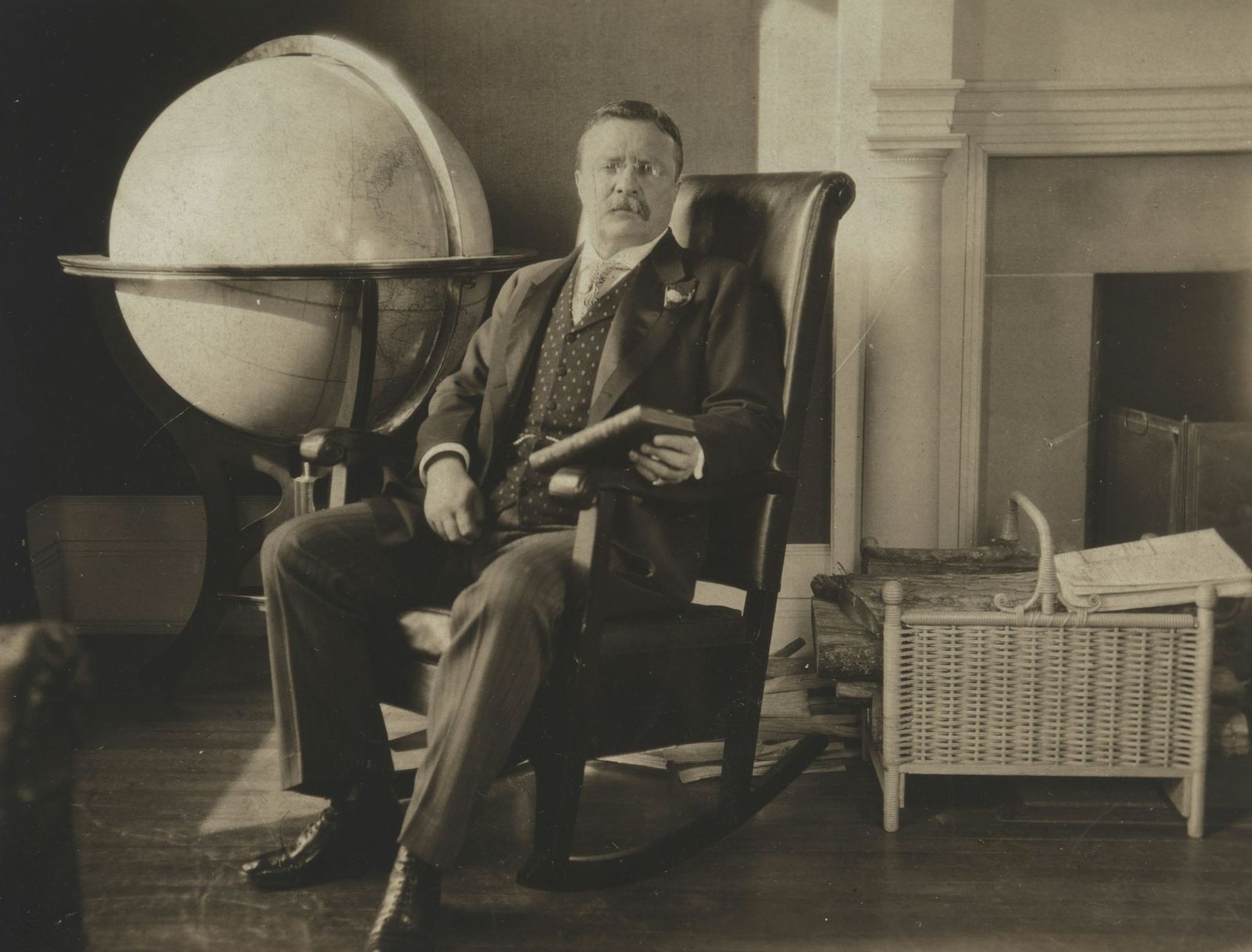
Theodore Roosevelt was a master of colorful speech, coining terms like "bully pulpit" and "muckraker". However, "lunatic fringe" is one of his most enduring linguistic contributions.
In a 1913 essay reviewing an avant-garde art exhibition, Roosevelt said: "There is a lunatic fringe to every reform movement." He used the phrase to describe fanatical adherents whose radical behavior threatened to undermine sensible social progress. Today, the idiom is widely used across politics, sports, and pop culture to designate extremist factions.
The Buck Stops Here — Harry S. Truman
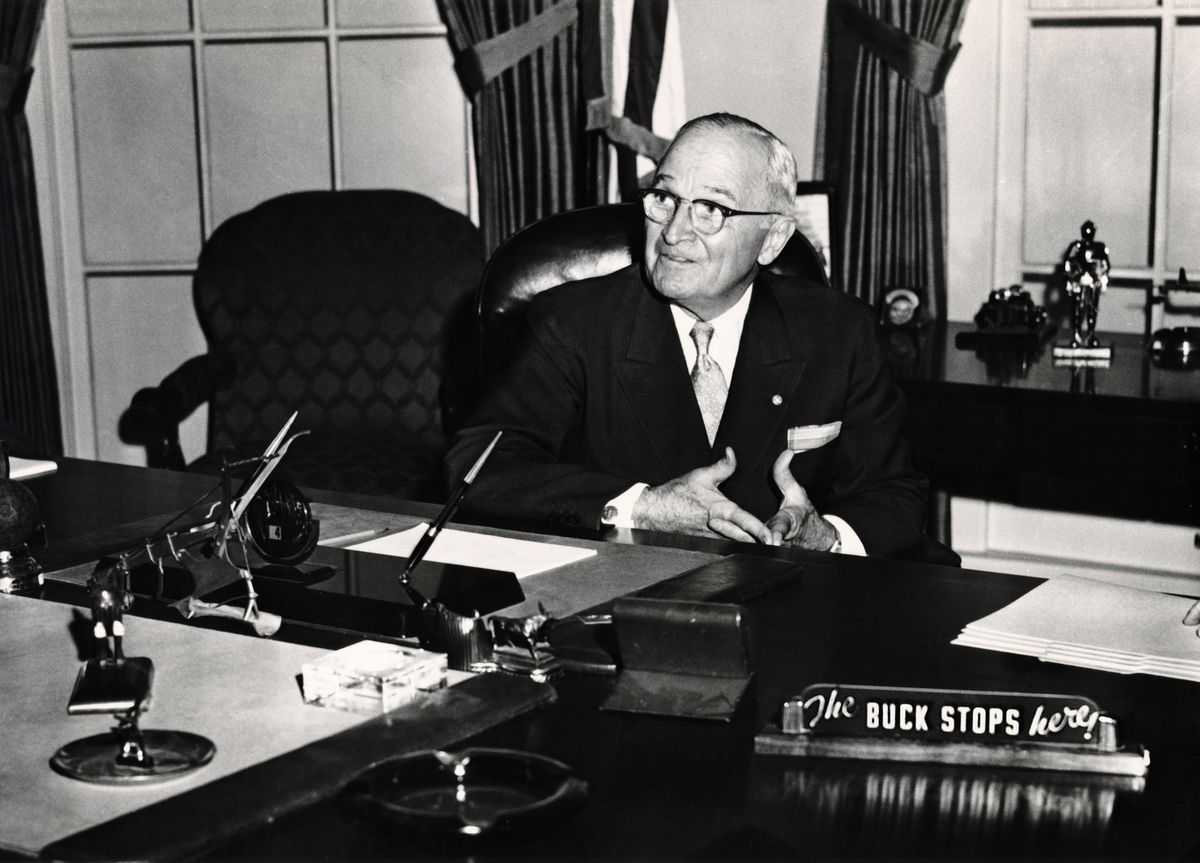
The phrase "passing the buck" originated in 19th-century poker games, where a buckskin-handled knife was passed around the table to mark whose turn it was to deal. However, President Harry S. Truman transformed the idiom completely.
Truman kept a painted wooden sign reading "The Buck Stops Here" on his Oval Office desk. For the 33rd president, the phrase served as a reminder that while cabinet members could perform delegated tasks, final accountability for nuclear weapons, postwar diplomacy, and executive policies rested entirely on his shoulders.
Malaise — Jimmy Carter
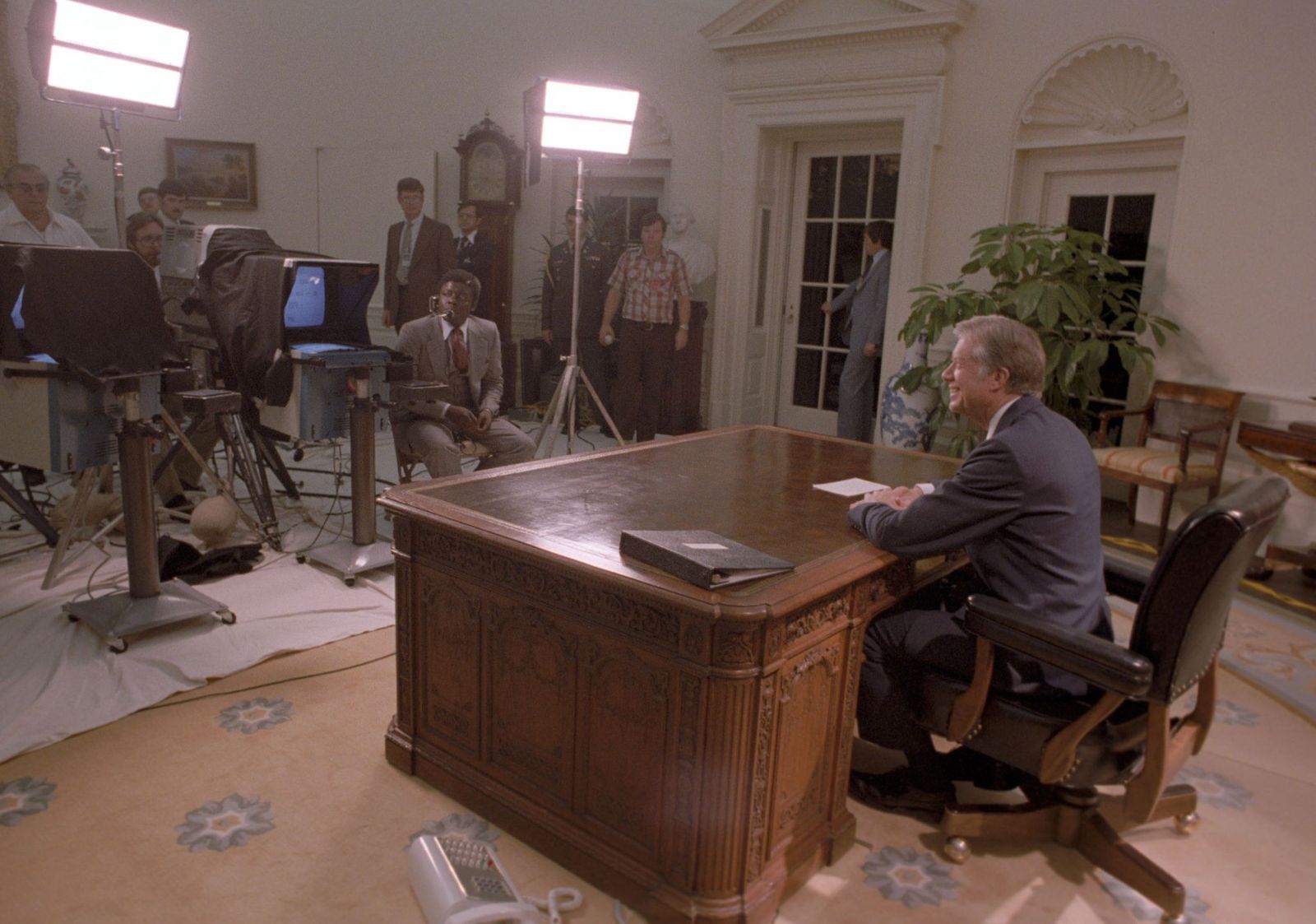
Ironically, President Jimmy Carter never actually said the word "malaise" during his famous July 15, 1979 televised address. In an era of high inflation, gas shortages, and geopolitical tension, Carter spoke about a "crisis of confidence" threatening American democracy.
Political opponents and journalists labeled it the "Malaise Speech", borrowing the French medical term for a vague feeling of illness. The label stuck, permanently linking the word "malaise" to Carter’s presidency and 1970s economy.
First Lady — Zachary Taylor
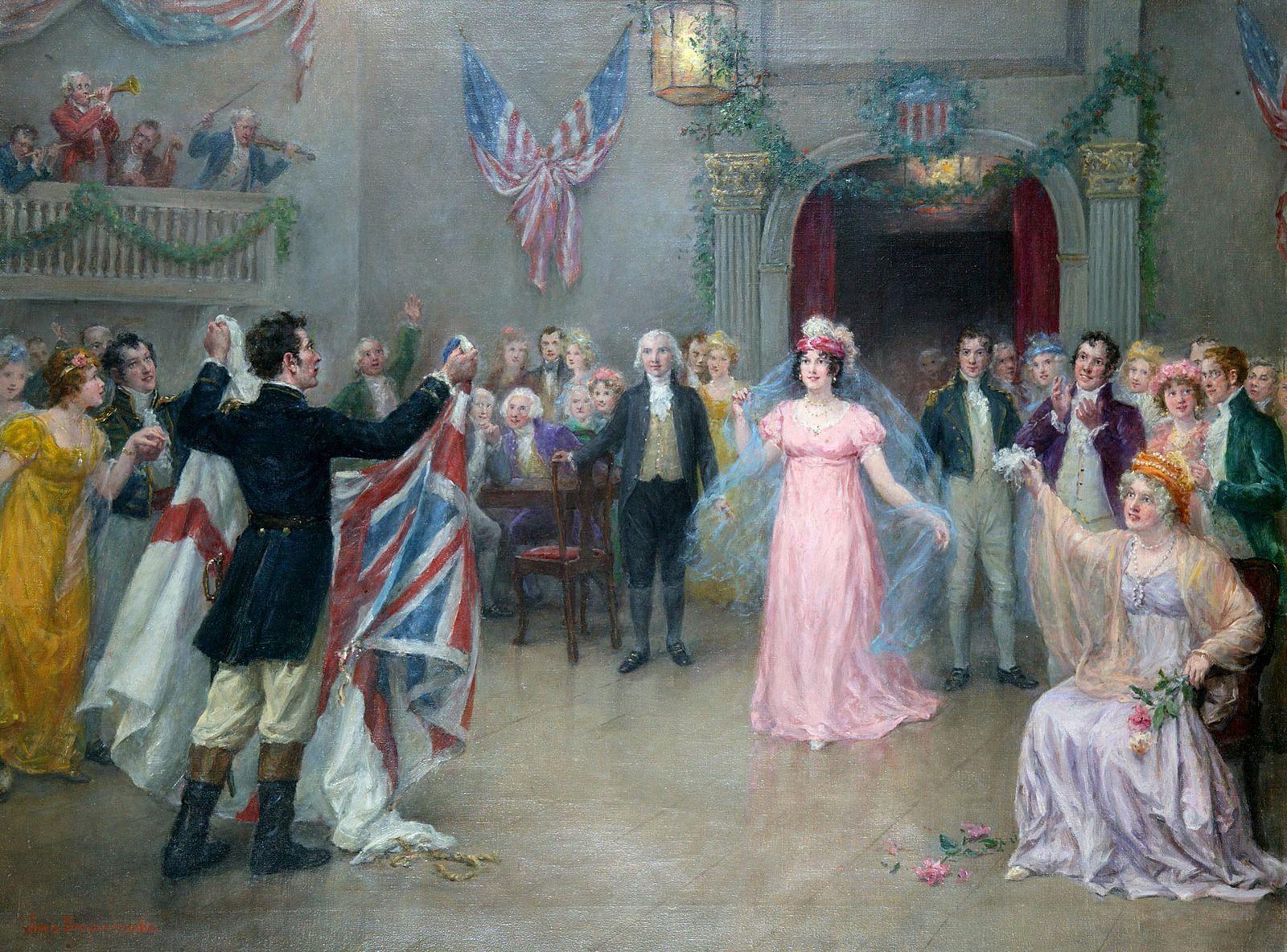
The formal title "First Lady" was first used in 1849 when President Zachary Taylor delivered a eulogy for Dolley Madison, the former president’s wife. Taylor praised Madison as having been "our First Lady for half a century".
The phrase became popular in 1860 when Frank Leslie's Illustrated Newspaper formally referred to Harriet Lane—President James Buchanan's White House hostess and niece—as "the First Lady of the Land".
Mulligan — Dwight D. Eisenhower
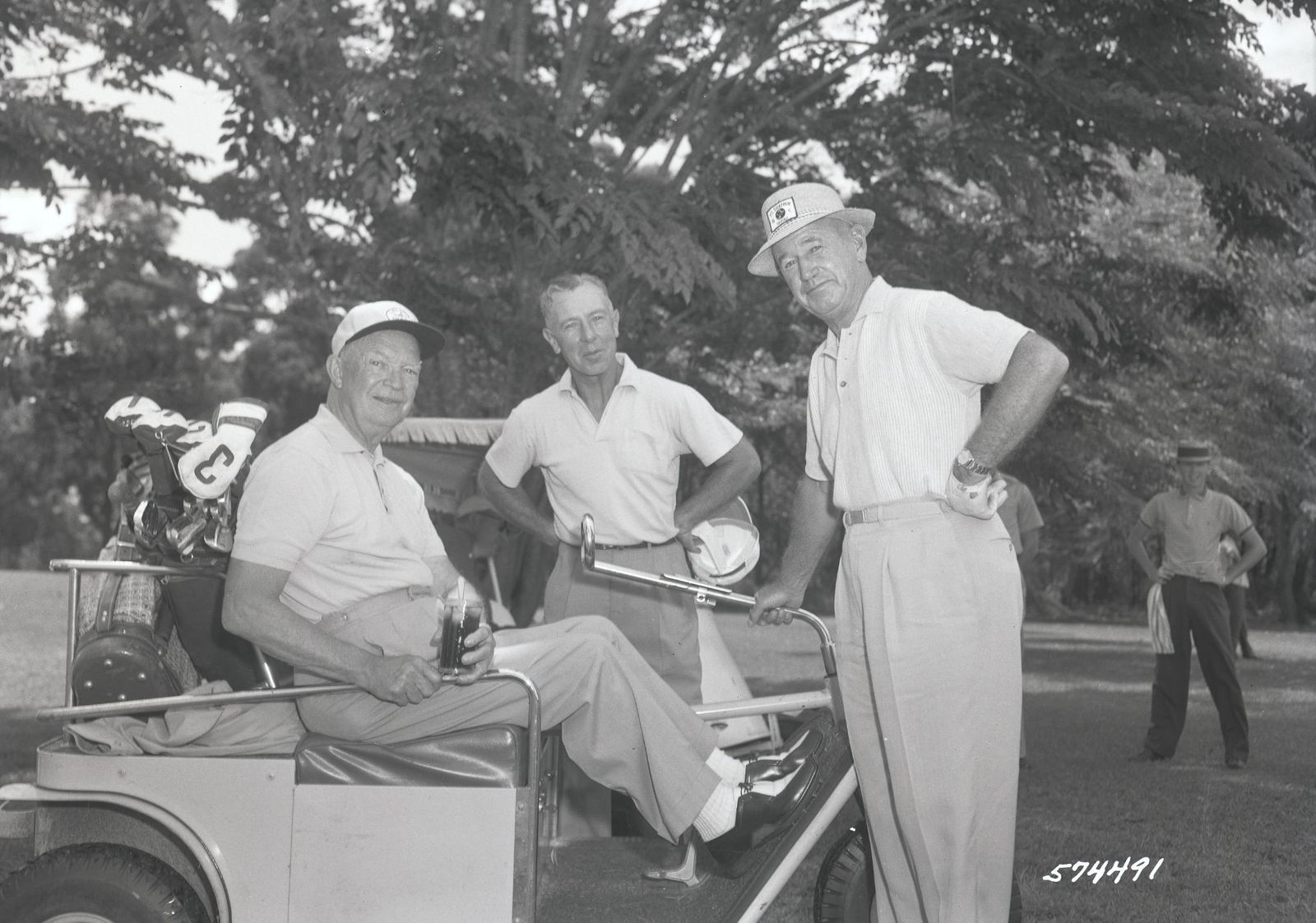
General Dwight D. Eisenhower was an avid golfer who played over 800 rounds during his two terms in office, even installing a putting green on the White House lawn. Ike’s passion for golf helped elevate golf terminology into mainstream political discourse, most notably the word "mulligan", an informal rule allowing a player a free replay after a poor shot. The term originated in Canadian golf circles during the 1920s, but Eisenhower’s public use of the word popularized it as a general metaphor for second chances in government and business.
Sugarcoat — Abraham Lincoln
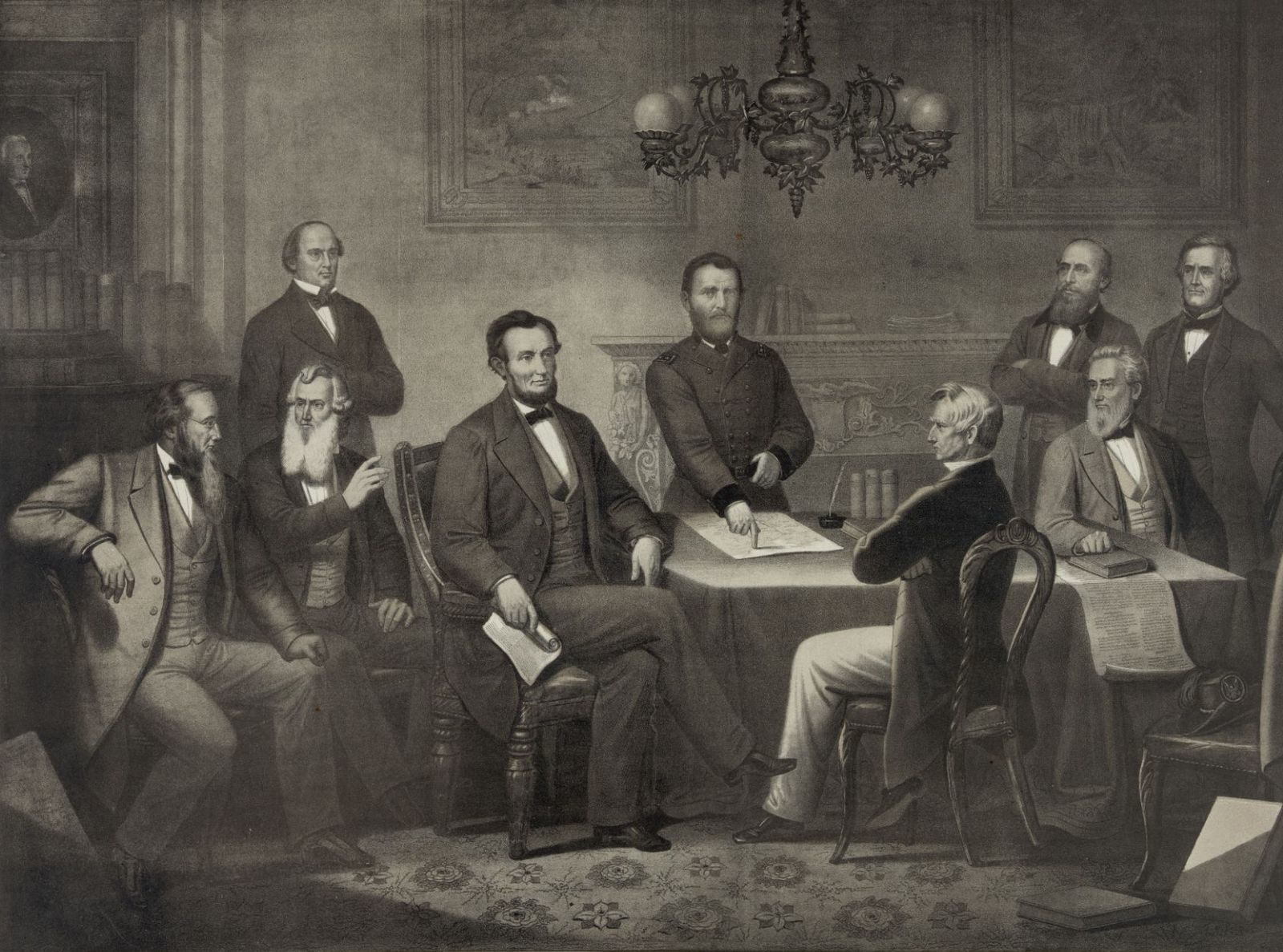
Abraham Lincoln often blended folk wisdom with constitutional philosophy. In his July 4, 1861 message to Congress following the outbreak of the Civil War, Lincoln criticized Southern arguments for secession, writing that rebellion leaders had "sugar-coated" their true intent to dissolve the Union.
The Government Printer, John Defrees, asked Lincoln if he wanted to edit the phrase, calling it unseemly for an official state paper. Lincoln refused, noting that if the public understood what "sugar-coated" meant, it belonged in the message. The phrase passed into common English to describe disguising unpleasant truths.
Iffy — Franklin D. Roosevelt
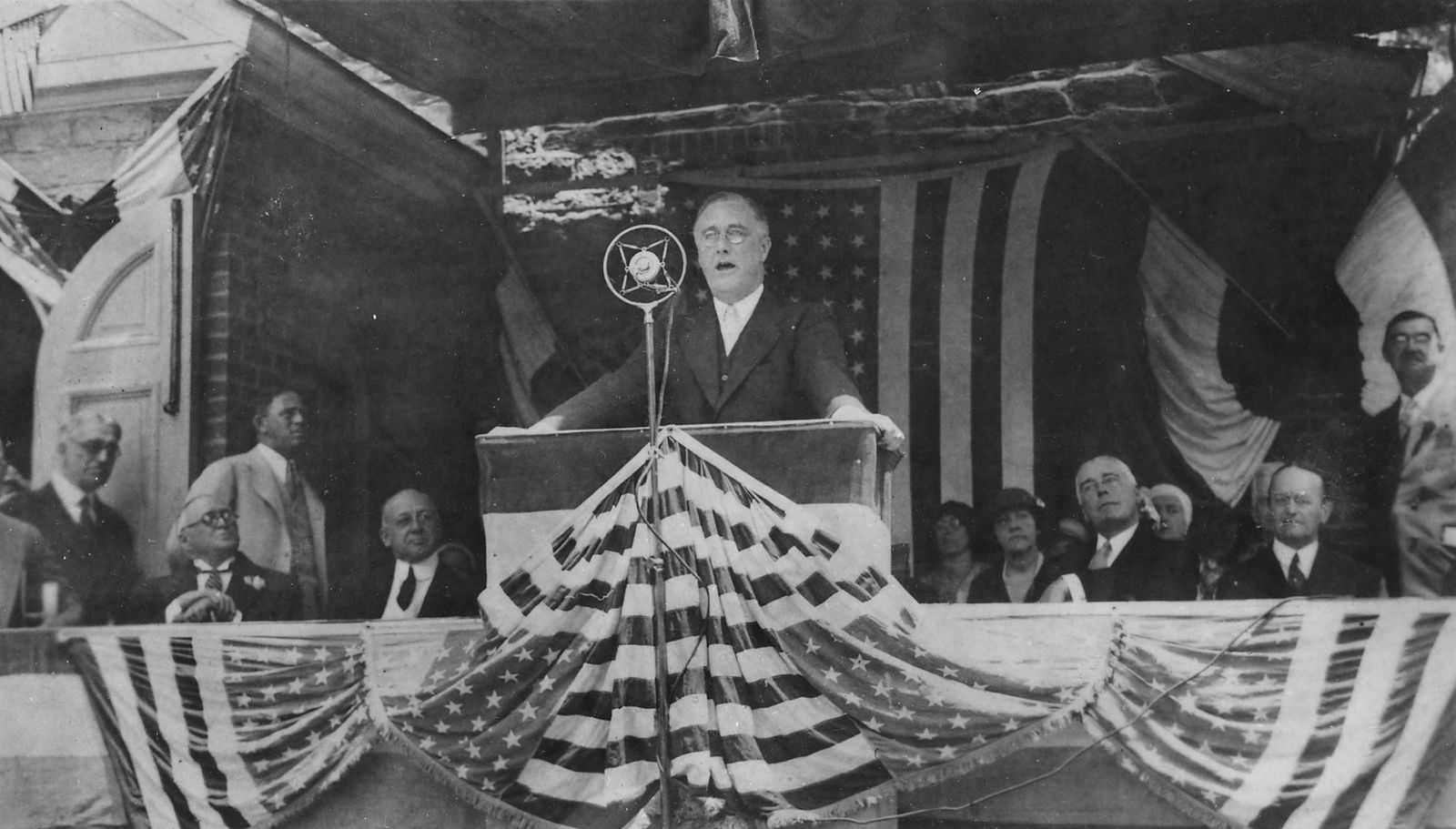
President Franklin D. Roosevelt transformed presidential communication by holding over 800 informal press conferences along with his famous radio "fireside chats".
When reporters attempted to confront him with hypothetical scenarios or speculative policy questions, FDR frequently dismissed them by calling them "iffy questions". Roosevelt popularized "iffy", a 1930s colloquialism derived from the conjunction "if", as a sharp way to describe anything uncertain or questionable due to unproven factors.
Usufruct — Thomas Jefferson
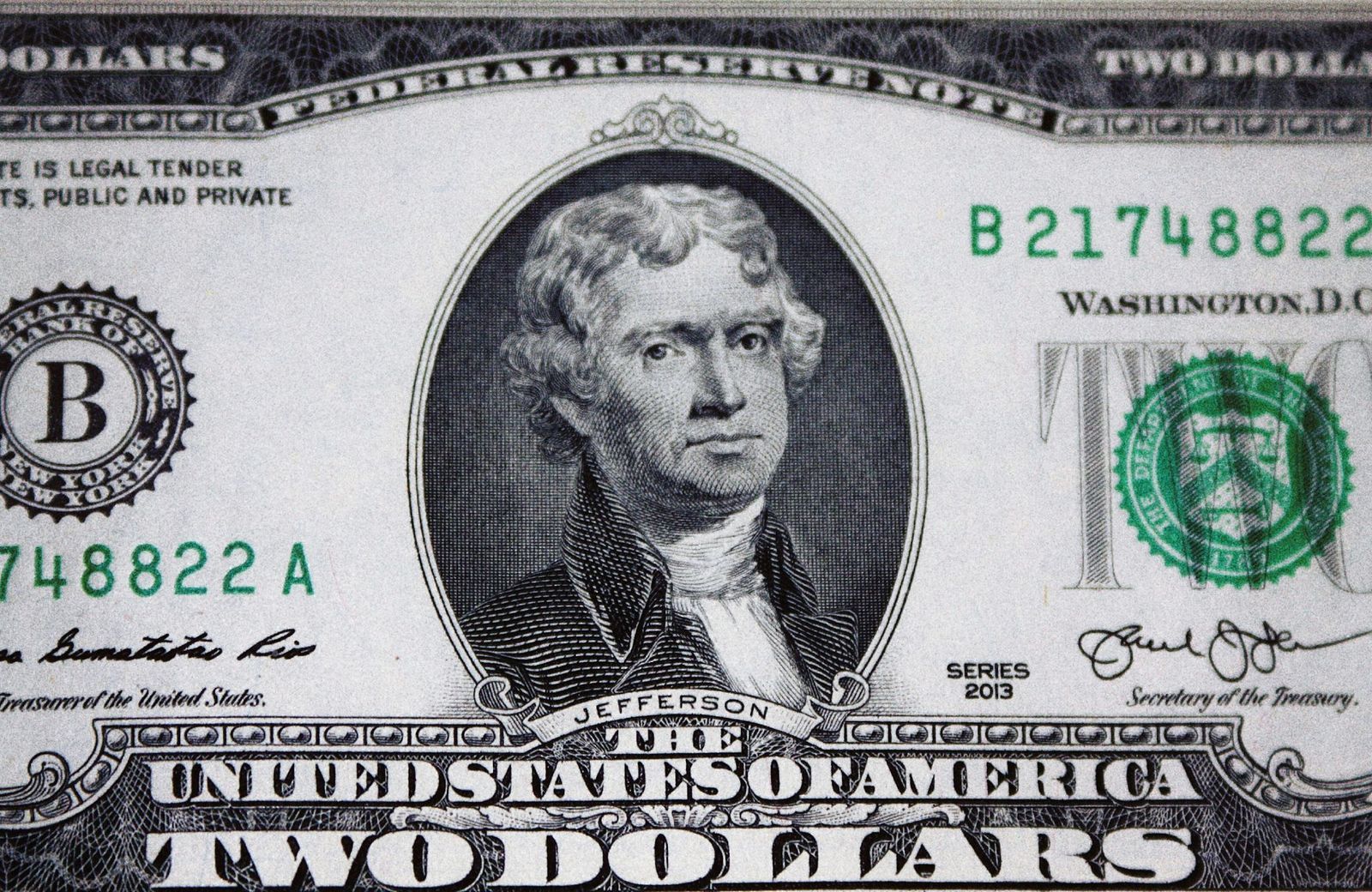
Thomas Jefferson brought a vocabulary rooted in classical legal training to early American governance. In a famous September 1789 letter from Paris to James Madison, Jefferson argued against binding future generations with national debt, declaring that "the earth belongs in usufruct to the living".
Borrowed from Roman civil law (usufructus), the term refers to the legal right to use and enjoy another party’s property temporarily without damaging or depleting it. Jefferson used the word to argue that each generation has a responsibility to care for the planet and protect it for the future.
Rendezvous — Franklin D. Roosevelt
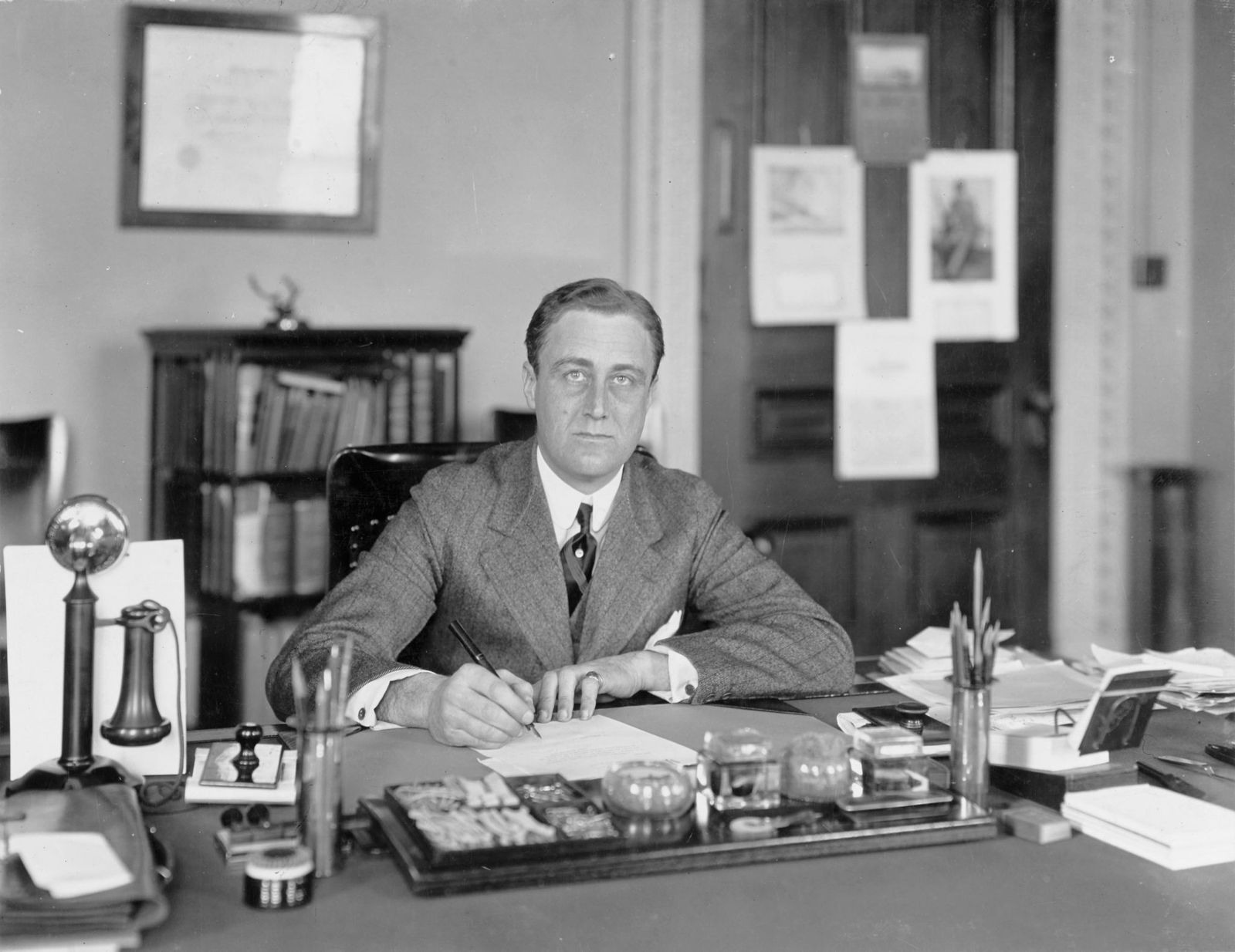
The French word rendezvous, meaning "present yourself", entered the English language in the mid-1500s from military vocabulary. Yet, Franklin D. Roosevelt gave the term a prominent place in American democratic speech.
Accepting the presidential nomination at the 1936 Democratic National Convention during the Great Depression, Roosevelt proclaimed: "This generation of Americans has a rendezvous with destiny." The line transformed a simple French loanword into a cry for national resilience that continues to be quoted by political speechwriters today.