Tales of bravery

10 daring animals who faced danger head-on


Published on April 3, 2026
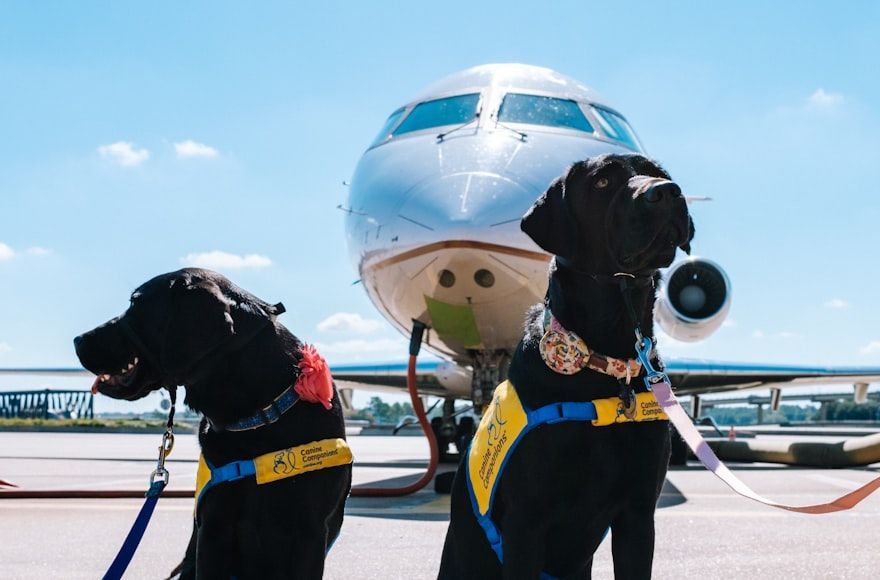

Image: Jeswin Thomas

Not all heroes wear capes—some have paws, hooves, or even feathers. Throughout history, animals have often stepped in during emergencies, showing instincts and loyalty that proved crucial in saving human lives. From battlefield messengers to unexpected home guardians, here are 10 real cases of animals whose quick actions made all the difference.

1

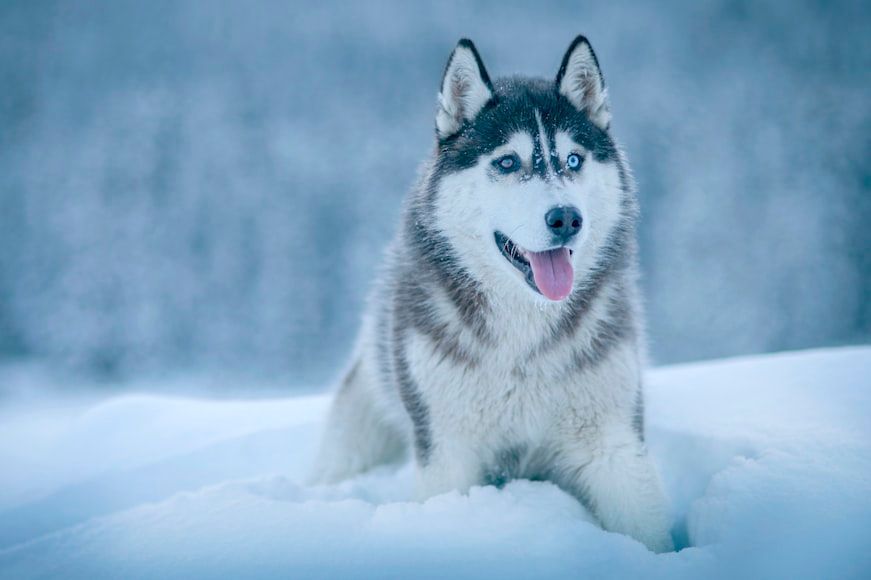
Balto

Image: Benjamin Zanatta

In 1925, a diphtheria outbreak struck Nome, Alaska. Sled dog Balto led the final leg of a 674-mile relay in brutal conditions, delivering life-saving serum.

Balto’s navigation through blizzard conditions earned him national fame. A statue in New York’s Central Park honors his role.

2

Cher Ami

Image: Lallaoke

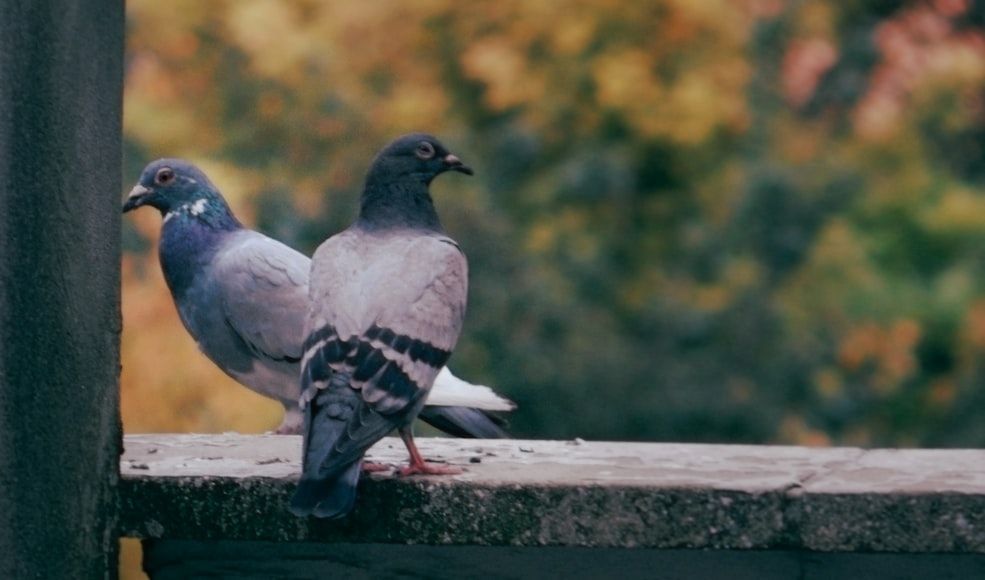
During WWI, Cher Ami carried a message that saved nearly 200 men of the "Lost Battalion." Despite being shot and severely injured, the pigeon completed its flight.

Cher Ami was awarded the French Croix de Guerre and is preserved at the Smithsonian.

3

Lulu

Image: Kenneth Schipper

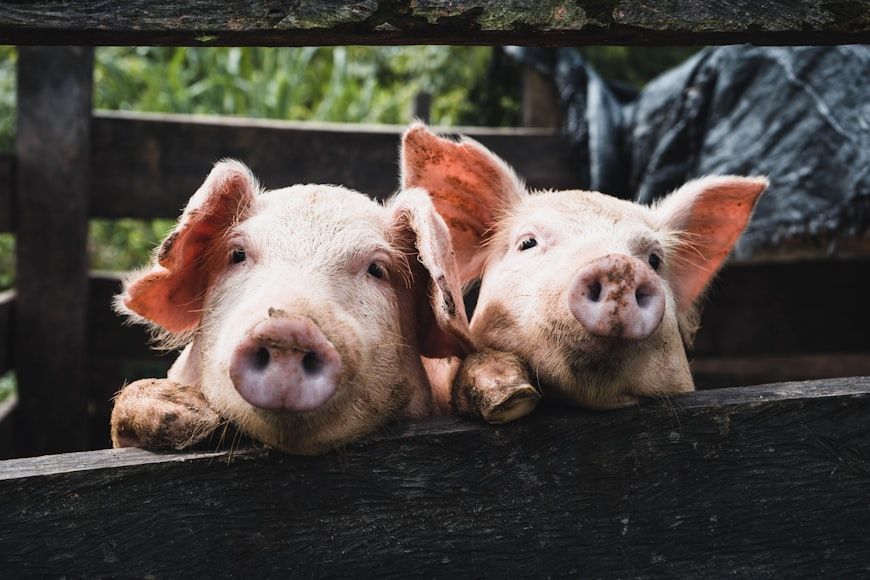
In 1998, Lulu the pig squealed and blocked traffic until a driver followed her home, rescuing her owner, who was suffering from a heart attack.

The pig’s persistence and apparent understanding of the emergency captured national attention at the time.

4

Sergeant Stubby

Image: Jonathan Cooper

Stubby, a stray pit bull mix, became a WWI mascot and hero. He warned soldiers of gas attacks on several occasions and even caught a German spy!

For his heroic service, Stubby earned several medals, and his achievements are displayed at the Smithsonian’s National Museum of American History.

5

Tara

Image: Yerlin Matu

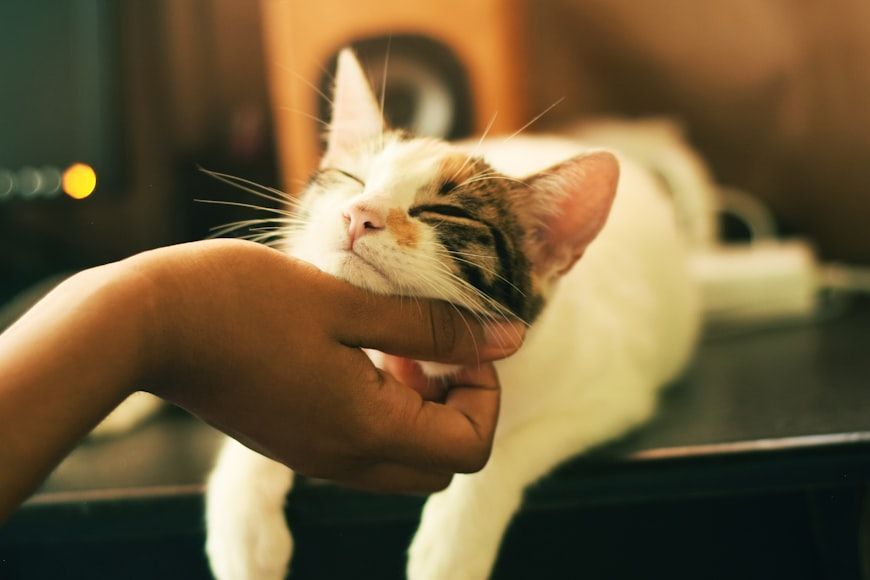
In 2014, surveillance footage showed Tara the cat leaping at and aggressively confronting a dog that attacked her family’s toddler.

The video went viral, cementing Tara as proof that cats can also be fearless defenders of their humans.

6

Willie

Image: Jonah Pettrich

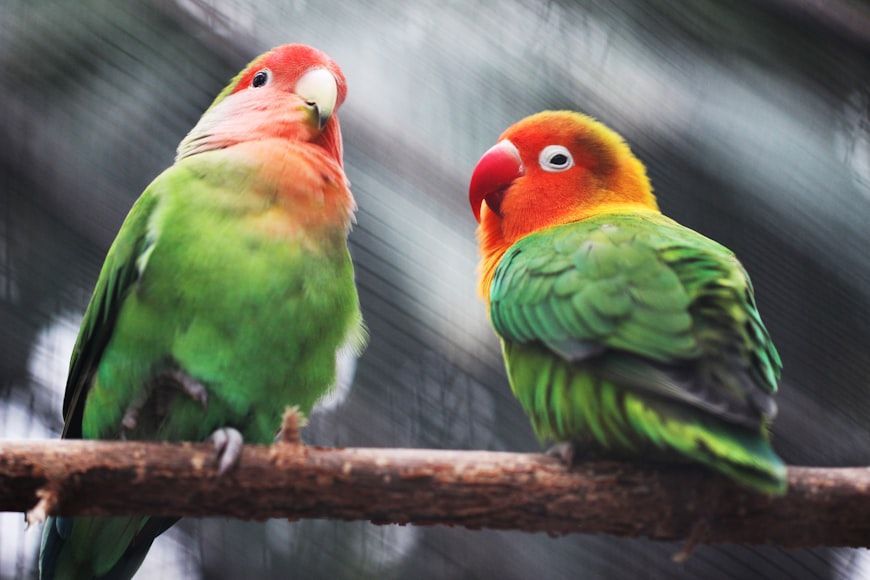
In 2008, Willie the parrot squawked "Mama, baby!" when a toddler began choking on food. His cries alerted the babysitter, who quickly intervened and saved the child.

Willie received the Animal Lifesaver Award from the Red Cross for his actions.

7

Buddy

Image: photo nic

Trained as a seizure response dog, Buddy once guided Alaska State Troopers to his owner’s home after a fire broke out in 2010.

After his owner suffered minor burns from a gasoline fire, he instructed Buddy to "get help." Buddy led Trooper Shanigan through remote, snow-covered back roads to the scene, as captured by the trooper's dashcam.

8

Moko

Image: NOAA

In 2008, Moko, a young bottlenose dolphin, guided two pygmy sperm whales off Mahia Beach, New Zealand, where they were at risk of stranding. Human efforts failed, but the whales followed Moko to deeper waters.

Conservation officers confirmed the rescue, and TIME later included Moko in its "Top 10 Heroic Animals" for this rare example of cross-species cooperation.

9

Lucky

Image: Steve Smith

In 2013, Lucky, a German Shepherd in Virginia, was shot while defending his family during a home invasion. He stayed alert despite his injuries until help arrived.

Lucky survived surgery and recovered fully, earning national attention for his courage and loyalty.

10

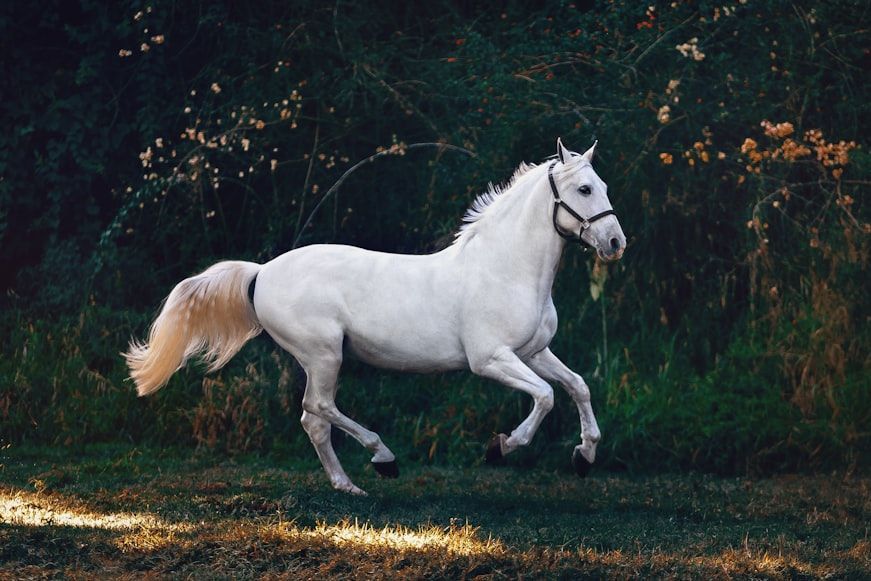
Prieta

Image: Helena Lopes

In 2019, Prieta, a horse in Simi Valley, California, ran back into a burning barn to rescue a young colt named Onyx. She squeezed through a narrow gap and guided the colt out of danger, despite the smoke and flames.

The rescue was captured on video and widely shared, earning Prieta recognition for her bravery.


Goodies from around the world

What does Bûche de Noël mean? Traditional foreign festive foods


Published on April 3, 2026


Image: Alexa Soh

Is there a meal you look forward to every year? Perhaps roasted turkey or gingerbread cookies? All over the world, nations have their own festive traditions and associated delicacies—some sweet, some savory, some baked, and some fried. Let’s explore the names and stories of these foreign treats and decide which ones we’d like to try first.

1

Bûche de Noël (France, Christmas)

Image: Kisoulou

Bûche de Noël simply translates to "Christmas log." It’s sometimes also called a Yule log cake. This French dessert is, unsurprisingly, a favorite during the jolly season.

Made from a rolled sponge cake filled with buttercream and decorated to resemble a log, it often features chocolate, vanilla, or coffee flavors. Some variations also include powdered sugar or meringue to mimic snow.

2

Feast of the Seven Fishes (Italian-American households, Christmas Eve)

Image: Nano Erdozain

The tradition of the Feast of the Seven Fishes originated in Southern Italy as a way to celebrate the bounty of the sea and familial togetherness. It remains a cherished Christmas Eve tradition in many Italian-American households.

The feast calls for families to come together and prepare seven seafood dishes. The number seven is derived from its biblical association with completeness.

3

Doce Uvas (Spain, New Year's Eve)

Image: Matt L

Do you think you could eat twelve grapes in just a few seconds? That’s exactly what the Spanish attempt to do as midnight strikes on New Year’s Eve. This ritual is believed to bring good luck for the coming year.

Strictly speaking, you should eat each of Las Doce Uvas ("The Twelve Grapes") with every chime of the midnight bells.

4

Kransekake (Norway, Weddings/Christmas)

Image: laustkehlet

If you were to attend a Norwegian wedding, you would likely see a towering cake made of glazed dough rings. If you're lucky, you might also find this treat served on Christmas or anniversaries.

The rings are made from ground almonds, sugar, and egg whites and are stacked to form a conical structure. Sometimes, a Kransekake ("wreath cake") hides a surprise inside, such as a bottle of wine.

5

Mooncake (China, Mid-Autumn Festival)

Image: https://images.unsplash.com/photo-1729238741109-608576d79fa7?

Mooncakes are round to symbolize the full moon. They originated in China as a treat for celebrating the Mid-Autumn Festival.

These cakes are traditionally filled with lotus seed paste, red bean paste, or salted egg yolks. They are crowned with beautiful stamped tops that feature Chinese characters representing concepts like "harmony" or "longevity."

6

Hallaca (Venezuela, Christmas)

Image: Thu Huynh

Hallaca is a tamale-like dish eaten in Venezuelan summers for Christmas. It is made from corn dough filled with meat, raisins, capers, and olives, then wrapped in plantain leaves.

Because hallacas are quite difficult to prepare, making the dish often becomes a communal activity on Christmas Eve. Their name comes from the Guaraní word ayuaca, meaning "mix of things."

7

Hot Cross Buns (United Kingdom, Good Friday)

Image: John Cutting

Hot Cross Buns, marked with a cross, are spiced sweet rolls traditionally eaten on Good Friday in the UK.

Made with flour, sugar, raisins, and spices, these buns date back to at least the 12th century, when monks baked them to honor the crucifixion. Some people enjoy them with butter, cream, or jam.

8

Osechi Ryori (Japan, New Year's)

Image: Richard Iwaki

An ornate box filled with small, varied dishes—this is a traditional way to welcome the New Year in Japan. Osechi Ryori translates directly to "New Year’s Food."

Inside the lacquered box, you might find dishes like datemaki (sweet rolled omelet) or kuromame (sweet black soybeans), along with many colorful seafood delicacies.

9

Picarones (Peru, Señor de los Milagros)

Image: Ron Lach

Not donuts, but close enough. Picarones (which translates to "rascal" or "stinger" in English) are sweet fritters made from squash and sweet potato, often served with syrup or a dusting of sugar.

In Peru, they are a favorite treat during Señor de los Milagros, a religious festival celebrated in the country’s spring. But any day is a good day to enjoy them, too.

10

Bibingka (Philippines, Christmas)

Image: Deepthi Clicks

Bibingka is a coconut-flavored rice cake enjoyed during Christmas in the Philippines, particularly after Simbang Gabi (dawn masses).

This centuries-old tradition dates back to Spanish colonial times. Bibingka is made with rice flour, coconut milk, and eggs, then topped with cheese or salted egg. For a final touch of flavor, it is wrapped in banana leaves before baking.

11

Lussekatter (Sweden, St. Lucia's Day)

Image: jlbrundin0

Lussekatter translates to "Lucia Cats," a name far better than their original one—"Lucia Devils." These saffron-infused pastries are baked and enjoyed on St. Lucia’s Day, a religious celebration held on December 13 in Sweden.

Traditionally shaped like an "S," lussekatter were originally served as a special breakfast to ward off evil spirits. They are often decorated with raisins for an extra touch of sweetness.

12

Vitello Tonnato (Argentina, Uruguay, Paraguay; Christmas)

Image: Cook Eat

Vitello Tonnato ("veal with tuna sauce") is a festive favorite in many South American households. It consists of thinly sliced veal covered in a creamy tuna-caper sauce.

Originally from Italy’s Piedmont region, the dish was brought to South America through immigration, becoming popular in countries like Argentina, Paraguay, and Uruguay. Its chilled preparation makes it perfect for the warm weather of Christmas and New Year’s dinners in these regions.

Looking for an extra scoop of literary fun?

Learn more with our Word of the day

gladiatorial

/ˌɡlædiəˈtɔriəl/