Dangerous truths

10 dangerously wrong beliefs—from lightning to antibiotics


Published on April 24, 2026

Image: Lucian Alexe

We all think we know how the world works, but many "common sense" beliefs are flat-out wrong. From everyday health myths to misunderstood science, these misconceptions can mislead you, waste your time, or even put you at risk. Here are 10 things you are dangerously wrong about, backed by real facts.

1

Lightning never strikes the same place twice
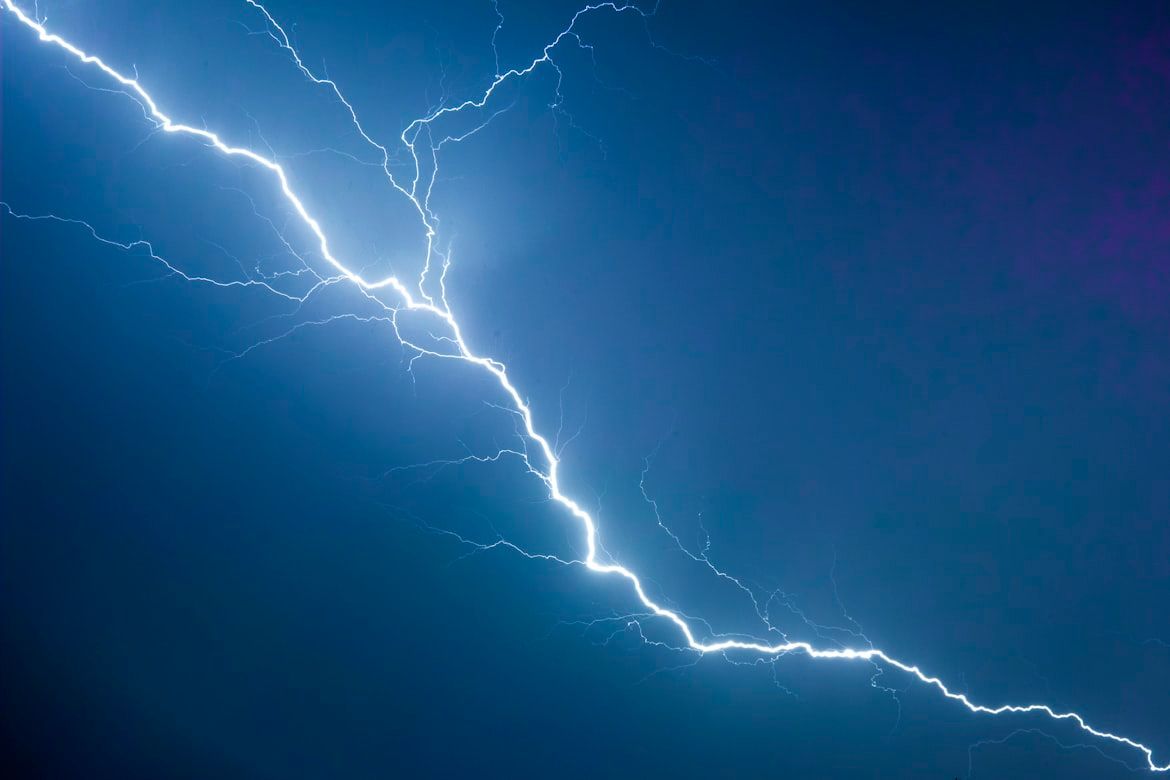

Image: Michał Mancewicz

Contrary to popular belief, lightning can strike the same place more than once. Since lightning often targets tall, conductive structures, multiple strikes to the same location are not uncommon.

For example, the Empire State Building is hit an average of 23 times per year. The myth persists because rare events seem unique, but statistics show that repeated strikes are common, especially in high-risk areas.

2

Antibiotics treat viruses

Image: Roberto Sorin

Antibiotics target bacteria, not viruses. Using them for colds or the flu is ineffective and promotes antibiotic resistance.

Prolonged misuse can lead to resistant bacterial strains, making future infections harder to treat. Correct diagnosis is critical for proper treatment.

3

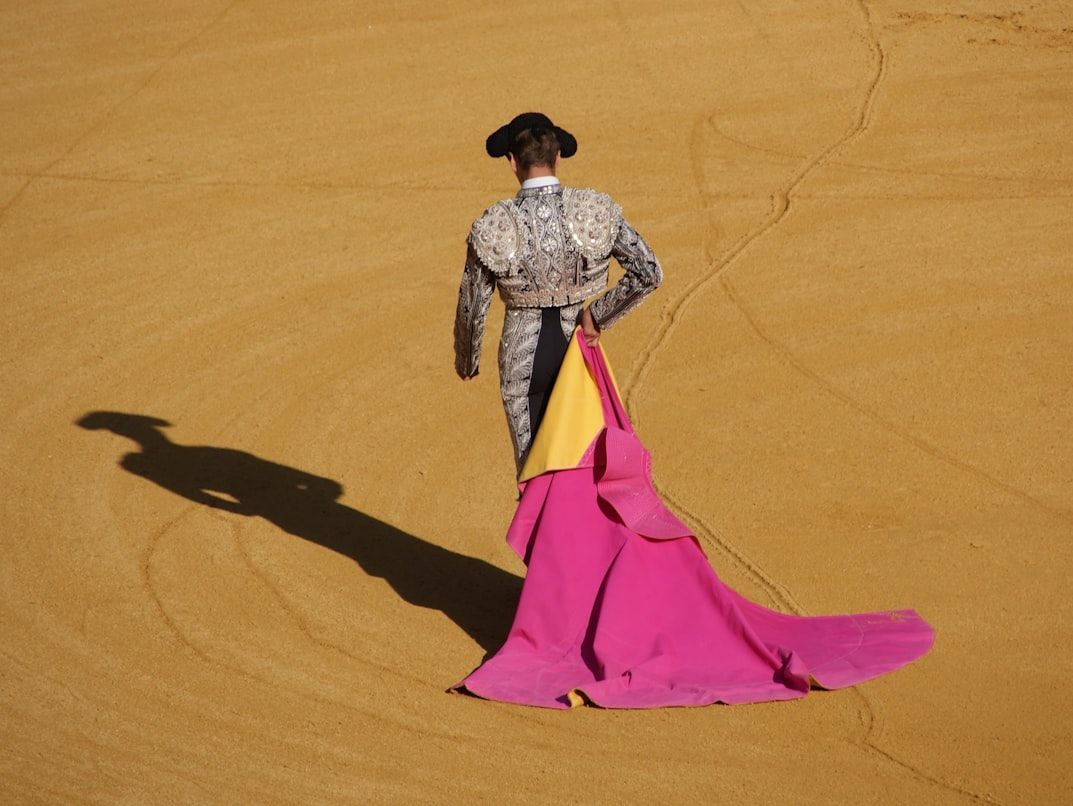
Bulls hate red

Image: Gavia

Bulls are actually color-blind to red. Their reactions in bullfighting are triggered by the movement of the cape, not its color.

The bright red (and similarly striking colors) was likely chosen to make the cape more visible to the human audience from a distance, enhancing the spectacle.

4

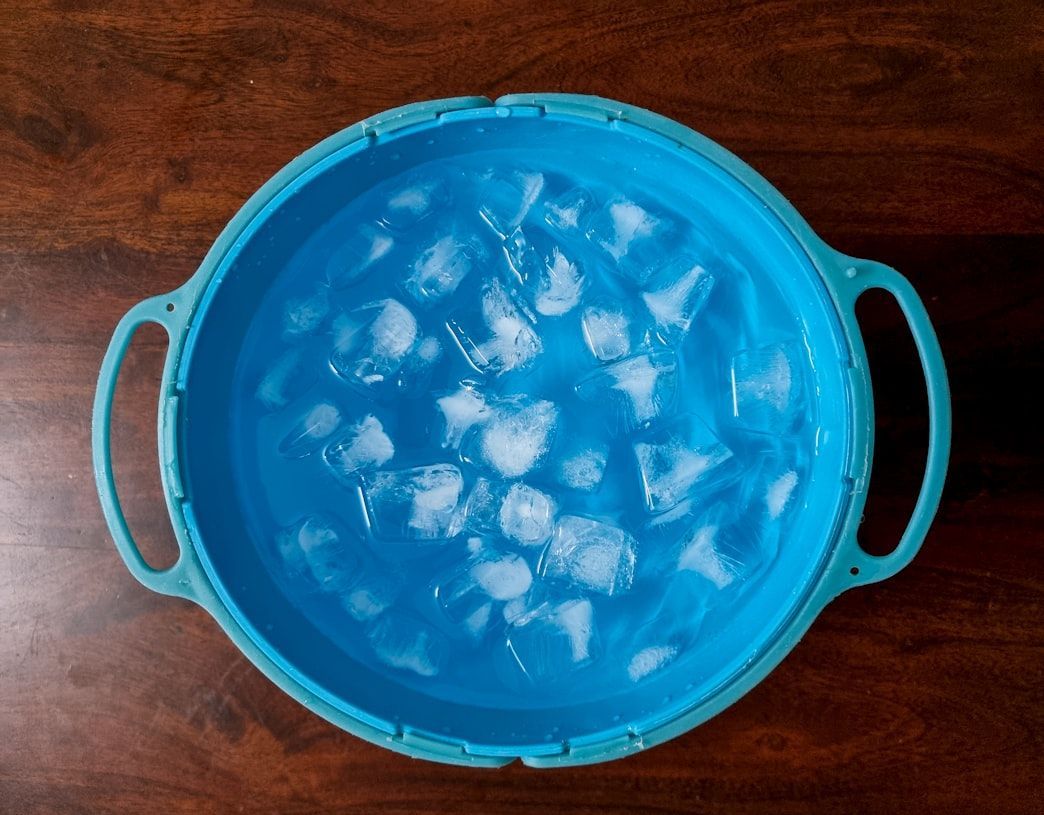
Ice baths cure sore muscles

Image: Aman Krishna

Cold therapy offers temporary relief but doesn’t accelerate long-term muscle recovery. Overuse can impair adaptation to training.

Inflammation is part of muscle repair; blocking it too aggressively can reduce strength gains over time.

5

You need eight glasses of water a day

Image: Janosch Lino

Fluid needs vary by body size, activity, and climate. For some, eight glasses is excessive; for others, insufficient.

Relying strictly on this rule can cause dehydration or overhydration. Thirst and urine color are better indicators.

6

Sunburn isn’t harmful if it peels later

Image: Arturo Rivera

Even a single sunburn increases your lifetime risk of skin cancer, including melanoma. Peeling skin doesn’t undo DNA damage; it’s actually skin cells committing suicide to prevent the spread of harmful mutations.

Sunscreen, protective clothing, and shade are essential. Ignoring sun safety poses a serious health risk.

7

Don’t wake a sleepwalker

Image: Alexey Demidov

Waking a sleepwalker is safe. They may be disoriented or confused, but letting them roam unattended is far more dangerous.

The only real risk is injury from falls or collisions, not the act of waking them.

8

Natural sugar is harmless

Image: Myriam Zilles

Fructose in fruit is healthier than processed sugar, but overconsumption still strains the liver and metabolism.

Even "natural" sugars can contribute to obesity, insulin resistance, and diabetes if intake is excessive.

9

Hand sanitizer replaces washing hands

Image: Kelly Sikkema

Sanitizers can’t safely remove all pathogens, especially dirt and chemicals. Washing with soap and water is always more effective.

Over-reliance on sanitizers can actually increase infection risk, particularly during gastrointestinal or respiratory outbreaks.

10

Vinegar makes all cleaners better

Image: Precious Plastic Melbourne

Mixing vinegar with bleach, hydrogen peroxide, or other cleaners can create chlorine or peracetic acid fumes—both highly toxic.

Even small amounts can irritate eyes, lungs, and skin. Believing vinegar universally "boosts" cleaning power is dangerous; always read labels and avoid mixing chemicals.


What did you say?

Did you know that these innocent words used to have much darker meanings?


Published on April 24, 2026


Image: Michelle Tresemer

Language is a living entity. We toss around words and phrases without thinking, but many of them once carried far darker meanings than the ones we give them today. Terms we use to describe work, relationships, or even advertising often began in contexts of violence, danger, or death. Take a look at 11 of these terms that had grim meanings but are now casual expressions or playful labels.

Image: Glenn Carstens-Peters

1

Blacklist

It might not be a decidedly happy word these days, either, but, in the past, a blacklist wasn’t just about being excluded from a group or denied access. To be blacklisted could mean losing your livelihood, reputation, or even your safety.

Today, the term is far less dire. We use it for email filters, blocked phone numbers, or companies refusing service. It’s still negative, but nowhere near the life-altering stigma it once carried.

2

Bombshell

Image: Oksana Zub

We are used to hearing this word in its current meaning, but originally, a bombshell was exactly that: a heavy metal shell filled with explosives, designed to wreak havoc on battlefields.

Nowadays, "bombshell" is more likely to describe surprising news or a stunningly attractive person. The word has gone from deadly force to a headline grabber or glamorous compliment.

Image: zibik

3

Loose cannon

On old warships, heavy cannons could come loose during rough seas and smash through the deck or kill sailors in their path. A "loose cannon" was a serious threat to everyone on board.

Today, we use the phrase for someone unpredictable or uncontrollable. The danger is usually metaphorical: maybe an outspoken coworker or unpredictable friend, rather than a weapon rolling across the floor.

Image: Campaign Creators

4

Guerilla marketing

The word "Guerrilla" is used to describe small, irregular bands of fighters using ambushes and sabotage to disrupt larger armies. These tactics were dangerous, often deadly, and intended to surprise and overwhelm.

In modern speech, guerrilla marketing borrows the surprise factor but not the violence. It means unconventional advertising meant to catch people’s attention in creative ways.

Image: Nick Fewings

5

Most Wanted

For decades, "most wanted" meant dangerous fugitives hunted by the law, often with rewards posted and warnings to the public. Being on that list was almost synonymous with a death sentence.

Now, the phrase has been softened and reused in lighter contexts. Advertisers and magazines call products or celebrities "most wanted," turning a once deadly label into a playful badge of popularity.

Image: Jonathan delange

6

Smoking gun

The image of a "smoking gun" once meant undeniable proof of a killing, the weapon still hot from being fired. It was direct, damning evidence of guilt in life-and-death situations.

Today, we use the phrase for any conclusive piece of evidence, whether in science, business, or gossip.

Image: Itay Mor

7

Hired gun

Originally, a hired gun was exactly what it sounds like: an armed mercenary or contract killer paid to do someone else’s dirty work. The role carried obvious danger and deadly intent.

Nowadays, the phrase often refers to a professional brought in for their expertise. A "hired gun" might be a consultant, a lawyer, or a musician filling in on tour.

Image: Dan Meyers

8

Toxic

The word "toxic" can be used in relation to poisons, chemicals, and substances that could sicken or kill. It can be a literal warning label for things that spell physical danger.

Thankfully, in everyday use, "toxic" has somewhat lighter meanings. People talk about toxic workplaces, friendships, or attitudes. The sting remains, but the damage is more emotional than physical.

Image: Nandhu Kumar

9

Scapegoat

This term comes originally from ancient rituals where a goat was symbolically burdened with the sins of a community, then killed to carry those faults away.

Now, a scapegoat is just someone unfairly blamed for problems. Thankfully, the ritual is long gone, but the idea of shifting blame onto one person lingers.

Image: Nicholas Green

10

Fanatic

In its original sense, a fanatic was someone with extreme, often violent religious zeal, viewed as dangerous and unbalanced. The word carried strong warnings of destructive devotion.

These days, "fanatic" is usually watered down to mean an eager enthusiast.

11

Kamikaze

Image: Yomex Owo

The word "kamikaze" was tied to World War II pilots on suicide missions, a term meaning "divine wind." It was directly linked to deliberate, deadly sacrifice in combat.

In modern use, the sting has lessened. Calling someone "kamikaze" might mean they’re reckless or fearless, diving into risks without caution.

Looking for an extra scoop of literary fun?

Learn more with our Word of the day

attached

/əˈtætʃt/