Sacred actions

Cross your fingers: 10 everyday habits with secret spiritual origins


Published on May 6, 2026
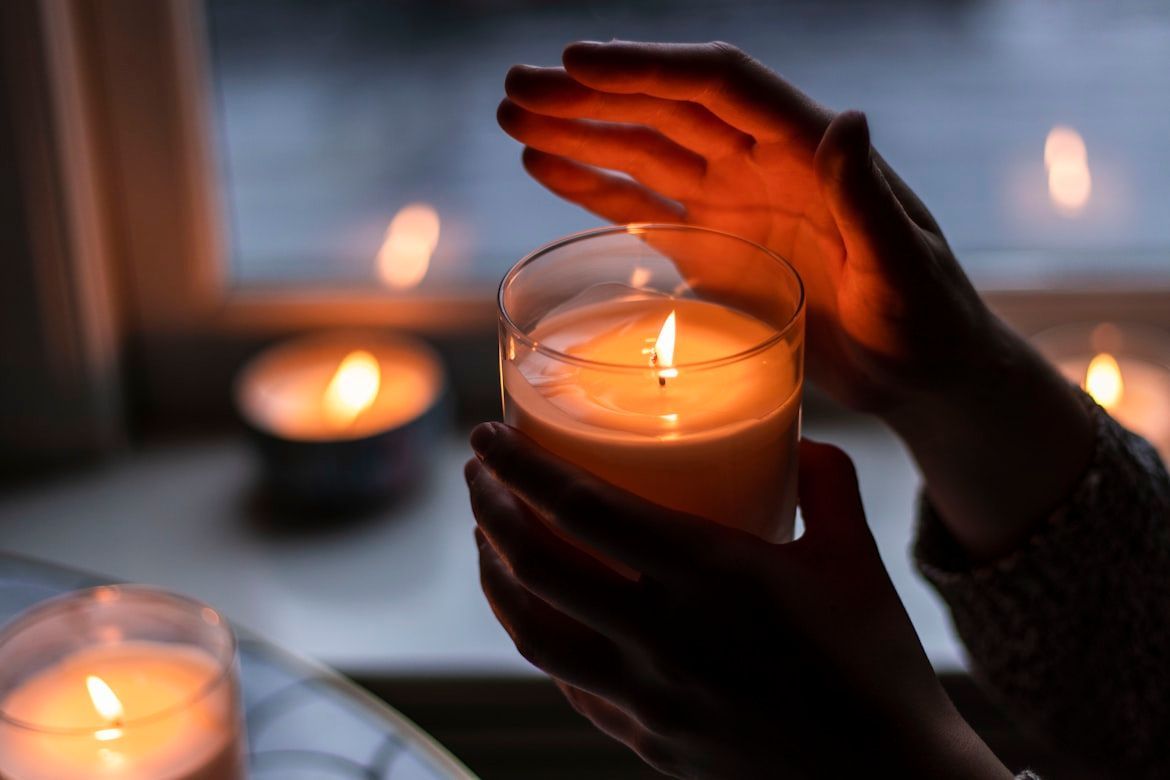

Image: Rebecca Peterson-Hall

Many daily habits we take for granted can be traced back to ancient rituals, religious practices, or traditional customs. From washing your hands to enjoying a morning cup of coffee, these everyday acts carry echoes of centuries-old beliefs, offering a fascinating glimpse into how history shapes modern life.

1

Washing hands

Image: Mélissa Jeanty

There was a time when washing one's hands wasn’t just about hygiene. Long before germs were understood, people performed this act for entirely different reasons.

Handwashing originated as a ritual of purification in ancient Egypt and Mesopotamia, where priests and worshippers cleansed themselves before ceremonies to remove spiritual impurities. Today, many faiths, including Judaism and Islam, uphold these traditions, incorporating specific handwashing practices into their sacred rites.

2

Bathing

Image: zana pq

Similarly, many of our ancestors didn't view bathing as a daily hygienic necessity, save for ceremonial purposes. In Hindu, Jewish, and Roman traditions, water immersion was tied to spiritual purification rather than hygiene alone.

Modern continuations of these practices include ritual baths such as the Jewish mikveh and the Hindu ghats along the Ganges, where devotees bathe to cleanse both body and spirit. European spa culture also traces its lineage back to the grand public bath traditions of Ancient Rome, which were as much about social and spiritual status as they were about getting clean.

3

Eating with utensils

Image: Juan Encalada

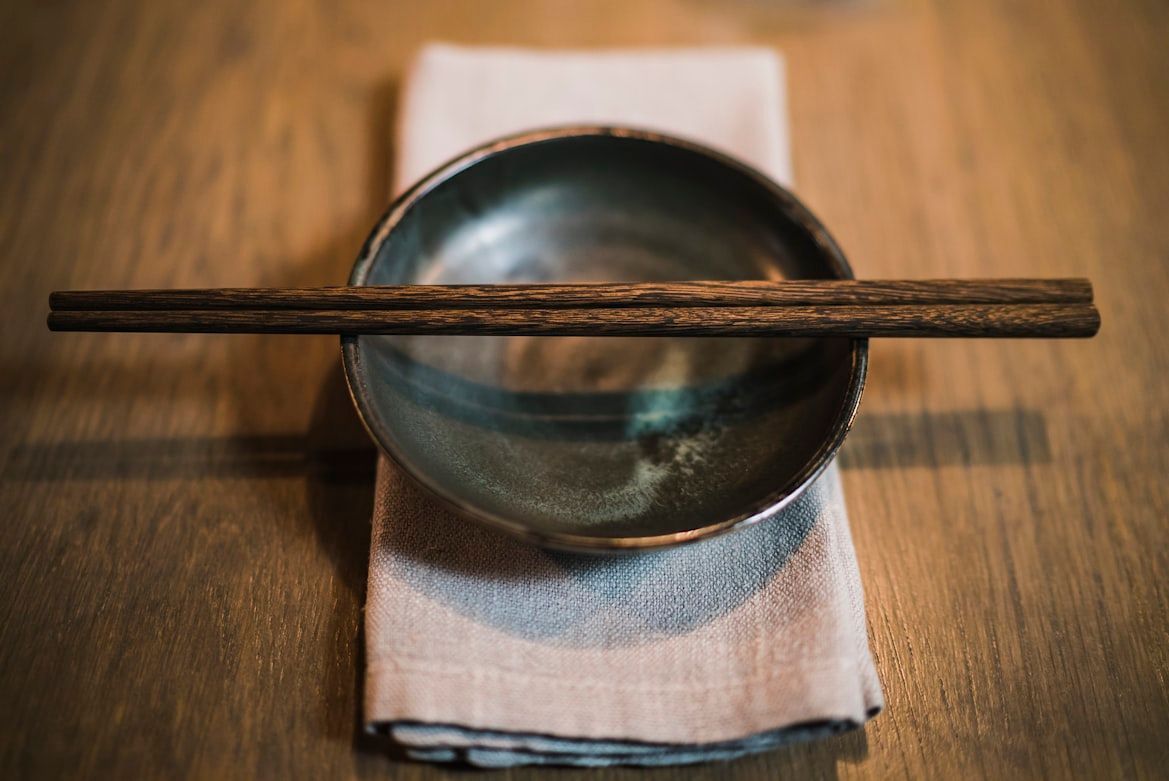
Surprisingly, eating utensils weren’t always seen as daily necessities. Both chopsticks in East Asia and forks in Europe originally served ritualistic or symbolic purposes.

Chopsticks were often used in ancestor offerings and ceremonial meals before becoming household staples. Similarly, early European forks were designed to avoid direct contact with food; however, this reflected more of a concern with social etiquette and status rather than a true preoccupation with hygiene.

4

Morning coffee

Image: Oveth Martinez

Coffee’s origins trace back to the 15th century, when Sufi monks in Yemen brewed it to remain alert during nighttime prayers. They viewed the beverage as a tool to enhance focus and spiritual discipline during long hours of devotion.

From its origins in the monastery, coffee spread across the Islamic world and eventually into Europe by the 17th century. Over time, it evolved from a sacred stimulant into a global morning ritual, forever linking the act of "waking up" to a practice rooted in centuries of religious discipline.

5

Ringing a bell

Image: Luís Perdigão

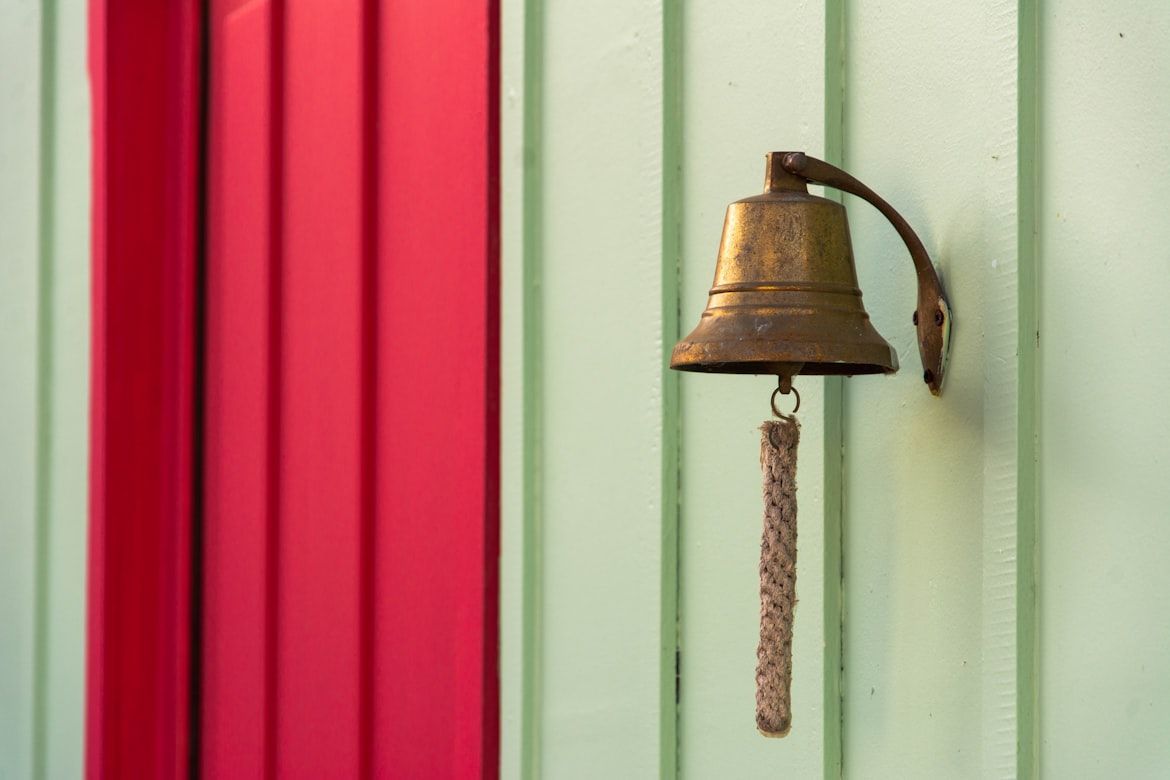
Bells have long served as powerful tools in Hindu, Buddhist, and Christian traditions—signaling prayer times, marking sacred rituals, and warding off malevolent spirits. Many cultures also hold that the resonant sound of a bell purifies the surrounding space and invites positive energy.

From church towers to school hallways, bells continue this legacy today. Even the modern dinner bell or digital alert links our daily schedules to this ancient practice of "marking" time and calling a community to attention during significant moments.

6

Wearing rings

Image: Febrian Zakaria

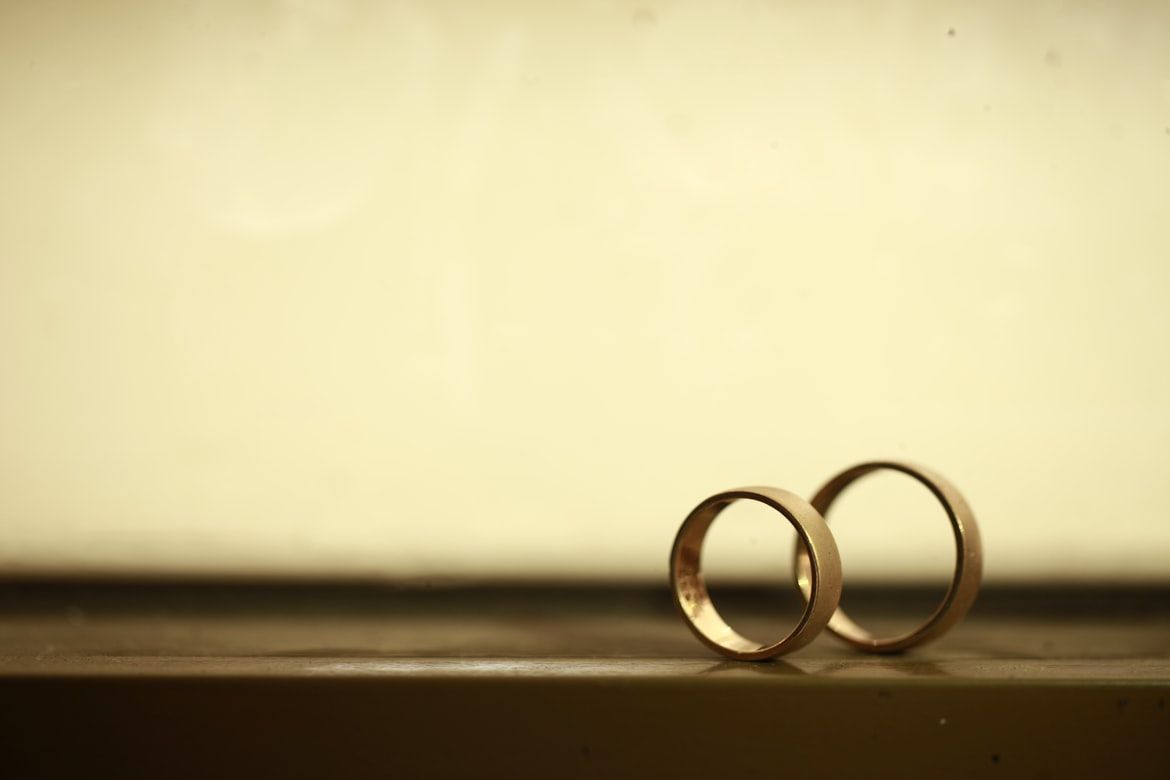
In ancient Egypt and Rome, rings were far more than simple decoration. Egyptians wore rings adorned with sacred symbols—such as the scarab or the Shen ring—as protective talismans to ward off misfortune. Meanwhile, Romans used signet rings to denote social rank and authenticate documents, often selecting specific gemstones for their purported mystical properties.

While many modern rings are purely aesthetic, wedding bands and heirlooms still carry deep symbolic weight, echoing their ancient roles as markers of status, protection, and lifelong commitment.

7

Birthday candles

Image: Lan Gao

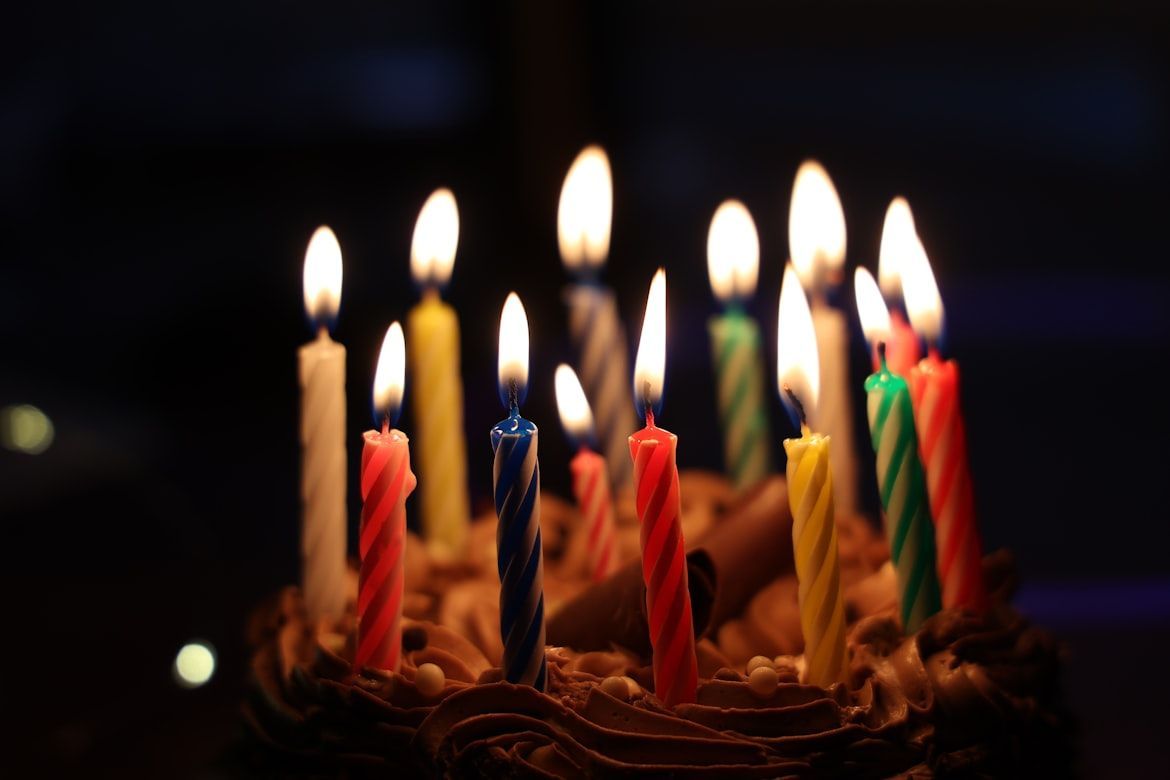
In ancient Greece, during the Mounychia festival (around the full moon), Athenians offered round cakes called amphiphontes to Artemis, goddess of the moon. Historical accounts suggest that these cakes were decorated with small torches or candles arranged in a circle, intended to mimic the moon’s ethereal glow.

Scholars suggest this ritual may have inspired later traditions. Today, birthday candles carry on this practice in a celebratory form, though they still symbolize the ancient themes of light, hope, and protection.

8

Crossing fingers

Image: Dayne Topkin

The gesture of crossing one’s fingers has roots in early Christianity: believers are thought to have crossed their index fingers with those of another person to form a secret "X" (like a tiny cross) as a sign of faith and to invoke divine protection during times of persecution.

Over time, the gesture evolved from a two-person pact into a solitary act. By the Middle Ages, individuals began crossing their own fingers to ward off evil or "trap" good luck, eventually becoming the universal symbol for hope and fortune we recognize today**.**

9

Waving

Image: Leanne Lucas

Waving likely evolved from the precursors of the modern salute. In the medieval period, knights would lift the visors of their helmets to reveal their faces and bare their right hands—a practical way to prove they were not carrying a weapon or harboring hostile intent.

Over time, this open‑hand gesture transitioned into a universal greeting. Today, when we wave, the raised palm still subconsciously signals peaceful intentions, echoing its origins as a gesture of peace.

10

Making a toast

Image: Quan Nguyen

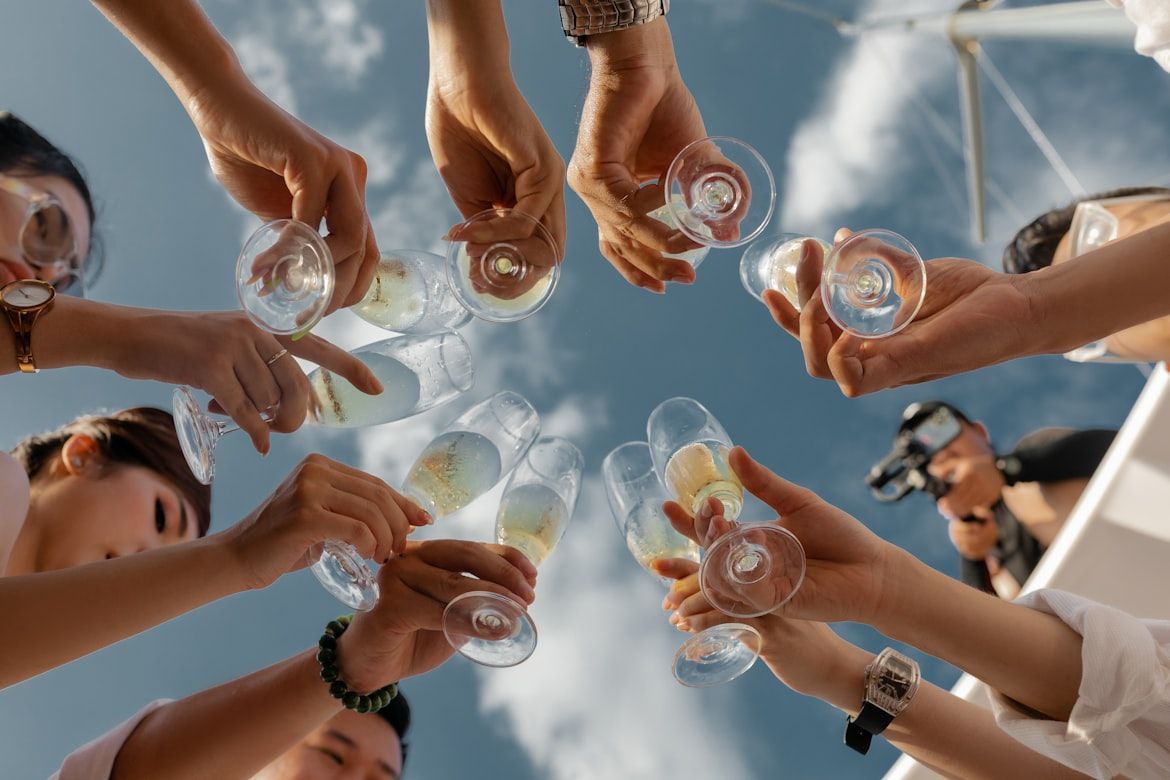
Raising a glass has deep roots in ancient Greece and Rome. At Greek drinking parties, participants raised their cups in libations to the gods—a practice documented in the works of Homer, where toasts were offered to deities like Zeus and Hygieia.

In Rome, the custom took a literal turn: guests often dropped a piece of toasted bread into their wine to temper its acidity and improve the flavor. This birthed the term "toast," from the Latin tostus, meaning "parched" or "burnt." While legends suggest that clinking glasses forcefully was a way to spill wine between cups to prove neither was poisoned, the act remains a universal symbol of trust and celebration.


ENJOY THE HOLIDAYS

Discover 10 Traditions From Around The World To Help You Welcome The New Year!


Published on May 6, 2026


Image: Myriam Zilles

A new year is almost upon us, and with it comes the promise of resolutions, wishes, and good times with friends and family. We would like to take this opportunity to wish you a lovely new year, and we can’t think of a better way to do that than to explore ten different and exciting New Year’s Eve traditions from all over the world. Looking for a fun, new way of celebrating this year? Keep on reading and enjoy our list!

1

Grapes, anyone?

Image: Nataliya Melnychuk

Want to make sure the twelve months of the next year meet your expectations? Spanish people might be able to help: they have a hundred-year-old tradition to make sure the upcoming year is filled with good fortune. And what’s that method, I hear you ask? Grapes, of course!

The Twelve Grapes is a tradition that dates back to at least the end of the 19th century, and it consists of eating a grape for each of the midnight bell strikes on December 31st. Most people make twelve wishes, one for each grape eaten. This tradition has expanded to several other Spanish-speaking countries and communities.

2

We hope you brought a sweater!

Image: Daniel Born

This one is only for those not afraid of the cold. A rather recent Russian tradition (that goes back approximately 25 years) involves two divers planting an underwater New Year’s tree below the icy waters of the frozen Lake Baikal. These two adventurers dive for more than 100 meters in waters with a temperature of 24.8 F, after which they are aptly nicknamed "Father Frost" and "The Ice Maiden".

3

Haud Hogmanay!

Image: Chris Flexen

As anyone who has ever sung Auld Lang Syne can testify, Scotland is synonymous with New Year’s Eve celebrations. Hogmanay is a Scots word that means "last day of the old year", and it has become the name for celebrating the New Year in a Scottish manner. Celebrations usually include the morning of January 1st, and sometimes even January 2nd, which is a Scottish bank holiday.

Customs vary throughout the Scottish regions, although they usually involve celebrating and exchanging gifts with friends and family. Some regions, like Aberdeenshire, participate in a rather extreme local custom. Residents take part in a ceremony down the main street, swinging fireballs made of barbed wire and flammable materials atop their heads. This is a way to ensure that any bad spirit might be burned before the start of the new year.

4

Shh… Quiet Please.

Image: Kristina Flour

If you think back on your last New Year’s Eve celebration (or maybe even your past five), you might remember a night of enjoyable excess: it’s a loud, festive affair, filled with fireworks, laughter, and perhaps a little too much eating and drinking. Which is perfectly fine—a bit of overindulgence is a lovely way to welcome the new year. However, should you want to experience a completely opposite way of celebrating, you can always take a trip to Bali, Indonesia.

Held in March, the Balinese New Year is called Nyepi and it is a day dedicated to silence and meditation. Nyepi is held for 24 hours from 6 a.m., during which Balinese people deeply commit to self-reflection and fasting: most shops don’t open, no people are allowed onto the beaches and streets, and the only airport in Bali remains closed for the day. The only ones exempt from these restrictions are emergency services responding to life-threatening situations.

5

Water fight!

Image: Lucas Mellec

If you happen to travel to a Southeast Asian nation like Cambodia or Thailand during their New Year’s celebrations, a stranger on the street might douse you with water. This might sound rude, but in reality, that well-intended passerby might actually be wishing you good luck and blessings for the upcoming year.

These New Year celebrations, known by Westerners as the Water Festival, traditionally involve sprinkling water as a sign of respect. However, since the new year falls on the hottest month in Southeast Asia, everyone ends up involved in a boisterous and welcomed splashing.

6

We hope those are comfortable!

Image: James Lee

Shortly after Christmas, many department stores in Italy begin to sell a rather specific item: red underwear. According to Italian tradition, wearing red underwear (whichever type you prefer) during New Year’s Eve awards the wearer with good luck and a successful year. Many Italians also believe that, for this tradition to work, the underwear must be new and only worn on New Year’s Eve before being thrown out.

7

A New Year’s wish with many layers

Image: Mockup Graphics

On New Year’s Day, many Greek families hang a few onions on their doors, in a tradition that dates back at least several centuries: In ancient Greece, onions were considered a sign of renewal and a way to increase fertility. Nowadays, Greeks usually hang an onion after attending the New Year’s Day church service as a way to ensure a year filled with the promise of renewal, good luck, and personal growth.

8

Now Boarding…

Image: Sun Lingyan

Tourists arriving in Colombia on New Year’s Eve might be surprised to see that they are not the only ones carrying around luggage. Theirs might be heavier, though, as many people in Colombia carry empty suitcases up and down the street to celebrate the new year. This tradition is followed to ensure travel and leisure and as a happy reminder of the many adventures the new year might bring.

9

Care for a drink of ash?

Image: Kateryna Hliznitsova

Trust us, this one is better than it sounds. Another Russian tradition makes it to this list, and this one involves toasting with a weird component added to your glass. During New Year’s Eve, many Russians write down a wish for the next year on a piece of paper, which they then burn down and mix the ashes onto a champagne glass. Those living in Moscow also toast their glasses when the Kremlin’s Spasskaya Tower rings at midnight, and drink their slightly ashy champagne while thinking of their New Year’s wish.

10

You’ve got mail!

Image: Joshua Hoehne

While not completely restricted to New Year’s celebrations, Chinese people traditionally give out a red envelope as a gift during important celebrations. Since the color red symbolizes happiness and good luck in Chinese culture, these gifts are a way to send your best wishes of fortune to someone. The envelopes (known as hongbao in Mandarin, lai see in Cantonese, and ang pow in Hokkien) are usually filled with money, and decorated with ornate and beautiful Chinese calligraphy.

Looking for an extra scoop of literary fun?

Learn more with our Word of the day

wondrous

/ˈwəndrəs/