Sacred actions
10 daily habits once considered magical
Published on May 6, 2026
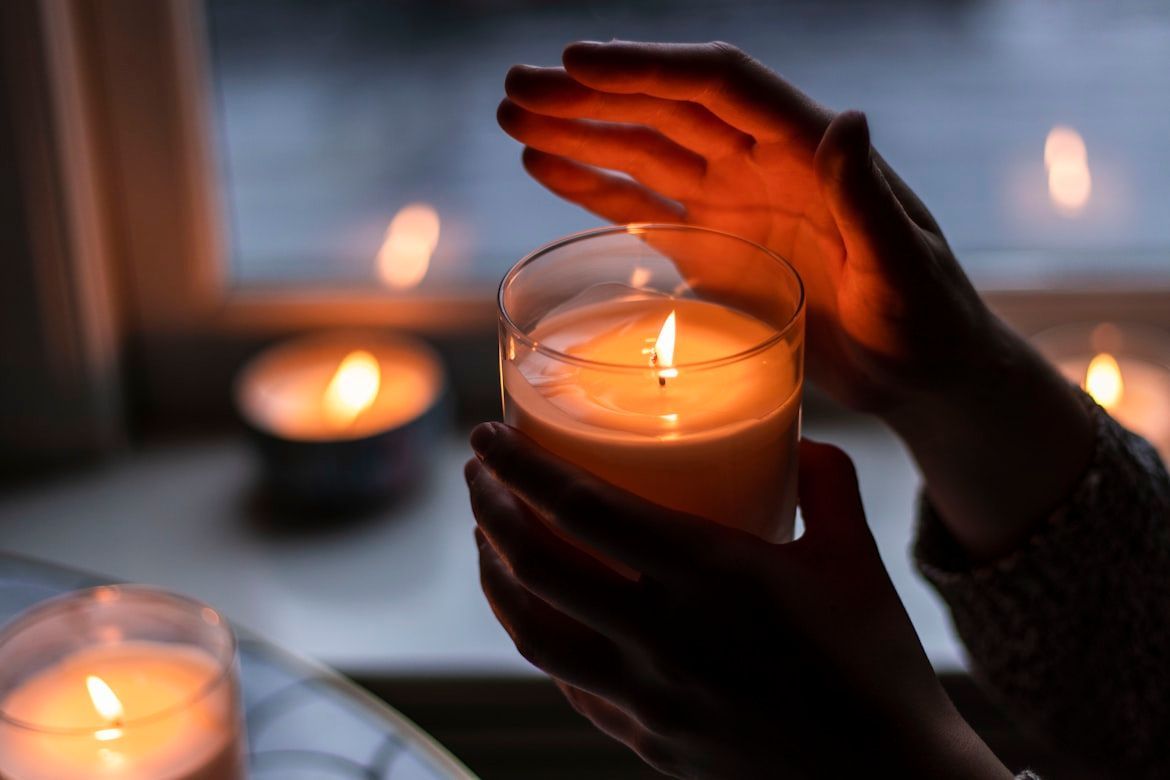
Many daily habits we take for granted can be traced back to ancient rituals, religious practices, or traditional customs. From washing your hands to enjoying a morning cup of coffee, these everyday acts carry echoes of centuries-old beliefs, offering a fascinating glimpse into how history shapes modern life.
Washing hands

There was a time when washing one's hands wasn’t just about hygiene. Long before germs were understood, people performed this act for entirely different reasons.
Handwashing originated as a ritual of purification in ancient Egypt and Mesopotamia, where priests and worshippers cleansed themselves before ceremonies to remove spiritual impurities. Today, many faiths, including Judaism and Islam, uphold these traditions, incorporating specific handwashing practices into their sacred rites.
Bathing

Similarly, many of our ancestors didn't view bathing as a daily hygienic necessity, save for ceremonial purposes. In Hindu, Jewish, and Roman traditions, water immersion was tied to spiritual purification rather than hygiene alone.
Modern continuations of these practices include ritual baths such as the Jewish mikveh and the Hindu ghats along the Ganges, where devotees bathe to cleanse both body and spirit. European spa culture also traces its lineage back to the grand public bath traditions of Ancient Rome, which were as much about social and spiritual status as they were about getting clean.
Eating with utensils
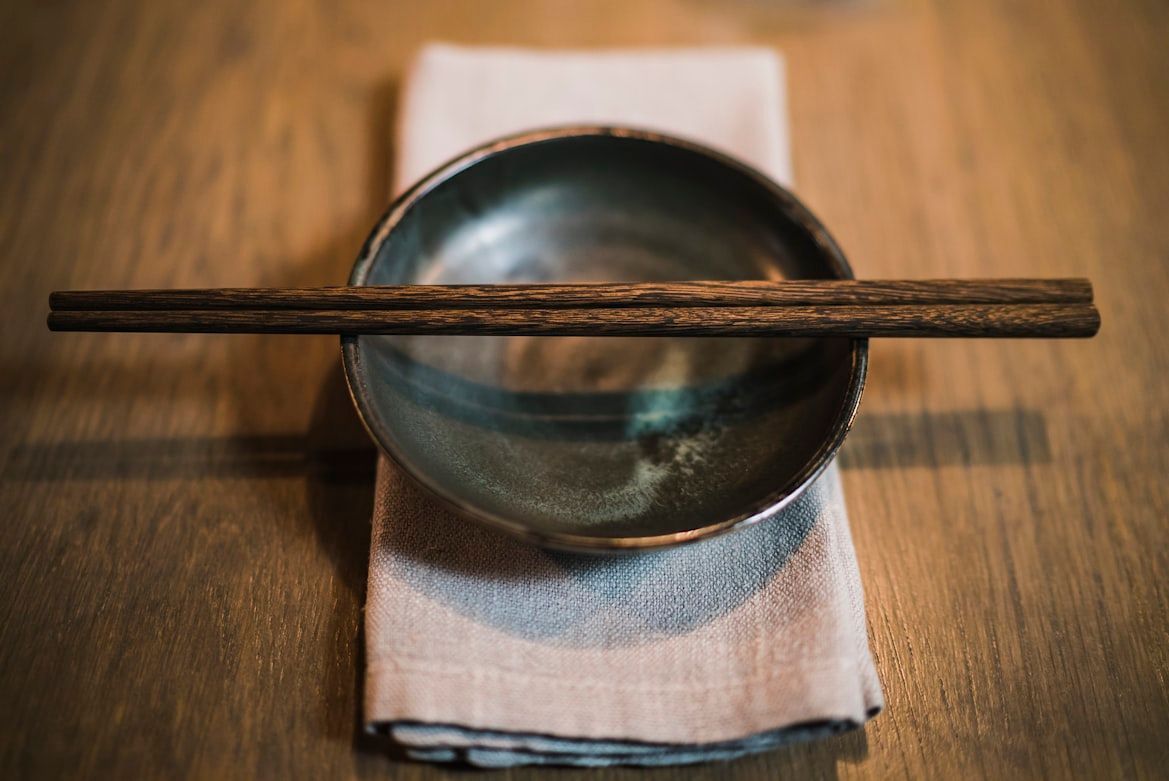
Surprisingly, eating utensils weren’t always seen as daily necessities. Both chopsticks in East Asia and forks in Europe originally served ritualistic or symbolic purposes.
Chopsticks were often used in ancestor offerings and ceremonial meals before becoming household staples. Similarly, early European forks were designed to avoid direct contact with food; however, this reflected more of a concern with social etiquette and status rather than a true preoccupation with hygiene.
Morning coffee

Coffee’s origins trace back to the 15th century, when Sufi monks in Yemen brewed it to remain alert during nighttime prayers. They viewed the beverage as a tool to enhance focus and spiritual discipline during long hours of devotion.
From its origins in the monastery, coffee spread across the Islamic world and eventually into Europe by the 17th century. Over time, it evolved from a sacred stimulant into a global morning ritual, forever linking the act of "waking up" to a practice rooted in centuries of religious discipline.
Ringing a bell
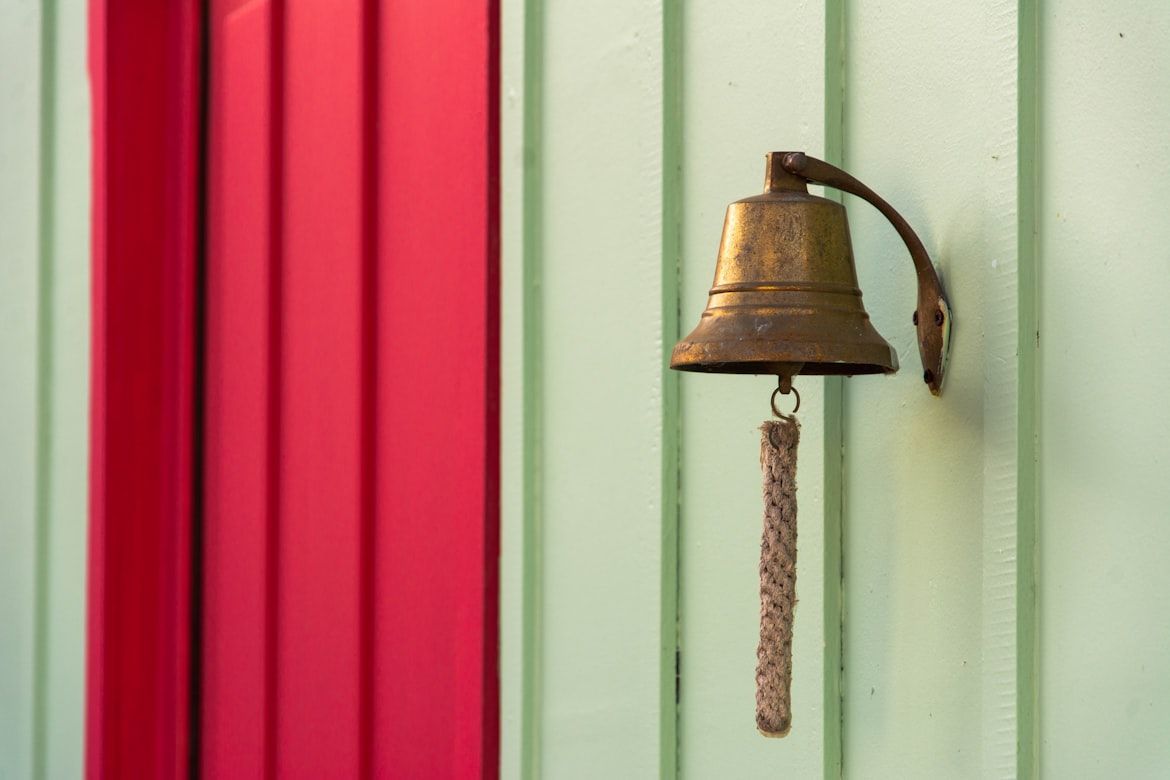
Bells have long served as powerful tools in Hindu, Buddhist, and Christian traditions—signaling prayer times, marking sacred rituals, and warding off malevolent spirits. Many cultures also hold that the resonant sound of a bell purifies the surrounding space and invites positive energy.
From church towers to school hallways, bells continue this legacy today. Even the modern dinner bell or digital alert links our daily schedules to this ancient practice of "marking" time and calling a community to attention during significant moments.
Wearing rings

In ancient Egypt and Rome, rings were far more than simple decoration. Egyptians wore rings adorned with sacred symbols—such as the scarab or the Shen ring—as protective talismans to ward off misfortune. Meanwhile, Romans used signet rings to denote social rank and authenticate documents, often selecting specific gemstones for their purported mystical properties.
While many modern rings are purely aesthetic, wedding bands and heirlooms still carry deep symbolic weight, echoing their ancient roles as markers of status, protection, and lifelong commitment.
Birthday candles
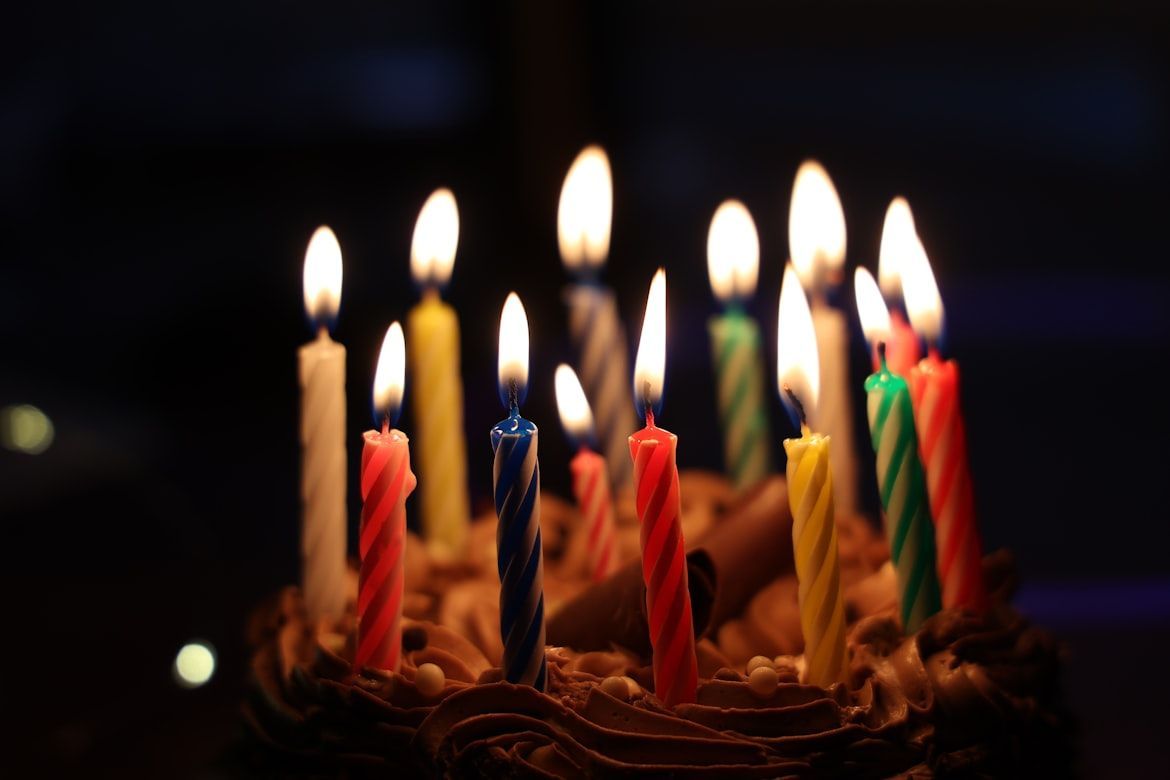
In ancient Greece, during the Mounychia festival (around the full moon), Athenians offered round cakes called amphiphontes to Artemis, goddess of the moon. Historical accounts suggest that these cakes were decorated with small torches or candles arranged in a circle, intended to mimic the moon’s ethereal glow.
Scholars suggest this ritual may have inspired later traditions. Today, birthday candles carry on this practice in a celebratory form, though they still symbolize the ancient themes of light, hope, and protection.
Crossing fingers

The gesture of crossing one’s fingers has roots in early Christianity: believers are thought to have crossed their index fingers with those of another person to form a secret "X" (like a tiny cross) as a sign of faith and to invoke divine protection during times of persecution.
Over time, the gesture evolved from a two-person pact into a solitary act. By the Middle Ages, individuals began crossing their own fingers to ward off evil or "trap" good luck, eventually becoming the universal symbol for hope and fortune we recognize today**.**
Waving

Waving likely evolved from the precursors of the modern salute. In the medieval period, knights would lift the visors of their helmets to reveal their faces and bare their right hands—a practical way to prove they were not carrying a weapon or harboring hostile intent.
Over time, this open‑hand gesture transitioned into a universal greeting. Today, when we wave, the raised palm still subconsciously signals peaceful intentions, echoing its origins as a gesture of peace.
Making a toast

Raising a glass has deep roots in ancient Greece and Rome. At Greek drinking parties, participants raised their cups in libations to the gods—a practice documented in the works of Homer, where toasts were offered to deities like Zeus and Hygieia.
In Rome, the custom took a literal turn: guests often dropped a piece of toasted bread into their wine to temper its acidity and improve the flavor. This birthed the term "toast," from the Latin tostus, meaning "parched" or "burnt." While legends suggest that clinking glasses forcefully was a way to spill wine between cups to prove neither was poisoned, the act remains a universal symbol of trust and celebration.


