Hidden stories

10 clichés you've used for years—and the surprising stories behind them


Published on June 13, 2026


Image: John Rooney, Public domain, via Wikimedia Commons

You’ve probably said or heard things like "the early bird gets the worm," or "close but no cigar," maybe without even thinking twice. They’re the kind of phrases you heard from your parents or picked up at school, and at some point, they just stuck. But here’s the thing: most people have no idea where they actually came from. English is full of these well-known sayings; clichés we repeat so often they’ve lost their punch. But the stories behind them are anything but boring. Here are 10 familiar clichés and their surprising origins.

1

Saved by the bell

Image: State Library of New South Wales collection, No restrictions, via Wikimedia Commons

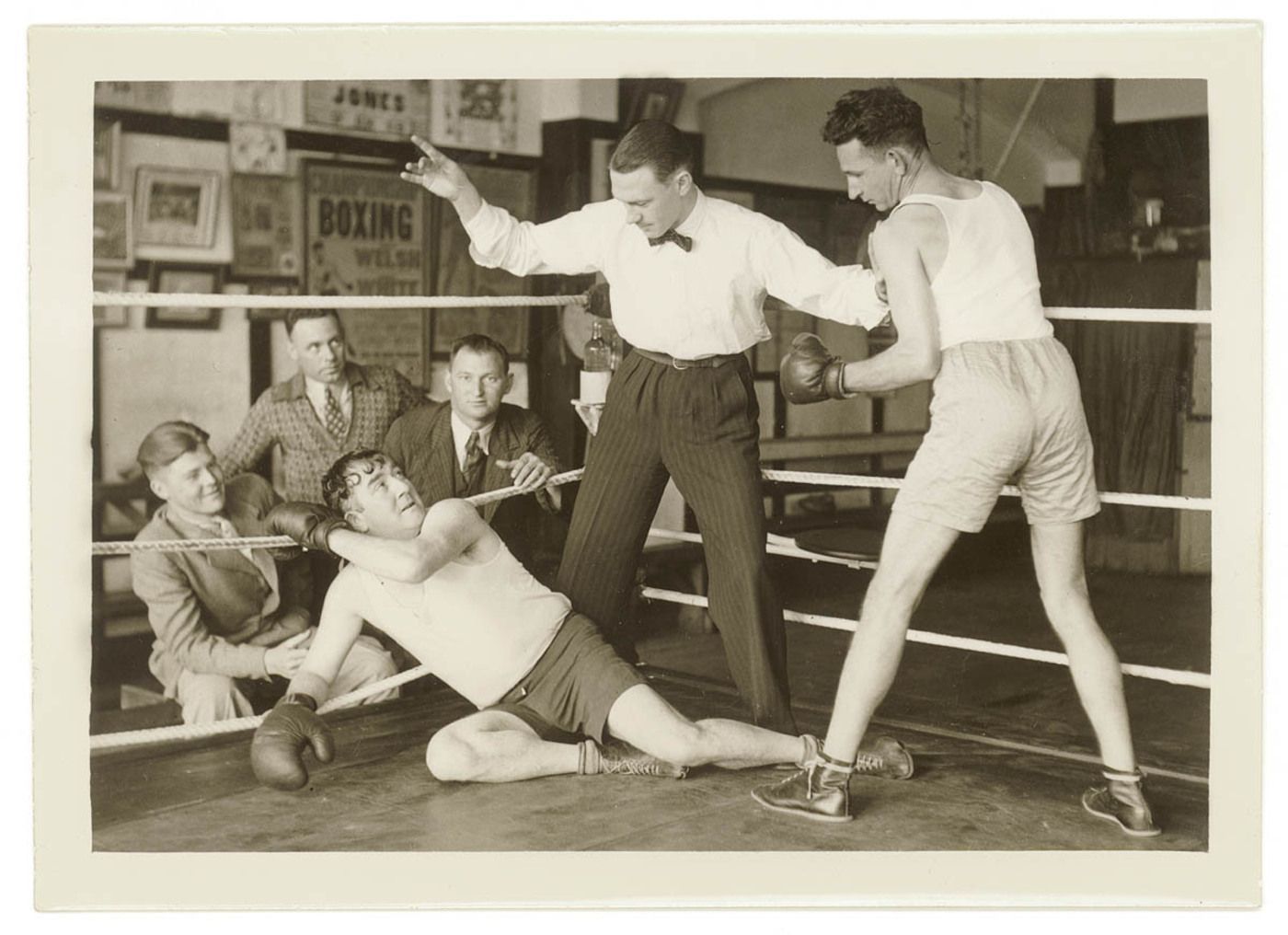
If you’ve ever grabbed the last piece of cake, only to have the phone ring just as someone else walks toward the fridge, you’ve been "saved by the bell". But the origins of this cliché are much more dramatic.

There are two possible explanations for its history. One theory comes from the late 18th and early 19th centuries, when there was a widespread fear of being buried alive. According to the story, some coffins were allegedly fitted with bells so a person could signal if they woke up underground, though there’s little evidence this was actually common. The more widely accepted origin comes from 19th-century boxing, where a fighter in trouble could be "saved" by the bell that ended the round just in time. Over time, that idea of a last-second escape became the meaning we use today.

2

Close but no cigar

Image: Unknown photographer, Public domain, via Wikimedia Commons

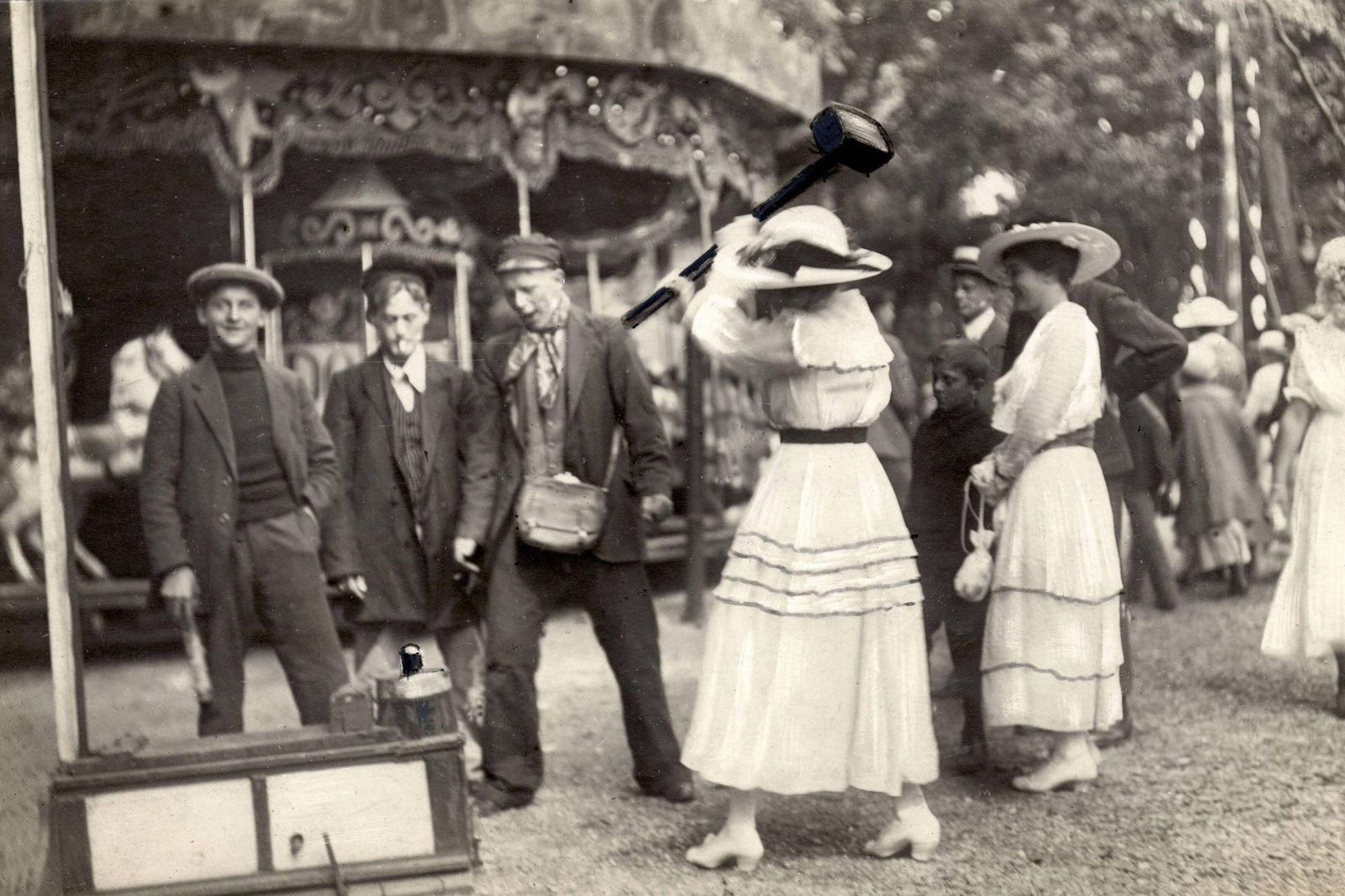
You had a flight, but you overslept. You rush to the airport, but the boarding gate has just closed: you didn’t make it. That’s a perfect "close, but no cigar" moment.

This phrase, used today whenever someone nearly succeeds but falls just short, had its origins in early 20th-century American carnivals and fairs. Back then, many skill games, like shooting galleries, ring tosses, or strength tests, didn't just offer stuffed animals or candy as prizes; they gave cigars to winners. If someone came close but didn’t win, the phrase was "close, but no cigar." Some customs may have changed, but the expression stuck, and its meaning is still quite the same today.

3

The early bird gets the worm

Image: Paula Robinson

These days, many people believe that acting early and with diligence has its advantages, or, as the saying goes, "the early bird catches the worm." But have you ever wondered where that idiom comes from?

In 17th-century Europe, most people worked in farming or trade, and getting an early start, arriving first at the market or beginning work at dawn, often meant a real advantage. In that context, it’s easy to see how the saying was established. "The early bird gets the worm" was first recorded in John Ray’s A Collection of English Proverbs (1670–1678), though even earlier variations appeared in William Camden’s Remains Concerning Britain (1605/1636).

4

The Rule of Thumb

Image: engin akyurt

Perhaps your grandmother once told you a few kitchen "rules of thumb," like using 1 gallon of water per pound of pasta or 2 parts water to 1 part rice. Simple guidelines that usually work, even if they’re not exact. But did you know the term "rules of thumb" was already used four centuries ago?

In 17th-century England, people didn’t just use feet for measuring; thumbs were also used as a quick, rough tool in everyday trades like brewing and textiles, where a thumb’s width meant roughly an inch. The expression appeared in writing in the 1600s, notably in a sermon by Scottish minister James Durham, and by the end of that century, it was already being used much like we use it today.

5

Don’t count your chickens before they hatch
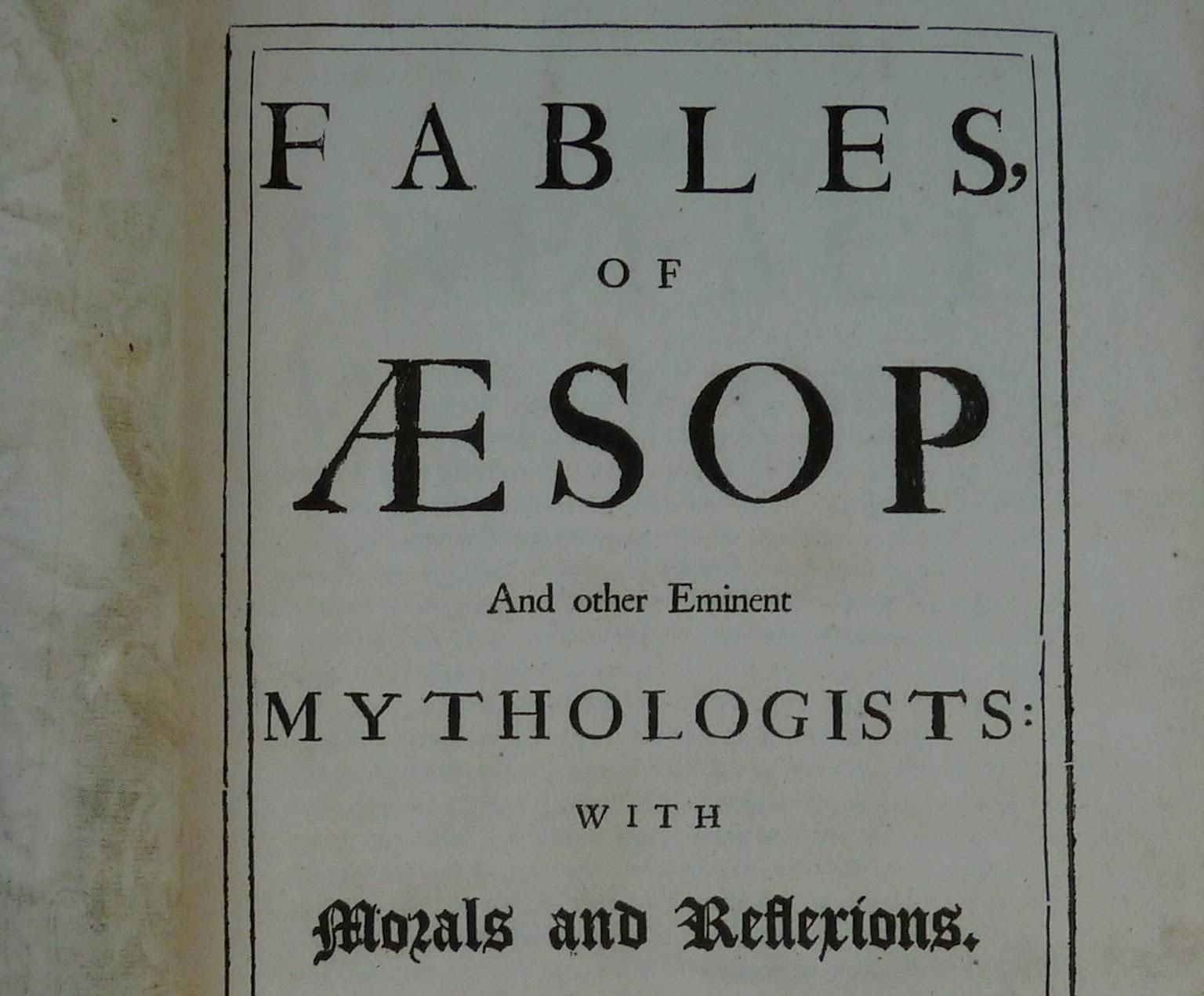
Image: Roger l'Estrange (1616-1704), Public domain, via Wikimedia Commons

Experienced people often warn against celebrating a raise or promotion before it’s actually official; you know, "don’t count your chickens before they hatch." Can you believe this idiom dates back to the 6th century BCE?

It comes from Aesop's Fables, especially the story often known as "The Milkmaid and Her Pail." In it, a young girl daydreams about the fortune she’ll make from selling milk, eggs, and future profits, so much so that she accidentally spills the milk and loses everything. The fable warns against planning for success until it’s actually happened, just like the saying today.

6

Read between the lines

Image: Anne Nygård

If a friend isn’t returning your calls and says he’s "just been really busy lately," you might need to "read between the lines" to realize something else is going on. Today, the phrase simply means picking up on the hidden or unspoken meaning behind someone’s words or behavior. But its origins are more literal than you might think.

In 19th-century cryptography, "reading between the lines" meant to uncover secret messages hidden in invisible ink between lines of visible text. One common method involved applying heat, which would reveal the secret writing. By 1850, the phrase had moved beyond codes into everyday language and was used to describe noticing subtle hints or implied meanings, just as we use it today.

7

Don't judge a book by its cover

Image: Prateek Katyal

If you’re visiting a new city and a local recommends a restaurant with an uninviting exterior, but inside, the food is a 10 out of 10, that’s when you’re reminded: "Don’t judge a book by its cover." Today, the saying means you shouldn’t judge something or someone by appearances alone, and it comes from 19th-century literature.

An early version appears in George Eliot’s The Mill on the Floss (1860), where a character speaking about books says, "…they’ve all got the same covers… But it seems one mustn’t judge by th’ outside." The wording later gained popularity in the 1946 murder mystery Murder in the Glass Room, by Lester Fuller and Edwin Rolfe, where it appears more directly as "You can never tell a book by its cover."

8

Better late than never

Image: Dario Veronesi

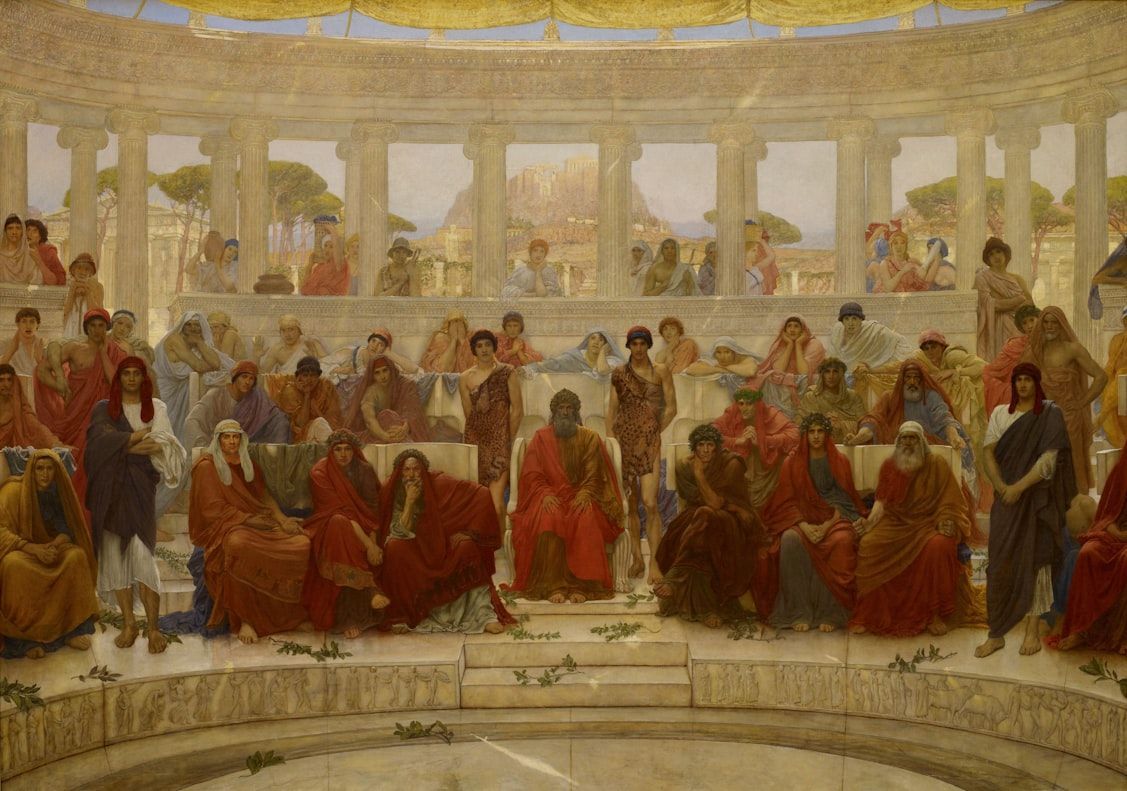
You’ve probably said "better late than never" when you showed up late to work or finally remembered to wish a friend a happy birthday, just a day or two too late. While we often say it today almost as a joke, its roots are much older and more serious.

The idea dates back to ancient Rome and was reflected in Titus Livy’s Ab Urbe Condita (History of Rome), written between 27 BCE and 9 BCE. The proverb appears as "potius sero quam nunquam", expressing the idea that it is better to act late than not at all, especially when it comes to defending Rome and its traditions. Centuries later, Geoffrey Chaucer brought the idea into Middle English in The Canterbury Tales (1386) as For bet than never is late.

9

Better safe than sorry

Image: Wallace Bentt

If you’re the cautious type who prefers to avoid trouble before making a decision, you’ve probably said "better safe than sorry" more times than you can count. But have you ever wondered where it actually comes from?

Unlike the previous proverb, this one doesn’t go back to ancient Rome, but it’s generally traced to 19th-century Irish literature. Even though the idea already existed in oral form, the phrase is credited to Irish novelist Samuel Lover, who, in his 1837 novel Rory O’More, writes it as "It is better to be sure than sorry," using it to highlight his character’s practical common sense.

10

Time heals all wounds

Image: Birmingham Museums Trust

Anyone who has experienced grief or loss can relate to the comforting saying, "Time heals all wounds." Today, we often share it in deep conversations with family or friends, but its roots go back much further than most people think.

It is believed to have originated with the Greek poet and playwright Menander around 300 BCE, who wrote Pantōn iatros tōn anagkaiōn kakōn chronos estin ("Time is the healer of all necessary evils"), suggesting that the passage of time can soften emotional pain. Later, Geoffrey Chaucer brought a similar idea into Middle English in Troilus and Criseyde (1380s), where it appears as As tyme hem hurt, a tyme doth hem cure ("As time hurt them, time cures them").


Embark on a vocabulary journey

Nightmare, curfew, brunch and more! Curious origins of 10 everyday words


Published on June 13, 2026


Image: Snapwire

Thanks to etymology, the science that studies the origins of words, we can learn how and when certain terms began to be used and why they are popular today. Did you know that the concept of brunch has existed since the 19th century? And that we owe the word clue to the myth of Theseus and the Minotaur? Would you like to discover these and other curious origins of common words we use on a daily basis? Keep reading!

1

Nightmare

Image: Monstera Production

The night part in "nightmare" is self-explanatory, but what about "mare"? You may be interested to know that a mare is not only a female horse but also a term that comes from Middle English and means "suffocating evil spirit." Back in the 13th century, a mare was thought to be a female goblin or ogre that lay on sleeping people and suffocated them.

People were so convinced that a physical being caused this distress that a nightmare was believed to be an actual monster until the 16th century. Eventually, people realized that the crushing, suffocating feeling was an emotional reaction to a bad dream. Isn't that what a nightmare feels like—panic, shortness of breath, suffocation? Fortunately, we have a perfect word to describe it!

2

Curfew

Image: engin akyurt

Didn't you hate it when you were young and your parents set a curfew for you? Surely you didn’t know that this custom comes from the sounding of a bell reminding medieval Europeans to cover their fires at night. Today, a curfew is imposed by parents on rebellious teenagers or during periods of emergency or conflict as a way of keeping people off the streets at night.

However, in the Middle Ages, the curfew was the time when people were reminded not to set their own homes on fire. Back then, an evening signal bell would give the order "Cover fire!" But what exactly does curfew mean? Well, the term curfew is an Old French word brought to England by the Norman conquerors, which comes from cuvrir, "to cover" and feu, "fire."

3

Scavenger

Image: Benjamin White

A long, long time ago, before there were machines, a scavenger was a person who swept the streets. Their job was to remove trash and dirt from the roads. Some of them may have pocketed items they found while pushing around their brooms, but that’s not what gave rise to the modern concept of a scavenger.

For that, the English language has tax collectors to thank. In London, those tasked by the crown with collecting a form of tax called scavage from foreign merchants were called scavagers. By the 16th century, the word was modified by adding an "n," mutating it to scavengers, used to describe people who combed through looking for useful items. Later, the concept was borrowed for animals such as vultures and hyenas.

4

Silly

Image: Annie Spratt

If someone called you silly today, you would be offended, but a medieval Englishman would have been pleased. The word is an alteration of the earlier term seely, from an Old High German root meaning "luck, happiness." Therefore, the Old English sense of seely was "happy, fortunate, blessed by God."

In the later Middle Ages, the term developed into "holy," then "innocent, defenseless, deserving of pity." So, what happened? How did we go from a positive term to one with a more negative connotation? The simple explanation is that people often regard goodness and simplicity as a lack of intelligence, which is why, since the late 16th century, the primary sense of silly has been "foolish."

5

Vaccine

Image: Diana Polekhina

We all know that vaccines save lives, but few know where the term comes from. Believe it or not, its origin is in the animal world. In the 18th century, English physician Edward Jenner observed that milkmaids who had come into contact with the virus causing cowpox did not contract smallpox, a more serious disease. In 1796, he deliberately infected a couple of children with small amounts of cowpox and proved his theory.

Two years later, Jenner reported his findings in an article written in Latin in which he referred to cowpox as variolae vaccinae, derived from vaccus, meaning "cow." Thus, at the dawn of the 19th century, the term vaccine, used at the time to refer to cowpox material used for injections, later evolved into other nouns and verbs such as vaccinate and vaccination.

6

Amateur

Image: Kampus Production

Today, for some reason, the word amateur has a negative connotation. However, in its origins, it had a much more positive meaning. Borrowed from French in the 18th century and ultimately derived from the Latin word amator, meaning "lover," it was originally used to describe a person who loves or is fond of something, as well as a person who practices an art or sport as a hobby rather than professionally. In other words, an amateur does something for love rather than for money.

Interestingly, the word aficionado, a synonym for "amateur," started out as a term for an aspiring bullfighter and later came to refer to a devotee of bullfighting. Aficionado is a Spanish word meaning "to inspire affection" and is now used to describe any ardent follower of an activity.

7

Sarcasm

Image: Siddharth Salve

The words of a sarcastic person can be sharp and painful, and this may be because the term sarcasm hides the idea of biting into the flesh. The word came into English in the mid-16th century from French, and is based on Greek sarkazein, meaning "to tear flesh," which also came to mean "to gnash the teeth" or "speak bitterly."

Interestingly, the word sarcophagus has a similar history. The original Greek term meant "flesh-eating" and is a combination of sarx, meaning "flesh," and -phagos, meaning "eating." Sarcophagi were originally made of a type of limestone that the ancient Greeks believed consumed the flesh of any dead body in contact with it.

8

Clue

Image: Erik Mclean

Without clues, Sherlock Holmes and Hercule Poirot would not be the detectives we know and love. The word clue is a modern spelling of the Old English term clew, meaning "a ball of thread." How did we go from a thread to our modern sense of clue? Well, it derives, no less, from the myth of Theseus and the Minotaur.

After killing the bull-headed monster, the Greek hero manages to escape the labyrinth thanks to the ball of twine that Princess Ariadne gave him to find his way out. From this ancient story, a clue became anything that you can follow to reach a solution.

9

Brunch

Image: Rachel Park

Brunch conjures an image of a contemporary urban lifestyle. Although we all picture a cool New Yorker coining the term in the 20th century, it actually came into being in 19th-century Britain. Back then, many upper-class families would give their servants Sundays off, during which the servants would prepare a buffet that included breakfast and lunch dishes. Hence, brunch is a combination of the words breakfast and lunch.

Don’t believe us? An 1896 article in the "Fashionable and Seasonable" section of the English satirical magazine Punch stated: "Nowadays to be fashionable, we have to go ‘brunching.’ An excellent compound word, introduced, by the way, last year by Mr. Guy Beringer in the now-defunct Hunter's Weekly magazine, indicating a combination of breakfast and lunch." Later, in the 1930s, the practice became popular in the United States.

10

Caterpillar

Image: Niv Singer

If you own a garden, you’ve probably seen a caterpillar or two eating away at the leaves of your precious plants. If not, you might remember the blue smoking character from Alice in Wonderland. But do you know where the peculiar name of this furry insect comes from?

The term caterpillar first appeared in English in the form catyrpel, probably an alteration of the Old French word chatepelose, which literally means "hairy cat." The extended form -piller is believed to come from the Old English word piller, meaning "a plunderer or ravager." Given the damage that caterpillars do to plants, it is likely that this influenced how the word is now spelled.

Looking for an extra scoop of literary fun?

Learn more with our Word of the day

kind

/kaɪnd/