Bookworms only

Vampires, villains, and heroes: 10 characters you need to know


Published on May 5, 2026

Image: Héctor J. Rivas

Literature has given us characters that transcend the page, capturing imaginations and defining genres. From heroic adventurers to beloved childhood icons and cunning antiheroes, these 10 figures have left an indelible mark on readers worldwide. Each has a unique story and a lasting legacy that continues to shape culture and fiction.

1

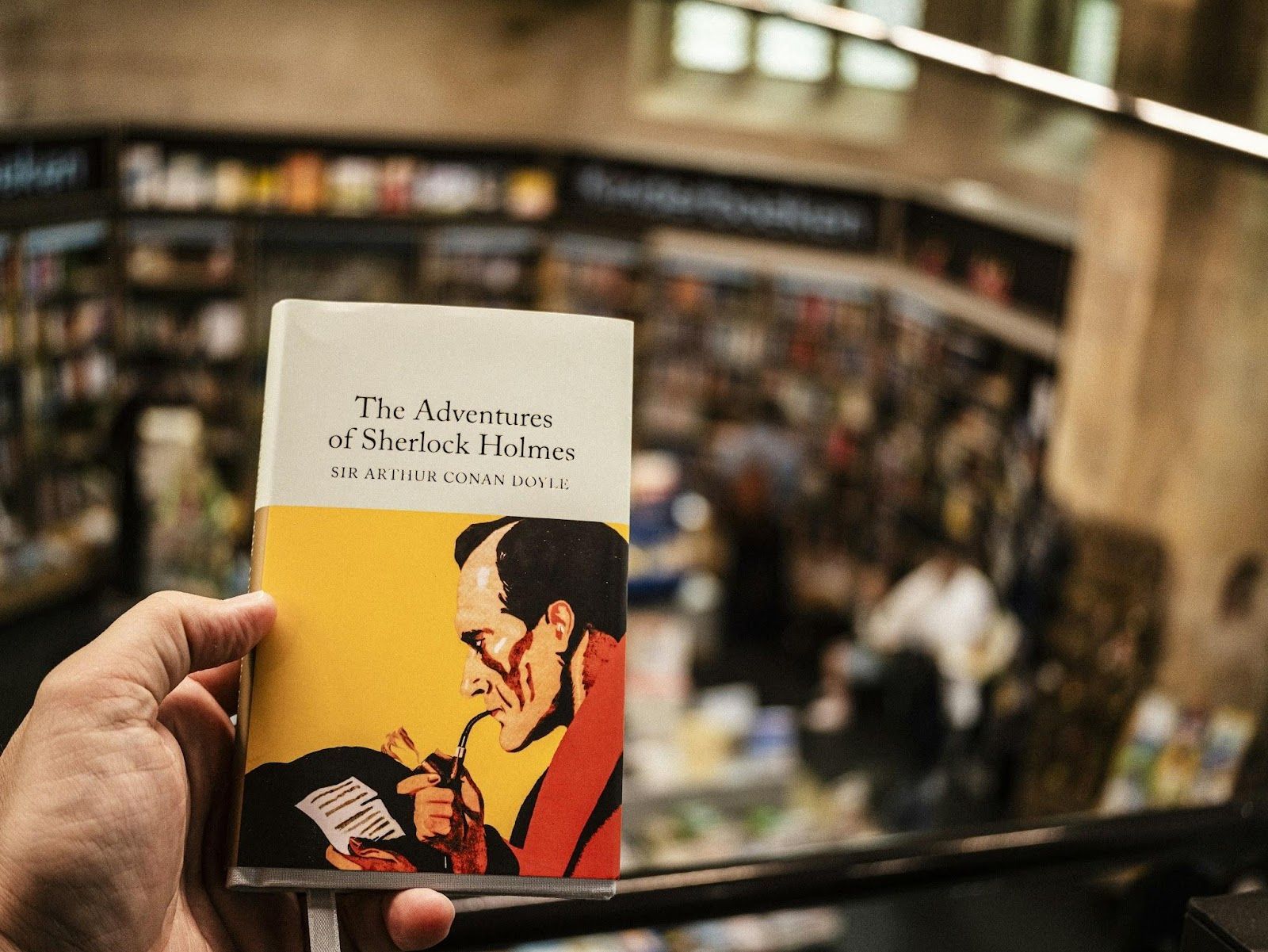
Sherlock Holmes

Image: Giu Vicente

Created by Sir Arthur Conan Doyle in 1887, Sherlock Holmes is a consulting detective known for his astute logical reasoning, use of forensic science, and keen observation skills.

Holmes first appeared in A Study in Scarlet, setting the gold standard for detective fiction. His iconic deerstalker hat, pipe, and razor-sharp mind have made him a lasting symbol of intellectual prowess in literature and media.

2

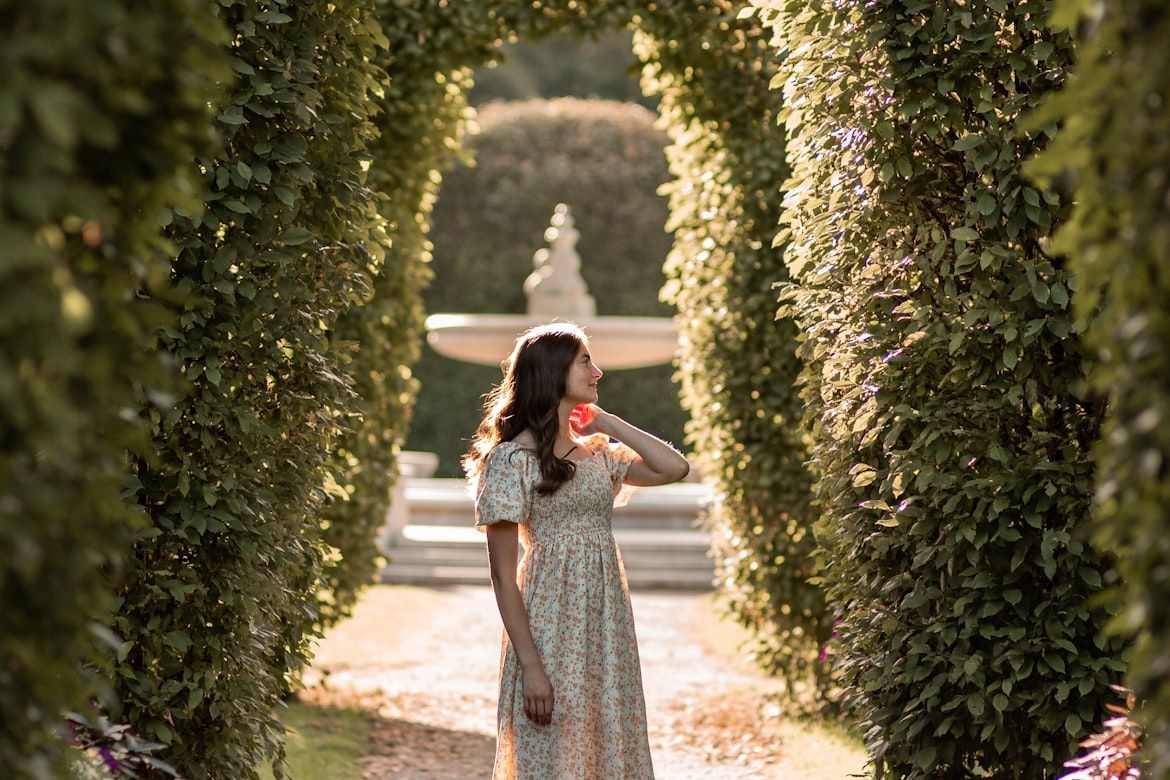
Elizabeth Bennet

Image: daria

From Jane Austen’s Pride and Prejudice (1813), the beloved Elizabeth Bennet navigates the complex social expectations and romantic entanglements of Regency-era England in her pursuit of love and self-discovery.

Austen’s sharp observations challenged the societal norms of early 19th-century England, and her brilliantly crafted heroines remain enduring models of wit, independence, and strength.

3

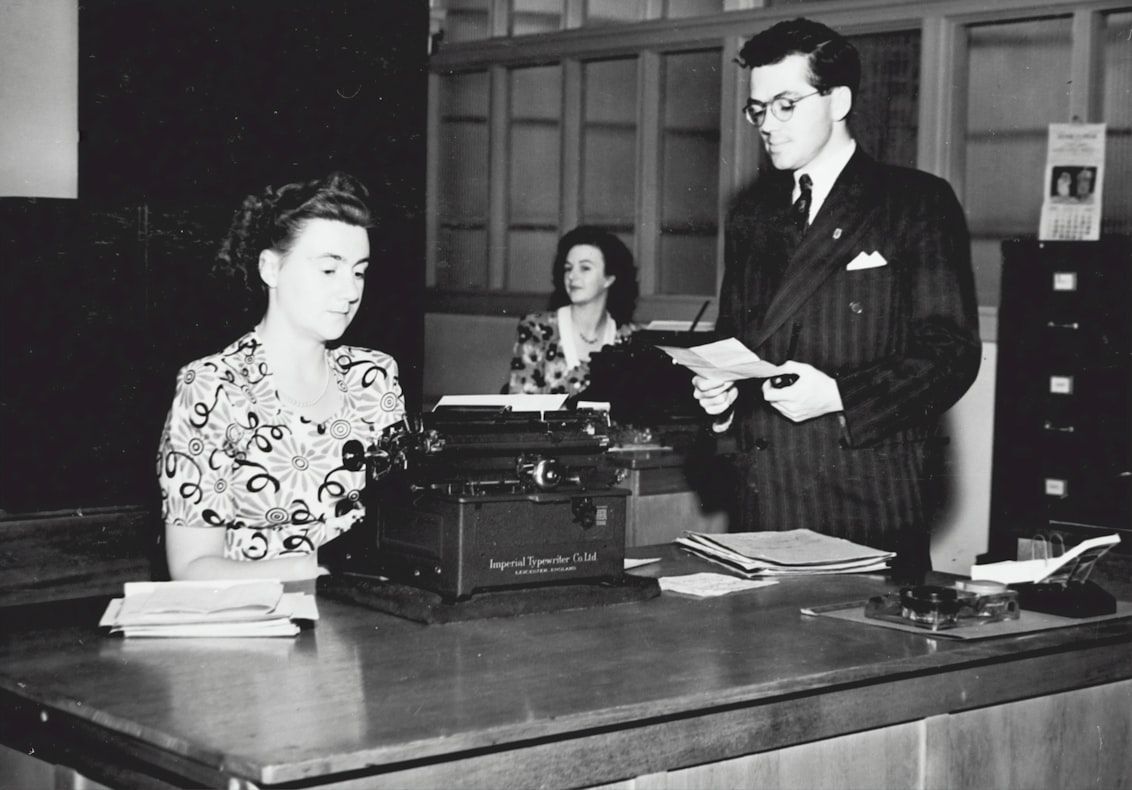
Atticus Finch

Image: Museums Victoria

From Harper Lee’s To Kill a Mockingbird (1960), Atticus Finch stands as one of literature’s most enduring symbols of integrity and justice. As a small-town lawyer in 1930s Alabama, he defends a Black man wrongly accused of assaulting a white woman, facing social backlash for upholding equality before the law.

Finch was inspired in part by Lee’s own father, Amasa Coleman Lee, a lawyer who once defended two Black men in a similar case.

4

Jay Gatsby

Image: Kier in Sight Archives

From F. Scott Fitzgerald’s The Great Gatsby (1925), Jay Gatsby embodies the allure and tragedy of the American Dream. A self-made millionaire who rises from poverty, Gatsby devotes his life to winning back his lost love, Daisy Buchanan, through wealth, charm, and lavish parties on Long Island.

Fitzgerald based Gatsby’s world on the excesses of the Jazz Age, drawing inspiration from real figures of the Roaring Twenties.

5

Huckleberry Finn

Image: Ashique Anan Abir

First appearing in Mark Twain’s The Adventures of Tom Sawyer (1876) and later starring in The Adventures of Huckleberry Finn (1884), Huck became an icon of youthful independence and moral awakening.

Rejecting the constraints of "civilized" society, he embarks on a journey down the Mississippi River with the runaway slave Jim. Often called the first true American novel, Huckleberry Finn broke literary conventions and helped shape modern realism in fiction.

6

Holden Caulfield

Image: Joonas Sild

From J.D. Salinger’s The Catcher in the Rye (1951), Holden Caulfield became the voice of postwar teenage alienation. Disillusioned by the "phoniness" of the adult world, he wanders New York City after being expelled from prep school, searching for meaning and authenticity in a world that to him feels hollow.

Salinger’s use of colloquial language and raw introspection was groundbreaking, influencing generations of writers and readers to this day.

7

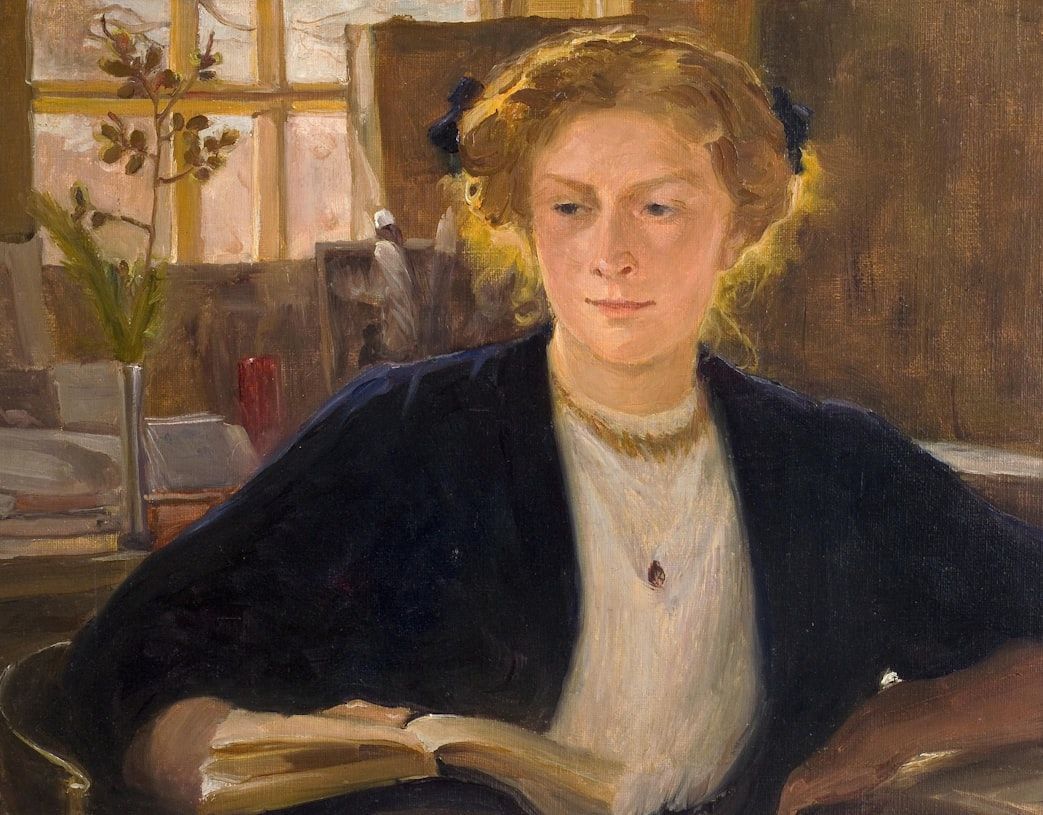
Jane Eyre

Image: Europeana

Charlotte Brontë’s Jane Eyre (1847) introduced one of literature’s first truly modern heroines. Orphaned and mistreated, Jane rises through hardship to become a governess and falls in love with the mysterious Mr. Rochester, but refuses to sacrifice her integrity or independence even for love.

Brontë’s portrayal of a woman asserting both moral and emotional autonomy was groundbreaking for its time and helped redefine the role of the heroine in English literature.

8

Dracula

Image: Vitaliy Shevchenko

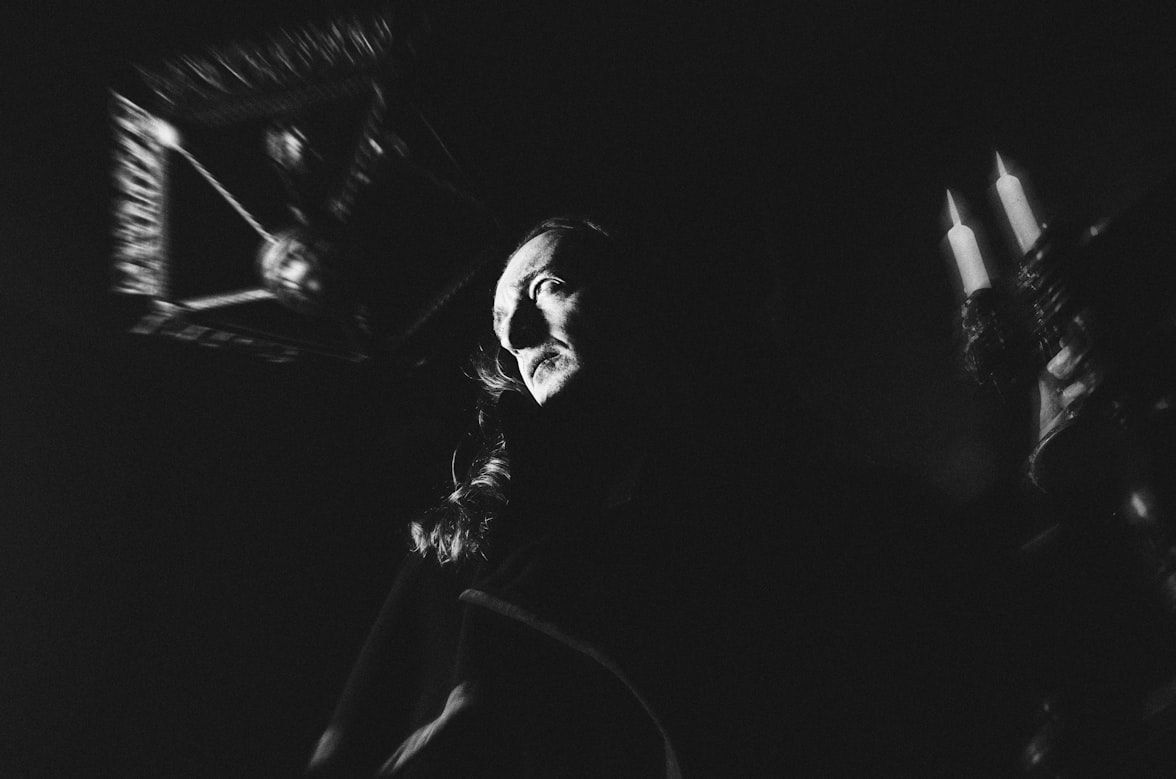
Bram Stoker’s Dracula (1897) introduced the world’s most famous vampire—a sophisticated aristocrat who conceals a monstrous thirst for blood.

Inspired by Eastern European folklore and possibly the real-life Vlad the Impaler, Stoker’s creation redefined the vampire myth. Count Dracula became a lasting symbol of fear, desire, and immortality, influencing countless adaptations and shaping an entire genre of horror.

9

Frodo Baggins

Image: Thandy Yung

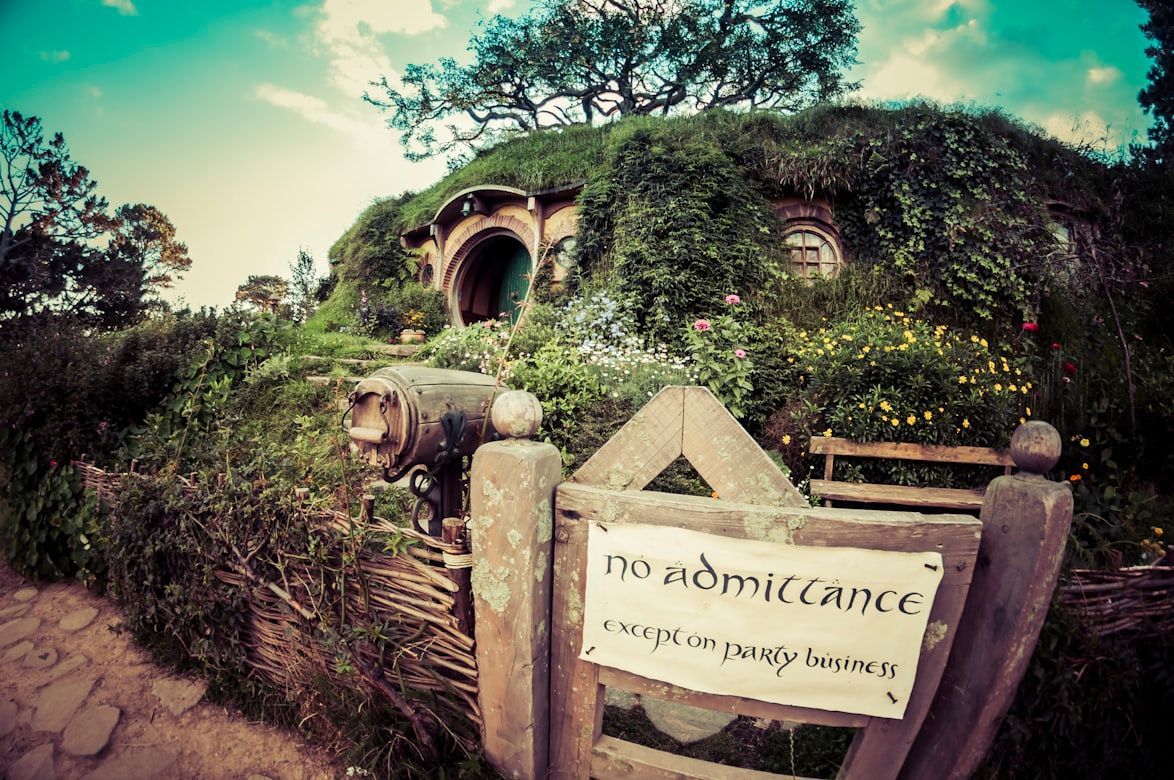
From J.R.R. Tolkien’s The Lord of the Rings trilogy (1954–1955), Frodo Baggins embodies the quiet courage of the ordinary person thrust into extraordinary circumstances. Tasked with destroying the One Ring, he journeys from the peaceful Shire into the heart of darkness to save Middle-earth.

Unlike traditional epic heroes, Frodo’s power lies in humility and persistence, making him a timeless symbol of inner strength and the cost of doing what’s right.

10

Odysseus

Image: Wietse Jongsma

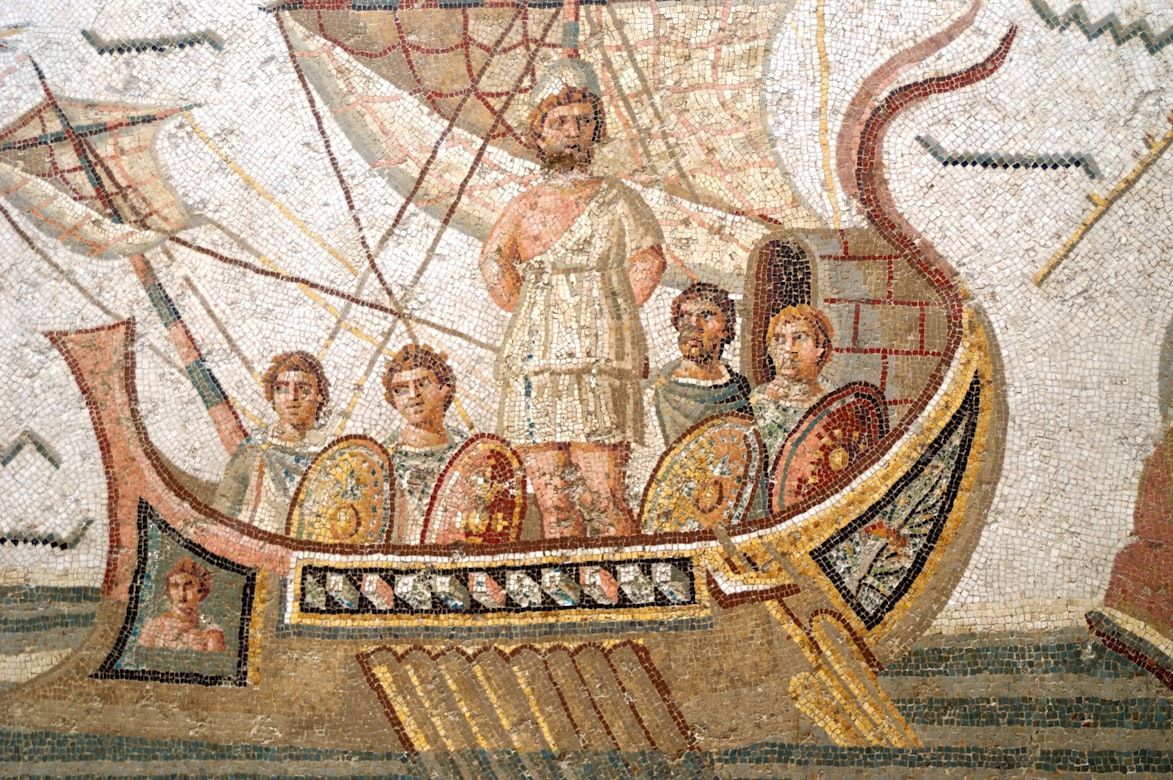
Homer’s Odyssey, composed around the 8th century BCE, presents Odysseus as the archetype of the clever hero. After the fall of Troy, his ten-year journey home to Ithaca becomes a test of endurance, intellect, and will as he faces gods, monsters, and temptation.

Renowned for his wit and adaptability, Odysseus embodies the Greek ideal of metis—strategic intelligence. His story also helped define the hero’s journey narrative that shaped Western literature, influencing countless tales of adventure and human struggle against fate.


WORD MASH-UP

Mixed words that make sense: 10 portmanteaus explained


Published on May 5, 2026


Image: Nick Fewings

In life, many inventions came from mixing things around, the ebay cocktails were at least! Well, something similar happens with words, they are called portmanteaus: two words are cleverly fused to create a new one with an original meaning, of course. These linguistic mashups are not only funny, but they are also convenient and expressive: there’s no way to replace words like "brunch" or "workaholic." In this article, we’ll explore 10 portmanteaus and explain how they were formed and what they mean. Are you ready? Let’s go!

1

Brunch

Image: Priscilla Du Preez 🇨🇦

Let’s kick off the list with a classic. This word is so commonly used, that we often forget it’s actually a combination of "breakfast" and "lunch." It was born after the need to call that late-morning meal something new.

A brunch can also be a social event as much as a meal, often accompanied by friends, laughter, and relaxed vibes. Modern, practical, and precise, this one is here to stay.

2

Adorkable

Image: Warren

You probably know someone who is a bit awkward and nerdy, but irresistibly cute. Well, that person is "adorkable." This word is a combination of "adorable" and "dork," and far from being an insult, it describes someone whose interests may be uncommon, yet they are cute and appealing.

The word has found a home in popular culture, introduced by Fox to describe the main character of an upcoming TV series. But it stayed because it is an accurate and affectionate description, don’t you agree?

3

Biopic

Image: Daizy Isumi

Bohemian Rapsody; I, Tonya; The Social Network, can you guess what they have in common? First of all, they are movies, specifically "biopics." But the distinctive feature is that they all portray the significant lives of real people. In the case of the movies mentioned, the people were Freddie Mercury, Tonya Harding, and Mark Zuckerberg.

The word "biopic" combines the words "biography" and "picture." Whether it’s an artist, politician, or scientist, biopics aim to capture the essence of a person’s life on the big screen. They offer a peek into history and, more often than not, it’s used to highlight some aspects of these people’s lives.

4

Motel

Image: Steven Lewis

Did you know the word "motel" is a portmanteau? It combines the words "motor" and "hotel" and it emerged during the rise of automobile travel in the mid-20th century. What was the appeal of motels? Their location!

Motels provided convenient, roadside lodging for travelers who didn’t want to stray too far from the highway. They were budget-friendly and perfect for a quick overnight stay. Of course, over the years, motels have become an iconic and essential part of American road culture. While often depicted as mysterious in movies, they are still the number one choice for weary drivers!

5

Edutainment

Image: Tim Mossholder

Who said learning can’t be fun? In fact, most professionals agree that the best way to effectively learn something is through enjoyment! So, "education" meets "entertainment" to give birth to "edutainment," a term to describe educative content that is also recreational and fun to make the learning experience, an enjoyable one!

The term has been embraced by everything from children’s TV shows to interactive museums, where people can experience lively tours that help the information stick. Learning is not a chore anymore, edutainment will keep everyone engaged!

6

Workaholic

Image: KOBU Agency

Neither too little nor too much is good in any case! The same goes for work. We all want to strive and improve in life, but being addicted to work won’t get us anywhere. Don’t be a "workaholic"!

This word combines "work" and "alcoholic," and even though alcohol isn’t involved in this description, the term was chosen to refer to an addiction. The adjective describes those who cannot stop working, usually to the detriment of their personal lives. While this behavior is not recommended, no one can deny it was a necessary word!

7

Frenemy

Image: Monika Simeonova

In social circles, the workplace, and even within the family, we all have that one person for whom we can’t really decide whether we love or hate them—that’s our personal "frenemy."

A frenemy is someone who blurs the lines between "friend" and "enemy," a blend of both. It describes the kind of person who might support you but also somehow, compete with you. It’s truly a unique, and often confusing dynamic. Nothing personal, it’s all about chemistry!

8

Mockumentary

Image: Jakob Owens

Have you watched The Office? That series is set in a paper company, where we follow the people who work there, their relationships, and their terribly useless boss. It’s styled as a documentary, but it is actually a work of fiction and also a bit of a satire. That’s what makes it a mockumentary.

Blending the words "mock" and "documentary," this specific type of film imitates documentary-like features, such as the handheld camera or characters’ interviews and comments, while incorporating fictional stories and deadpan humor, absurd situations, and satirical elements. The purpose? To mock real-life scenarios or exaggerate them.

9

Webinar

Image: Austin Distel

We’ve already learned that education can take a fun turn and become entertaining. Similarly, education also found a way to become accessible to all through the internet, our best ally when it comes to learning. A "webinar" is a blend of "web" and "seminar," and it refers to online educational events.

It’s a product of the digital age and the goal is to increase accessibility and comfort, as they are typically attended from home. They have become a key piece of professional development and, during the pandemic, were highly requested to keep up with the educational goals. Creative, don’t you think?

10

Phablet

Image: Firmbee.com

To close our article, we’ll also explore a word that comes from the technological field. In this case, the word "phablet" is a combination of "phone" and "tablet." You may wonder why this word was created, and that would be a fair question.

A phablet is what you get when you combine both technology devices in order to create a device with a larger screen—bigger than a phone but smaller than a tablet. It is both an inventive device with a creative word that aims to give users the best of both worlds. The comfort of a phone, with the size(-ish) of a tablet. Did you know about this one?

Looking for an extra scoop of literary fun?

Learn more with our Word of the day

wondrous

/ˈwəndrəs/