Bookworms only

10 characters so real, readers wanted them to exist


Published on May 5, 2026


Image: Héctor J. Rivas

Literature has given us characters that transcend the page, capturing imaginations and defining genres. From heroic adventurers to beloved childhood icons and cunning antiheroes, these 10 figures have left an indelible mark on readers worldwide. Each has a unique story and a lasting legacy that continues to shape culture and fiction.

1

Sherlock Holmes

Image: Giu Vicente

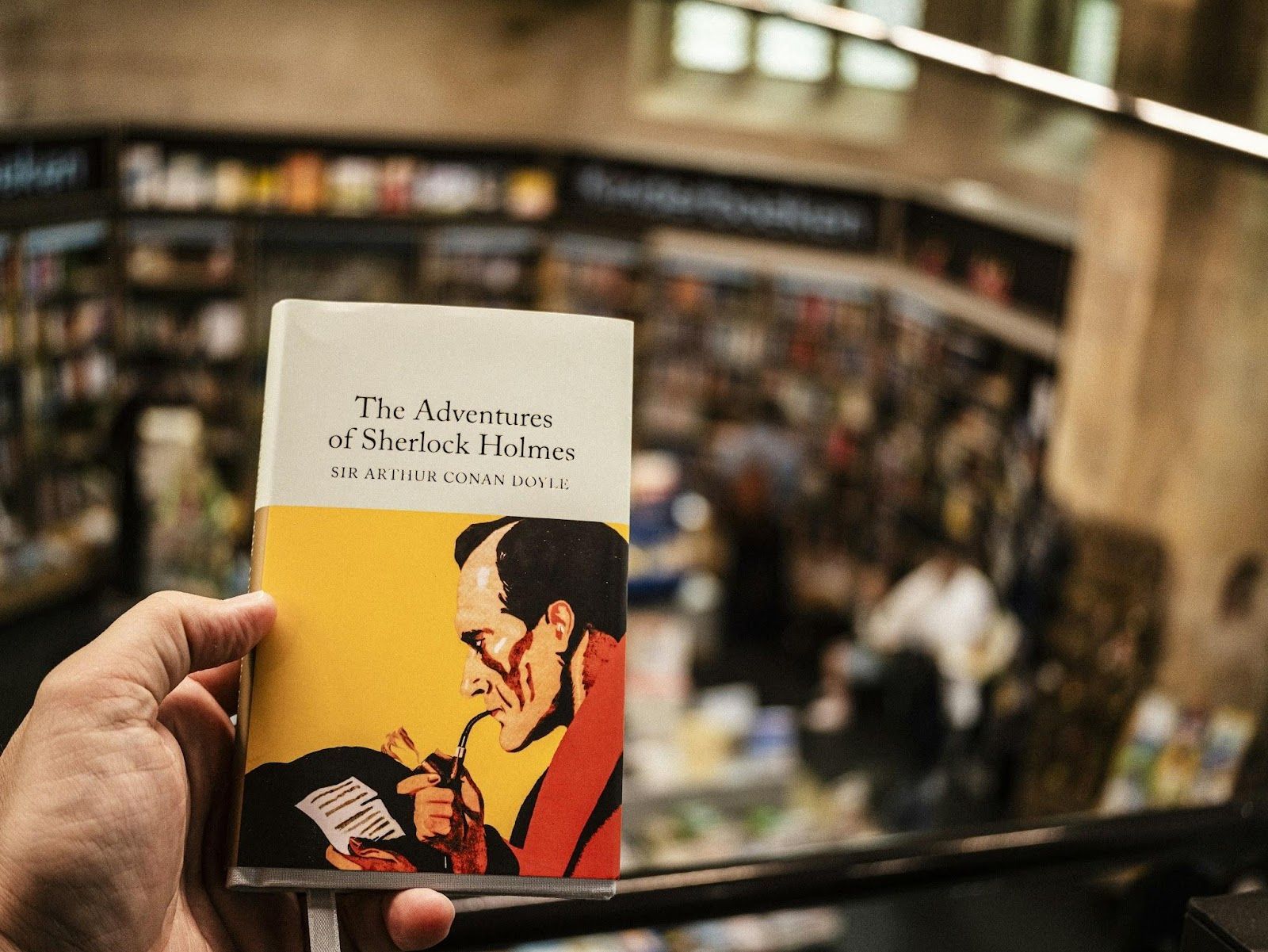
Created by Sir Arthur Conan Doyle in 1887, Sherlock Holmes is a consulting detective known for his astute logical reasoning, use of forensic science, and keen observation skills.

Holmes first appeared in A Study in Scarlet, setting the gold standard for detective fiction. His iconic deerstalker hat, pipe, and razor-sharp mind have made him a lasting symbol of intellectual prowess in literature and media.

2

Elizabeth Bennet

Image: daria

From Jane Austen’s Pride and Prejudice (1813), the beloved Elizabeth Bennet navigates the complex social expectations and romantic entanglements of Regency-era England in her pursuit of love and self-discovery.

Austen’s sharp observations challenged the societal norms of early 19th-century England, and her brilliantly crafted heroines remain enduring models of wit, independence, and strength.

3

Atticus Finch

Image: Museums Victoria

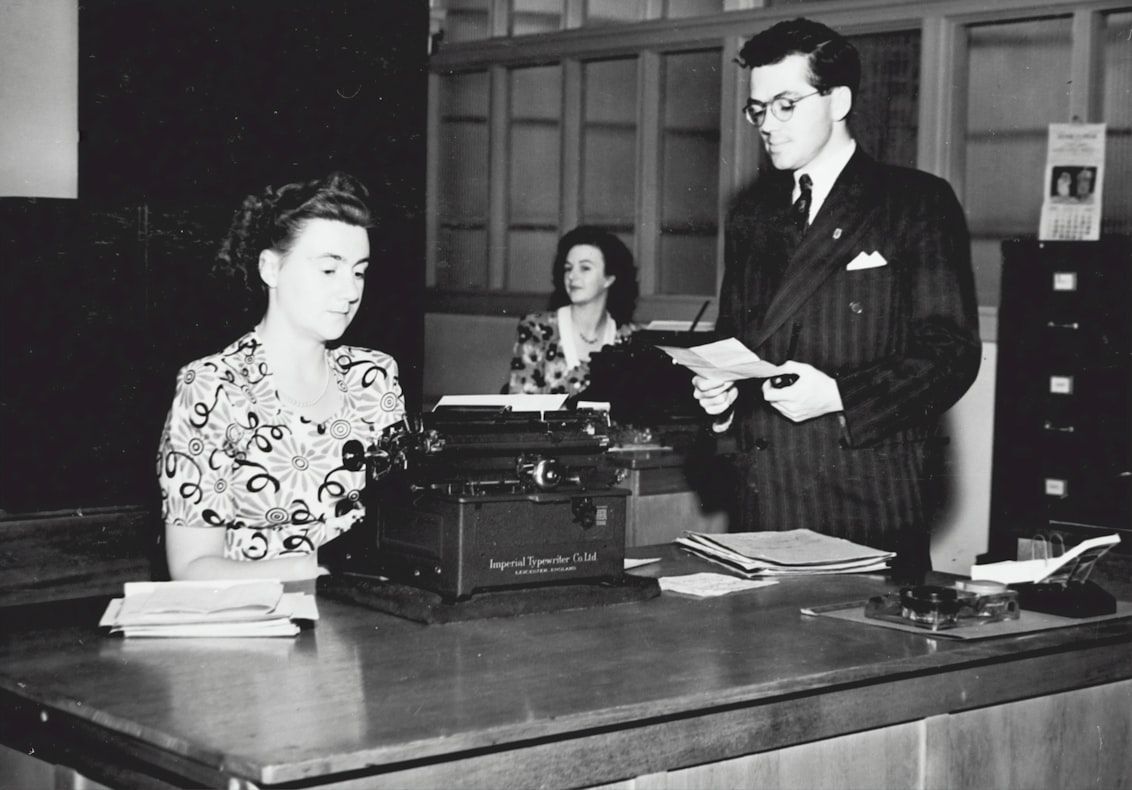
From Harper Lee’s To Kill a Mockingbird (1960), Atticus Finch stands as one of literature’s most enduring symbols of integrity and justice. As a small-town lawyer in 1930s Alabama, he defends a Black man wrongly accused of assaulting a white woman, facing social backlash for upholding equality before the law.

Finch was inspired in part by Lee’s own father, Amasa Coleman Lee, a lawyer who once defended two Black men in a similar case.

4

Jay Gatsby

Image: Kier in Sight Archives

From F. Scott Fitzgerald’s The Great Gatsby (1925), Jay Gatsby embodies the allure and tragedy of the American Dream. A self-made millionaire who rises from poverty, Gatsby devotes his life to winning back his lost love, Daisy Buchanan, through wealth, charm, and lavish parties on Long Island.

Fitzgerald based Gatsby’s world on the excesses of the Jazz Age, drawing inspiration from real figures of the Roaring Twenties.

5

Huckleberry Finn

Image: Ashique Anan Abir

First appearing in Mark Twain’s The Adventures of Tom Sawyer (1876) and later starring in The Adventures of Huckleberry Finn (1884), Huck became an icon of youthful independence and moral awakening.

Rejecting the constraints of "civilized" society, he embarks on a journey down the Mississippi River with the runaway slave Jim. Often called the first true American novel, Huckleberry Finn broke literary conventions and helped shape modern realism in fiction.

6

Holden Caulfield

Image: Joonas Sild

From J.D. Salinger’s The Catcher in the Rye (1951), Holden Caulfield became the voice of postwar teenage alienation. Disillusioned by the "phoniness" of the adult world, he wanders New York City after being expelled from prep school, searching for meaning and authenticity in a world that to him feels hollow.

Salinger’s use of colloquial language and raw introspection was groundbreaking, influencing generations of writers and readers to this day.

7

Jane Eyre

Image: Europeana

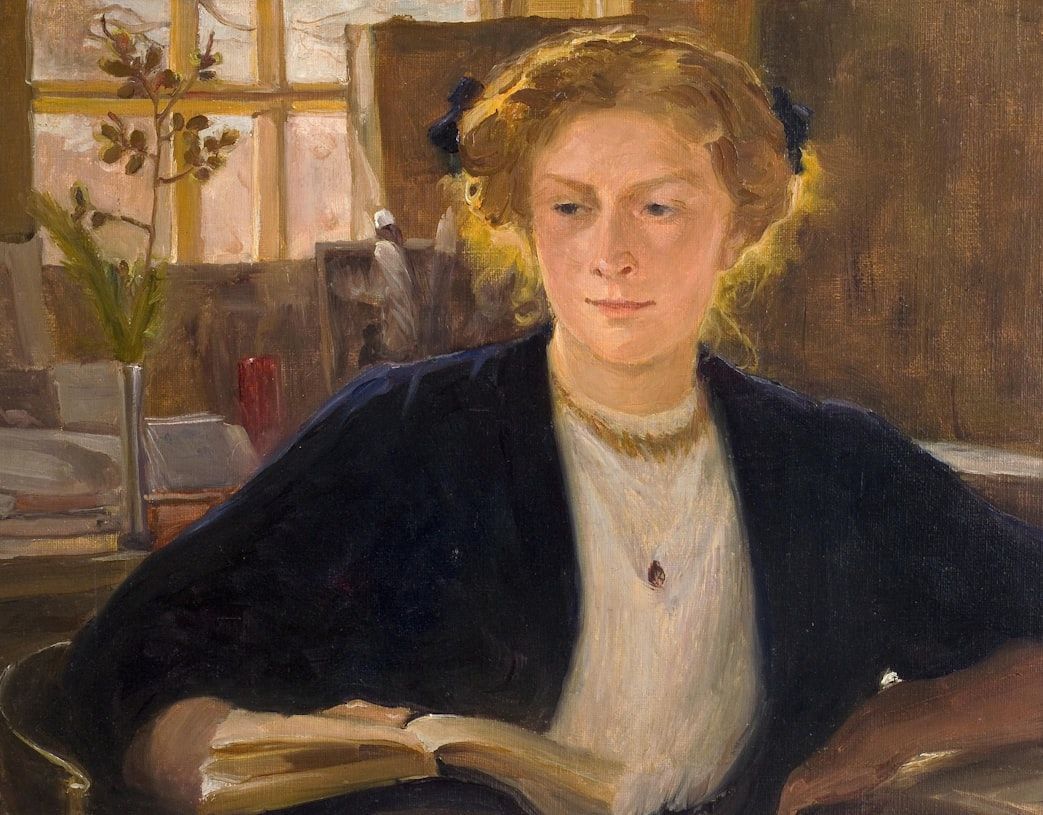
Charlotte Brontë’s Jane Eyre (1847) introduced one of literature’s first truly modern heroines. Orphaned and mistreated, Jane rises through hardship to become a governess and falls in love with the mysterious Mr. Rochester, but refuses to sacrifice her integrity or independence even for love.

Brontë’s portrayal of a woman asserting both moral and emotional autonomy was groundbreaking for its time and helped redefine the role of the heroine in English literature.

8

Dracula

Image: Vitaliy Shevchenko

Bram Stoker’s Dracula (1897) introduced the world’s most famous vampire—a sophisticated aristocrat who conceals a monstrous thirst for blood.

Inspired by Eastern European folklore and possibly the real-life Vlad the Impaler, Stoker’s creation redefined the vampire myth. Count Dracula became a lasting symbol of fear, desire, and immortality, influencing countless adaptations and shaping an entire genre of horror.

9

Frodo Baggins

Image: Thandy Yung

From J.R.R. Tolkien’s The Lord of the Rings trilogy (1954–1955), Frodo Baggins embodies the quiet courage of the ordinary person thrust into extraordinary circumstances. Tasked with destroying the One Ring, he journeys from the peaceful Shire into the heart of darkness to save Middle-earth.

Unlike traditional epic heroes, Frodo’s power lies in humility and persistence, making him a timeless symbol of inner strength and the cost of doing what’s right.

10

Odysseus

Image: Wietse Jongsma

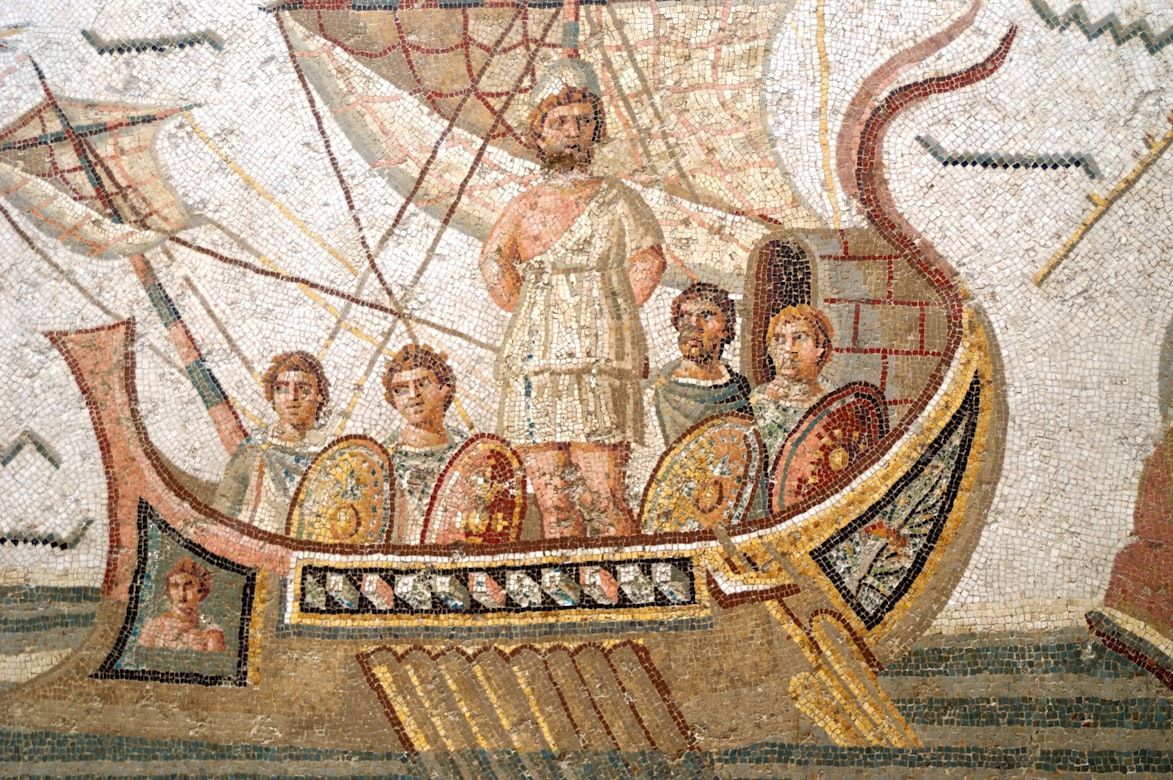
Homer’s Odyssey, composed around the 8th century BCE, presents Odysseus as the archetype of the clever hero. After the fall of Troy, his ten-year journey home to Ithaca becomes a test of endurance, intellect, and will as he faces gods, monsters, and temptation.

Renowned for his wit and adaptability, Odysseus embodies the Greek ideal of metis—strategic intelligence. His story also helped define the hero’s journey narrative that shaped Western literature, influencing countless tales of adventure and human struggle against fate.


NO EXCUSES FOR NOT BEING HEALTHY

Getting In Shape: 10 Workout Techniques For Everyone


Published on May 5, 2026


Image: Scott Webb

If you want to stay healthy, getting in a reasonably decent shape is not a thing you can simply choose to do or not do. It’s a must. The good news is that, according to each goal, different workout methods have varying degrees of intensity. And there is a workout for everybody, no matter how fit or unfit you are.

Read on and find out about some famous and lesser-known techniques that help millions of people every day to achieve a healthier lifestyle and be in a better physical condition overall.

1

Strength Training

Image: Victor Freitas

Let’s start with one of the most obvious ones —and there is good reason for that. Strength training is a key component of overall health and fitness for everyone. It helps reduce body fat, increase lean muscle mass, and burn calories more efficiently.

Lean muscle mass naturally diminishes with age. Strength training can help you preserve and build up your muscle mass at any age. It enables you to develop strong bones, manage your weight, enhance your quality of life, manage chronic conditions, and even sharpen your thinking skills.

2

Pilates

Image: Elena Kloppenburg

Pilates is one of those exercise methods that gained traction a few years ago. However, it was developed by Joseph Pilates in the early 20th century, mostly as a method of injury recovery for dancers. Some of the principles that guide the Pilates method include concentration on each movement, use of the abdomen and lower back muscles, flowing, precise movement patterns, and controlled breathing.

Pilates routines can be performed on specially designed apparatuses, including a bed-like structure called a reformer, or more simply on a mat or blanket. Its main benefits include pain relief, core strength, posture, flexibility, balance and coordination, body awareness, breath control, and mental well-being. Not bad, right?

3

Functional training

Image: mr lee

As the name implies, functional training is an exercise that looks like movements you make in your daily life. Functional movements use large groups of muscles working together across your body. Picking up a heavy object, swinging a baseball bat, or carrying groceries are real-world situations that functional training helps improve.

For example, a senior individual might practice bodyweight squats to improve his ability to stand up from a chair. These everyday activities can get easier when you train for them. Functional training’s benefits also include balance and coordination, making different parts of your body move together smoothly, and is very helpful for older adults to prevent falling and related injuries.

4

Tai chi

Image: Monica Leonardi

You’ve probably seen this one in parks. Tai chi is a practice involving a series of slow gentle movements and physical postures, a meditative state of mind, and controlled breathing. Tai chi originated as an ancient martial art in China. Over the years, it has become more focused on health promotion and rehabilitation.

In this low-impact, slow-motion exercise, you go without pausing through a series of gestures named for animal actions or martial arts moves. The movements are usually circular and never forced, the muscles are relaxed, the joints are not fully extended or bent, and connective tissues are not stretched. Tai chi can be easily adapted for anyone, from the most fit to people confined to wheelchairs or recovering from surgery.

5

Cycling

Image: Coen van de Broek

One of those fun activities that also doubles as a transportation method and a great way to perform a healthy, low-impact exercise that can be enjoyed by people of all ages, from young children to older adults, is cycling.

Riding to work or to do the groceries is one of the most time-efficient ways to combine regular exercise with your everyday routine. Nowadays, an estimated one billion people ride bicycles every day – for transport, recreation, and sport. Are you one of them?

6

Running

Image: sporlab

Another popular exercise, running is an appealing activity because it’s inexpensive and you can do it anytime that suits you. While it is not so great on the joints if done too frequently, running has some great health benefits, like helping build strong bones, strengthening muscles, improving cardiovascular fitness, burning calories, and helping maintain a healthy weight.

Also, running can be a social activity. Some runners choose to participate in fun runs, athletics races, or marathons. These days, a multitude of running clubs can be found online.

7

Yoga

Image: Kaylee Garrett

A well-known and healthy workout, yoga offers physical and mental health benefits for people of all ages. If you’re going through an illness, recovering from surgery, or living with a chronic condition, yoga can become an integral part of your treatment and potentially hasten healing.

Yoga improves strength, balance, and flexibility, helps with back pain relief, eases arthritis symptoms, benefits heart health, and enables you to relax and sleep better. Want more? Yoga also helps you manage stress and promotes better self-care.

8

Aqua gym

Image: Jon Flobrant

You might think of this one as an older people activity, but it’s no longer the case. Some good reasons explain why aqua gym training is becoming more and more popular. Working out in the water is one of the most therapeutic activities one can take part in. Water aerobics builds cardio, strength, and resistance all while being easy on the joints.

The water helps people to move more freely, helping those who suffer from joint problems. Hydrostatic pressure also enables blood flow to circulate more effectively throughout the body. This effectively reduces blood pressure and, in the long run, decreases resting heart rate.

9

Walking

Image: Arek Adeoye

Surprised to find something as simple and pedestrian (pun intended) as walking on this list? Well, physical activity doesn't need to be complicated. Something as straightforward as a daily brisk walk can help you live a healthier life.

A regular and vigorous walk can help you maintain a healthy weight and lose body fat, prevent or manage various conditions, including heart disease, stroke, high blood pressure, cancer, and type 2 diabetes, improve cardiovascular fitness, strengthen your bones and muscles, improve muscle endurance, increase energy levels, strengthen your immune system, and reduce stress and tension, among other benefits. Not really into running? Try walking!

10

Circuit training

Image: Geert Pieters

Circuit training is a type of training that involves rotating between several exercises that target different muscle groups with minimal rest in between. It’s ideal for those looking for a quick, effective, full-body workout. Circuits range from 8–10 exercises, although that varies based on goals, time available, and the experience levels of the participants. Once all exercises have been completed, you may rest for 1–2 minutes, then repeat. Most circuits are completed 1–3 times.

The types of exercises included in circuit training vary considerably depending on a person’s performance and health goals, experience, mobility, and other factors. Its many benefits include increasing strength, muscle growth, and heart health. It promotes weight loss, improves your mood (as almost any exercise does), and is time efficient.

Looking for an extra scoop of literary fun?

Learn more with our Word of the day

malign

/məˈlaɪn/