Weird nature

10 animals that shouldn’t exist (but do anyway)


Published on January 7, 2026

Image: Rachael Mbaika

Nature doesn’t always play by the rules. Some animals seem like evolutionary jokes, while others look like science experiments gone rogue. Whether it's their appearance, behavior, or biology, these 10 creatures will have you questioning reality—but every single one is real. Let’s meet them together!

1

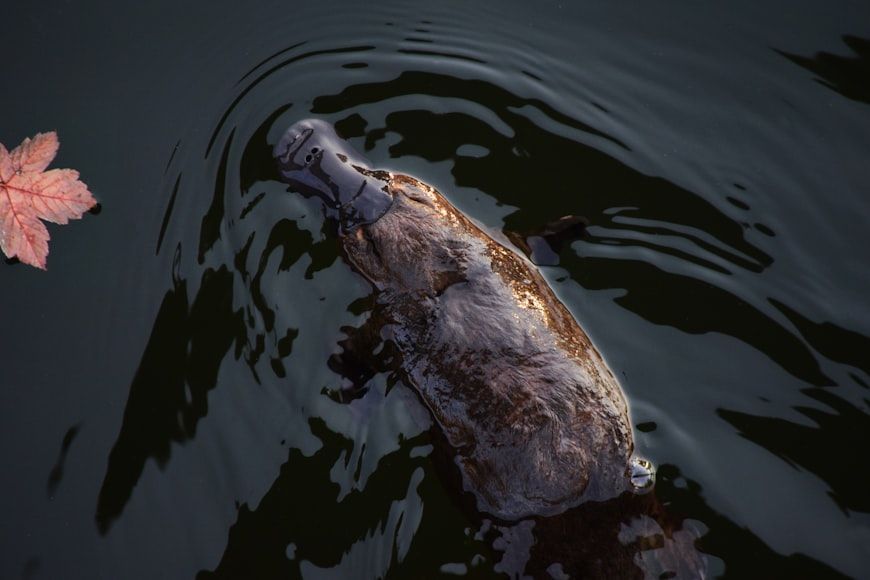
The Platypus

Image: Michael Jerrard

The platypus looks like someone smashed together a duck, beaver, and otter—and then added venom, for good measure. Native to Australia, it's one of only five monotremes, mammals that lay eggs.

Males have venomous spurs on their hind legs, capable of delivering excruciating pain. And when it hunts underwater, it closes its eyes, ears, and nostrils, relying entirely on electroreception to sense the tiny electric fields of its prey.

2

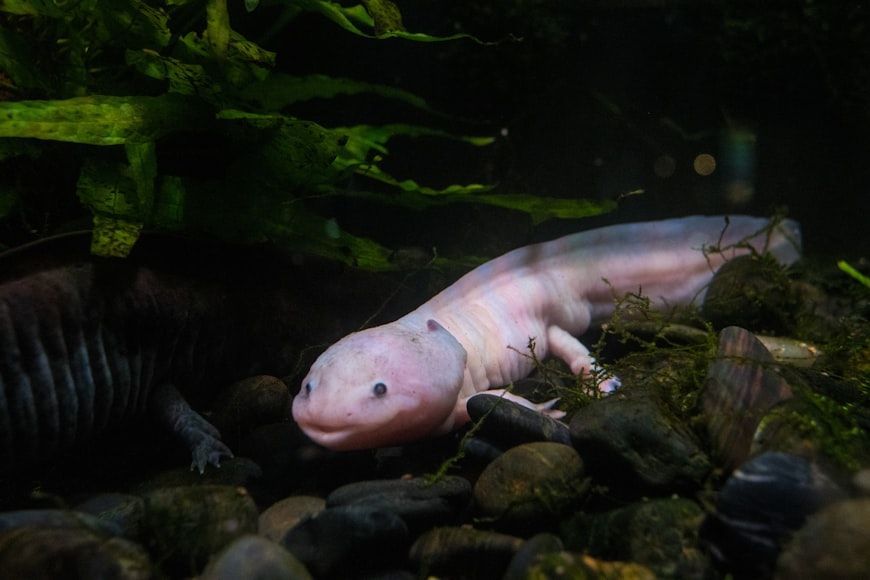
Axolotl

Image: Mattias Banguese

These weird-looking guys never grow up—literally. Unlike other types of salamanders, the axolotl retains its larval features throughout life, a trait known as neoteny.

They can regrow limbs, spinal cords, parts of their heart, and even sections of their brain. Found only in lakes near Mexico City, it's critically endangered in the wild but common in labs due to its regenerative abilities.

3

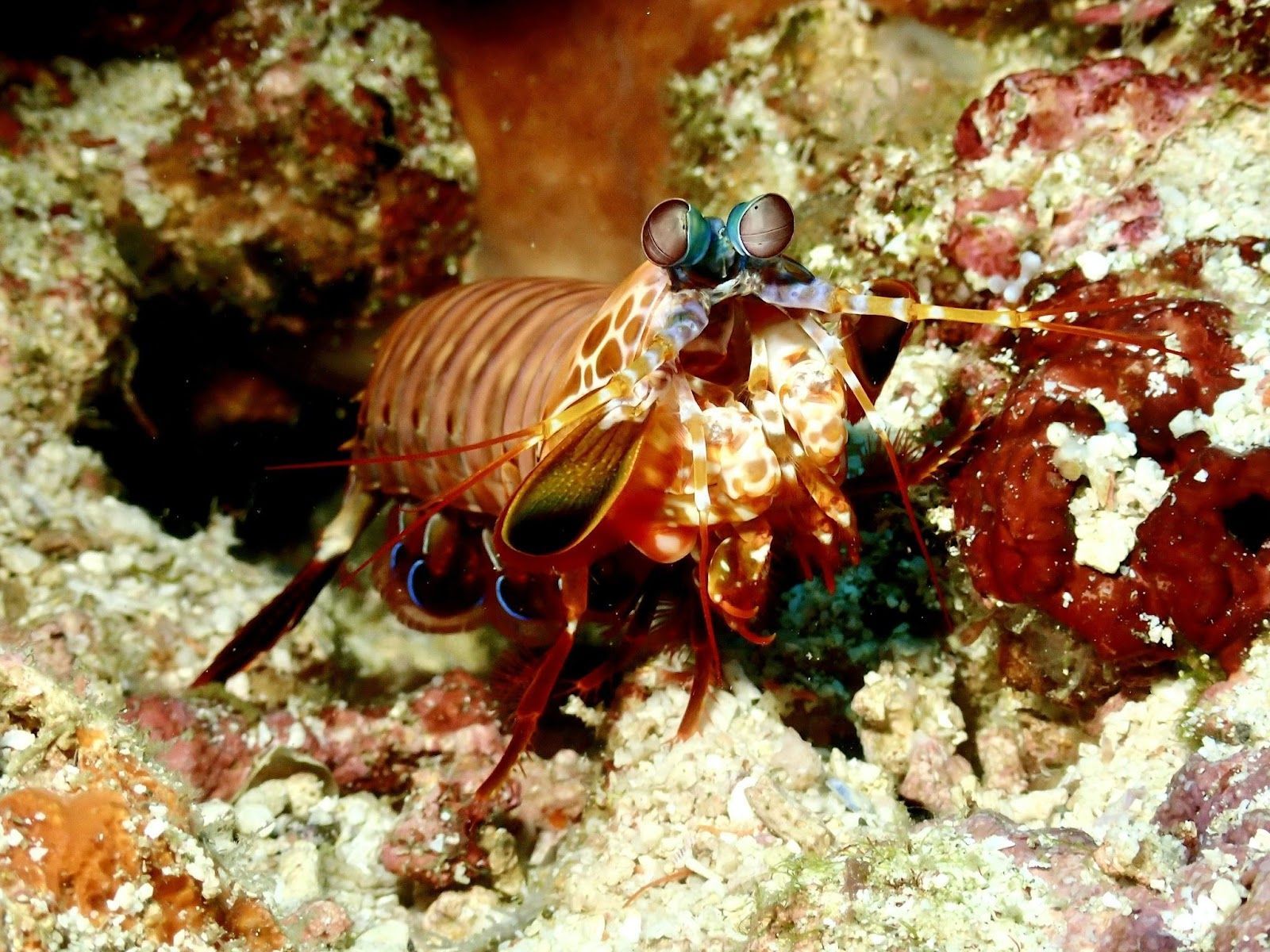
Mantis Shrimp

Image: Claus Giering

These tiny crustaceans pack a punch so fast it boils the water around them, creating shockwaves and cavitation bubbles. Their strikes can hit speeds of about 50 mph, with accelerations rivaling a speeding bullet.

They also have some of the most complex eyes in the animal kingdom, capable of seeing polarized light and 12 color channels (for comparison, humans only have 3).

4

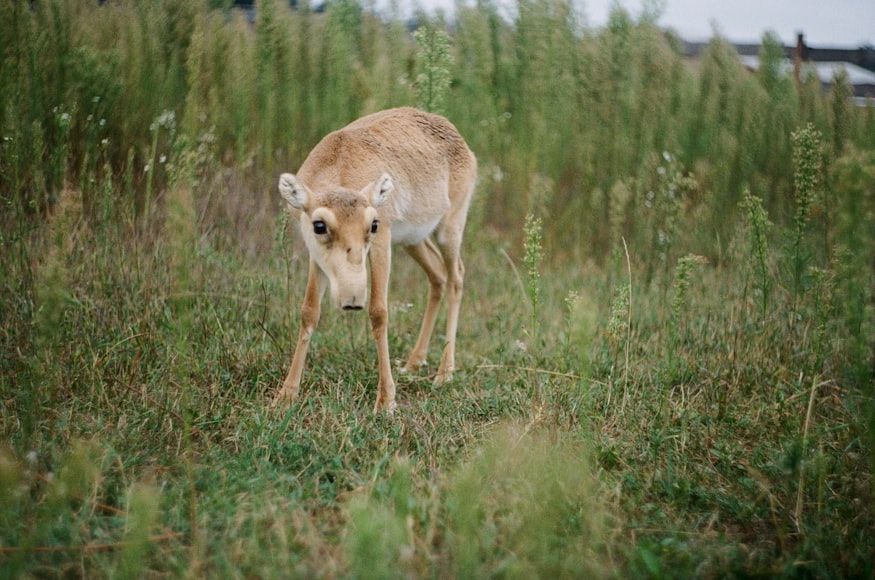
Saiga Antelope

Image: Dasha Urvachova

Native to the Eurasian steppes, the saiga’s oversized, drooping nose looks cartoonish but serves real functions: it filters dust and regulates temperature.

Once widespread, the species is now critically endangered due to poaching and disease outbreaks that can wipe out huge populations in weeks.

5

Naked Mole Rat

Image: Lara Lone

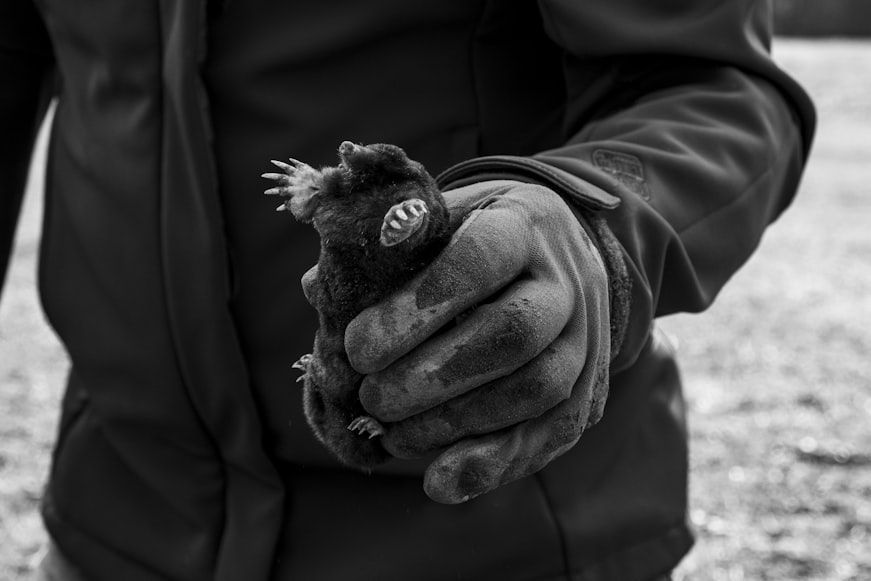
These hairless rodents—close cousins of more familiar, fur-covered mole species (pictured)—live in underground colonies with a social structure similar to bees. They're nearly immune to cancer, insensitive to pain, and can survive 18 minutes without oxygen.

Their cells have unique mechanisms for DNA repair and protein stability, making them a valuable subject in medical research, especially for aging and disease resistance.

6

Aye-Aye

Image: Clement Meers

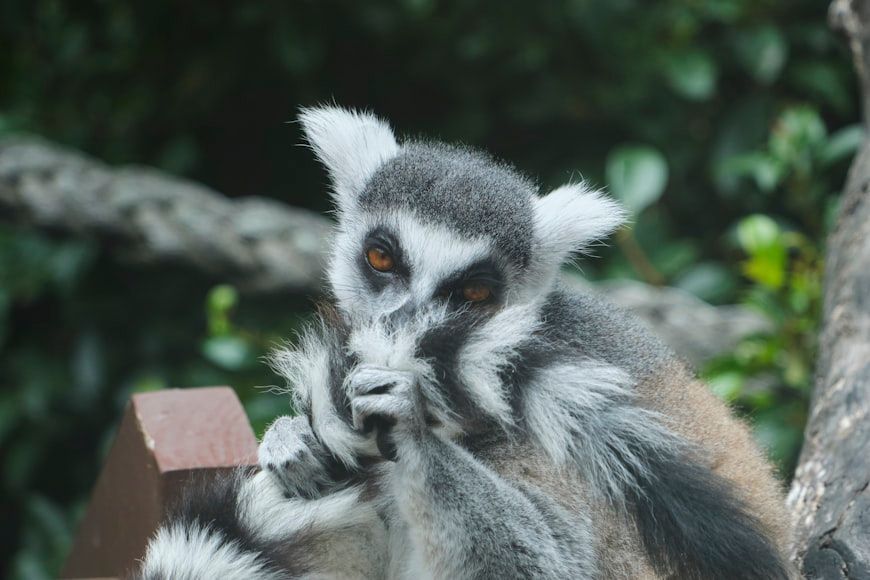
This lemur species from Madagascar uses its grotesquely long middle finger to tap on wood and fish out insects—like a skeletal woodpecker.

Locals have traditionally feared them as omens of death. Sadly, this superstition contributes to its declining population, alongside habitat loss.

7

Immortal Jellyfish

Image: Albert Canite

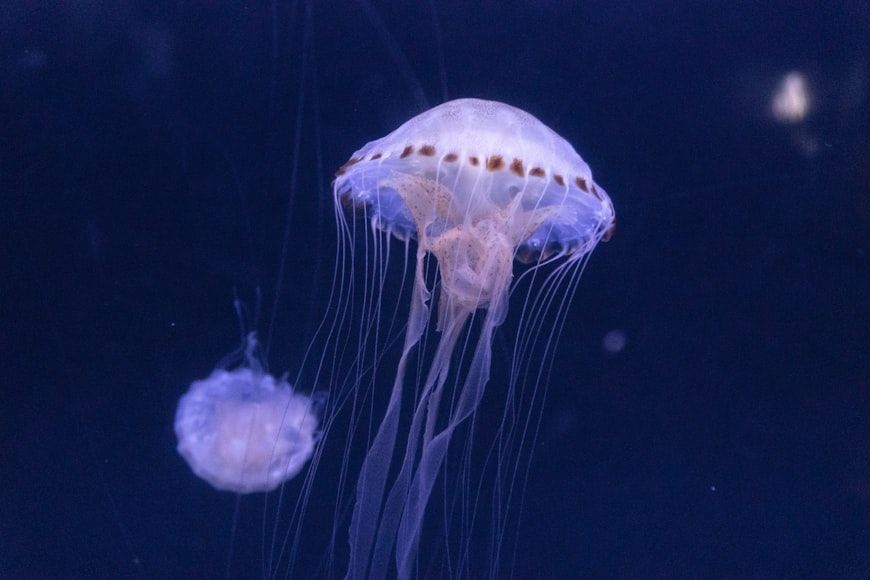
This jellyfish can revert its cells to an earlier stage of life, effectively resetting its aging process. It doesn’t die of old age—it just starts over.

It's not truly immortal—injuries and predation can still kill it—but its ability to cheat aging is unique in the animal kingdom.

8

Pink Fairy Armadillo

Image: Joe Lemm

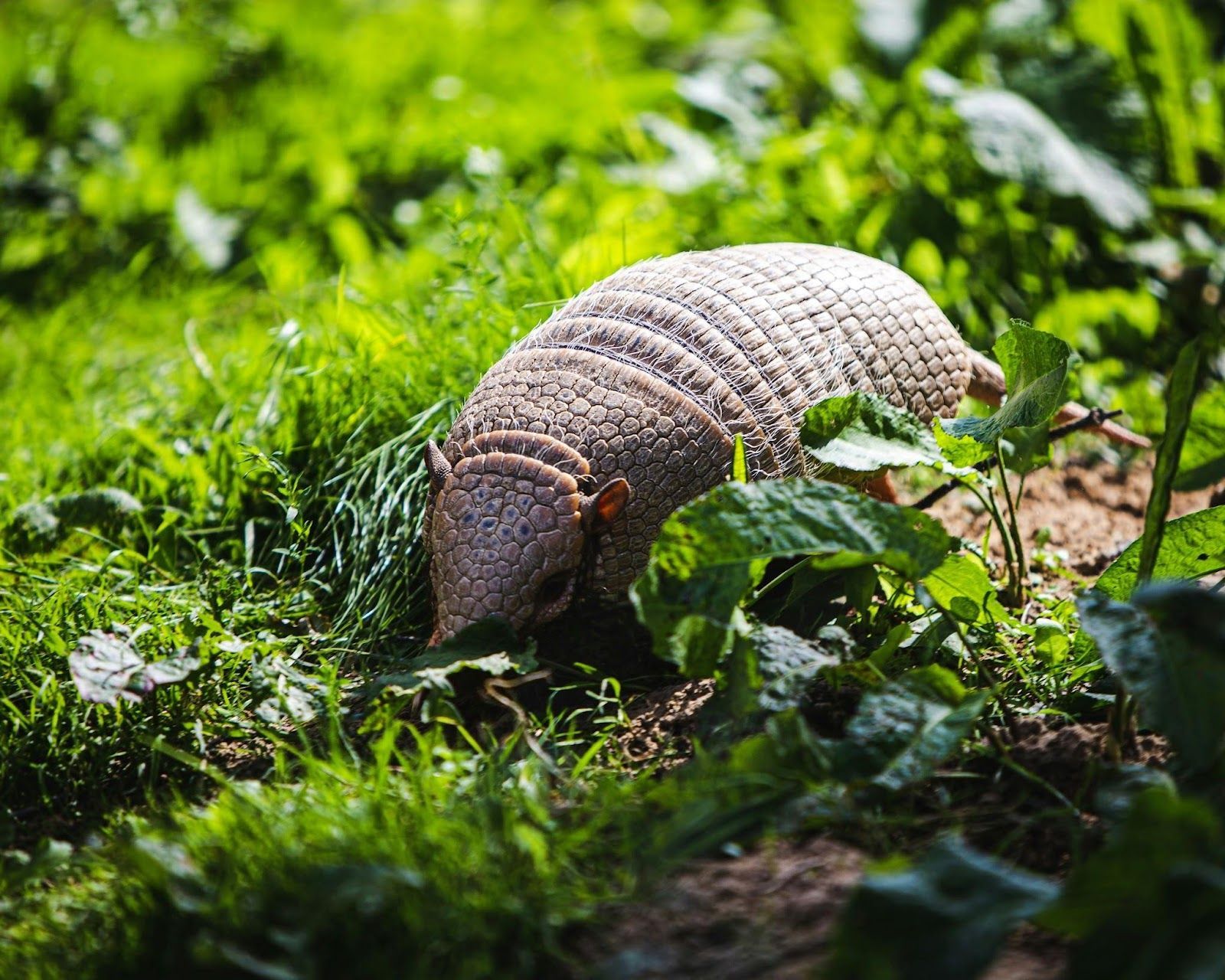
This six-inch-long, velvety creature looks like it was designed by a plush toy company. Found mainly in Argentina, it burrows underground and is rarely spotted in the wild.

Its pink armor acts as both protection and a way to regulate body temperature. Despite its cuteness, very little is known due to its elusive, nocturnal behavior.

9

Goblin Shark

Image: Wai Siew

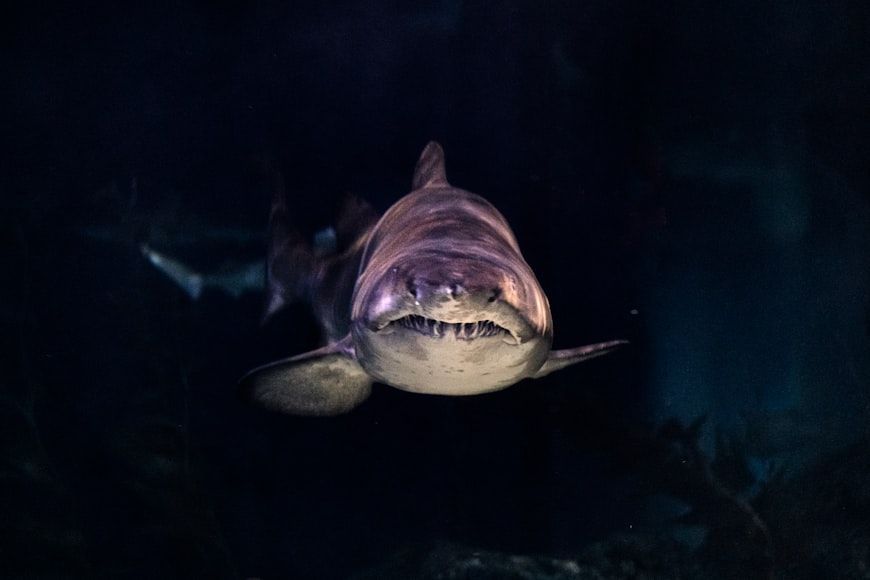
This deep-sea shark can shoot its jaw forward at about 10 feet per second, snatching prey with lightning speed. Its long, flat snout houses special sensors to detect electric fields.

With translucent skin and a prehistoric look, it’s sometimes called a "living fossil." It’s rarely seen alive due to its deep-sea habitat.

10

Proboscis Monkey

Image: Tim Morgan

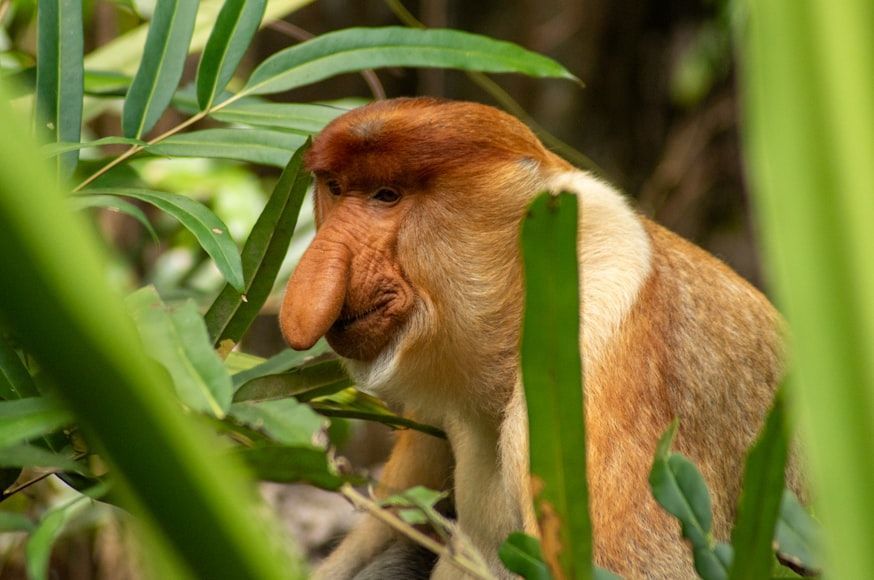
With its comically large nose, the male proboscis monkey looks absurd—but females apparently find it attractive. The nose also amplifies vocalizations to assert dominance.

Native to Borneo, it’s a strong swimmer with webbed feet but is threatened by habitat loss and hunting.


Ocean wonders

Don't dive into the sea before you read this! 10 secrets about octopuses


Published on January 7, 2026


Image: Maximillian Conacher

Have you ever wondered how octopuses live? How do they hunt, feed, and escape predators? They may not be the cutest animals on Earth, but it turns out they are able to do incredible things! Recent discoveries have revealed that octopuses are much more intelligent than we ever thought. These creatures can evaluate options, strategize, and even recognize other animals, including humans! If you want to learn more, join us as we reveal these 10 surprising secrets about the life of octopuses!

1

Long-term residents

Image: Ashleigh Joy Photography

Today, we can find several species of octopus in our oceans, but this doesn't mean that they are something recent. In fact, it's quite the opposite.

Octopuses have been around for a long, long time. The oldest known relative of cephalopods dates back about 330 million years. That's a really long time ago! This ancient fossil, discovered in what is now Fergus County, Montana, belonged to a creature with ten arms.

So much time navigating the seas has served them well, allowing octopuses to develop skills we humans can only dream of.

2

Camouflage

Image: Roger Darnell

Chameleons might be famous for their camouflage skills, but they're not the only ones with this superpower. Blending into the surroundings and becoming practically invisible is an art practiced by octopuses, too.

Even though they have many arms to hide -8, to be exact- this is not a problem for octopuses when it comes to camouflage. Octopus skin is quite different from ours: they have special cells called chromatophores that let them change not only the color of their skin but also the texture! And that's not all; this process only takes a couple of seconds, adapting their colors and textures to blend with sand, corals, rocks, and any other surface.

3

Disguises and imitations

Image: Heidi Bruce

Octopuses not only blend in with the colors and shapes of their surroundings but can also mimic other creatures. That's right, they are masters of disguise.

Like a comic book villain who changes appearance to trick others, the mimic octopus can alter its color and shape to resemble other animals in its environment, often choosing to impersonate the shapes of the creatures most feared and avoided by predators.

This octopus can imitate, for example, a venomous sea snake by sporting stripes of different colors and wiggling its arms in a snake-like dance, copying both its appearance and behavior!

4

They recognize other creatures, including humans

Image: Αντωνης Κοροτσάκης

To imitate and adapt, octopuses need to be aware of their surroundings and recognize different places and animals. And they do it.

Octopuses can recognize other sea creatures, and some research even suggests they might recognize humans. There have been documented cases where researchers return to visit the same octopus in the sea, and the octopus often develops a gradual trust in them. Amazing!

There's a reason for all this: besides their excellent vision and sensory perception, octopuses also have an exceptional memory that helps them retain and use new information.

5

They use tools

Image: Aaron Burden

Certain abilities are clear signs of high intelligence in animals, and using tools is one of those.

Octopuses use objects from their surroundings, adapting them to suit their needs. Take the veined octopus, for example. This species collects shells to use as a shelter when escaping predators or as a shield when dealing with difficult prey. Amazing, right?

But that's not all! These octopuses have also been observed gathering shells and carrying them for future use. This behavior suggests not just intelligence and good memory, but also the ability to plan ahead!

6

Huge brains

Image: Sunira Moses

All that knowledge and skills are packed into a huge brain.

As we've seen, octopuses offer much more than just 8 arms and an extensive color palette. These animals also have impressive intelligence and a highly complex nervous system, which is reflected in the large size of their brains. In fact, their brain-to-body ratio is one of the highest among invertebrates. In other words, their brain is really big, considering their body proportions.

Given all that this creature is capable of, the size of its brain is no surprise.

7

Great memory and problem-solving skills

Image: Kostas Morfiris

Octopuses are great at problem-solving. They not only learn from their experiences but also remember the knowledge, locations, and animals they encounter, using this information for future situations.

All this makes them great learners and excellent performers. In different experiments, both in captivity and in the wild, octopuses have demonstrated their ability to open jars, navigate through mazes with ease, and elaborate complex strategies for hunting, among other surprising behaviors. Many octopuses, for example, hide near the paths of passing crabs and wait for the perfect moment to launch a surprise attack. A real ambush!

8

Three hearts

Image: rivage

A single heart isn't enough to keep a large brain, a mutable body, and 8 long tentacles irrigated.

That is why octopuses have the privilege of possessing no less than 3 hearts, all with a well-defined function. 2 of these hearts are responsible for pumping blood to the gills for oxygenation. Then, the third heart, the systemic heart, circulates the oxygenated blood throughout the rest of the body.

Want to know more? The third heart stops beating when the octopus swims!

9

Sacrificial parenting

Image: Yaselyn Perez

There's a lot we can say about octopuses, but calling them selfish isn't one of them. Why? Well, let's see.

When octopus mothers lay their eggs, they reserve all their focus, dedication, and energy to caring for them. The mother cleans, protects, and arranges the eggs, never taking her eyes off them. In doing so, it abandons all other activities, even stopping eating entirely.

Unfortunately, by not eating, the octopus becomes weak and debilitated. As a consequence, once the eggs hatch, the mother often doesn't survive.

10

Blue blood

Image: engin akyurt

Octopuses might not be royalty, but they do have blue blood! That's right; these creatures never stop surprising us. First, they have 3 hearts, and now they show us blood that's literally blue!

How is it different from our blood? Human blood contains hemoglobin, which has iron and gives it its characteristic red color. On the other hand, the blood that circulates in the incredible bodies of octopuses contains a protein called hemocyanin, which is what makes the difference. Hemocyanin contains copper, which gives the blood its blue color when it's oxygenated.

Looking for an extra scoop of literary fun?

Learn more with our Word of the day

loot

/lut/