Nature’s ingenuity

10 animal architects that put human engineers to shame


Published on December 16, 2025
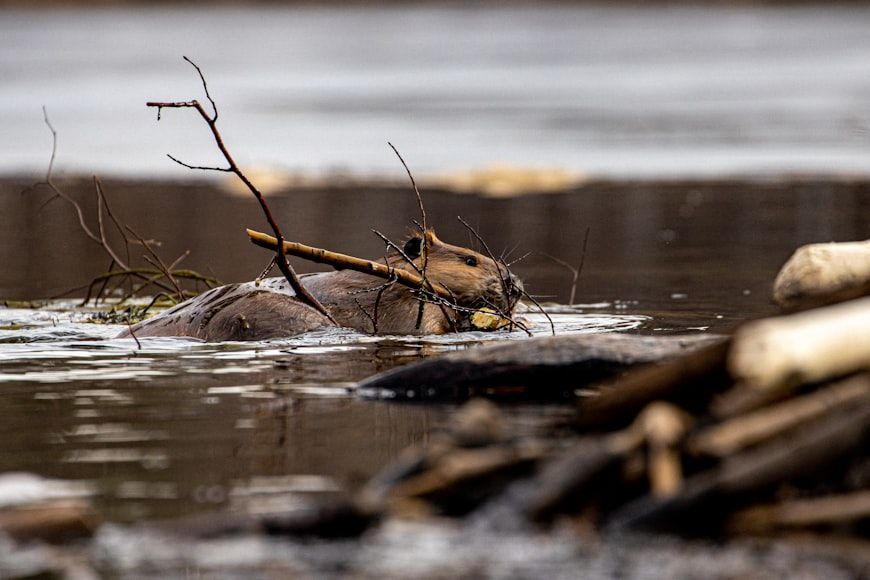

Image: Derek Otway

Humans pride themselves on skyscrapers, domes, and bridges—but animals were building architectural marvels long before blueprints existed. Across land, sea, and sky, many creatures design complex structures that are highly efficient, sustainable, and engineered for survival. Here are 10 examples where nature’s architects have outdesigned even our most advanced builders.

1

Termite mounds

Image: Ingeborg Korme

Termites in Africa and Australia build towering mounds with natural ventilation systems that regulate temperature and humidity. Some stand over 30 feet tall.

Their tunnels and chimneys allow gas exchange and moisture control. Scientists have even modeled eco-buildings on their passive airflow design.

2

Beehives

Image: Boba Jaglicic

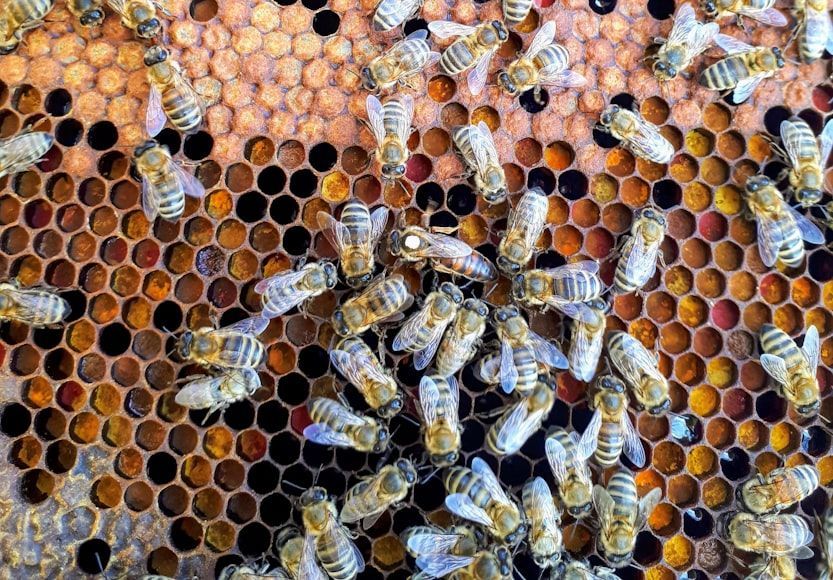
Honeybees build hives with mathematically precise hexagonal cells that maximize space and minimize material use—no wasted wax.

The hexagonal shape offers structural strength while storing the most honey using the least wax, a principle engineers now use in space and aerospace design.

3

Coral reefs

Image: Shaun Low

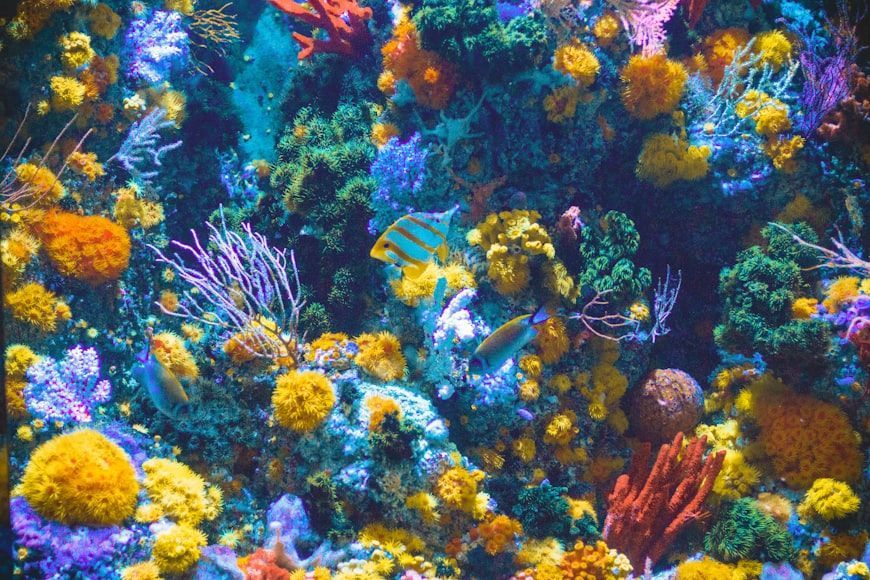
Built by coral polyps, reefs are massive calcium carbonate structures that house thousands of marine species. The Great Barrier Reef is even visible from space!

Corals build by secreting limestone over generations, forming stable, self-sustaining ecosystems with complex flow dynamics and nutrient cycling.

4

Weaverbird nests

Image: viswaprem anbarasapandian

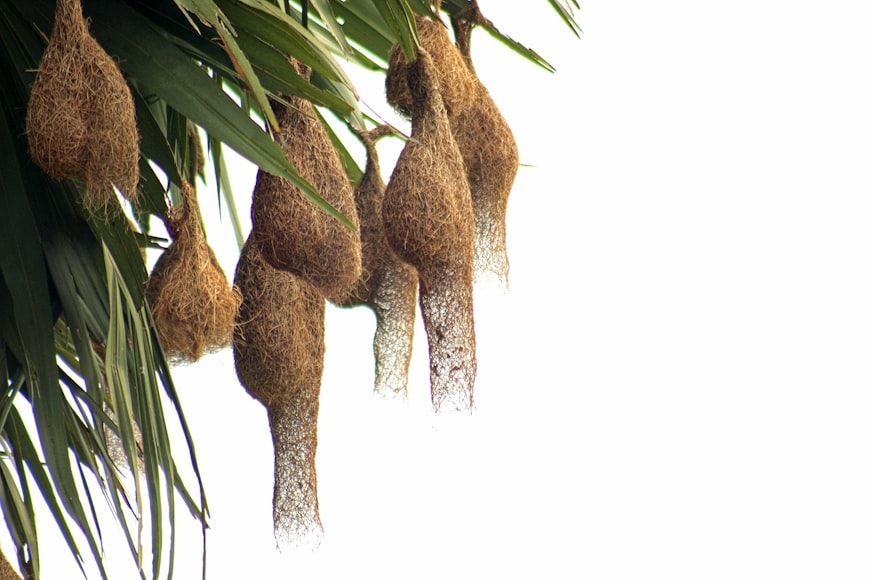
Weaverbirds intricately knot grass and twigs to build nests suspended from branches. Some designs have separate chambers for eggs and waste.

They tie over 10,000 knots per nest using only their beaks. The nests are rainproof, predator-resistant, and aerodynamically sound.

5

Ant colonies

Image: Victor G

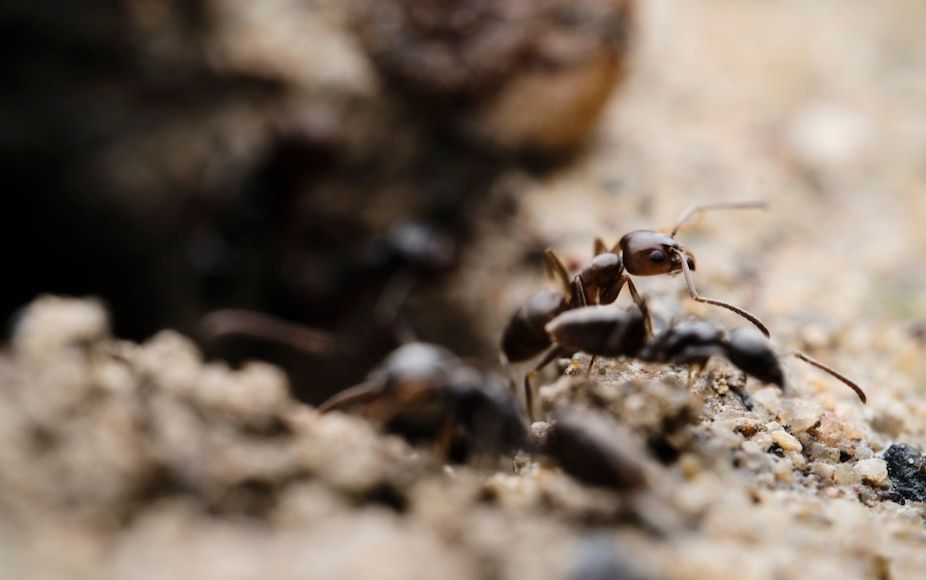
Leafcutter ants and other species excavate massive underground colonies that contain chambers for food, nurseries, and fungus farms.

Some supercolonies cover hundreds of yards and are engineered to handle ventilation, moisture control, and traffic flow with no central planning.

6

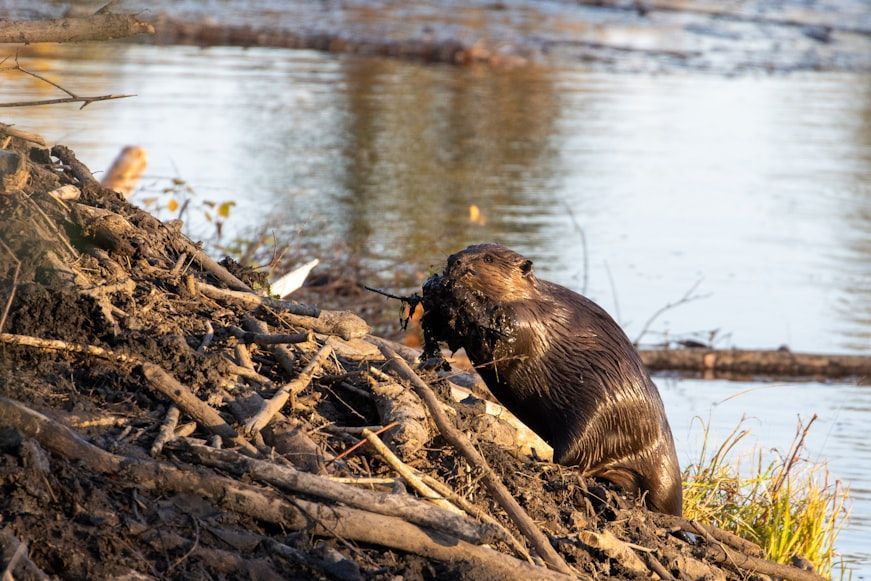
Beaver dams

Image: Derek Otway

Beavers alter entire landscapes by building dams from logs, mud, and stone to create deep ponds that protect their lodges from predators.

Their dams slow water flow, reduce erosion, and promote wetland biodiversity. They even inspect and repair damage regularly, like human engineers.

7

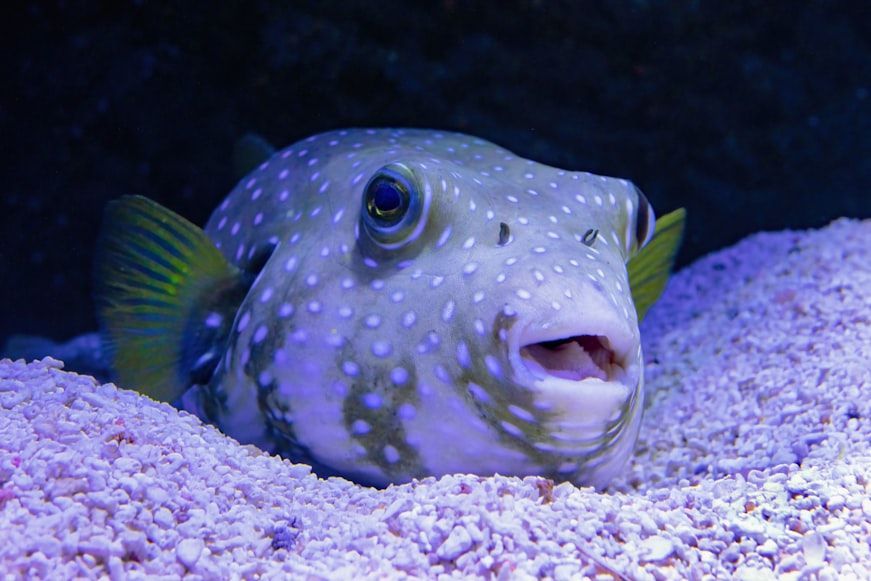
Pufferfish circles

Image: David Clode

Male white-spotted pufferfish create large, symmetrical circles on the seafloor to attract mates, sculpting them with fins and body movements.

These formations—up to 7 feet wide—include ridges and central pits designed to reduce water flow and protect eggs from sediment.

8

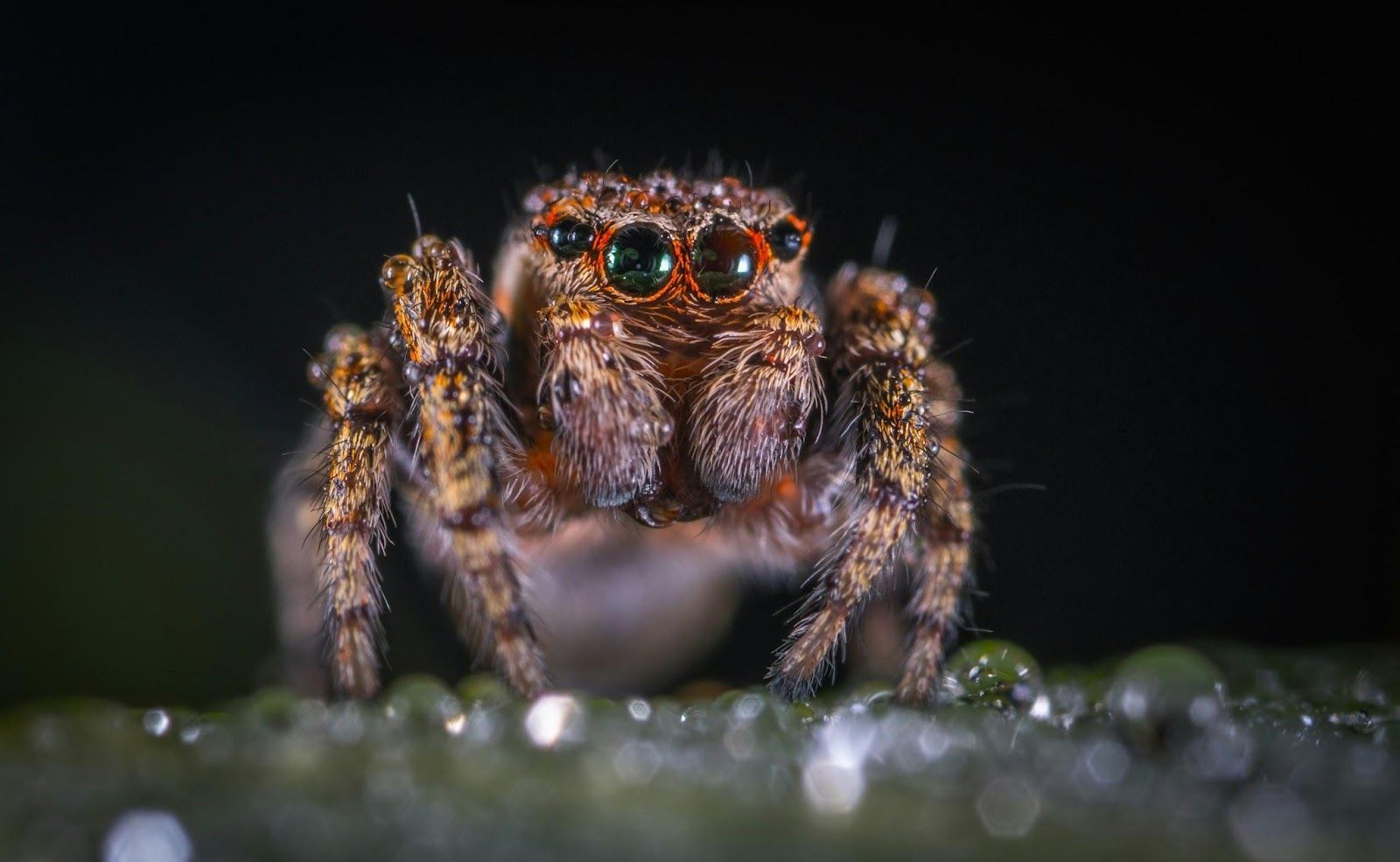
Trapdoor spider burrows

Image: Егор Камелев

These spiders dig vertical burrows with a silk-hinged lid, perfectly camouflaged with soil and debris, creating hidden, ambush-ready homes.

The door snaps shut tightly to block predators, while underground tunnels offer shelter and a launch point for hunting.

9

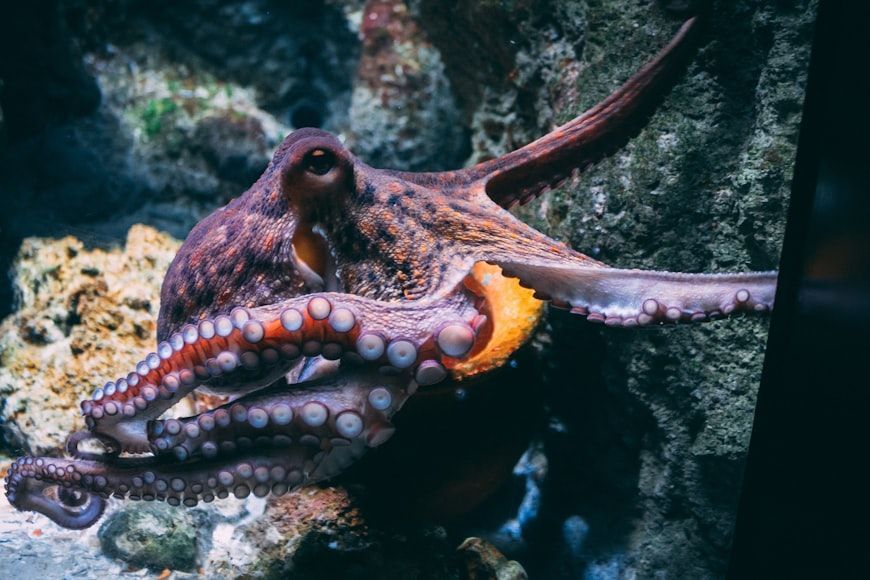
Octopus dens

Image: Diane Picchiottino

Off the coast of Australia, octopuses have created dense clusters of dens made from shells and debris, nicknamed "Octopolis."

These communal sites challenge the notion of octopuses as strictly solitary. The dens are strategically arranged for defense and food access.

10

Naked mole-rat colonies

Image: ahmad kanbar

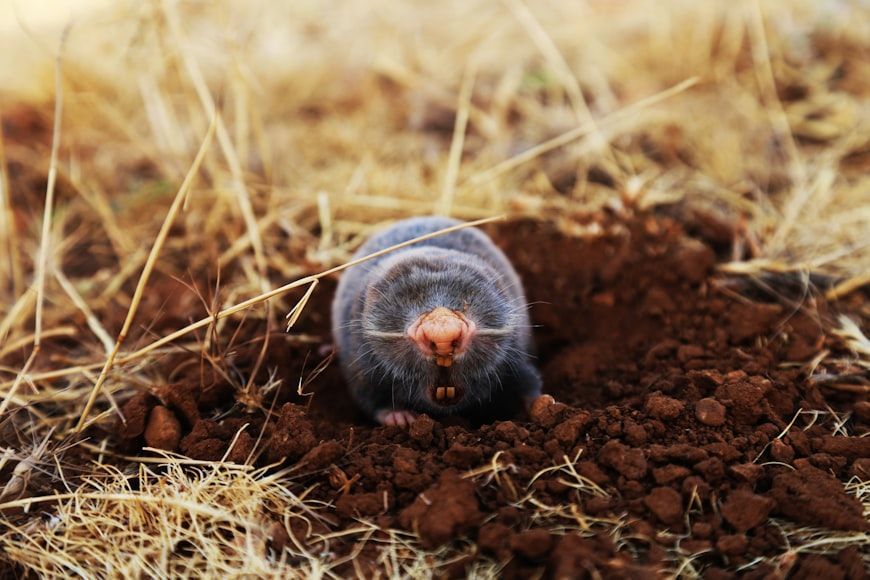
Naked mole-rats build some of the most complex mammal tunnel systems, complete with toilets, food storage, nurseries, and even ventilation shafts.

The colonies can span several hundred yards, housing dozens of individuals ruled by a single breeding queen, functioning more like insect colonies than typical mammals.



Unavoidable words

I’m, you’re, we’re: These 12 common contractions help us talk faster


Published on December 16, 2025


Image: Vitaly Gariev

Aside from their use to describe the pains of childbirth, contractions are little shortcuts that make English sound natural and easy in everyday speech. They work by blending words and dropping letters, usually with an apostrophe standing in their place. We all use them daily, often without even thinking about it. Let’s take a look at 12 of the most common ones.

1

I’m

Image: Fatemeh Heidari

The first item on our list is the contraction of "I am." It entered English centuries ago, as speakers sought smoother and faster ways to communicate. Here, the apostrophe replaces the missing "a."

Today, "I’m" is one of the most common contractions in both conversation and casual writing. You’ll hear it everywhere—from introductions like "I’m John" to everyday statements such as "I’m hungry."

2

You’re

Image: Adi Goldstein

"You’re" blends "you are" into a quicker form. The apostrophe stands in for the dropped "a." Its use became widespread in both spoken and written English over time.

Today, "you’re" is essential in everyday communication. Whether in texts, casual notes, or speech, most people favor it over the more formal "you are" in informal settings.

3

He’s

Image: Jonas Kakaroto

"He’s" is the contraction of either "he is" or "he has." The meaning depends on context: "He’s running" means "he is running," while "He’s gone" means "he has gone."

It’s one of the most common spoken contractions, helping speech and writing sound more natural. You’ll see it in conversations, books, and movies, adding natural flow.

4

She’s

Image: Ruben Ramirez

There’s no "he’s" without a "she’s." This contraction can mean "she is" or "she has," depending on how it’s used. Like many others, it reflects the natural rhythm of spoken English.

Like its masculine counterpart, "she’s" is an everyday staple, heard in phrases like "She’s ready" or "She’s been there." It makes speech and writing quicker, more direct, and more conversational.

5

It’s

Image: Jametlene Reskp

"It’s" is the contraction of either "it is" or "it has," with the apostrophe marking the missing letter. It is often confused with its, the possessive form (as in "The dog wagged its tail").

In current use, "it’s" is one of the most common contractions in English, referring to things or animals. Common sentences like "It’s cold outside" or "It’s been fun" show just how indispensable it is.

6

We’re

Image: Jerry Zhang

"We’re" is the contraction of "we are," with the apostrophe replacing the missing "a." It has been in use for centuries as a way to make speech and writing smoother and more efficient

Today, "we’re" is common in everyday English, especially in collaborative or group contexts. You’ll hear it in phrases like "We’re going out" or "We’re ready."

7

They’re

Image: Chang Duong

"They’re" blends "they are," again with the apostrophe marking the missing letters. It’s often confused with the homophones their (possessive) and there (location), which makes it challenging for many learners.

Today, "they’re" is frequently used in both speech and informal writing. Common examples include "They’re happy" and "They’re working," showing how practical and natural the contraction is in everyday English.

8

Don’t

Image: Francisco De Legarreta C.

"Don’t" is the shortened form of "do not." Its first known use dates back to the 17th century, when written English began reflecting casual speech.

Today, it’s one of the most common negative contractions. You’ll hear it everywhere, in phrases like "Don’t worry," "Don’t move," and "Don’t forget." It may be informal, but it’s practically universal.

9

Can’t

Image: Jen Theodore

"Can’t" contracts "cannot," with the apostrophe replacing the missing "no." This form has been part of spoken English for centuries, reflecting natural speech patterns.

Today, it’s one of the most common contractions, used to express inability or prohibition. Phrases like "I can’t swim" or "You can’t do that" are everyday examples of its use.

10

Won’t

Image: Zan Lazarevic

The third and final negative contraction on this list, "won’t," is the shortened version of "will not." Unlike most contractions, it does not follow the usual pattern of dropping letters, as it evolved from older English forms such as "wonnot" or "wynnot."

Currently, "won’t" is one of the most familiar negative contractions. Frequently used in speech and writing, it appears in everyday phrases like "I won’t go" or "He won’t listen."

11

I’ve

Image: Tonia Kraakman

"I’ve" shortens "I have," usually when "have" acts as an auxiliary verb. The contraction drops the "ha" and replaces it with an apostrophe.

Today, "I’ve" is commonly used in casual speech: for example, "I’ve seen that movie" or "I’ve been there." It helps make everyday expressions smoother and more natural.

12

Let’s

Image: Hannah Busing

"Let’s" comes from "let us," and has been used for centuries to invite joint action. The apostrophe shows the missing "u."

Today, "let’s" is common in casual English. From "Let’s go" to "Let’s see," it provides a friendly, inclusive way to suggest doing something together.

Looking for an extra scoop of literary fun?

Learn more with our Word of the day

loot

/lut/