Nature’s ingenuity
10 animal architects that put human engineers to shame
Published on December 16, 2025
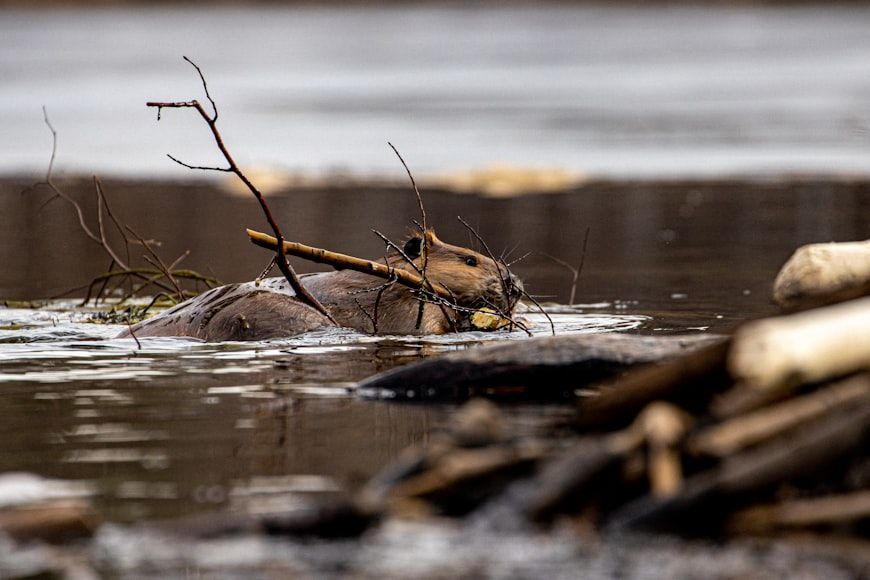 Image: Derek Otway
Humans pride themselves on skyscrapers, domes, and bridges—but animals were building architectural marvels long before blueprints existed. Across land, sea, and sky, many creatures design complex structures that are highly efficient, sustainable, and engineered for survival. Here are 10 examples where nature’s architects have outdesigned even our most advanced builders.
Termite mounds
 Image: Ingeborg Korme
Termites in Africa and Australia build towering mounds with natural ventilation systems that regulate temperature and humidity. Some stand over 30 feet tall.
Their tunnels and chimneys allow gas exchange and moisture control. Scientists have even modeled eco-buildings on their passive airflow design.
Beehives
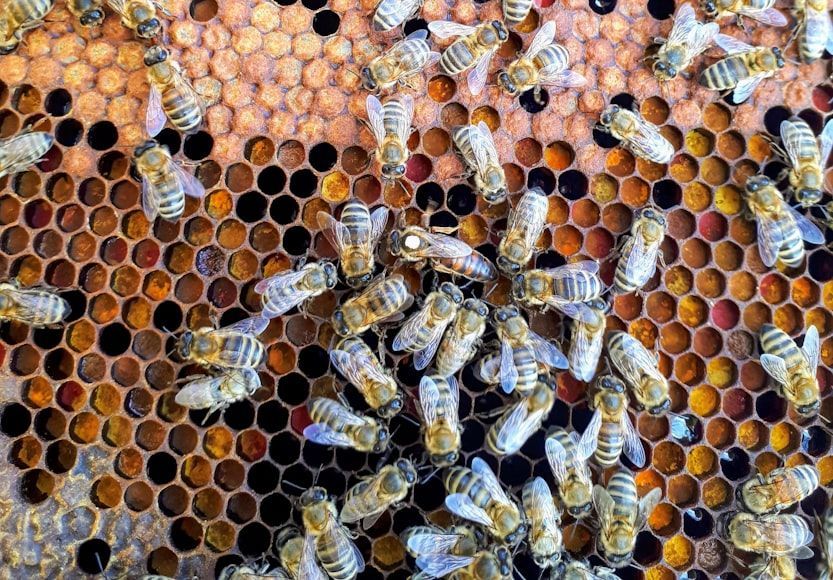 Image: Boba Jaglicic
Honeybees build hives with mathematically precise hexagonal cells that maximize space and minimize material use—no wasted wax.
The hexagonal shape offers structural strength while storing the most honey using the least wax, a principle engineers now use in space and aerospace design.
Coral reefs
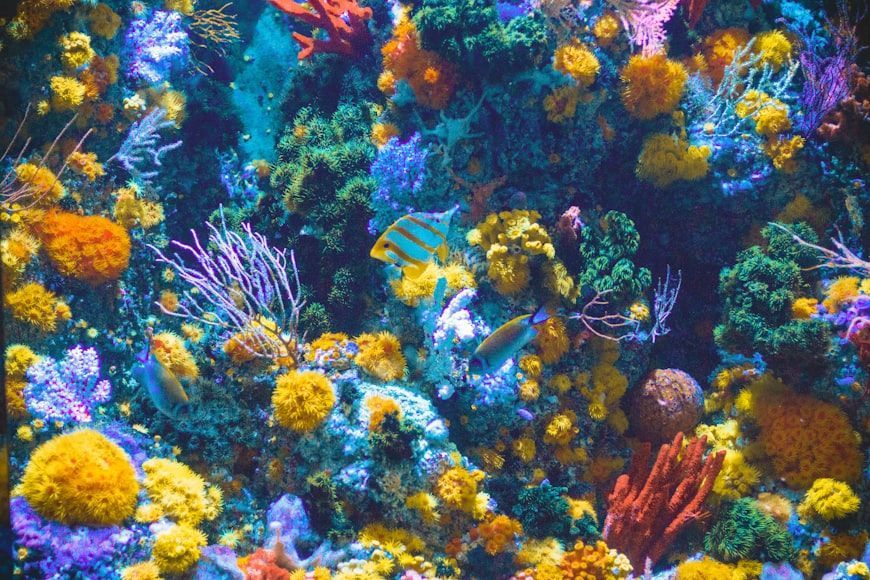 Image: Shaun Low
Built by coral polyps, reefs are massive calcium carbonate structures that house thousands of marine species. The Great Barrier Reef is even visible from space!
Corals build by secreting limestone over generations, forming stable, self-sustaining ecosystems with complex flow dynamics and nutrient cycling.
Weaverbird nests
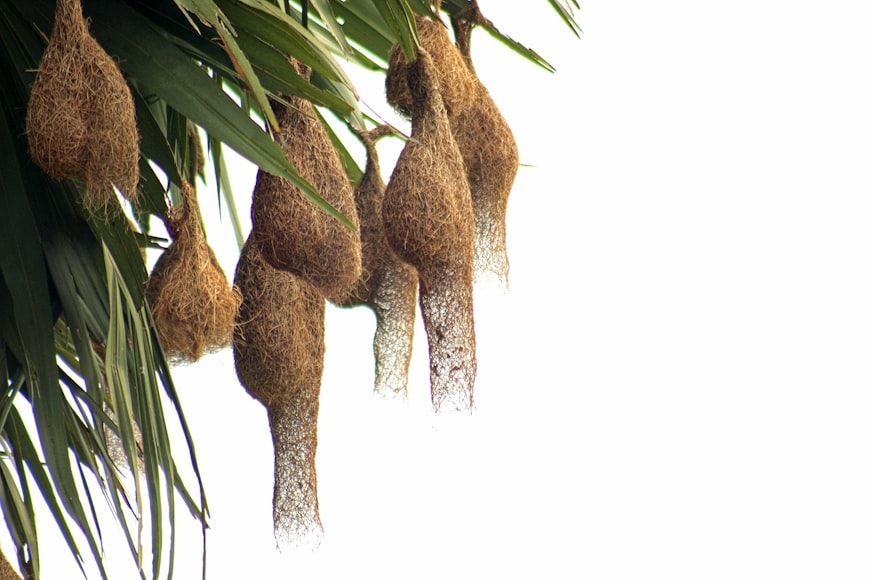 Image: viswaprem anbarasapandian
Weaverbirds intricately knot grass and twigs to build nests suspended from branches. Some designs have separate chambers for eggs and waste.
They tie over 10,000 knots per nest using only their beaks. The nests are rainproof, predator-resistant, and aerodynamically sound.
Ant colonies
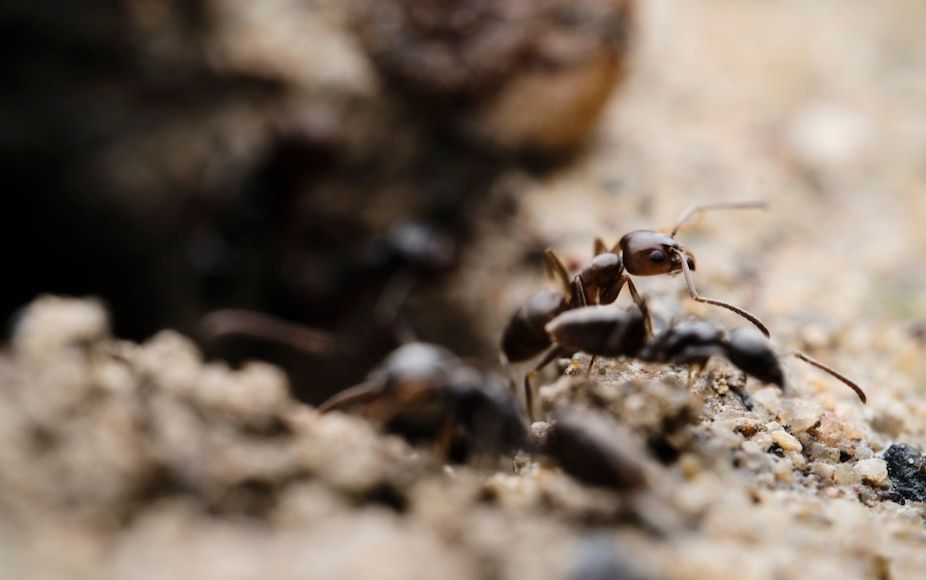 Image: Victor G
Leafcutter ants and other species excavate massive underground colonies that contain chambers for food, nurseries, and fungus farms.
Some supercolonies cover hundreds of yards and are engineered to handle ventilation, moisture control, and traffic flow with no central planning.
Beaver dams
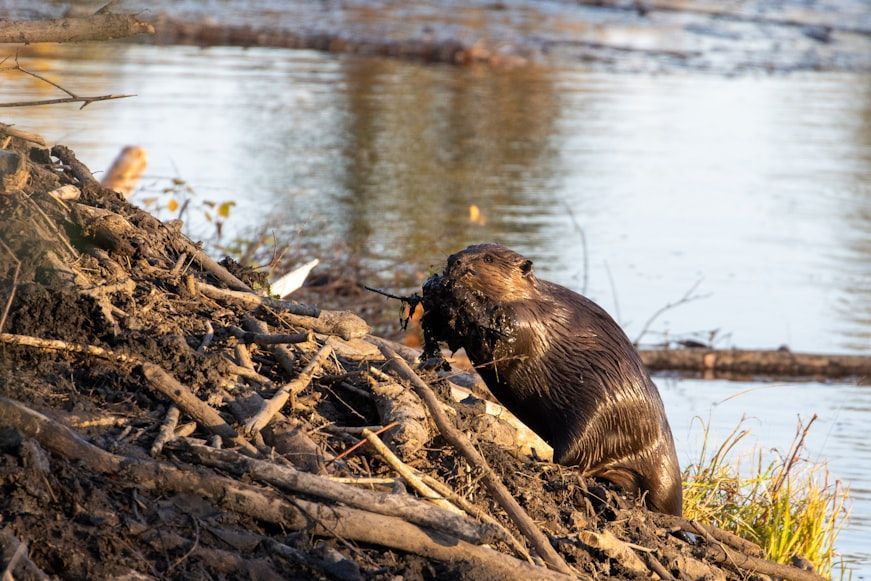 Image: Derek Otway
Beavers alter entire landscapes by building dams from logs, mud, and stone to create deep ponds that protect their lodges from predators.
Their dams slow water flow, reduce erosion, and promote wetland biodiversity. They even inspect and repair damage regularly, like human engineers.
Pufferfish circles
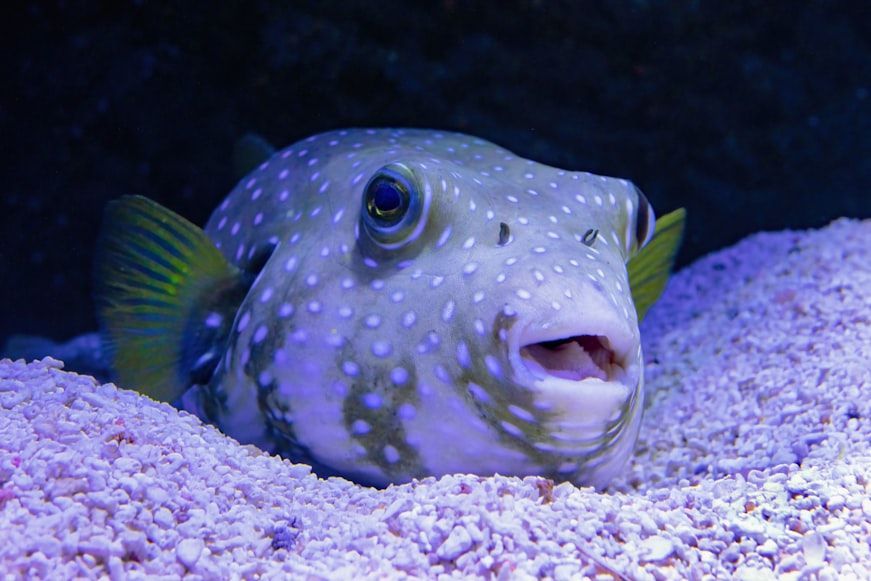 Image: David Clode
Male white-spotted pufferfish create large, symmetrical circles on the seafloor to attract mates, sculpting them with fins and body movements.
These formations—up to 7 feet wide—include ridges and central pits designed to reduce water flow and protect eggs from sediment.
Trapdoor spider burrows
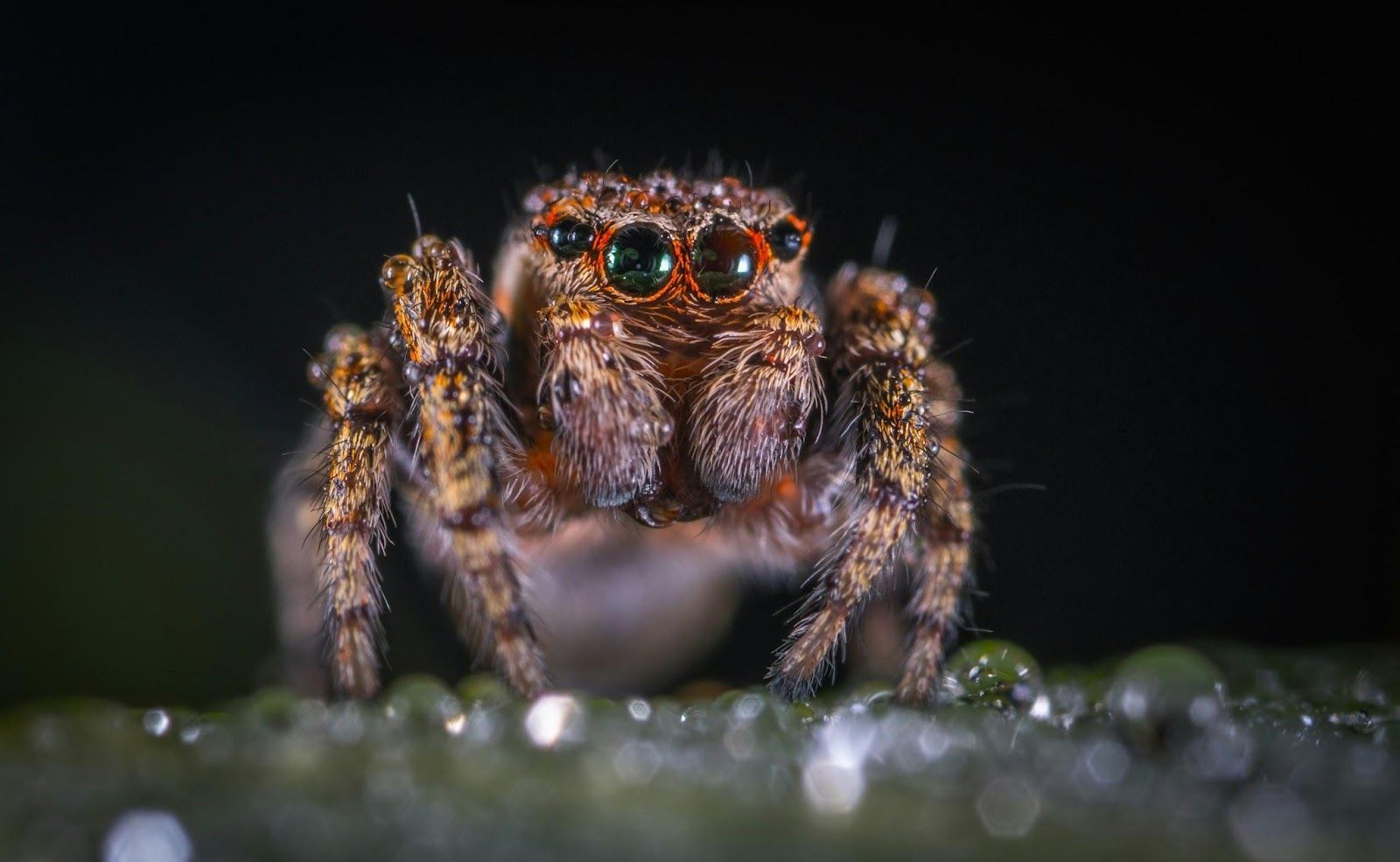 Image: Егор Камелев
These spiders dig vertical burrows with a silk-hinged lid, perfectly camouflaged with soil and debris, creating hidden, ambush-ready homes.
The door snaps shut tightly to block predators, while underground tunnels offer shelter and a launch point for hunting.
Octopus dens
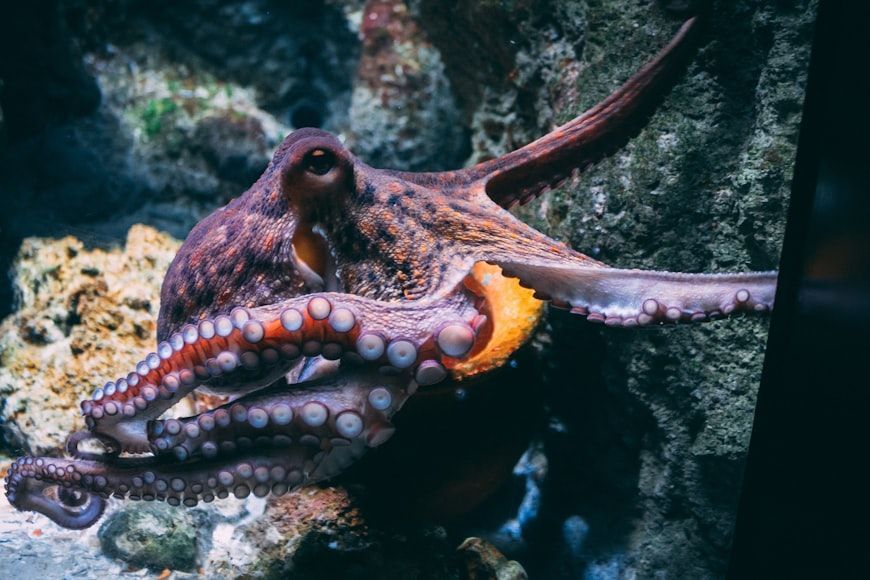 Image: Diane Picchiottino
Off the coast of Australia, octopuses have created dense clusters of dens made from shells and debris, nicknamed "Octopolis."
These communal sites challenge the notion of octopuses as strictly solitary. The dens are strategically arranged for defense and food access.
Naked mole-rat colonies
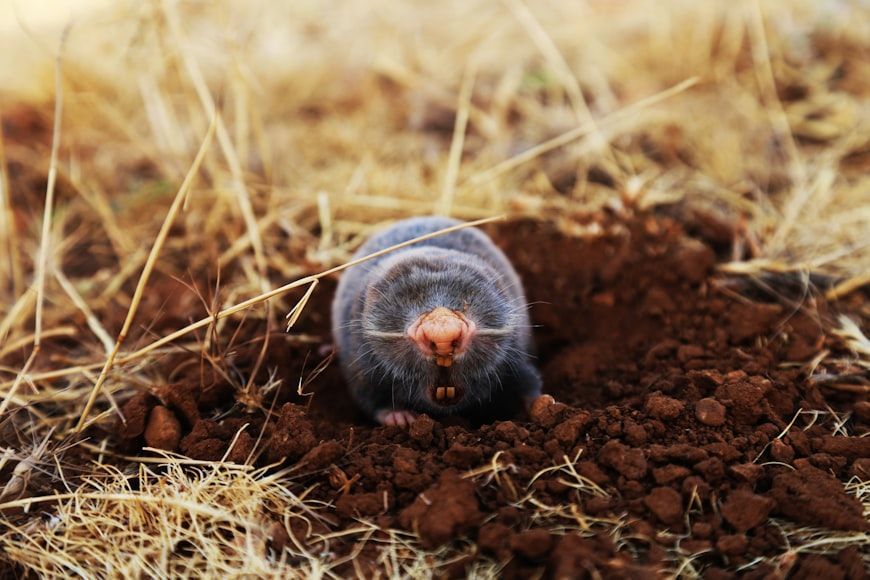 Image: ahmad kanbar
Naked mole-rats build some of the most complex mammal tunnel systems, complete with toilets, food storage, nurseries, and even ventilation shafts.
The colonies can span several hundred yards, housing dozens of individuals ruled by a single breeding queen, functioning more like insect colonies than typical mammals.