10 Mystery novels and authors that still keep us guessing


Published on August 27, 2026


Image: Nicoleta Ionescu

You’ve probably imagined yourself as a detective at least once and wondered if you would trust your instincts or question every clue. Quite possibly one of these world-famous mystery authors should have written a story about you. Today, we will be looking at 10 of the best intrigue masters who keep readers on the edge of their seats with thrilling stories of secrets and riddles that must be solved sooner rather than later.

1

Agatha Christie - The Queen of Mystery
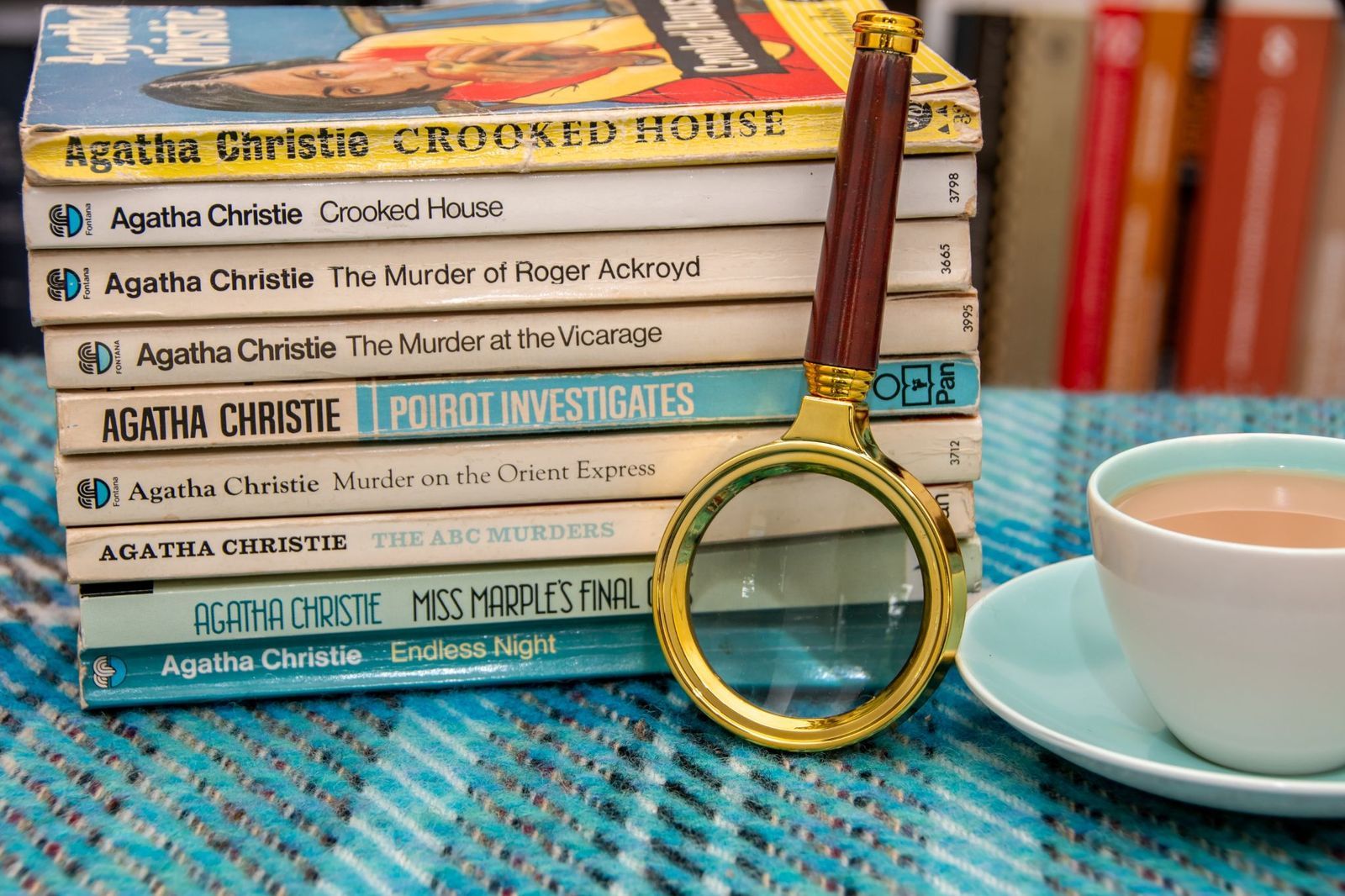
Image: Doodeez

If you love constant intrigue, then Agatha Christie (1890-1976) is an essential read. She is a world-famous British writer and the undisputed Queen of Mystery, having written 66 novels that keep readers on their toes with ingenious misdirection and shocking plot twists, leaving generations of readers guessing right up to the final page.

And Then There Were None is her must-read novel. Published on November 3, 1939, it is the world’s best-selling mystery novel where 10 strangers are lured to an isolated island off the Devon coast by an intriguing host. While accused of past crimes, they are killed one by one, following a nursery rhyme.

2

Sir Arthur Conan Doyle - The Original Detective Genius
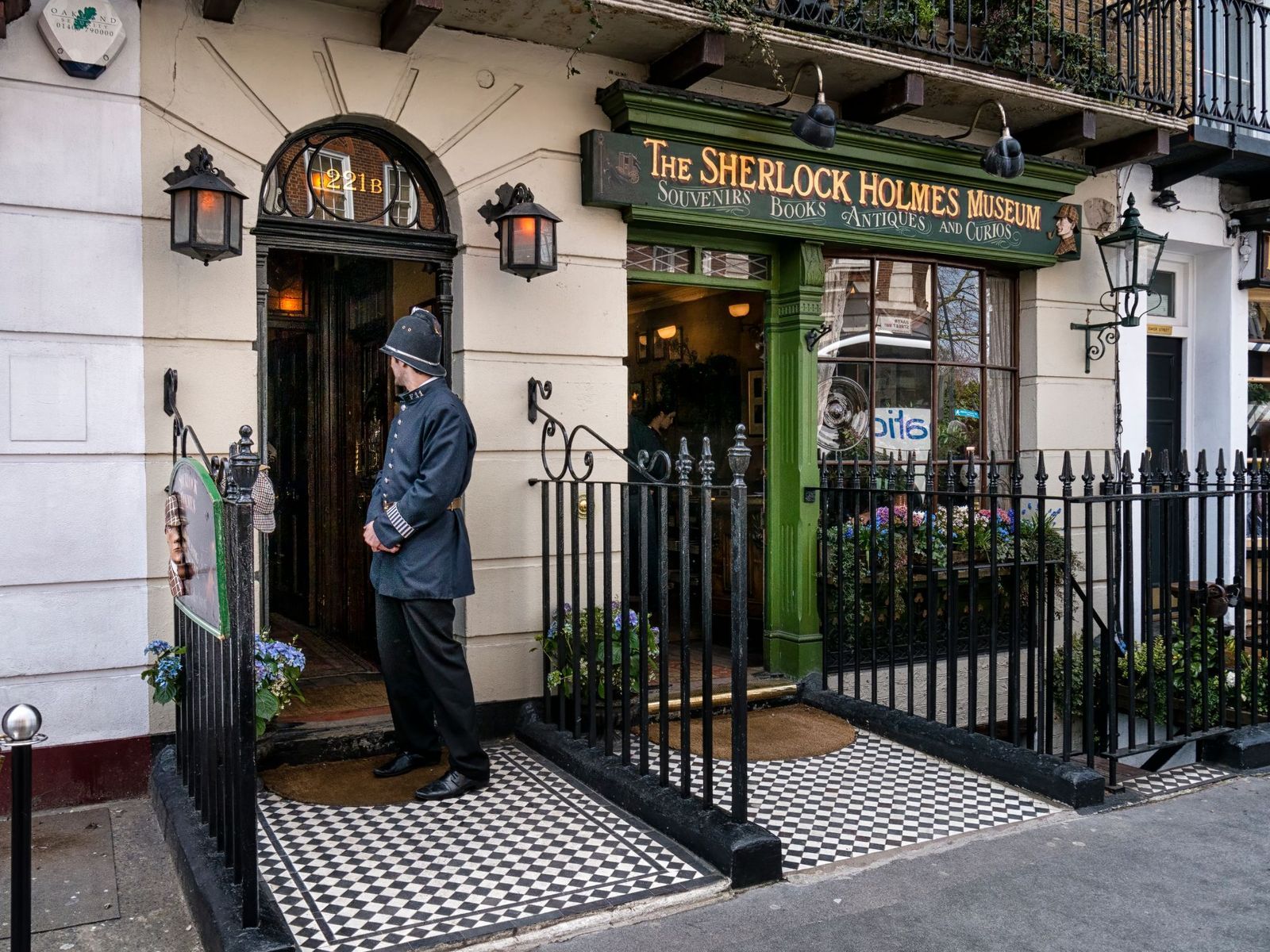
Image: Sir Arthur Conan Doyle

Logic isn’t the only thing that leads to solving mysteries. Sir Arthur Conan Doyle (1859-1930) created none other than the world's most famous consulting detective, Sherlock Holmes, and proved that. Holmes appeared in four novels and 56 short stories, alongside his loyal friend and narrator, Dr. John Watson, and changed mystery fiction forever.

Published in 1902, The Hound of the Baskervilles is a masterpiece of detective fiction that comes to life through Sherlock's sharp mind; alongside his research of supernatural myths, it became a timeless story of suspense and surprise.

3

John Grisham - Legal Thrillers That Feel Real

Image: bella1105

Success can sometimes come at a dangerous price. John Grisham, born February 8, 1955, brought this to light by writing many popular legal thrillers that feel very real. He used his own professional experience as a lawyer in a small-town Mississippi firm to build authentic courtroom scenes, flawed human characters, and high-pressure, controversial moral dilemmas.

The Firm, his novel published in 1991 and made into a film starring Tom Cruise, is deeply mysterious and suspenseful, centering on a young lawyer who joins a secretive law firm that offers massive wealth, only to uncover deep, dark secrets, suspicious deaths, and a Mafia conspiracy.

4

Mary Higgins Clark - The Suspense Queen

Image: Volodymyr TVERDOKHLIB

More often than not, the people closest to you hold secrets you wouldn’t imagine possible. Mary Higgins Clark (1927-2020) was a widely acclaimed American author, known as the "Queen of Suspense," who reflected this in her work. Her thrillers are known for being wholesome, avoiding gory or explicit descriptions, and for having self-reliant female heroines in stories filled with relatable fears such as domestic tensions, memory loss, and threats to family or children.

Following those themes, her first novel, Where Are the Children?, published in 1975, became a breakout hit and helped build a legacy defined by clean, fast-paced, and gripping psychological books.

5

Raymond Chandler - Noir at Its Finest

Image: Ned Snowman

If you prefer your mysteries dark, gritty, and morally complex, then Raymond Chandler (1888-1959), a British-American author best known for his novels and screenplays, is the answer. He helped define what is known as "hard-boiled" detective fiction through his complex plots, including his private-eye detective, Philip Marlowe, set against the dark side of the American dream, where deceit and corruption lurk beneath the Los Angeles sun.

He spent his early years in England and later wrote classic crime noir novels, such as his 1939 classic, The Big Sleep, where inspector Marlowe is hired by a wealthy general to investigate a blackmail scheme involving his daughter. In doing so, Chandler’s lead detective dives into the shadowy world of murder, deceit, and corruption.

6

Sue Grafton - Letter Crafter

Image: beeboys

Sometimes it feels like every letter could bring a new secret to light. Sue Grafton (1940—2017) brought this feeling to life in her Alphabet Series, a widely celebrated collection of hard-boiled detective stories featuring a female private investigator and former cop, Kinsey Millhone.

Kicking off with A Is for Alibi in 1982 and concluding with Y Is for Yesterday in 2017, the bestselling series spans 25 books, was inspired in part by Edward Gorey’s alphabet-based book The Gashleycrumb Tinies, and is set in the fictional California town of Santa Teresa (modeled after Santa Barbara).

7

Robert B. Parker - Classic American Detective Stories
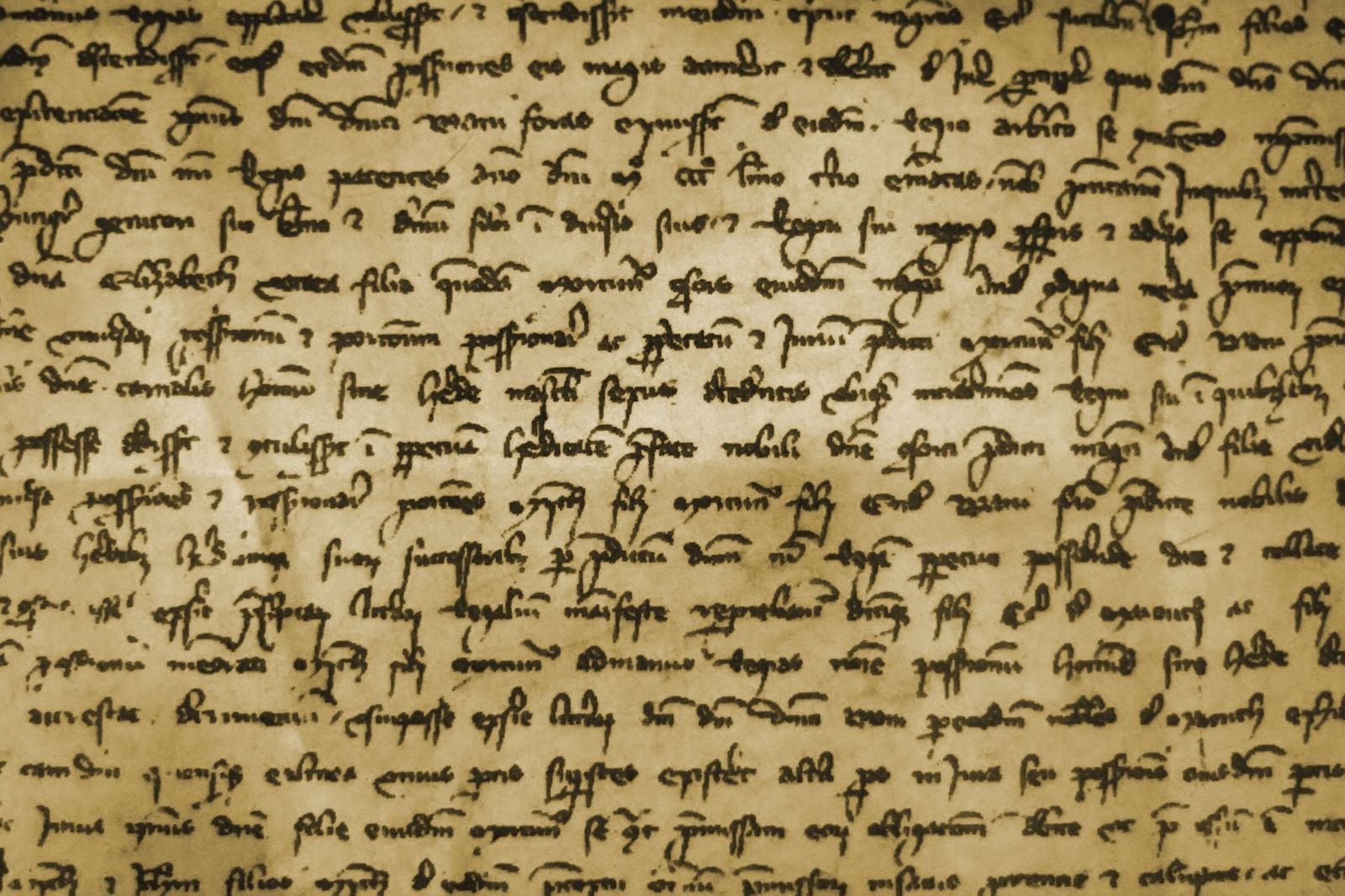
Image: fluidworkshop

We don’t often think of a detective as both tough and thoughtful, but Robert B. Parker (1932-2010) was a master of modern American crime fiction, who reshaped the detective genre by combining tough-guy action with sharp wit and a deep moral code.

Spenser, for example, is his leading investigator who cooks, quotes poetry, and loves his partner, Susan Silverman. The Godwulf Manuscript (1973) is the first Spenser book, introducing this character as a wisecracking private investigator searching for a stolen medieval university manuscript.

8

P.D. James - Literary Mystery at Its Best
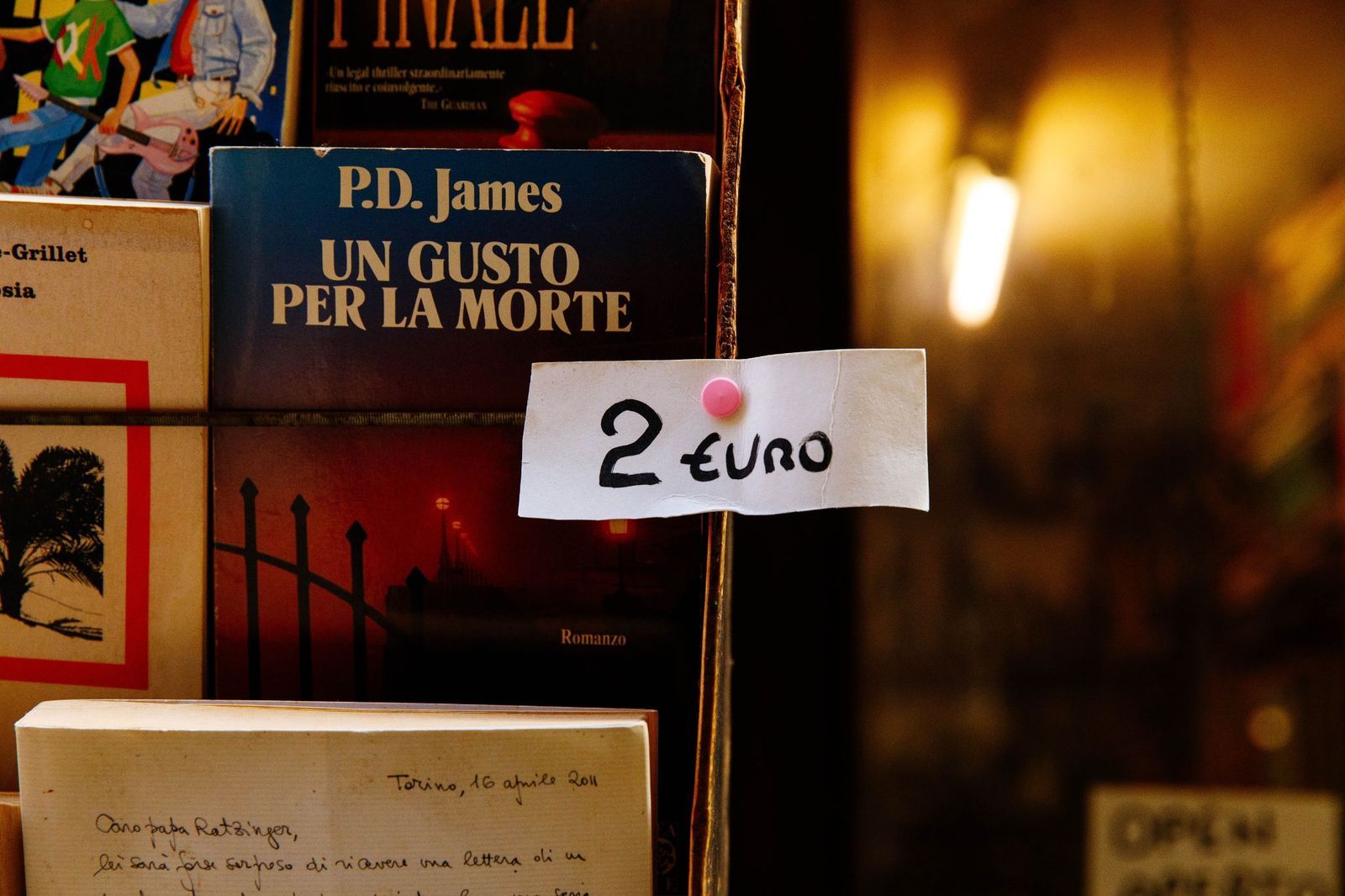
Image: HelgaQ

The best mysteries are those layered with emotion and insight. P.D. James (1920-2019) was such a masterful British crime fiction writer who achieved both and was known by many as the "Queen of Crime". Her books present clever puzzles mixed with a deeper human understanding, making her famous for her thoughtful style amidst dark plots.

Cover Her Face is her 1962 debut crime novel, introducing her famously clever and sensitive Scotland Yard detective Adam Dalgliesh, as he investigates the shocking murder of an ambitious young housemaid in an English country manor.

9

Tana French - Psychological Mystery Mastery
Image: DavideDiLernia

It’s not often that we see a character solving a crime while answering their own personal questions, but Tana French, born May 10, 1973, is an acclaimed Irish author who explores such scenarios. She is known by many as the "First Lady of Irish Crime," renowned for her psychological mystery style that focuses intensely on human flaws, memory, guilt, and the deep emotional impacts of a crime, rather than just procedural puzzle-solving.

In the Woods, published in 2007, is her debut psychological mystery novel, and the first book in the Dublin Murder Squad series. It follows detective Rob Ryan as he investigates a young girl’s murder, echoing some of his own childhood trauma.

10

Tony Hillerman - Mystery Meets the American Southwest

Image: Kathleen Thomas-McCue

Besides the characters, the landscape can also hold secrets, and sometimes tradition can reveal what evidence cannot. Tony Hillerman (1925 - 2008) was a best-selling writer and journalist, famous for his detective novels set in the American Southwest, who brought these ideas to the table. His stories take place in the Navajo Nation, starring tribal police officers Joe Leaphorn and Jim Chee. His books intertwine classic crime puzzles with a deep respect for Native American ways and desert landscapes.

Published in 1970, The Blessing Way was his debut novel, set across Arizona and New Mexico, centering on a baffling murder with no tracks in the sand, while blending local fears of the skinwalker (or "Wolf Witch") with modern Cold War surveillance methods.


TALES OF THE BULL MOOSE

Discover the amazing life of America’s 26th President, Teddy Roosevelt!


Published on August 27, 2026


Image: Brandon Mowinkel

In 2016, a fake photo of Teddy Roosevelt riding a moose through a lake completely baffled the internet. While the photo was certainly weird, what was so confusing about it was that the one U.S. president we could have expected to ride a wild animal with ease was Theodore Roosevelt. Besides, wasn’t he known as the "Bull Moose" candidate in 1912?

While the moose photo was definitely photoshopped, few American presidents have amassed as many fun and quirky anecdotes as Teddy Roosevelt. We have decided to pay tribute to our 26th president with a small biography that showcases ten moments that show both his fun side, as well as his unbreakable work ethic. Like Teddy Roosevelt once said: "When you play, play hard; when you work, don't play at all."

1

A fighter’s spirit

Image: Sahej Brar

We’ll start at the very beginning, in President Roosevelt’s childhood. Born on October 27, 1858, young Teddy was completely different from the image of toughness and resilience his future self would give: he was a frail kid, often troubled by asthma and illness. He was, however, an avid outdoors fan, and would often test the limits of his physical strength outside.

According to a popular myth, President Roosevelt cured his asthma by enduring vigorous exercise. While this isn’t completely true, since he suffered a few asthmatic episodes as an adult, Teddy did go through an intense routine in his teenage years, becoming proficient in boxing, judo, and weightlifting.

2

College days

Image: Emily Karakis

By the fall of 1876, a 17-year-old Teddy started attending Harvard University, where he showed a particular interest in biology, science, and rhetoric. He also participated in rowing and boxing and became an editor for The Harvard Advocate, the university’s art and literary magazine.

If the numerous anecdotes about his time in Harvard are to be believed, Teddy was an energetic and boisterous debater, often striking his hand into his palm to highlight a point. He was also a member of the Porcellian Club, one of the country’s most prestigious final clubs.

3

Rancher-In-Chief

Image: Jed Owen

In 1883, while hunting bison in the Dakotas, Teddy became intrigued with the idea of becoming a rancher, since cattle ranching was becoming a booming industry in the territory. He invested $14,000 (over $400,000 by today’s standards), and spent the following years traveling between New York and his ranch in North Dakota, which he named "Elkhorn Ranch".

During his time in North Dakota, Roosevelt published three books on frontier life and helped organize ranchers to address shared issues. The site on which Elkhorn Ranch is still standing, and is a protected unit of Theodore Roosevelt National Park.

4

1886’s "Miami Vice"

Image: Daniel Ian

During his time in North Dakota, Roosevelt didn’t settle with just being a rancher: In 1886, he became a deputy sheriff in Billings County. It was during this time that one of the most action-packed anecdotes of his life took place: the time he helped chase down a gang of boat thieves.

After his beloved boat was stolen, Roosevelt enlisted two of his ranch hands and trailed these thieves through the freezing waters of the Little Missouri River. After three days of bravely coursing through the icy and treacherous river, Roosevelt's group tracked down the thieves and apprehended them. Victorious, Teddy spent the long way back home reading Leon Tolstoi’s classic novel "Anna Karenina."

5

The youngest president for 123 years (and counting)

Image: Sean Foster

We are now entering the period that separates young Teddy from President Roosevelt. However, we can still consider these his juvenile years: After all, Teddy is the youngest president in U.S. history.

After William McKinley was assassinated in 1901, Vice President Roosevelt became the 26th American president, at 42 years of age. While Presidents Kennedy and Clinton were pretty close at taking the title (Kennedy was 43 when he was sworn in, and Clinton was 46), Teddy still remains America’s youngest president (for now, at least).

6

Go long, Mr. President!

Image: Melissa McGovern

In 1905, President Roosevelt summoned representatives from Harvard, Columbia, and Yale universities to take on a challenge in sports: the increasing number of injuries and deaths in football. Approximately 45 players died between 1900 and 1905 as a result of collisions, so naturally, Teddy sought to make this beloved sport of his safer.

The changes that Roosevelt added to football include making first down at 10 yards instead of 5, adding a forward pass that would add distance between players, and authorizing a neutral zone between defense and offense. While football is still far from completely safe, these reforms helped reduce the number of casualties and serious injuries.

7

Those beloved Teddy bears…

Image: Laark Boshoff

Did you have a favorite teddy bear as a child? A little huggable companion called "Buttons" or "Snickerdoodle"? Well, you might be surprised to know that, no matter what you called that fuzzy friend, the name "Teddy Bear" itself pays homage to Teddy Roosevelt.

In 1902, President Roosevelt was invited by Mississippi Governor Andrew H. Longino to a hunting trip on "the Magnolia State.'' Since Teddy hadn’t been able to hunt any animal, a group of hunters on the group cornered and tied a black bear to a tree for him to shoot. However, President Roosevelt refused, since he considered it unsportsmanlike. After this anecdote was featured in a Washington Post cartoon, it sparked so much national interest that a Brooklyn-based businessman designed a toy bear and placed him on the window of his shop with the caption "Teddy’s Bear."

8

An aggressive debate

Image: Aaron Burden

They say the pen is mightier than the sword, but thanks to this story, we at least know that words are sturdy enough to stop a bullet. In 1912, Teddy Roosevelt was giving a speech in Milwaukee when he suffered an assassination attempt by a man named John Schrank. The would-be assassin shot at the former president, but luckily the bullet was stopped by a stack of papers that contained Roosevelt’s speech.

Determined to prove his "Bull Moose" endurance, Teddy announced to a shocked crowd that he had been shot, only to continue immediately after with his speech. He continued to speak for approximately 90 minutes before finally allowing his staff to take him to a hospital. Roosevelt survived the attempt without any serious injuries, except for the bullet lodged in his ribs that stayed there until his death.

9

Abracadabra!

Image: Arnor Ingi Juliusson

In 1914, Teddy Roosevelt met the world’s most famous illusionist aboard the SS Imperator. Houdini was returning from a tour through the United Kingdom, while the former president was returning from a European trip that culminated in his son Kermit’s wedding in Madrid. This odd couple became friends quickly and exercised together every morning.

When Houdini was asked by an officer to perform an impromptu show, the illusionist performed a séance on which he correctly conjectured that Roosevelt had recently been on a trip through Brazil. A flabbergasted Teddy (who didn’t know that Houdini already knew that he would be on the ship) then allegedly asked the magician if he dealt with the dark arts.

10

Oh, the places you'll go!

Image: Josh Applegate

We’ll end this article with another time in which President Roosevelt met a famous person, although at a time at which he hadn’t gained notoriety yet. In 1918, a young Theodor Geisel, later known as Dr. Seuss, sold war bonds as part of his Boy Scouts troop. Theodor became one of Springfield’s top bond salesmen, so he was recognized alongside other scouts with an award given by former President Roosevelt.

However, at the ceremony, Teddy accidentally received only nine medals for the ten recipients, and, as luck would have it, young Dr. Seuss was the only one without a medal. Since Roosevelt thought that only nine children had been commended, when Theodor crossed the stage the president asked "What’s this kid doing here?" According to the beloved author, this event was the reason he developed a phobia of speaking in front of large crowds.

Looking for an extra scoop of literary fun?

Learn more with our Word of the day

work

/wərk/