Money does talk

10 Idioms about money and what they really mean


Published on December 29, 2025


Image: Fabian Blank

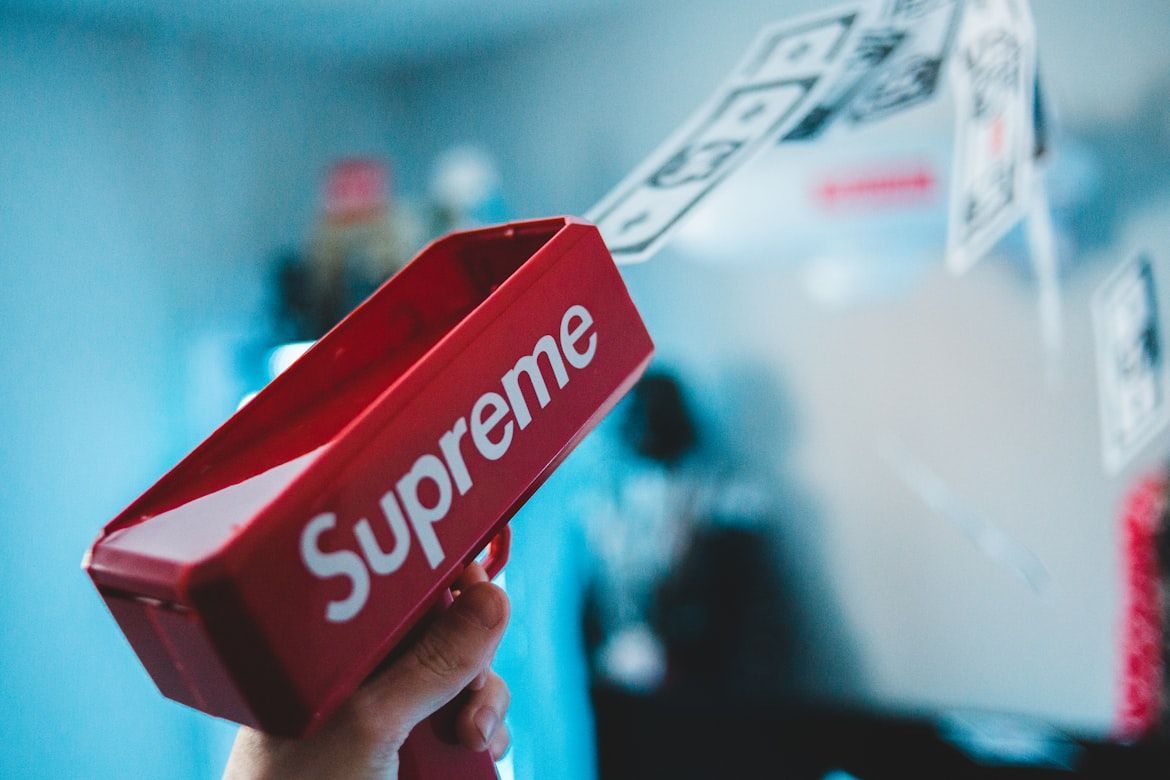
In this day and age, money is one of the central aspects of our lives. But not only does it shape the way we live: sometimes, it can shape the way we talk. Our daily language is stuffed with colorful expressions about cash. From the most silly to the utterly serious, they all carry a story, often stranger than the phrase itself. Let's break down some popular idioms about money that prove how creative we can get!

1

Money doesn't grow on trees

Image: micheile henderson

It sounds quite obvious, but this idiom is still the go-to phrase for parents trying to rein in their children's over-eager spending. Rising to popularity during the early 20th century, this phrase underscores the finite nature of money while highlighting the value of hard work and careful spending.

Ironically, some people say that paper money does, in a sense, come from trees, but this isn't true in the United States. US dollars are made of cotton fiber, not of wood fiber.

2

Break the bank

Image: Andre Taissin

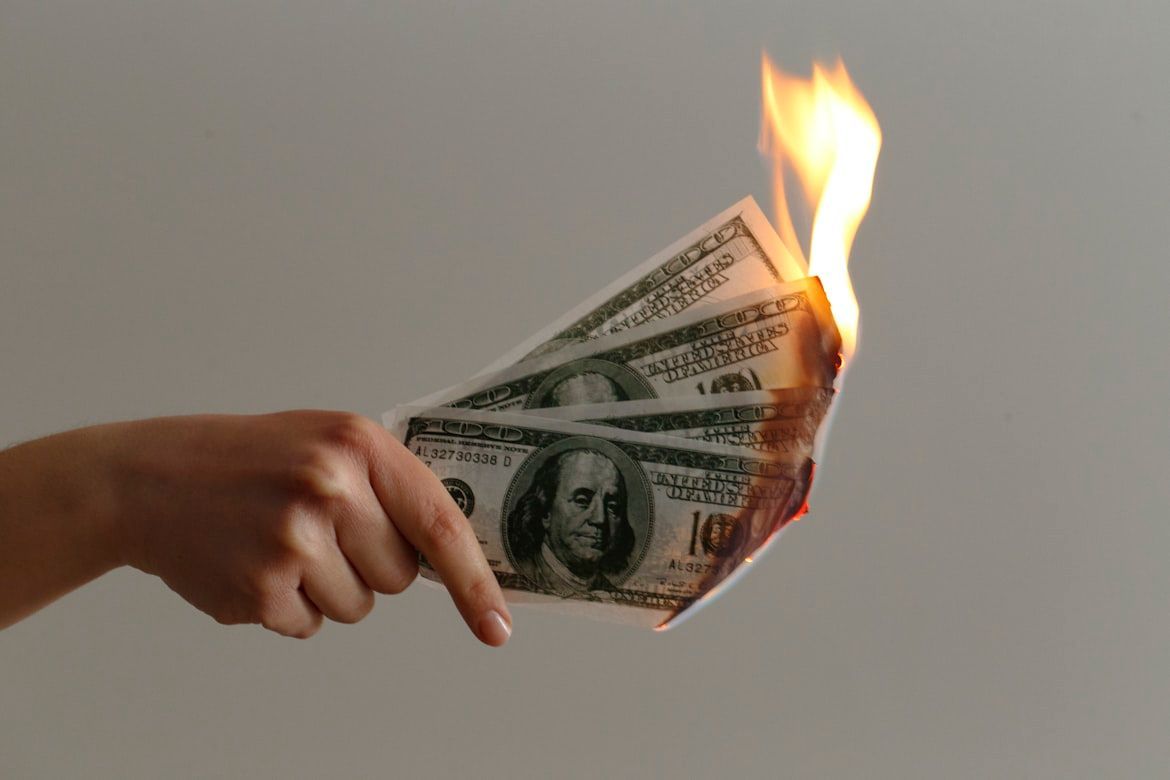
Today, this phrase conjures images of crashed piggy banks; we use it when we spend what seems like a fortune on a luxury car or some hard-earned vacations. However, the origins of this idiom stretch back to 19th-century casinos. If a gambler, by luck or cunning, won more than the house could cover, they quite literally broke the bank, and the casino had to shut down the table.

3

The Cash Cow

Image: Erik Mclean

This one is pretty straightforward: it actually comes from the farmyard. Dairy cows, requiring little beyond feed and care, produce milk steadily for many years. In the 20th century, businesspeople borrowed the metaphor: a cash cow is any product that brings consistent profit with minimal effort on the company's part. Think of razor blades, sodas, or charging cords: humble items that, while unassuming, keep the cash flowing steadily.

4

Pay through the nose

Image: Jp Valery

Sounds painful when you think about it, right? Some historians trace this phrase back to 9th-century Ireland, when it referred to the pain of paying heavy taxes levied by the Norse invaders. Legend has it that, if you didn't pay on time, collectors would slit your nose in punishment.

While this grisly tale is debated, the idiom stuck, and today it simply means to pay for something more than what it's actually worth. Thankfully, we get to keep our noses.

5

Nest egg

Image: Sasun Bughdaryan

Another idiom that comes straight from the farmyard. The story goes that farmers once kept an egg (sometimes real, sometimes carved out of wood or made of porcelain) in a chicken's nest to encourage hens to come back and lay more eggs in the same place. By the 1600s, this practice gave rise to the figurative nest egg: money set aside to grow over time.

6

Born with a silver spoon

Image: Siora Photography

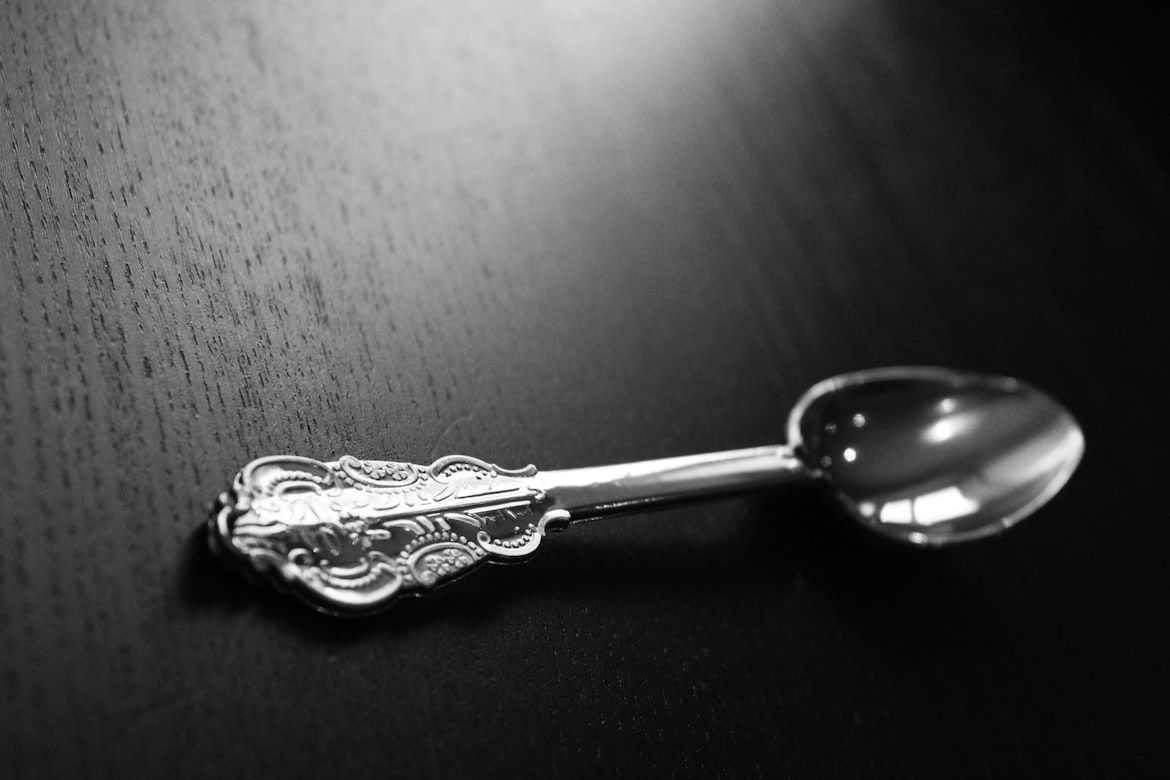
In 18th-century England, wealthy families often gifted silverware at birthdays or baptisms, a symbol of prosperity and high status. To the common folk, pointing out that someone was "born with a silver spoon" meant that they started life with privilege, without the need to make their own fortune. The phrase stood the test of time, though kids today would probably say that people "born with a silver spoon" are "playing life on easy mode."

7

Tighten your belt

Image: seeetz

Today, this is a common phrase used when someone has to cut their expenditures. However, this one has very dark origins rooted in real hardship. In times of famine or economic downturn, people literally have less to eat and lose weight, having to pull their belts tighter. In the US, this phrase rose to prominence during the Great Depression, when cutting expenses and making do with less became commonplace.

8

Bring home the bacon

Image: Wright Brand Bacon

This fun idiom about providing for the family might have much more bizarre roots than we imagined. A possible origin for this phrase traces it back to 12th-century England, where the town of Dunmow promised a slab of bacon to any married couple who could swear before god that they hadn't quarreled for a year and a day. Lighthearted recreations of this tradition still survive in Great Dunmow, Essex.

9

A fool and his money are soon parted

Image: Kateryna Kamenieva

This one sounds like a cautionary tale about shady investment opportunities and online deals that are too good to be true, but its origins can be traced back to the writings of a 1573 English clergyman. The message is clear: careless spending will lead to dire consequences. The phrase has remained popular because, unfortunately, it's timeless. Times have changed, but fools still part with their money; only the scams have changed.

10

Money talks

Image: Patrick Weissenberger

Short, blunt, and cynical, this enduring phrase is a testament to the power that money represents. It expresses the idea that, sometimes, wealth can influence decisions faster than persuasion or logic. This phrase dates to at least the 1600s: it appears in literature from that time, and it hasn't changed a bit since.



Pop culture etymologies

11 words popularized by books and movies


Published on December 29, 2025


Image: Tom Hermans

We are used to thinking that the words we use daily are derived from Latin or Greek words used centuries ago, or that great authors like Shakespeare coined them. Sometimes, though, these everyday terms have been in use for just a few decades, or are the product of a children’s book or a cartoon, and we are none the wiser. Let’s have a look at 11 words that were first used or popularized in books and movies.

1

Gaslighting (Gaslight, 1944)

Image: Alex Proimos from Sydney, Australia, CC BY 2.0, via Wikimedia Commons

In 2022, ‘gaslighting’ was chosen as the word of the year by the Merriam-Webster dictionary, describing the manipulative technique of making someone question their memories, perceptions, and even their reality. While the term is now used for a psychological manipulation, its name comes from a literal gaslight.

In the 1944 movie Gaslight, adapted from a play, a man slowly convinces his wife that she’s going insane to commit her to an asylum. One of his tactics consists of dimming the gas lights in the house while insisting she is imagining the light changes. Despite the term originating in 1944, it only became widely used in the 2010s.

2

Paparazzi (La Dolce Vita, 1960)

Image: Zeg Young

In the 21st century, paparazzi are an annoying but common occurrence for anyone famous, but did you know that their name comes from a 1960s Italian classic film? Federico Fellini’s La Dolce Vita follows Marcello Rubini, a celebrity journalist, across seven days in Rome.

Rubini is accompanied by the photographer Paparazzo, modelled after scandal-hunting Roman photographers, a name the director chose because it reminded him of an annoying, quick-moving insect. The use of the name as a common term for celebrity photographers was popularized in English by Time magazine shortly after the movie.

3

Robot (R.U.R, 1920)

Image: julien Tromeur

Robots are not an oddity in the 21st century and are a common occurrence in movies, books, and other types of media. But the term ‘robot’ has a darker history than many imagine. First used in the 1920 play R.U.R. (Rossum's Universal Robots) by Czech writer Karel Čapek, it was used to describe bio-engineered humans—closer to what we would now call androids—, mass-produced to serve as workers.

Čapek used the Czech word robota, meaning ‘serfdom’, ‘hard work’, and sometimes interpreted as ‘slave’, to name these human-like beings that were efficient, but lacked emotions, critical thinking, and self-preservation instincts, and were thus easier to exploit. The term entered the English language in the late 1930s and later evolved into the idea of a highly advanced machine.

4

To Google (Buffy the Vampire Slayer, 2002)

Image: Solen Feyissa

Did you know that the name of this popular search engine is derived from a mathematical term? A ‘googol’ describes a 1 followed by a hundred zeroes, and the founders of Google chose the name —with a slightly different spelling— to reflect the vast amount of information the search engine would make available.

But while the verb form ‘to Google’ was initially used by founder Larry Page in 1998, it only became popular in 2002, thanks to the TV show Buffy the Vampire Slayer, where in S07, E04, Willow asks Buffy, "Have you googled her yet?" Google has tried to discourage this use of the term, but what can you do against the power of a cult series?

5

Nerd (If I Ran the Zoo, 1950)

Image: Nik

No one really knows where the term ‘nerd’ originated, but it is widely accepted that it’s a variation of ‘nert’ or ‘nut’, both meaning a stupid or crazy person. It first appeared in print in the 1950s book If I Ran the Zoo by Dr. Seuss, where it is used as the name of a small creature.

By that point, the term became popular as a derogatory way to describe someone brainy or socially inept. However, its later use in sitcoms and films in association with intellectualism and a passion for technology has contributed to lessening the negative connotations of the word.

6

Spam (Monty Python, 1970)

Image: Le Vu

When Hormel Foods introduced SPAM to the market in 1937, they never imagined it would become the international word for junk emails. The brand name, an abbreviation of ‘spiced ham’, eventually became synonymous with luncheon meat and was featured in a humorous sketch of the BBC comedy series Monty Python's Flying Circus.

The sketch features a bar where every dish includes SPAM, which prompts a group of Viking patrons to shout "spam, spam" each time the waitress reads out the menu. The term was then adopted to describe repetitive, unwanted internet messages, and it is now instantly associated with commercial ads and repetitive messages.

7

My bad (Clueless, 1995)

Image: Nick Fewings

Now a common way to take responsibility for something or to admit a fault, this phrase originated in the world of basketball in the 1970s to own an error and keep the game moving. Golden State Warriors’ Manute Bol is commonly credited with popularizing its use in the basketball context, but its spreading to other contexts came through the rom-com classic Clueless.

This 90s reimagining of a Jane Austen novel popularized several San Fernando Valley slang words and phrases through its main character, Cher, and her use of "Oops! My bad" during a driving lesson is probably one of the most iconic Clueless quotes.

8

Nimrod (Looney Tunes, 1948 )

Image: Aria1561, Public domain, via Wikimedia Commons

We now understand the term ‘nimrod’ as ‘fool’ or ‘klutz’, but its original use was quite different. The Bible describes King Nimrod, one of Noah’s descendants, as a mighty hunter, but the name also carries the meaning of ‘rebellious’ and ‘tyrant’, so across history, ‘nimrod’ has been used to refer to both tyrants and good hunters.

How did it come to mean fool? It is all Bugs Bunny’s fault. In a 1948 Looney Tunes episode, Bugs Bunny mockingly calls Elmer Fudd a nimrod, implying that he is a pathetic hunter. Maybe the audience failed to pick up the biblical reference or the sarcasm, but that was the turning point of ‘nimrod’ from hunter to fool.

9

Tween (The Lord of the Rings, 1954)

Image: Thomas Schweighofer

J.R.R. Tolkien coined many terms, but we bet you didn’t know he was the mind behind the use of ‘tween’ as preadolescent. While he did not invent the term itself —this shortened version of ‘between’ already existed— he contributed to its association with the stage between childhood and coming of age.

In The Lord of the Rings, ‘tween’ is used to describe hobbits in their twenties, often irresponsible and reckless, no longer children, but still not fully adults until they are 33 years old. As hobbits live longer than humans, this stage is equivalent to preteens and teenagers. After the term was popularized in English, it became synonymous with children in the in-between stage before adolescence.

10

Pandemonium (Paradise Lost, 1667)

Image: MARIOLA GROBELSKA

If you ever thought that ‘pandemonium’ might be related to ‘demon’, you were a hundred percent right. A combination of the Greek pan (‘all’) and the Latin daemonium (‘demon’ or ‘evil spirit’), the word first appeared in John Milton’s Paradise Lost (1667). In the poem, the angels fallen from Heaven create a palace in Hell, called Pandemonium or ‘place of all the demons’.

How did its meaning shift to chaos and mayhem? A few decades after Milton coined it, the term became common to describe places of chaos and uproar, eventually being associated with the chaos itself.

11

Malapropism (The Rivals, 1775)

Image: Daniela Holzer

Have you ever heard the term ‘malapropism’? It is often used to describe the incorrect use of a word in place of another that sounds similar, such as confusing ‘amphibious’ with ‘ambidextrous’. Though this is a common speech mistake in any language, its English name comes from the 1775 play The Rivals, by Richard Brinsley Sheridan.

In the play, the character of Mrs. Malaprop (from the French mal à propos, ‘poorly placed’) frequently uses the incorrect but similar-sounding word, creating confusion and failing to properly communicate. Though the term ‘dogberryism’ —in reference to a Shakespearean character— is sometimes used, ‘malapropism’ has undoubtedly become the most common name for this mistake.

Looking for an extra scoop of literary fun?

Learn more with our Word of the day

loot

/lut/