COMIC RELIEF

10 Hilarious Quotes from Celebrities That Will Crack You Up


Published on March 12, 2024


Image: Joshua Burdick

Charlie Chaplin once said that a day without laughter is a wasted day, and we couldn’t agree more. In a world where humor is often overshadowed by seriousness, people with the ability to laugh at themselves and the silliness of life are like a refreshing breeze on a hot summer day.

Here we gathered 10 moments of comedic brilliance from the mouths of celebrities, writers, and scientists.

1

Stranger Than Fiction

Image: Gary Wayne Gilbert, CC BY-SA 2.0

"The difference between fiction and reality? Fiction has to make sense."

—Tom Clancy

A world-acclaimed writer of many espionage novels and military thrillers, Tom Clancy offers us a humorous insight into the chaotic nature of reality and the difficulties of storytelling. Certainly, reality is always stranger than fiction!

2

Open Mind

Image: Myrmi, CC BY-SA 2.0

"The trouble with having an open mind, of course, is that people will insist on coming along and trying to put things in it."

—Terry Pratchett

The late Terry Pratchett, the beloved author of the Discworld fantasy series, delivers here a witty remark typical of his irreverent writing style. An open mind is a gift, but that doesn’t mean you shouldn’t be wary of what you let others put into it.

3

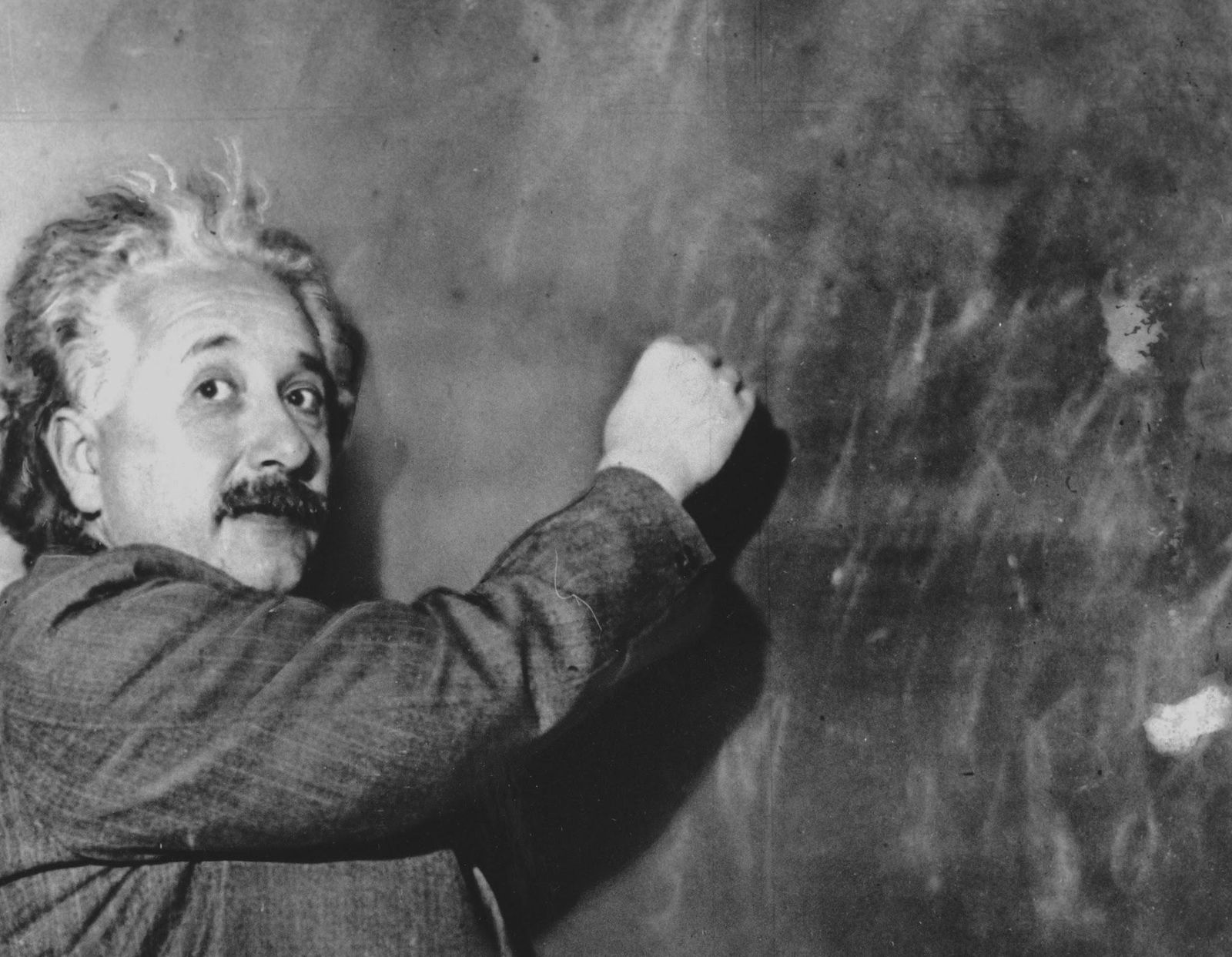
Theory of Stupidity

Image: ASSOCIATED PRESS, CC0

"Two things are infinite: the universe and human stupidity; and I’m not sure about the universe."

Albert Einstein

Besides being a Nobel laureate and renowned physicist, Albert Einstein was known for his characteristic dry humor and his sarcastic observations about the world. Human nature is paradoxical, we can solve the most complex problems, yet we never seem to completely free ourselves from the yoke of stupidity.

4

Blonde Jokes

Image: Union20

"I’m not offended by blonde jokes because I know I’m not dumb…and I also know that I’m not blonde."

Dolly Parton

The iconic country music star playfully addresses stereotypes about blonde women in this witty retort. Though Parton has nothing to prove, she shows us with charm and flair that humor and self-awareness are always the best defense against insult and prejudice.

5

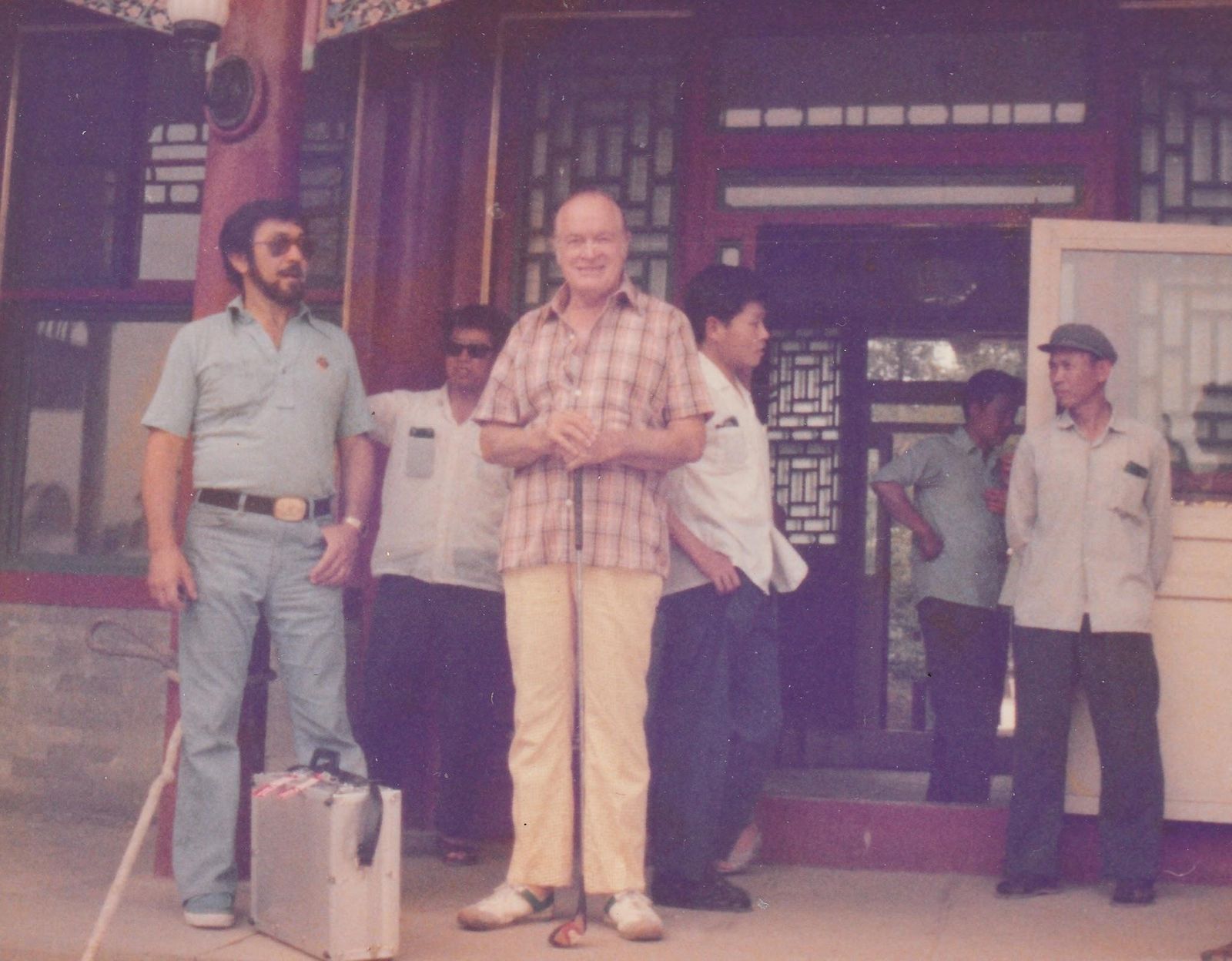
Getting a Loan

Image: mybody isatemple, CC BY-SA 4.0

"A bank is a place that will lend you money if you can prove that you don’t need it."

Bob Hope

Legendary comedian Bob Hope offers a tongue-in-cheek commentary on the absurd quirks of bank logic. And surely... what good does a loan to the already rich do?

6

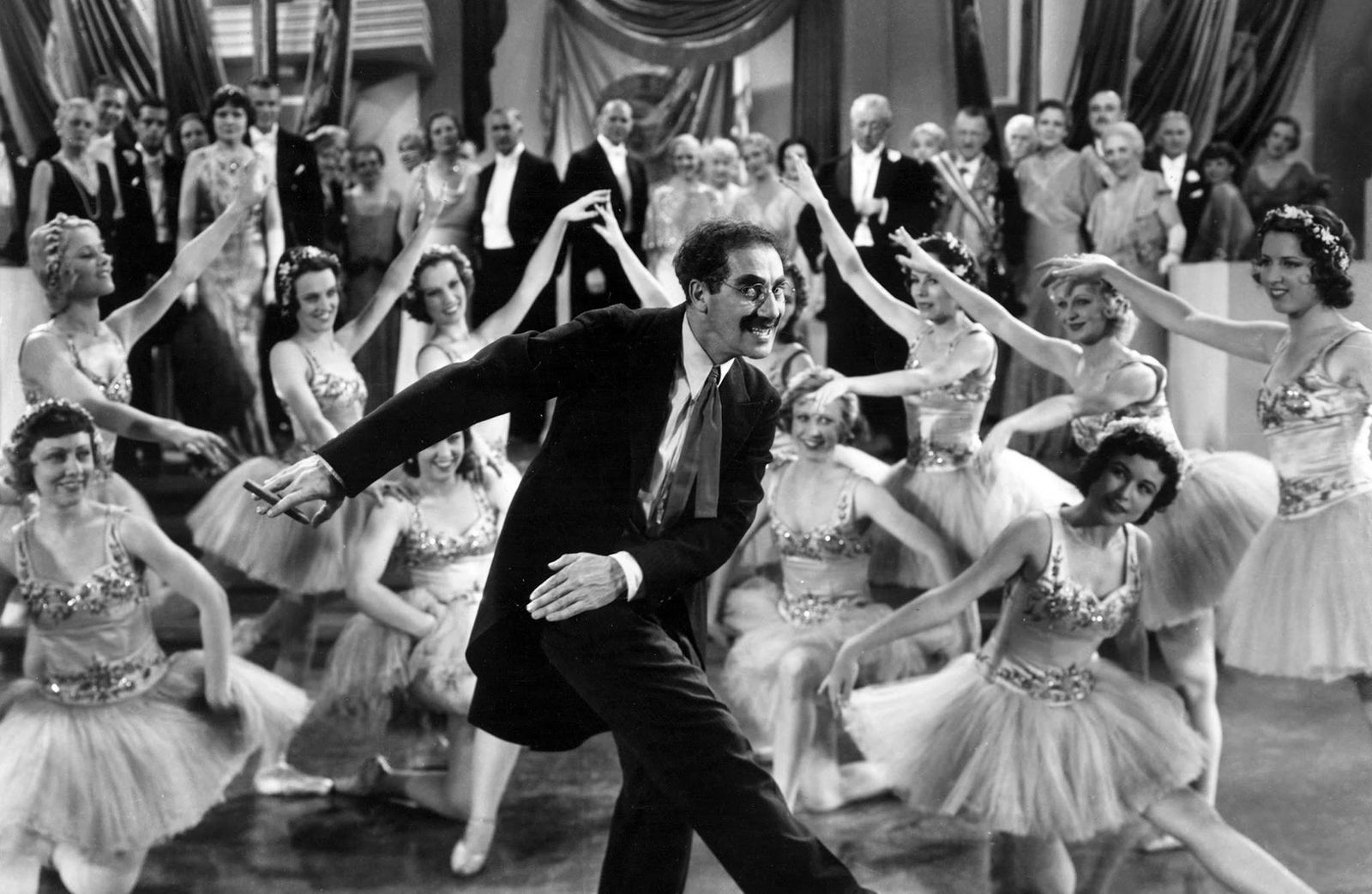
Man’s Best Friend

Image: Hometowns to Hollywood

"Outside of a dog, a book is man’s best friend. Inside of a dog it’s too dark to read."

Groucho Marx

Groucho Marx, the comedic genius behind the Marx Brothers, delivers here one of his hilarious yet absurd jokes. Humor can certainly be found in the most unexpected places, even inside the belly of an unsuspecting dog!

7

Fairy Tales vs. Reality

Image: McGill Library

"Life isn't a fairytale. If you lose a shoe at midnight, you're drunk."

Darynda Jones

American novelist Darynda Jones offers a humorous twist on the classic Cinderella story by comparing it to reality. We would only like to add that if your Uber also looks like a pumpkin carriage, you might be better off just walking home.

8

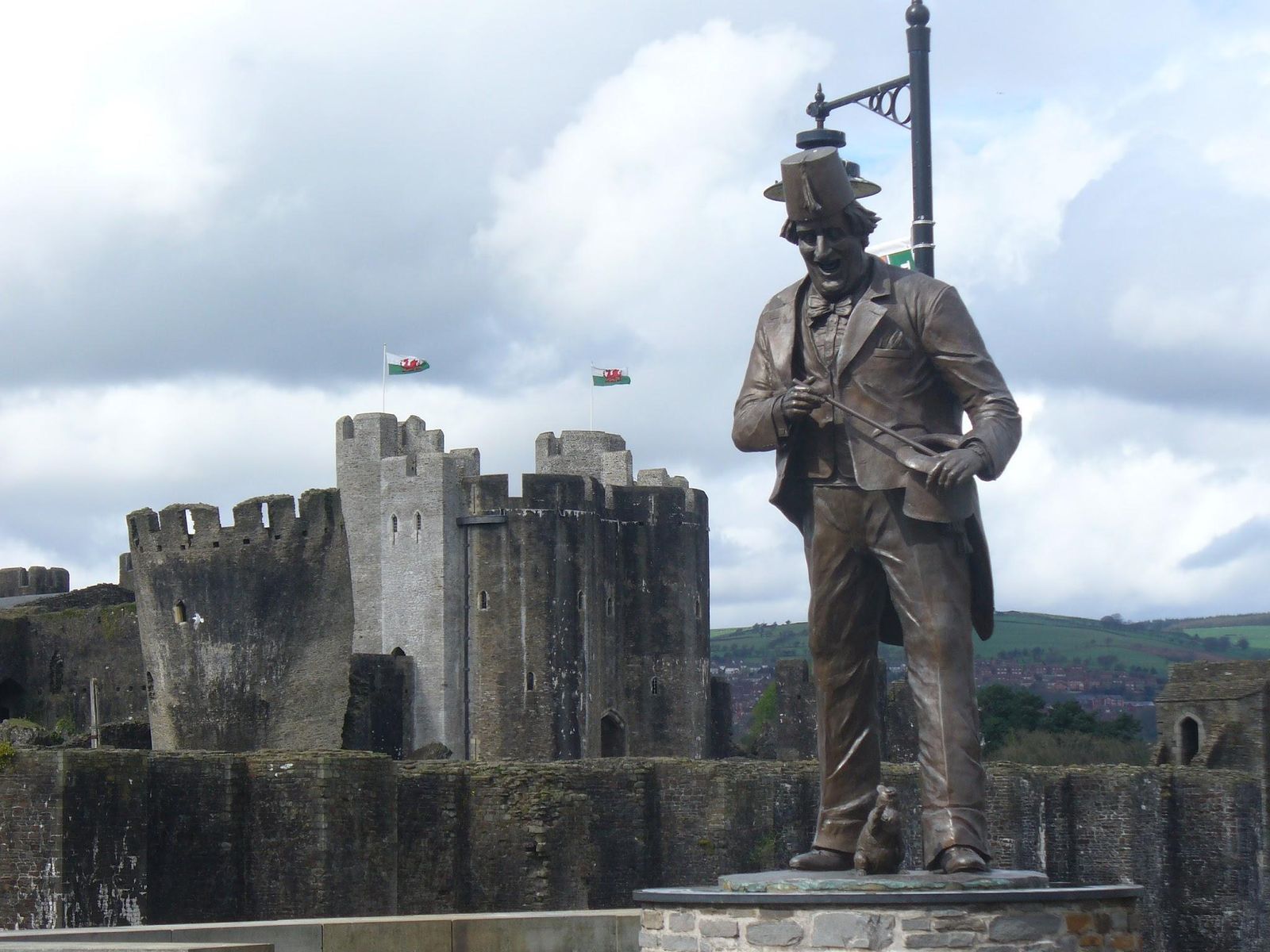
Confidence

Image: Colin Smith, CC BY-SA 2.0

"I used to be indecisive. Now I'm not quite sure."

Tommy Cooper

Tommy Cooper was a master of slapstick comedy and absurd humor, and this quote attributed to him encapsulates his personality perfectly. Jokes aside, having a good sense of humor can actually help indecisive people gain more confidence in themselves!

9

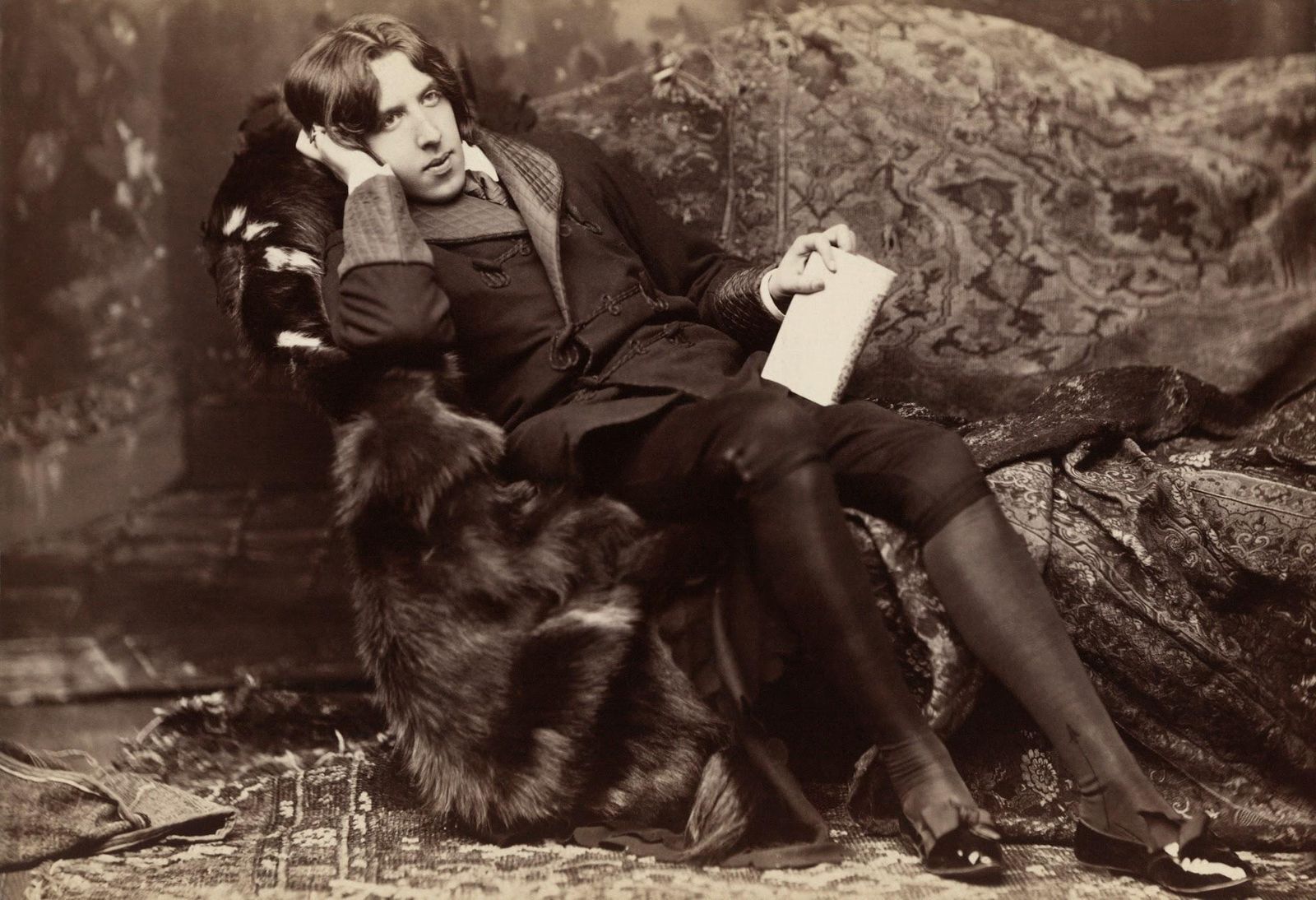
A Great Willpower

Image: Napoleon Sarony

"I can resist everything except temptation."

Oscar Wilde

This famous quip of Oscar Wilde captures the essence of his playful yet thoughtful philosophy. Besides making you laugh, hopefully this quote can help lighten up a bit those moments when we feel like we aren’t living up to our expectations—like when you can’t help buying a ton of ice cream right after starting a new diet.

10

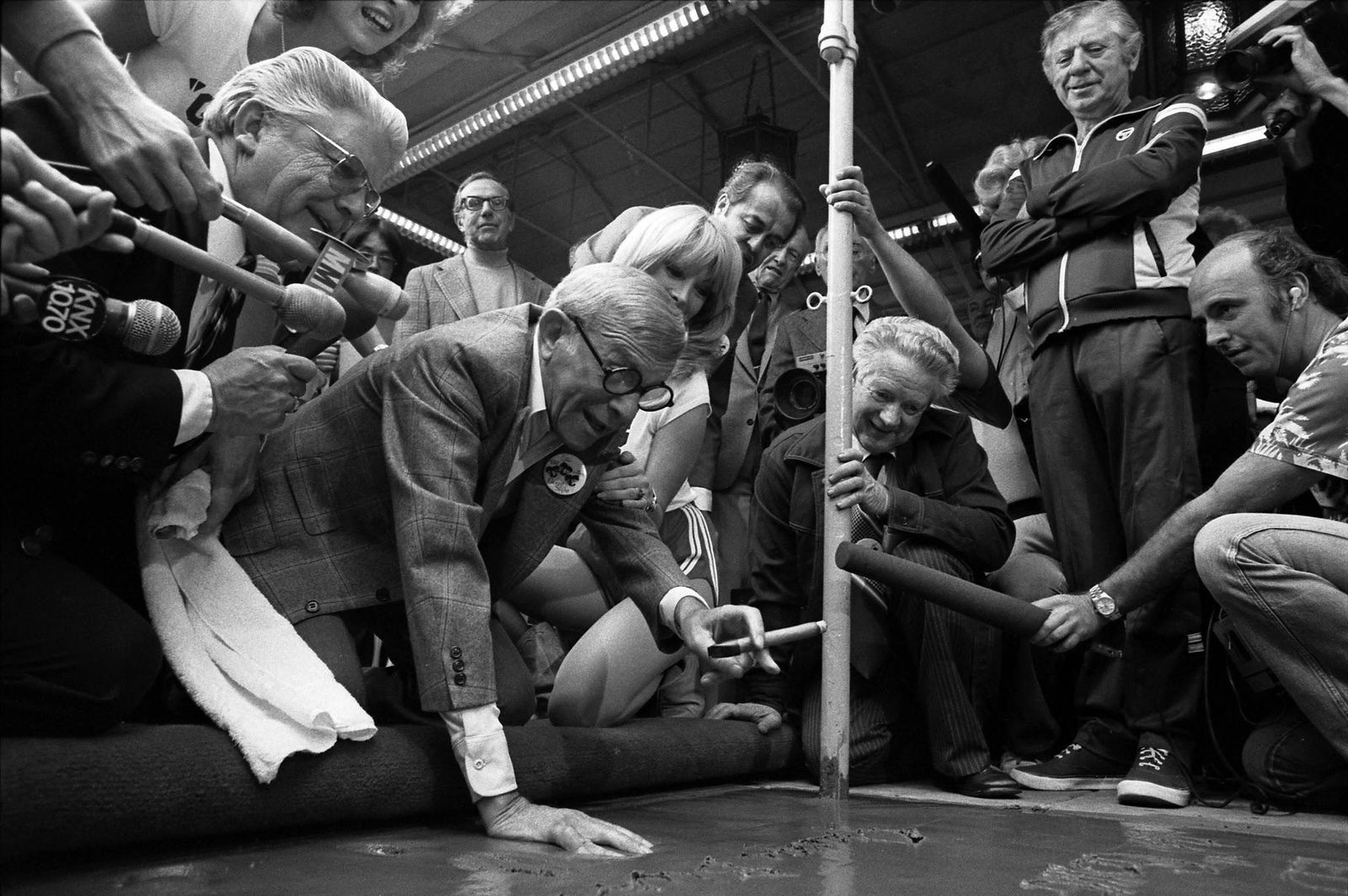
Growing Old

Image: Joe Kennedy, Los Angeles Times, CC BY 4.0

"When I was a boy the Dead Sea was only sick."

—George Burns

Legendary comedian George Burns offers a humorous reflection on the passage of time with this amusing remark. Unfortunately, he might be right, as the Dead Sea is actually shrinking at a swift pace.


National melodies

10 national anthems with a curious story


Published on March 12, 2024


Image: Colin Lloyd

The purpose of a national anthem is to foster a sense of patriotism and unity among the citizens of a nation, but there are as many ways to achieve this as there are nations. While some anthems reflect on glorious deeds of the past, others express a shared desire for peace and prosperity, or celebrate love for their country, its lands, its leaders, and, at times, even the leaders of another nation. Let’s take a look at 10 national anthems with curious stories.

1

"The Star-Spangled Banner" (United States of America)

Image: Marcus istrfry

We all know the story of how The Star-Spangled Banner was written after a battle, but did you know it was not officially adopted as the national anthem for over a century? Composed during the War of 1812 under the title Defence of Fort M’Henry, it quickly became popular as a patriotic song and was officially adopted by the U.S. Navy in 1889. It was not declared the national anthem until 1931.

Some critics point to references in the third stanza—particularly language interpreted as relating to slavery—as well as the documented views of its author, Francis Scott Key. However, opposition to the song’s adoption at the time was more often based on its difficult vocal range and competition from other popular patriotic songs. Despite these debates, the poem—especially its first stanza—has long been regarded as a symbol of national unity.

2

"Wilhelmus" (The Netherlands)

Image: Hendrik Kuterman

Composed in 1572, it is one of the oldest national anthems still in use. The lyrics are written from the perspective of William of Orange—the leader of the Dutch revolt against the Spanish Empire—and reflect his inner struggles between his loyalty to the Spanish King and his duty to his people.

Though the original text has at least 15 stanzas, only the first stanza and sometimes the sixth are sung today, which can be confusing for those unfamiliar with the historical context, as the first stanza ends by declaring undying loyalty to the king of Spain.

3

"State Anthem of the Russian Federation" (Russia)

Image: Tamara Malaniy

After the 1917 Russian Revolution, the newly formed Soviet Union adopted the socialist anthem The Internationale as its national anthem. In 1944, the Soviet government replaced it with a new anthem centered on Soviet Russia, with lyrics that emphasized the Soviet fatherland and Joseph Stalin’s leadership, though it was often performed without lyrics after Stalin’s death.

Following the collapse of the Soviet Union in 1991, the Russian Federation adopted an instrumental piece known as The Patriotic Song, composed in 1833 by Mikhail Glinka. After a decade of debates, and citing the need for an anthem that people could sing, the government decided to restore the former Soviet melody, this time with newly written lyrics.

4

"My Country, Malaysia" (Malaysia)

Image: Putra Mahirudin

How many countries can say that they owe their national anthem to a moment of panic? At least one. Malaysia’s national anthem was adopted after its independence from the United Kingdom, using the melody of the anthem of the state of Perak. But where does that melody come from?

When the Sultan of Perak attended the coronation of King Edward VII in 1902, his delegation was asked to provide their state anthem. Not having one, he improvised and adapted the melody of a popular tune from the Seychelles. This melody was later adopted as the official anthem of Perak and eventually became the basis for Malaysia’s national anthem.

5

"Argentine National Anthem" (Argentina)

Image: Fernando Távora

Composed and adopted as the national anthem during the Argentine War of Independence, but before the formal declaration of independence from Spain, this song was initially called the Patriotic March. It was much longer than the current anthem, and its lyrics were controversial, as they portrayed Spain as a tyrannical and bloodthirsty nation.

The anthem originally contained nine stanzas—including accusations towards Spain—which were used until 1924, when improved diplomatic relations with Spain and the arrival of thousands of Spanish immigrants led the government to shorten the lyrics and omit the more controversial parts.

6

"National Anthem of South Africa" (South Africa)

Image: Lina Loos

Famed for having lyrics in five of the twelve official languages of the country —Xhosa, Zulu, Sesotho, Afrikaans, and English— this anthem was officially adopted after the end of apartheid, and reflects a broader desire for national unity.

The post-apartheid government initially retained the former Afrikaans anthem, while also adopting the Xhosa hymn Nkosi Sikelel' iAfrika (God Bless Africa), which had long been used as a song of resistance. Maintaining two anthems proved impractical, so their lyrics were combined and translated into other majority languages to create a single national anthem that could represent all South Africans.

7

"Kde domov můj" + "Nad Tatrou sa blýska" (Czechia and Slovakia)

Image: Radek Kozák

When Czechoslovakia existed as a single state, it adopted a combined national anthem consisting of the first stanza of the Czech song Kde domov můj ("Where Is My Home?"), followed by the first stanza of the Slovak song Nad Tatrou sa blýska ("Lightning over the Tatras").

After the country’s peaceful dissolution in the Velvet Divorce (1992), Czechia retained Kde domov můj as its national anthem, while Slovakia retained Nad Tatrou sa blýska, which is typically performed with two stanzas and in its traditional form.

8

"Kimigayo" (Japan)

Image: Joshua Tsu

Though its lyrics come from a poem dating to the 8th-10th centuries, Kimigayo was not adopted as Japan's national anthem until 1888, and it's one of the world’s shortest anthems. After World War II, it was not officially designated as the national anthem due to its imperial associations, though it continued to be used. It regained formal legal status in 1999.

Often translated into English as His Majesty's Reign, its initial verse is commonly rendered as "may your reign [continue]." The word kimi has historically been used for the emperor, and the song's brief lyrics express a desire for the Imperial reign to endure for thousands of years, "until the tiny pebbles grow into massive boulders."

9

"El Gran Carlemany" (Andorra)

Image: Jossuha Théophile

In a similar fashion to the Wilhelmus, the Netherlands anthem, Andorra’s anthem is also written from a first-person perspective, this time not from an individual but the country itself, remembering its glorious past.

Composed in the early 20th century, it was adopted as the national anthem in 1921. In the lyrics, Andorra presents itself as a princess, daughter of Charlemagne, and describes itself as the "only remaining daughter of the Carolingian Empire."

10

"Woven from Hundreds of Flowers" (Nepal)

Image: Sebastian Pena Lambarri

A relatively new anthem, _Sayaun Thunga Phool Ka_—adopted in 2007—replaced the Shriman Gambhir following the abolition of the monarchy in Nepal. It’s notable for its distinctive melody, upbeat and joyful, quite different from other solemn or martial tone anthems.

The lyrics describe Nepal as a garland woven from hundreds of flowers, stretching from one corner of the country to the other, and emphasize the diversity of its people and landscapes.

Looking for an extra scoop of literary fun?

Learn more with our Word of the day

quail

/kweɪl/