COMIC RELIEF

10 Hilarious Quotes from Celebrities That Will Crack You Up


Published on March 12, 2024


Image: Joshua Burdick

As the famous old saying goes, "A day without laughter is a wasted day," and we couldn’t agree more. In a world where humor is often overshadowed by seriousness, people with the ability to laugh at themselves and the silliness of life are like a refreshing breeze on a hot summer day.

Here we gathered 10 moments of comedic brilliance from the mouths of celebrities, writers, and scientists.

1

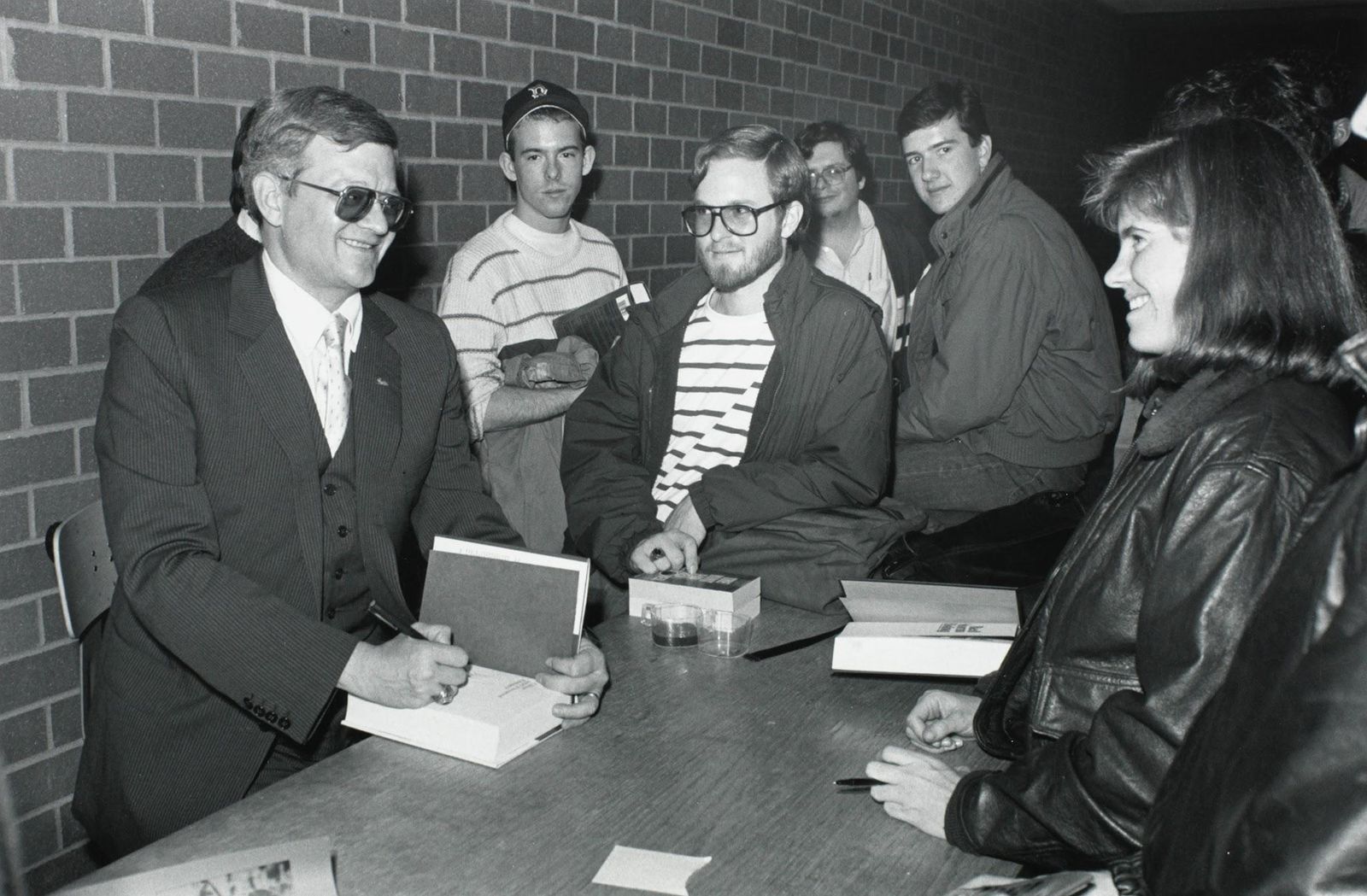
Stranger Than Fiction

Image: Gary Wayne Gilbert, CC BY-SA 2.0

"The difference between fiction and reality? Fiction has to make sense."

—Tom Clancy

A world-acclaimed writer of many espionage novels and military thrillers, Tom Clancy offers us a humorous insight into the chaotic nature of reality and the difficulties of storytelling. Certainly, reality is always stranger than fiction!

2

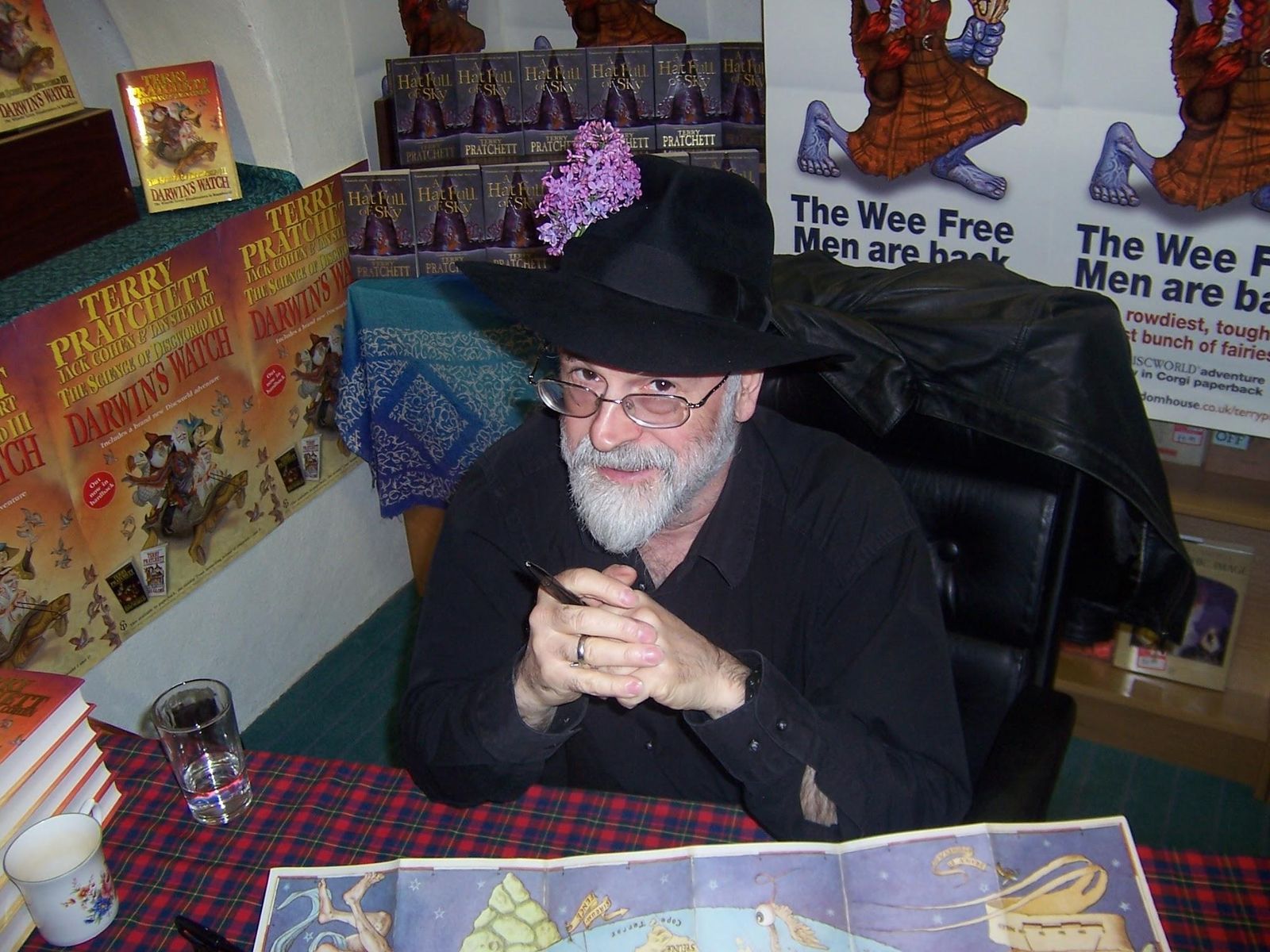
Open Mind

Image: Myrmi, CC BY-SA 2.0

"The trouble with having an open mind, of course, is that people will insist on coming along and trying to put things in it."

—Terry Pratchett

The late Terry Pratchett, the beloved author of the Discworld fantasy series, delivers here a witty remark typical of his irreverent writing style. An open mind is a gift, but that doesn’t mean you shouldn’t be wary of what you let others put into it.

3

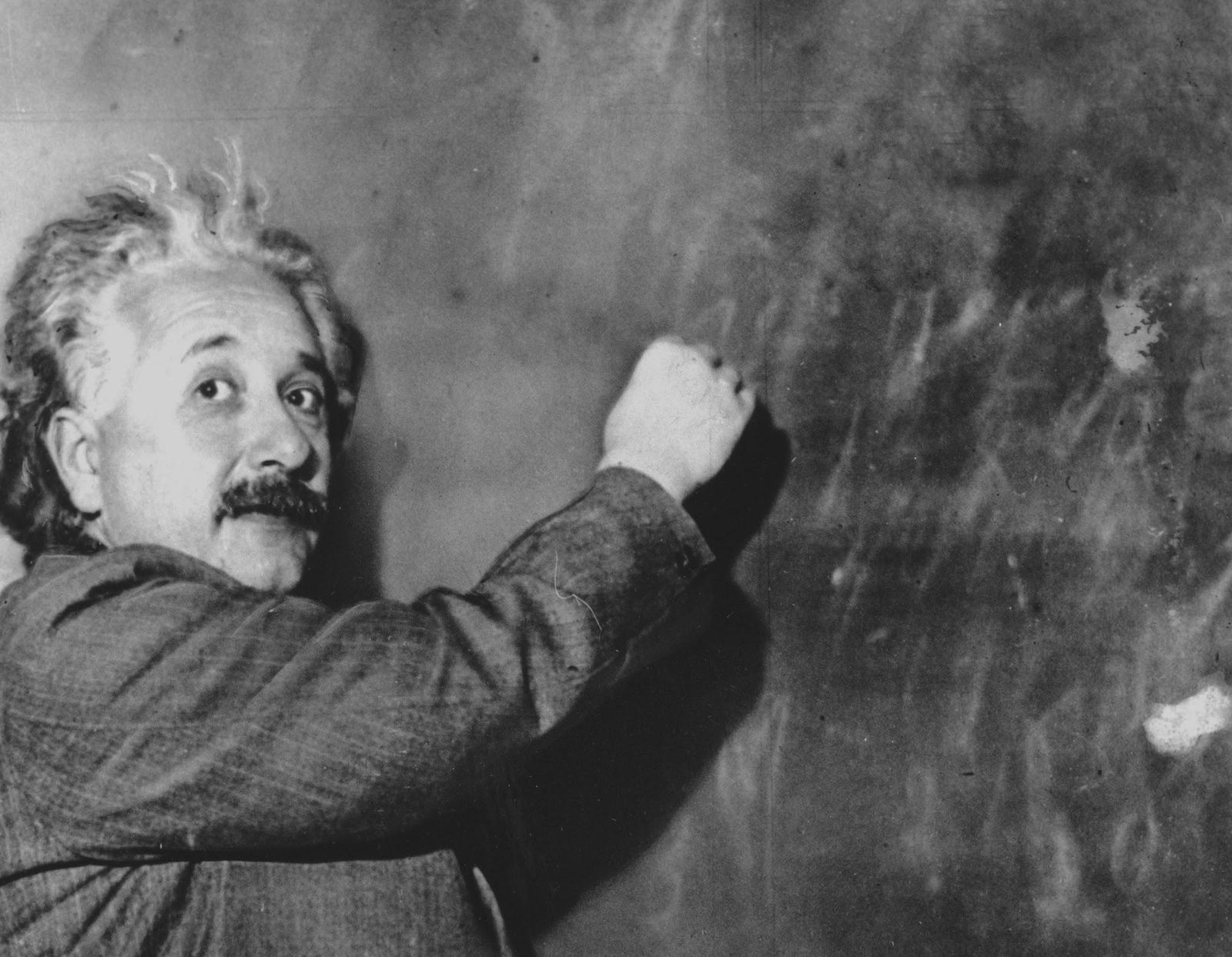
Theory of Stupidity

Image: ASSOCIATED PRESS, CC0

"Two things are infinite: the universe and human stupidity; and I’m not sure about the universe."

—Albert Einstein

Besides being a Nobel laureate and renowned physicist, Albert Einstein was known for his characteristic dry humor and his sarcastic observations about the world. Human nature is paradoxical, we can solve the most complex problems, yet we never seem to completely free ourselves from the yoke of stupidity.

4

Blonde Jokes

Image: Union20

"I’m not offended by blonde jokes because I know I’m not dumb…and I also know that I’m not blonde."

—Dolly Parton

The iconic country music star playfully addresses stereotypes about blonde women in this witty retort. Though Parton has nothing to prove, she shows us with charm and flair that humor and self-awareness are always the best defense against insult and prejudice.

5

Getting a Loan

Image: mybody isatemple, CC BY-SA 4.0

"A bank is a place that will lend you money if you can prove that you don’t need it."

—Bob Hope

Legendary comedian Bob Hope offers a tongue-in-cheek commentary on the absurd quirks of bank logic. And surely... what good does a loan to the already rich do?

6

Man’s Best Friend

Image: Hometowns to Hollywood

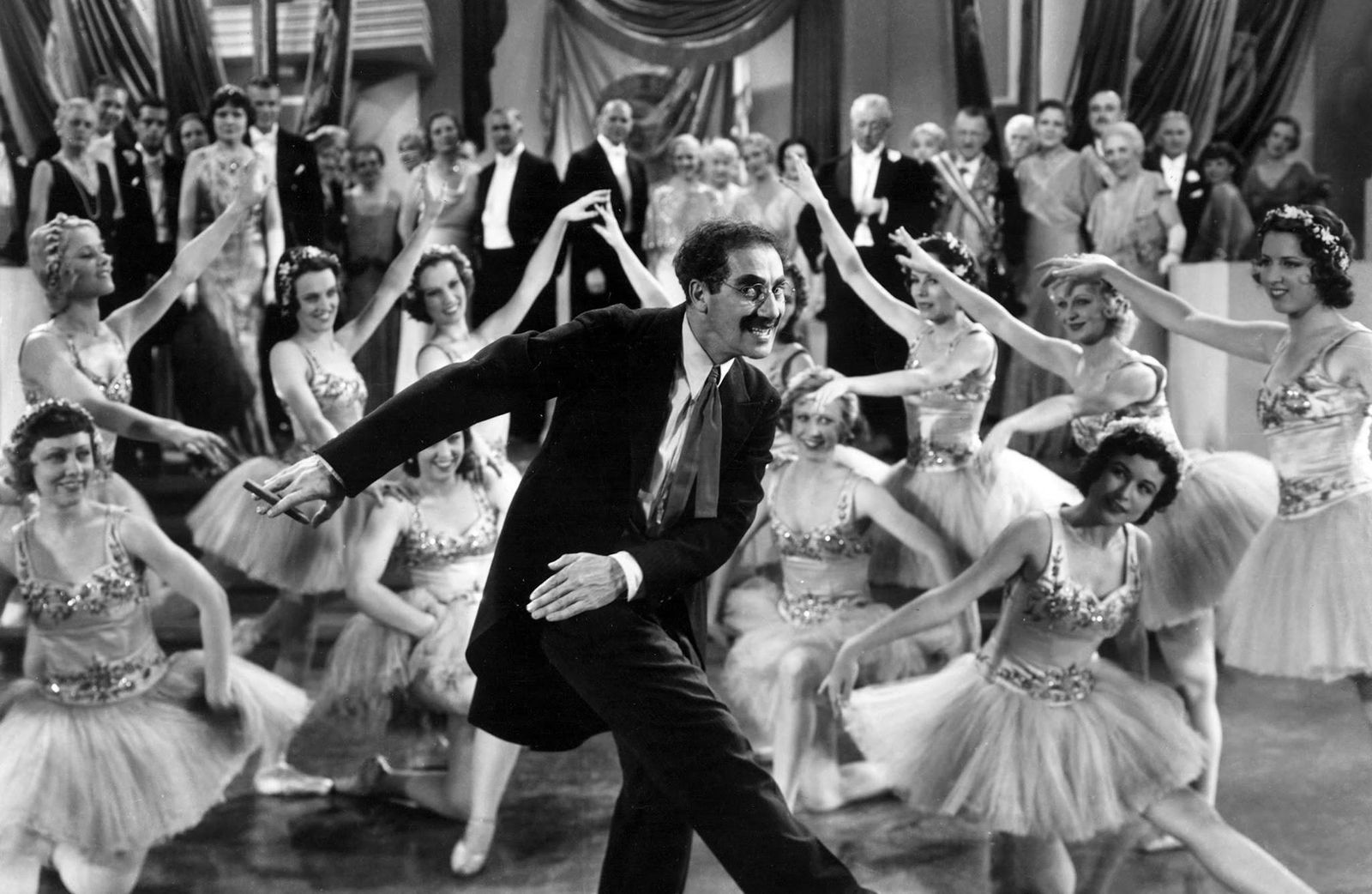
"Outside of a dog, a book is man’s best friend. Inside of a dog it’s too dark to read."

—Groucho Marx

Groucho Marx, the comedic genius behind the Marx Brothers, delivers here one of his hilarious yet absurd jokes. Humor can certainly be found in the most unexpected places, even inside the belly of an unsuspecting dog!

7

Fairy Tales vs. Reality

Image: McGill Library

"Life isn't a fairytale. If you lose a shoe at midnight, you're drunk."

—Darynda Jones

American novelist Darynda Jones offers a humorous twist on the classic Cinderella story by comparing it to reality. We would only like to add that if your Uber also looks like a pumpkin carriage, you might be better off just walking home.

8

Confidence

Image: Colin Smith, CC BY-SA 2.0

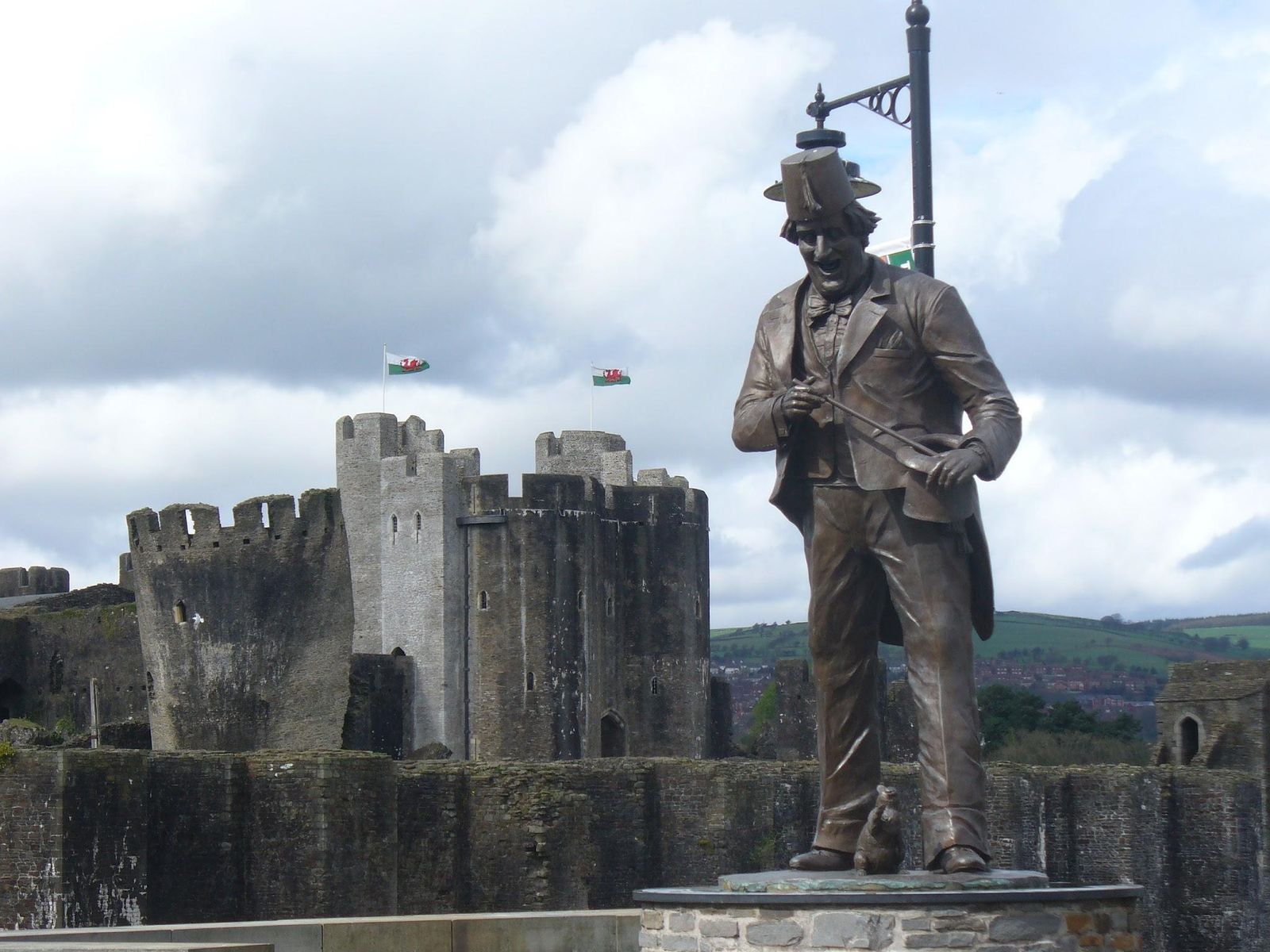
"I used to be indecisive. Now I'm not quite sure."

—Tommy Cooper

Tommy Cooper was a master of slapstick comedy and absurd humor, and this quote attributed to him encapsulates his personality perfectly. Jokes aside, having a good sense of humor can actually help indecisive people gain more confidence in themselves!

9

A Great Willpower

Image: Napoleon Sarony

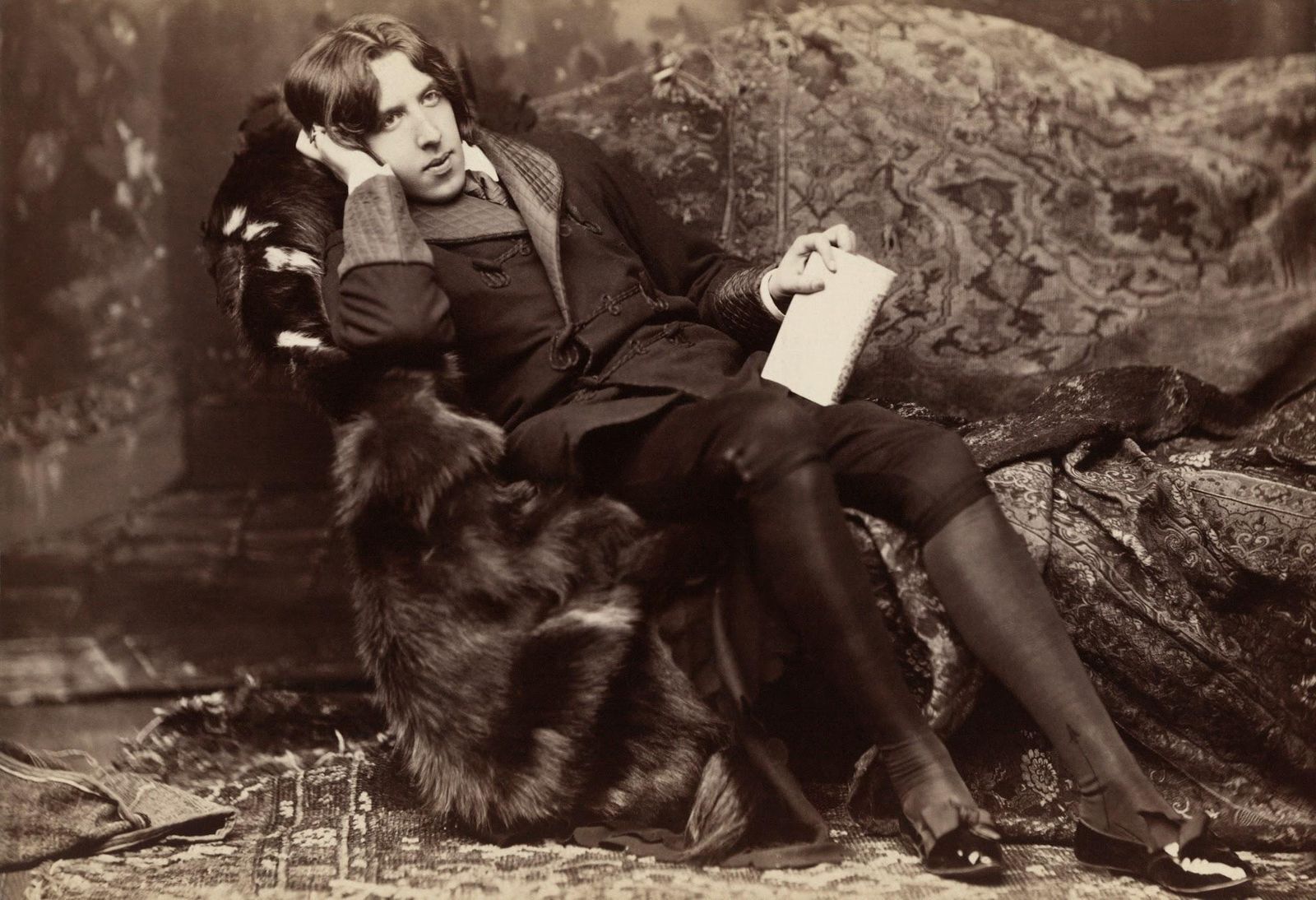
"I can resist everything except temptation."

—Oscar Wilde

This famous quip of Oscar Wilde captures the essence of his playful yet thoughtful philosophy. Besides making you laugh, hopefully this quote can help lighten up a bit those moments when we feel like we aren’t living up to our expectations—like when you can’t help buying a ton of ice cream right after starting a new diet.

10

Growing Old

Image: Joe Kennedy, Los Angeles Times, CC BY 4.0

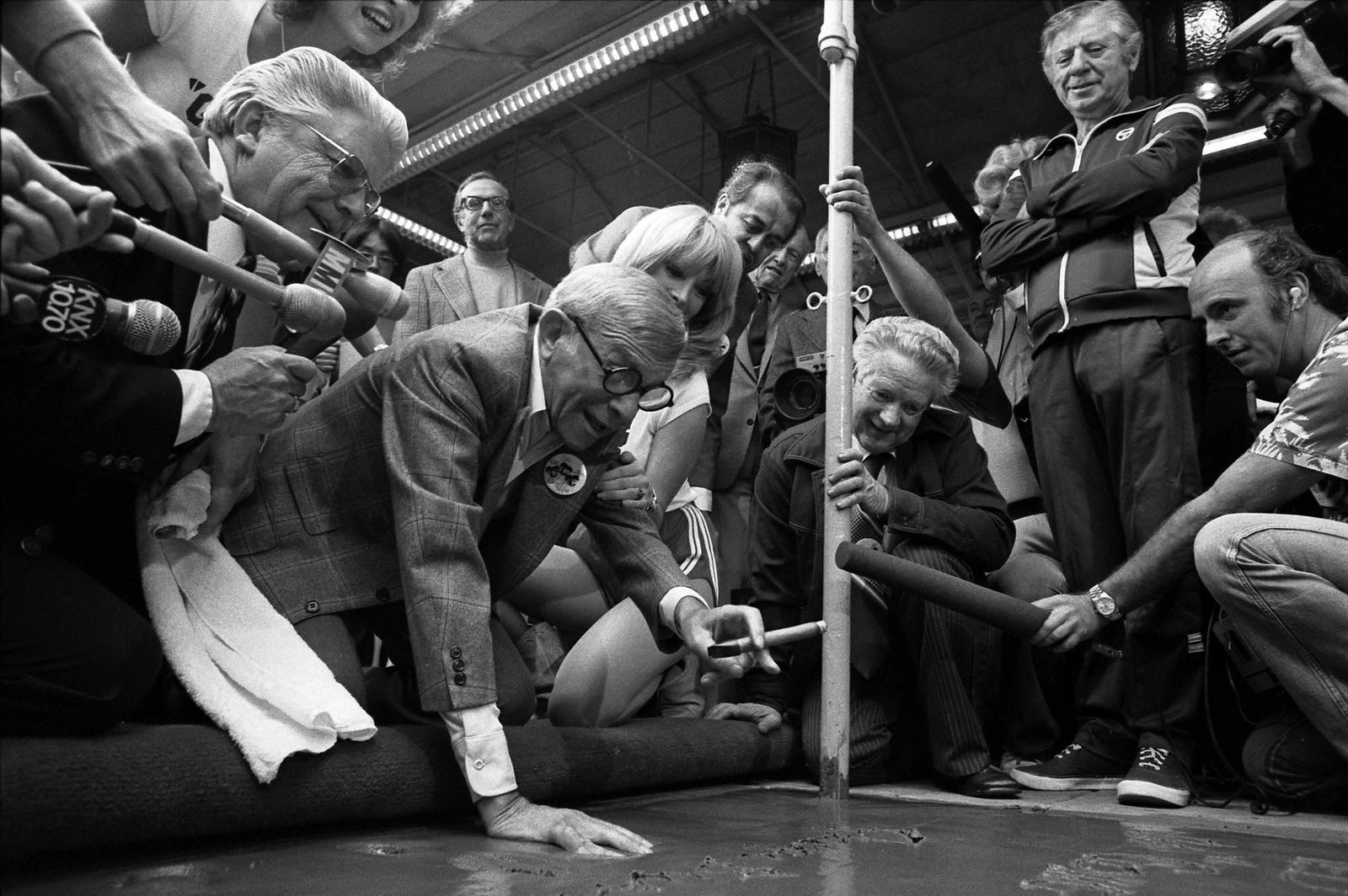
"When I was a boy the Dead Sea was only sick."

—George Burns

Legendary comedian George Burns offers a humorous reflection on the passage of time with this amusing remark. Unfortunately, he might be right, as the Dead Sea is actually shrinking at a swift pace.
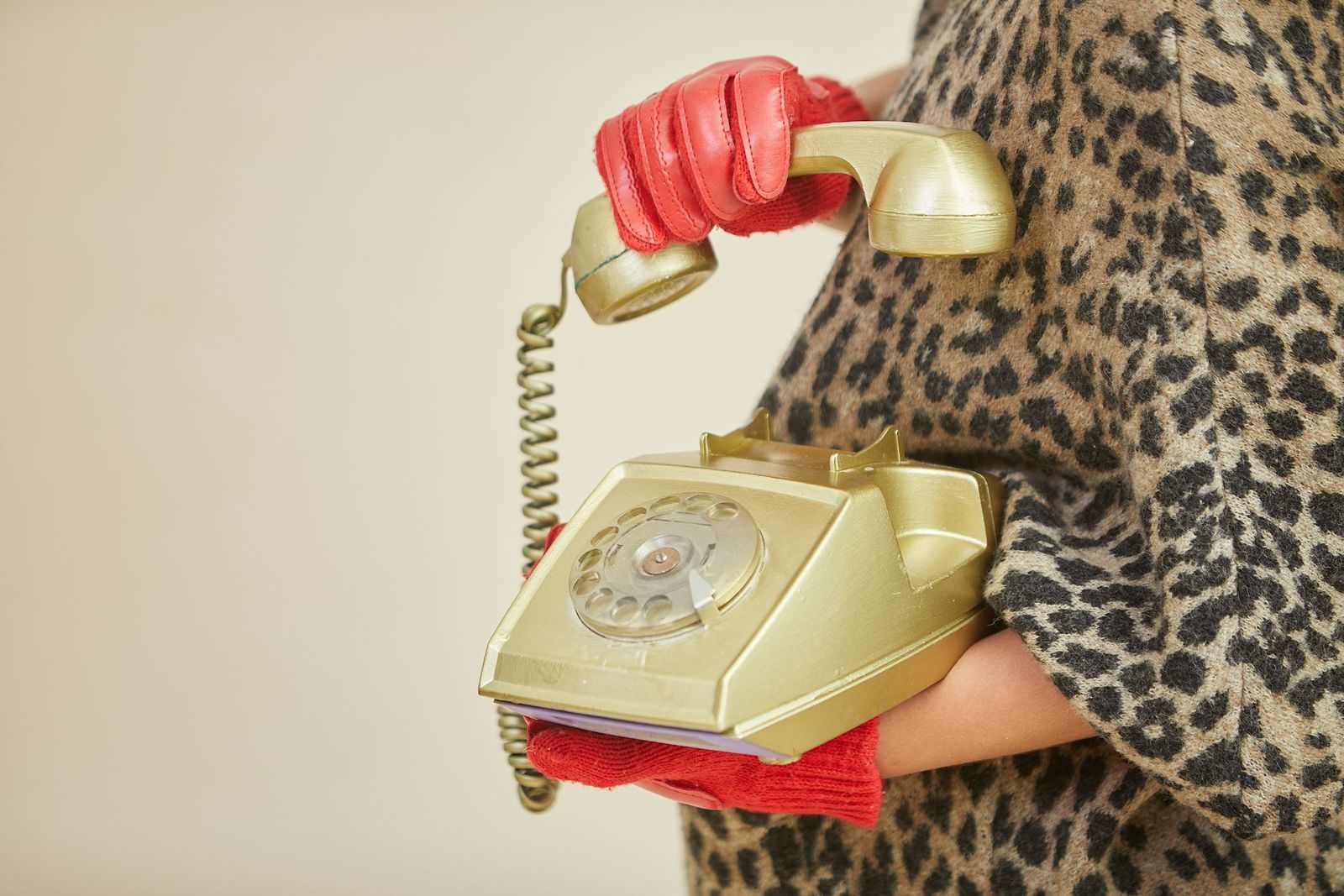
Words that seem immortal

Do you still dial your phone? Meet the "ghost" words of modern technology


Published on March 12, 2024


Image: Rasa Kasparaviciene

Language changes constantly, but rarely throws everything away at once. Sometimes a word outlives the object, machine, or technology that gave it meaning in the first place. We continue to use these expressions every day without thinking much about where they came from. From rotary telephones and film reels to carbon paper and floppy disks, these words are linguistic fossils that refuse to go away.

1

Dial

Image: Quino Al

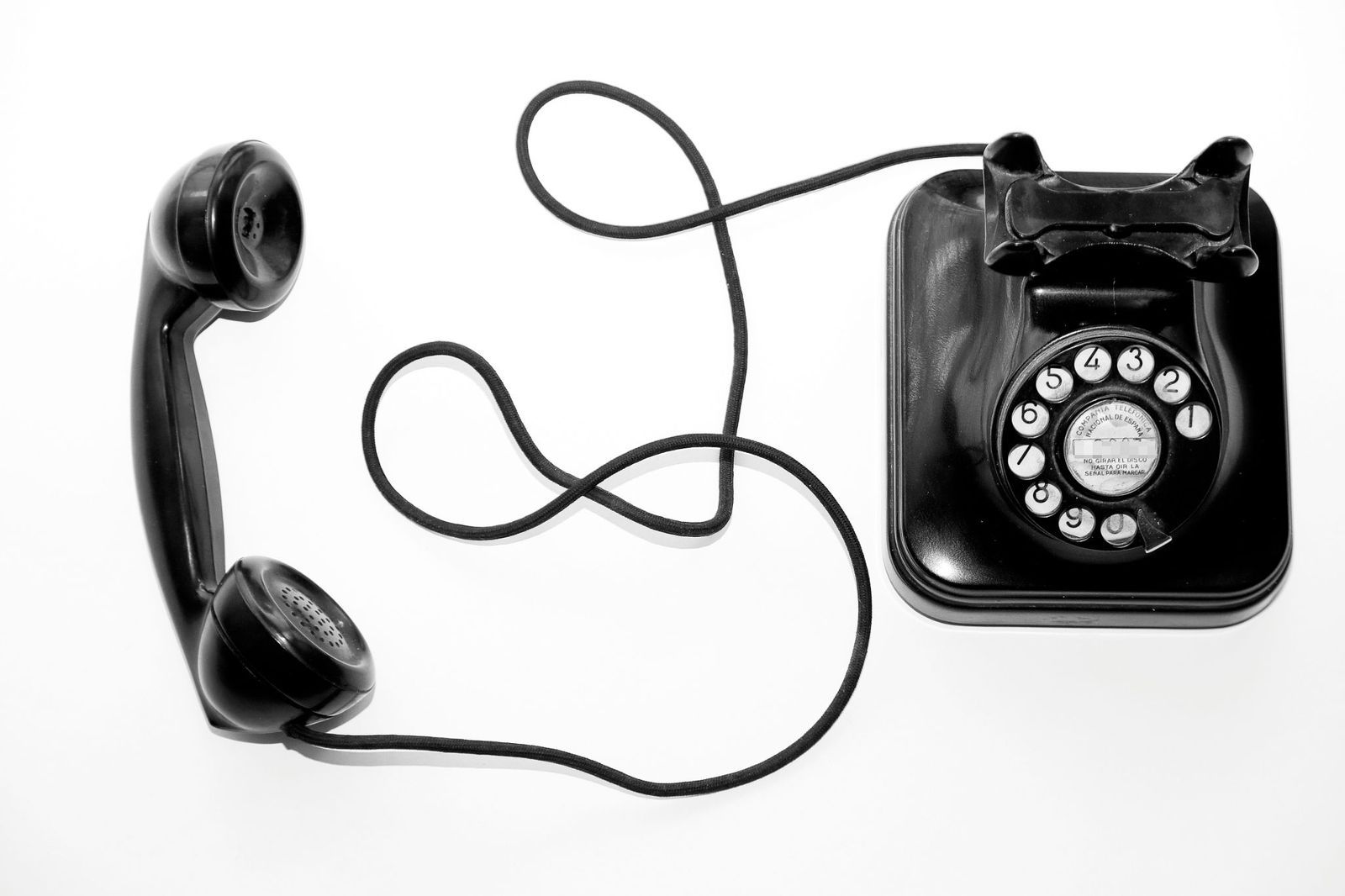
Millions of people dial phone numbers every day, even though most have never touched a rotary telephone. The word comes from a circular dial used on telephones throughout much of the 20th century. Users inserted a finger into a numbered hole and rotated the dial to place a call.

Automatic dialing systems began appearing in the late 1800s, and rotary phones remained common until push-button models spread during the 1960s and 1970s. The dial disappeared, but the verb stayed behind.

2

Hang up

Image: Malvestida

Ending a phone call is still called hanging up, despite the obvious fact that modern smartphones have nothing to hang. The phrase originated when telephone receivers were physically placed on wall-mounted hooks or cradles after a conversation ended.

The action activated a switch that disconnected the line. Telephone engineers still use the related terms "on-hook" and "off-hook," preserving language from a technology that most people no longer see.

3

Carbon copy (CC)

Image: xpixel

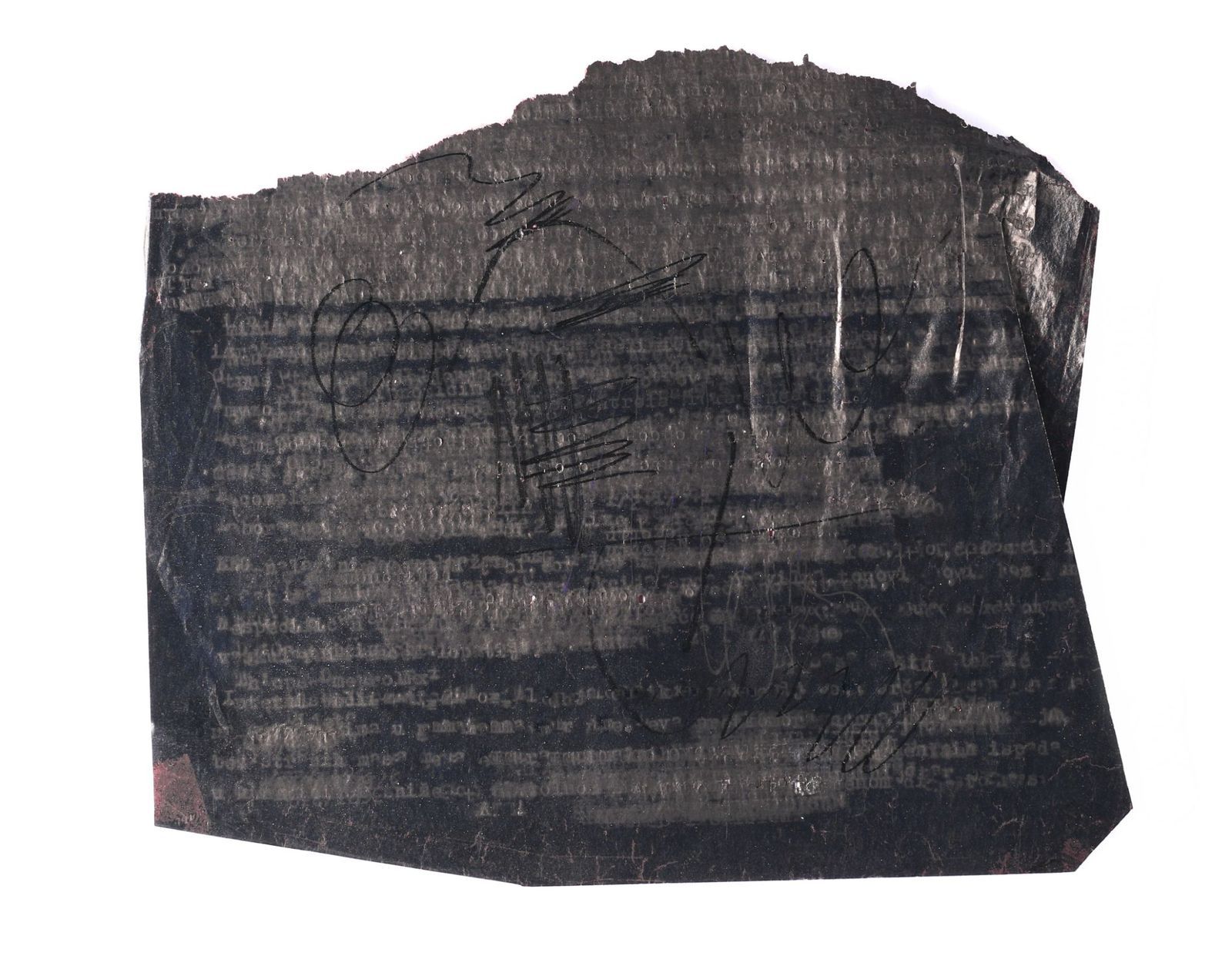
Anyone who sends an email is familiar with CC, short for carbon copy. The term comes from carbon paper, a thin sheet placed between pages to create duplicate copies while typing or writing.

Carbon paper became widely used in offices during the 19th and 20th centuries. Although it has largely disappeared, email systems adopted the familiar abbreviations. Even BCC, or blind carbon copy, preserves a term from the typewriter era.

4

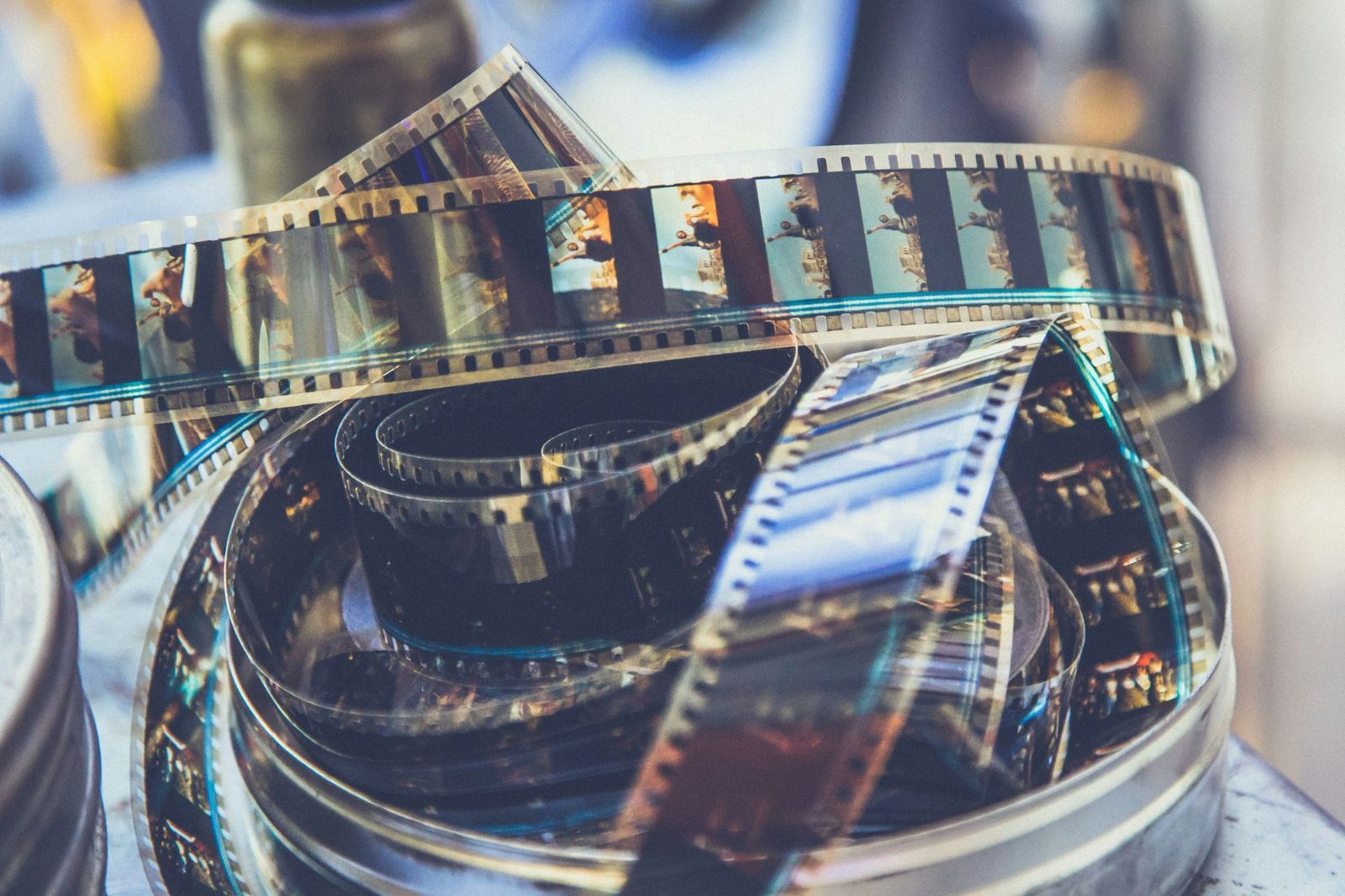
Footage

Image: Denise Jans

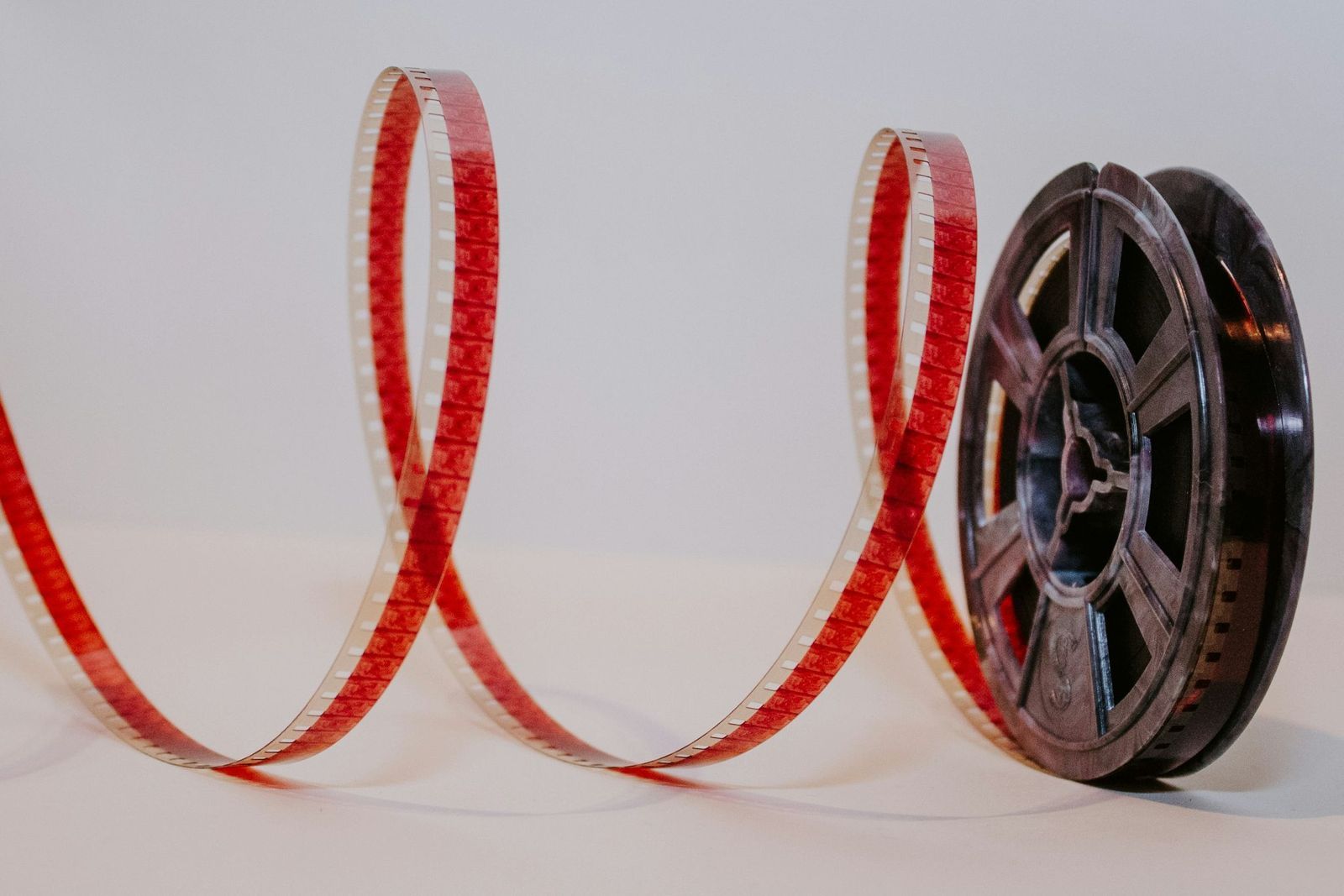
Today, nearly all video is digital, yet people still refer to recorded video as footage. The word originated in the motion-picture industry, where film was measured in physical feet.

Editors and cinematographers literally counted how many feet of film had been shot. In traditional 35mm filmmaking, one foot of film contained 16 frames. The physical measurement vanished, but the vocabulary survived.

5

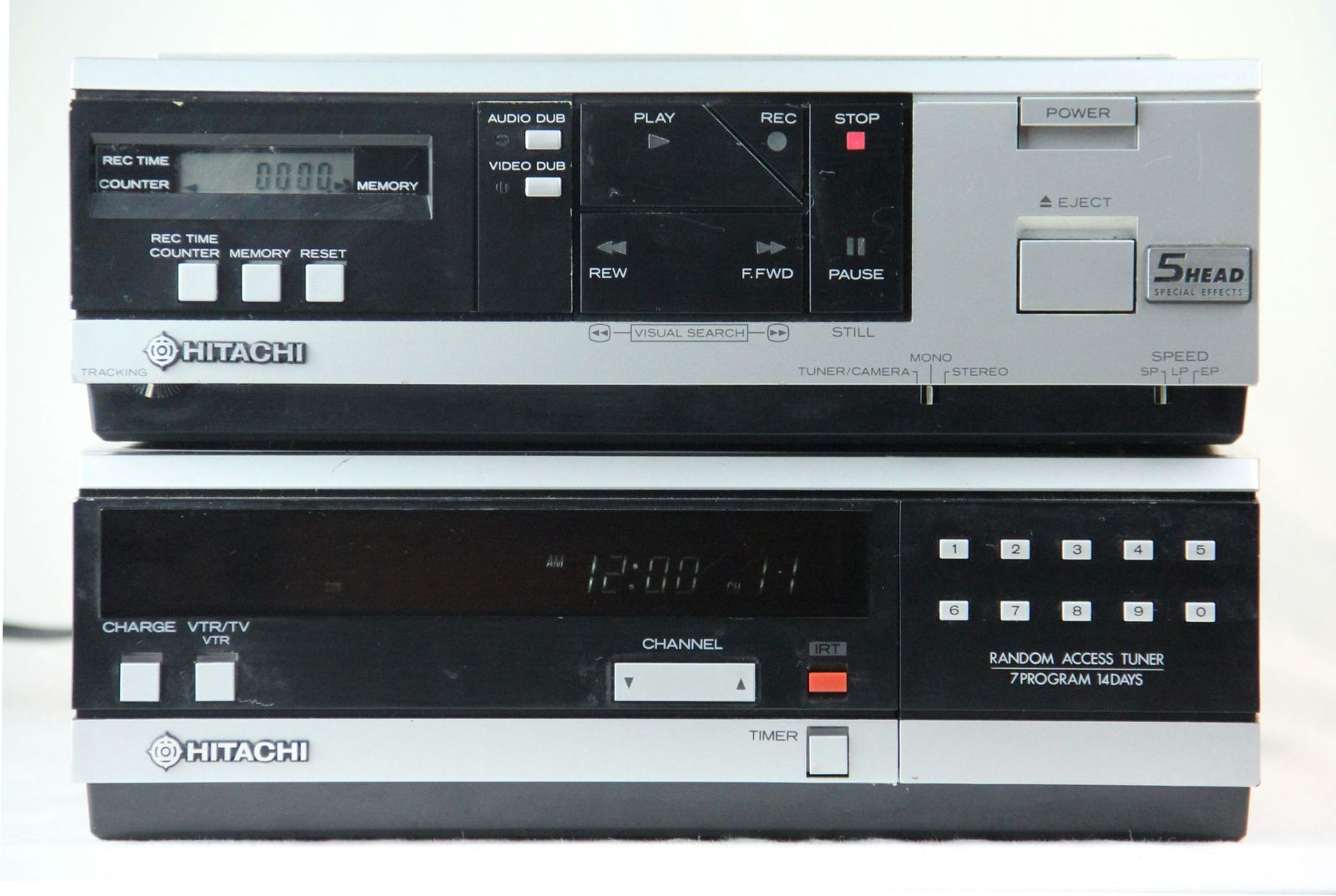
Rewind

Image: Daniel von Appen

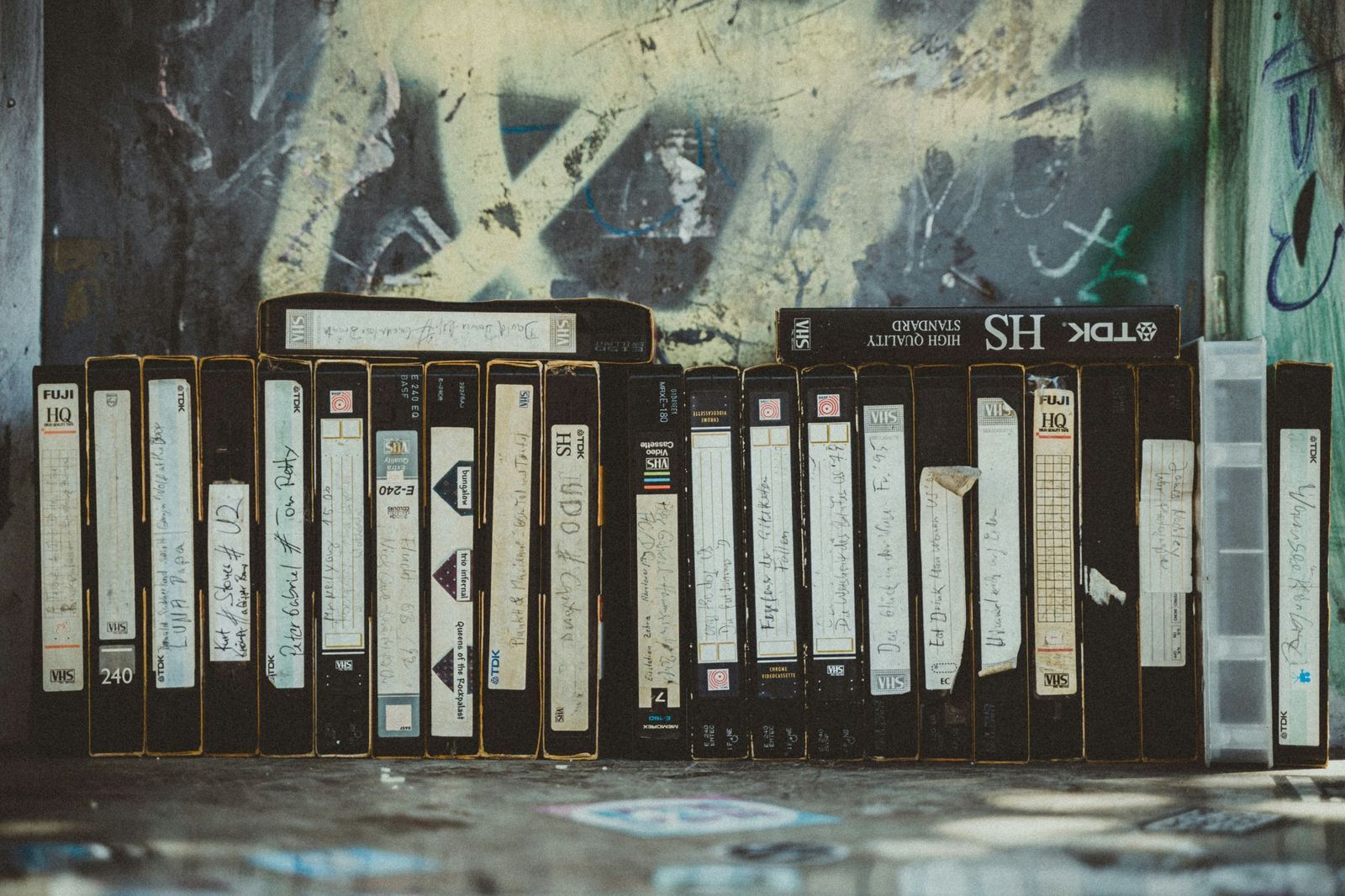
People regularly rewind videos, podcasts, and streaming content if they want to move to an earlier moment in the media. The expression dates to a time when magnetic tape and film reels had to be physically wound backward to revisit an earlier section.

Cassette tapes, VHS tapes, and film projectors all required actual rewinding. Digital files contain no reels or tape, but the word remains the standard way to describe moving backward through media.

6

Roll down the window

Image: Wesley Tingey

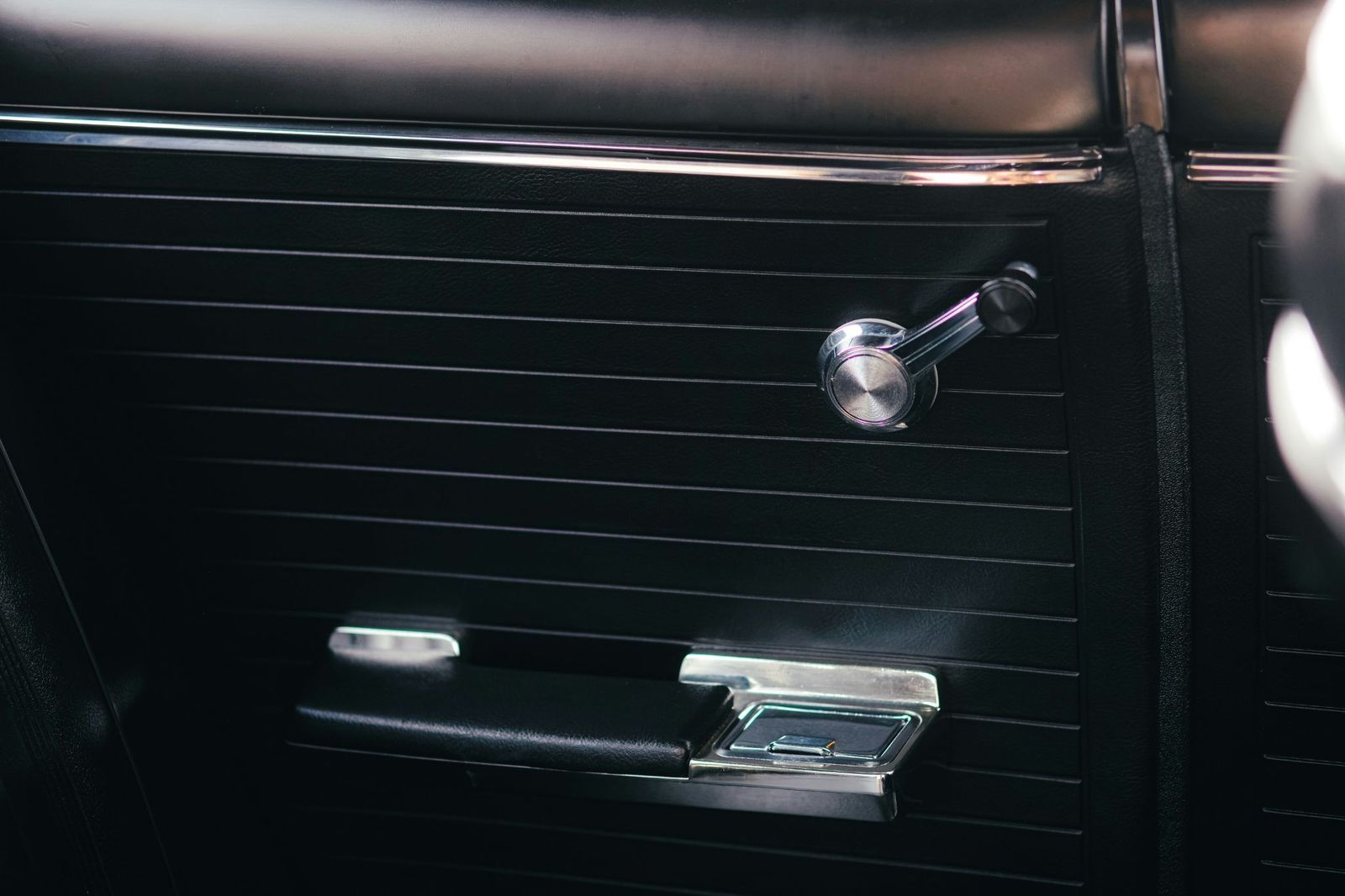
Many drivers still ask passengers to roll down the window. Originally, that instruction was completely literal. Car windows were operated by turning a hand crank connected to a mechanical regulator.

As power windows became widespread during the second half of the 20th century, the rolling action disappeared. Yet the phrase survived the transition from crank handles to electronic switches.

7

Tape a show

Image: Leonard Reese

For decades, recording television programs meant using magnetic videotape. Home viewers relied on formats such as VHS and Betamax to capture shows, sporting events, and movies.

Streaming services and digital recorders eventually replaced videotape, but people still talk about taping a program. The tape itself may be gone, but the expression remains surprisingly common.

8

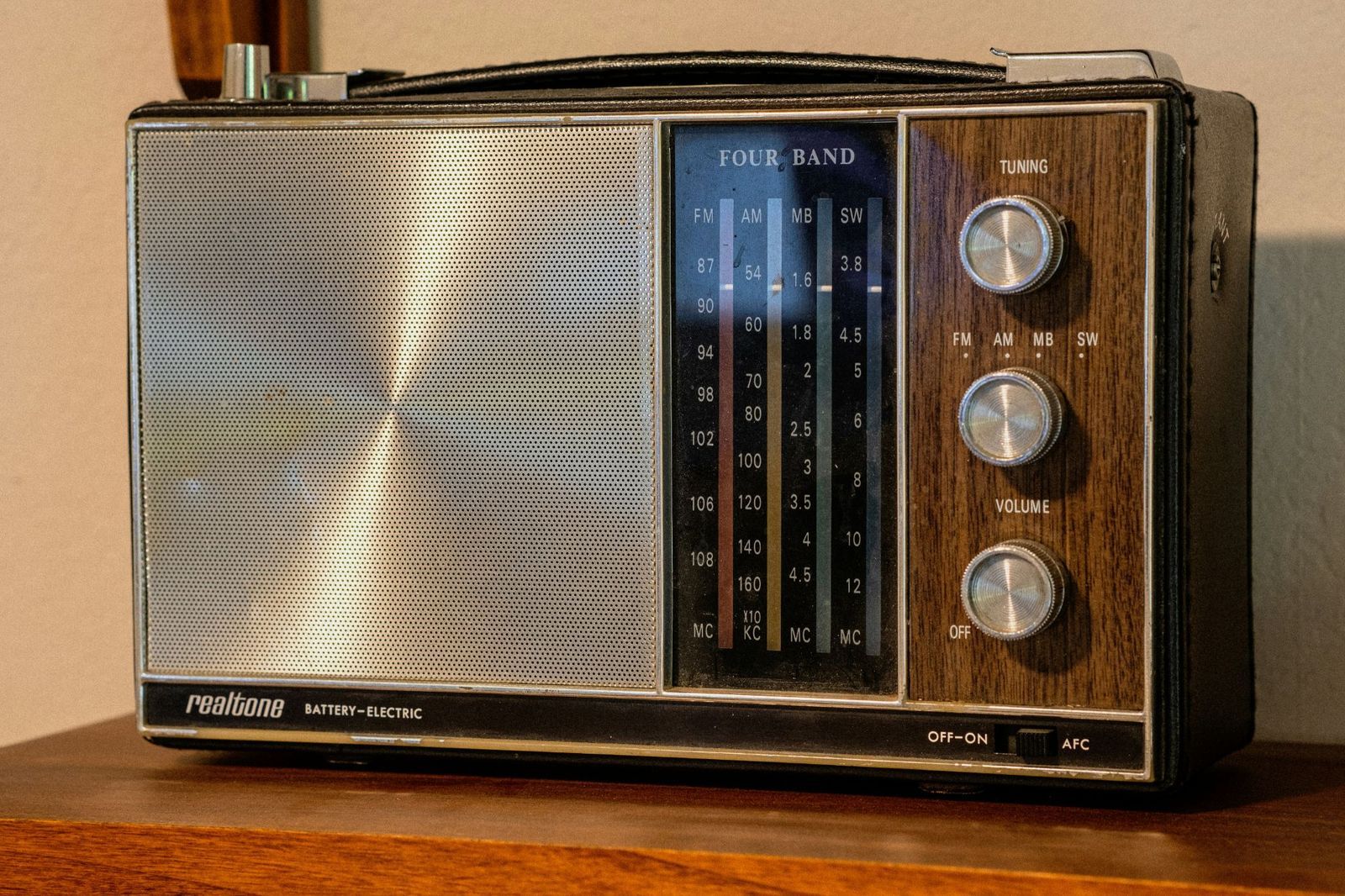
Stay tuned

Image: Alan Rodriguez

Broadcasters have been telling audiences to stay tuned for generations. The phrase originated during the early days of radio, when listeners adjusted tuning dials to find the correct frequency.

Early television sets worked similarly. Modern devices select channels electronically, yet the old instruction continues to signal that more content is coming.

9

Film

Image: Eric TERRADE

Most movies, television shows, and online videos are now captured digitally. Nevertheless, people still film weddings, documentaries, interviews, and social media clips.

The word comes from photographic film stock, the light-sensitive material that defined cinema for more than a century. Even as digital cameras became dominant, the vocabulary of filmmaking remained largely unchanged.

10

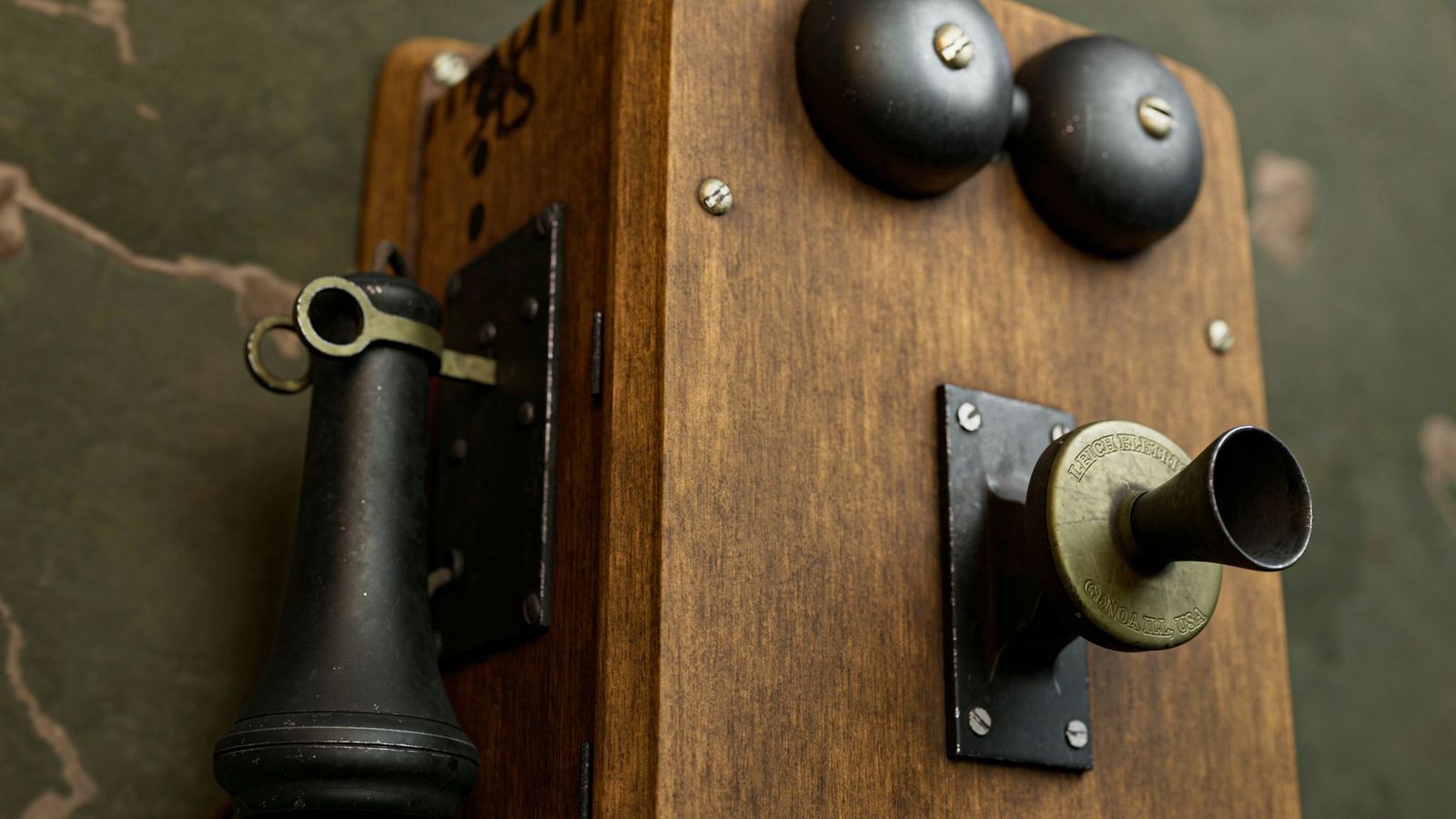
Ringing a phone

Image: Carlos Eduardo

When an incoming call arrives, we still say the phone is ringing. Early phones actually contained mechanical bells that produced a ringing sound whenever someone called.

Modern smartphones use speakers and digital sound files instead of physical bells. Yet, the connection between telephones and ringing remains so strong that few people notice the historical reference.

11

Save

Image: Matias Megapixel

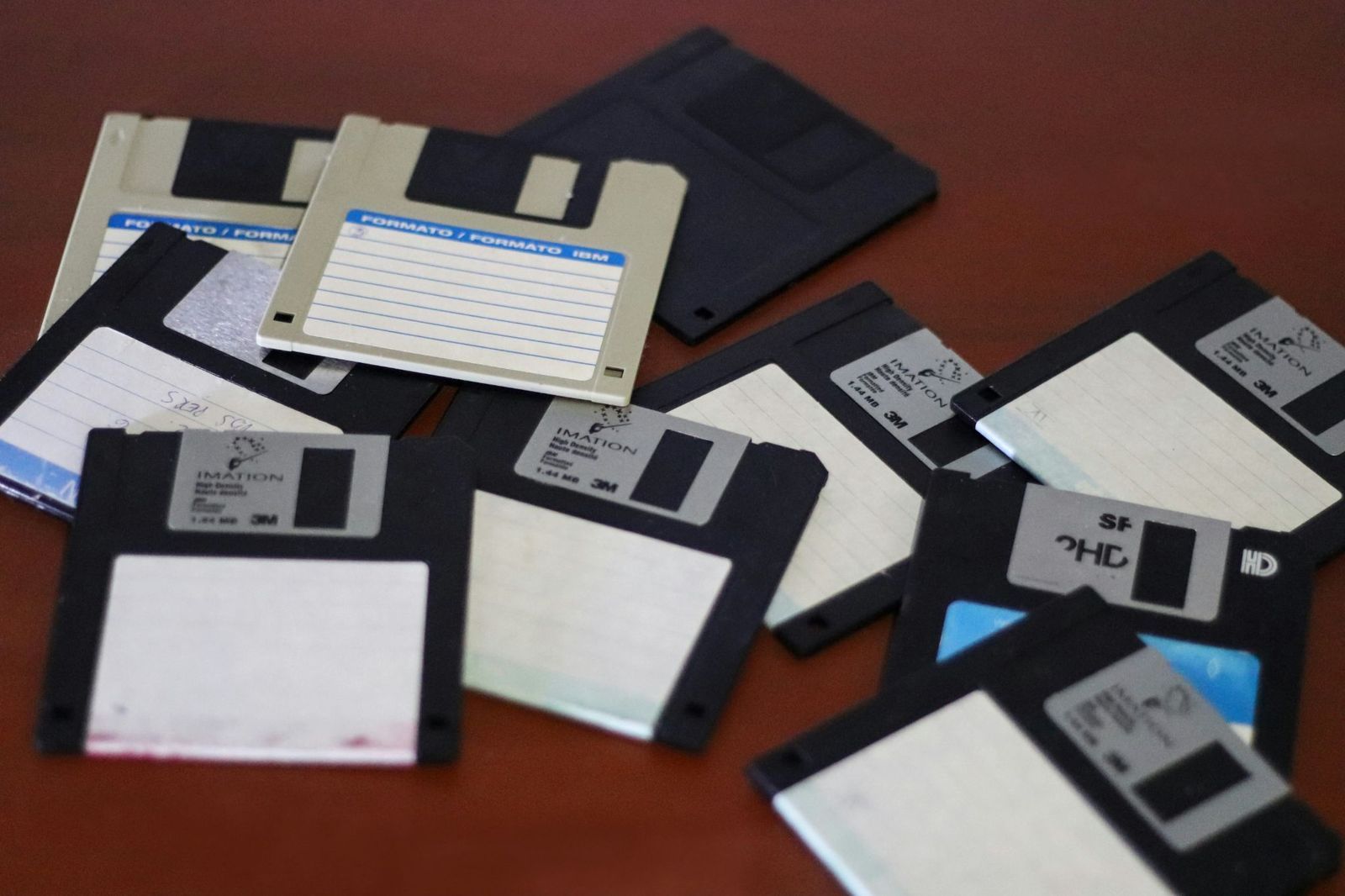
One of the most famous technological fossils appears every time users click the Save icon. On many programs, the symbol resembles a 3.5-inch floppy disk, once a standard method of computer storage.

Floppy disks became widespread during the 1980s and 1990s before largely disappearing in the early 2000s. Many younger users instantly recognize the icon despite never having used the device it represents.

12

Record

Image: Call Me Fred

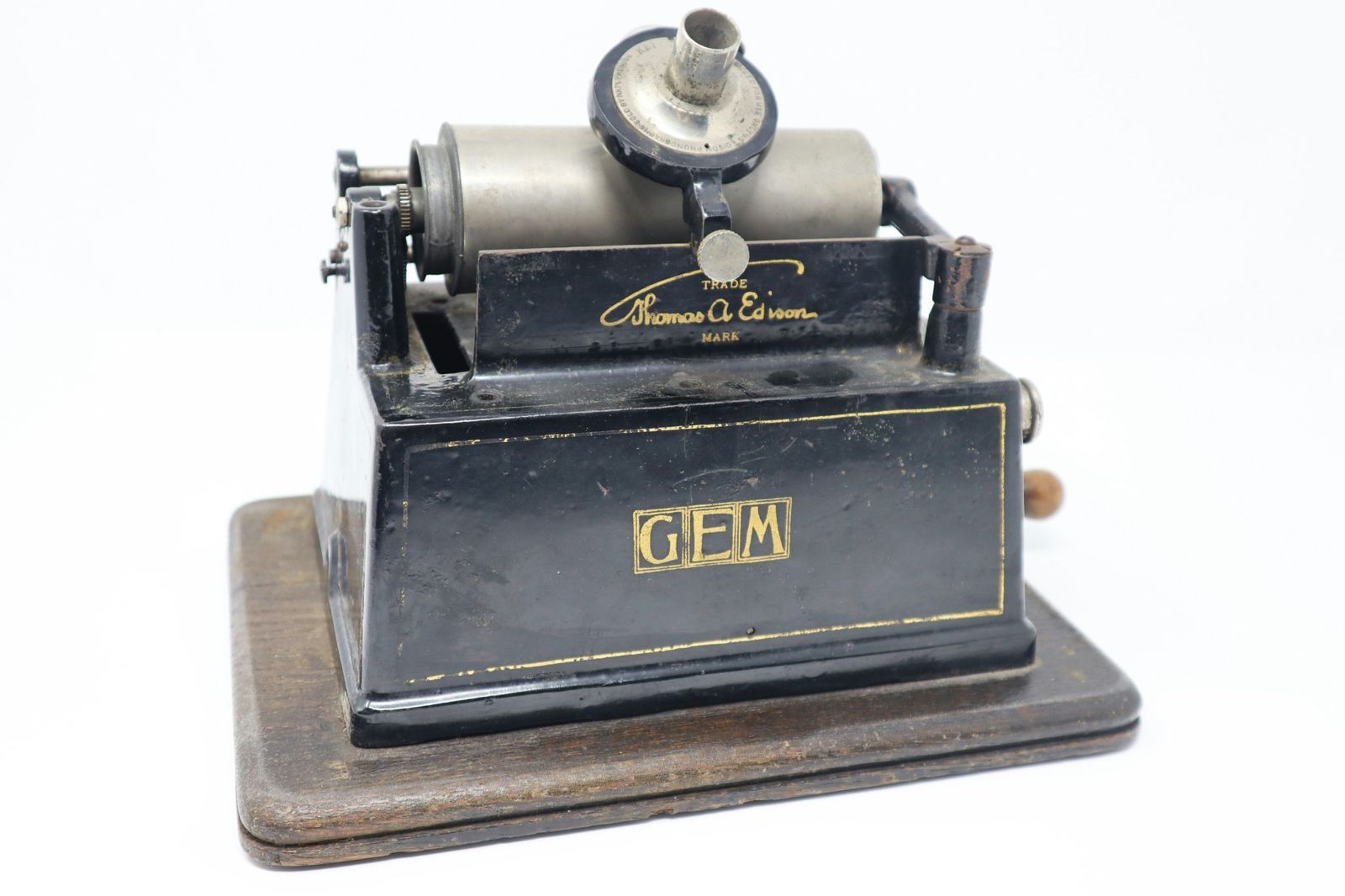
Smartphones, tablets, and computers can record audio and video with a single tap. The term, however, comes from an era when sounds were physically stored on wax cylinders, records, and magnetic media.

Thomas Edison’s phonograph, introduced in 1877, was the first machine capable of recording and reproducing sound. Modern devices store digital data rather than physical grooves, but the original word still does the job.

Looking for an extra scoop of literary fun?

Learn more with our Word of the day

iterate

/ˈɪdəˌreɪt/