Eastern influences
10 Asian words that are part of our daily vocabulary
Published on August 18, 2026

English vocabulary is riddled with words borrowed from other languages, but we often think about those that come from French, Spanish, or other Romance languages, though we are aware of the influence of Germanic and Nordic languages. But how often do we think about the influence of Asian languages in our everyday words? Asian influence might not be as pervasive as that of some European languages, but it’s much more present than you would think. Here are 10 Asian words that everyone has used at least once.
Typhoon (Chinese)

Several different languages —such as Arabic, Persian, or Greek— have used words with the same roots as ‘typhoon’ to describe strong winds or storms, but the term adopted into English is of Chinese origin.
During the 16th century, Portuguese sailors traveling across China adopted the Mandarin táifēng (in Cantonese, daaihfùng), meaning ‘big wind’, to describe severe storms. They spelled it as tufão, although English adopted it as touffon. Down the line, Greek influences affected the spelling, rendering our modern ‘typhoon’.
Tofu (Chinese through Japanese)
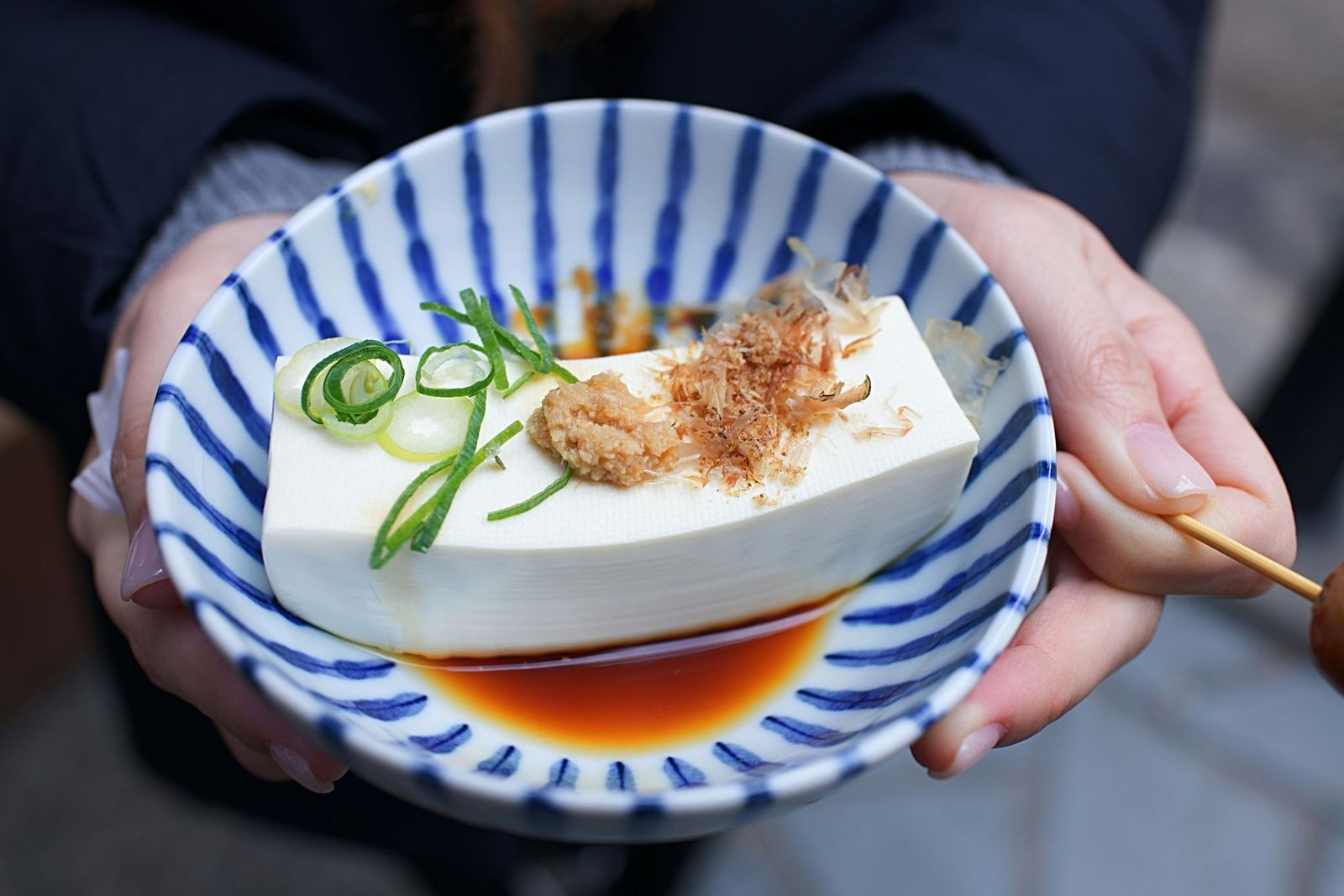
Most people know that tofu is an ingredient of Asian origin, but have you ever wondered what this word means? Although English borrowed it from Japanese, its origins are rooted in China.
The Japanese tōfu is a phonetic copy of the Chinese dòufu, a combination of dòu (‘bean’) and fǔ (‘curdled’ or ‘fermented’). However, the Chinese character for fǔ is also related to the character for ‘meat’ or ‘flesh’, and some linguists interpret that its use in ‘tofu’ is also a reference to tofu’s texture.
Ketchup (Hokkien Chinese)
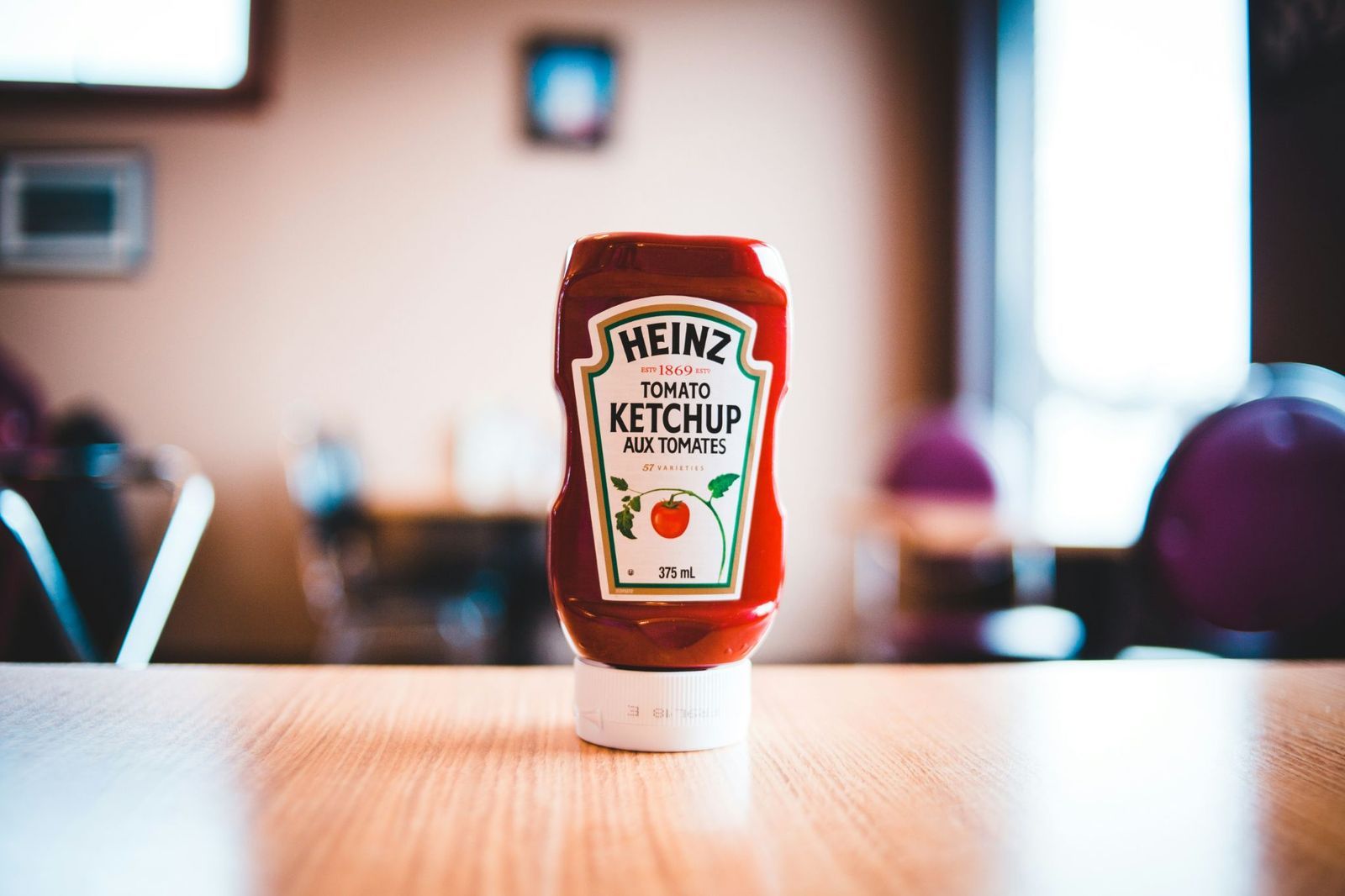
If we tried the original ketchup, we might not find many similarities with the ketchup we know. Originating from the Fujian region of China, kê-chiap or kôe-chiap was used for a pickled fish brine, but neighboring regions adopted the term to refer to savory dark sauces in general.
English and Dutch merchants picked up the term in Malaysia as kicap or kecap, but spelled it such as catchup, catsup, or ketchup. Initial English recipes relied on mushrooms, walnuts, and oysters to replicate the umami flavor of the original ketchup, but it was the addition of tomato in the 19th century that shifted the term ketchup to its current meaning.
Emoji (Japanese)

A fairly new word, the term emoji was coined in 1999 by Shigetaka Kurita, the creator of the first telephone emojis. The word is a combination of e (‘picture’) and moji (‘character’ or ‘letter’); this last term is related to words like kanji, the Chinese ideograms used in Japanese writing,
Despite what many people think, emoji is not related to the term ‘emoticon’, a portmanteau of ‘emotion’ + ‘icon’. The fact that emojis and emoticons have phonetic similarities and are used for the same purpose is just a coincidence.
Tycoon (Japanese)

We might not use the word ‘tycoon’ daily, but you might have heard it in reference to wealthy and influential businessmen or politicians. Although it can now carry a slightly negative connotation, it was not negative in its origin. In Japanese, taikun (meaning ‘great lord’) was a title given to the shogun, the Japanese military leader, often more powerful than the Emperor.
When Japan opened to foreign trade in the 19th century, the word was adopted by English-speaking diplomats to refer to the shogun and, later, to other powerful politicians. It was not until the early 20th century that its meaning shifted from politics and came to be used for wealthy and highly influential people.
Ginger (Sanskrit)
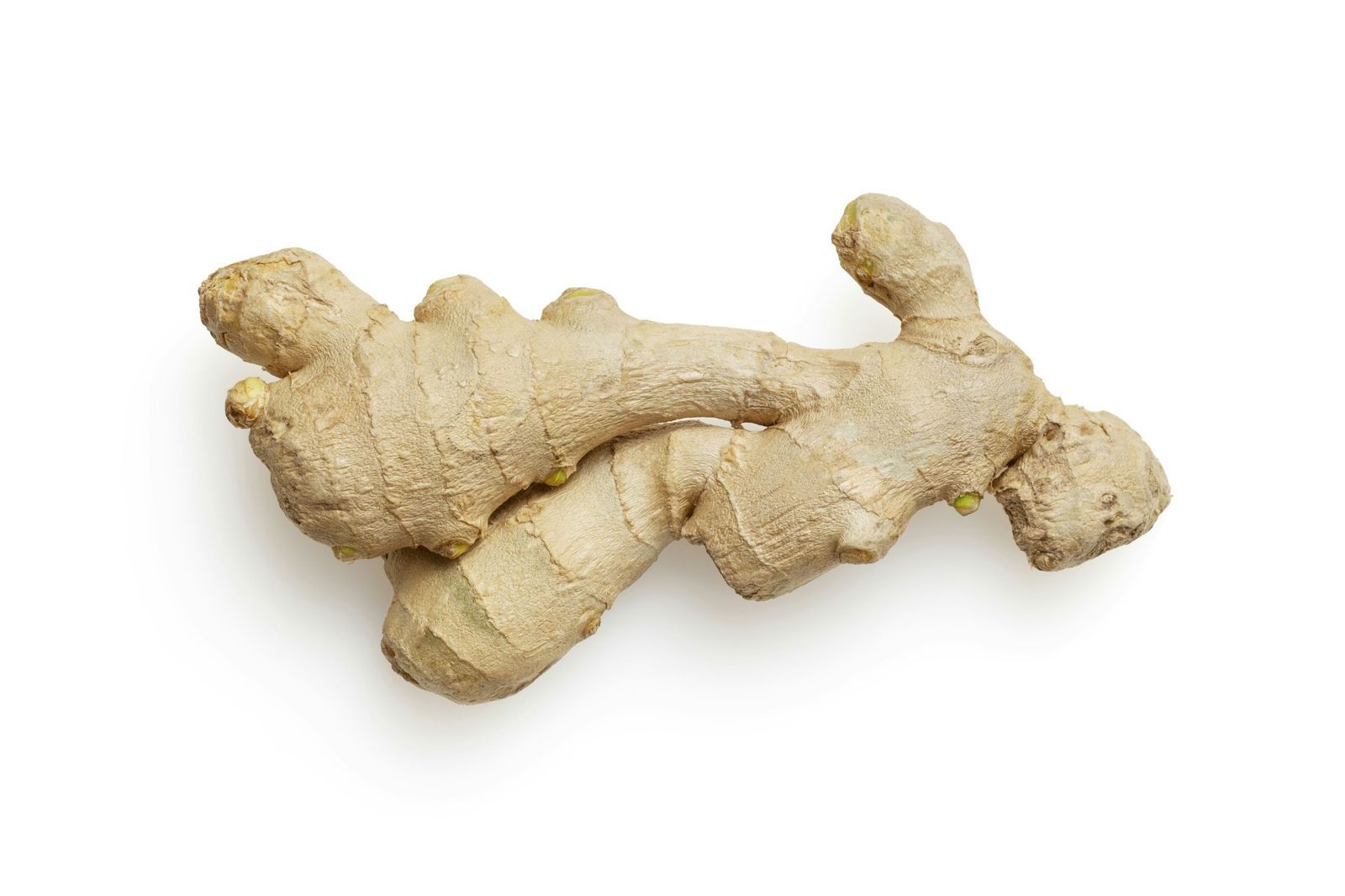
The term ‘ginger’ comes from an Old French word, but this doesn’t mean its origins are not rooted in Asia. We can find them in the Sanskrit śṛṅgavera, meaning ‘horned shaped’, a description of the antler-like shape of the ginger root.
How did śṛṅgavera become ‘ginger’? It first evolved into siṅgabera, a term adopted into Greek as zingiberis and into Medieval Latin as gingiber. Gingiber became the Old French gingibre, from where Old English got gingifer, later shortened to ‘ginger’.
Curry (Tamil)
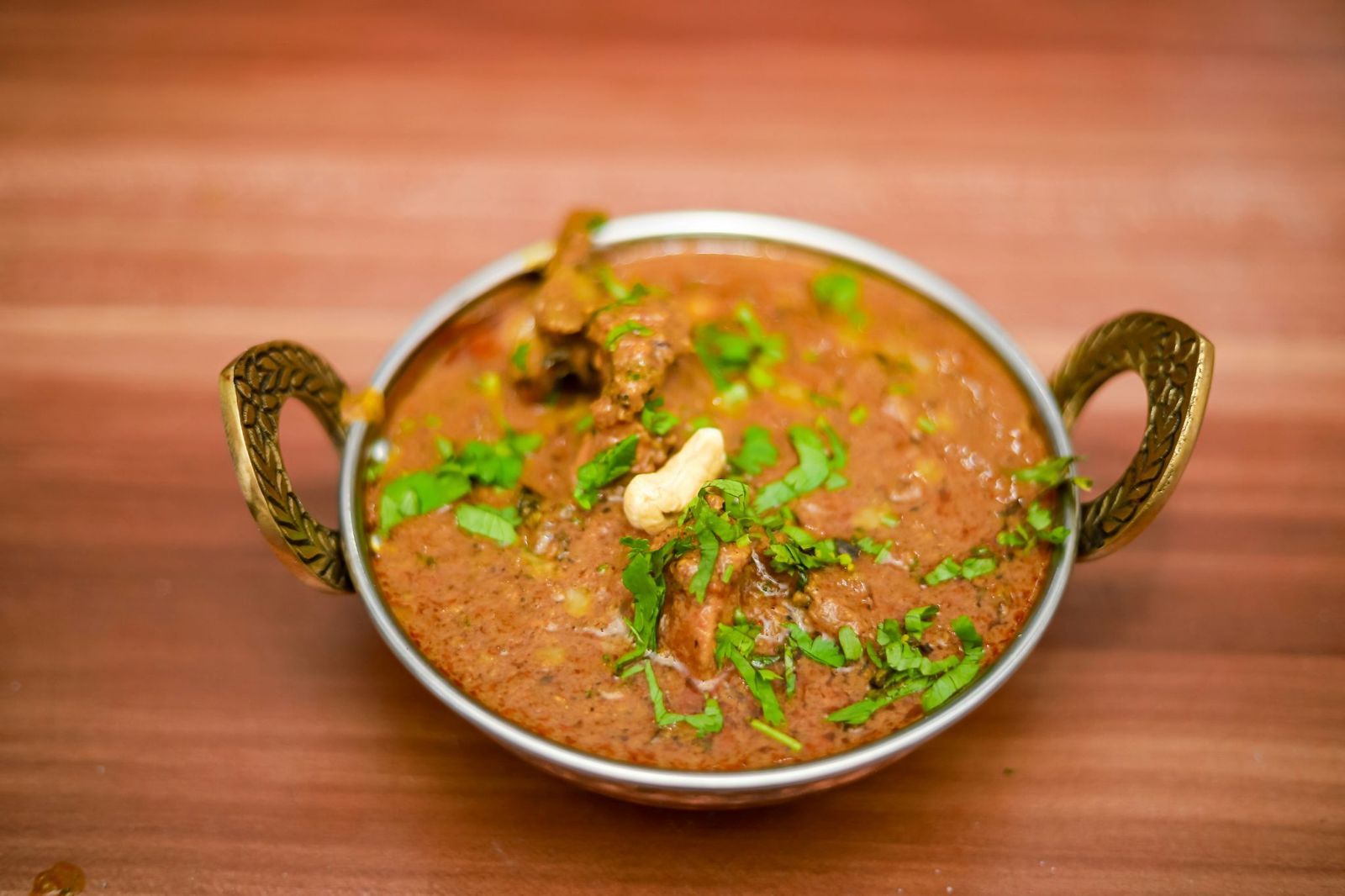
You might associate ‘curry’ with a specific spice mix, typically used for a dish also named curry. This is not wrong, but is also not exactly right. In the Tamil language, kaṟi means ‘sauce’, ‘relish’, or any spiced meat and vegetables that were eaten with rice.
The word was adopted as ‘curry’ by English and as ‘caril’ by Portuguese traders, who used it as an umbrella term for any Indian spiced stew. By association, they also used the term for a mix of spices, called masala (‘mixture’, ‘blend’) in Indian cuisine. This way, hundreds of dishes and several masalas were grouped under the name ‘curry’.
Zen (Japanese)

In Western mentality, the term ‘zen’ is associated with Eastern spiritual practices, or at least with meditation and balance, but its story and meaning are much more complex. ‘Zen’ is a transliteration of the Japanese zen, which in turn comes from the Chinese chán or chánnà, meaning ‘meditation’.
But the roots of zen go deeper. Chánnà is not an original Chinese word, but the phonetic transliteration of the Sanskrit dhyāna, meaning ‘meditation’, ‘contemplation’, or a ‘state of meditative absorption’, a term that originated in ancient India and then travelled to China and Japan as part of Buddhist spirituality.
Brainwashing (Chinese)

Neither ‘brain’ nor ‘to wash’ are words of Chinese origin, so how can ‘brainwashing’ be a Chinese term? It is because ‘brainwashing’ is a calque, meaning a word-for-word translation, of the Chinese xǐnǎo, which means ‘to wash the brain’.
The term xǐnǎo became popular in Chinese to describe political re-education policies used by the Chinese Communist Party. How did it enter the English vocabulary? It was translated and adopted by American journalist Edward Hunter to explain the actions of some American prisoners during the Korean War, claiming that they had been ‘brainwashed’ into adopting their captors’ ideologies or into making false statements.
Chop chop (Chinese)

Most Americans will understand ‘chop chop’ as slang for ‘hurry up’, but did you know that it comes from Chinese? The phrase comes from 19th-century Guangzhou (also known as Canton), where English and Cantonese had mixed to form a pidgin or contact language between two distinct languages.
Chinese language often reduplicates words for emphasis; in this case, the word sù, meaning ‘fast’, is reduplicated to make sù sù, ‘hurry up’. American and British sailors heard this phrase in the Guangzhou ports, and adopted it as the pidgin ‘chop chop’.


