TALES FROM THE MYCELIUM

Mushrooms can turn ants into zombies and talk to each other: 10 facts


Published on April 12, 2024


Image: Andrew Ridley

Mushrooms might just be the most mysterious living organisms on our planet. In fact, they have always been so bewildering to scientists that they are classified in a different realm to animals and plants, the Fungi Kingdom, as quirky as it sounds. These incredible organisms hold a myriad of secrets and surprises, from medicinal applications to symbiotic relationships with other species.

Get ready to expand your fungi knowledge with these 10 curious facts!

1

Largest Organism on Earth

Image: Olli Kilpi

Forget elephants and blue whales, the title of largest organism on Earth belongs to a fungus. A 2500-year-old specimen of Armillaria ostoyae, also known as the honey fungus, was discovered in Oregon's Malheur National Forest. Spanning over 2,240 acres and weighing around 35,000 tons, the "humongous fungus" - as it is endearingly called by Oregonians, proves that there is still a lot we don’t know about fungi.

2

A Secret Language

Image: Mathew Schwartz

Amazingly, scientists have recently found out that fungi are capable of communicating with each other through their underground root-like structures called mycelium. This network of fungal threads allows fungi to absorb nutrients, transport water, and exchange information through electrical spikes. Some researchers even believe that this communication is done in word-like components.

3

Zombie Ants

Image: Erich G. Vallery, USDA Forest Service

Cordyceps fungi have a chilling method of reproduction. In order to disperse its spores, first it infects ants and other insects, controlling their nervous systems and compelling them to climb to a higher vantage point. Eventually, the fungus bursts from the insect’s body, releasing its spores to reproduce and infect even more unsuspecting victims. Terrifying, eh?

4

Glowing Mushrooms

Image: Igor Omilaev

Some fungi possess the extraordinary ability to produce their own light. While their bioluminescence is usually faint, these mushrooms’ otherworldly glow makes them visible in very dark places, like under the thick canopy of a forest. These luminescent species, such as the jack-o'-lantern mushroom, often use this trait to attract insects to ensure spore dispersal.

5

Medicinal Marvels

Image: Irina Iacob

Fungi have been used in traditional medicine for centuries. Species like reishi, lion's mane, and chaga boast a myriad of health benefits, from boosting the immune system to improving cognitive function. Modern research continues to unveil the therapeutic potential of these fungi.

6

Fungal Sunscreen

Image: Nyusha Svoboda

Did you know that certain fungi produce compounds that act as natural sunscreens? A set of compounds called Mycosporine-like amino acids (MAAs) shield organisms from harmful UV radiation and are found on a wide variety of fungal species as well as in lichens, algae, and even some marine animals. Currently, scientists are exploring these compounds for potential human applications, as they could represent a sustainable alternative to conventional sunscreen.

7

Mycelial Intelligence

Image: Michael Schiffer

Despite lacking a centralized nervous system, fungi display a peculiar form of intelligence. They can adapt to changing environmental conditions, navigate complex networks to find resources, and even solve puzzles in laboratory experiments. Amazingly, fungi may even be capable of learning and remembering spatial information.

8

Beyond Earth’s Boundaries

Image: NASA

Fungi can survive in the harshest environments, so it should come as no surprise that it can certainly thrive beyond Earth’s atmosphere. In 1988, the Russian space station Mir was almost completely colonized by an "aggressive space fungus," endangering both the crew and the station’s integrity. Apparently, fungi flourish in the absence of gravity - as their mechanism for spore dispersal is greatly enhanced without any force to bring them down.

9

Biological Partnerships

Image: PerytonMango, CC BY-SA 4.0

Fungi form intricate partnerships with other organisms, from plants to insects. In particular, mycorrhizal fungi form symbiotic relationships with plant roots, aiding in the nutrient uptake process in exchange for sugars. Meanwhile, lichens represent a partnership between fungi and algae or cyanobacteria, which allows them to photosynthesize and thrive in diverse environments from barren deserts to polar regions.

10

Biofuel Potential

Image: Maarten van den Heuvel

With the quest for sustainable energy sources intensifying, these complex organisms offer a promising solution. Certain fungi, like Trichoderma reesei, produce enzymes capable of breaking down plant cellulose into sugars, which can then be fermented into biofuels such as ethanol. Who knows, fungi might just be the answer to many of our modern problems!

Spot the Clues

10 famous spies & detectives who made us love solving mysteries and uncovering secrets


Published on April 12, 2024


Image: alexkoral

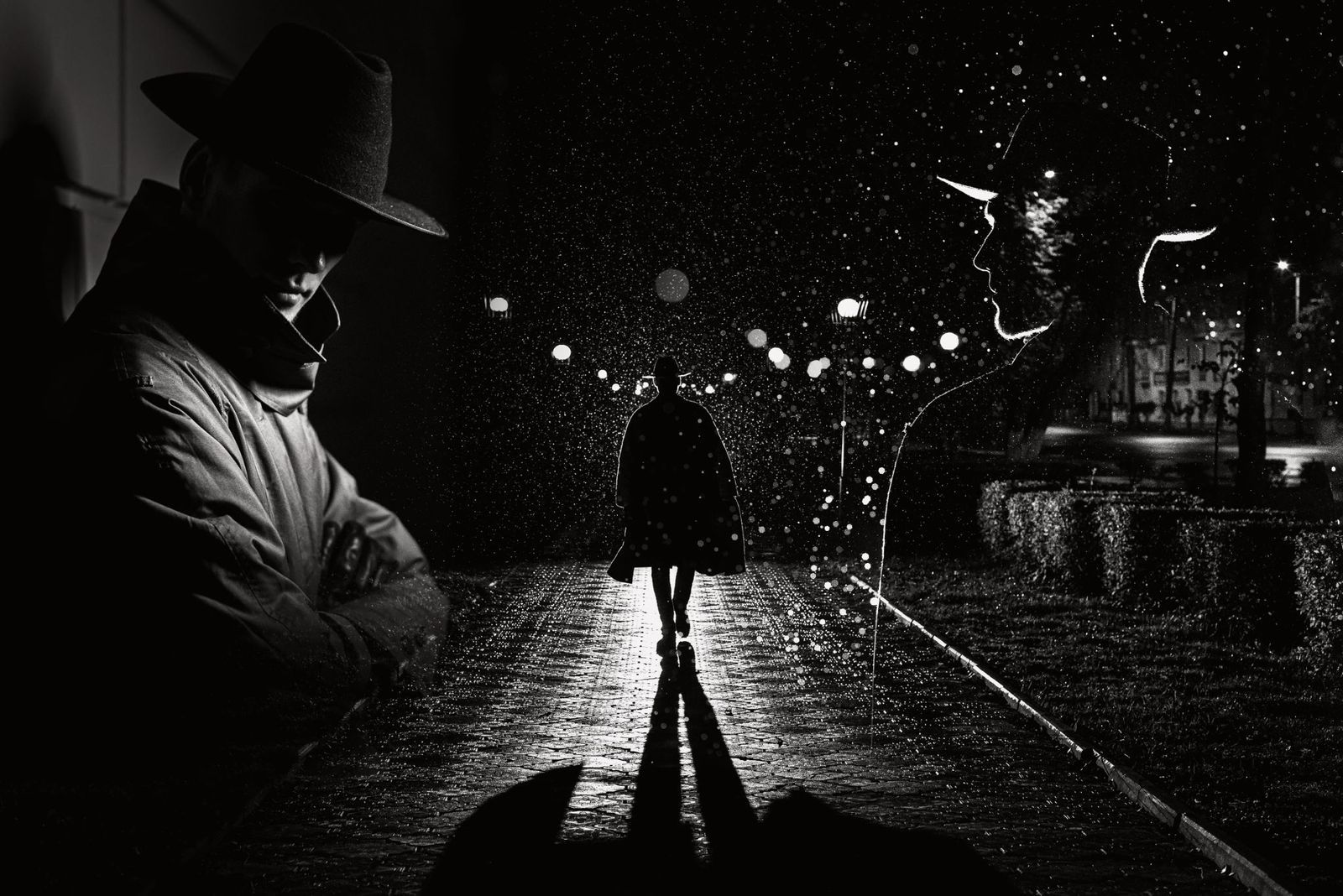
Some wore funny hats, some carried magnifying glasses, and all of them knew how to keep a secret. If you’ve ever dreamt of being an undercover agent, or you’re fascinated with piecing together clues and solving mysteries, then this article is for you. From James Bond to Miss Marple, here are 10 unforgettable fictional spies and detectives who have kept us guessing for decades. Let’s uncover the characters, quirks, and clever tricks that made them impossible to forget.

1

James Bond

Image: Sergii Figurnyi

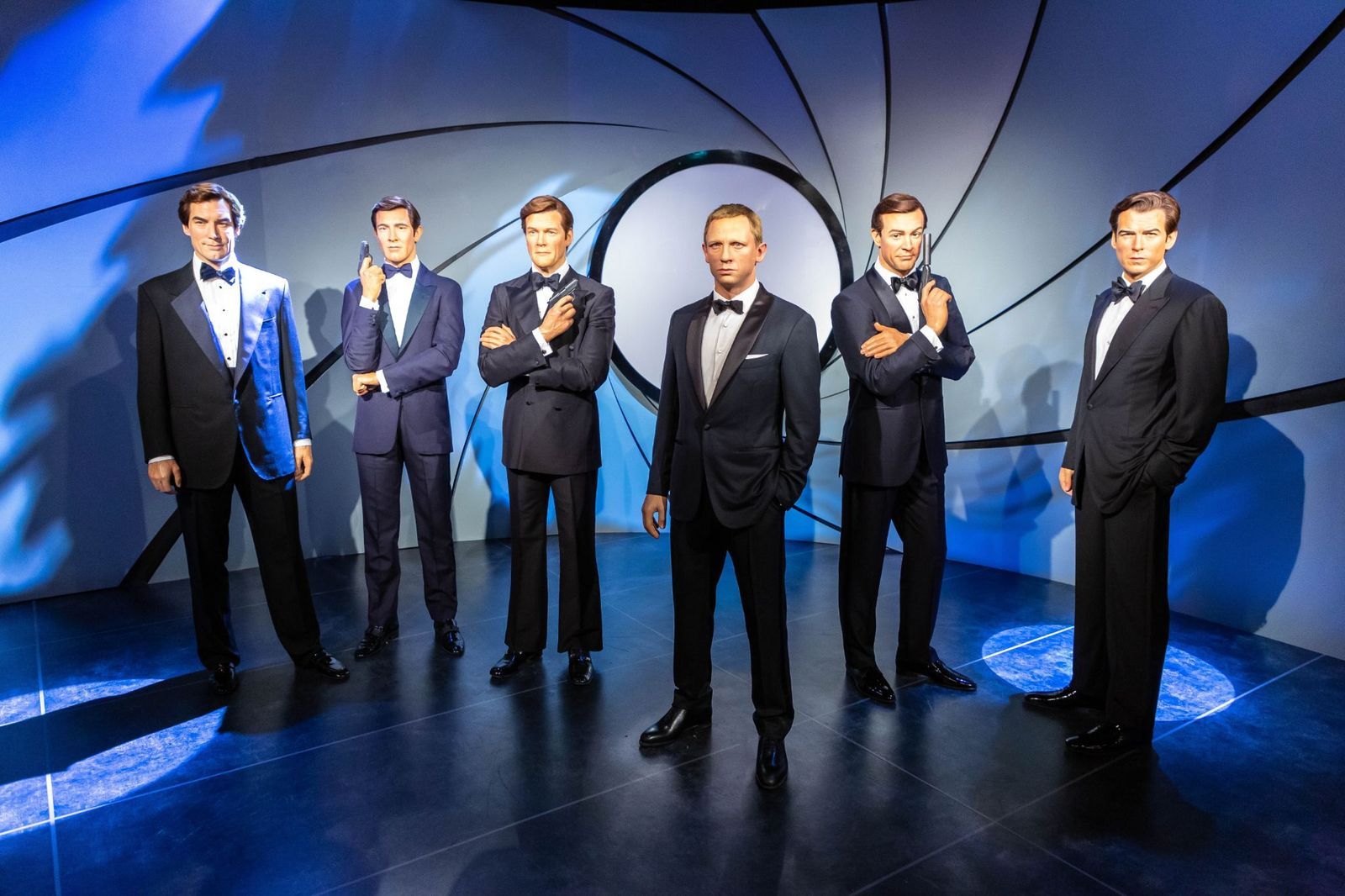
"My name is Bond, James Bond" is one of the most recognizable introductions in pop culture. With the codename 007, he is the quintessential British fictional secret agent who redefined the spy thriller genre and fueled a global fascination with espionage.

Created by Ian Fleming in 1953, Bond is known for combining high-stakes intelligence operations, the latest technology that seemed almost futuristic, and exotic locations filled with glamour and danger. He has been portrayed by numerous actors over the years, with his larger-than-life persona standing out above all else.

2

Miss Marple

Image: SviatlanaLaza

Miss Marple is one of the most beloved amateur sleuths in literary history, created by the legendary "Queen of Crime," Agatha Christie. Living in the quiet, fictional English village of St. Mary Mead, Jane Marple first appeared in the 1930's novel The Murder at the Vicarage.

One of the most beloved things about Miss Marple is that despite her looking like a sweet, elderly woman who might be more interested in knitting than murder, she has an incredibly sharp intellect and a remarkable understanding of human nature. This allowed her to solve mysteries that baffle professional policemen by drawing brilliant parallels between serious crimes and seemingly insignificant bits of village gossip. Never underestimate the quiet lady in the corner.

3

Charlie’s Angels

Image: Asia Evtyshok

You probably have a favorite. Sabrina, Jill, and Kelly, the Charlie’s Angels, revolutionized the detective genre in the 1970s by proving that crime-fighting could be glamorous, action-packed, and, above all, female-led. Originally portrayed by Farrah Fawcett, Kate Jackson, and Jaclyn Smith, the Angels became instant pop culture icons.

Working for the wealthy, mysterious, and never-seen billionaire Charles "Charlie" Townsend, this trio of private investigators used their sharp wits, martial arts, and high-tech gadgets to crack cases that baffled traditional law enforcement and the public for decades.

4

Jason Bourne

Image: Erman Gunes

David Webb, better known by his alias, Jason Bourne, is a fictional CIA-trained operative and the central protagonist of the Bourne franchise, created by novelist Robert Ludlum in 1980.

He famously suffers from severe memory loss, triggering a desperate quest to discover his true identity while running from the very agency that trained him. He has unmatched hand-to-hand combat skills, is an expert at improvising everyday objects into weapons, and is highly adept at blending into crowds; abilities he doesn’t know he possesses until he needs them.

5

Sherlock Holmes

Image: New Africa

If you love solving mysteries, then there is no doubt you know this character, possibly even better than some of your friends. Holmes is the fictional London detective created by Sir Arthur Conan Doyle who uses logic and observation to solve seemingly impossible cases.

He first appeared in print in 1887 in A Study in Scarlet. Operating out of his famous residence at 221B Baker Street in London, Holmes is the archetypal genius sleuth whose methods helped shape the detective fiction genre forever. Also known for being moody, cold, and aloof, his friend Dr. Watson provided a more humane perspective, both within the stories and for the readers’ comfort.

6

Jessica Fletcher

Image: Albo

Jessica Fletcher is the famous fictional mystery writer and amateur sleuth from the television series Murder, She Wrote. She is a bestselling mystery novelist who lives in the fictional coastal town of Cabot Cove, Maine.

She has some sort of curse, since murder follows her everywhere she goes, whether she visits friends or travels the world. Luckily, she uses sharp observation and logic to solve crimes before the local police do.

7

Austin Powers

Image: Snap Spot

"It’s groovy, baby!" If what you’re looking for is solving crimes while having fun, Austin Powers, famous for saying this catchphrase, is the one. Powers is a comedic British secret agent and a hilarious parody of James Bond, created and played by actor Mike Myers.

Just like Bond, he works as a secret agent for the British government. The incredible twist is that he is frozen in the 1960s and wakes up in the 1990s. When he does, Powers keeps his 1960s clothes, slang, and wild personality, completely surprising everybody with his eccentricities. He may have been a terrible fit for the modern world, but that was precisely the joke.

8

Columbo

Image: Nomad_Soul

Detective Columbo is a famous fictional television detective, played by Peter Falk, known for his old raincoat and brilliant mind. He worked as a Lieutenant in the Los Angeles Police Department.

The show ran from 1968 to 1978, with later television movies airing through 2003, becoming a fan favorite, especially for Columbo’s seemingly clumsy, forgetful, and endlessly polite manners that made suspects underestimate him. In the end, he would always turn back at the door to say, "Just one more thing..." before asking the question that could unravel the entire case.

9

Maxwell Smart (Agent 86)

Image: New Africa

Maxwell Smart, also known as Agent 86, is a fictional, bumbling secret agent from the classic 1960s comedy television series Get Smart, played by Don Adams, who won three Primetime Emmy Awards for his portrayal of Smart.

With unforgettable code names, Smart worked for CONTROL, a secret U.S. government counter-intelligence organization, while constantly fighting KAOS, an international syndicate of evil. Above all, he stood out from the rest because he turned the serious, high-stakes world of 1960s secret agents into a hilarious television comedy.

10

Hercule Poirot

Image: CapturePB

Hercule Poirot, created by writer Agatha Christie in 1920, quickly became a brilliant Belgian detective who relies entirely on his brainpower (his "little grey cells"), solving complex murders using extreme logic and psychology.

He also stood out for being very observant, sitting quietly to process facts rather than chasing clues outdoors. He was meticulous, orderly, and devoted to his routines. His distinctive look also makes him especially memorable, including his egg-shaped head, elegant clothes, and stiff, waxed mustache.

Looking for an extra scoop of literary fun?

Learn more with our Word of the day

rash

/ræʃ/