CURSED CINEMA

These 10 horror movies had even more terrifying facts about them


Published on April 5, 2024


Image: Jisun Han

When the spooks aren't limited to what happens inside the silver screen but also extend to the filming set and the actors' personal lives, it's hard to stay cool and rational. No matter if you believe in the supernatural or not, some of these terrifying stories will make your hair stand on end.

Join us in this macabre tour through 10 classic movies that were (supposedly) haunted by terrible curses or strange paranormal entities.

1

Rosemary’s Baby (1968)

Image: Omar Lopez

Much like the movie itself, Roman Polanski's timeless horror classic is shrouded in mystery and tragedy. One of the producers had a near-death experience during which he claimed to see the main character approaching him with a knife.

2

The Exorcist (1973)

Image: Ján Jakub Naništa

William Friedkin's horror masterpiece reportedly faced a series of eerie incidents during filming, including a fire that destroyed most of the set but somehow left intact the bedroom of the possessed Regan. Some of the cast believed that the movie's subject matter - exorcizing a demon - invoked a real curse, and they ended up bringing a priest to bless the set.

3

Poltergeist (1982)

Image: aj_aaaab

This supernatural thriller of the eighties is infamous for its alleged curse, with several cast members meeting untimely ends. Among various unusual mishaps during filming, one of the child actors was choked by a creepy mechanical doll that malfunctioned, and shortly after filming the third installment, she tragically passed away at just 12 years old.

4

Ghost (1990)

Image: Jr Korpa

While Ghost might not exactly fit within the horror genre, an urban legend claims that the ghost of Poltergeist's child star Heather O'Rourke haunted the set. The filming team heard someone running up on the empty catwalks and a child's laughter on numerous occasions. Coincidentally, the movie was filmed on the same set where O'Rourke had previously filmed episodes of the popular sitcom Happy Days.

5

Insidious (2010)

Image: Kenny Eliason

Hospitals are always a bit scary. And during the shooting of the 2010 supernatural horror film Insidious, strange things seemed to happen in the hospital set. Several members of the cast and crew claimed to feel unwell immediately upon setting foot on the set, and some even claimed to hear a buzzer from an unoccupied floor repeatedly going off.

6

The Conjuring (2013)

Image: m wrona

A bone-chilling experience all by itself, The Conjuring gets even creepier when you learn about the many eerie things that took place behind the scenes. Vera Farmiga, who plays paranormal investigator Lorraine Warren in the film, felt terribly uncomfortable during filming, to the point where she started leaving the script outside of her house. Among many other strange events, despite not doing any stunts, she and other members of the cast repeatedly found themselves covered in inexplicable bruises.

7

The Exorcism of Emily Rose (2005)

Image: Christian Lue

The true story behind The Exorcism of Emily Rose is already terrifying without adding any behind-the-scenes elements, but according to various sources, the film set was also haunted by a supernatural entity. According to both actress Jennifer Carpenter - who played the titular Emily Rose - and the film’s director Scott Derrickson, at several points during filming, they experienced inexplicable phenomena. Among other things, TVs and radios would mysteriously turn on by themselves at random times, and music would start playing loudly.

8

The Possession (2012)

Image: Edilson Borges

Inspired by the tale of a haunted dybbuk box, this supernatural horror film tells the story of a family terrorized by a malevolent entity. But besides the eerie premise and intense performances that likely left some cast and crew members feeling uneasy, strange occurrences also plagued the set. The film's lead actor, Jeffrey Dean Morgan, has stated that he didn't believe in ghosts before the movie. However, during filming, he experienced events that convinced him of the reality of supernatural phenomena. To make things weirder, the possessed box featured in the film was later destroyed in a mysterious storage facility fire.

9

Return to Babylon (2013)

Image: Nagy Arnold

Another outlier in this list, though Return to Babylon was never intended as a horror movie of any kind, ended up having a reputation for being cursed. The indie film explores the scandals and tragedies of Hollywood's silent film era, delving into the lives of iconic stars like Clara Bow and Rudolph Valentino. Soon after filming, rumors of on-set mishaps and strange occurrences have circulated, including claims of actors' faces morphing into demonic shapes in certain shots, and apparitions of dead actors. In particular, actress Jennifer Tilly described feeling watched and touched by invisible forces during production.

10

Annabelle (2014)

Image: Aimee Vogelsang

A spin-off of The Conjuring franchise, Annabelle follows the haunting of a possessed doll wreaking havoc on unsuspecting victims. John R. Leonetti, the movie’s director, claimed to have seen "three fingers drawn through dust" multiple times on set. This would be strange enough by itself, but there is more: the creepy doll featured in the film has only three fingers. Also, an actor dressed up as a demon was almost killed by a light fixture falling on his head in the same place on the set where a murder would take place later, according to the script.
Timeless words

From clay tokens to mind-to-text: 14 writing-tech milestones


Published on April 5, 2024


Image: Joanna Kosinska

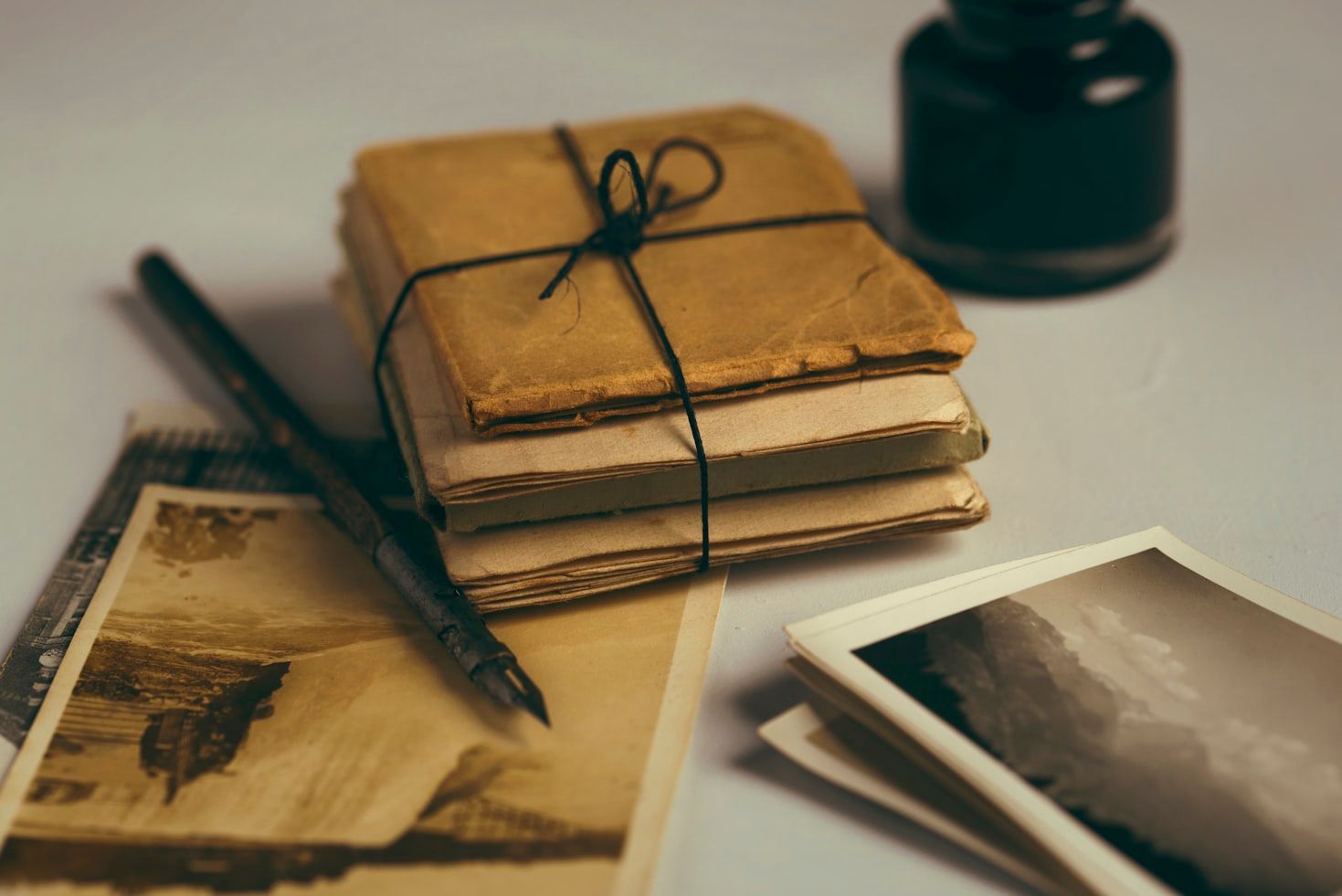
Writing has come a long way since the days of clay tokens and etched stone tablets. What started as simple marks to track trade has evolved into a tool for storytelling, record-keeping, and instant messaging. Along the way, alphabets, paper, printing presses, typewriters, and touchscreens have all helped to shape the way we communicate. Take a look at 14 cultural and technological milestones that brought us to where we are today.

1

Clay tokens

Image: Ryan Du

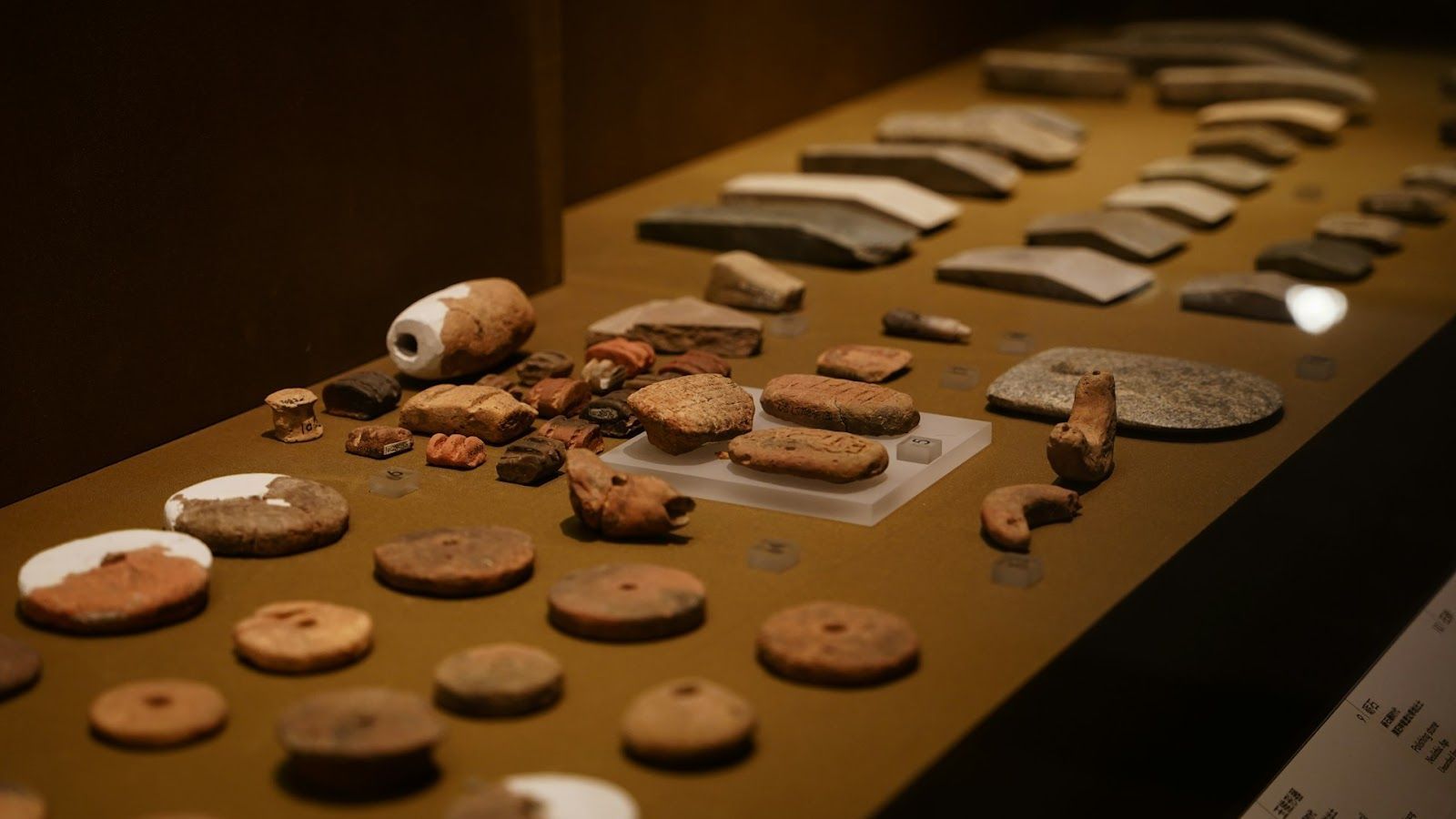
While individual traces and symbols can be found in earlier cultures, the Sumerians were probably the first civilization to "officially" establish a system that laid the foundation for what we know today as written communication.

Between 8000 and 3500 BCE, clay tokens representing units of goods were used primarily for accounting purposes.

2

Pictographic signs

Image: YH Zhou

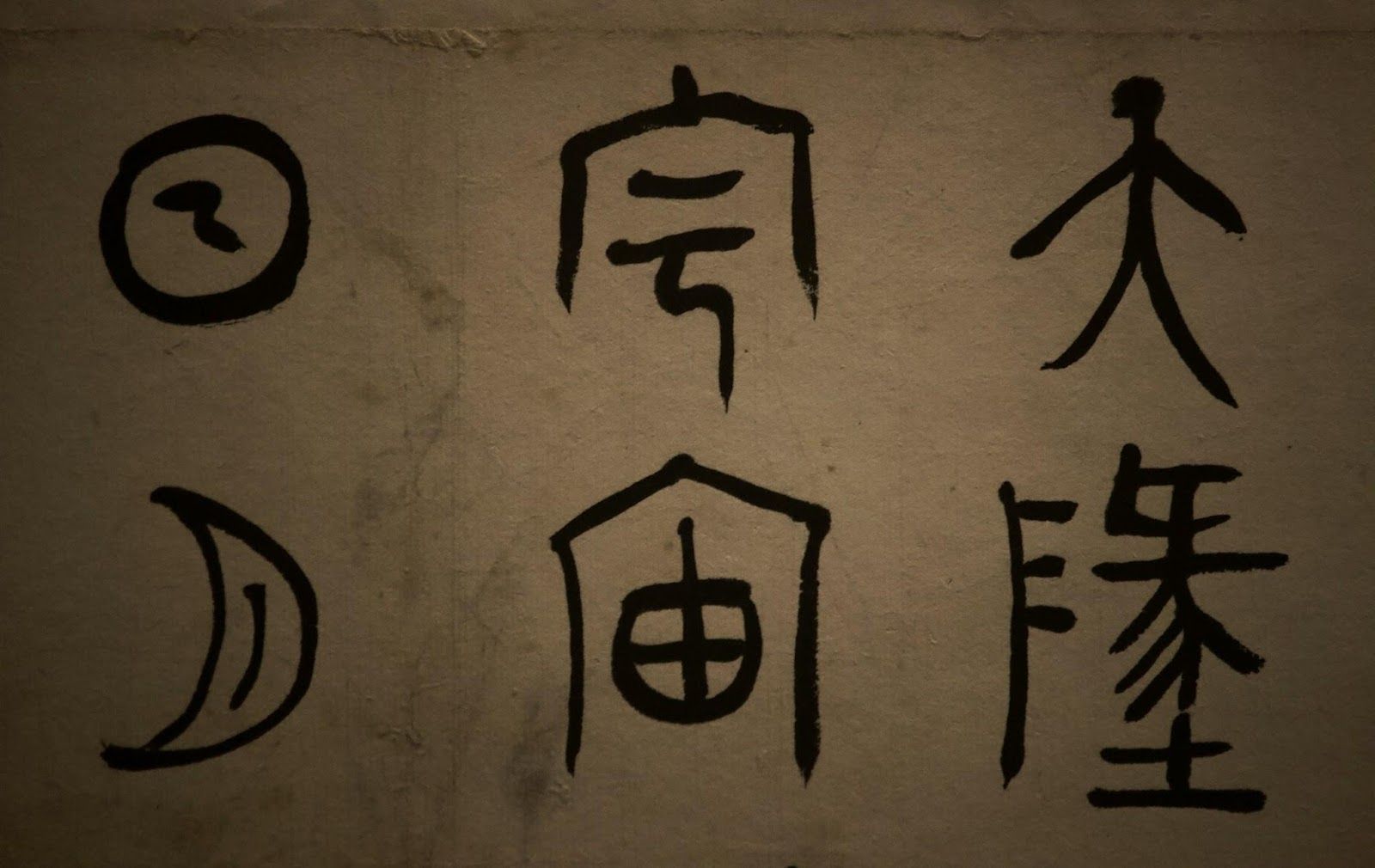
Between 3500 and 3000 BC, the Sumerians replaced the earlier three-dimensional tokens with two-dimensional pictographic signs.

Like the tokens that came before, this early pictographic script was still used exclusively for accounting purposes—pictographic writing recorded lists of commodities, labor, taxes, and trade.

3

Phonetic signs

Image: Qi Xin

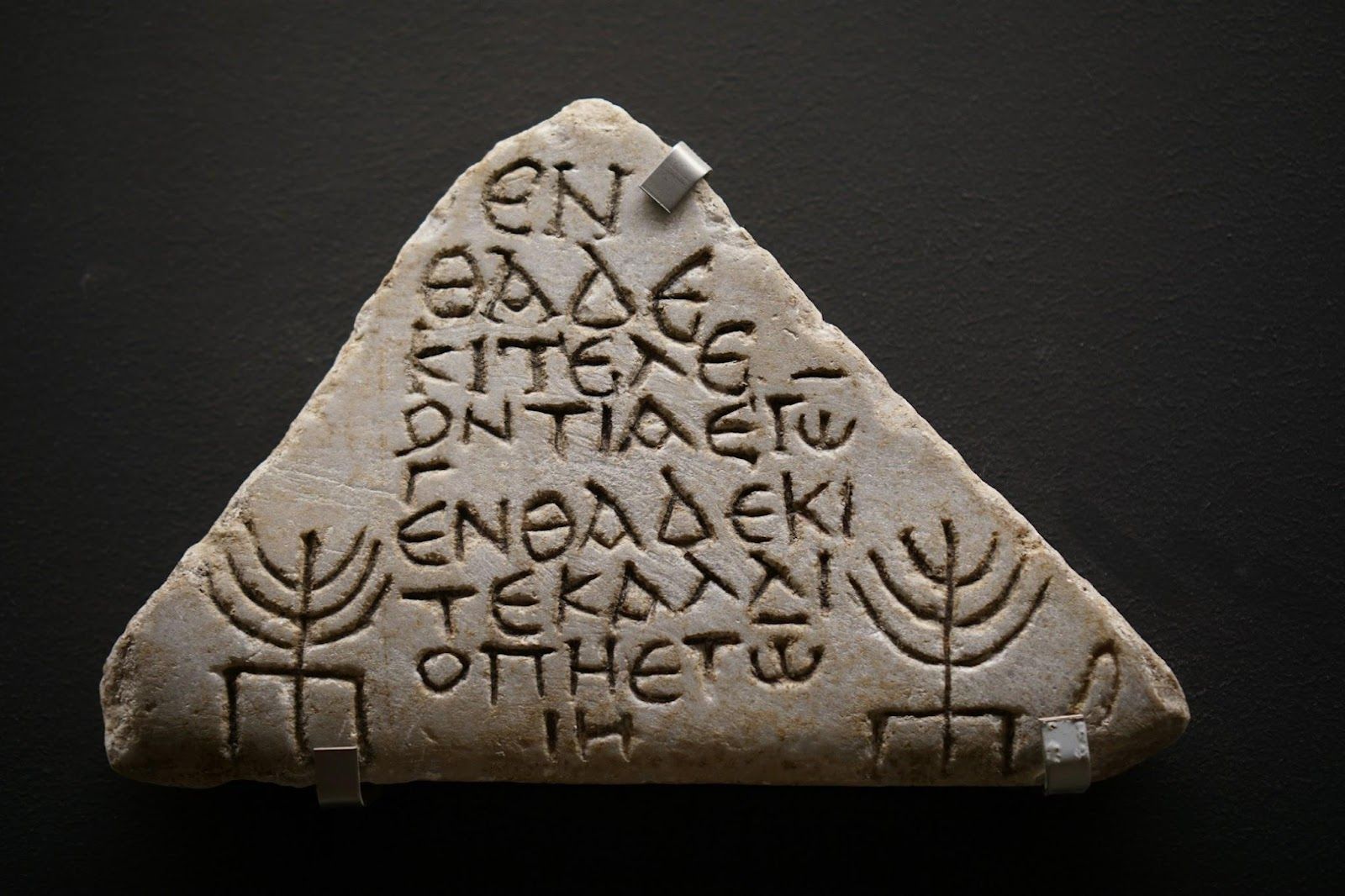
Between the years 3000 and 1500 BC, the Sumerians introduced phonetic signs and used them to transcribe the names of individuals. This marked a turning point when writing began to emulate spoken language and, as a result, became applicable to all fields of human knowledge.

It expanded from accounting and administration into law, literature, religion, and science.

4

Alphabet

Image: John Jennings

The fourth major evolution in writing came with the invention of what we now recognize as the alphabet. This early version consisted of about two dozen letters, each representing a single spoken sound.

The alphabet perfected the representation of speech. Following ideography, logography, and syllabaries, it marked a further segmentation of meaning into smaller units, enabling the communication of more specific and abstract concepts.

5

Papyrus

Image: tommao wang

First known to be used in Ancient Egypt, papyrus is a material similar to thick paper that served as a writing surface, far easier to transport than stone or even clay tablets. It was made from the pith of the papyrus plant, a wetland sedge abundant in the Nile Delta.

For thousands of years, papyrus was rolled into scrolls for storage. Later in its history, however, it began to be compiled into codices, a format not unlike the modern book.

6

Parchment

Image: engin akyurt

In Europe, papyrus was gradually overtaken by parchment due to the latter’s greater durability and strength. Like papyrus, parchment could be produced relatively cheaply, scrolled easily, and transported from points of origin, but unlike papyrus, parchment did not crumble with age and could be reused.

These advantages made parchment the preferred writing medium in both the ancient and medieval worlds. Additionally, because both sides of a parchment sheet could be written on, the development of the modern book became possible.

7

Paper

Image: Ivan Gromov

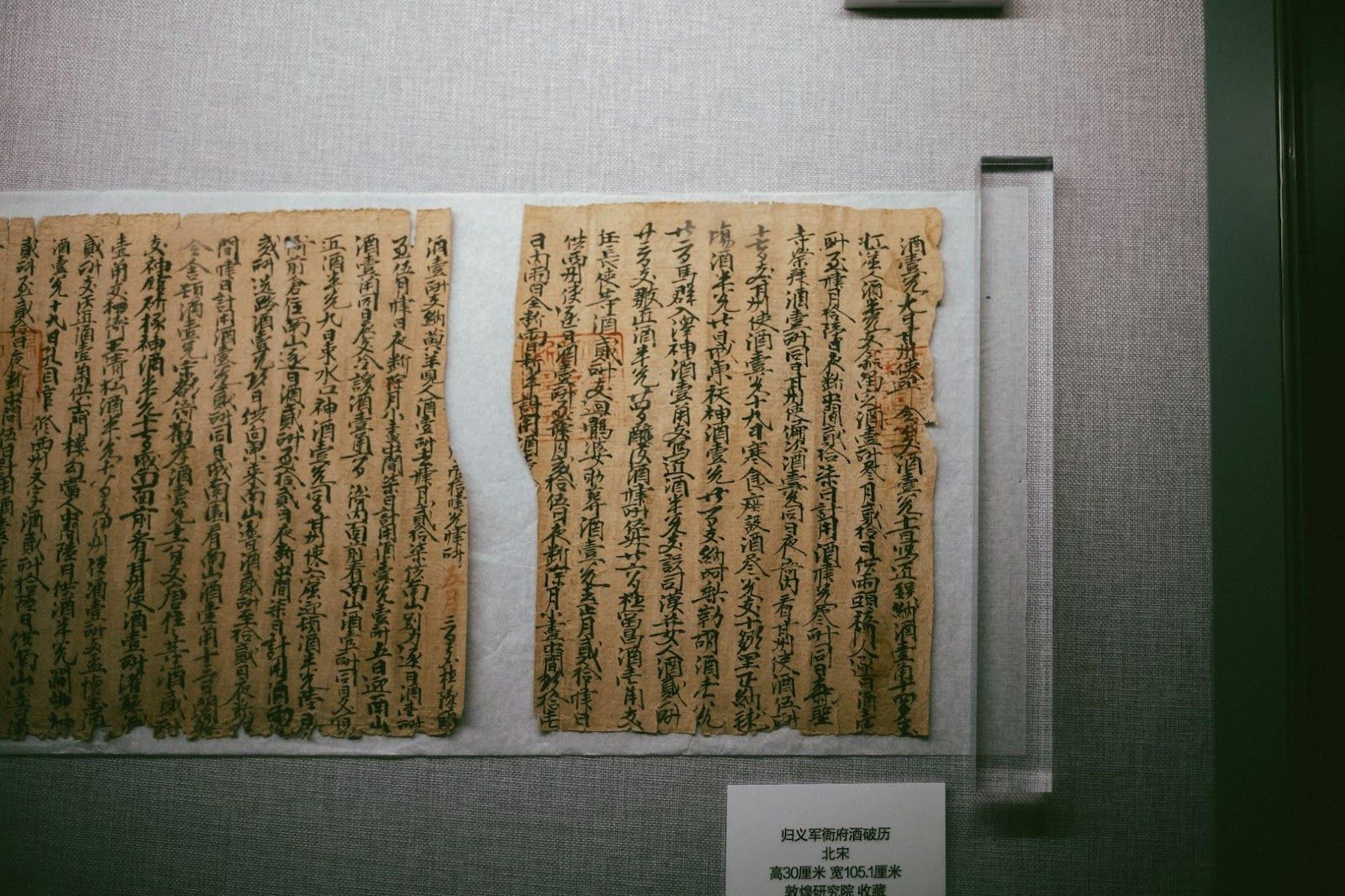
Paper, as we know it today, started its days in Ancient China, where court officials recorded for the first time that plant and animal fibers—such as mulberry bark or bamboo—could be processed to produce this new writing medium. From China, the technology spread across Asia, then to the Arab world, and finally to Europe.

8

Stylus

Image: Esther Wechsler

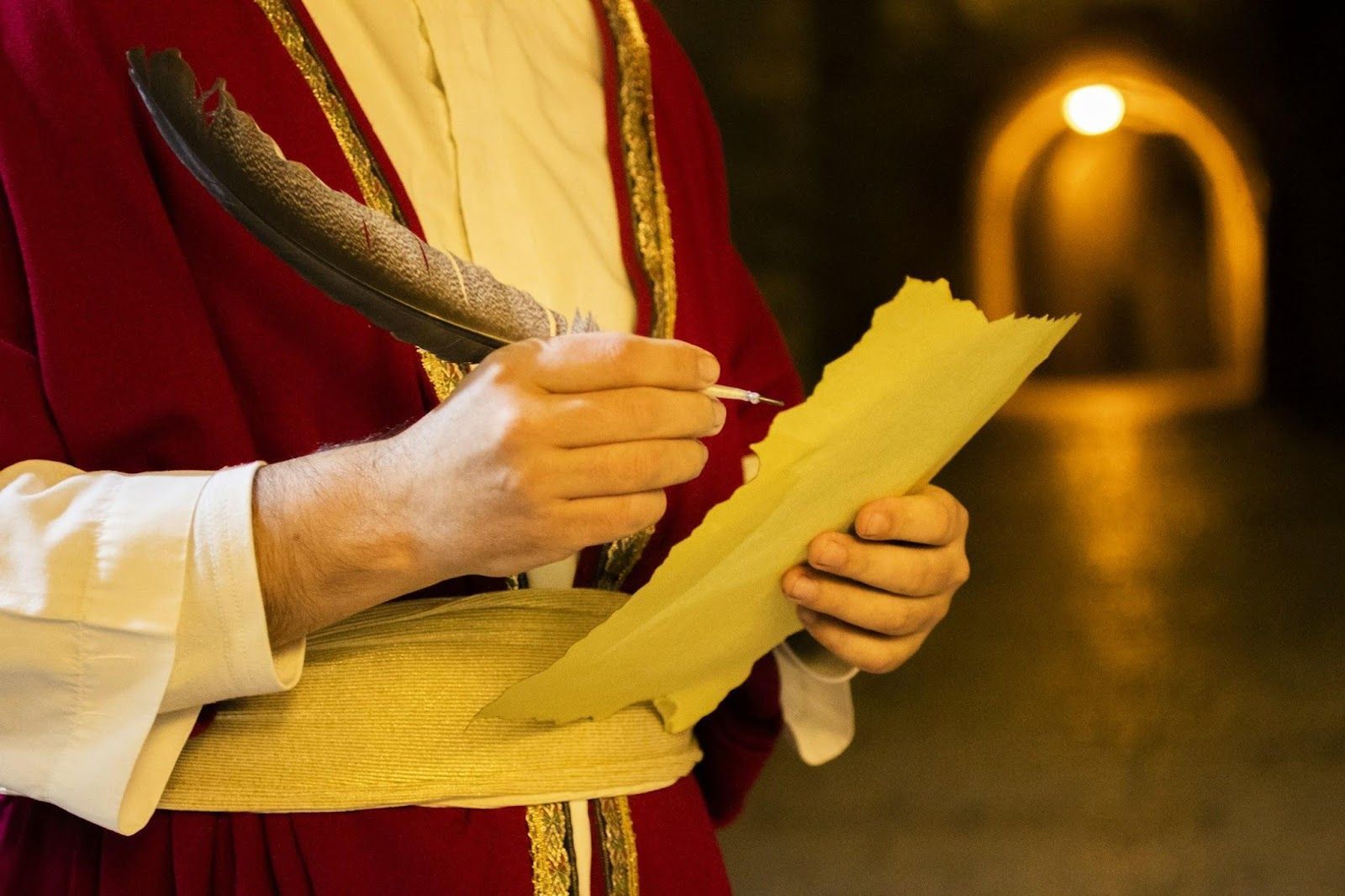
The Greeks and Romans modified the stylus from a tool used to mark clay tablets into one that could hold ink and apply it to other surfaces. Reeds were initially used for this purpose, and eventually, it was discovered that bird feathers could also hold ink, making the quill the preferred writing instrument for many centuries.

9

Pencil

Image: Thought Catalog

The wooden pencil was an innovative improvement over the stylus because it did not require liquid ink to work. It was also cleaner to use and could be erased.

Early pencils were potentially hazardous since they contained lead, which was not encased in wood, exposing users to lead poisoning. By the 18th century, pencil makers developed a safer manufacturing process that combined powdered graphite with clay, which was then baked, formed into sticks, cut, and glued into wooden casings.

10

Printing press

Image: Hannes Wolf

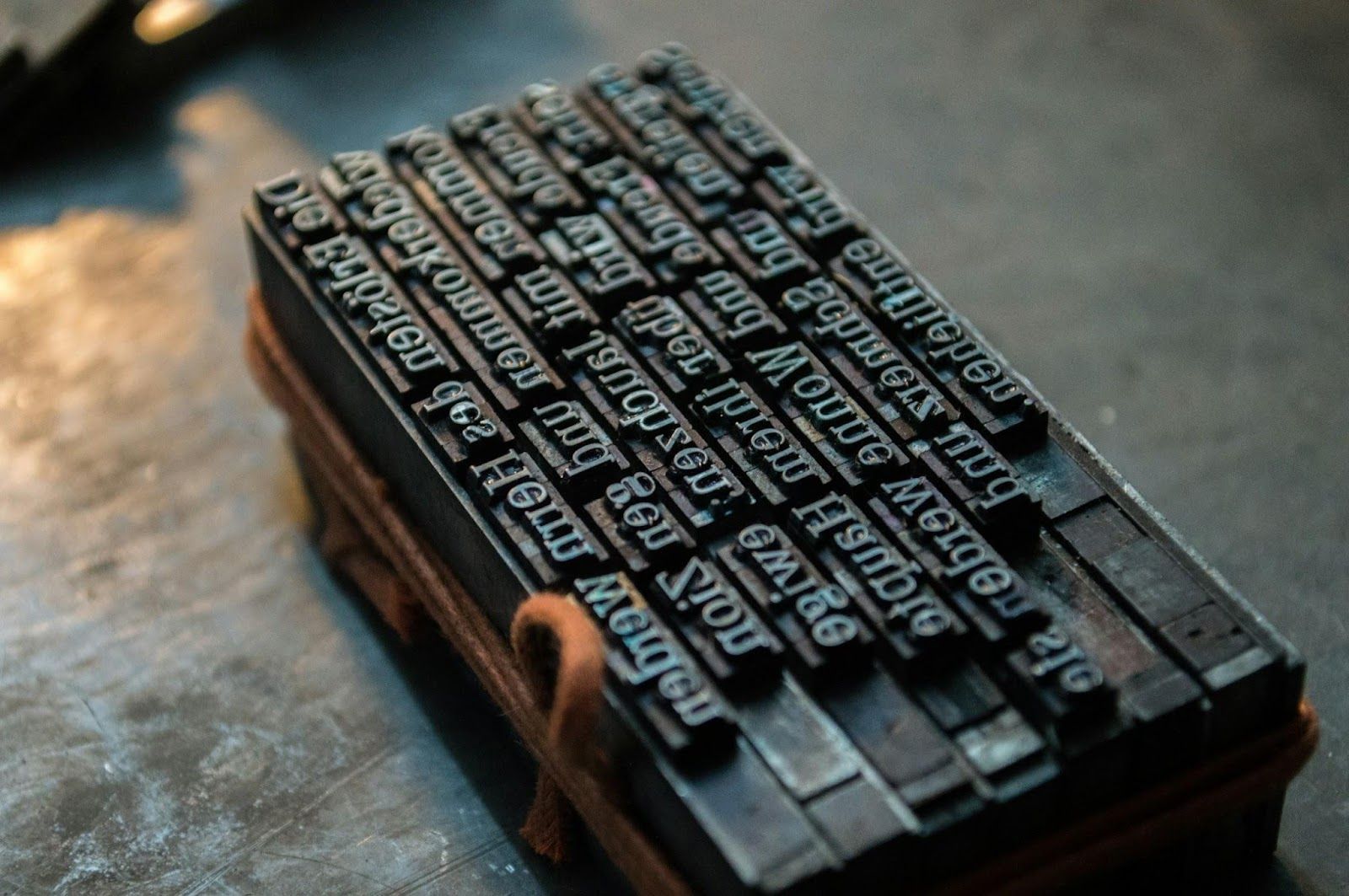
The ability to spread written communication on a massive scale became a reality when Johannes Gutenberg invented the movable type printing press in Germany around 1440.

Primarily used for producing texts, the invention and global spread of the printing press was one of the most influential events of the second millennium. A single press could produce up to 3,600 pages per workday, compared to about forty pages by hand printing and just a few by hand copying.

11

Typewriter

Image: Patrick Fore

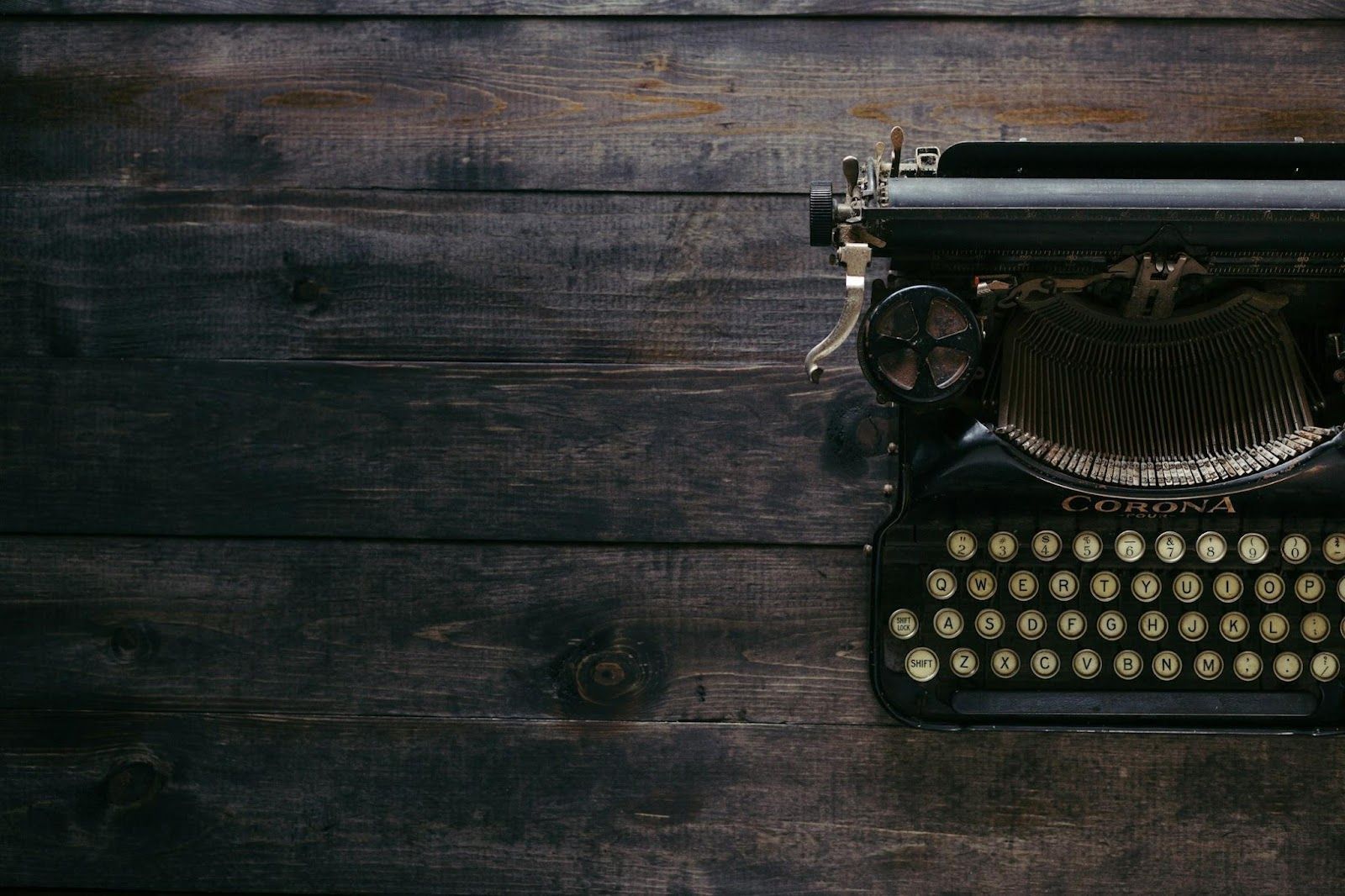
The first commercial typewriters were introduced in the late 19th century and quickly became indispensable tools for nearly all writing, except for personal handwritten correspondence.

The QWERTY keyboard layout, developed for typewriters in the 1870s, remains the de facto standard for English-language computer keyboards used today.

12

Word processors

Image: Ted Balmer

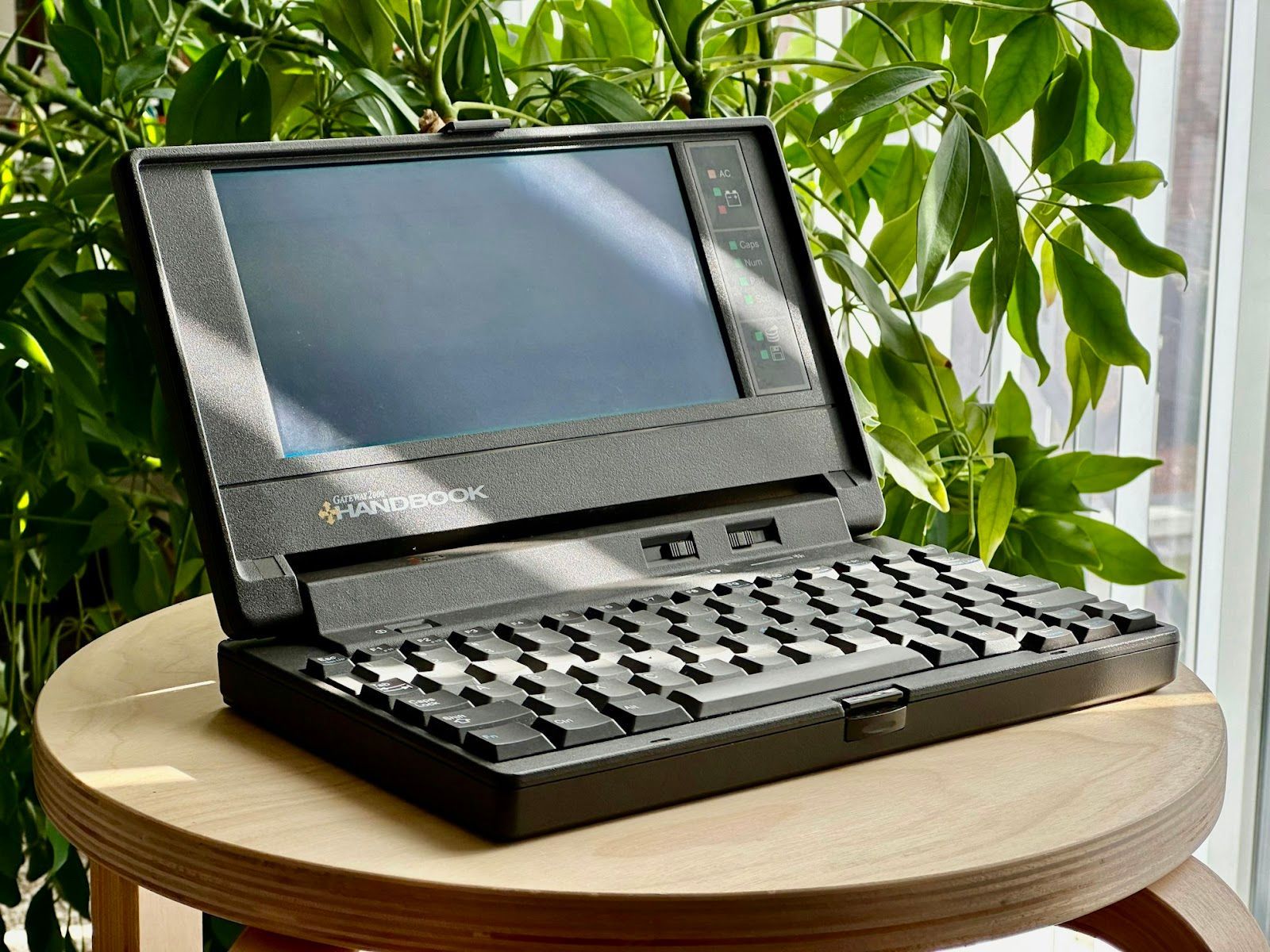
The age of computers gradually phased out typewriters by introducing the ability to rewrite and modify text in any way imaginable, in real time. Since then, word processors have become the standard software used worldwide for creating and editing text in a digital environment.

13

Voice-to-text

Image: Brett Jordan

Speech recognition software, also known as voice-to-text, has allowed us to"write" with our voices by dictating into our smartphones whatever we need to record, much like personal secretaries used to do decades ago.

14

Mind-to-text

Image: srihari kapu

Researchers are investigating methods to generate written text by "reading" a person’s brain activity. This technology could prove useful for, among other things, helping individuals with physical disabilities communicate more effectively. A breakthrough that could bring science fiction closer to reality!

Looking for an extra scoop of literary fun?

Learn more with our Word of the day

paean

/ˈpiən/