History is written by winners? 10 failure stories that changed the world
Published on October 5, 2025
 Image: Ann H
Truman Capote once said, "Failure is the condiment that gives success its flavor." In the same line, Benjamin Franklin claimed: "He that can have patience can have what he will." Patience and perseverance are fundamental when it comes to conquering the anguish of things not going as planned. Numerous scientists, inventors, actors, musicians, and writers throughout history have had to fail many times before achieving their goals. Are you familiar with the stories of these 10 great men who had to make mistakes to finally have success? Surely, you’ll feel inspired to overcome your own failures after reading this article!
Thomas Alva Edison
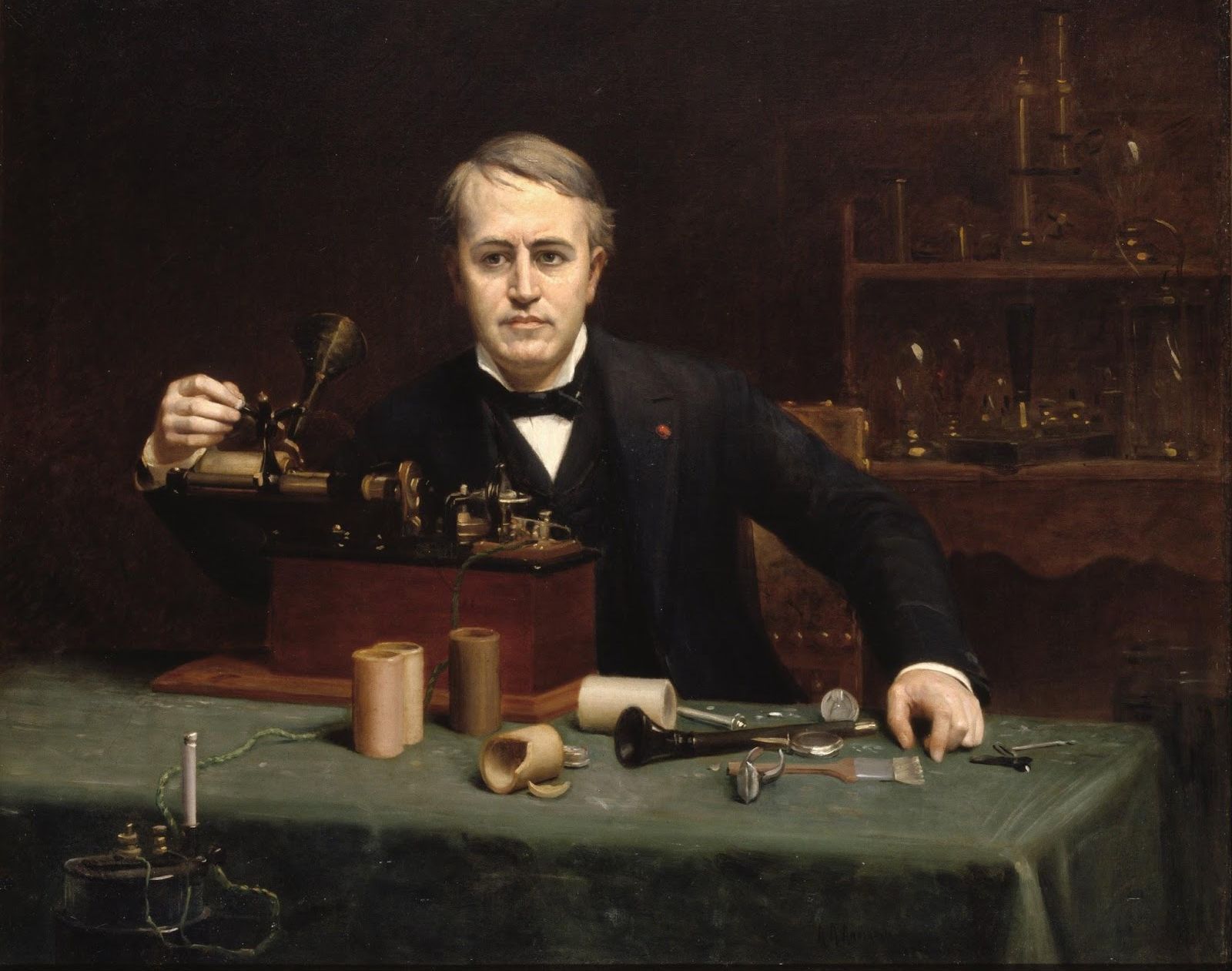 Image: National Portrait Gallery, Public domain, via Wikimedia Commons
Besides having very good ideas, Thomas Alva Edison also had a lot of patience. And patience is fundamental to overcoming any failure. Between 1878 and 1880, he worked on at least three hundred theories with the aim of developing an efficient incandescent lamp.
It took him two years of trial and error to find the right elements to achieve his goal. After at least a thousand failed attempts, he achieved what would be his most resounding and revolutionary invention. "I have not failed 10,000 times—I’ve successfully found 10,000 ways that will not work," he later said.
Fred Astaire
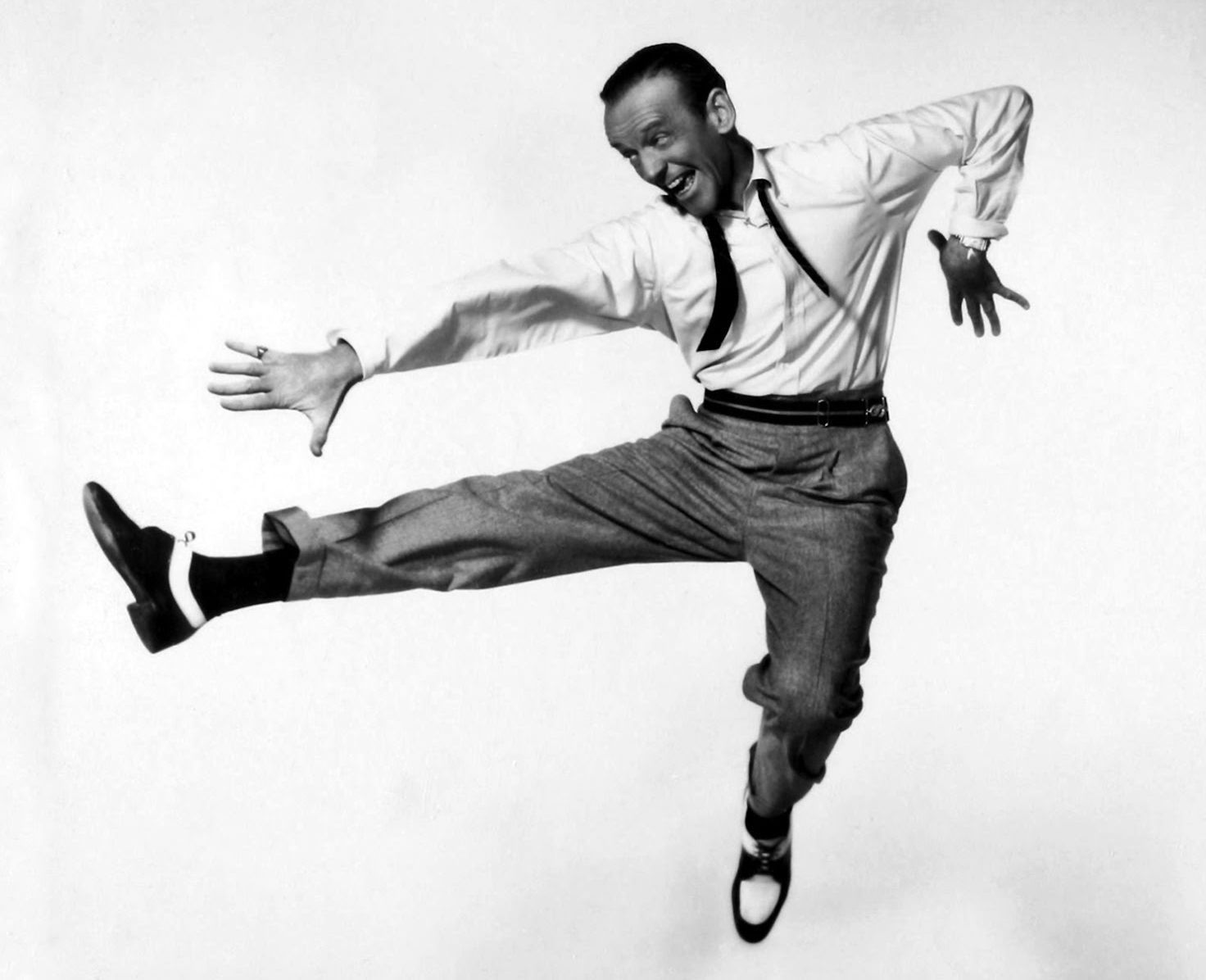 Image: Studio publicity still, Public domain, via Wikimedia Commons
The golden age of Hollywood was highly competitive and cutthroat. Before becoming a superstar, the talented Fred Astaire experienced rejection firsthand. In the 1930s, when he was still taking his first steps, he was handed a performance report after a casting call: "Can't act. Slightly bald. Also dances," it said. Astaire himself would say that the audition was disappointing for him.
In a 1933 notebook from RKO Pictures, film producer David O. Selznick described the audition as "appalling". Nevertheless, these awful remarks weren’t enough reason for the actor to be discouraged or for the studio to close its doors completely: Fred Astaire ended up starring in ten films for RKO.
Vincent Van Gogh
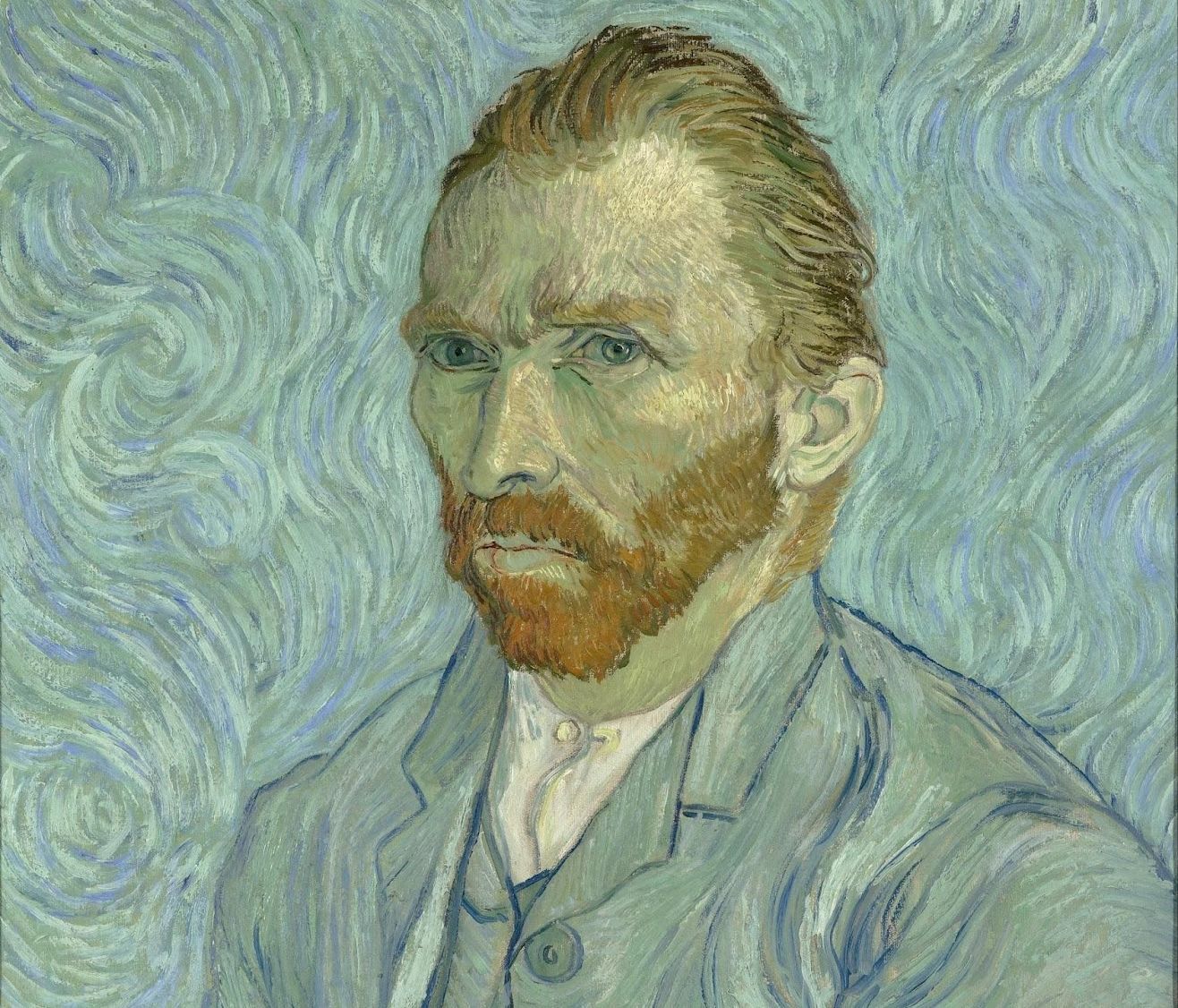 Image: Vincent van Gogh, Public domain, via Wikimedia Commons
The famous Dutch painter died young, believing he was a failure. Vincent looked at his paintings with enormous frustration as he found it much harder to sell them than to paint them. He was tormented by the thought of what people might say about his works.
He was a gloomy, melancholic, and lonely artist who was unable to manage his mood swings. At the end of his life, he developed a depression that eventually led him to suicide. While he was alive, Vincent Van Gogh sold only a handful of his works, even though today he is one of the most famous artists in the world and his paintings are worth millions.
Walt Disney
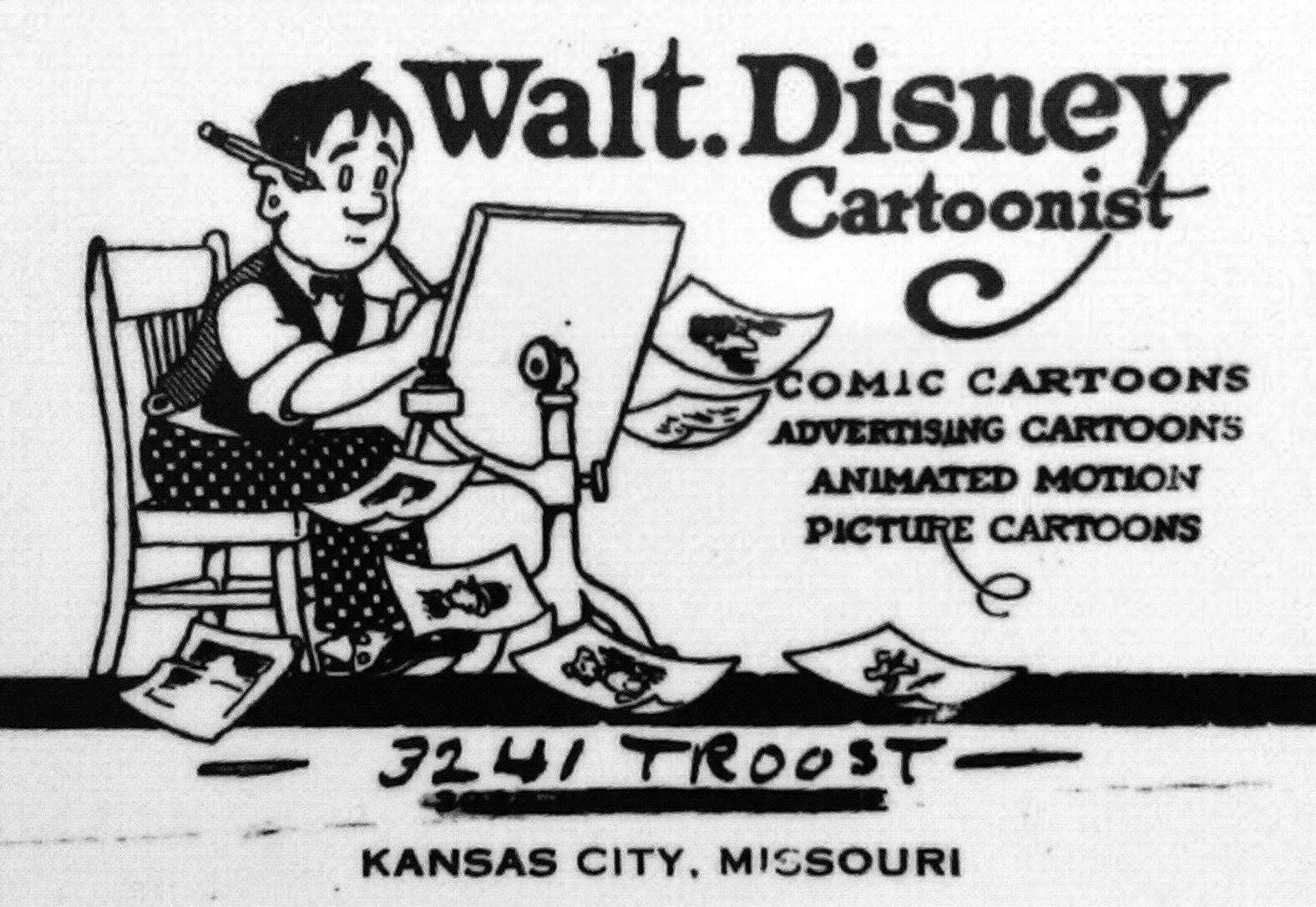 Image: Walt Disney, Public domain, via Wikimedia Commons
Walt Disney, the man who created an empire out of pure creativity, didn't have it easy. Along the way, he failed, and failed badly. Walt was a mediocre student and had several jobs before becoming the dream maker we all know today. As a boy, he helped his father deliver newspapers in Kansas, enlisted in the army, wrote newspaper ads, and had several animation studios that went bankrupt.
Determined not to give up, he created Mortimer, which at his wife's suggestion would be renamed Mickey Mouse. Many of his competitors assumed that sound-animated films would be just a fad, but when Walt launched the short Willie on the Steamboat in 1928, it received excellent reviews. From then on, both Walt and Mickey continued to grow nonstop.
Alfred Nobel
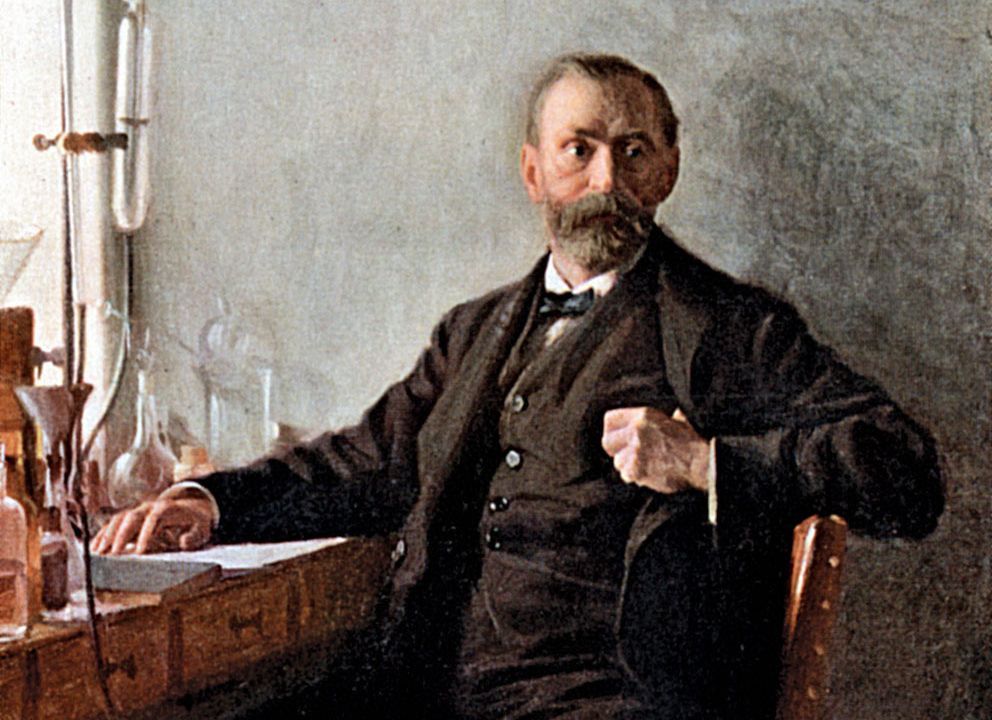 Image: Emil Österman, Public domain, via Wikimedia Commons
All members of the Nobel family were great inventors, revolutionizing the arms industry in 19th-century Europe. Alfred, in particular, dedicated his life to finding a way to use and control nitroglycerin. However, in 1864, when success seemed to be the family trademark, a terrible explosion destroyed their factory. Five workers and Alfred's younger brother died.
Nobel decided to start again from scratch. After several attempts, he discovered that mixing the explosive with diatomaceous earth created a paste-like composition that kept nitroglycerin’s composition intact. This made it transportable, manageable, and safe. The unprecedented discovery was patented in 1867 under the name Dynamite. Dynamite eventually made Alfred Nobel one of the richest men of his time.
Stephen King
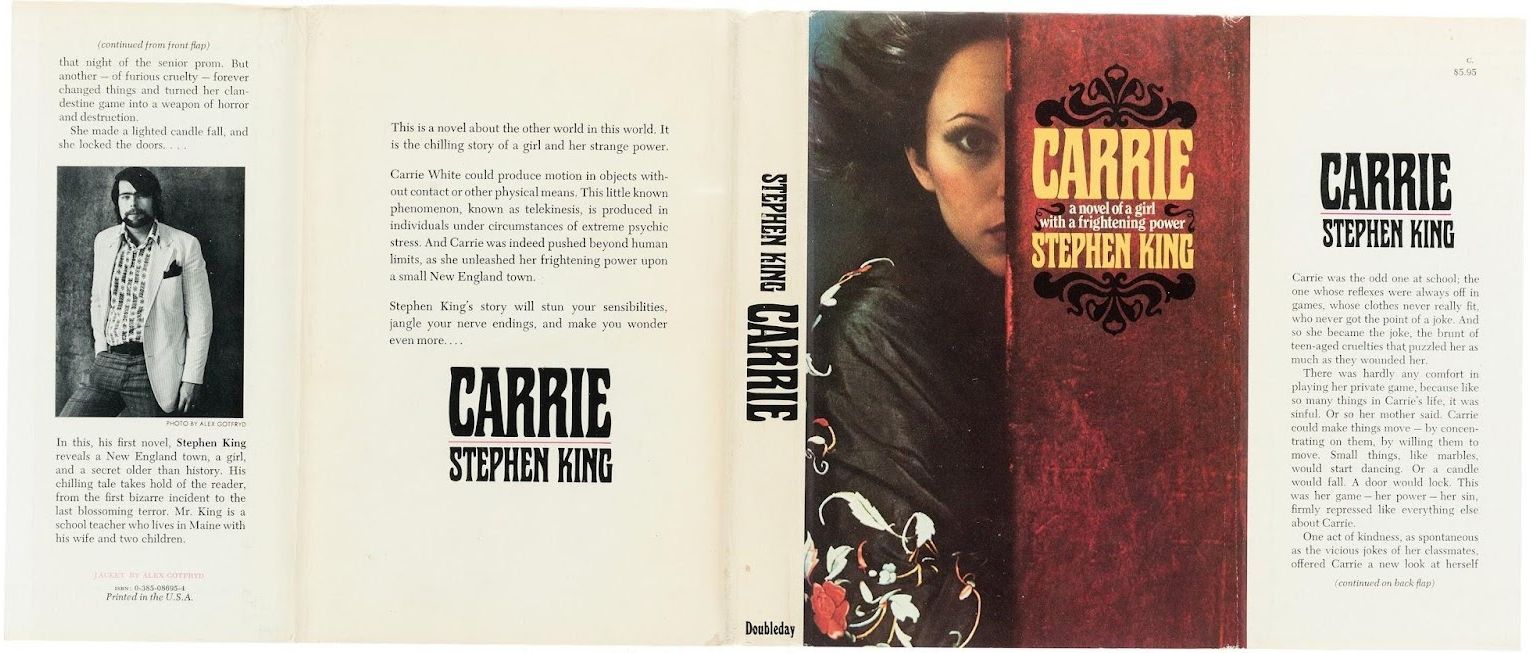 Image: Jacket by Alex GotfrydPhoto by Alex Gotfryd, Public domain, via Wikimedia Commons
Carrie, the King of Horror's first novel, received dozens of rejections from different publishers. Stephen King almost gave up, but his wife rescued the first pages of the story and convinced him to continue working. The author started collecting the rejection letters, and he later admitted he also received suggestions and advice that were key to perfecting his writing.
Finally, in 1974, the American publishing company Doubleday agreed to publish Carrie, which quickly became a bestseller. To date, Stephen King has published over 200 short stories and around 65 novels, many of them with record sales and multiple film and television adaptations.
Charles Goodyear
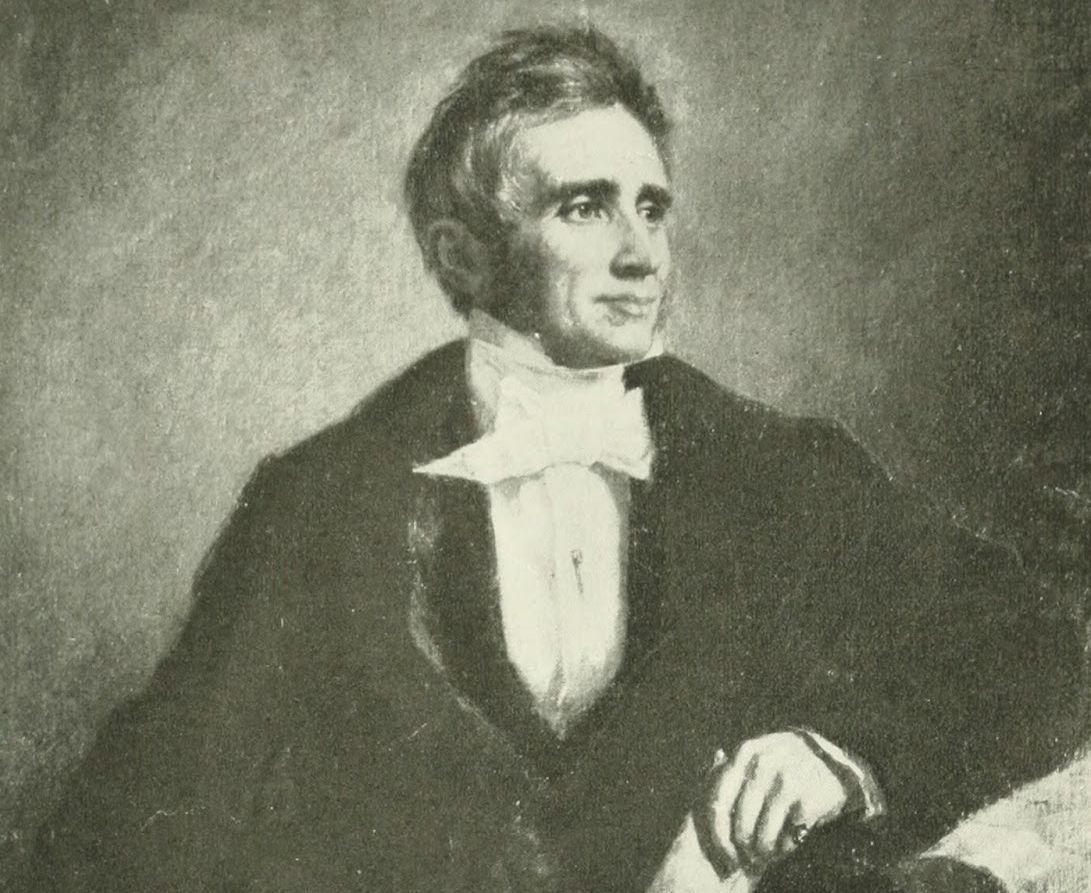 Image: George Iles, Public domain, via Wikimedia Commons
A series of bad business decisions bankrupted Charles Goodyear’s manufacturing company. After this setback, the self-taught inventor focused his energies on finding a way to create synthetic rubber that would be resistant to sudden temperature changes.
He had many attempts but couldn’t find the right formula. One day, by accident, he spilled a mixture of sulfur, rubber, and lead on a hot stove. Surprisingly, the material didn’t melt. Goodyear named this phenomenon vulcanization after the Roman god Vulcan. Although the invention didn’t make him rich and he ultimately died covered in debt, the vulcanization technology discovered by Charles Goodyear in the 1840s is still used today.
Bill Gates
 Image: ENERGY.GOV, Public domain, via Wikimedia Commons
The technology industry knows a lot about failure. They know about trial, error, observation, and constant improvement in pursuit of evolution. If there is one thing Bill Gates has experienced firsthand, it is embracing failure as a natural step on the path towards progress.
Among his forgettable list of disappointments is his first company, Traf-O-Data, an ambitious project that never prospered. But that didn't stop Gates as he began to forge what would become the future of the personal computer. Microsoft was not exempt from failures either, Windows Vista being one of the best examples. However, none of these setbacks ever stopped Bill Gates, who is, to this day, one of the richest and most successful men in the world.
René Laënnec
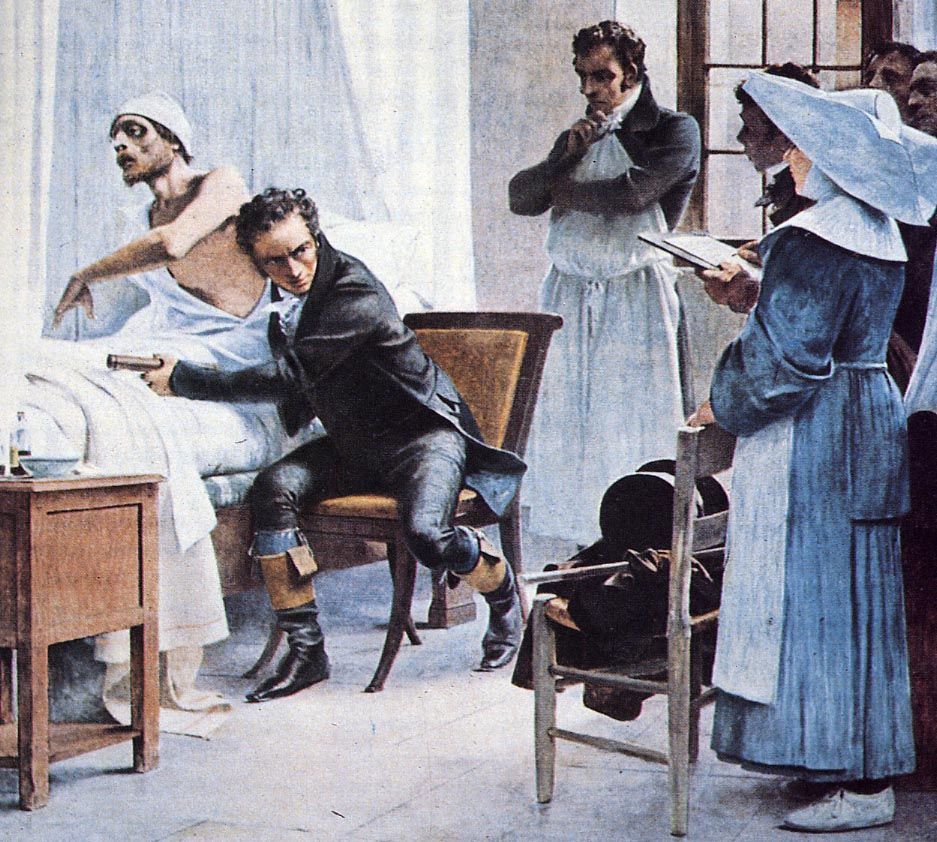 Image: Théobald Chartran, Public domain, via Wikimedia Commons
A doctor who is not comfortable with touching his patients? It seems like the perfect formula for failure! In the early 19th century, it was very common for doctors to bring their ears close to their patients’ chests to hear their breathing or heartbeat. But for the prudish French physician René Laënnec, physical touch was virtually impossible.
Laënnec recalled seeing two children playing with a hollowed-out tree trunk, listening to sounds. He knew he had found a way around his struggles. He looked for a wooden cylinder, hoping to achieve the same sound effect. He succeeded: he could hear the heartbeat at a long enough distance. This experimental object worked so well that it became the genesis of the stethoscope, a fundamental tool for physicians to this day.
Ludwig Van Beethoven
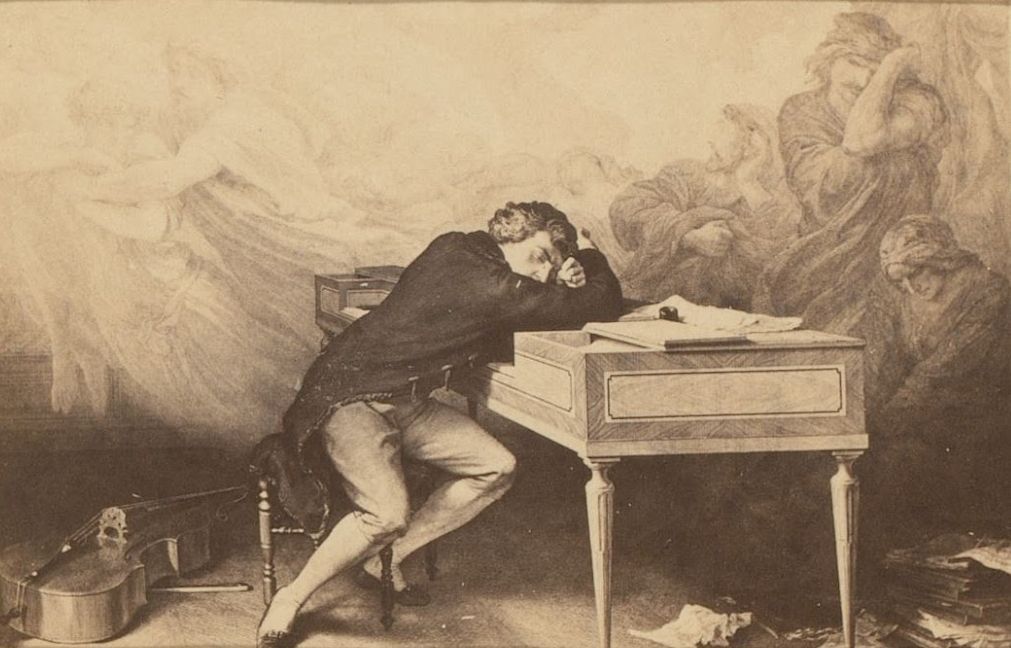 Image: Rijksmuseum, CC0, via Wikimedia Commons
According to his first music teachers, little Ludwig was a mediocre musician and a lousy violinist who had no talent for creating harmonies and melodies. To prove them all wrong, Beethoven's father forced his son to practice complex pieces of music in order to produce a "child prodigy" who could be considered "the new Mozart".
Eventually, the pressure paid off. In 1782, at the age of 12, Beethoven published his first piano composition. At the age of 40, at the height of his musical splendor, he became completely deaf. Despite his difficulties, Ludwig van Beethoven went on to publish 138 works during his career and is considered one of the most brilliant composers and pianists in history.


