Are these in your diet?

Could doctors prescribe popcorn? These foods are healthier than expected


Published on January 23, 2026
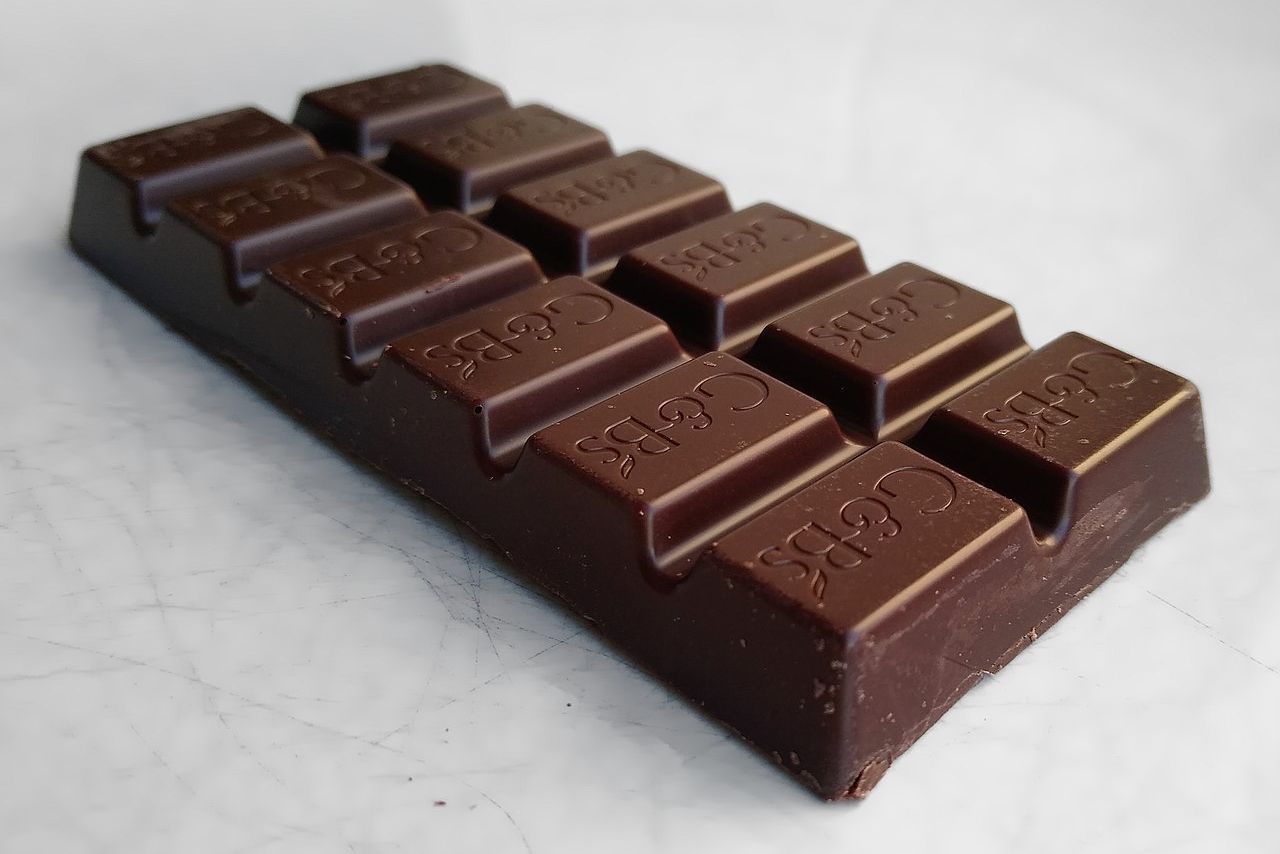

Image: Mx. Granger, CC0, via Wikimedia Commons

No doubt, most of us have the food pyramid etched in our minds. For a long time, we have accepted the fact that tempting treats (like chocolate, pizza, or beer) must be mostly or entirely avoided. But… is that entirely true? As it turns out, there are caveats about some of these so-called guilty pleasures. Wouldn’t you like to learn which snacks are actually pretty healthy for you? Read on!

1

Popcorn

Image: Dejan Krsmanovic, CC BY 2.0, via Wikimedia Commons

Popcorn is a whole grain, high in fiber, and packed with polyphenols (antioxidants). Air-popped popcorn with minimal salt or oil is healthier than many so-called "diet" snacks.

2

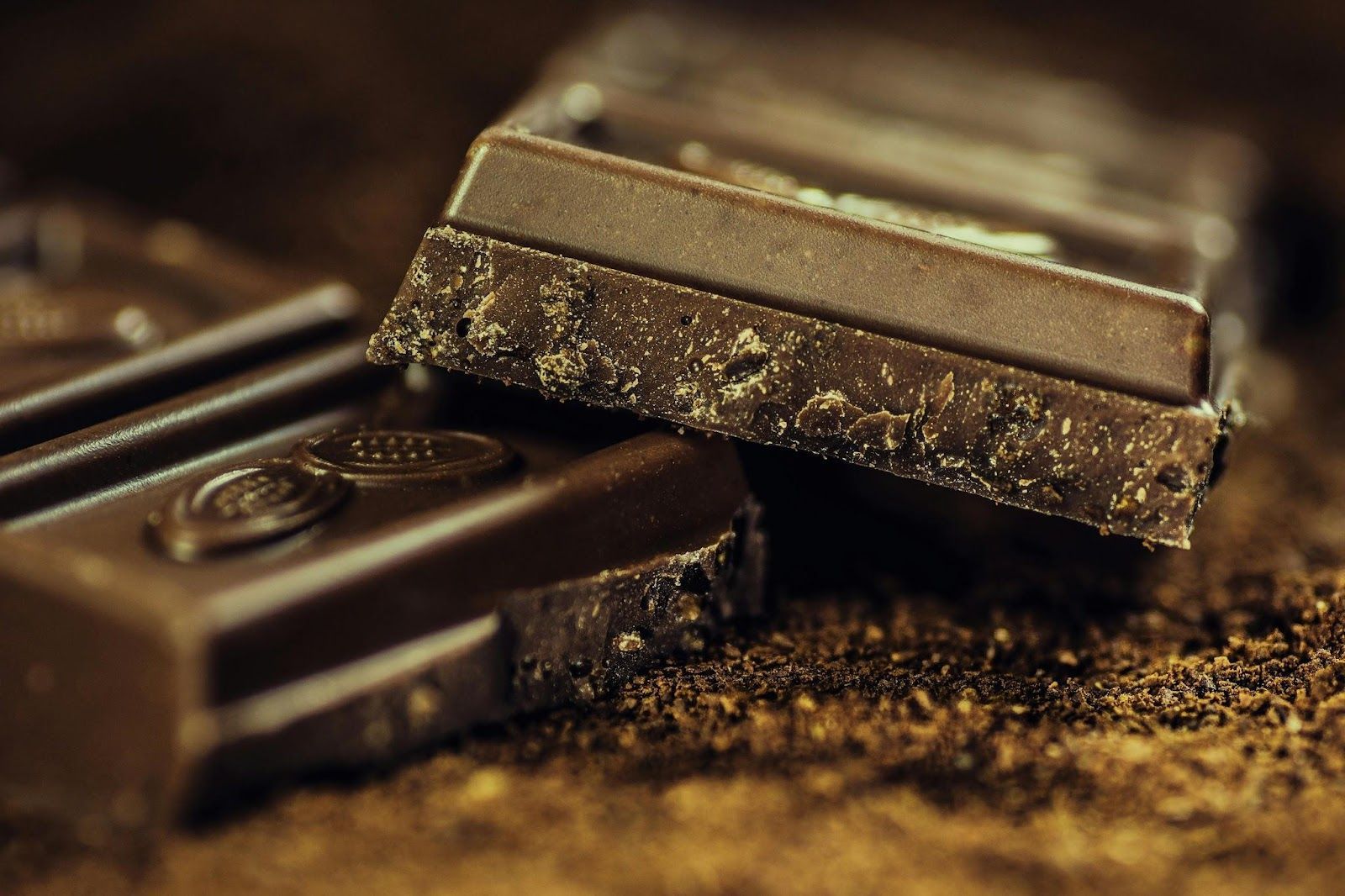
Dark Chocolate

Image: Pixabay

This is very good news for those with a sweet tooth! Dark chocolate (that means, products that have more than 70% cocoa) contains flavonoids that may improve blood flow and help reduce blood pressure. No need to cut it out entirely!

3

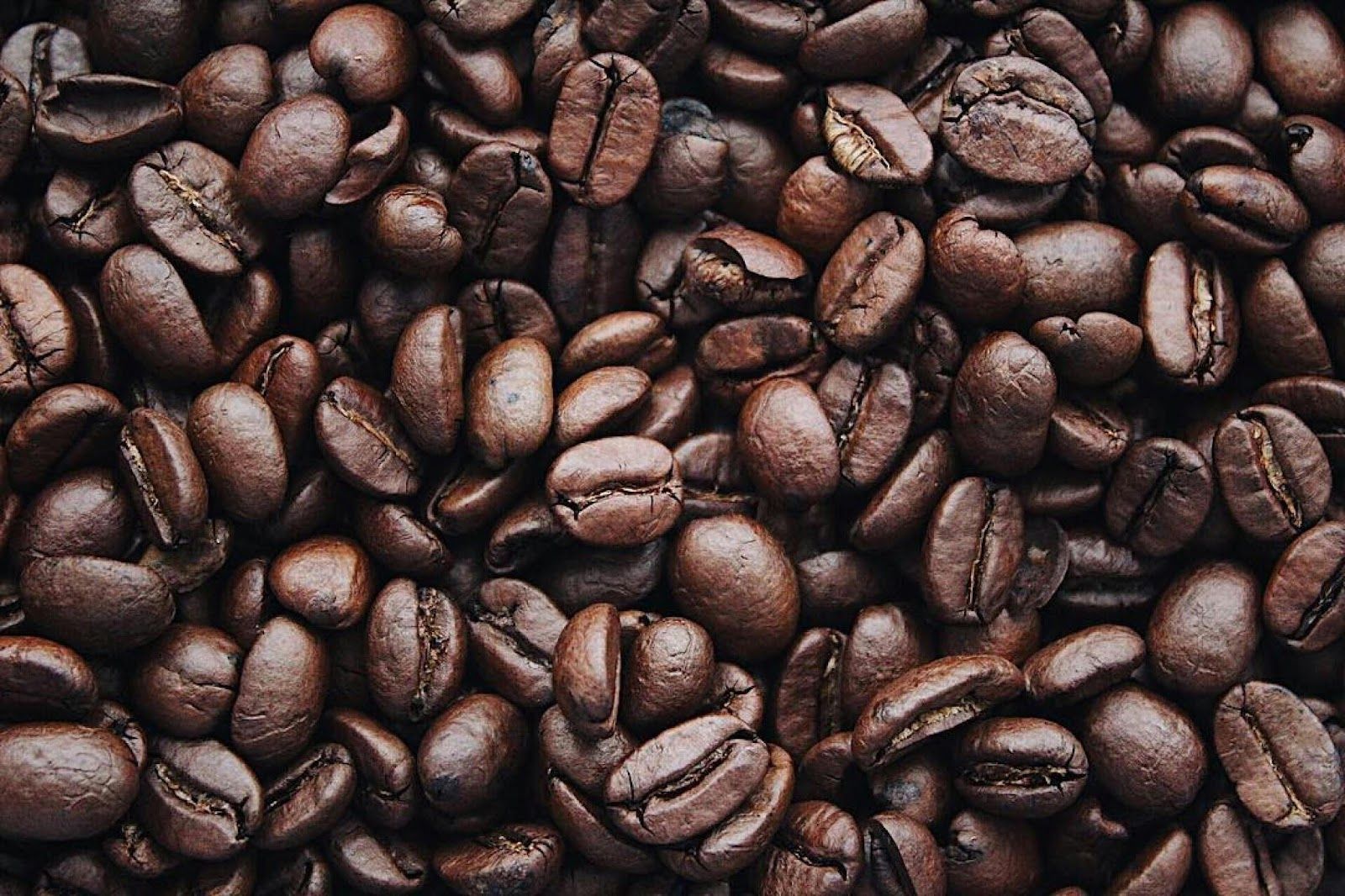
Coffee

Image: Igor Haritanovich

Coffee has long been maligned for "raising blood pressure," but it is now linked to lower risks of heart disease, Parkinson’s disease, and type 2 diabetes, again, thanks largely to its antioxidants. The danger, of course, lies in adding sugar, cream, syrups, and whatnot. Stick to a healthy brew!

4

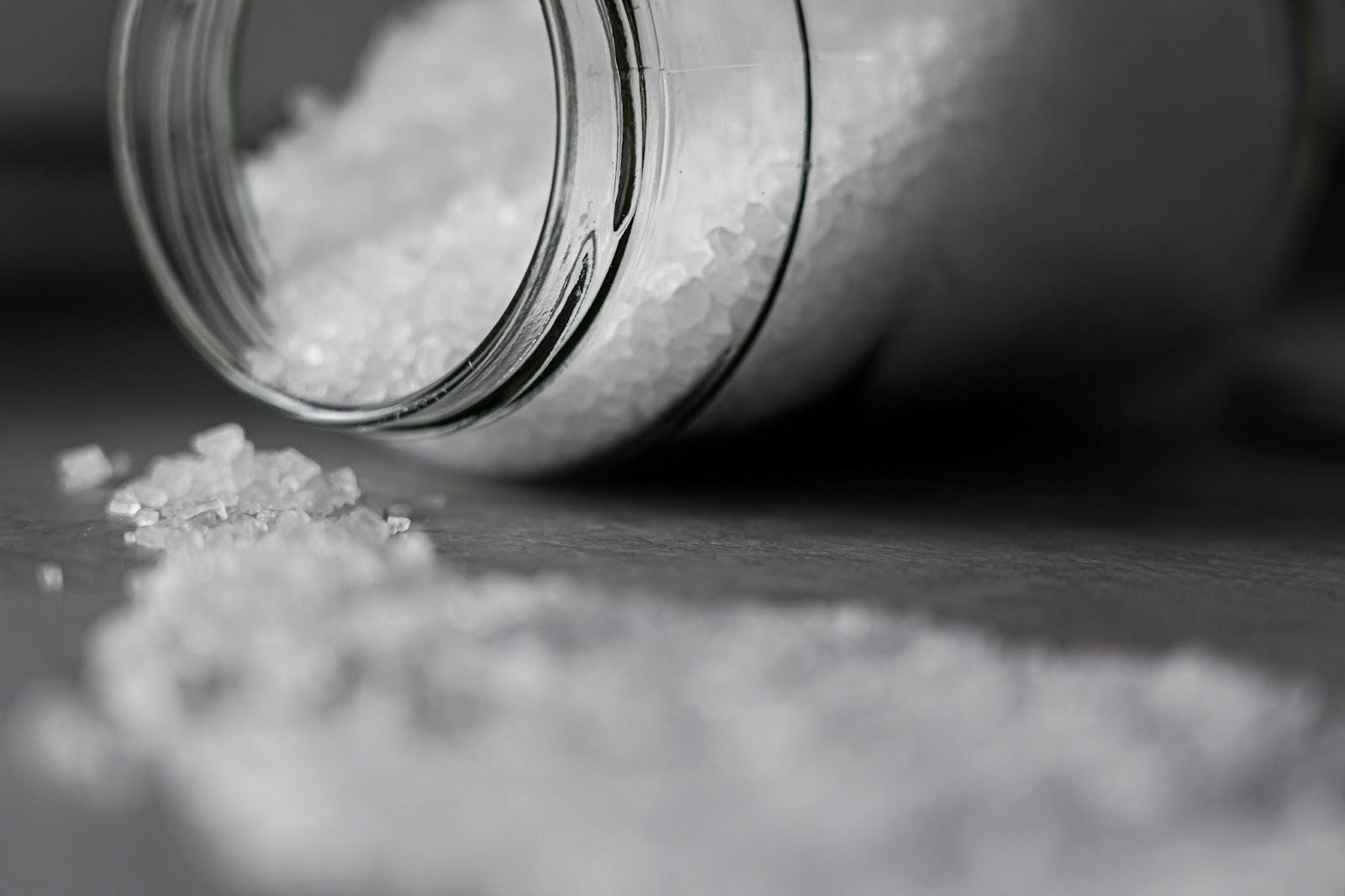
Salt

Image: Castorly Stock

Yes, excess sodium is harmful, but cutting it out completely can also be risky. Sodium helps maintain fluid balance and supports proper nerve and muscle function. Make sure you don’t entirely skip it!

5

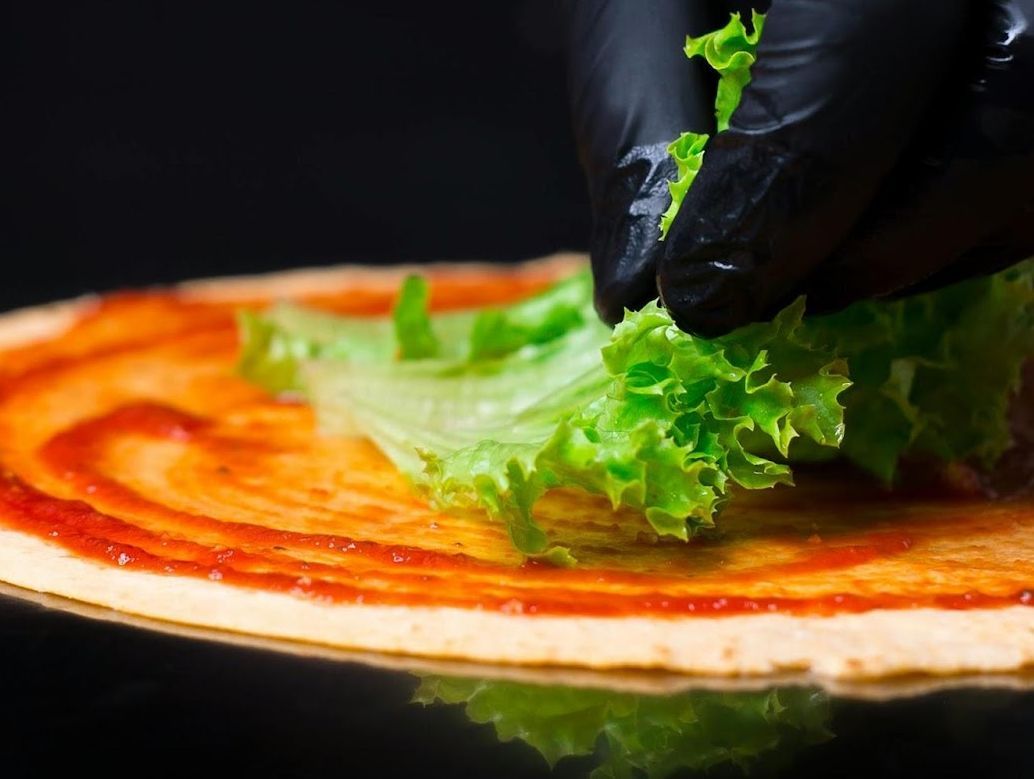
Pizza

Image: Andy Kuzma

Pizza with a caveat, that is. The healthiest pizza you can eat is homemade or thin-crust.

When made with whole-grain dough, real cheese, and veggie toppings, pizza can be a balanced meal, combining carbs, protein, and calcium. It’s the fast-food, oil-dripping, heavily-topped version that’s the real culprit.

6

Beer

Image: Alice Donovan Rouse

"What’s beer doing on this list?" you might wonder. Surprise! Moderate beer consumption (especially darker varieties) can provide antioxidant benefits and contribute B vitamins. Again, moderate is the magic word, not "happy hour every day."

7

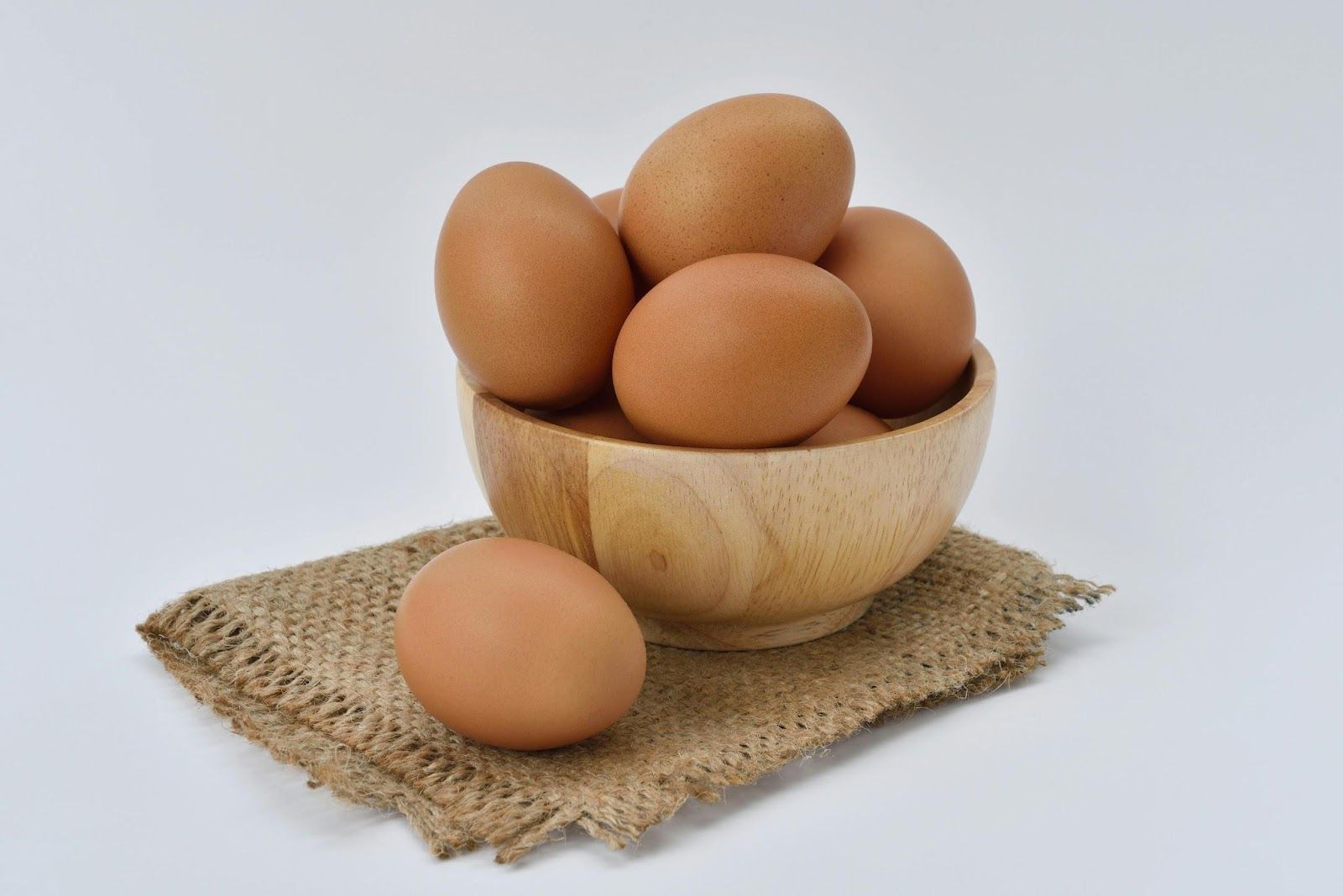
Eggs

Image: Pixabay

Remember when eggs were demonized for cholesterol? Modern studies show dietary cholesterol doesn’t raise blood cholesterol as much as once believed. Eggs are nutrient-dense, packed with choline and protein.

8

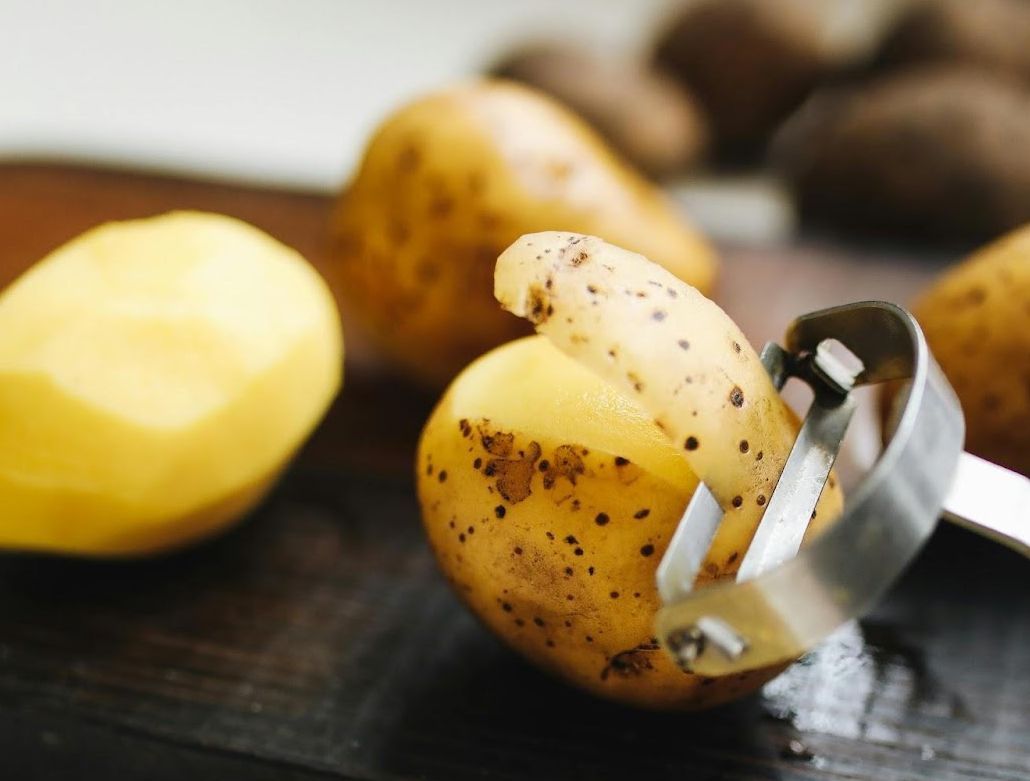
Potatoes

Image: Polina Tankilevitch

Sure, potatoes often rank low on lists of healthy foods when we’re thinking of chips or French fries.

But the tubers themselves are rich in potassium, vitamin C, and resistant starch, which support gut health. When prepared simply, such as by boiling, they can be a nutritious addition to a balanced diet.

9

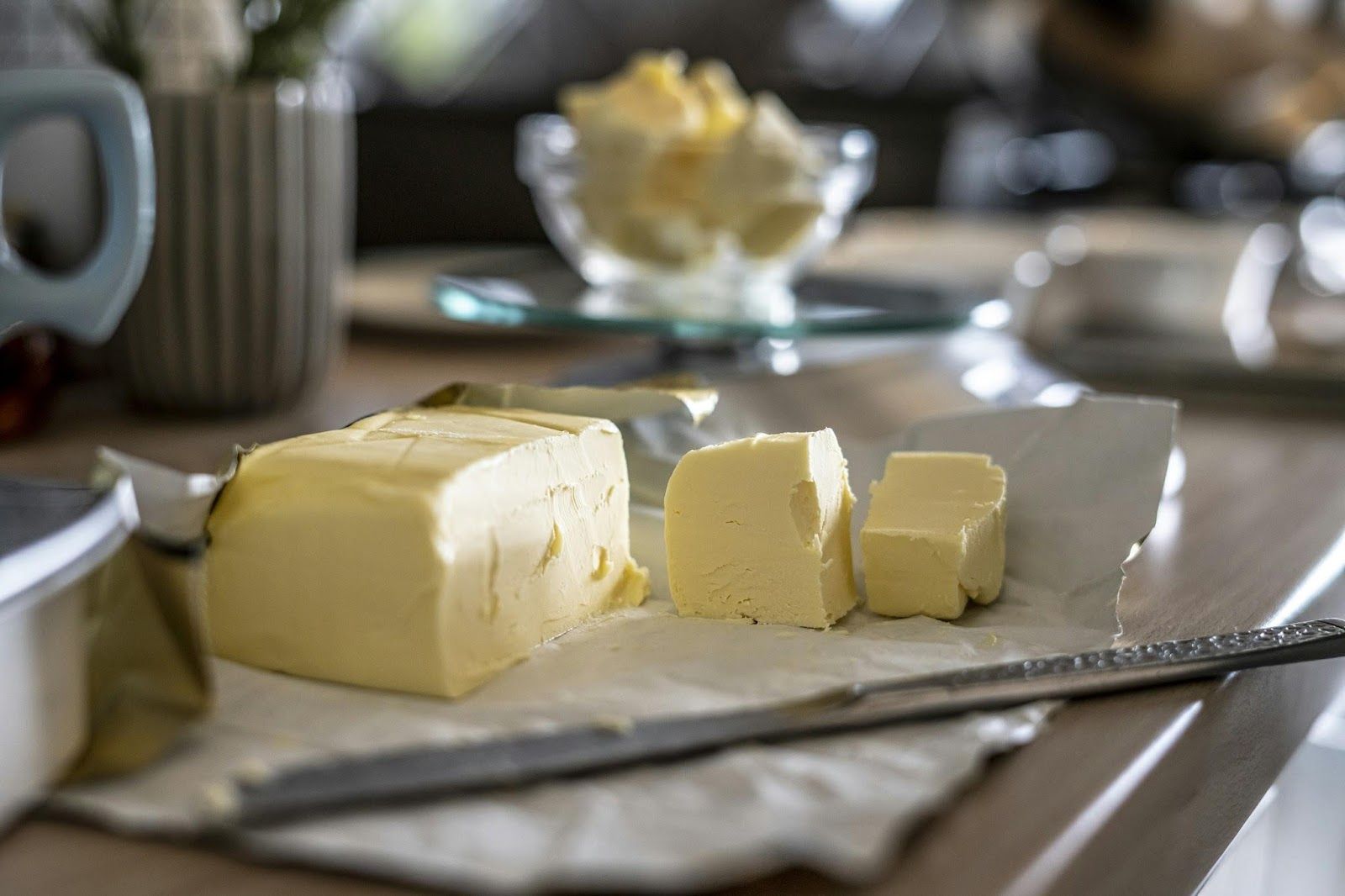
Butter

Image: Sorin Gheorghita

Demonized during the low-fat craze, natural butter, when consumed in small amounts, is often considered less harmful than margarine once was, particularly when margarines were filled with trans fats. Butter contains fat-soluble vitamins and conjugated linoleic acid (CLA), which may have anti-inflammatory effects.

10

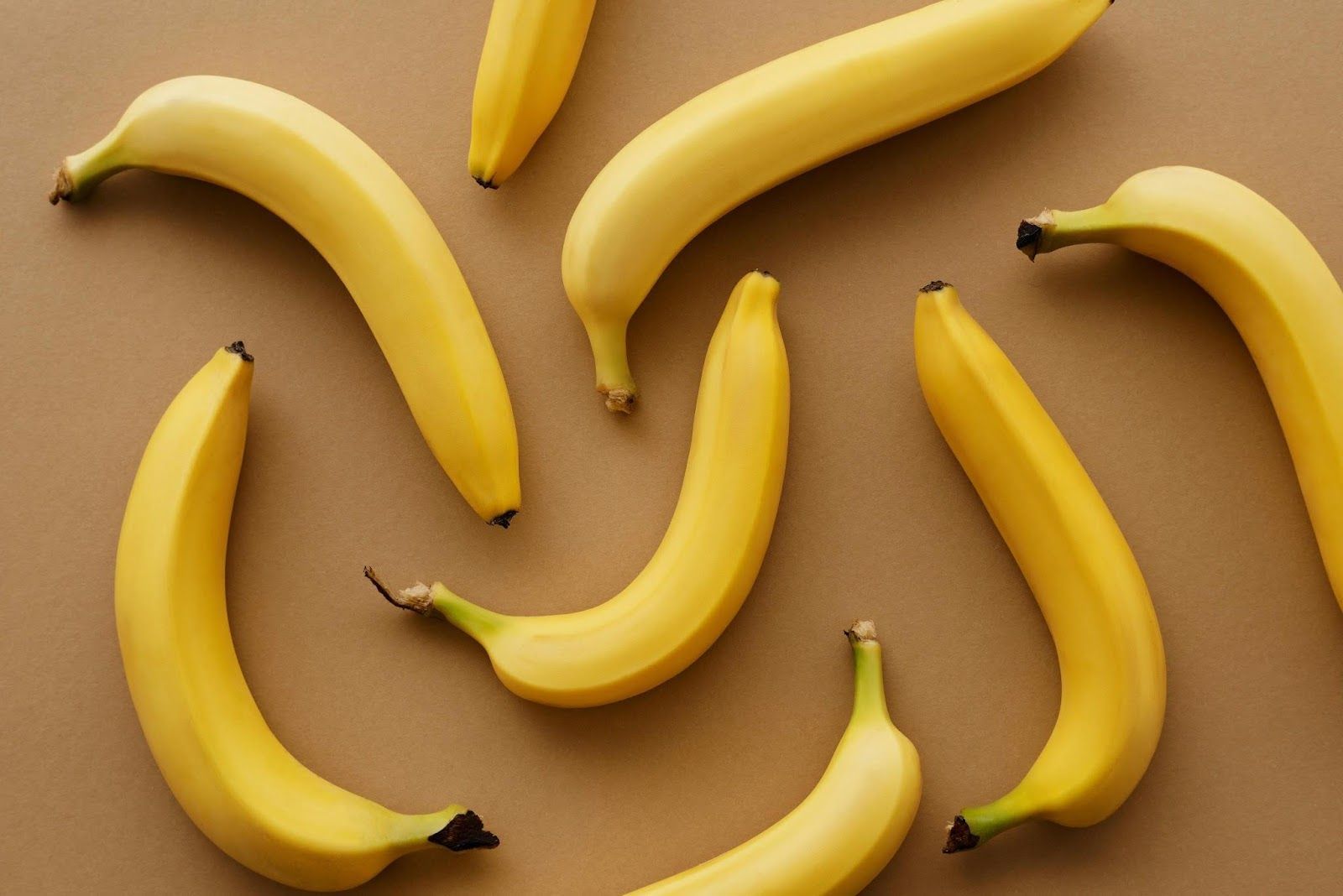
Bananas

Image: Vanessa Loring

They’re often accused of being "too sugary." They might be, compared to other fruits, but they are also loaded with potassium, fiber, and tryptophan. This last one supports serotonin production and plays a role in mood balance.

11

Cheese

Image: Zoe Richardson

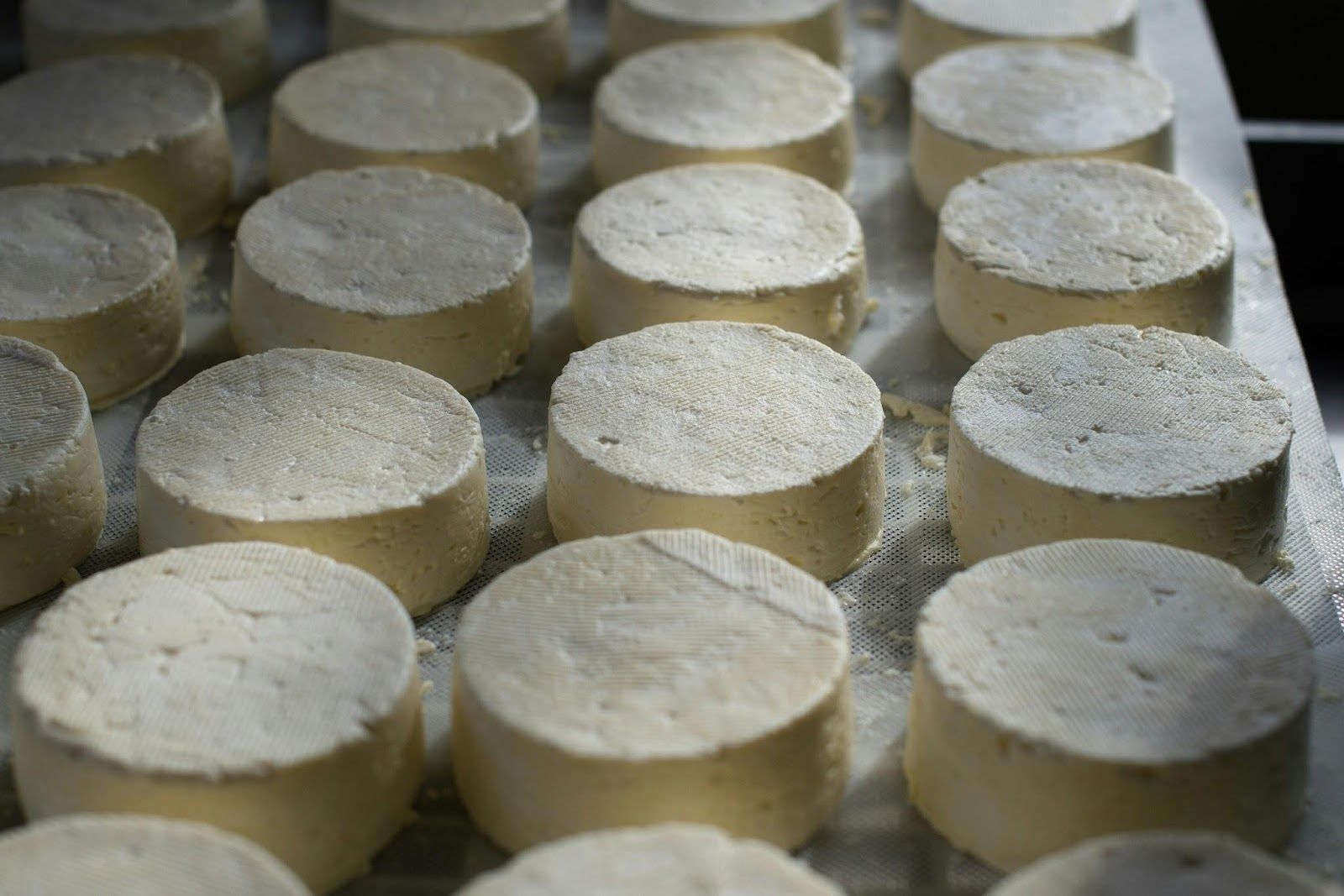
It’s calorie-dense, but also rich in calcium, along with beneficial fats and protein. Some fermented varieties (like aged cheddar or gouda) even contain probiotics that may support gut health.

What’s the healthiest type of cheese? Well, cottage cheese is often cited in that role, thanks to its high protein content and relatively low calorie count.

12

Sourdough Bread

Image: Debbie Widjaja

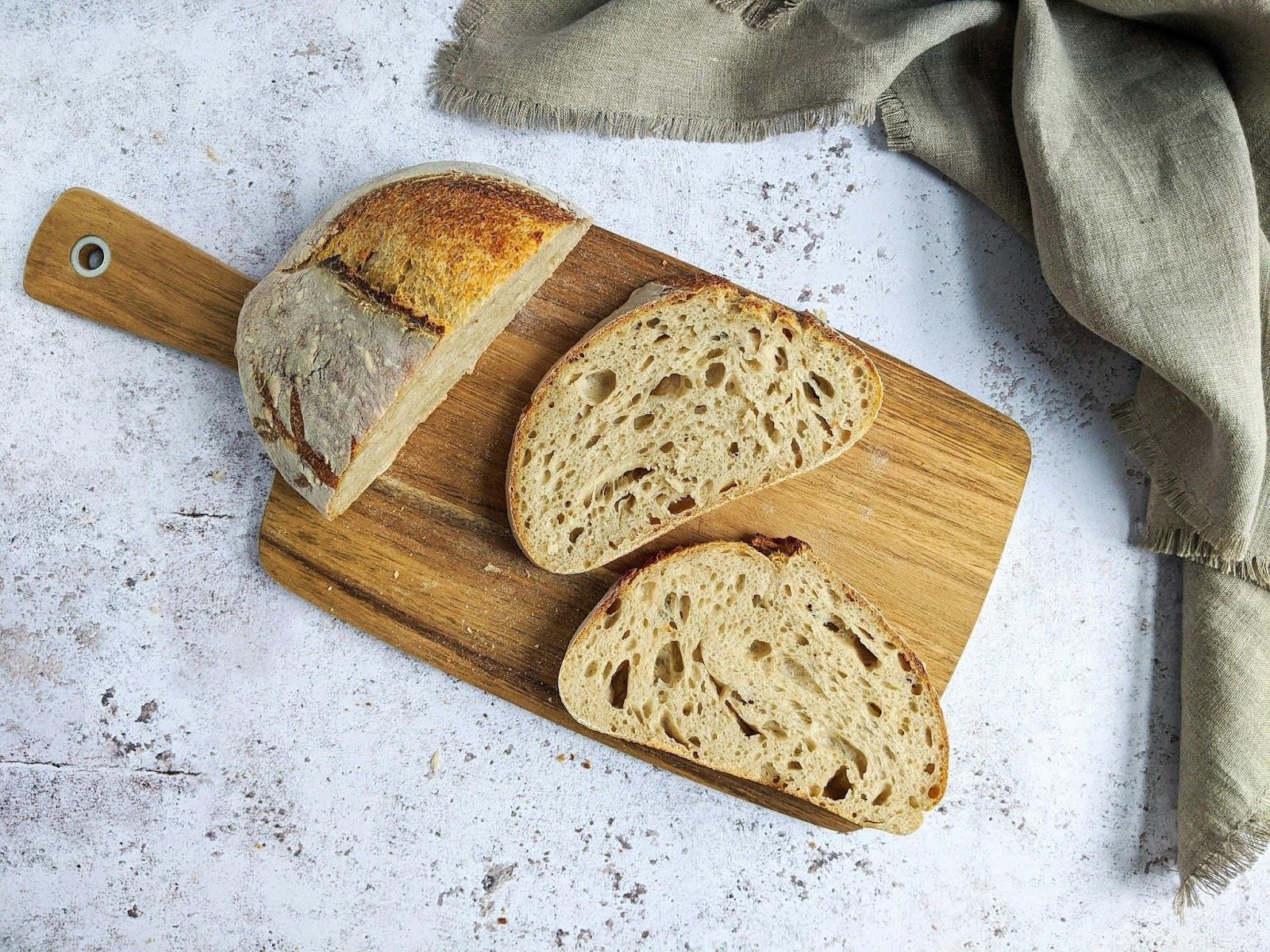
Not all bread is created equal; sourdough’s fermentation process can lower its glycemic index and make some nutrients more bioavailable. Plus, it’s often easier to digest than regular white bread.

13

Peanut Butter

Image: Tetiana Bykovets

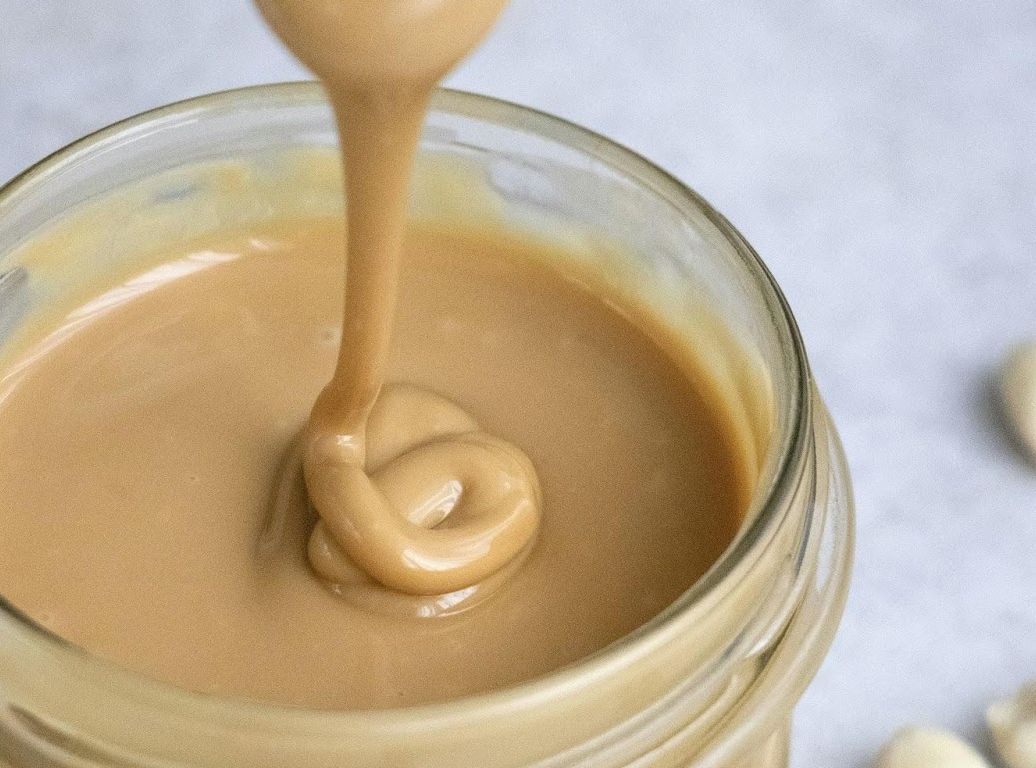
Often considered a "diet killer," but pure peanut butter (just peanuts and salt) is full of protein, healthy fats, and vitamin E. Its bad rap comes from sugary, hydrogenated versions. Avoid those, and you are good to go!


WORDPLAY PARADOX

Double Take: Explore the Two-Faced World of Contronyms


Published on January 23, 2026


Image: Glen Carrie

The English language is a fascinating tapestry woven with countless quirks and nuances. Among its many delights are contronyms, words that have two contradictory meanings.

These linguistic anomalies add a delightful twist to communication, and they often require context to avoid misunderstandings. Read on as we go through a list of contronyms, explore their duality, and uncover their origins.

1

Cleave: to split or to join?

Image: Abby Savage

Let’s kick off this list with a word that evokes images of both separation and unity at the same time. On one hand, it can mean to adhere firmly to something, as in "to cleave to tradition."

In the context of adherence, it is all about sticking together like peanut butter and jelly.

But here is the twist, this word can also mean to split apart, as in "to cleave through the dense underwood." A lumberjack wielding an axe is ready to "cleave through a mighty oak."

How did this linguistic paradox come to be? Well, "cleave" originates from two separate Old English words, "cleofian" meaning "to adhere" and "cleofan" meaning "to split." Over time, these two divergent meanings merged into one delightful linguistic enigma.

2

Sanction: approval or punishment?

Image: Tingey Injury Law Firm

Now, here’s a word that will keep you on your toes. Depending on the context, it can either mean to approve or to penalize. How’s that for a linguistic rollercoaster?

Originating from the Latin word "sanction," meaning "law" or "decree," sanction has managed to maintain its dual personality throughout its journey into the English language. When used for approval, "sanction" is like a stamp of authority, giving the green light to proceed. For example, "The committee voted to sanction the new project, signaling their full support."

However, it can morph into its alter ego, meaning punishment or penalty. For example, you might say, "The regulatory body decided to sanction the company for violating environmental regulations."

3

Dust: to clean or to sprinkle?

Image: Duncan Kidd

Prepare to have your cleaning routine turned upside down with the contradictory nature of "dust." This deceptive little word can mean both to remove dust and to sprinkle with fine particles. It’s like a linguistic magic trick, leaving you wondering which way is up.

In the context of cleaning, "dust" means to rid surfaces of pesky particles that accumulate over time. You might say, "I need to dust the shelves before guests arrive for dinner."

But hold on to your feather dusters, because this word can also mean to sprinkle with fine particles and, in that context, you might find yourself saying, "The baker carefully dusted the freshly baked pastries with cocoa powder."

4

Bolt: to secure or to fleet?

Image: Unsplash+

If you thought bolts were just for locking doors, think again. "Bolt" is another word that defies expectations meaning both to secure tightly and to make a swift gateway. It’s like having a trusty tool and a daring escape plan all rolled into one.

In the context of securing, "bolt" is all about fastening something firmly in place. In this case, an example would be, "Be sure to bolt the gate shut to keep the livestock from wandering off."

But don’t get too comfortable because "bolt" also means to dash away at lightning speed, leaving others in the dust. You might use it in a sentence like, "When the alarm sounded, the thief made a desperate attempt to bolt from the scene."

5

Seed: to plant or to remove?

Image: Unsplash+

In the world of gardening, the word "seed" is a vital component of growth. But did you know it can also mean the opposite? That’s right, "seed" can both mean to sow seeds for planting and to remove seeds from fruits or vegetables. It’s like playing chef and gardener at the same time!

When used in the context of planting, "seed" is all about laying the groundwork for future growth. An example of this meaning could be: "It’s time to seed the garden with tomatoes and cucumbers for a summer full of fresh produce."

At the same time, "seed" can also mean to remove seeds, like when preparing a delicious meal. In a sentence, it could go: "After slicing the peppers, be sure to seed them to reduce the heat."

6

Trim: to add or to subtract?

Image: Unsplash+

When it comes to giving something a makeover, the word "trim" seems straightforward enough. But in the world of contronyms, nothing is as it seems. "Trim" can mean both adding decorative elements and removing excess material. It’s like being both an interior designer and a tailor, all in one fell swoop.

In the context of adding, "trim" means embellishing or decorating something to enhance its appearance. You can "add a lace trim to a dress" or "adorn a tree with colorful trimmings."

On the other hand, "trim" can also mean removing excess material or parts of something to improve efficiency or aesthetics. You can "trim back overgrown bushes," or "trim any excess of fat from the meat."

7

Screen: to show or to hide?

Image: Diego González

When you think of a screen, you might envision a movie theater or a computer monitor. But did you know that "screen" can also mean both to display and to conceal?

According to the first definition, "screen" is to showcase or present something for everyone to see. For example, "The art gallery screened a documentary highlighting the artist’s creative process."

As for the second definition, "screen" also refers to shielding or hiding from view. In this case, you can use it in a sentence like, "The curtains were drawn to screen the room from the harsh afternoon sun."

8

Overlook: to surprise or to neglect?

Image: Quinten de Graaf

In the world of business, you have probably overlooked a project. But you have probably overlooked a detail that unleashed hell too, isn’t that so? "Overlook" is a fascinating contronym as it can mean both to supervise and to neglect.

In the context of supervising, "overlook" is a synonym for "monitoring", that is, it means to watch something over with care and attention. For example, "As the project manager, it’s my job to overlook the progress of the team."

However, it can also be a synonym for failing to pay attention, quite ironic, isn’t it? In this context, overlooking something might end in unintended consequences, like, "Don’t overlook the details, or you might miss an important opportunity."

9

Weather: to withstand or to wear away?

Image: Osman Rana

In the natural world, "weather" stands as a true anomaly. It’s a word that plays with our perceptions, veering between resilience and erosion. Like a cliff facing the relentless pounding of waves, "weather" embodies both strength and vulnerability.

When the tempests rage and the skies darken, "weather" becomes a symbol of resilience. In the face of adversity, we say a person or thing can "weather the storm," emerging stronger on the other side.

Yet, there’s another facet to this polysemic word. "Weather" can also mean the slow erosion of time’s touch. In this sense, to "weather" is to bear witness to the ceaseless march of time, where even the mightiest structures yield to its embrace.

10

Left: remaining or departed?

Image: David Marcos

In the dance of presence and absence, the word "left" takes center stage, twirling between what remains and what has departed. It’s like having one foot in the past and one foot in the present, never quite sure where you stand.

Amidst the flow of comings and goings, "left" refers to what remains or is still available after others have departed. You might say, "I’ll take the last slice of pizza since no one else is left to claim it."

However, "left" can also mean having departed or gone away, leaving behind an empty space or a sense of loss. You might use it in a sentence like, "She felt a pang of sadness as she realized her friends had all left the party without saying goodbye."

Looking for an extra scoop of literary fun?

Learn more with our Word of the day

incorrigible

/ɪnˈkɔrədʒəb(ə)l/