Have an apple
11 Medical myths we keep believing (but really shouldn't)
Published on September 10, 2025
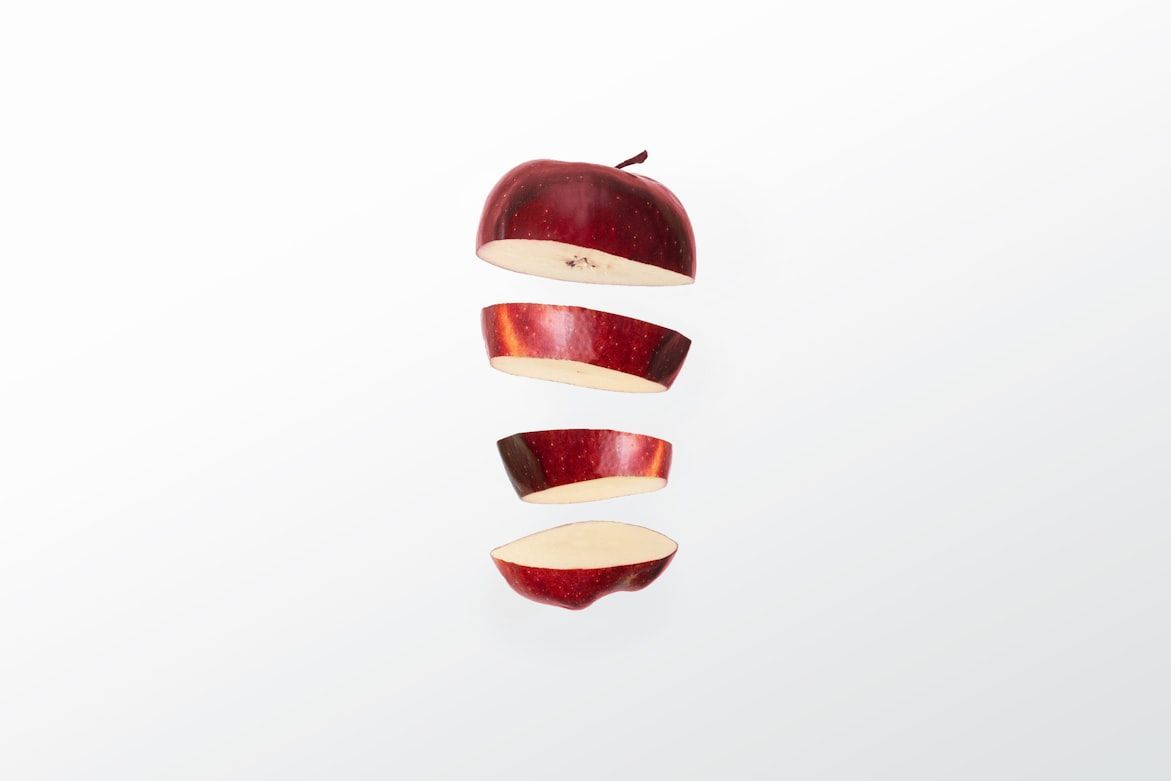 Image: Nikolai Chernichenko
Medicine is complicated, and it's easy for folklore, memes, and half-remembered advice to creep their way into our collective subconscious. Some of these myths are harmless, others are misleading, and many are downright dangerous. Let's take a look at 11 medical misconceptions that have endured over time, and that you've probably believed at one time or another.
An apple a day…
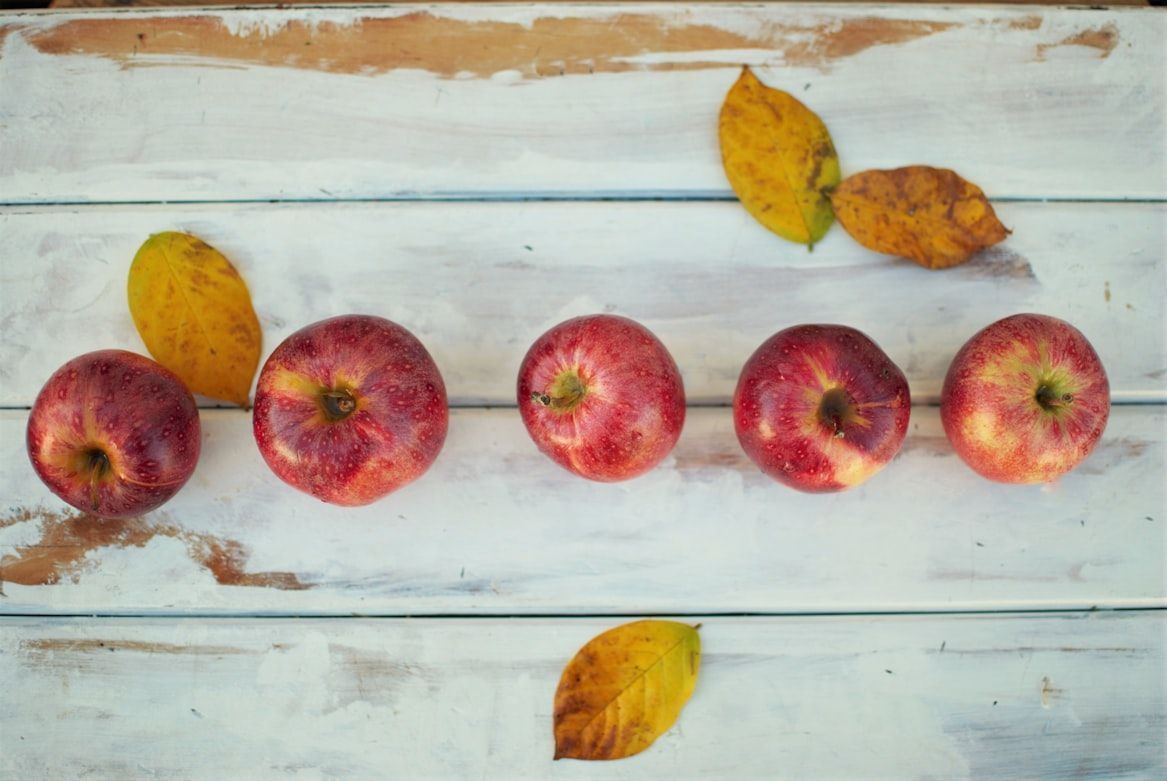 Image: Isabella Fischer
..keeps the doctor away, right? Apples are healthy. They are full of fiber, vitamins, and antioxidants. But, as you probably know, they aren't enough to ward off disease on their own. The phrase originated in 19th-century Wales as "Eat an apple on going to bed, and you’ll keep the doctor from earning his bread." The rhyme is charming, but fortunately, doctors still get plenty of bread.
Cracking your knuckles gives you arthritis
 Image: Kotagauni Srinivas
That satisfying pop comes from collapsing gas bubbles in the fluid of your joints, not from your bones grinding to dust. Decades of peer-reviewed research show no link between knuckle-cracking and arthritis or bone deterioration. It might be irritating for those around you, but not bad for your joints.
Shaving makes your hair grow back thicker
 Image: Guus Baggermans
It does feel that way, but it's only an optical illusion: the new growth feels blunt and coarse when compared to a tapered hair tip. However, the follicles themselves are unaffected by shaving. Your hair’s growth rate and thickness are determined by genetics.
Swallowed gum stays in your stomach for 7 years
 Image: Andra C Taylor Jr
This one is nothing more than a parental scare-tactic propaganda. Gum is indeed indigestible, but it doesn’t remain trapped inside you forever. It passes through your digestive tract quite efficiently, just like corn or sunflower seeds. Certainly in days, not 7 years.
Carrots will give you night vision
 Image: Angelo Casto
Although carrots are good for overall eye health, the myth that they have the power to give you night vision stems from a little bit of British World War II propaganda. The British Royal Air Force claimed that their pilots had uncannily good night accuracy because of their carrot-heavy diets. In reality, it was a cover story to conceal their use of radar technology.
An ice bath will sober you up
 Image: Tobias Oetiker
Neither black coffee nor cold showers can accelerate the rate at which your body metabolizes alcohol. Ask any doctor for a recipe to sober up quickly, and they will tell you the sad, sad truth: it's impossible.
Plenty of people claim to have found a trick to solve this problem. However, no matter how many freezing showers you take, they will only make you cold, wet, and awake, but still drunk.
Hiccups can be cured if you…
 Image: engin akyurt
Well, it depends on who you ask. There’s a long list of home remedies: hold your breath, drink water upside down, have a friend scare you, and so on. While some of these techniques might help by resetting your diaphragm, the truth is that most hiccups fade on their own within minutes. And if they don’t, you’re better off seeing a doctor than cycling through an endless number of folk cures.
Arsenic in apple seeds can kill you
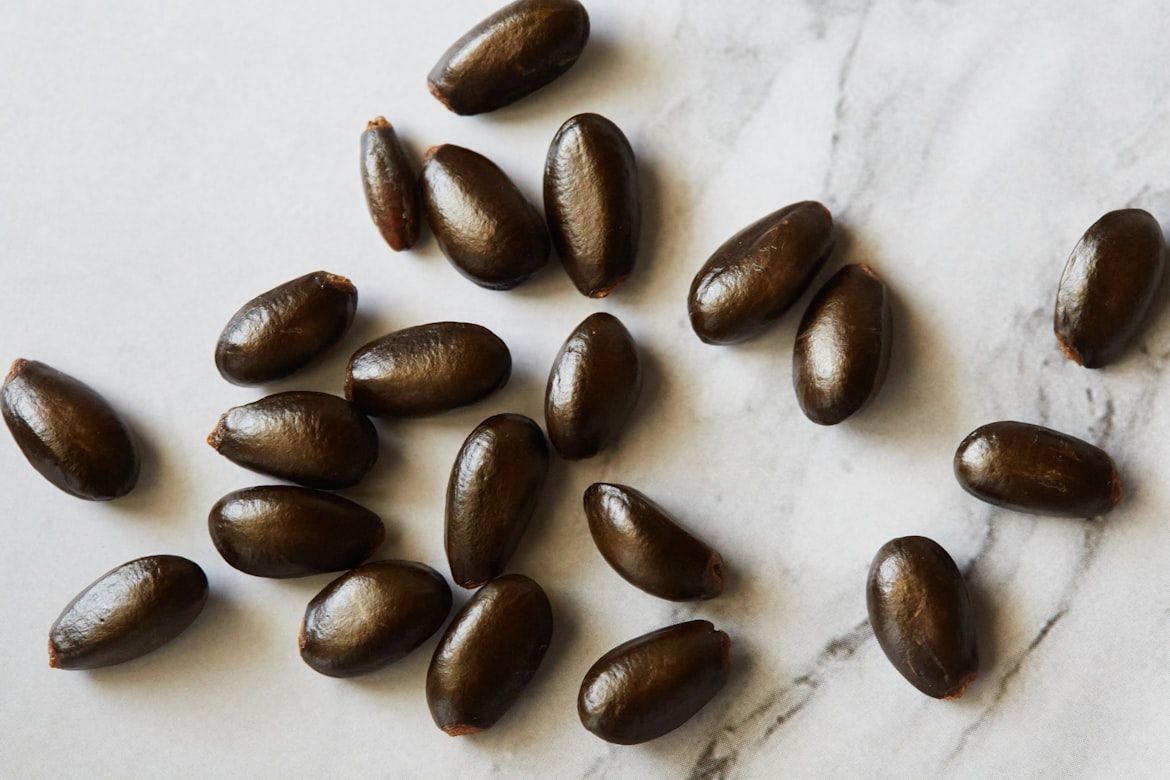 Image: Alfred Quartey
In reality, apple seeds contain amygdalin, which the body can convert into toxic cyanide (not arsenic). However, the amount of amygdalin in apple seeds is tiny: you would need to crush and eat over 150 apple seeds to get anything close to a dangerous dose. Or you could simply avoid eating the seeds altogether.
In any case, apples are far better at keeping the doctor away than they are at poisoning you.
Don't go outside with wet hair!
 Image: Chris Slupski
If you do, you'll catch a cold. Or that's what this myth would have us believe. In fact, wet hair in chilly weather will just make you uncomfortable.
As we know, colds are caused by viruses that get into our systems. Being cold or damp doesn't conjure viruses out of thin air. That being said, lowering your body's temperature might weaken your immune defenses slightly, but the real culprits are still unequivocally the germs.
You only use 10% of your brain
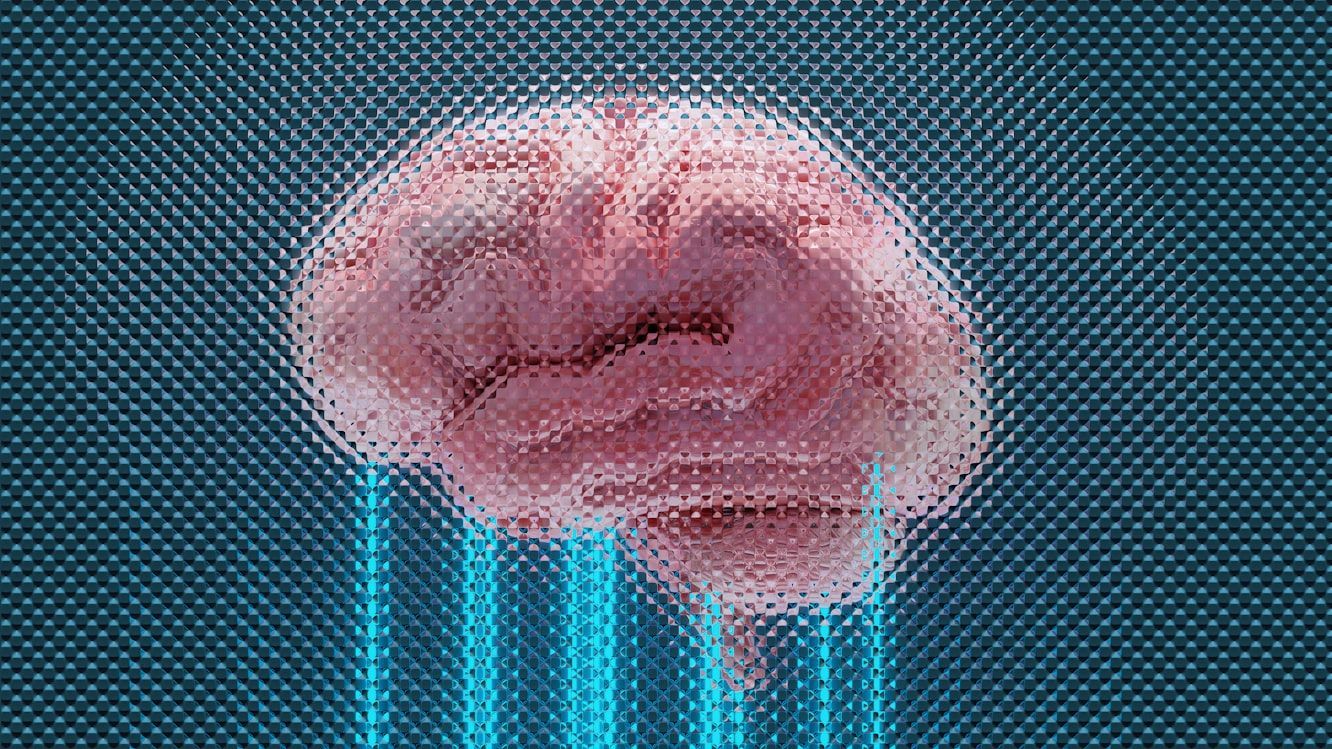 Image: Shubham Dhage
A Hollywood myth that has crawled deep into our collective imagination. While the exact origin of the phrase is unclear, it is often associated with the lectures of Harvard psychologist William James, who told audiences that we only tap a fraction of our full potential during the 1890s. The idea then evolved and spread through self-help and motivational literature, eventually becoming the widely believed claim we know today.
Scientific research has thoroughly debunked this notion. While the inner workings of much of our brain are still unknown to us, we do know that virtually all of it has a function, and we use 100% of it.
Eating turkey makes you sleepy
 Image: Megan Watson
A Thanksgiving classic, people like to blame their festive drowsiness on the turkey. There is some scientific basis for this: turkey does contain tryptophan, an amino acid that promotes sleep.
However, the amount in turkey is minimal and no greater than that found in chicken or beef. The real culprits behind your post-dinner nap are the carb overload, extra drinks, and day-long festivities—not the turkey itself.


